Flowering Groundcovers For Dry Shade Under Oregon Trees
That patch beneath a mature Oregon tree can be one of the most stubborn spots in the whole yard. It is shady, often dry, full of roots, and somehow still expected to look beautiful.
No pressure. Bare soil may seem like the easiest option, but a flowering groundcover can completely change the mood under a canopy.
Low-growing plants can soften exposed roots, add color, and make the space feel intentional instead of forgotten.
The challenge is finding something that can cope with limited sunlight without demanding constant watering. Tree roots are already competing for moisture, so thirsty plants usually make poor roommates in these tucked-away areas.
Texture matters too. Fine foliage, spreading stems, and seasonal blooms can create interest without crowding trunks or turning the ground into an unruly tangle.
A dry, shady corner does not have to stay dull. With the right plant choices, that difficult space under an Oregon tree can become one of the quietest and prettiest parts of the garden.
1. Western Bleeding Heart Spreads Through Shadier Beds
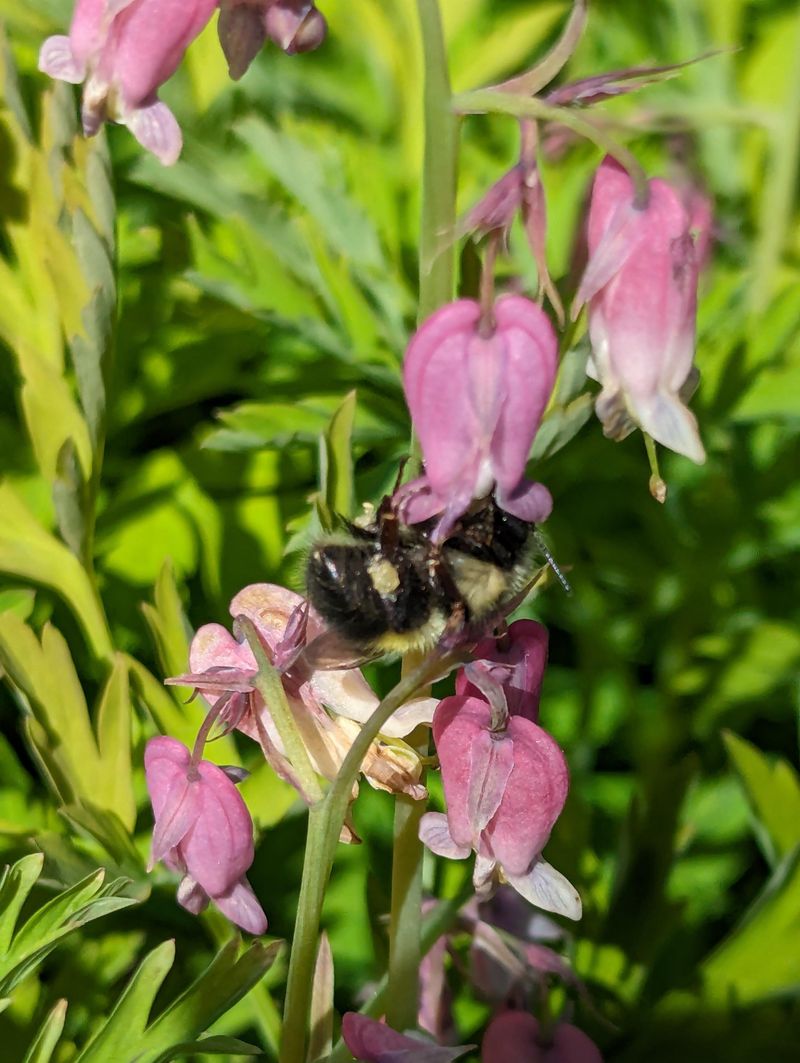
Few plants are as enchanting as Western Bleeding Heart when it quietly fills in a shady corner with its feathery leaves and dangling pink blooms.
Native to the Pacific Northwest, this perennial is built for life under trees. It handles dry summer conditions better than most gardeners expect.
The flowers appear in spring and are shaped like tiny hearts, usually in shades of soft pink or rose. They hang in clusters along arching stems and attract hummingbirds and native bees.
Even after the blooms fade, the finely cut, blue-green foliage stays attractive well into summer.
Western Bleeding Heart spreads slowly through underground rhizomes, which means it fills in gaps over time without becoming invasive.
Plant it in groups of three or more for a fuller look faster. It pairs well with ferns and mosses in shadier spots.
This plant goes dormant in late summer, especially in dry years, so it helps to pair it with an evergreen groundcover nearby. That way, you keep visual interest in the bed year-round.
Once established, it needs very little water or attention. For best results, plant it in loose, well-draining soil with plenty of organic matter mixed in. Avoid planting it in heavy clay without amending first.
A layer of leaf mulch around the base helps hold moisture during the driest months and mimics the forest floor conditions it naturally prefers.
2. Woodland Strawberry Adds Flowers And Low Green Cover
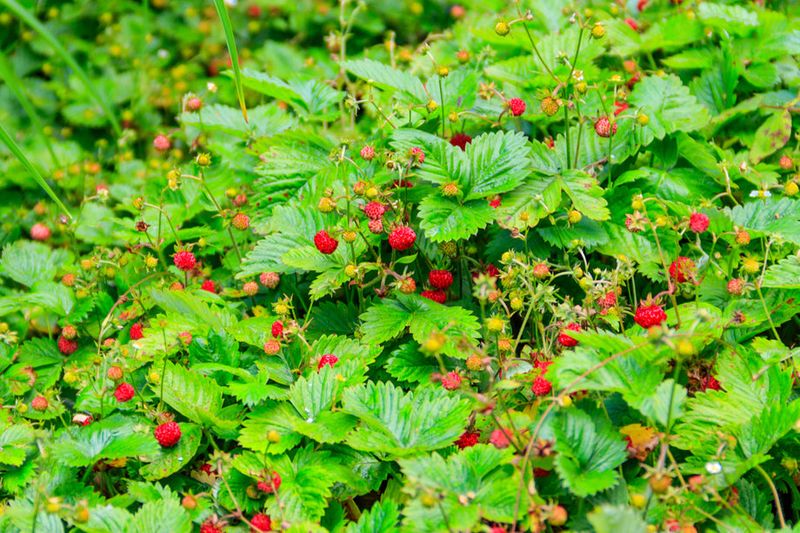
There is something charming about a plant that gives you both pretty flowers and edible fruit, even in the shade. Woodland Strawberry does exactly that.
It is a low-growing, spreading plant that works well under trees where most other options struggle to survive.
The white flowers appear in spring and are small but cheerful. They are followed by tiny red strawberries that are sweet and flavorful, though much smaller than store-bought varieties.
Birds love them too, so do not be surprised if the fruit disappears quickly. Spreading by runners, Woodland Strawberry forms a dense mat of green over time. It fills in bare soil efficiently and helps prevent weeds from taking hold.
Your Oregon Garden Changes Every Week. Your Plan Should Too.
Gardening in Oregon changes quickly throughout the season. Every Friday you’ll receive a simple weekly plan showing exactly what to plant, prune, fertilize, harvest, and protect so you never miss the right timing.
The leaves stay semi-evergreen in mild winters, which is a bonus for year-round coverage. One of the best things about this plant is how little fuss it requires.
Once it gets settled into the soil, it spreads on its own and rarely needs watering except during extreme dry spells. It tolerates poor, dry soil and root competition from trees better than most groundcovers.
Plant it in partial to full shade for the best results. Full sun will work, but the plant tends to look stressed and dry out faster.
Under Oregon’s native oaks or Douglas firs, it performs beautifully. Space plants about 12 inches apart and let the runners do the rest. A light top-dressing of compost each spring keeps it growing strong and healthy.
3. Yerba Buena Softens Dry Ground Beneath Trees
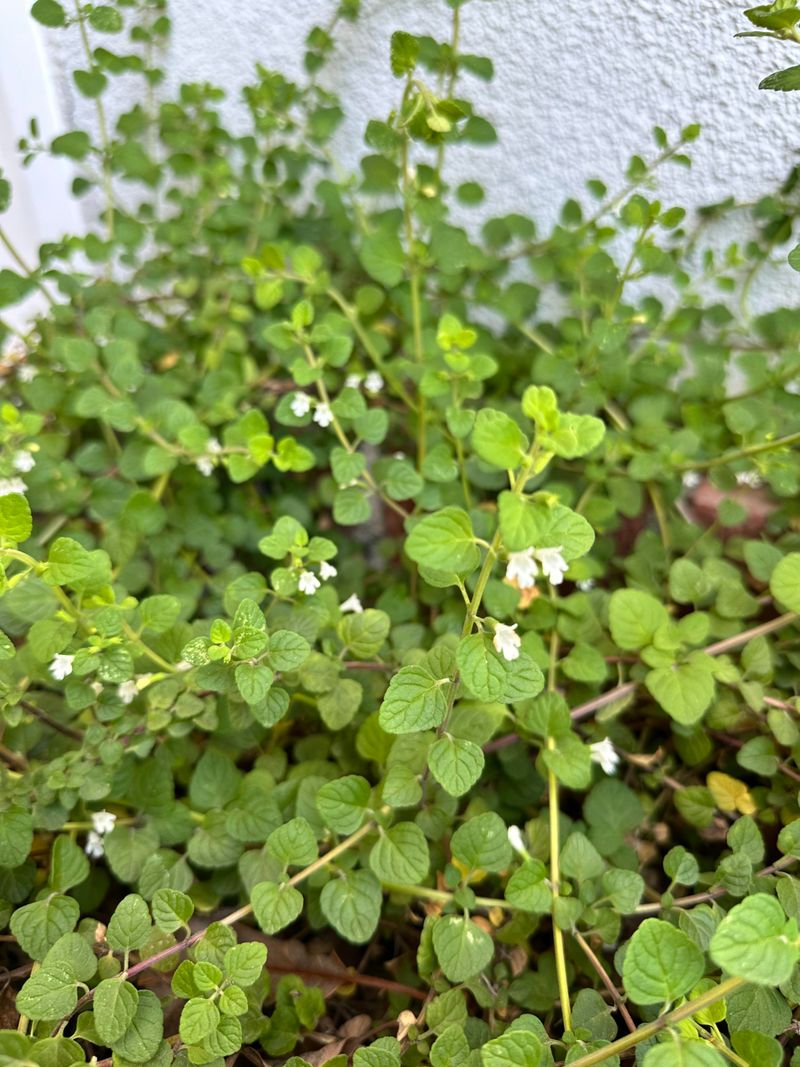
Mint-scented and quietly beautiful, Yerba Buena is one of those plants that rewards you every time you brush past it.
A native trailing herb, it hugs the ground and spreads gently across dry, shaded areas where more demanding plants give up.
It has a long history of use by Indigenous peoples for both medicine and tea. The leaves are small, round, and slightly fuzzy, with a strong minty fragrance that makes the garden smell wonderful on warm days.
Tiny white flowers appear in late spring and summer, adding a delicate touch to the ground layer. The flowers are small but they attract a surprising number of pollinators.
Yerba Buena grows slowly compared to some groundcovers, so patience is part of the deal. But once it gets established, it holds its ground well and stays tidy without much pruning.
It works especially well woven between rocks or along the base of tree trunks. Dry soil is not a problem for this plant as long as it gets some shade to keep roots cool.
It actually struggles more in wet, heavy soils than in dry ones. Good drainage is the key requirement here.
Plant it in part shade to full shade and water it regularly for the first season. After that, occasional deep watering during summer dry spells is usually enough.
Pair it with taller shade plants like ferns to create a layered, natural-looking garden bed that feels like a true woodland floor.
4. Redwood Sorrel Brings Color To Cooler Shady Spots
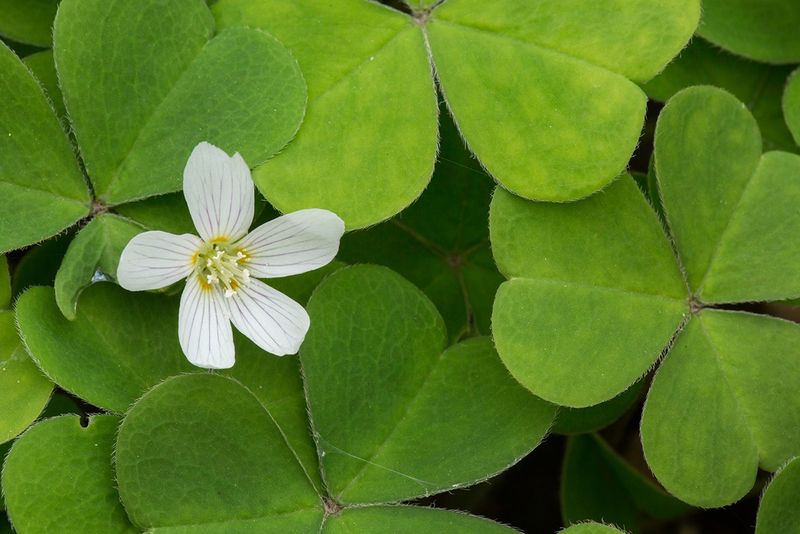
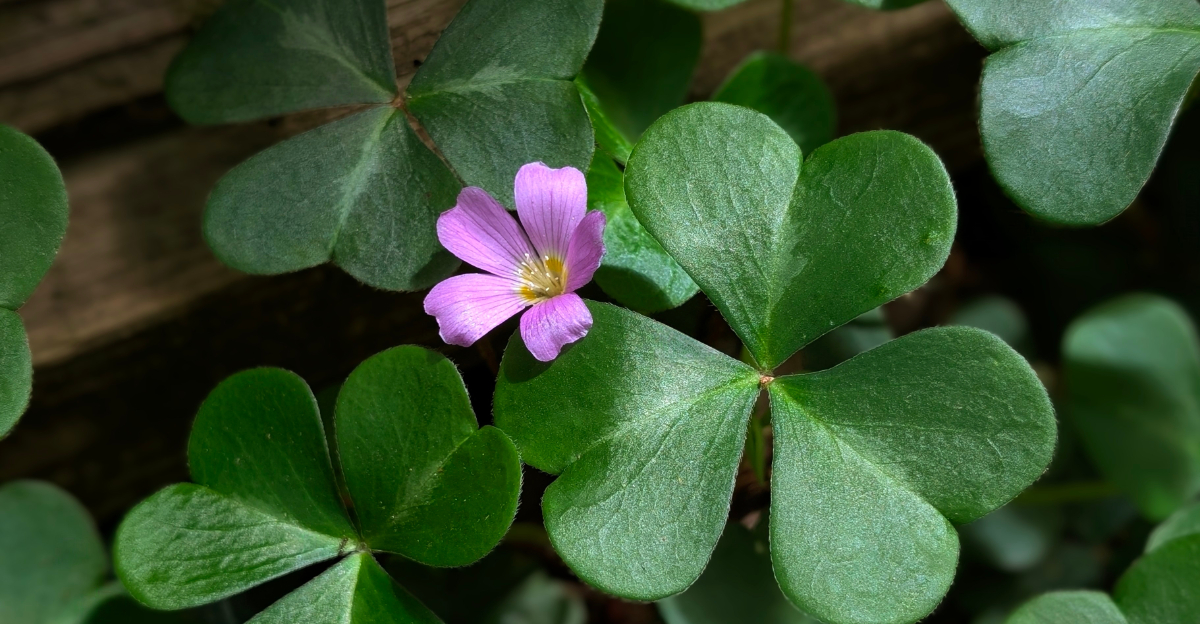
Clover-like leaves that fold up at night and delicate pink flowers that open in the morning make Redwood Sorrel one of the most visually interesting groundcovers for shady spaces.
Native to coastal forests from California up through the Pacific Northwest, it is perfectly suited to cool, dry shade under conifers and other large trees.
The foliage is one of its standout features. Leaves come in shades of green, sometimes with deep burgundy undersides, and they create a rich carpet effect when planted in mass.
The contrast between the leaf colors and the pale flowers is genuinely eye-catching.
Redwood Sorrel spreads by rhizomes and forms a dense mat over time. It outcompetes many weeds once established, making it a low-maintenance choice for problem areas.
It handles dry summers well, especially when planted in full shade where soil stays cooler longer.
One thing to know is that it can spread fairly aggressively in ideal conditions. In a contained bed, this is a great quality.
In a mixed planting with smaller or more delicate plants, you may want to keep an eye on it and pull back runners occasionally.
Water it during the first summer to help roots get established. After that, it generally manages on its own through Oregon’s dry season.
Plant it in groups and let it naturalize. It looks especially stunning planted beneath large Douglas firs or redwoods, where the canopy creates the deep shade it loves most.
5. Pacific Waterleaf Handles Dappled Shade Well
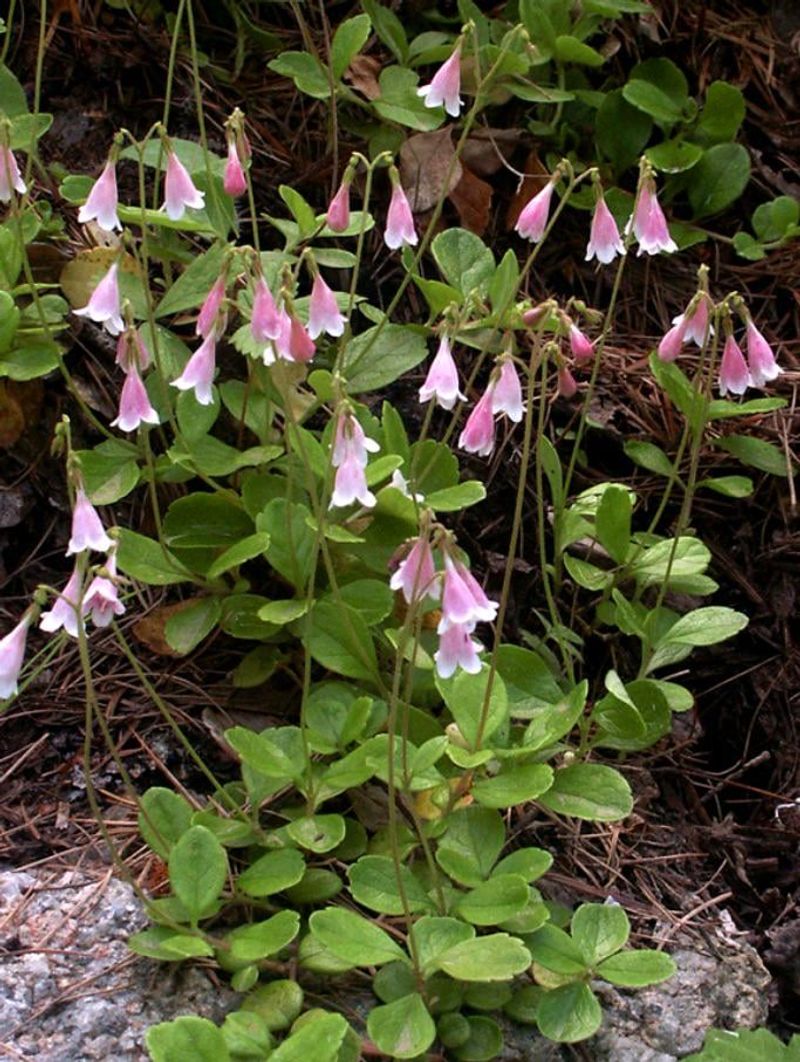
Not every plant can handle the in-between light that comes from dappled shade, but Pacific Waterleaf was practically built for it.
This native perennial thrives in the shifting light and dry conditions found beneath deciduous trees. It is often overlooked, but gardeners who discover it rarely want to go without it.
The leaves are large and distinctly mottled, with lighter patches that almost look like water stains, which is where the common name comes from. In spring, clusters of white to pale lavender bell-shaped flowers appear on upright stems.
The blooms attract native bees and other early pollinators when not much else is flowering yet.
Pacific Waterleaf spreads by both seeds and underground rhizomes. It can form a fairly dense colony over several seasons, which helps it compete with weeds and fill in large areas under trees.
It is a good option for naturalizing a shady slope or a wide bed around a mature tree. Like many native plants, it goes dormant in summer and the foliage fades back. Planting it alongside evergreen groundcovers fills that gap nicely.
The early spring growth comes back reliably each year, often before many other plants have even started to wake up.
Soil preparation matters less with this plant than with many others. It tolerates poor, rocky, or root-filled soil without complaint.
Give it a good start with some compost at planting time and then let it do its thing. Minimal watering after establishment is all it really needs to thrive.
6. Piggyback Plant Makes A Lush Flowering Ground Layer
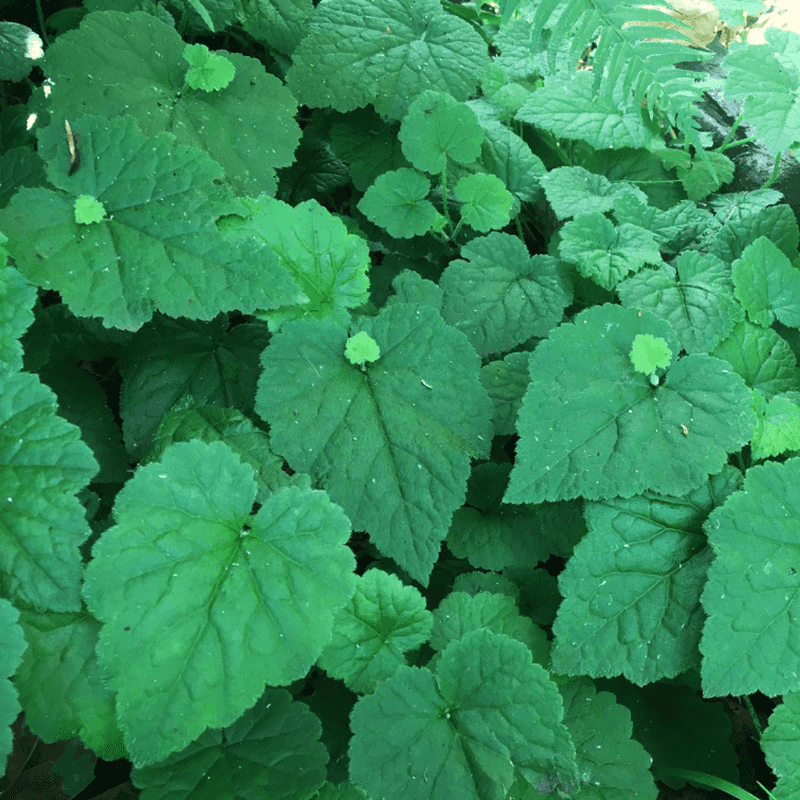
With a name like Piggyback Plant, you know there is something quirky going on. This Pacific Northwest native gets its name from the tiny plantlets that grow right on top of the parent leaves, making it look like the leaves are giving their babies a ride.
It is a fun plant with a genuinely useful purpose in shady garden beds.
The leaves are large, rounded, and deeply lobed, creating a bold texture in the ground layer. Small, inconspicuous flowers appear on tall stalks in spring and summer.
While the blooms are not the main attraction, they do provide a light, airy contrast to the heavy foliage below.
Piggyback Plant spreads naturally as the plantlet-bearing leaves touch the soil and root. This makes propagation effortless.
Just press a leaf down onto moist soil and it will often root on its own. Over time, it forms a thick, lush mat that shades out weeds effectively.
It prefers consistently moist, shady conditions, but once established, it handles drier periods better than its appearance suggests. Under trees with dense canopies, it benefits from occasional deep watering during summer dry spells to stay at its best.
Use it in spots where you want bold foliage impact without a lot of upkeep. It works well near streams, along shaded pathways, or at the base of large conifers.
Rich, well-draining soil gives it the best start. Add a layer of compost each fall to keep the planting looking full and fresh into the following season.
7. False Lily-Of-The-Valley Works In Moisture-Retentive Shade
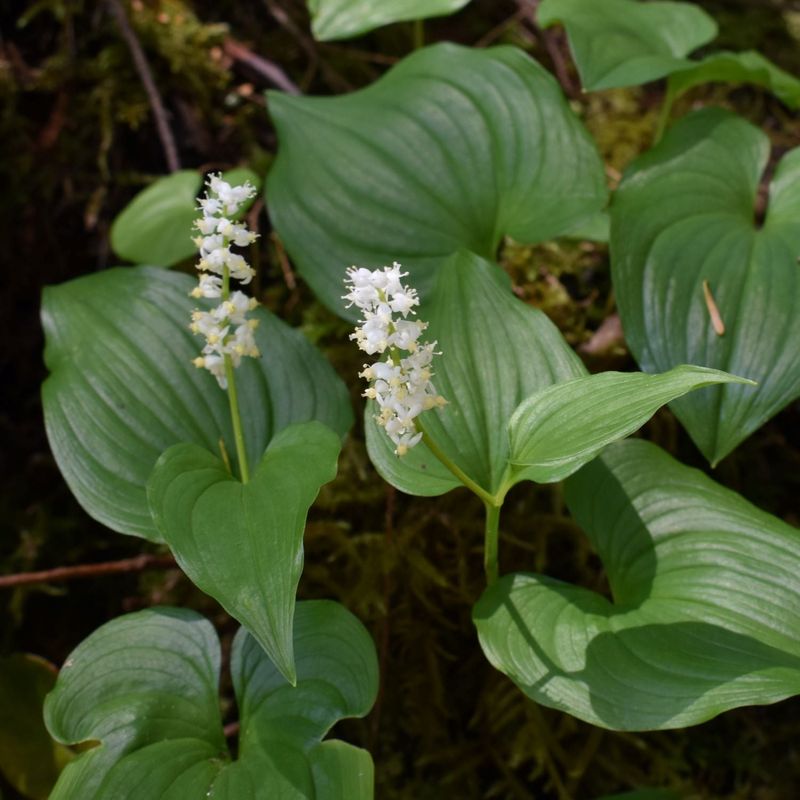
Fragrant, glossy-leaved, and surprisingly tough, False Lily-of-the-Valley is a native groundcover that earns its place in shady beds with almost no effort from the gardener.
It may look delicate, but it is one of the more resilient options for spots under trees where the soil holds a bit more moisture than average.
Small, white, star-shaped flowers bloom in late spring and carry a light, sweet fragrance. The flowers are clustered on short spikes above the heart-shaped leaves, and they are followed by speckled berries that ripen to red in late summer.
Birds find the berries very appealing, which helps spread the plant naturally. The foliage is one of the highlights. Leaves are bright green and glossy, creating a clean, fresh look even in deep shade.
They emerge in spring and stay attractive until frost. In mild winters, some leaves may persist longer, adding to the year-round appeal.
False Lily-of-the-Valley spreads by underground rhizomes and can cover a large area over several years. In ideal conditions, it can spread fairly quickly, so give it space to move.
It works beautifully as a mass planting under trees or mixed with ferns and other shade plants.
Moisture-retentive soil is where this plant really shines, but it can handle some dryness once established. Avoid planting it in hot, sunny spots.
In Oregon’s wetter microclimates, it naturalizes especially well. A top-dressing of leaf litter or fine bark mulch helps keep the roots cool and the soil from drying out too fast.
8. Wild Ginger Adds Flowers Beneath Dense Tree Canopies
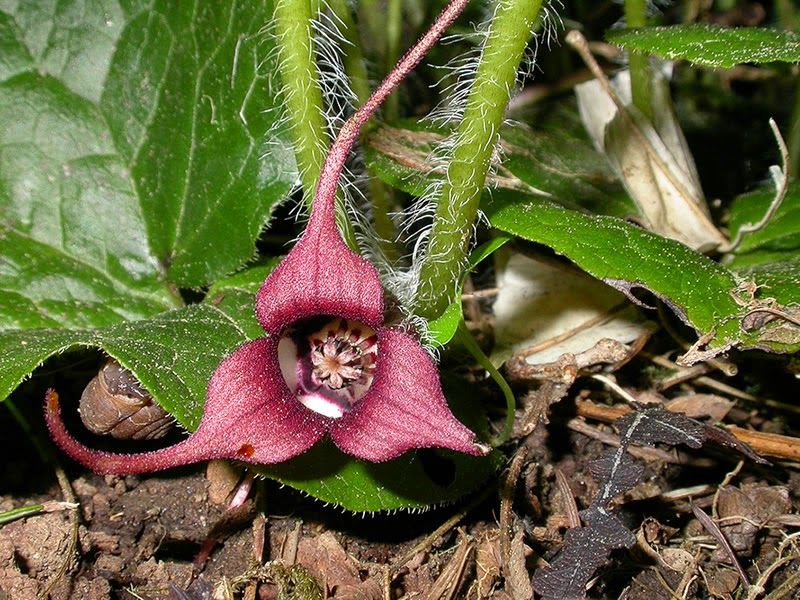
Slow and steady wins the race, and Wild Ginger is living proof of that. This evergreen native groundcover takes its time getting established, but once it settles in, it forms one of the most attractive and weed-suppressing carpets you can grow under dense tree canopies.
Patience with this plant pays off beautifully. The leaves are large, heart-shaped, and a rich, deep green.
They stay on the plant year-round, which makes Wild Ginger especially valuable in winter when most other groundcovers have gone dormant.
The texture is bold and almost tropical-looking, which adds a dramatic effect to shaded beds.
The flowers are hidden and unusual. Small, brownish-red blooms appear at soil level in spring, tucked beneath the leaves.
They are pollinated by beetles and other ground-level insects, so they do not need to be visible to do their job. Most gardeners never notice them, but they are there every year.
Wild Ginger handles dry shade under conifers and broad-leaved trees better than almost any other native plant.
Its rhizomes spread slowly outward, and the plant builds a dense root network that holds soil and crowds out weeds over time.
It is an excellent choice for slopes under Oregon’s native big-leaf maples.
Plant it in rich, well-draining soil and water regularly through the first two seasons. After that, established plants need minimal irrigation.
Avoid disturbing the roots once it is growing well. A mulch layer of shredded leaves around new plantings helps speed up establishment and mimics its natural forest habitat perfectly.