Supporting Habitat For Arizona’s Lazuli And Varied Buntings In Your Desert Garden
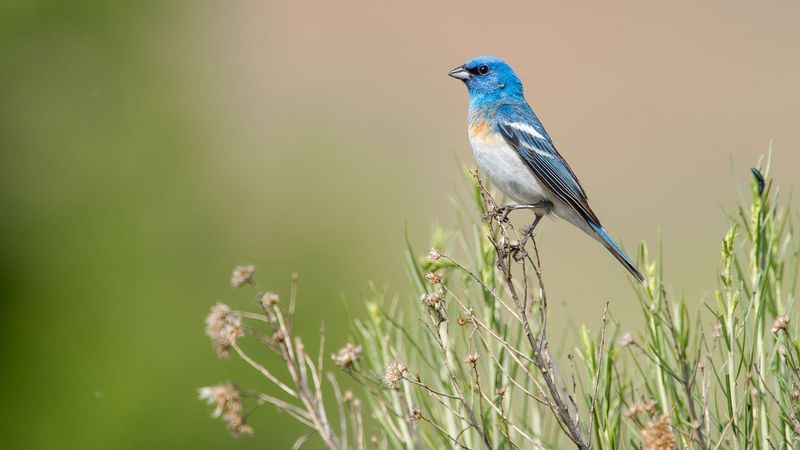
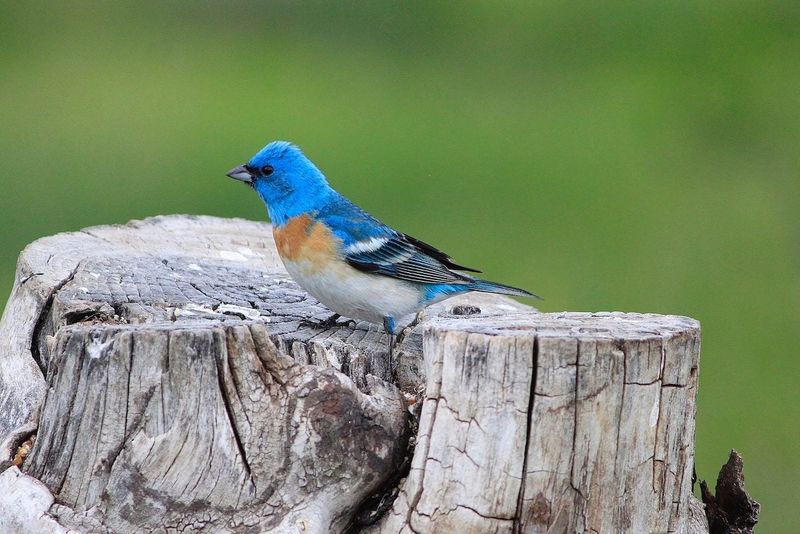
Few birds in Arizona look as striking as a male Lazuli Bunting, with his bright blue feathers, or a Varied Bunting, with his deep purple and red tones. Many Phoenix and Tucson gardeners wonder if the right plants and water could draw them in.
A well-planned desert garden can help birds in general, and it might give a bunting a reason to stop by. Here is what is realistic for each species and how to build a yard that works for wildlife.
When might a bunting visit?
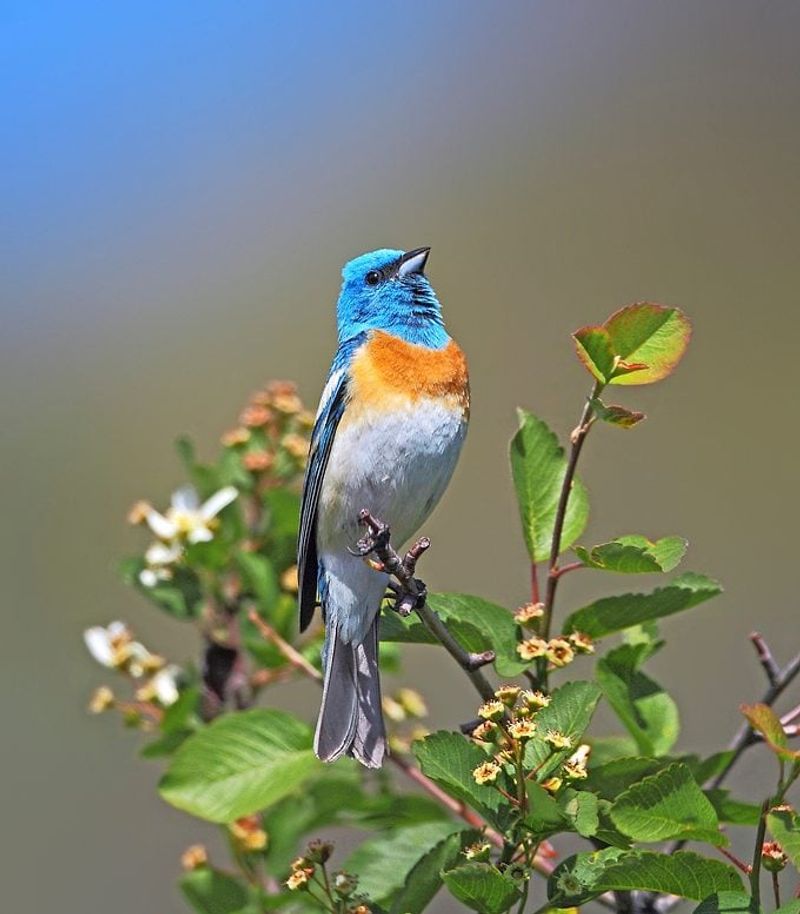
Start with honest expectations. Lazuli Buntings pass through southern Arizona during fall migration, so a visit is a seasonal possibility, not a year-round habit.
In parts of their range they do use residential gardens, and Cornell Lab life history notes list brushy hillsides, streamsides, thickets, and gardens among their habitats.
Varied Buntings are a tougher target. They favor dense, often thorny scrub in canyons, washes, and stream corridors, and Cornell reports they generally avoid urban and suburban settings.
They are associated with brushy southern Arizona habitat and summer breeding.
A low-desert metro yard in Phoenix or Tucson is not the same as a mesquite-lined wash in the southern part of the state. Think of your garden as a helpful stop for birds in general.
If a bunting shows up, that is a bonus.
Two birds, different habitat needs
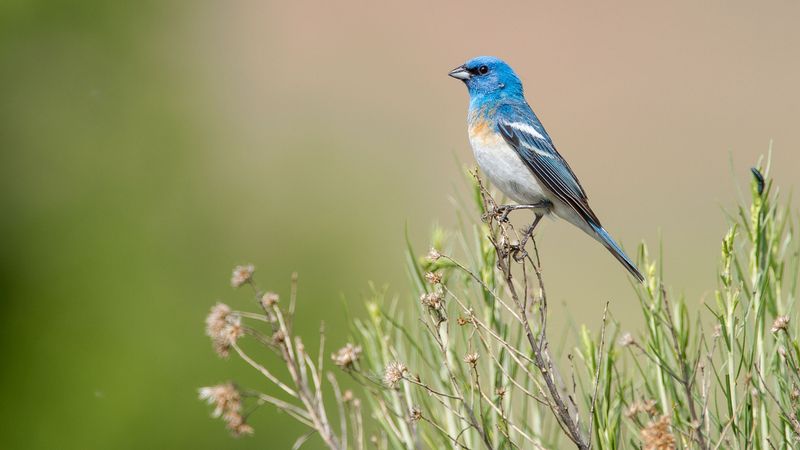
Varied Buntings lean on dense cover. They eat insects, seeds, seed pods, and cactus fruit, and they use thick brush such as mesquite and thorny shrubs.
Their food and shelter come as a package, which is one reason open, tidy yards rarely suit them.
Lazuli Buntings live a little differently. They forage low in vegetation for grass and weed seeds plus insects, and they use brushy hillsides, thickets, and streamside areas, according to Cornell Lab.
They may also visit feeders, especially those with white proso millet.
That feeder habit is documented for Lazuli Buntings, not for Varied Buntings. So one planting will not serve both birds equally.
Treat each species separately when you plan, and expect the Lazuli to be the more realistic visitor.
Fairy-duster offers a documented food link
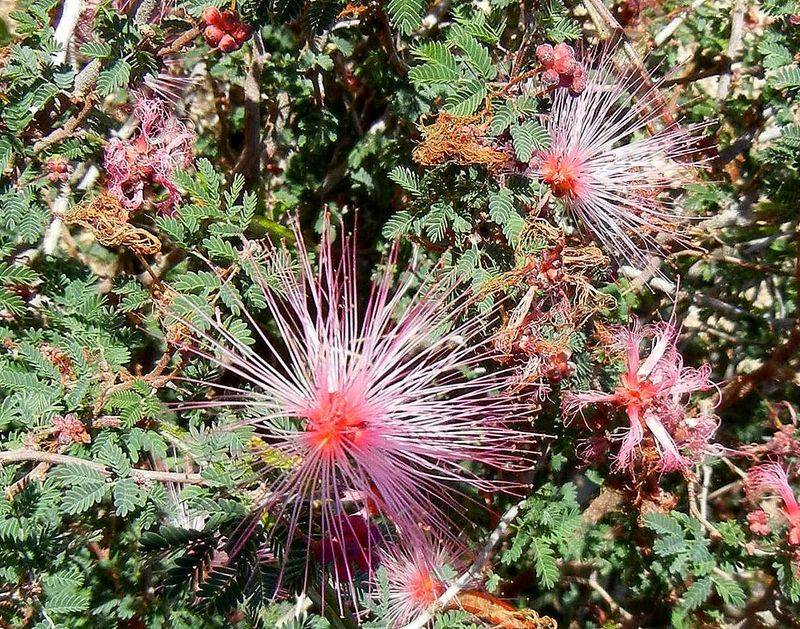
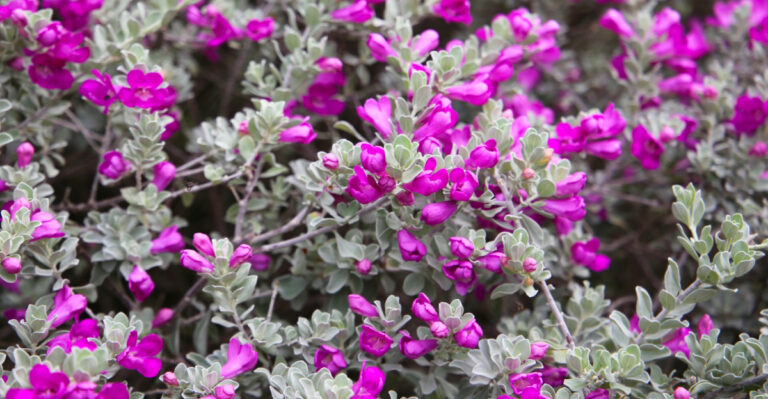
Fairy-duster (Calliandra eriophylla) earns a spot on the list for its seeds. Cornell names fairy-duster seeds among the foods of the Varied Bunting, which makes the plant a documented food link for that bird.
It also suits dry yards. Audubon’s plant profile describes this native shrub as low-water once established and happy in full sun and dry, gravelly soil.
Its seed pods are food for birds.
Keep the claim modest. Planting fairy-duster will not draw a bunting to your particular yard.
The pods matter more than the showy pink-red flowers, so think of it as one useful, water-wise piece of a bird-friendly planting.
Build a native planting with more than seed
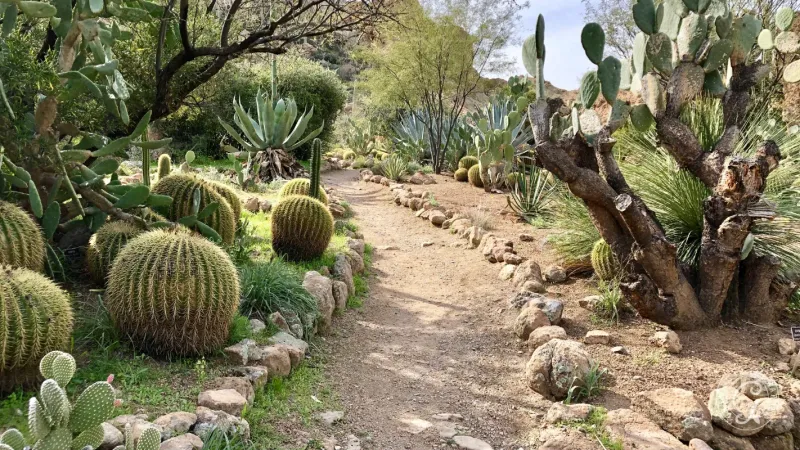
Birds need food, cover, and a place to nest, so variety helps. Audubon’s Central Arizona list points to ironwood, mesquite, prickly pear, desert hackberry, fairy-duster, and desert willow as plants that offer combinations of food, cover, or nesting habitat for Sonoran Desert birds.
Your Arizona Garden Changes Every Week. Your Plan Should Too.
Gardening in Arizona changes quickly throughout the season. Every Friday you’ll receive a simple weekly plan showing exactly what to plant, prune, fertilize, harvest, and protect so you never miss the right timing.
Picture layers. A mesquite or ironwood gives shade and perches, a prickly pear adds fruit and prickly shelter, and a hackberry or fairy-duster fills in the middle with berries or pods.
Low gaps between plants leave room for birds to forage near the ground.
These are general bird-habitat picks. Not every plant on the list is a proven bunting attractant, and no tested recipe exists for drawing either species.
The payoff is a yard that works harder for wildlife and uses less water.
Water helps birds generally, not as a bunting guarantee
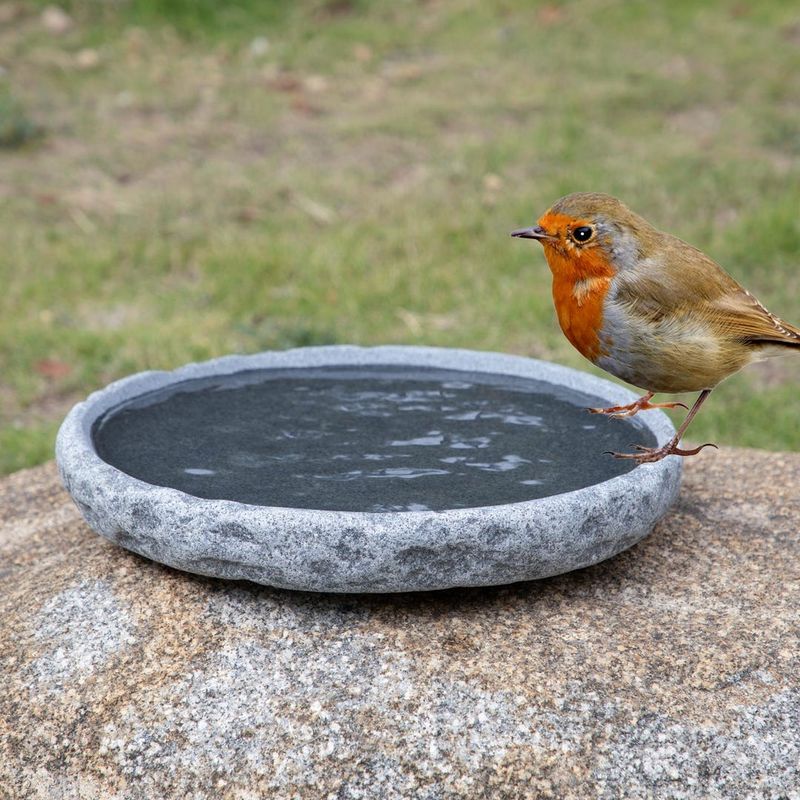
Water is a reasonable addition for birds in a hot climate. Audubon suggests a shallow basin with rocks or branches for perching, with shelter nearby so birds feel safe.
Upkeep matters even more in summer heat. Arizona Cooperative Extension advice is to dump, brush out, and refill birdbath water daily, and to clean baths and feeders about twice a month.
Skip anything large or stagnant. Water is a general bird-friendly offering, not a proven way to lure a Lazuli or Varied Bunting.
Even so, a clean dish near good cover can serve the many other birds that visit your yard.
Let local site conditions guide plant choices
Arizona is not one habitat, and yards differ block by block. University of Arizona Extension notes that most Arizona soils are alkaline and calcareous, and that this soil pH is hard to change.
Pick plants that handle your soil instead of fighting it.
Check sun, drainage, and elevation before you buy. A plant that thrives in a Tucson foothill yard may struggle in a Phoenix lot with heavy caliche.
Fall is a smart time to plant natives in the low desert.
A suitable garden can support birds, but it cannot replace the dense, thorny habitat Varied Buntings prefer, as Cornell describes. It also cannot promise a visit from either species.
A better habitat is a worthwhile outcome
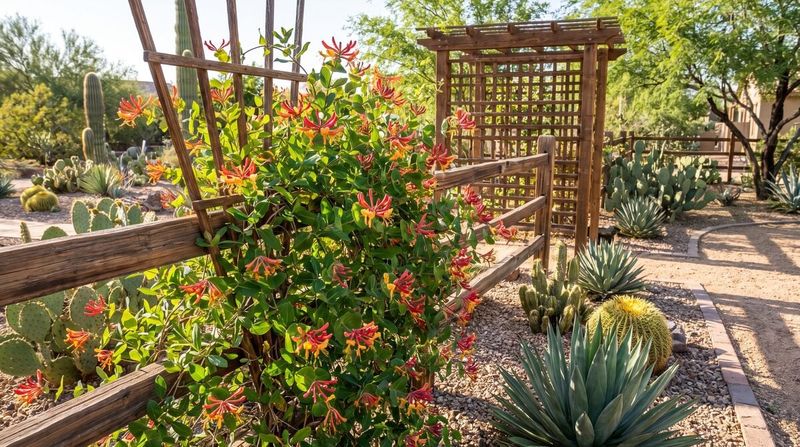
Choose native plants that suit your soil, give birds food and cover, and keep a shallow dish of fresh water. Those steps pay off every day with the birds you already have.
If a flash of blue ever lands on a branch, enjoy it as a gift, not the measure of success.