Arizona Citrus Soil Tests in October: An Optional Check for Specific Questions, Not a Winter Fertilizing Cue
Fall brings cooler mornings, and many Arizona citrus owners start wondering if the soil needs a checkup. A soil test can be handy, but only when it answers a real question about your tree or your yard.
It is not a chore that every tree needs each October, and it is not a signal to start feeding before winter. Here is how to decide if a test is worth your time and how to get a useful result.
October is a planning window, not a fertilizer deadline
Nothing in Arizona guidance says every citrus owner must test soil in October. The month works better as a time to look over your tree, think about the year behind you, and sketch plans for the year ahead.
Fertilizer timing also differs by citrus type. The Arizona citrus fertilization chart splits oranges, tangerines, and grapefruit into applications in January-February, March-April, and May-June.
Lemons and limes get a third application in August-September instead, so one citrus feeding date does not fit every tree.
For October itself, the Pima County October gardening guide says citrus fertilization is past for the season until the new year. So a soil test is never a green light to feed before winter.
Think of it as an optional tool: useful if you have a specific concern, or if you want information to plan the next growing season.
A soil test can answer specific questions about the root zone
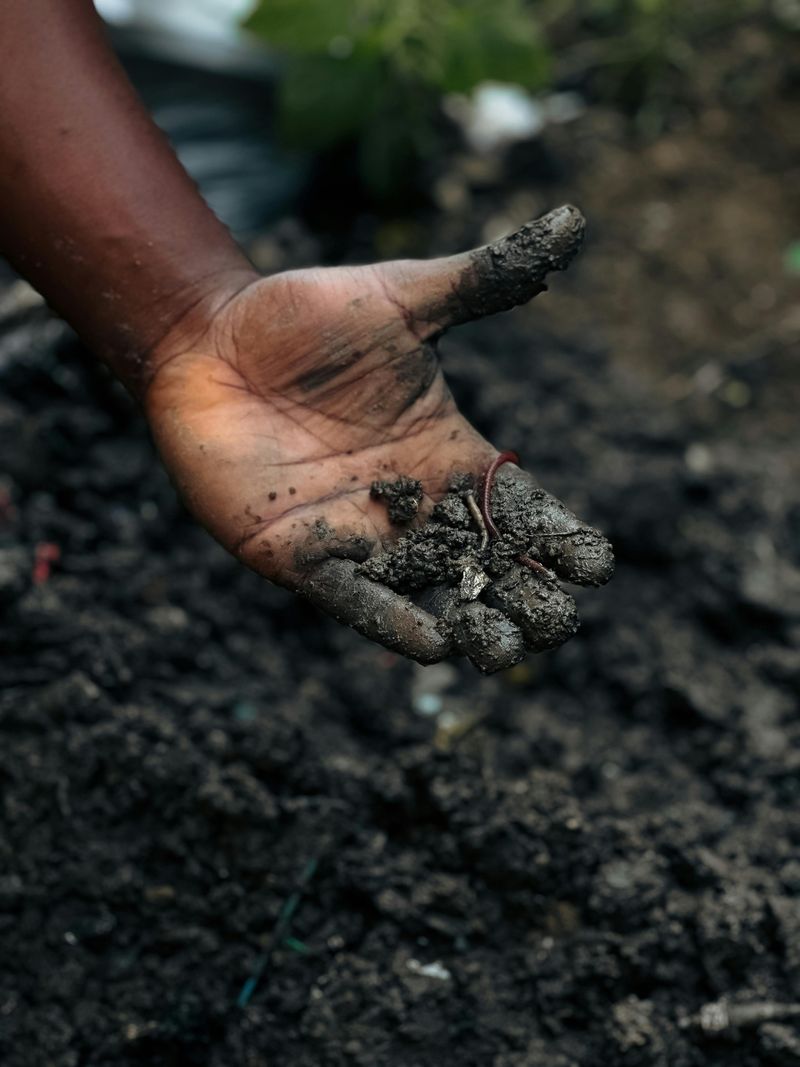
Testing earns its cost when you have a question. Maybe you suspect a nutrient problem, worry about salts building up from irrigation water, or want to plan an amendment before spring.
In those cases, numbers from the root zone can give you something solid to work from.
According to the Arizona Soil Quick Guide , a soil test can report nutrient status, pH, electrical conductivity (EC, a measure of salinity), and sodium-related indicators. Each of those speaks to a different part of the picture.
Arizona soils are often alkaline, and salts can collect under irrigation. That does not mean your yard has a problem.
Soil varies from one neighborhood to the next, and a tree that is growing well and looks healthy may not need testing at all. Test results are most useful when they are tied to something you have actually noticed.
Yellow leaves are clues, not a diagnosis
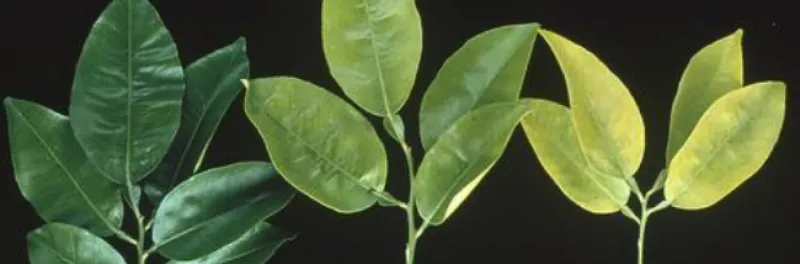
A yellow leaf can tempt you to blame low nitrogen. Hold off on that conclusion.
The University of Arizona guide to home citrus problems lists overwatering as another possible cause of generally pale or yellow older leaves.
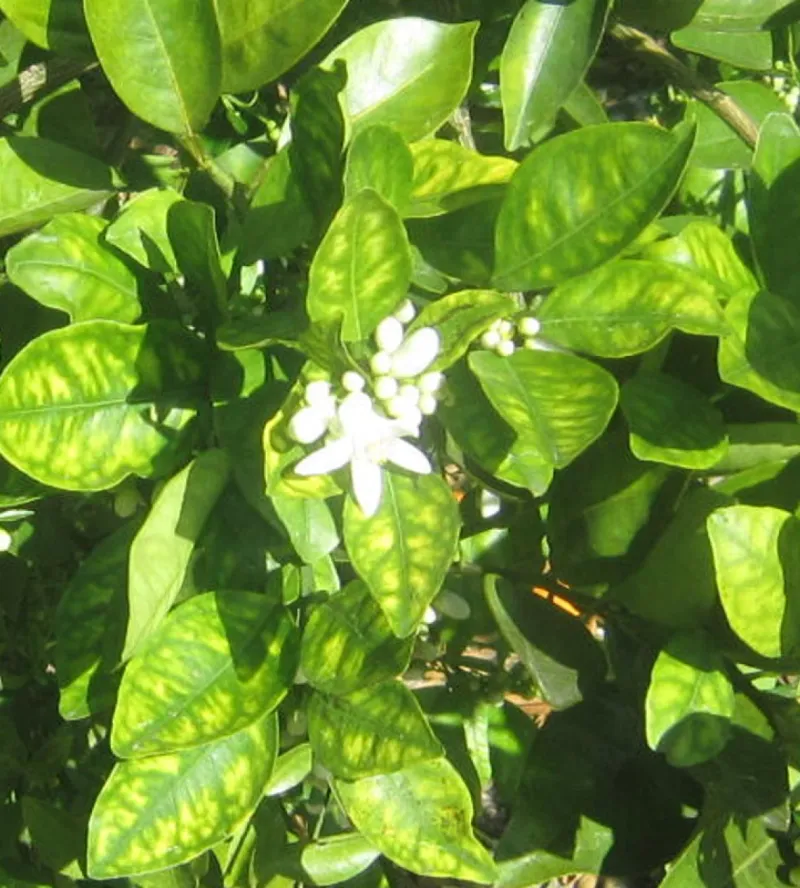
Pattern matters. Yellowing between green veins on newer leaves can be linked to iron or zinc issues, while burned leaf edges can point toward salt buildup.
Treat each pattern as a clue that shapes your question, not as an answer.
Iron adds another wrinkle. Arizona guidance on iron deficiency explains that alkaline soil can limit how much iron a plant can use, and overwatering can make iron chlorosis worse.
Your Arizona Garden Changes Every Week. Your Plan Should Too.
Gardening in Arizona changes quickly throughout the season. Every Friday you’ll receive a simple weekly plan showing exactly what to plant, prune, fertilize, harvest, and protect so you never miss the right timing.
Before you buy anything, check your watering habits and note which leaves are affected. Appearance alone is not enough to choose a treatment.
Choose a test that matches the problem
Not every test answers every question. A routine soil panel looks at the soil itself, such as nutrient status, pH, EC, and sodium-related measures.
A plant-tissue test looks at what the tree has actually taken up. They are different tools for different questions.
Because several problems can look alike, a soil test by itself may not name the cause of your tree’s symptoms. Arizona’s home citrus diagnosis guide warns that similar symptoms can come from different causes, so watering, drainage, and tree history belong in the conversation too.
Before ordering anything, contact a lab or an Extension office. The Arizona list of testing laboratories is a good place to find one.
Describe what you see and ask which panel fits.
A representative sample matters more than a convenient scoop
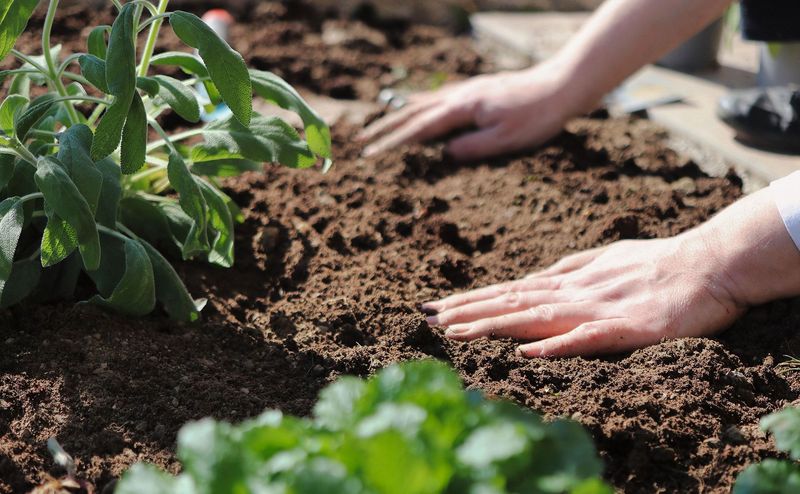
Start with a phone call or email to the lab. Ask how much soil they need, how deep to dig, and how to handle and ship the sample.
Those answers come first because they shape everything else.
Then collect a representative sample, meaning one that reflects the area you care about rather than a single handy spot. Pull from several places at the same depth.
Arizona soil sampling guidance stresses that results are only as useful as the sample behind them.
That guidance was written with crop fields in mind. For one backyard tree, do not assume the field directions or crop thresholds apply.
The lab you choose can confirm what works for a home tree before you pick up a shovel.
Treat the report as guidance, not an automatic prescription
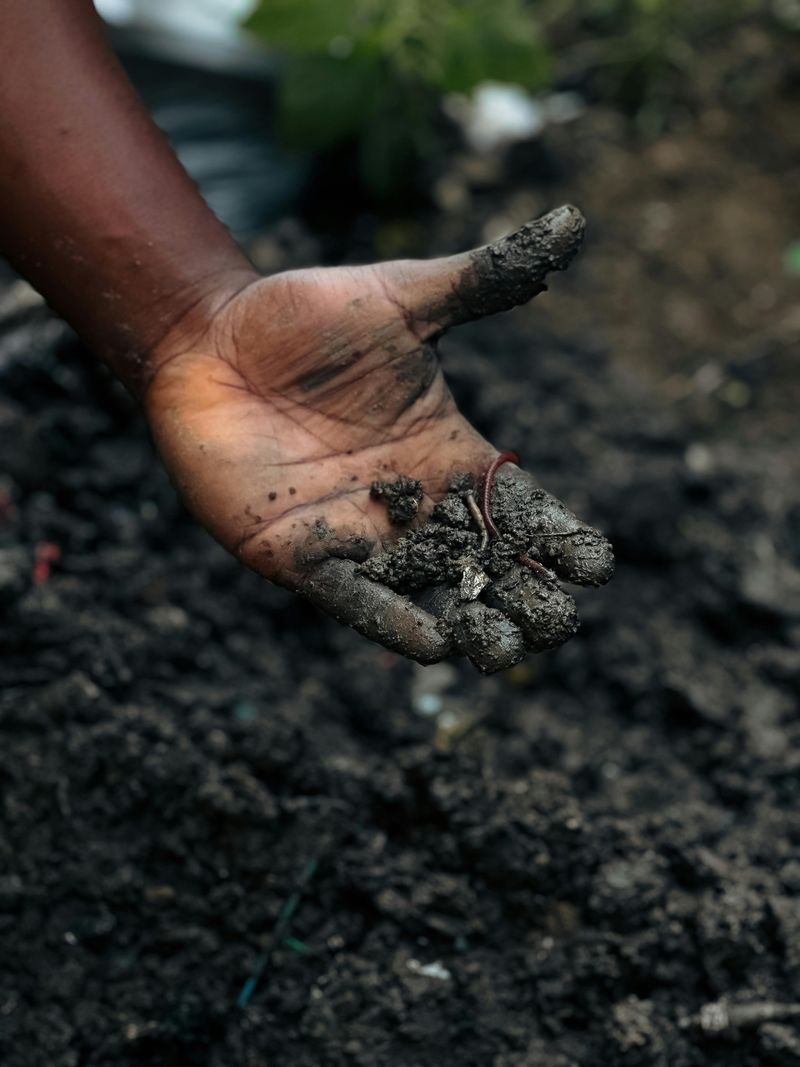
A lab report is a starting point for the next question. If a number looks unusual, ask what might explain it.
Consider how the tree is watered, how well the soil drains, and what the leaves have been showing you.
Resist the urge to apply a fix straight from the page. Sulfur, salt leaching, and fertilizer are not automatic answers to any result.
Each depends on interpreting the numbers in context, and drainage and irrigation can change what makes sense.
The Soil Quick Guide describes what these measures mean in general, but it does not set one pH or EC target for backyard citrus, so do not borrow one from elsewhere. Iron is a good example: Arizona iron guidance notes that overwatering can worsen chlorosis.
Bring your report and your watering notes to the lab or a qualified adviser and talk through your options together.
Test when you have a question worth answering
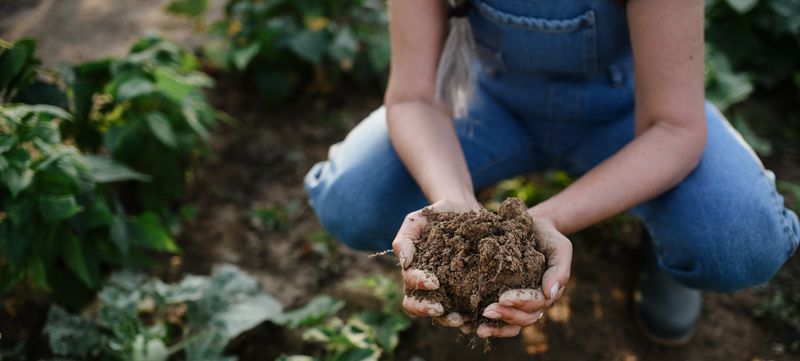
Here is a simple rule: do not test or fertilize just because the calendar says October. Pima County’s October guide places citrus feeding after the new year, and the citrus chart varies by type.
If a real concern makes a result useful, test, and follow your lab’s advice on sampling. A healthy tree can simply be watched.
October is for planning, and a good question is worth more than a full soil report.