Fountain Grass Is One Of The Most Regretted Plants In Arizona Yards And Here Is Why
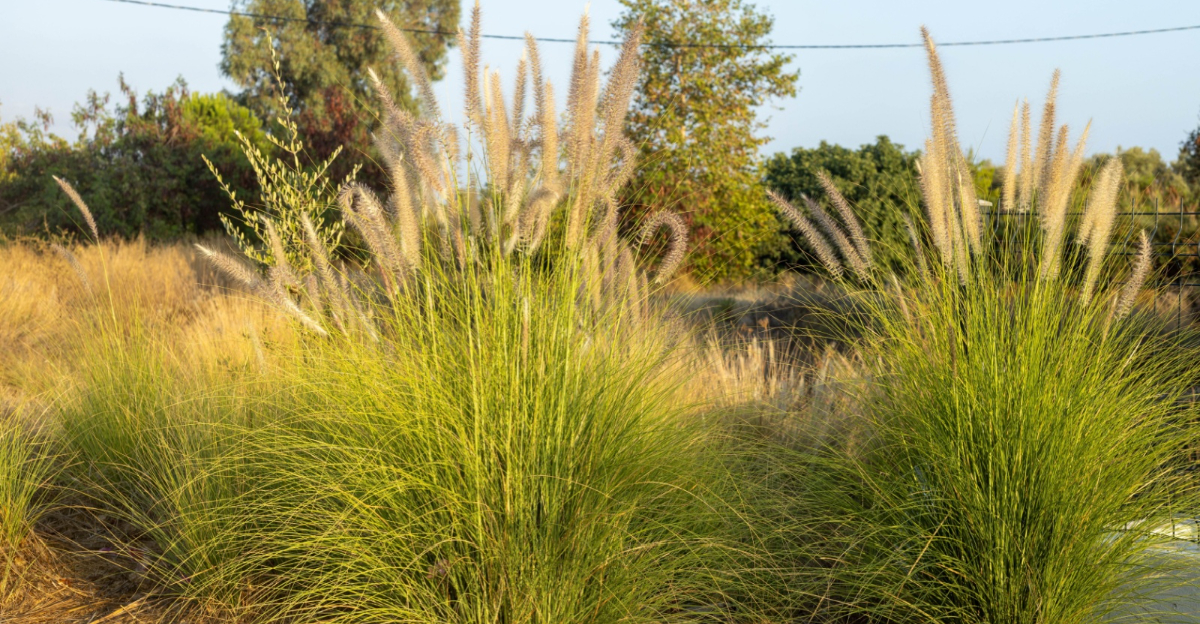
Fountain grass has a serious marketing problem, and by that we mean it looks absolutely gorgeous in the nursery.
Those soft, arching blades and fluffy seed heads are genuinely hard to walk past without thinking “yes, that’s exactly what my yard needs.” And for a while after planting, it delivers.
It’s full, it moves beautifully in the breeze, and it handles Arizona heat without much complaint. But here’s where the story takes a turn.
Fountain grass is an incredibly efficient spreader, and once it gets comfortable in an Arizona landscape it has a habit of making itself very much at home well beyond the spot where you originally put it.
Nearby washes, neighboring properties, natural desert areas. It goes places. For a lot of gardeners, it becomes a regret purchase pretty quickly.
1. Fountain Grass Is Listed As An Arizona Noxious Weed
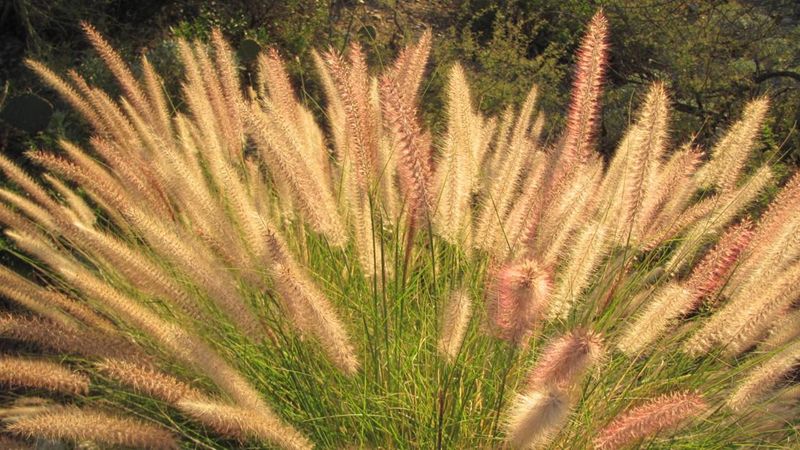
Most ornamental grasses sold at nurseries carry little more than a care tag, but fountain grass comes with a much more serious label in Arizona.
Known scientifically as Pennisetum setaceum or Cenchrus setaceus, fountain grass is officially listed as a noxious weed in Arizona, which means the state recognizes it as a plant that causes harm to natural areas, agriculture, and native ecosystems.
That listing is not just bureaucratic paperwork. It reflects years of documented spread across Arizona desert landscapes, roadsides, washes, and open land where fountain grass has moved well beyond backyard borders.
Once it establishes itself outside cultivated areas, it is extremely difficult to manage at a landscape scale.
For homeowners, the noxious weed designation matters because it signals that this plant has a track record of causing real problems in the region’s dry and sensitive environments.
Planting it near natural desert edges, open slopes, or dry washes essentially puts an invasive species right at the doorway to native habitat.
Many counties actively work to control fountain grass in open areas, which makes growing it in a yard a choice that works against those broader efforts.
Understanding that legal and ecological status is one of the most important first steps before deciding what to plant along a fence line or backyard border.
2. Seeds Spread Quickly Beyond The Original Planting
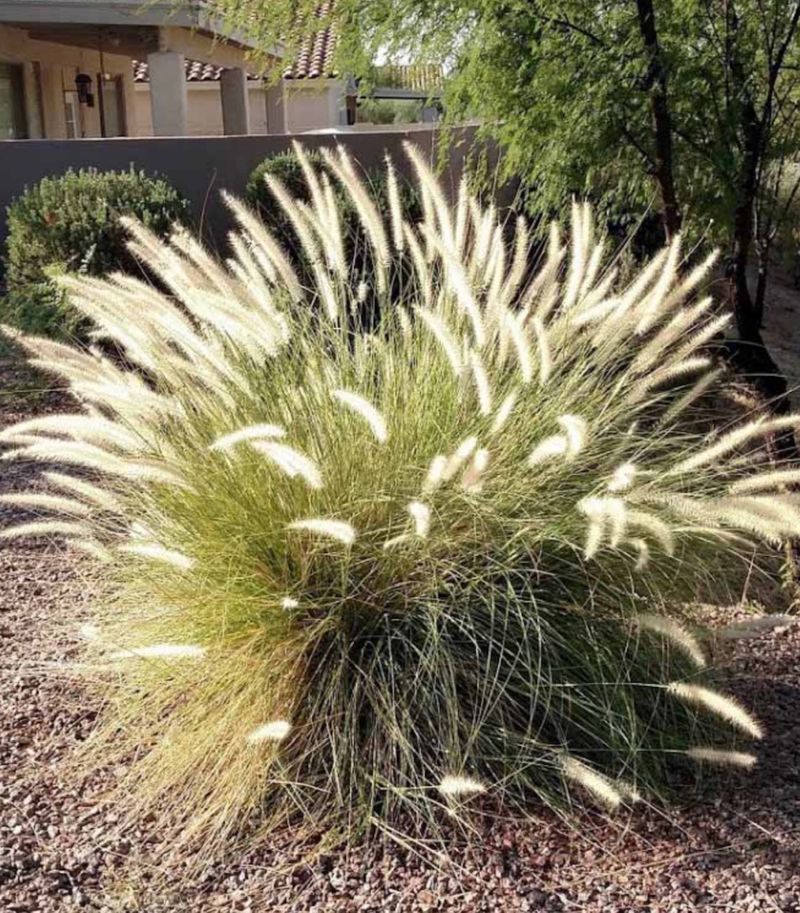
A single fountain grass plant can produce thousands of seeds in one growing season, and those seeds do not stay put. Wind carries them across yard fences, down slopes, and into dry washes.
Rain moves them further along drainage channels and into open desert areas that border many neighborhoods.
What makes this especially tricky for homeowners is that the spread often happens quietly. One season the grass looks contained and tidy near a driveway border or planting bed.
The next season, small green seedlings start appearing in gravel areas, along fence lines, and in spots where nothing was ever planted. By the time a homeowner notices the pattern, several new plants may already be rooted and growing.
Fountain grass seeds remain viable in the soil for a surprisingly long time, which means even after removing the parent plant, seedlings can keep emerging for multiple seasons.
Your Arizona Garden Changes Every Week. Your Plan Should Too.
Gardening in Arizona changes quickly throughout the season. Every Friday you’ll receive a simple weekly plan showing exactly what to plant, prune, fertilize, harvest, and protect so you never miss the right timing.
Arizona’s warm winters also allow fountain grass to stay green and continue producing seeds in conditions that would slow down or stop other ornamental grasses.
The combination of high seed output, wind and water dispersal, and long seed viability makes fountain grass one of the more aggressive spreaders in Arizona residential landscapes.
Homeowners near natural desert edges, washes, or open land should take that seed-spread potential seriously before choosing this grass for any part of the yard.
3. Native Desert Plants Can Get Crowded Out
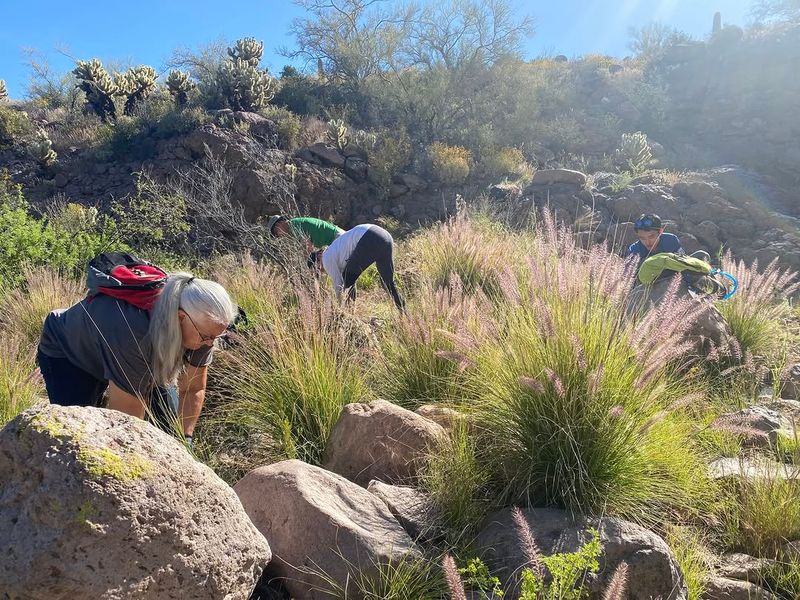
Walking along an Arizona wash or desert trail where fountain grass has taken hold, you will notice something missing. The brittlebush, desert marigold, penstemon, and other native plants that once filled those spaces are harder to find.
Fountain grass is a strong competitor, and it uses water, light, and soil space in ways that make it difficult for native plants to keep up.
Native Arizona plants evolved over thousands of years alongside specific soil conditions, rainfall patterns, and seasonal temperature swings.
They are well adapted to low-water life in the desert, but they were not adapted to compete against an aggressive non-native grass that grows in dense clumps and shades out seedlings before they have a chance to establish.
When fountain grass spreads from a backyard into nearby open desert or along a wash edge, it can gradually shift the plant community in that area.
Native wildflowers and shrubs that provide food and shelter for local insects, birds, and pollinators may decline as fountain grass takes more ground.
For yards that sit near natural desert edges, this competition effect extends well beyond the property line.
Choosing native grasses or other well-behaved desert plants instead of fountain grass helps protect the native plant communities that make Arizona’s desert landscapes so distinctive and ecologically valuable to the region.
4. Wildlife Habitat Changes When Dense Patches Take Over
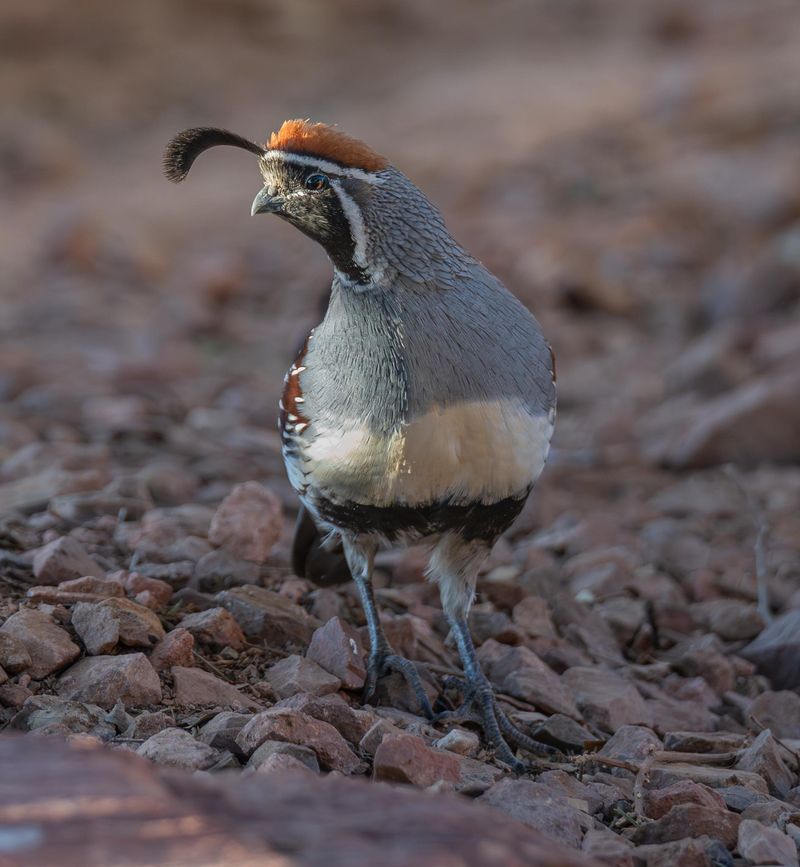
Quail, cactus wrens, Gambel’s quail, and many other Arizona desert animals depend on native plants for food, nesting cover, and shelter from predators.
When fountain grass spreads across an area and replaces native shrubs, grasses, and wildflowers, the habitat value of that space drops considerably for wildlife that evolved alongside Arizona’s native plant community.
Dense fountain grass patches create a thick, uniform ground cover that looks green and full but offers far less ecological function than the diverse mix of native plants it replaces.
Native insects that pollinate desert plants and provide food for birds often rely on specific native plant species.
When those plants disappear under a mat of fountain grass, the food web in that small area starts to change.
Some generalist species may move through fountain grass areas, but specialists that depend on native plant communities tend to avoid or struggle in heavily invaded patches.
For homeowners who enjoy watching wildlife in and around their yards, this is a meaningful trade-off.
A yard planted with native grasses, desert shrubs, and low-water flowering plants will attract far more interesting and varied wildlife than a section of spreading fountain grass ever could.
Thinking about habitat value when choosing landscape plants is one of the more rewarding reasons to skip fountain grass and reach for native Arizona alternatives instead.
5. Dry Fountain Grass Adds Fuel Near Homes And Open Desert
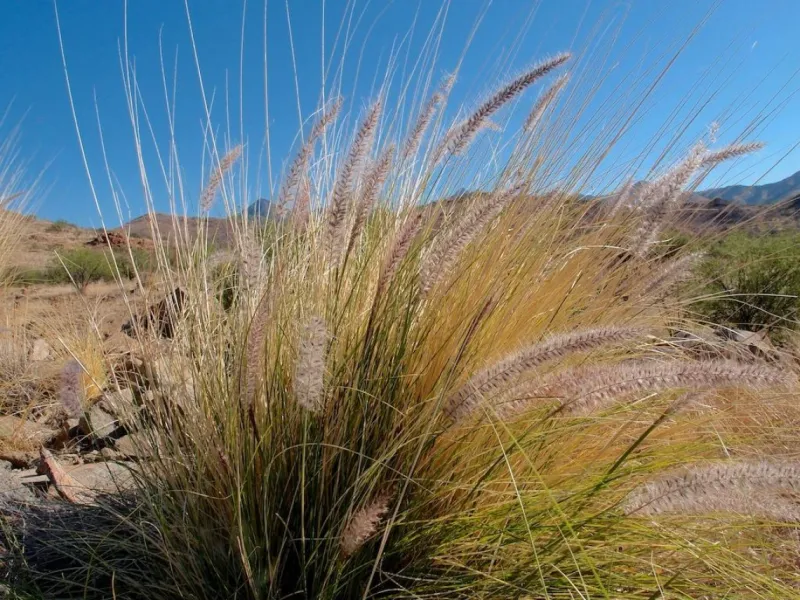
By late summer and into fall, fountain grass clumps turn dry, straw-colored, and brittle.
In Arizona’s hot and arid climate, that dry plant material becomes a fire fuel source that sits right alongside homes, fences, driveways, and open desert edges where wildfires can move quickly through dry vegetation.
Unlike some native desert plants that grow in scattered patterns with natural spacing, fountain grass tends to form continuous dense patches when it spreads.
Those connected clumps can allow fire to travel more easily across a slope or along a wash than it would through a more open native plant community.
Arizona fire-prone landscapes already carry risk during dry seasons, and adding dense, dried fountain grass to the mix increases that risk near homes and neighborhoods.
Homeowners who plant fountain grass near wooden fences, under eaves, along dry slopes, or close to open desert edges may find that the grass creates a dry fuel corridor that connects their yard to the surrounding landscape.
Removing dried fountain grass clumps before fire season is one way to reduce immediate risk, but it does not address the ongoing spread of new plants.
Choosing low-growing, fire-resistant, native ground covers or desert-adapted grasses with less dry-fuel buildup makes more sense for Arizona properties where fire risk is a real seasonal concern worth planning around carefully.
6. Removal Becomes Harder After Seedlings Spread
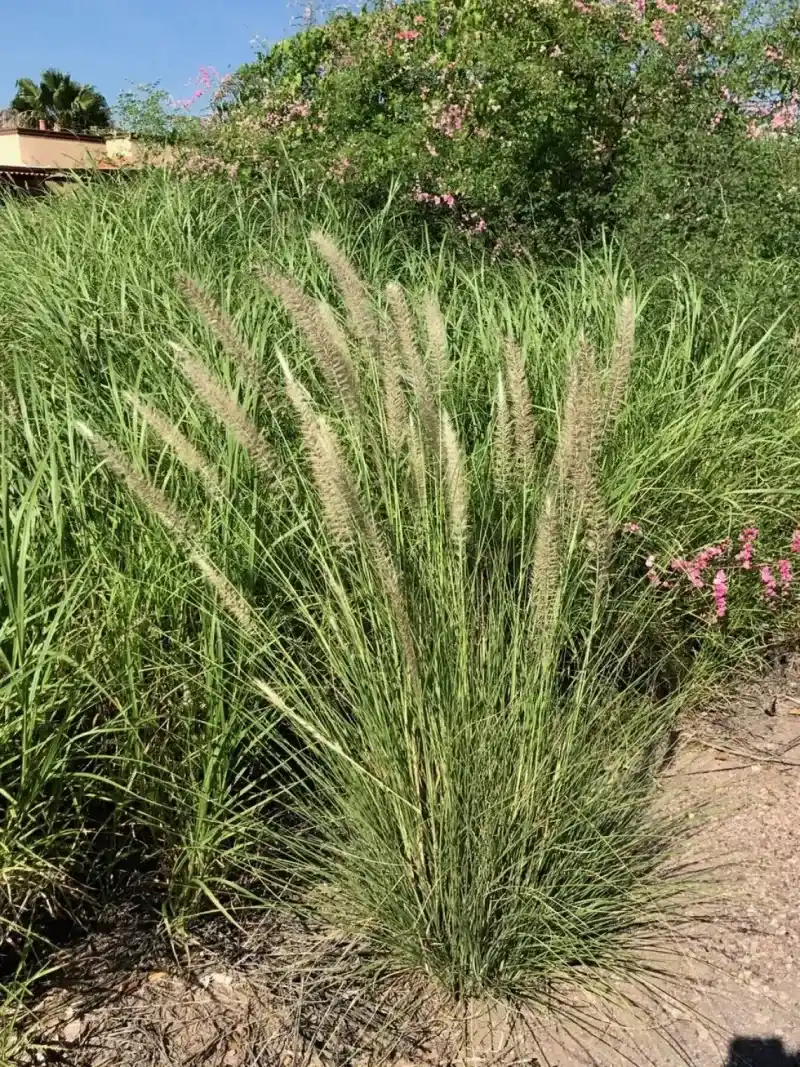
Pulling out a single fountain grass clump is manageable work, but trying to remove a yard full of established plants along with hundreds of scattered seedlings is a different situation entirely.
Many Arizona homeowners who have tried to clear fountain grass from their property describe it as one of the more frustrating landscape projects they have taken on.
The root systems on mature fountain grass clumps are dense and fibrous, often requiring a digging tool or mattock rather than simple hand pulling.
Seedlings are easier to remove when they are small, but they tend to appear in gravel, between pavers, along fence bases, and in spots that are awkward to reach.
Missing even a few seedlings means the cycle starts over the following season.
Because fountain grass seeds can stay viable in the soil for an extended period, complete removal from a yard often takes multiple seasons of consistent follow-up.
Homeowners who start the removal process should plan on checking the area regularly through spring and summer when new seedlings are most likely to emerge.
Timing removal before plants go to seed each season helps reduce the number of new seedlings that need to be dealt with later.
For Arizona properties near open desert or washes, removal efforts inside the yard may also need to account for seeds blowing back in from nearby established plants outside the property.
7. Arizona Nurseries No Longer Treat It As A Good Choice
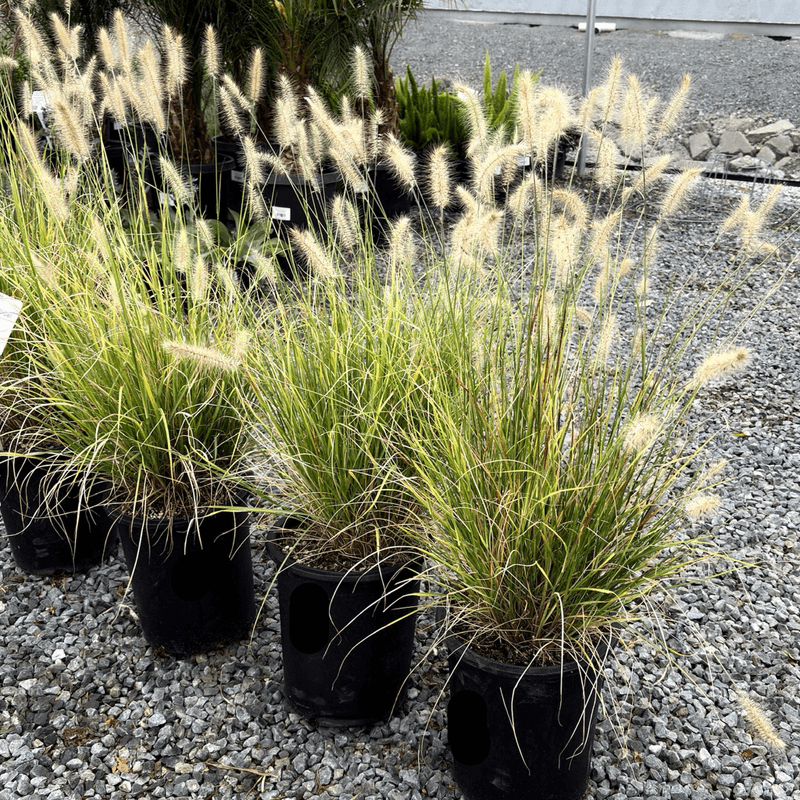
There was a time when fountain grass showed up in nursery display beds across Arizona as a go-to ornamental choice for low-water landscapes.
Its soft texture, arching shape, and seed-head plumes made it look like an easy, attractive option for homeowners wanting something with visual interest and minimal care requirements.
That reputation has shifted considerably in recent years. Many nurseries have moved away from stocking or recommending fountain grass after its invasive behavior became more widely understood and documented.
Some nurseries now actively direct customers toward native grasses and better-behaved desert ornamentals that provide similar texture and movement without the spread risk.
This shift in the nursery industry reflects a broader change in how Arizona landscape professionals think about plant selection near desert edges, natural washes, and open land.
A plant that looks good in a pot at the nursery but goes on to spread aggressively into natural areas is no longer seen as a value-add for Arizona landscapes.
For homeowners who have not visited a nursery recently and still associate fountain grass with mainstream ornamental planting, it may be surprising to find that professional landscape guidance has largely moved on from recommending it.
Asking a knowledgeable nursery staff member about native grass alternatives is now one of the more practical first steps when planning a new low-water planting bed or border.
8. Better Desert Grasses Offer Texture Without The Same Risk
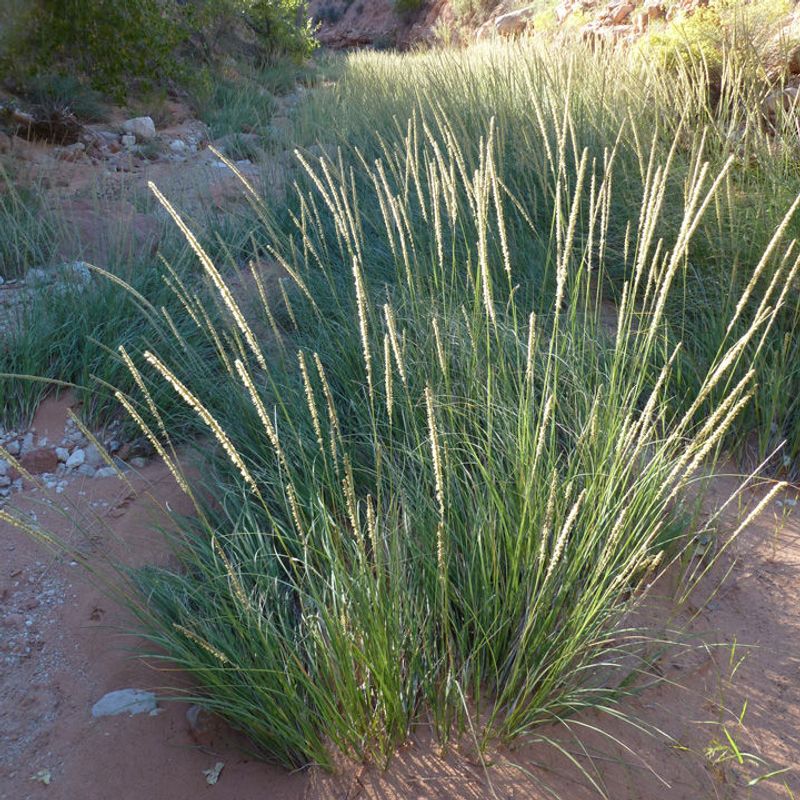
Soft movement, graceful texture, and seasonal interest are qualities that draw many homeowners toward ornamental grasses in the first place.
The good news is that several native and well-adapted desert grasses deliver all of those same visual qualities without the invasive spread that makes fountain grass such a poor fit for Arizona landscapes.
Deer grass, known botanically as Muhlenbergia rigens, is one of the most widely recommended native alternatives for Arizona yards.
It forms attractive clumps with upright seed stalks, handles Arizona heat and drought well, and does not spread aggressively beyond its planting area.
Blue grama grass is another native option that offers fine texture and interesting seed heads while staying well-behaved in low-water landscape settings.
For homeowners who want a slightly different look, sideoats grama and plains lovegrass are additional native options that work well in Arizona residential landscapes without posing the same invasive risk.
These grasses support local insects, provide natural seed sources for birds, and blend naturally with other native desert plants in a way that fountain grass simply cannot.
Replacing fountain grass with one or more of these alternatives does not mean giving up visual appeal or low-water performance.
It means making a landscape choice that works with Arizona’s natural environment rather than against it, which tends to make for a yard that is easier to manage and more rewarding over time.