This Florida Nursery Is Creating Flowers That Don’t Exist Anywhere Else In The World
Most Florida nurseries sell plants. This one creates them.
There is a difference, and once you see what is coming out of this operation, that distinction becomes impossible to ignore.
Somewhere in Florida, a nursery has been quietly doing something that plant collectors and garden designers travel significant distances to witness firsthand.
Flowers that exist nowhere else. Varieties developed through years of patient, deliberate work that the mainstream horticultural industry has never attempted and probably never will.
This is not a big box operation with a propagation program. It is something closer to an art studio that happens to work with living material.
The boundary between horticulture and sculpture stopped being a boundary a long time ago. The plants that come out of this place do not show up in catalogs.
They do not appear on standard nursery benches. Finding them requires knowing where to look.
You are about to find out.
1. Step Inside A Living Sculpture Sanctuary Nursery Built Like A Dream
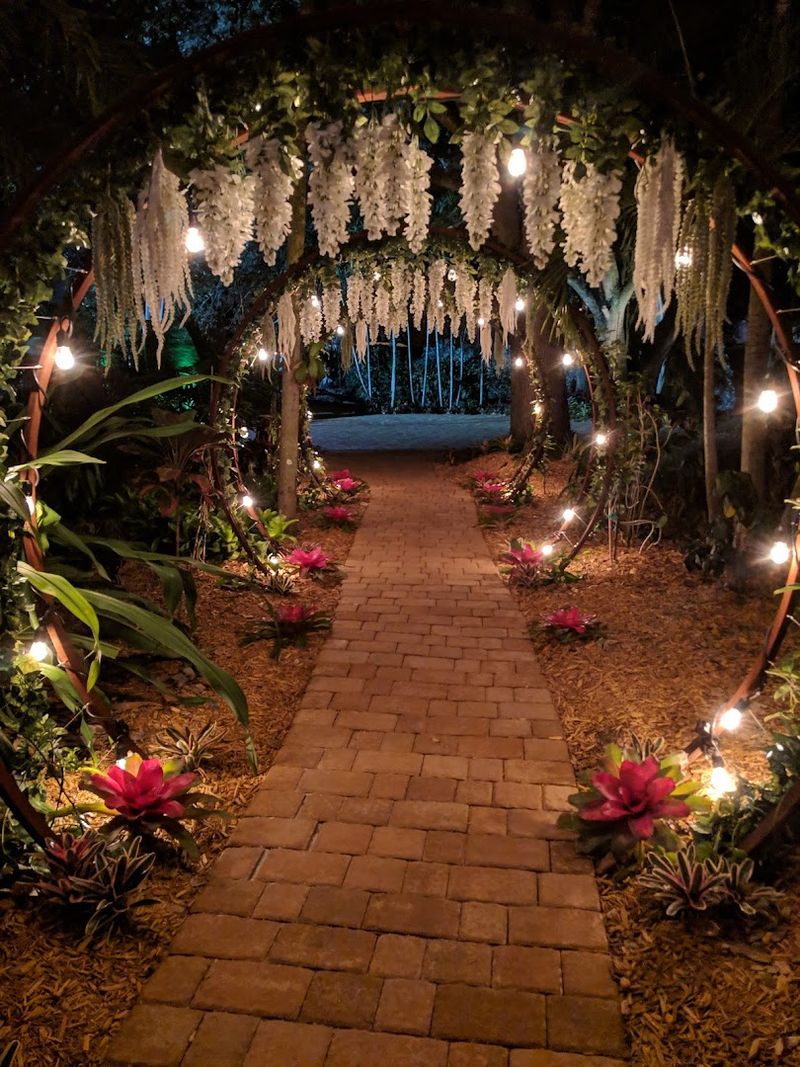
Walking through the entrance of Living Sculpture Sanctuary feels more like stepping into a private botanical retreat than visiting a plant shop.
Located at 2800 S Flamingo Rd, Davie, FL 33330, this five-acre property was hand-built by its owners starting in 2013 and opened to the public in 2016.
Every corner of the space was designed with intention and care.
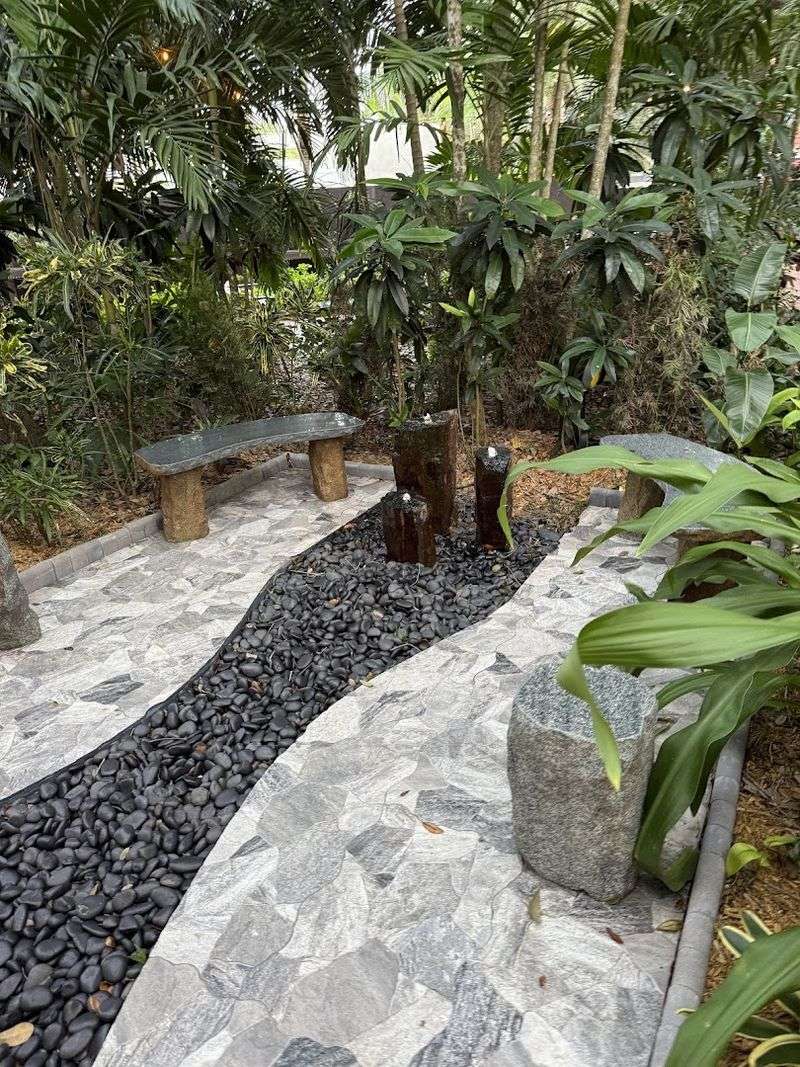
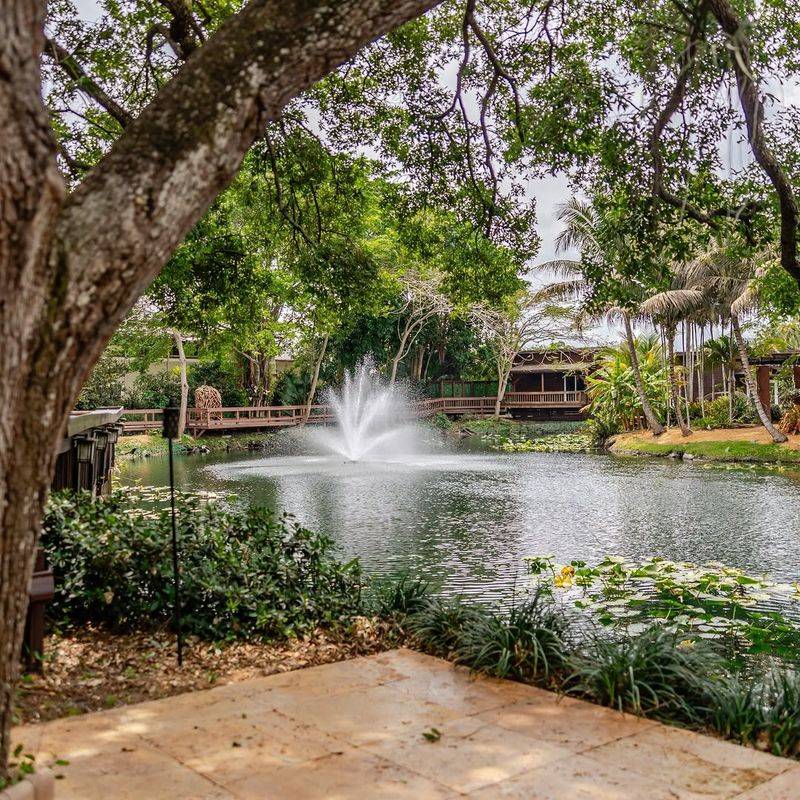
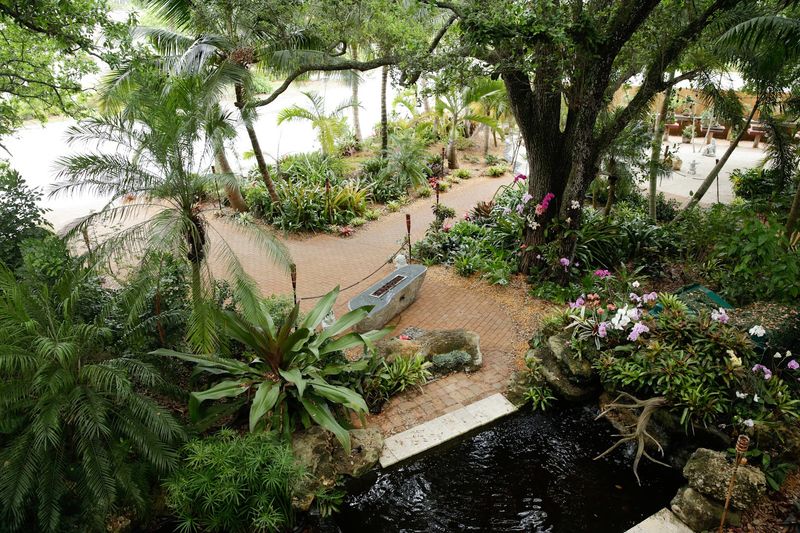
The grounds feature lush tropical gardens, koi ponds, gentle waterfalls, bonsai displays, and open-air pavilions. They give the whole place a calm, almost sacred atmosphere.
The design draws on biophilic architecture and the concept of the five elements, creating a space where nature and structure feel balanced. Visitors often describe it as a hidden gem tucked away from the noise of the surrounding region.
Beyond being a specialty plant nursery, it also functions as an events venue for weddings, corporate retreats, and private gatherings. That dual purpose shapes how the entire property is maintained.
The setting is not just beautiful for its own sake. It provides the ideal warm, sunny, and carefully managed environment where rare Adenium hybrids can be grown, observed, and perfected season after season.
2. Meet The Couple Behind The Rare Blooms
Behind every rare flower at Living Sculpture Sanctuary are two people who chose plants over predictability. Mary Luz Rodriguez Alvarez, also known as Zen Luz, and Robert J.
McKee, known as Sensei Bob, are the founders and driving force behind the entire operation. Both have backgrounds as trial attorneys, which might surprise anyone who has seen their stunning gardens.
Their shared love of nature and environmental advocacy eventually led them away from courtrooms and toward a very different kind of work.
Mary Luz is recognized as the visionary behind the sanctuary’s design and daily operations, with a focus on reconnecting visitors with the natural world.
Her creative instincts shaped the look and feel of the property from the ground up.
Robert brings a more technical foundation to the work. He holds a background in Horticultural Science from the University of Florida and has spent years as a lifelong plant breeder and bonsai instructor.
Your Florida Garden Changes Every Week. Your Plan Should Too.
Gardening in Florida changes quickly throughout the season. Every Friday you’ll receive a simple weekly plan showing exactly what to plant, prune, fertilize, harvest, and protect so you never miss the right timing.
Together, they built the sanctuary by hand for their own wedding, which tells you everything about how personally invested they are in this place. The rare desert roses grown here are not the result of a casual hobby.
They reflect years of combined skill, patience, and a deep respect for the plant world.
3. Discover Why Desert Roses Steal The Show
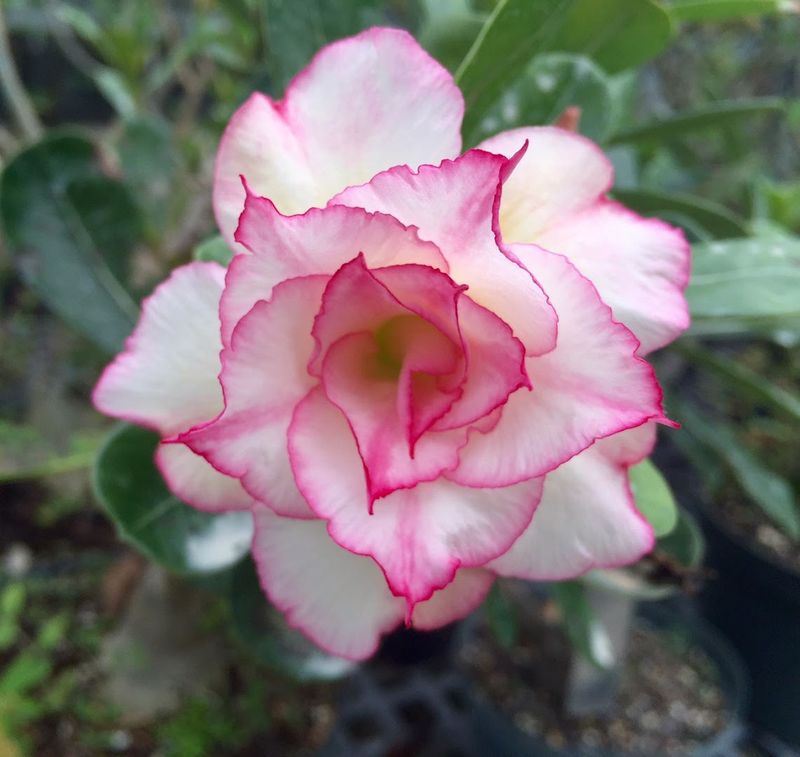
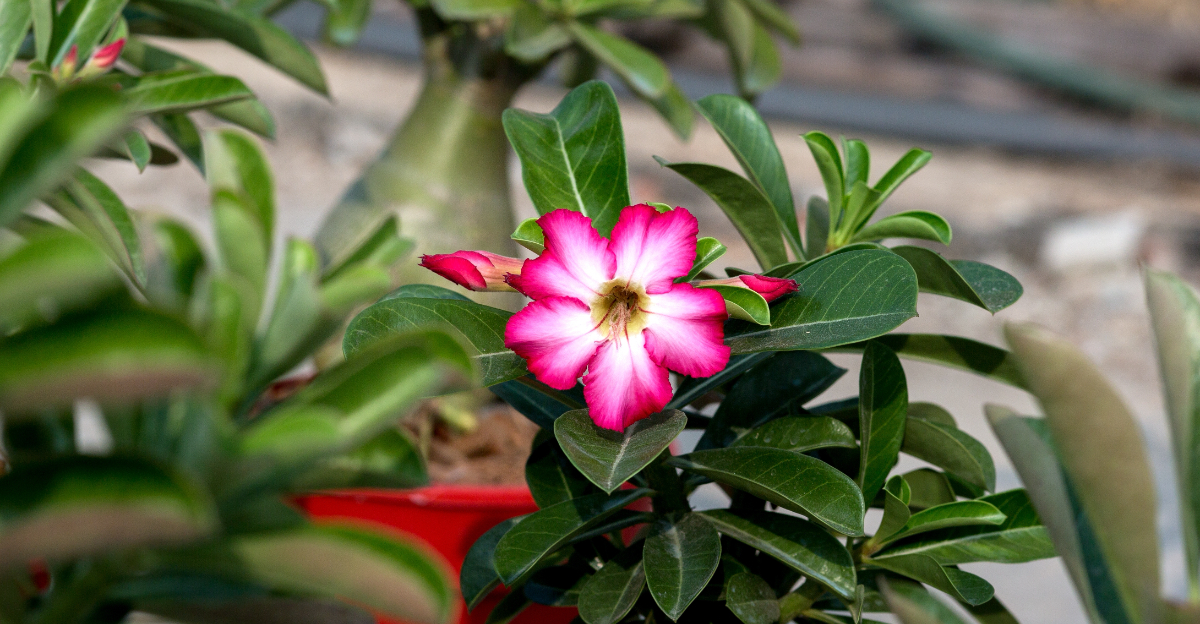
Adenium is not what most people picture when they hear the word rose. These plants belong to a genus of succulent shrubs native to the arid and semi-arid regions of Sub-Saharan Africa and the Arabian Peninsula.
The name desert rose comes from their showy, rose-like flowers and their dry-climate roots, not from any botanical relationship to traditional roses.
What makes Adenium so visually striking is the combination of bold, trumpet-shaped blooms and a thick, swollen base called a caudex. The caudex develops over time into sculptural, almost otherworldly shapes that collectors genuinely treasure.
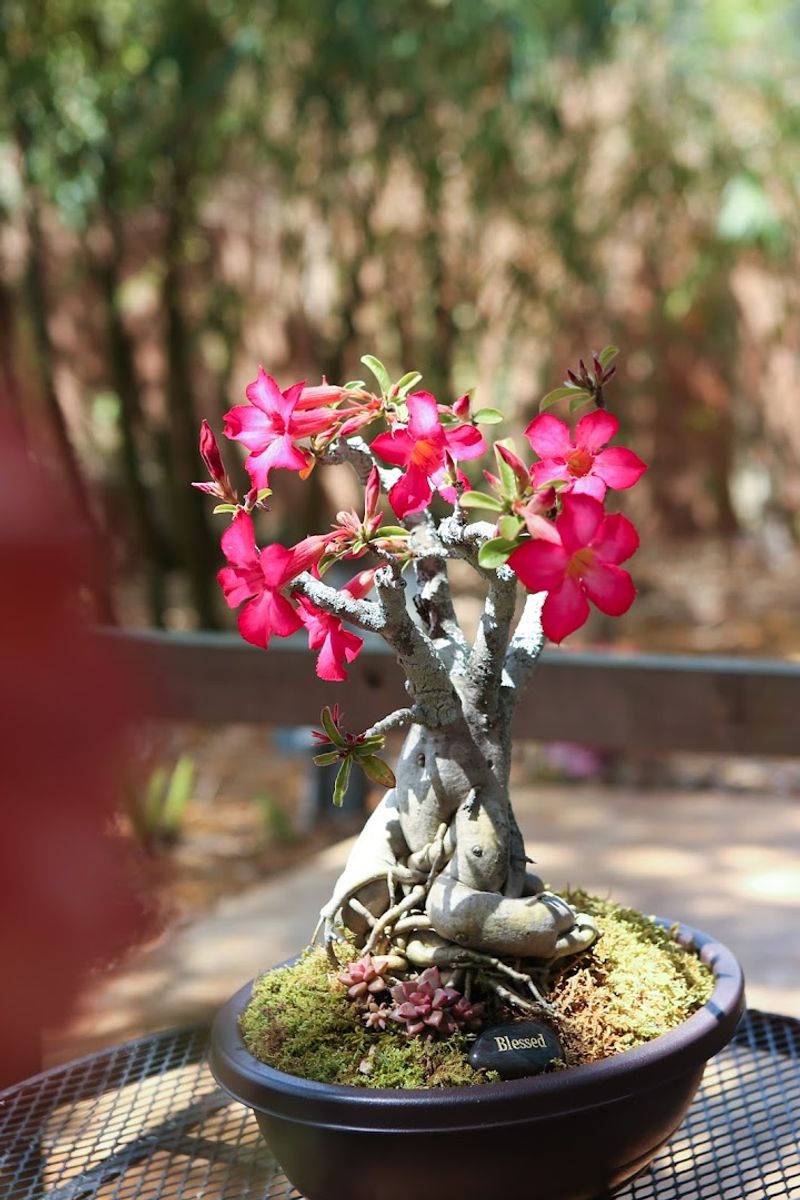
Many growers train their plants into bonsai forms, using the natural shape of the trunk to create living artwork that evolves year after year.
These plants are also surprisingly tough. They thrive in warm temperatures between 65 and 90 degrees Fahrenheit and need at least six to eight hours of full sun daily.
They also prefer well-draining, sandy or gritty soil to stay healthy. They store water in their stems and leaves, making them drought-tolerant during dry spells.
Regular watering during spring and summer supports strong growth, while reduced watering in cooler months keeps them steady. For gardeners in warm, sunny climates, they are one of the most rewarding plants to grow.
4. See How New Flowers Begin By Hand
Creating a new desert rose variety is not something that happens overnight. At Living Sculpture Sanctuary, the process begins with selecting two parent plants that each carry desirable traits.
Those traits might include a particular color, a certain petal shape, or a stronger caudex form. The breeder then hand-pollinates the flowers by carefully transferring pollen from one bloom to another using a small brush or fine tool.
After a successful cross, a seed pod gradually develops on the plant. Once the pod matures and is harvested, the seeds are planted and the waiting begins.
Each seedling that sprouts may express a completely different combination of traits from its parents. Some may show the color that was hoped for.
Others may surprise the grower with something unexpected. That unpredictability is part of what makes the process so demanding and so exciting at the same time.
Living Sculpture Sanctuary is recognized as a leading nursery in the United States for breeding new and improved Adenium cultivars.
The process is described as slow and painstaking, requiring observation, patience, and genuine horticultural knowledge at every stage.
Once a superior hybrid is identified, grafting is used to preserve and reproduce its best characteristics. Nothing about this work is rushed, and that commitment to care is exactly what makes the results so rare.
5. Follow The Hunt For Colors That Do Not Fade
Color is one of the most powerful reasons people fall in love with Adenium. Naturally, these plants produce flowers in shades of pink, red, white, and yellow, along with many bi-colored and patterned forms.
But at Living Sculpture Sanctuary, the breeding program pushes well beyond what nature provides on its own.
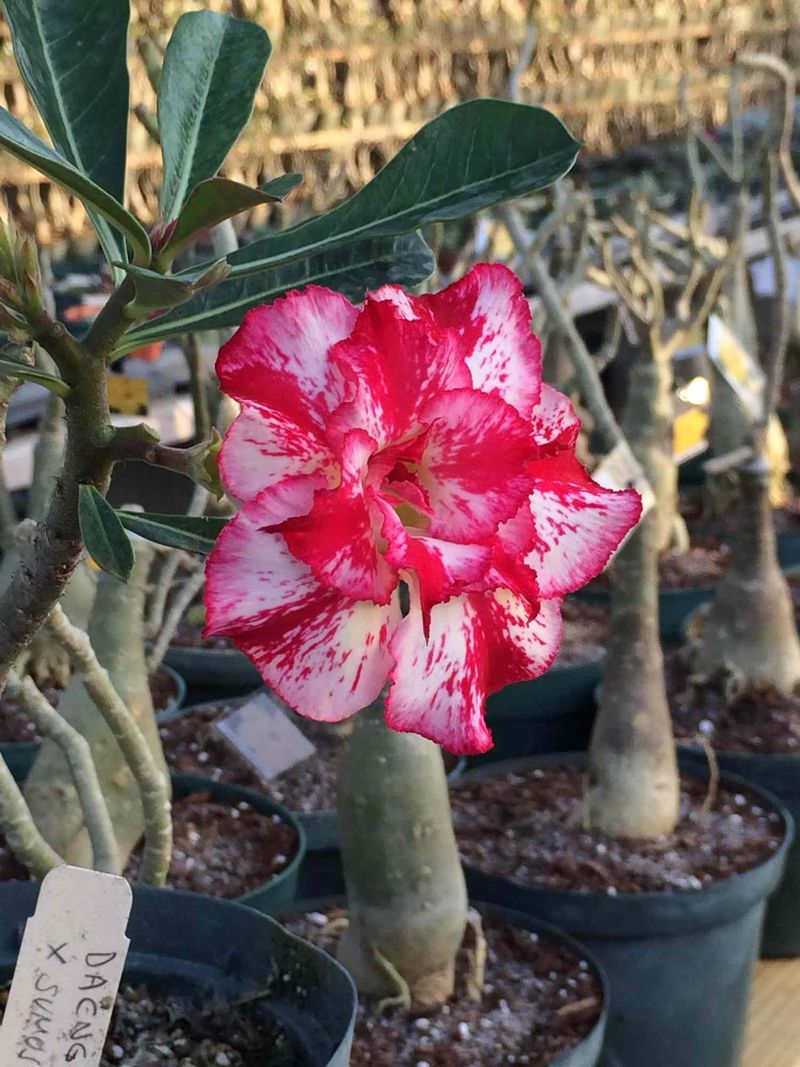
One of the central goals of the program is to develop what the sanctuary describes as a non-fading rainbow of colors. That means selecting for blooms that stay vibrant and rich even when exposed to intense heat and full sun.
Those conditions cause many flowers to bleach out or fade quickly. Breeders look closely at color strength, contrast, pattern consistency, and how well the bloom holds up as it ages on the plant.
The result is a collection of Adenium hybrids with color combinations that are genuinely difficult to find anywhere else. Some feature deep, saturated tones that hold steady through the hottest days.
Others display striking contrasts between the inner throat of the flower and its outer petals. Developing these traits takes multiple generations of careful selection, because color expression in seedlings can be unpredictable.
Every bloom that earns a place in the breeding program has proven itself through heat, time, and the trained eye of a dedicated grower.
6. Watch Petals Turn Into Living Sculpture
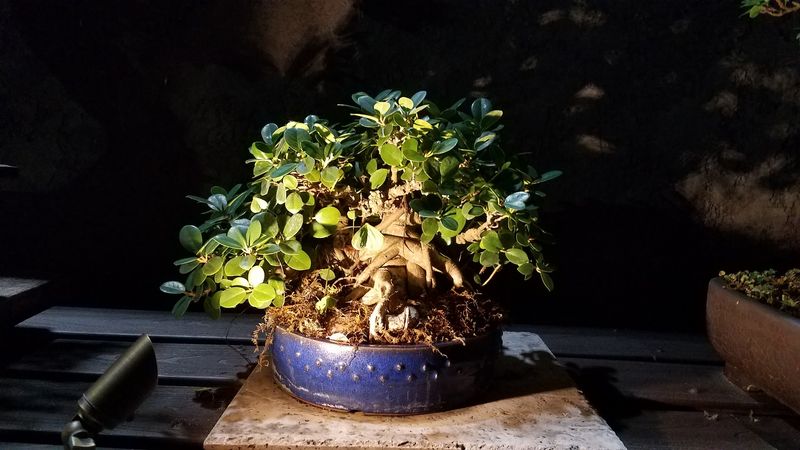
The name Living Sculpture Sanctuary was not chosen by accident. It reflects something true about the plants grown there.
Adenium offers a kind of visual drama that few other plants can match, and it works on two levels at once: the form of the trunk and the form of the flower.
The caudex, that dramatically swollen base, can grow into shapes that look almost like figures or abstract forms when trained carefully over time. Bonsai enthusiasts prize Adenium for exactly this reason.
The trunk alone can become a conversation piece, even when the plant is not in bloom. Sensei Bob’s background as a bonsai instructor plays directly into this part of the nursery’s work.
The flowers themselves add another layer of artistry. The breeding program at Living Sculpture Sanctuary focuses on developing multi-layered blooms, sometimes called double or triple petal forms.
It also develops flowers with ruffled, wavy edges that give them a rose-like or camellia-like appearance. These forms are far removed from the simple five-petal flowers found on standard Adenium.
Miniature leaf and flower forms are also bred to suit bonsai presentations. Each plant becomes a small, living composition where trunk, branch, and bloom all work together to create something that feels more like art than gardening.
7. Learn Why Collectors Chase These Hybrids
For serious plant collectors, finding something truly rare is part of the thrill. Most Florida garden centers carry the same familiar varieties, and the plants that show up on store shelves tend to look a lot alike.
That is exactly what makes Living Sculpture Sanctuary’s exclusive Adenium hybrids so appealing to the people who seek them out.
The cultivars created through the sanctuary’s intensive breeding program are not available anywhere else in the world. Each one represents years of careful selection, hand pollination, and patient observation.
Collectors are drawn to the unusual color combinations, the multi-petal flower forms, and the sculptural caudex shapes that make each plant feel genuinely one of a kind.
Owning a plant with a look that took years to produce carries a kind of satisfaction that a mass-produced variety simply cannot offer.
Some newer Adenium releases from specialty breeders have also been noted for fragrance, adding yet another dimension to their appeal. The combination of visual rarity, limited availability, and the story behind each hybrid makes these plants especially desirable.
They appeal to gardeners who care deeply about what they grow. For collectors who have seen a lot of plants come and go, a truly distinctive desert rose hybrid from a dedicated breeding program is something worth chasing.
8. Visit A Sanctuary Where Plants Become Art
Not many Florida nurseries make you feel like you have walked into a work of art. Living Sculpture Sanctuary manages to do exactly that.
It weaves together rare plants, thoughtful design, and a genuine sense of calm that visitors carry home long after they leave the property.
The sanctuary hosts weddings, corporate retreats, wellness gatherings, and private celebrations throughout the year. Bonsai classes are offered for those who want to learn the craft firsthand.
The grounds include gardens, koi ponds, pavilions, and waterfalls that make the space feel completely removed from the surrounding area.
Events at the venue have included sound baths, guided meditations, and spa days, reflecting the owners’ belief that nature and well-being belong together.
For plant lovers, a visit also means the chance to see and purchase Adenium hybrids that simply do not exist in ordinary nurseries. Because plants bloom seasonally and inventory changes, no two visits are exactly alike.
What stays consistent is the atmosphere and the quality of the work behind every plant on the property. Living Sculpture Sanctuary is proof that patient breeding, artistic vision, and deep respect for nature can come together in one place.
When they do, a nursery can become something much more than a place to buy plants.