The Michigan Wildflower That Spreads Through Your Lawn And Actually Makes It Look Better
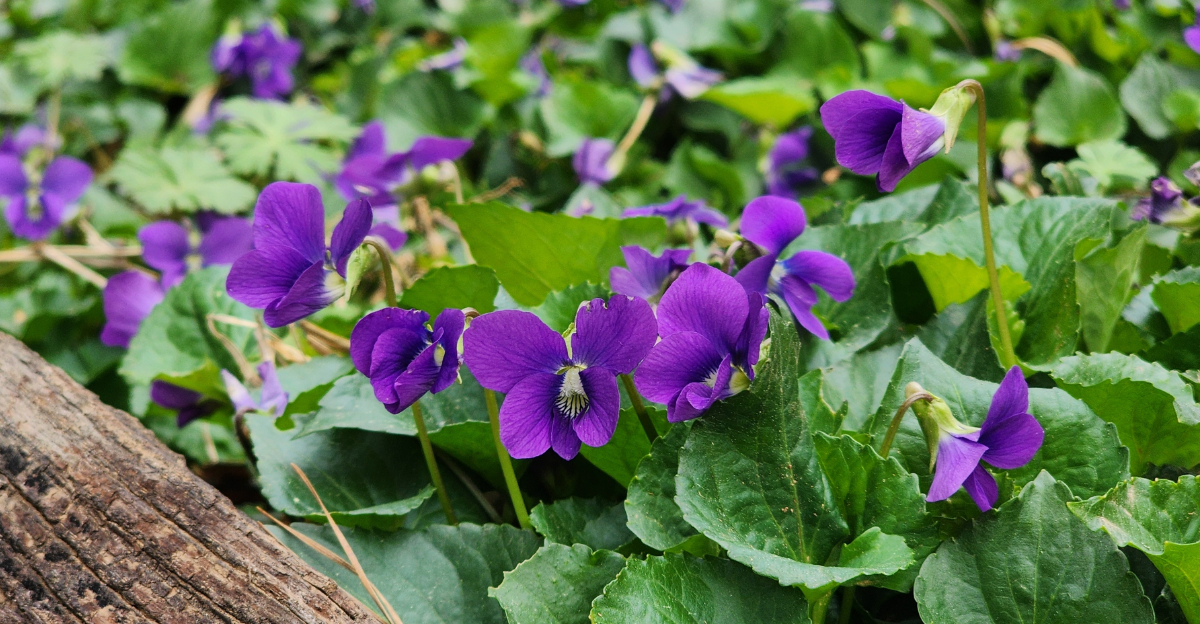
Most things that spread through a Michigan lawn uninvited are problems worth addressing. This one is different.
There’s a native wildflower showing up in more yards across the state that actually improves the look of a lawn rather than working against it.
It fills in thin or patchy areas with something that stays low, blooms reliably, and brings pollinators in during a season when they need the support most.
It handles foot traffic reasonably well, survives mowing without disappearing, and thrives in exactly the kind of difficult lawn conditions where grass always seems to struggle.
Homeowners who recognized it before pulling it out have largely decided to let it spread, and their yards are better for it. Sometimes the thing moving through your grass without permission turns out to be exactly what that space needed all along.
1. Common Blue Violet Is A Native Michigan Lawn Wildflower
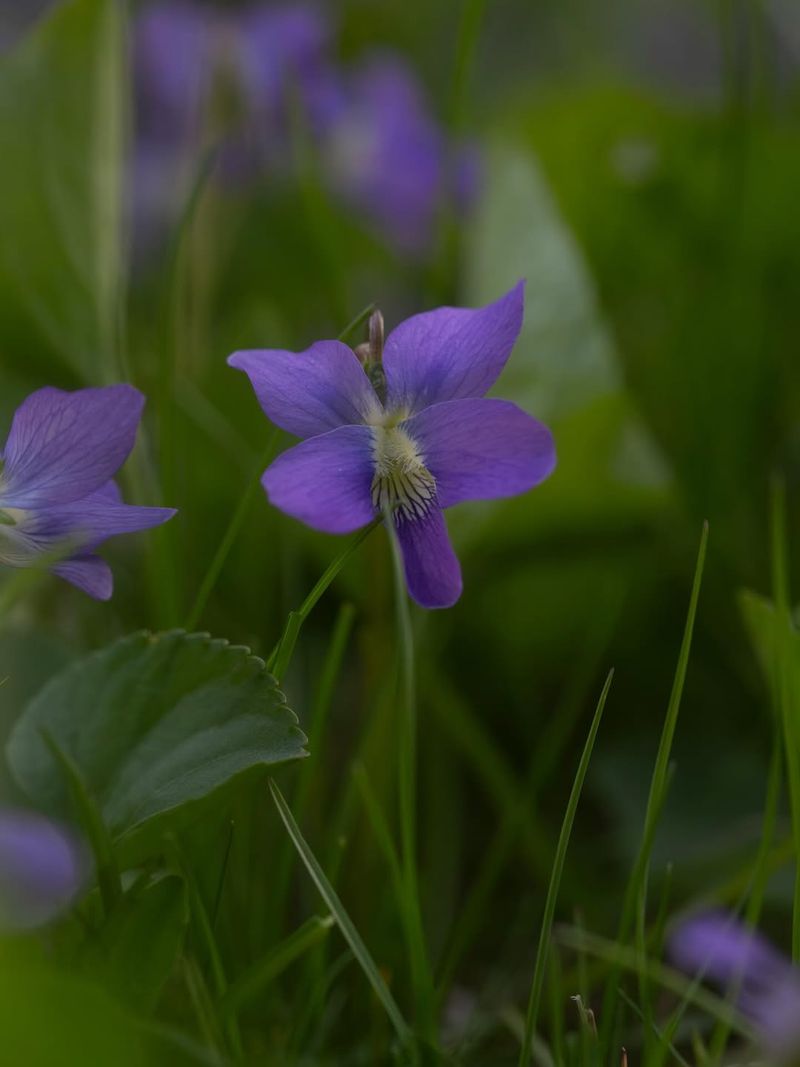
Walk across almost any Michigan lawn in April or May and you might spot small clusters of purple flowers peeking up through the grass.
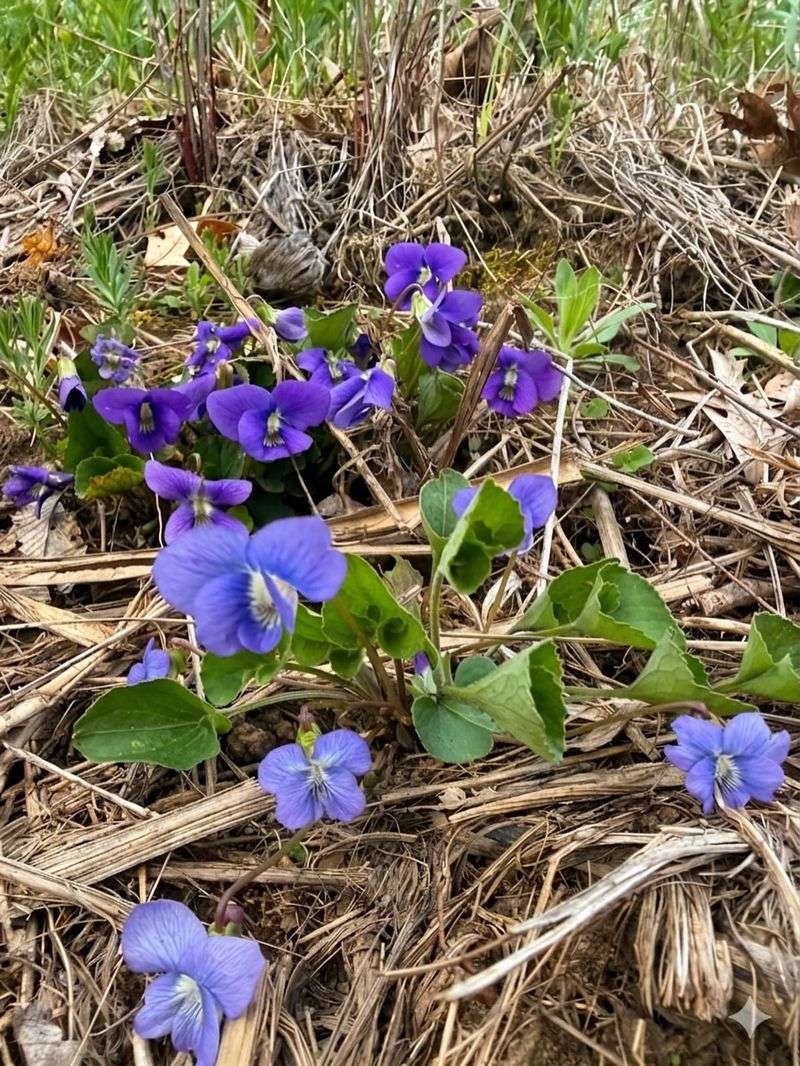
That plant is common blue violet, known scientifically as Viola sororia, and it has been growing across Michigan long before anyone planted a single seed of turfgrass.
It is a true native perennial wildflower, which means it naturally belongs to this region and comes back year after year without any help from you.
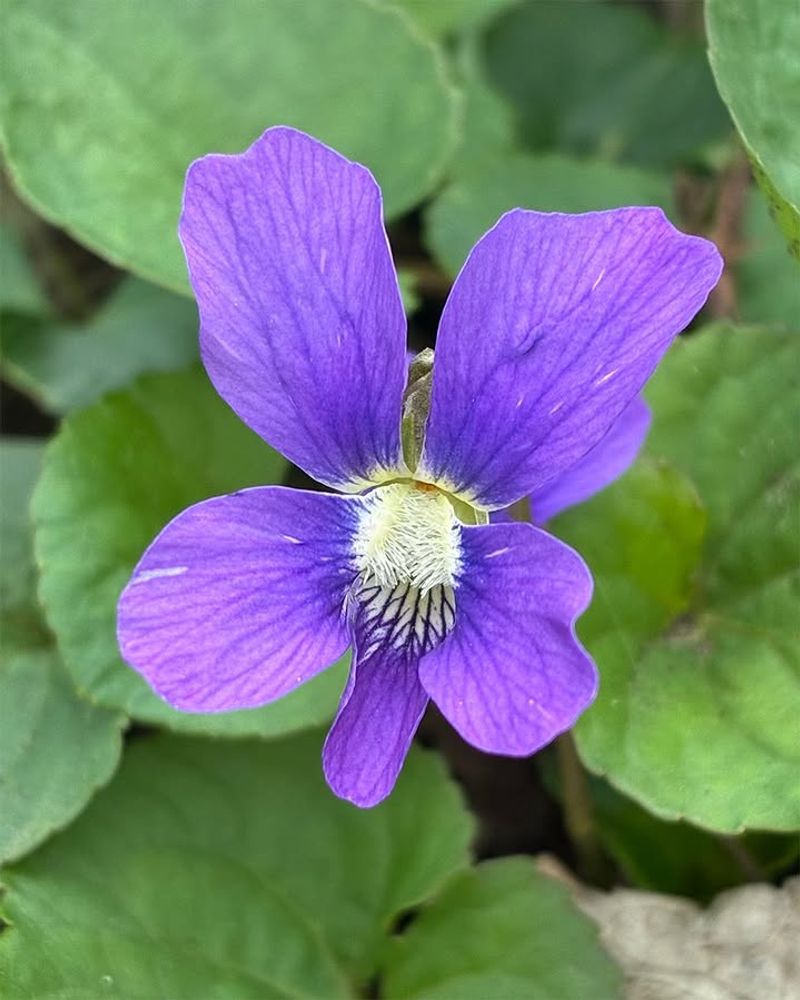
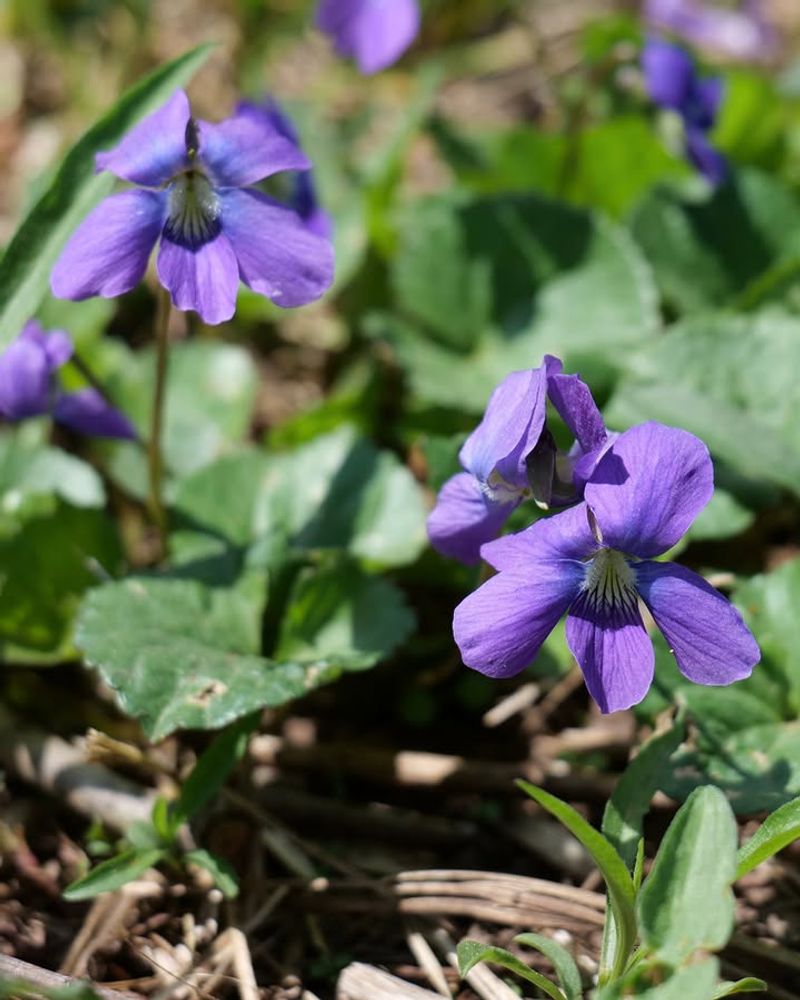
The leaves are one of its most recognizable features. They grow in a rounded, heart-shaped form with slightly scalloped edges, staying low and close to the ground.
In a mowed lawn, the plant stays compact and blends in surprisingly well with surrounding grass blades. The flowers range from deep purple to blue-violet and bloom in early to mid spring, adding a soft burst of color right when your yard needs it most.
Many Michigan gardeners are starting to see this plant differently. Rather than treating it only as a weed to remove, they are choosing to welcome it as a lawn companion.
It requires zero planting, zero fertilizing, and zero watering once established. For anyone looking to add some natural beauty and ecological value without extra effort, common blue violet is genuinely worth keeping around.
2. It Fills Patchy Spots Where Grass Struggles
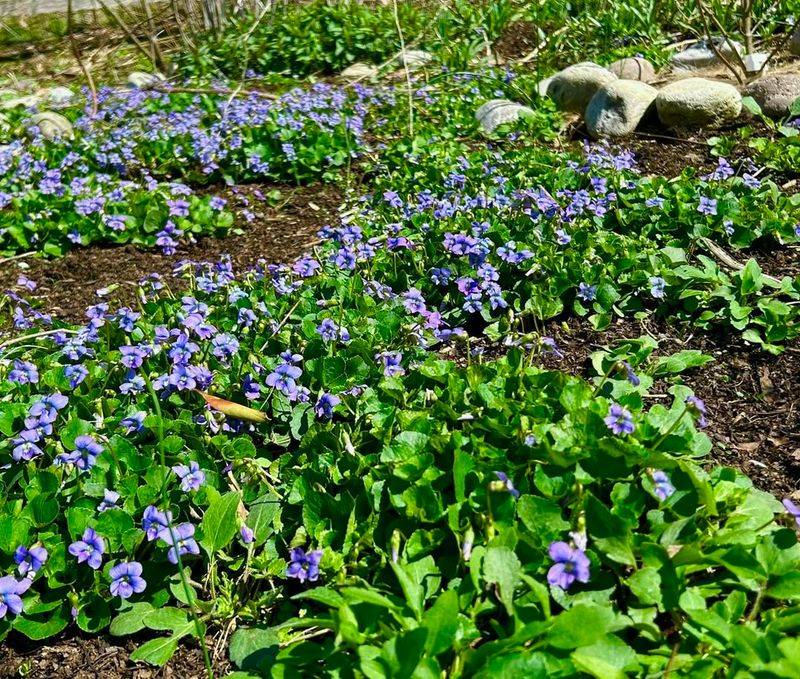
Anyone who has tried to grow thick, lush grass under a big oak tree knows the frustration. Turfgrass needs sun, and when it does not get enough, it thins out, turns pale, and eventually gives up.
That is exactly where common blue violet steps in and quietly saves the day. Violet thrives in partial shade and handles moist or moderately compacted soil far better than most grass varieties.
Under trees, along fence lines, in low-lying areas that collect moisture, and in spots where foot traffic has packed the ground solid, common blue violet fills in with a dense mat of green foliage.
Instead of bare soil or scraggly patches of struggling grass, you get a smooth, leafy surface that actually looks intentional and well-managed.
The texture of violet leaves is soft and attractive, giving shaded lawn areas a lush appearance that grass simply cannot provide in those conditions. The coverage also helps reduce soil erosion in spots where rain or runoff tends to wash things away.
Your Michigan Garden Changes Every Week. Your Plan Should Too.
Gardening in Michigan changes quickly throughout the season. Every Friday you’ll receive a simple weekly plan showing exactly what to plant, prune, fertilize, harvest, and protect so you never miss the right timing.
Gardeners who stop fighting the shade and start working with what naturally wants to grow there often find their yards look far more polished with far less work.
Allowing violet to fill difficult patches is one of the simplest upgrades a Michigan lawn can get without spending a single dollar on seed or sod.
3. It Often Stays Greener Than Stressed Turf
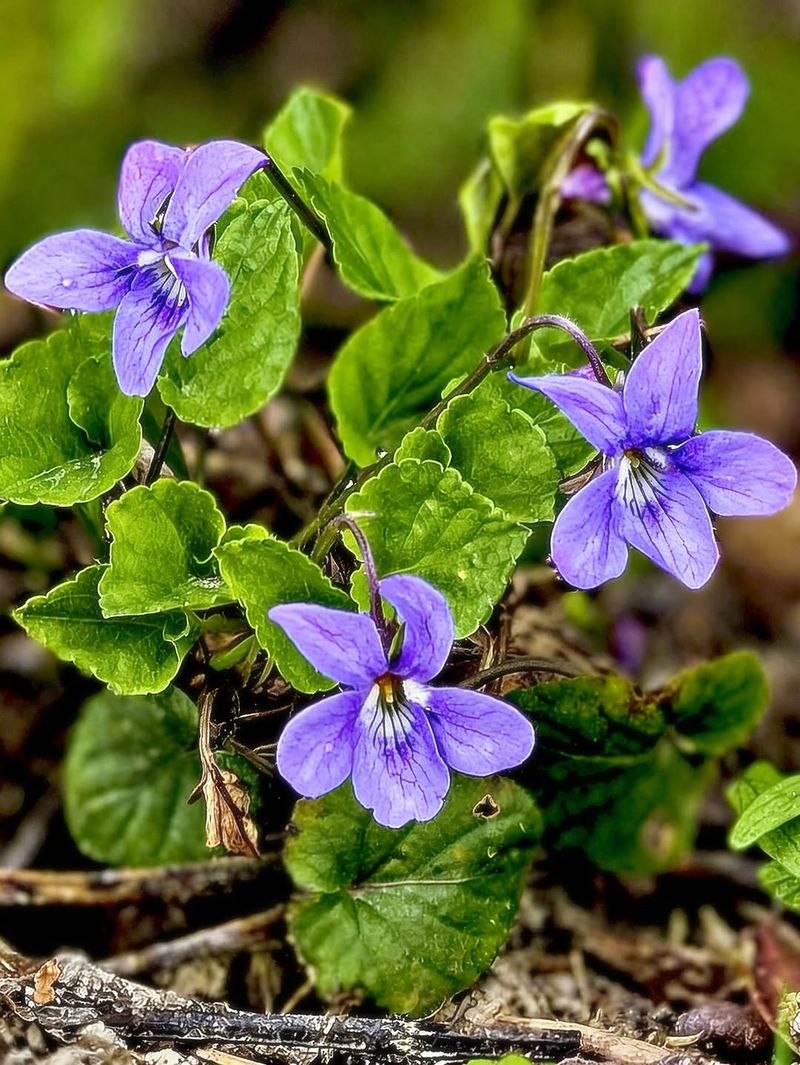
There is a moment every summer when turfgrass starts to look tired. It lightens in color, slows its growth, and in some spots turns almost yellowish under the stress of heat and inconsistent moisture.
Common blue violet, on the other hand, often keeps its deep green color well into summer, especially in shaded or moderately moist areas of a Michigan lawn.
This happens because violet has different moisture and temperature tolerances compared to cool-season grasses like Kentucky bluegrass or fescue. In shaded spots where soil retains more moisture, violet stays hydrated and active longer than surrounding turf.
The result is patches of lawn that look noticeably greener and healthier during the middle of the season, simply because the violet is holding its color better than the grass around it.
It is worth being honest here, though. Violet is not drought-proof. In full sun with hot, dry conditions, it will wilt and look rough just like anything else.
The green advantage really shows up in the right environment, particularly in those partially shaded Michigan lawns that see average rainfall and moderate temperatures.
If your yard has a mix of sun and shade, the shaded sections with violet coverage often become the most attractive-looking parts of the lawn during summer, which is a pleasant surprise for anyone who used to see those spots as problem areas.
4. It Tolerates Regular Mowing
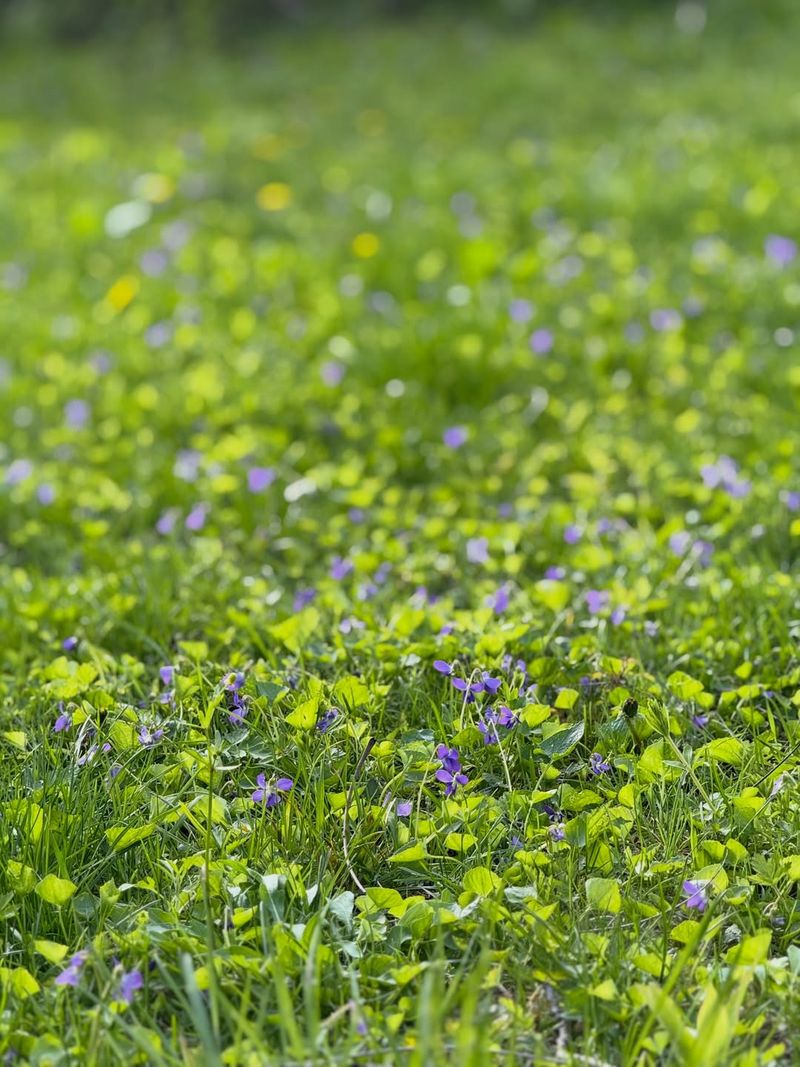
One of the biggest reasons common blue violet survives in lawns where other wildflowers would not is its remarkably low-growing habit.
The plant keeps its leaves and flower stems close to the ground naturally, which means a standard mower passes right over it without removing the whole plant.
After mowing, it bounces back quickly and keeps growing without missing a beat.
For best results, try keeping your mower deck at a height of three to four inches. This setting is already recommended for healthy turfgrass in Michigan, and it works perfectly for violet too.
At this height, the grass looks neat and trimmed while the violet foliage stays present and continues to fill in below the cut line. Flowers appear on stems that are just tall enough to catch your eye in spring before the first mow of the season trims them back slightly.
The plant does not need you to skip mowing or change your routine significantly. It simply adapts to the regular schedule you already follow.
Over time, it will continue to flower modestly each spring, spread gradually, and maintain coverage without becoming unruly. Gardeners who are used to fighting plants that get out of control will appreciate how well-behaved violet tends to be in a managed lawn.
Mowing regularly actually helps keep it from growing too thick or tall, making it one of the easiest lawn companions to manage.
5. It Spreads By Rhizomes And Seed
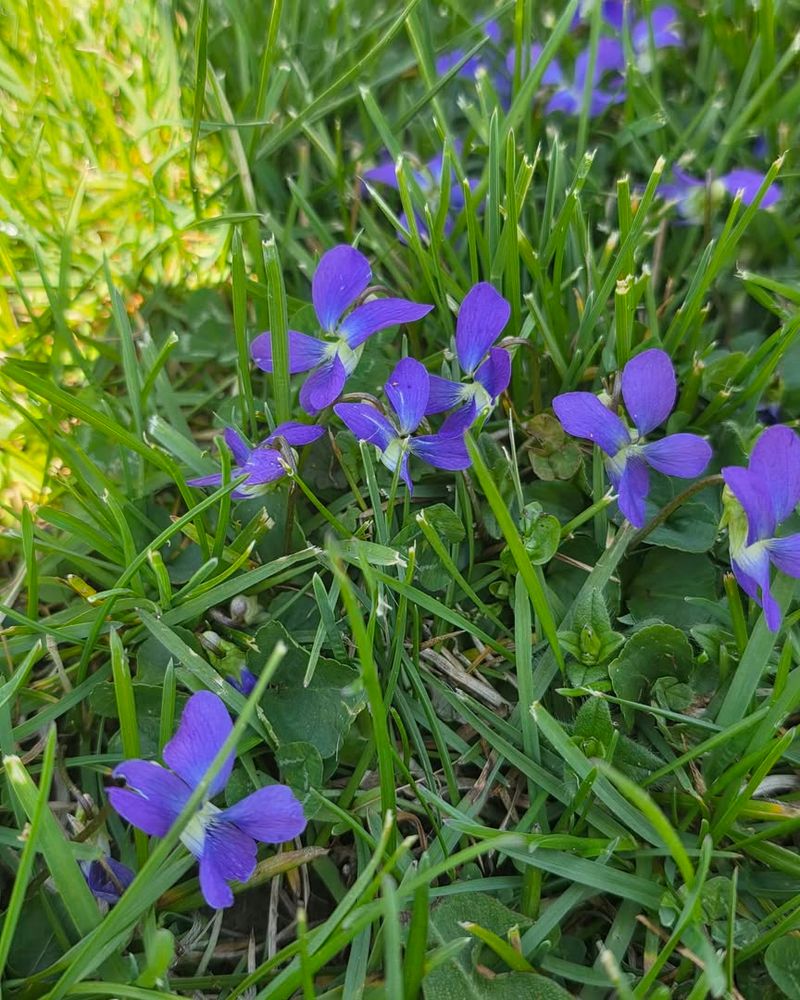
Common blue violet has two clever ways of getting around your lawn, and understanding both of them helps you stay in charge of where it grows.
The first method is through short underground rhizomes, which are horizontal root-like stems that slowly creep outward from the parent plant.
This type of spread is gradual and tends to stay fairly contained, expanding a patch by a few inches each season rather than jumping across the yard overnight.
The second method is seed dispersal, and this one is a bit more interesting. Violet produces two types of flowers.
The showy purple ones you see in spring are the ones that attract pollinators. But the plant also produces small, hidden flowers later in the season called cleistogamous flowers, which never fully open and self-fertilize on their own.
These produce seed capsules that pop open and scatter seeds nearby, which is how new plants pop up in fresh spots around the yard.
Over several seasons in a Michigan lawn, you might notice violet slowly expanding its footprint, especially in shadier, moister sections. The key to managing this is simple.
Edge the areas where you want violet to stay, remove young seedlings in spots where you prefer clean turf, and let the plant fill in freely where grass already struggles. Handled with a little attention, the spread stays manageable and even works in your favor.
6. It Supports Fritillary Butterflies
Some plants are just pretty. Common blue violet is pretty AND useful in a way that goes far beyond appearances.
Violet serves as a host plant for several species of fritillary butterflies, meaning female fritillaries specifically seek out violet leaves to lay their eggs on.
Without violet, the caterpillars that hatch have nothing to eat, and the butterflies cannot complete their life cycle.
In Michigan, species like the great spangled fritillary and the meadow fritillary both depend on violets as host plants.
The caterpillars feed on the leaves, grow through their stages, and eventually become the stunning orange-and-black butterflies you see fluttering through summer gardens and meadows.
Allowing violet to grow in your lawn is one of the most direct things you can do to support these butterflies at every stage of their lives, not just when they visit flowers as adults.
This is a bigger deal than most people realize. Planting nectar flowers for adult butterflies is great, but supporting the full life cycle requires host plants too.
Many common garden plants offer nectar but cannot support caterpillars at all. Violet fills that critical gap.
A lawn with even a modest patch of violet becomes a legitimate butterfly nursery in your own backyard, and watching fritillaries flutter around your yard in summer is a reward that no amount of grass seed can match.
7. It Supports Early Pollinators
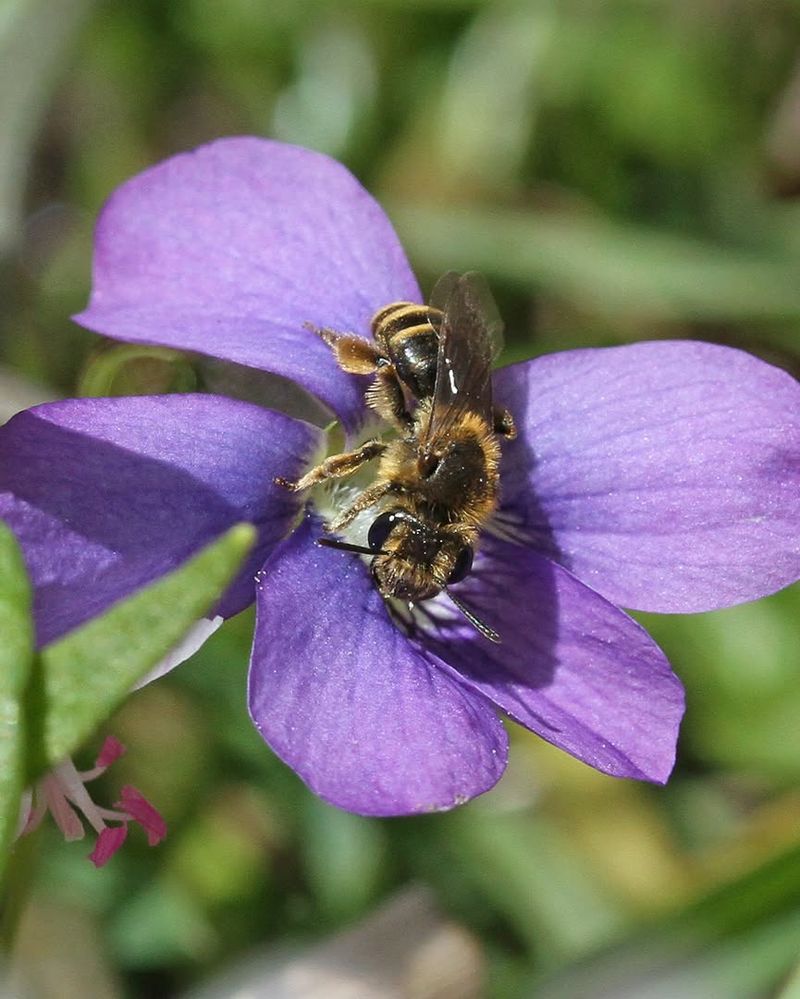
Early spring in Michigan can be rough for pollinators. Many flowering plants have not yet opened, and small native bees emerging from winter need food fast.
Common blue violet blooms reliably in April and May, offering nectar and pollen at exactly the right time when options are still limited across the landscape.
Small native bees are among the most frequent visitors to violet flowers. Mining bees and mason bees, both of which are active early in the season, visit violet blooms regularly for both nectar and pollen.
The flower structure of violet is well-suited to smaller bee species, with petals that provide a landing platform and guide them toward the nectar reward inside.
Honeybees and some larger bumblebee species also visit, adding to the variety of pollinators your lawn can support simply by keeping a few violet plants around.
What makes this especially valuable is the timing. Most lawn flowers, if they exist at all, bloom later in spring or summer.
Violet blooms first, before dandelions even finish their peak, giving early-season pollinators a consistent food source right in your yard. You do not need a separate pollinator garden to make a difference.
A patch of violet mixed into your existing lawn does real ecological work during the weeks when insects need support the most. It is one of the easiest wins for anyone who cares about supporting local wildlife.
8. It Adapts To Many Michigan Lawn Conditions
Michigan lawns come in all kinds of conditions. Clay-heavy soil in one corner, sandy patches near the driveway, dense shade under the maple, and full sun along the south side of the house.
Most plants have strong preferences and struggle outside their comfort zone. Common blue violet is refreshingly flexible by comparison.
Its sweet spot is partial shade with moist to average soil, which describes a huge portion of Michigan residential yards.
But it also handles a decent amount of sun when moisture levels stay reasonable, and it grows in clay, loam, and sandy soils without much complaint.
This adaptability is part of why it naturalizes so easily across so many different lawn types throughout the state.
That said, there are real limits to its flexibility. In full blazing sun with dry, sandy soil and no irrigation, violet will struggle noticeably.
It also does not hold up well in areas with heavy foot traffic, like paths, play areas, or sports turf. Those are spots where turfgrass or groundcovers better suited to wear and tear make more sense.
But for the wide middle ground that covers most Michigan lawns, including shaded sections, average moisture zones, and mixed soil types, violet fits in naturally and thrives without any special care.
It is genuinely one of the most low-maintenance native plants you can have in a managed yard.
9. You Can Encourage It Without Letting It Take Over
A well-managed violet-friendly lawn looks intentional and attractive. A neglected one looks messy.
The difference comes down to a few simple habits that take very little time but make a big visual impact on how your yard presents itself to the neighborhood.
Start by deciding where you actually want violet to grow. Shaded areas under trees, along fence lines, and in low spots where grass has always been thin are perfect candidates.
Once you pick those zones, mow regularly to keep everything at an even height. Consistent mowing prevents violet from getting tall and floppy, which is the look that makes lawns appear unkempt.
Use a lawn edger or a flat spade to define clean borders between your violet patches and the rest of your turf. Those crisp edges signal to anyone walking by that your yard is cared for, not abandoned.
When violet seedlings appear in areas where you want clean grass, pull them early while the roots are still small and shallow. Young seedlings come out easily and take only seconds to remove.
Staying on top of them in spring prevents unwanted spread into formal turf areas. Over time, you develop a rhythm where violet fills the right spots beautifully and stays out of the wrong ones completely.
The result is a lawn that looks greener, more diverse, and more alive than a plain grass monoculture, without any extra planting, watering, or fertilizing required.