Backyard Flock Owners In New York Should Do This Before Coyotes Come Calling
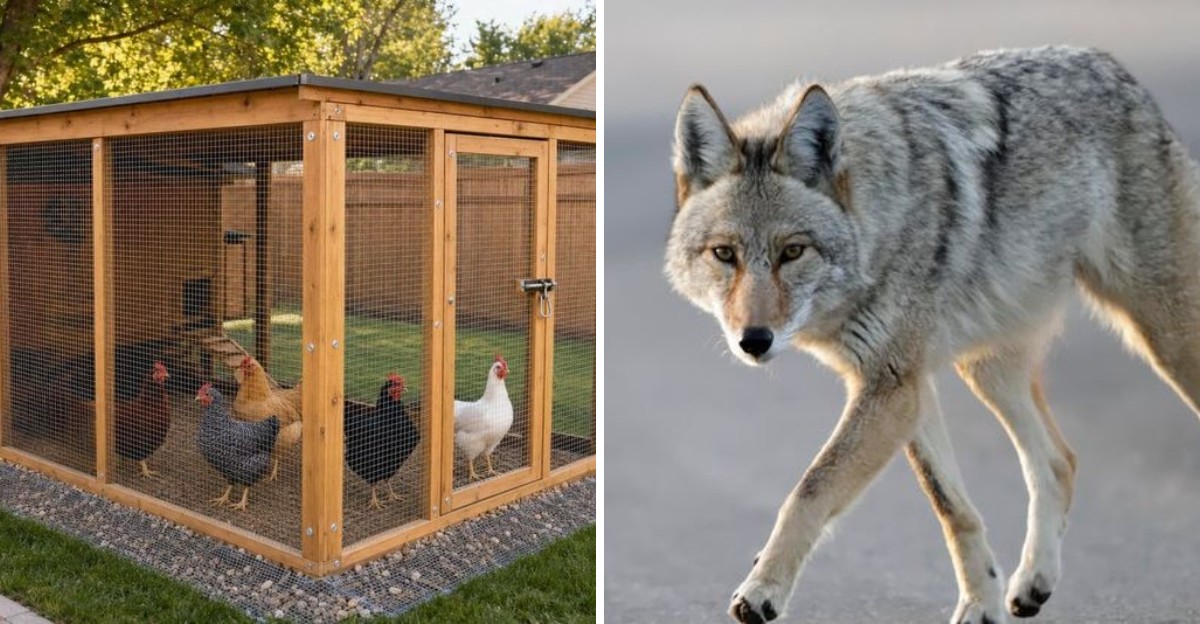
When wild geese start honking their way south, it’s a signal that your backyard flock is about to face new risks. Fall migration means the seasons are turning fast.
Soon the leaves drop, the brush thins out, and hungry eyes in the tree line get a clearer view of your coop. Coyotes live in nearly every corner of New York, from Long Island suburbs to Adirondack farms.
They’re clever, curious, and quick to notice an easy meal. A coop that felt safe all summer can suddenly look like an open invitation.
A few smart chores now can save you a lot of heartbreak later. Some protect your hens and ducks directly, while others make your whole yard less tempting.
Getting ahead of the season is the best way to keep your flock safe. One of the sharpest neighbors your birds will ever have is already watching.
1. Coyotes Start Pairing Up In Late Winter
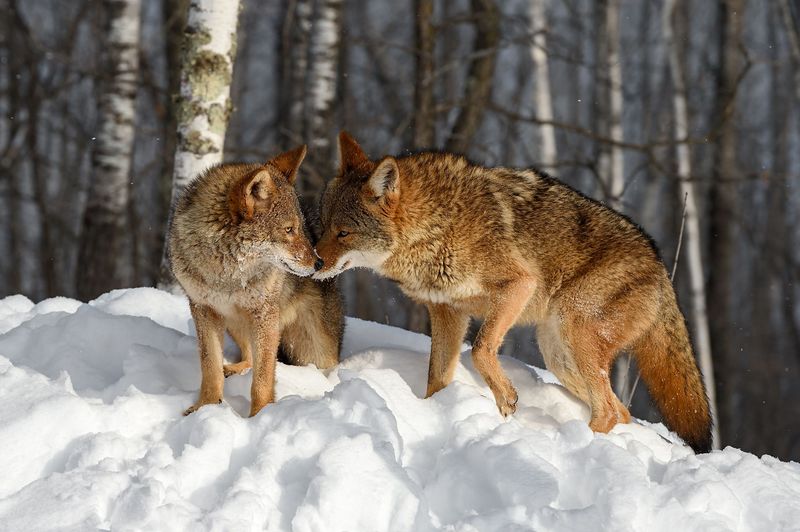
Listen closely on a frosty February night, and you might hear yips and howls rolling across the fields. Those wild choruses often mean local coyotes are courting each other.
Coyotes usually pick one partner and stay together for life. In New York, their breeding season runs from about January through March, with February as the busy peak.
During these weeks, pairs travel together, mark their turf, and act a little less shy. You may spot them crossing roads or trotting past your coop in broad daylight.
For flock owners, the timing matters more than you might think. A courting pair is scouting the territory where they will raise pups in spring.
If your yard looks like an easy buffet now, they will remember it later. Coyotes have sharp memories for reliable food spots.
Use fall and early winter to get ahead of that scouting season. Walk your fence line and look for gaps, sagging wire, or soft dirt where digging might start.
Here is a handy tip from experienced keepers. Lock your birds inside a sturdy coop every evening before sunset, since coyotes do most of their hunting at dusk.
Fun fact for curious readers. The eastern coyote often carries a bit of wolf DNA, which helps explain its larger size.
Knowing their calendar gives you a real edge. Prepare before the howling starts, and your hens can sleep a lot more soundly all winter.
2. Denning Season Makes Them Bolder
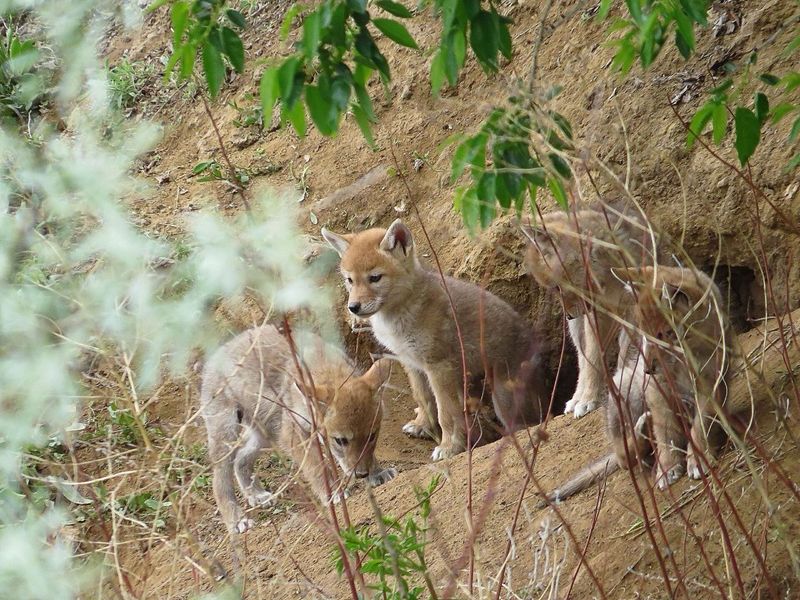
Picture a coyote mom with a hungry litter waiting at home. Suddenly, your plump backyard hens look a lot more tempting than they did in December.
Pups arrive about 60 to 63 days after mating, usually in April or May. They stay tucked inside the den with their mother for roughly four to five weeks.
Dens can show up in surprising spots. Coyotes often reuse old woodchuck or fox burrows, hollow logs, rocky caves, and even spaces under buildings.
While mom stays close to the pups, dad does much of the hunting. He works longer hours and takes bigger chances to feed his growing family.
Your New York Garden Changes Every Week. Your Plan Should Too.
Gardening in New York changes quickly throughout the season. Every Friday you’ll receive a simple weekly plan showing exactly what to plant, prune, fertilize, harvest, and protect so you never miss the right timing.
That pressure explains why spring brings more run-ins with people and pets. Attacks on dogs in rural New York happen most often between January and June.
Chickens and ducks sit right in the middle of that risky window. A free-ranging flock near the woods can become a regular stop on a hunting route.
Try this simple habit during spring and early summer. Supervise outdoor time for your birds and keep ranging hours short, ideally in the middle of the day.
Electric poultry netting is another smart upgrade. Coyotes quickly learn to respect a zap, and the fence moves easily when you rotate pasture.
Plan your defenses now, while dens are still empty. Come spring, you will be busy enjoying fresh eggs instead of counting missing feathers.
3. Secure Trash And Compost Now
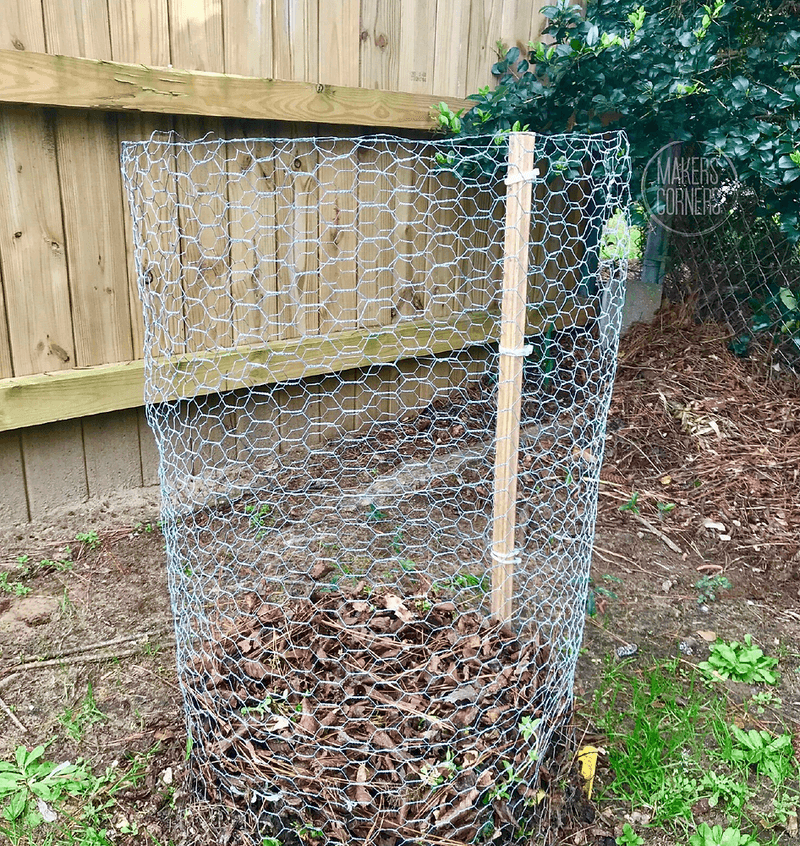
Ever notice how your compost pile smells like a feast on a warm afternoon? To a coyote with a nose far sharper than yours, it practically rings a dinner bell.
Garbage and compost rank among the top wildlife magnets in any yard. Once a coyote finds food there, it starts checking back regularly.
For chicken keepers, that creates a double problem. A coyote visiting your trash is also strolling right past your coop every single night.
Start with your garbage cans. Choose heavy, tight-lidded bins and strap the lids down with bungee cords or locking clips.
Store cans inside a garage or shed when possible. If they must sit outside, put them out the morning of pickup, not the night before.
Compost needs a little more thought. Fence or fully enclose the pile, and skip meat, bones, dairy, and eggshells with leftover yolk.
Kitchen scraps you plan to feed your hens deserve care too. Toss only what they will finish quickly, and rake up leftovers before evening.
Wildlife experts across the state agree on one point. Removing easy food is among the most effective ways to keep coyotes moving along.
Spend one weekend this fall upgrading bins and closing in compost. Your yard will smell less like a buffet, and your birds will be safer for it.
4. Bring Pet Food Indoors

A bowl of kibble on the porch seems harmless enough. Yet to a wandering coyote, it reads like a free sample at the grocery store.
Leaving pet food outdoors invites trouble for pets, people, and poultry alike. Coyotes that snack near your house quickly lose their healthy fear of humans.
The fix takes almost no effort. Feed dogs and cats inside, then pick up bowls as soon as they finish eating.
Bulk food bags need attention too. Keep them indoors or inside metal bins with tight lids that clever paws cannot pry open.
Chicken feed counts as pet food in a coyote’s eyes. Spilled pellets draw mice and rats, and those rodents draw coyotes, foxes, and raccoons.
Many keepers store feed in galvanized trash cans inside the barn. A simple steel can blocks chewing critters and holds about 50 pounds.
Try hanging feeders inside the coop instead of placing trays outdoors. Bring waterers and feeders in at night if your run is not fully covered.
Quick bonus tip from seasoned keepers. Sprinkle only enough scratch grains for a short treat time, so nothing lingers on the ground overnight.
Small changes like these add up fast. A yard with nothing tasty lying around gives coyotes little reason to stop and look around.
5. Clean Up Spilled Birdseed
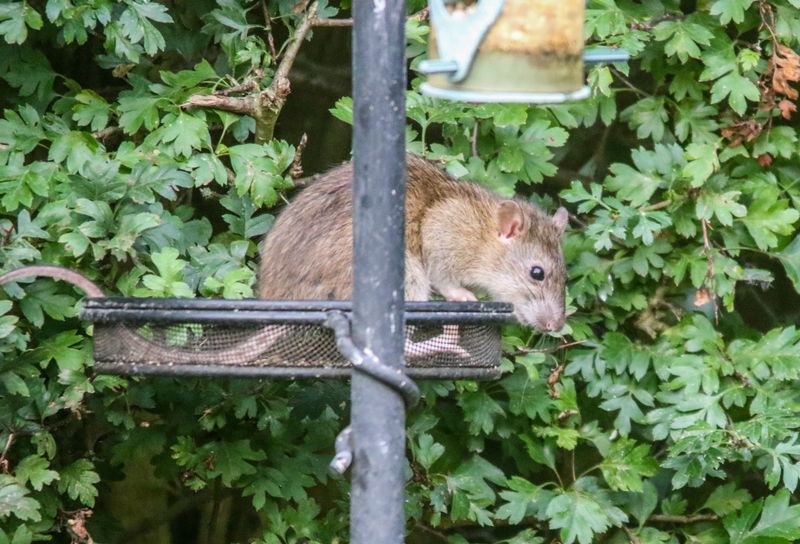
Bird feeders bring cheerful cardinals and chickadees to a gray winter yard. They also leave a messy carpet of seeds that feeds far more than songbirds.
Spilled seed attracts mice, voles, squirrels, and rats. Those small animals happen to be favorite snacks for hungry coyotes.
Here is how the chain usually works. Seed brings rodents, rodents bring coyotes, and coyotes then notice your chickens next door.
Coyotes also stalk the birds visiting feeders. A busy feeding station can turn into a hunting ground right outside your kitchen window.
Luckily, a few tweaks help a lot. Place a wide tray under each feeder to catch falling seed before it hits the ground.
Rake or sweep the area every few days. Hulled sunflower hearts also create less waste, since birds have no shells to toss aside.
Some flock owners pause feeding during busy coyote months. Others move feeders closer to the house and farther from the coop.
Here is an interesting detail from wildlife researchers. A single coyote can eat thousands of mice in a year, so rodent hot spots get regular patrols.
You can still enjoy your feathered visitors in winters. Just keep the ground tidy, and you will feed the birds without feeding the predators too.
6. Close Off Spaces Under Decks And Sheds
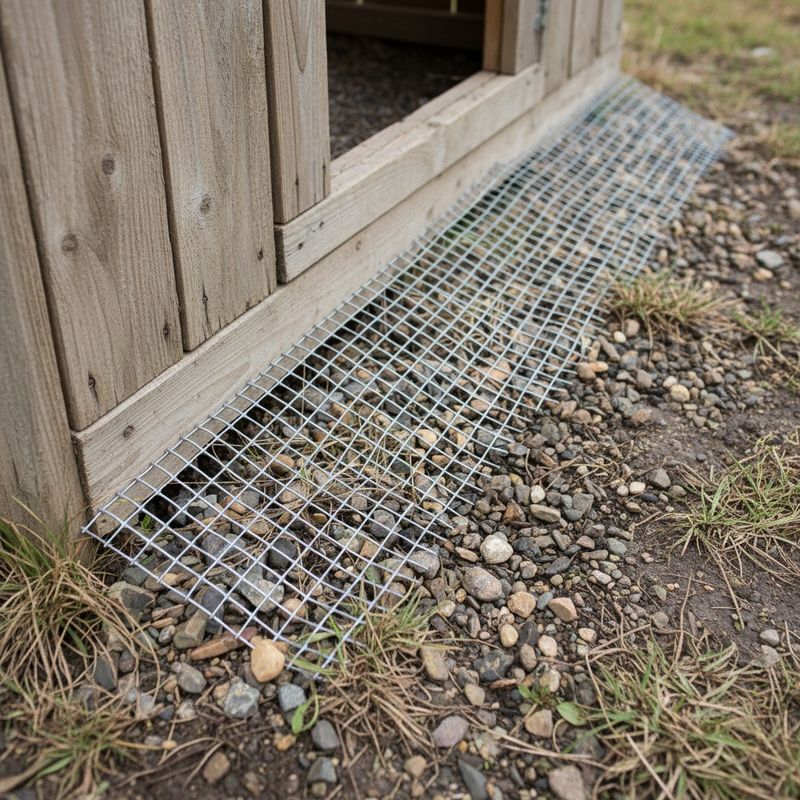
That shady gap beneath your deck looks like wasted space to you. To an expecting coyote mom, it might look like the perfect nursery.
Coyotes often choose spots under decks, sheds, and porches for dens or resting areas. Those hideouts sit dangerously close to your coop and family.
Blocking them off is a smart fall project. Use sturdy galvanized wire mesh or hardware cloth rather than flimsy chicken wire.
Attach the mesh firmly along the lower edge of the structure. Then bury it one to two feet underground, angled outward in an L shape.
That outward slant matters more than people realize. A digging animal hits the buried wire and gives up instead of tunneling under.
Before sealing anything, make sure nothing is living inside. Sprinkle flour at the entrance and check for tracks the next morning.
Look around the yard for other hiding spots too. Trim dense brush, mow tall grass, and clear woodpiles that sit near the coop.
Use the same buried apron trick on your chicken run. Many keepers swear it stops most digging predators cold.
One weekend with gloves, wire, and a shovel can pay off for years. Fewer hiding places mean fewer surprise visitors lurking near your hens.
7. Walk Small Dogs On Short Leashes
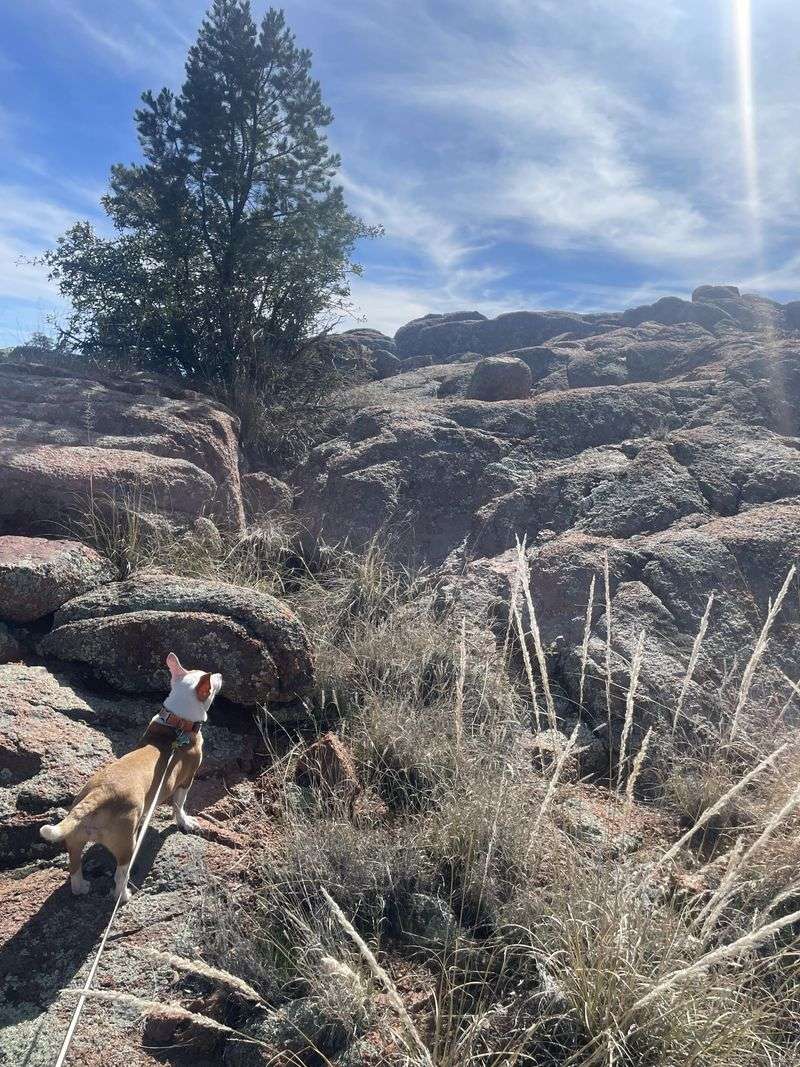
Your little terrier may act fearless, but a coyote sees things differently. Small dogs often look like prey, while bigger dogs can look like rivals.
Many chicken keepers also share their homes with pets. Protecting the whole backyard crew means thinking about your dogs as well as your hens.
A short leash keeps your pup close and under control. Retractable leashes let small dogs wander too far, too quickly.
Dawn and dusk are the riskiest walking times. Coyotes are most active then, especially between January and June.
During that stretch, coyotes defend mates, dens, and pups. Even a quiet neighborhood walk can bring a surprise encounter.
Stay with your dog in the yard, particularly after sunset. A fenced yard helps, but coyotes can jump or climb surprisingly tall fences.
Carry a flashlight on evening walks. Some dog owners also clip a whistle or small air horn to the leash for quick noise.
If you spot a coyote, pick up a small dog right away. Then back off slowly while facing the animal, rather than turning to run.
Fun fact worth remembering. Coyotes can sprint around 40 miles per hour, so outrunning one is not a realistic plan for you or your pup.
8. Keep Cats Indoors, Especially At Night
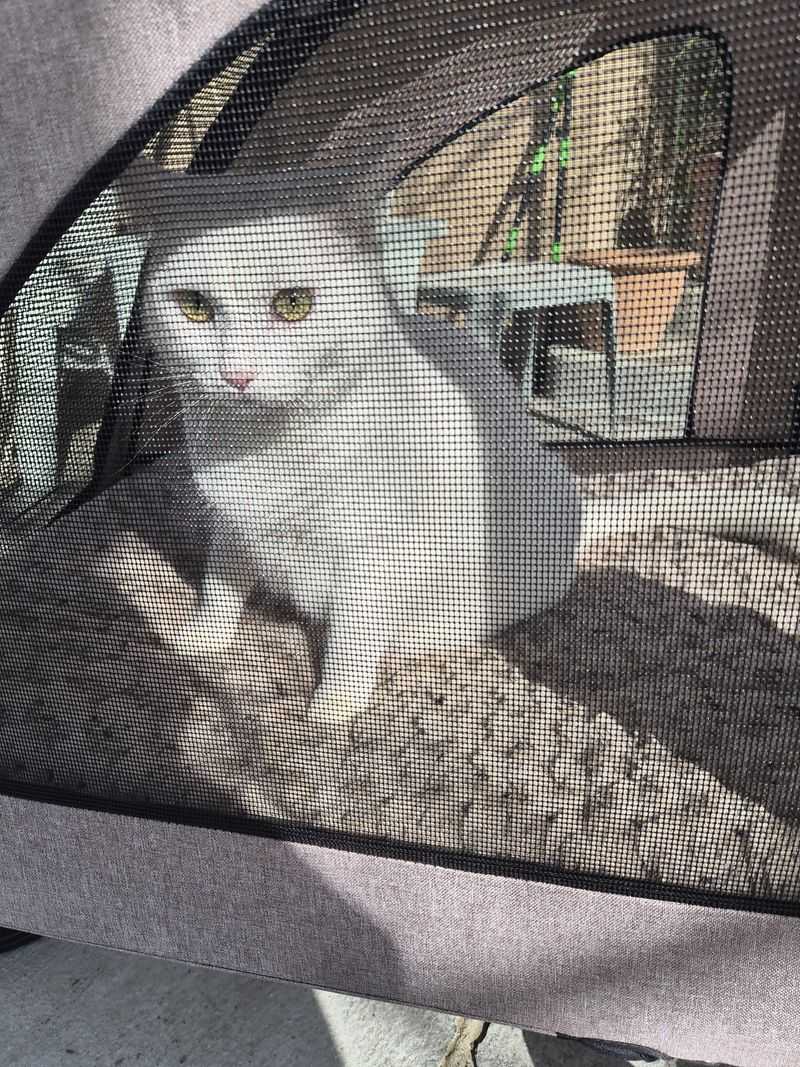
Cats love to roam, sniff, and patrol the garden at night. Sadly, coyotes view an outdoor cat as an easy dinner option.
Free-roaming cats face plenty of dangers, including cars, illness, and other predators. Coyotes top that list in many New York communities.
Most attacks happen after dark, when cats are outside alone. Bringing your cat in before dusk removes most of that risk.
Cats face the most risk during pup-rearing season in late spring and summer, when coyote parents are hunting hard.
Indoor life does not have to feel boring. Window perches, cat trees, and daily play sessions keep curious minds busy.
Some owners build a screened catio for safe fresh air. Others train cats to walk on a harness for short supervised outings.
Barn cats on poultry farms need extra planning. Give them a secure loft or room where they can sleep safely each night.
Here is a bonus for flock owners. Keeping cats inside also protects young chicks and wild songbirds from your own furry hunter.
Change can take a little patience at first. Within a few weeks, most cats settle in and seem perfectly happy curled up near a warm window.
9. Haze Coyotes Loudly If They Linger
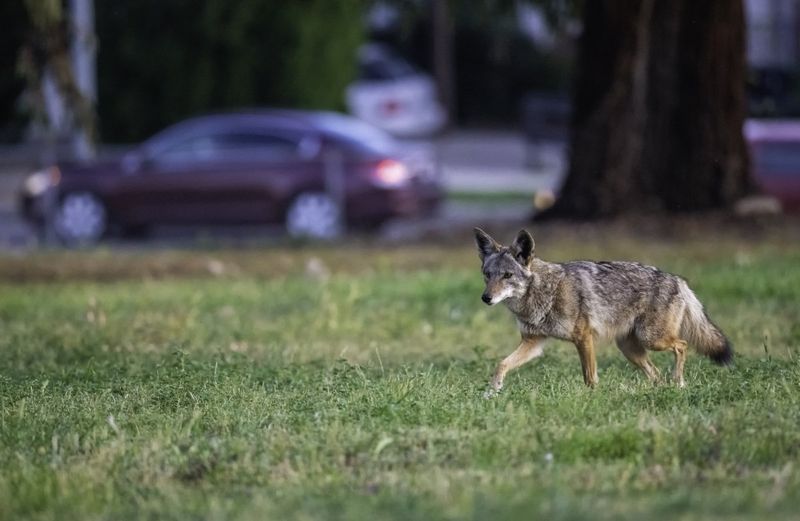
Act like a predator, not prey’ is a handy way to sum up New York DEC’s hazing advice, and it works.
Hazing means scaring a coyote so it feels unwelcome. The goal is to rebuild its natural fear of people and homes.
Spot one hanging around your coop? Stand tall, spread your arms wide, and make yourself look as big as possible.
Next, get loud and stay loud. Yell, clap, bang pots together, or blast an air horn until the animal leaves.
Throwing sticks or small stones toward the coyote adds extra pressure. Aim near it rather than trying to hurt it.
Keep going until the coyote is fully out of sight. A half-hearted effort can teach it that people are all bark.
Consistency makes the biggest difference. When neighbors haze together, coyotes learn quickly that the whole street is off limits.
Keep an air horn or whistle near your back door. Some folks also carry pepper spray on walks for an added layer of safety.
One caution worth repeating. Avoid running away or turning your back, since fleeing can trigger a chase response in many predators.
10. Report Bold Or Aggressive Coyotes To DEC
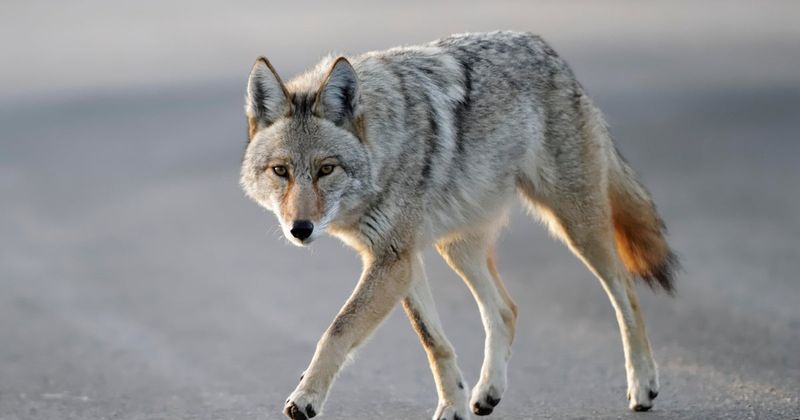
Most coyotes slip away the moment they see a person. When one stares back, follows you, or strolls past at noon, something has changed.
Bold behavior deserves a phone call. Report coyotes that show little fear of people or appear often near homes during daylight.
Reach out to your Regional DEC Wildlife Office in New York for help. Staff there track sightings and offer advice for your situation.
Emergencies call for faster action. If a coyote threatens or attacks a person, contact your local police department right away.
The DEC follows set procedures for handling aggressive coyotes. Officials weigh the danger and choose the right response.
In some communities, local police have been authorized to remove coyotes that attacked pets.
Write down helpful details before you call. Note the date, time, location, and exactly what the coyote did.
Photos or short videos make reports even stronger. Snap them from a safe distance, without approaching the animal.
Every report helps build a clearer picture of local coyote activity. By speaking up, flock owners protect their birds and their neighbors too.