The Full Sun New York Vine That Covers A Hot Fence In Flowers And Barely Needs Watering
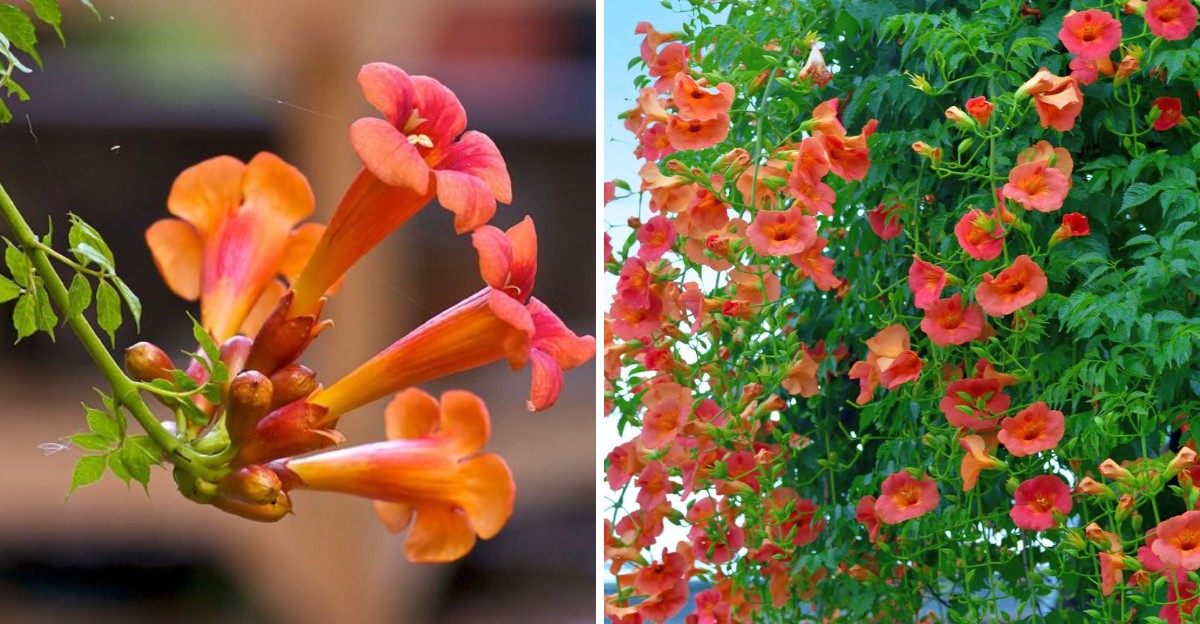
That fence gets so hot you could practically cook breakfast on it during a heat wave. Most plants take one look at that scorching spot and immediately start sulking.
Not this one. There’s a vine out there that treats blazing heat like a five-star vacation, and it repays the favor with a wall of bright orange blooms while everything else in the yard is wilting and begging for the hose.
Hummingbirds show up like they got a group text about it, zooming in for sips of nectar and turning a boring old fence into the hottest show in the neighborhood. Pun intended.
The best part? Once this plant gets comfortable, it barely asks for anything.
Stick around to meet the vine that treats sunshine the way you treat a lazy Sunday, with zero complaints and total commitment.
1. Meet The Trumpet Vine, A True New York Native
Long before fences lined New York yards, trumpet vine was scrambling up trees and cliffs across the eastern states. It has grown wild here for thousands of years.
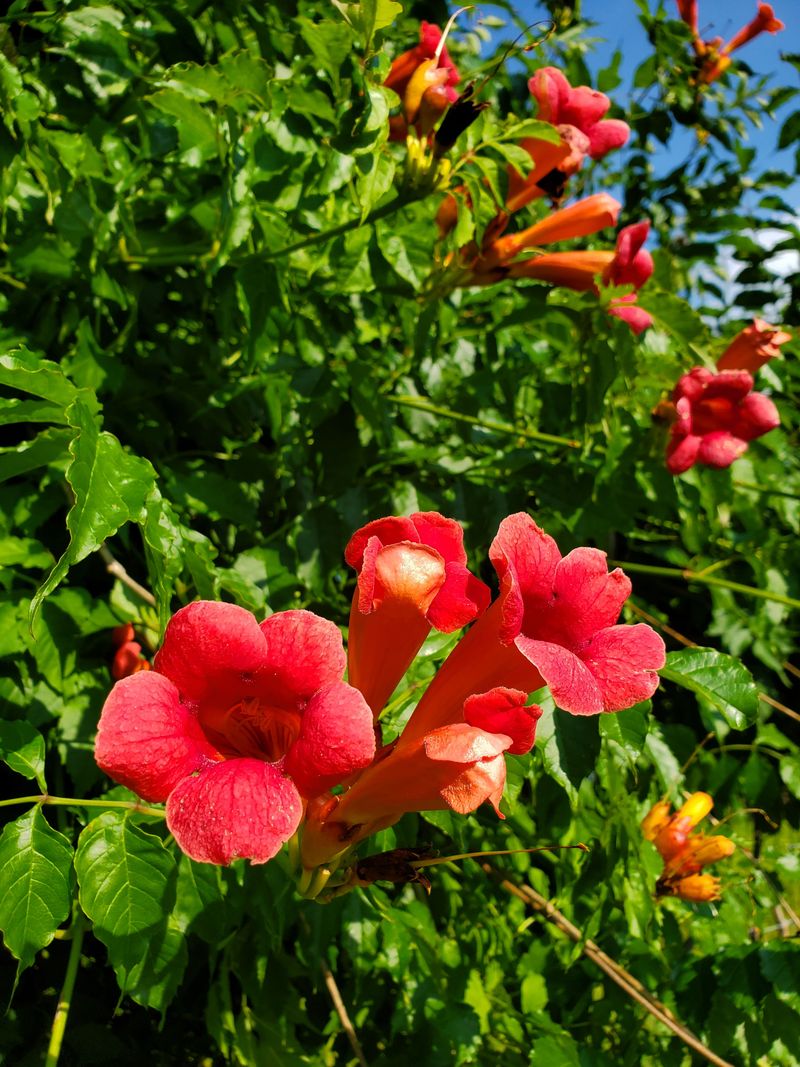
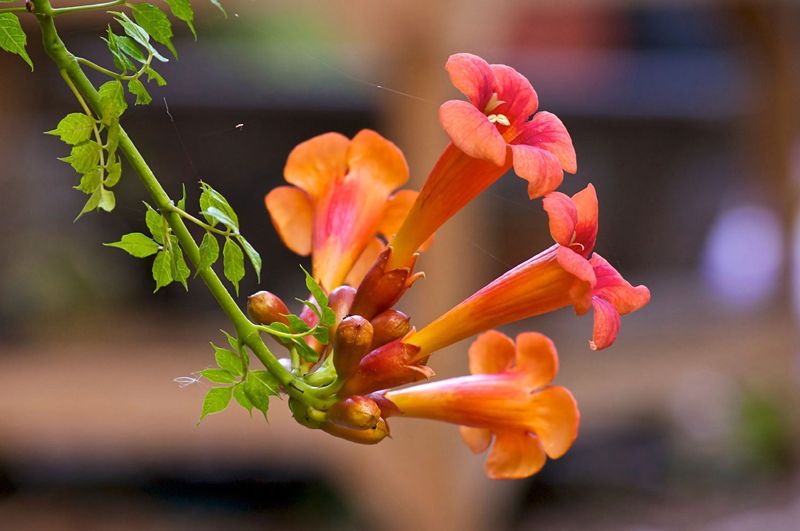
Its science name is Campsis radicans, but most folks call it trumpet creeper or cow itch vine. The flowers look like little orange horns, about three inches long, and they show up in clusters from July into September.
Because it is a native, the vine is already used to the state’s winters, hot summers, and moody spring weather. It handles cold down to around minus 30 degrees, so it fits nicely in USDA zones 4 through 9.
Native plants also fit into the local food web. Bees, butterflies, and especially ruby-throated hummingbirds rely on plants like this one for sweet nectar during the busy summer months.
Fun fact: early settlers noticed that touching the leaves could make some people itch. That quirk gave the plant its funny cow itch nickname, though most gardeners handle it with no trouble.
If you want a flowering screen that feels at home, this vine is a smart pick. Choosing a local plant usually means fewer problems and less fussing in the long run.
Wearing gloves while pruning is a simple way to avoid any skin irritation. After that, you can mostly sit back and let this old-timer do what it has done for ages.
2. Why A Hot Fence Is Its Favorite Spot
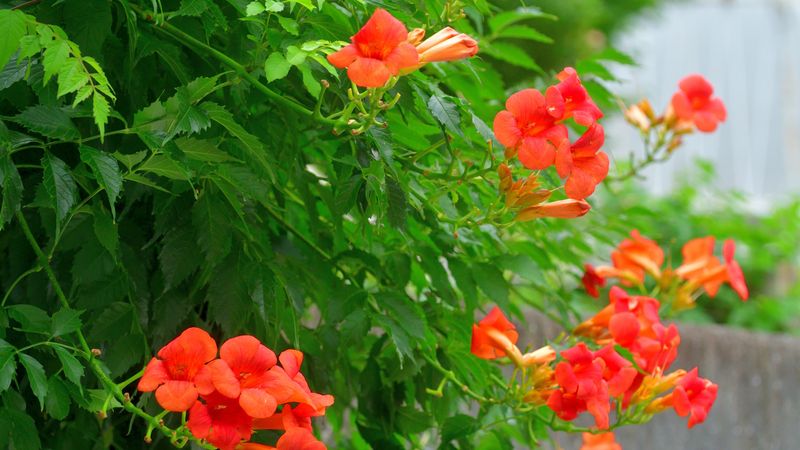
Ask any gardener about the worst spot in the yard, and many will point to the south-facing fence. The sun bakes it all afternoon, and the heat bounces right back at the plants.
Trumpet vine laughs at that problem. It needs at least six hours of direct sun to bloom well, and eight or more makes it even happier.
In shady spots, the vine grows plenty of leaves but gives you only a few flowers. Full sun is what pushes it to cover itself in orange trumpets from top to bottom.
New York summers can bring stretches of 90-degree days, especially around the city and the Hudson Valley. Metal and wood fences soak up that heat, which would scorch many flowering climbers.
Your New York Garden Changes Every Week. Your Plan Should Too.
Gardening in New York changes quickly throughout the season. Every Friday you’ll receive a simple weekly plan showing exactly what to plant, prune, fertilize, harvest, and protect so you never miss the right timing.
This vine has thick, leathery leaves that hold moisture well. Its stems also stay tough and woody, so they do not flop or crisp up when the thermometer climbs.
Here is a handy trick: plant the vine about a foot away from the fence base. That little gap gives the roots cooler soil and better air flow.
Once the stems reach the fence, gently tie them on with soft garden twine. Soon the vine will grab hold on its own, and your hot eyesore will turn into a glowing wall of color.
3. Barely Any Watering Needed Once It Settles

Tired of dragging a hose around every evening? You might want to meet a plant that laughs at dry spells.
Trumpet vine grows deep, strong roots that reach far down for moisture. After its first year, it can handle long stretches without rain better than most garden flowers.
During that first season, though, the young plant needs some help. Give it a deep soak about once a week, soaking the soil around the roots instead of just sprinkling the leaves.
After year one, you can relax. In most New York summers, regular rainfall is enough, and you only need to water during a long, harsh drought.
Deep watering works much better than quick splashes. A slow trickle for 20 minutes teaches roots to grow downward, which makes the plant even tougher.
A two-inch layer of mulch helps too. Shredded bark or wood chips keep the soil cool and slow down evaporation on scorching afternoons.
Overwatering can cause more trouble than too little water. Soggy roots may rot, so let the soil dry out between drinks.
This vine does fine in sandy, rocky, or clay soil. It also does not need rich compost or heavy fertilizer, which saves money and time.
Many gardeners are happy to find a flowering plant that thrives on neglect. It is a real gift for busy families.
4. A Hummingbird Magnet For Backyards
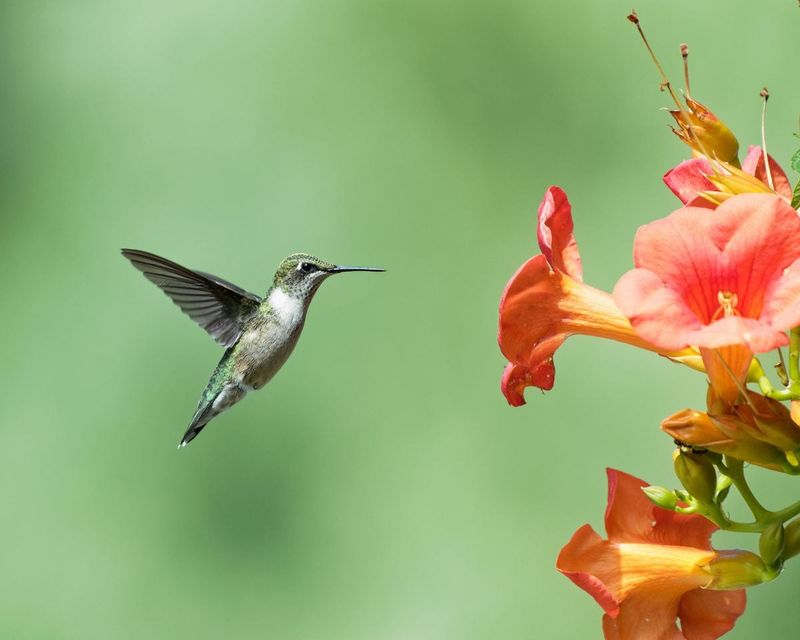
Zip, hover, sip, and gone. If you have ever watched a hummingbird feed, you know how magical that tiny blur can be.
Trumpet vine might be the best hummingbird magnet you can plant. The long, tube-shaped flowers are the perfect size for their slender beaks, and the bright orange color catches their eyes from far away.
The ruby-throated hummingbird is the only kind that nests regularly in New York. These little birds weigh about as much as a penny, yet they fly all the way to Central America each fall.
Before that long trip, they need lots of energy. A vine full of nectar-rich flowers in August works like a roadside diner for hungry travelers.
Bees and butterflies stop by too. Sometimes you may even spot ants and small beetles checking out the sweet treats near the flower base.
Want the best show? Plant the vine where you can see it from a kitchen window or a porch chair.
Skip bug sprays near the flowers. Hummingbirds also eat tiny insects for protein, and chemicals can harm them.
Kids love keeping a simple bird log. Jot down the time, the weather, and how many visits you see each day, and you will be surprised how quickly the numbers grow once the blooms open.
5. Planting Tips That Work Well In New York
Spring is the sweet spot for planting, right after the last frost. In most of New York, that means somewhere between late April and late May.
Start by picking a sunny place near a sturdy fence, arbor, or trellis. Keep in mind that this vine can grow 30 to 40 feet long, so give it room.
Dig a hole about twice as wide as the root ball but just as deep. Set the plant in, fill with the soil you removed, and press it down gently.
There is no need to add rich compost. Trumpet vine actually blooms better in lean soil, since too much food makes it pump out leaves instead of flowers.
Water well right after planting to settle the soil. Then add mulch, keeping it a couple of inches away from the stem.
Patience matters with this plant. Vines grown from seed can take five years or more to bloom, while nursery plants from cuttings often flower in two or three years.
Buying a plant that already has some age on it saves waiting time. Ask your garden center if their stock was grown from cuttings.
Avoid planting right next to your house. The clinging rootlets can grip siding and shingles, and pulling them off later is a real chore you will want to skip.
6. Pruning Habits That Keep New York Vines In Line
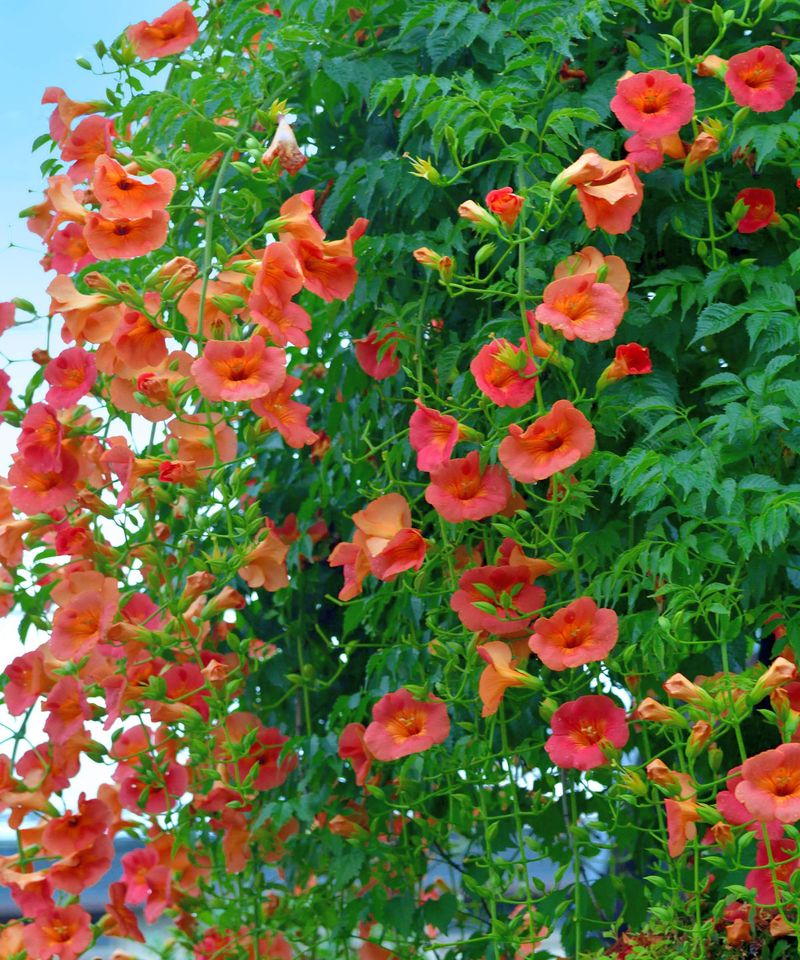
Here is a secret that surprises many beginners. Cutting trumpet vine back hard actually gives you more flowers, not fewer.
The blooms form on new growth from the current year. So a good trim in late winter or very early spring wakes up fresh stems that will carry the summer show.
In New York, March is usually a great month for pruning. The plant is still resting, and you can easily see the woody framework without leaves in the way.
Start by choosing a few strong main stems to keep as the skeleton. Then cut side shoots back to two or three buds each.
Remove any weak, crossing, or damaged branches. Clearing these out helps sunlight and air reach the middle of the vine.
During summer, snip wandering shoots that head toward gutters, windows, or trees. A quick trim every few weeks keeps the vine tidy.
Use sharp bypass pruners for thin stems and loppers for thicker wood. Clean blades make neat cuts that heal fast.
Gloves and long sleeves are wise, since the sap can bother sensitive skin. Safety glasses help when you work overhead.
Think of pruning as a yearly haircut. A little effort each spring keeps your vine healthy, blooming, and right where you want it.
7. Handling Suckers And Spread In New York Gardens
Let us be honest for a moment. Trumpet vine is a friendly plant, but it can be a bit pushy.
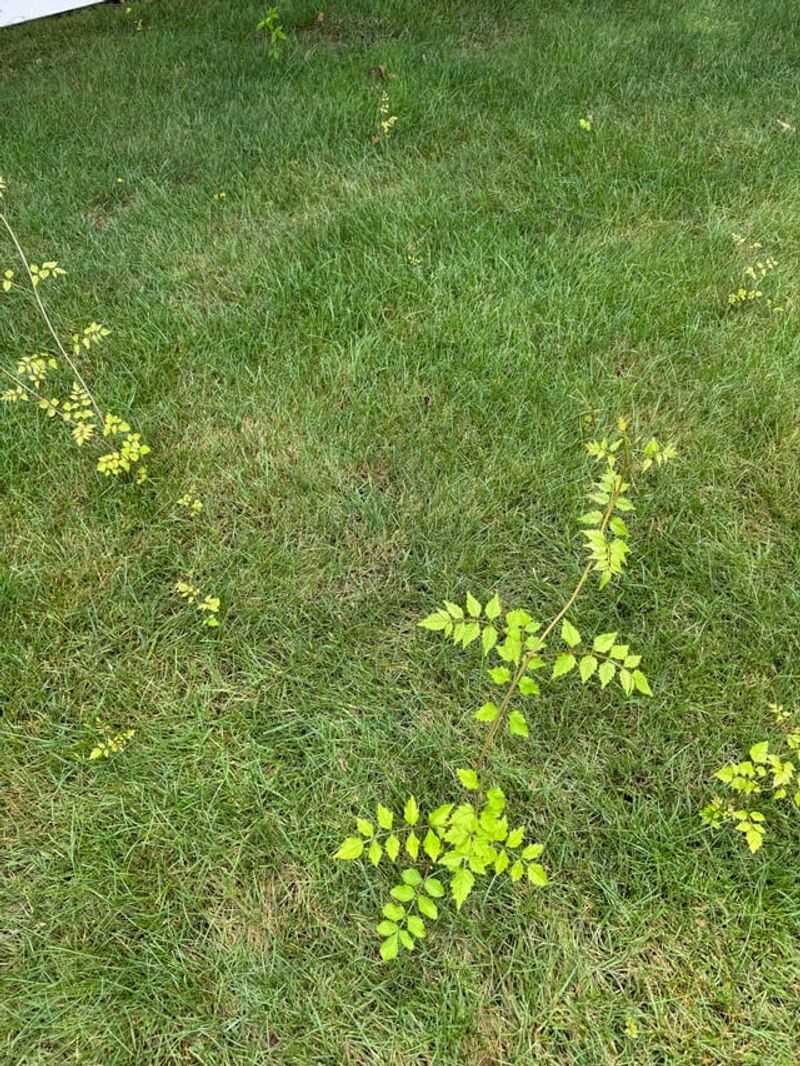
Its roots send up little shoots called suckers, sometimes several feet from the main plant. It also drops seed pods in fall that can sprout new vines around the yard.
The good news is that a few easy habits keep it under control. Most gardeners manage it with just a few minutes of work each month.
Pull or cut suckers as soon as you spot them. Young shoots come out easily when the soil is moist, especially after a rain.
Mowing around the vine area also helps. Regular mowing stops stray shoots before they get tough and woody.
To limit seeds, snip off the long bean-like pods before they split open in autumn. They look a bit like fat green beans that turn brown.
Some people install a root barrier when planting. A plastic or metal edging sunk about 18 inches deep can slow the spread.
Another choice is growing the vine where lawn or pavement surrounds it. Those areas make suckers easy to see and remove.
With a little attention, the spreading habit becomes a small chore rather than a headache. The flowers make the effort well worth it.
8. Fun Varieties And Design Ideas For New York Fences
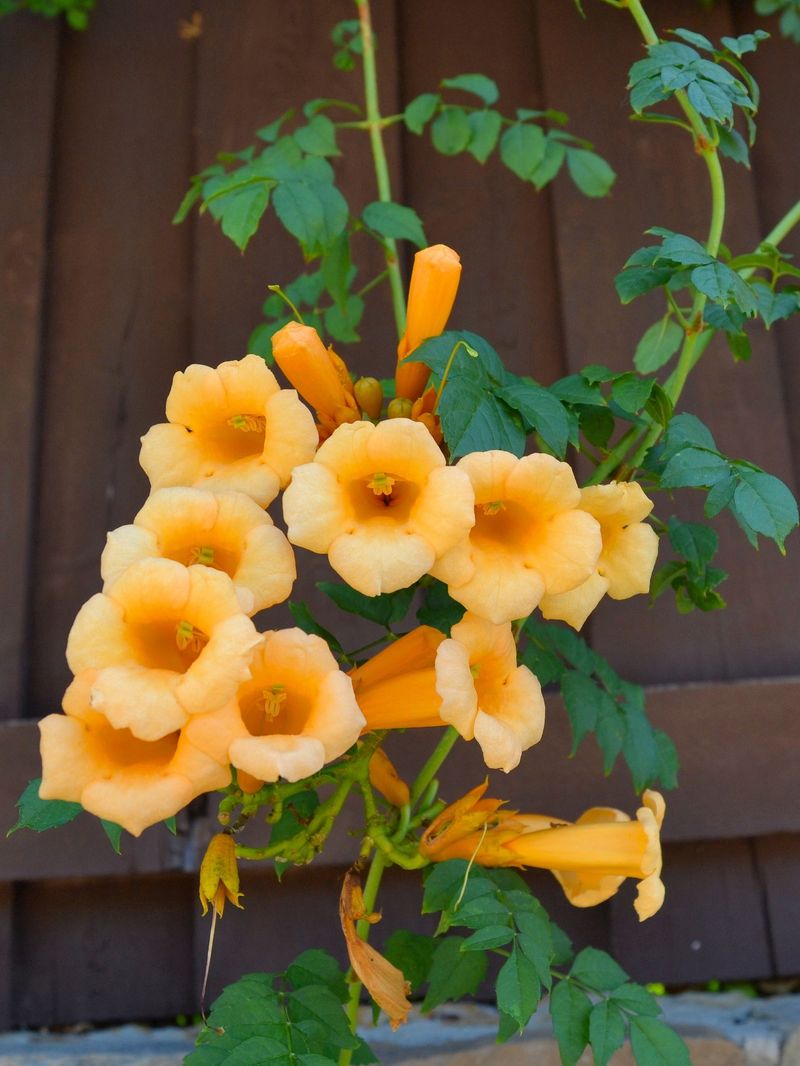
Orange is the classic color, but it is not your only option. Several varieties bring fresh shades to a sunny fence.
Flava has soft golden yellow flowers that glow in morning light. Hummingbirds still love it, and it pairs beautifully with purple coneflowers below.
Balboa Sunset offers deep red-orange blooms that feel bold and dramatic. Madame Galen, a hybrid cousin, has large salmon-colored trumpets and a slightly tidier habit.
Mixing an orange vine with a yellow one on the same fence creates a cheerful sunset effect. Just give each plant enough space to spread.
For a strong look, try training the vine along the top rail only. The flowers will spill down like a colorful curtain.
A sturdy pergola is another great support. By mid-July, the vine can form a leafy roof that throws cool shade on a patio.
Underplant with tough sun lovers like black-eyed Susans, lavender, or blue salvia. These partners also need little water, so the whole bed stays easy.
Gardens with a hot corner can become a buzzing hub of color and life. Snap a photo each summer to watch how your fence changes over the years, and share tips with neighbors who want the same low-fuss magic.