7 November Rosemary Jobs to Do in North Carolina Before Winter Arrives

Ancient Greek students reportedly wore sprigs of an herb in their hair, hoping its scent would sharpen memory during exams.
That same fragrant shrub grows in countless backyards across North Carolina, and November decides how well it handles winter.
But here’s the interesting part about this Mediterranean native and its surprisingly tough reputation in cold weather. Botanists moved it into the sage genus in 2017, so it now shares a family name with garden salvias.
In my garden, the plant shrugs off light frost but sulks badly when soggy soil meets a hard freeze. You may be surprised to discover that winter losses often come from wet roots rather than bitter cold alone.
A few small tasks this month can keep your bush green and fragrant until spring returns to North Carolina.
1. Wait For The First Hard Freeze Before Mulching Rosemary

Tucking mulch around rosemary too early is like wrapping a kid in a parka before the bus arrives. Warm soil under thick mulch can delay the plant’s natural hardening process that prepares it for winter.
Most extension experts suggest waiting until after the first hard freeze before adding a winter layer around shrubs. Across the Piedmont, that hard freeze usually arrives sometime in November, though mountain gardens see it sooner.
Rosemary is a bit fussier than other shrubs, because organic mulch can trap moisture right against its woody crown. I like to pull straw or shredded leaves back a few inches so the main stem stays dry.
Pine needles make a lovely choice here, since they stay fluffy and let rain drain through rather than matting down. A two or three inch layer spread over the root zone is usually plenty for in-ground plants.
Gravel mulch is another option worth trying, and many herb lovers swear by it for Mediterranean plants. Small stones shed water quickly and soak up daytime warmth, which keeps the crown drier through wet spells.
Mulch also reduces frost heaving, which happens when repeated freezing and thawing pushes shallow roots up out of the soil. Young plants set out this past spring are especially prone to heaving during their first winter outdoors.
When new growth appears in spring, rake back the heavier mulch so the soil can warm up again. Your rosemary will thank you with fresh shoots and that wonderful piney scent on the first warm afternoon.
2. Water Rosemary Deeply During Dry Autumn Spells
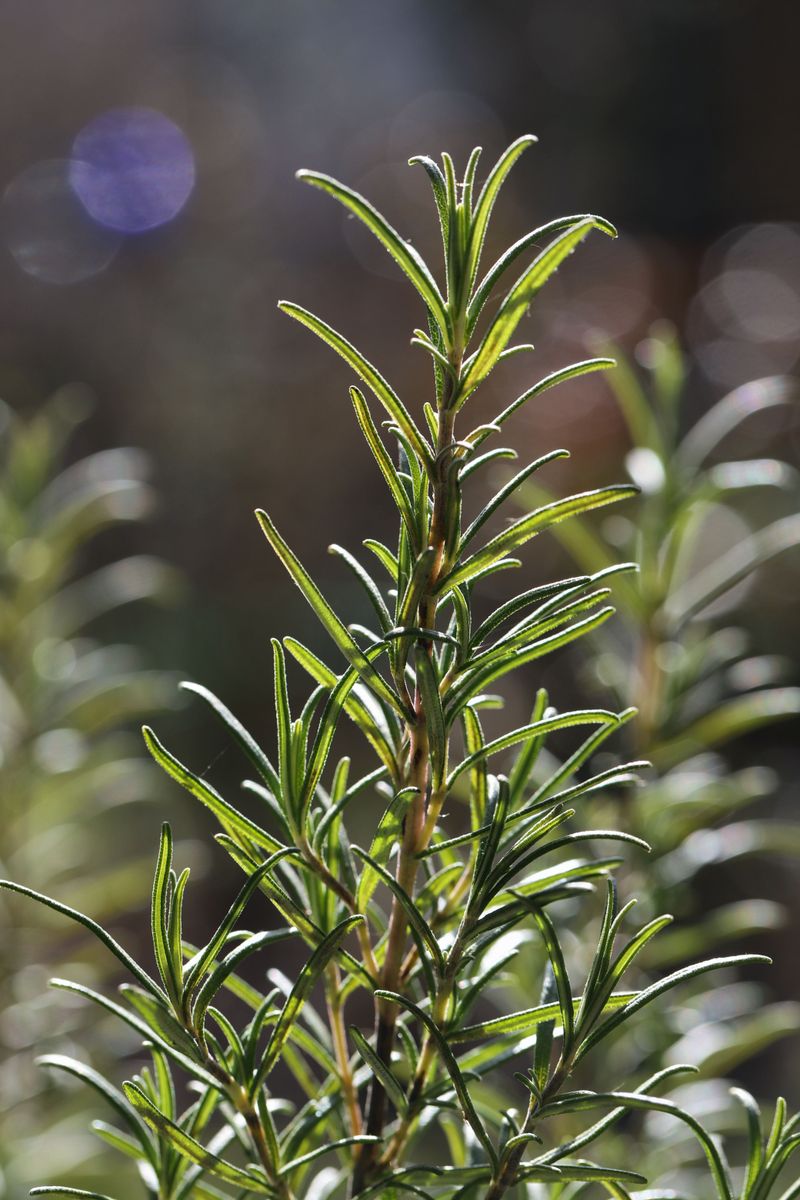
Evergreen leaves keep breathing out moisture all winter long, even when the rest of the garden looks fast asleep. Those needle-like rosemary leaves lose water on sunny, breezy days, and dry roots cannot replace it easily.
Fall in the Southeast can bring surprisingly long dry stretches between storms, especially after hurricane season winds down. A plant heading into cold weather under drought stress usually handles freezes far worse than a well-watered one.
My rule of thumb is simple, and it has served my herb bed well for many seasons now. If a week or two passes without meaningful rain, I give established plants one deep, slow soaking.
Deep watering matters more than frequent sprinkling, because rosemary roots reach well below the soil surface. Let a hose trickle at the base for several minutes so moisture sinks down where it truly counts.
Timing helps too, so aim for a mild morning when temperatures sit comfortably above freezing in your area. Moist soil holds heat better than dry soil, which gives roots a small buffer before a predicted cold night.
Of course, rosemary hates soggy feet, so finding the right balance is the real trick with this chore. Push a finger into the soil first, and skip watering if it still feels damp two inches down.
Rainy weeks mean you can relax and let nature handle the job without any extra help from you. Simply keep an eye on the forecast and your soil, and your plant should glide into winter happily.
3. Bring Potted Rosemary Indoors To A Sunny Window
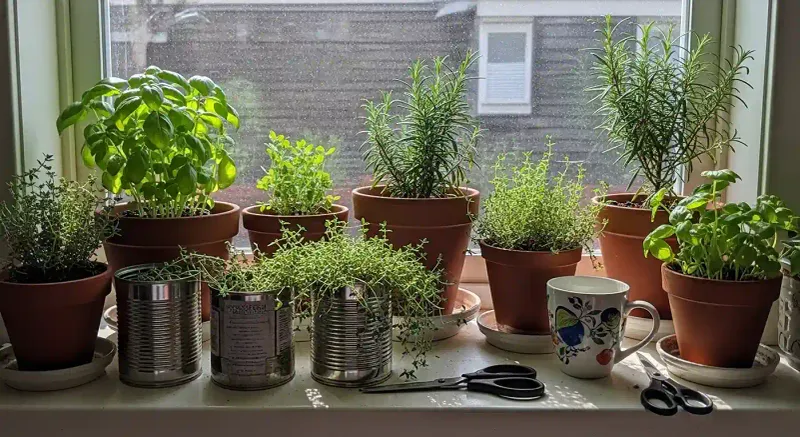
Roots in a pot sit just a thin wall away from frosty air, which makes container rosemary far more vulnerable. Plants in the ground enjoy insulation from surrounding soil, but potted ones feel every cold snap much faster.
In the mountains and colder Piedmont spots, many gardeners move containers inside once nights drop toward the twenties. Coastal growers in milder zones can often leave sturdy pots outside, sheltered against a warm south-facing wall.
Before carrying anything indoors, give the plant a careful once-over for pests hiding under leaves and along stems. Wipe the pot clean and clear away fallen leaves, because stowaways love bringing their families inside for winter.
Light is the biggest challenge indoors, since rosemary craves about six or more hours of bright sun daily. A south-facing window works best, and a simple grow light can fill the gap on cloudy days.
Cool rooms suit this herb surprisingly well, so a chilly sunroom often beats a cozy living room near the furnace. Warm, dry air from heating vents can stress the plant and invite spider mites to settle in quickly.
Watering indoors calls for restraint, because the plant grows slowly and uses far less moisture during these darker months. Let the top inch or two dry out, yet avoid letting the whole root ball turn bone dry.
Interestingly, indoor rosemary sometimes declines from powdery mildew when air feels stuffy and still around the leaves for weeks. A small fan running nearby on low improves circulation, and I find my plants look perkier with it.
4. Check Rosemary Leaves For Spider Mites And Mealybugs
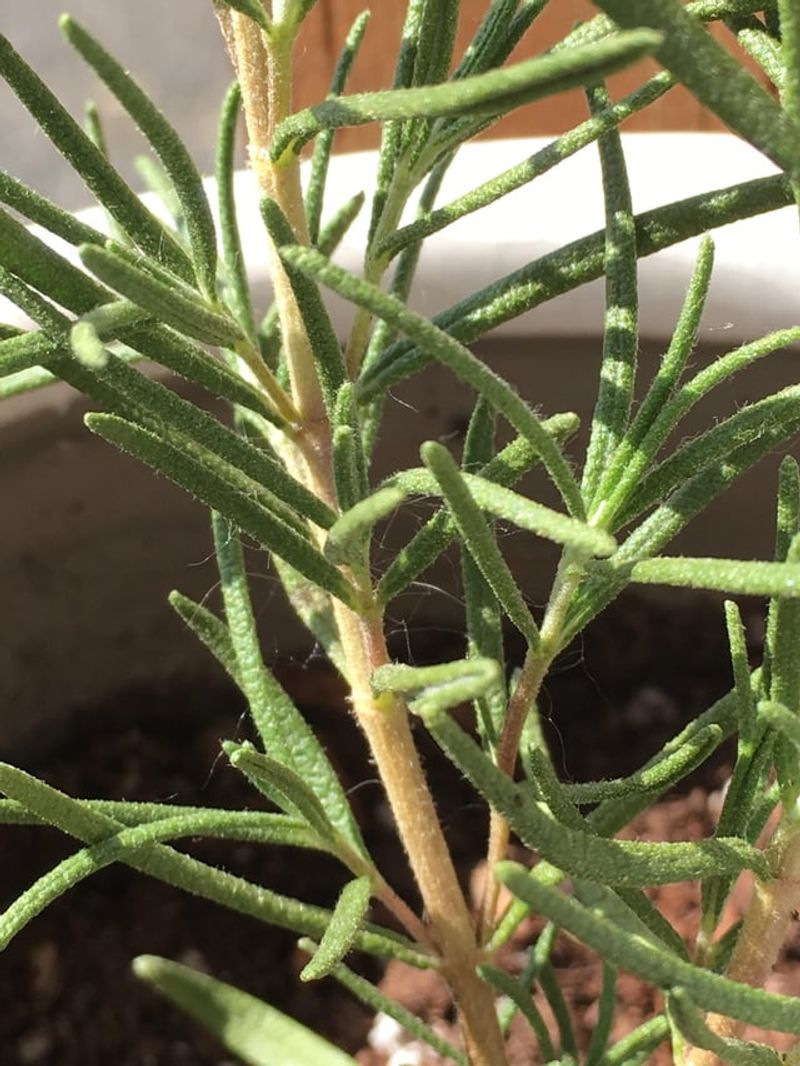
Spider mites are so tiny that you often notice their fine webbing before you ever spot the pests themselves. Those faint silky threads tangled between rosemary needles are a clue worth catching before plants head indoors.
A quick test I love involves holding white paper under a branch and tapping the stems a few times. Moving specks that look like ground pepper usually mean mites, and they multiply fast in warm, dry rooms.
Mealybugs look different, appearing as fluffy white cotton tucked into leaf joints and along the woody stems. They leave sticky honeydew behind, and that residue can attract sooty mold that darkens the foliage over time.
Light infestations often respond well to a strong spray of water that knocks pests off the plant outdoors. Dabbing mealybugs individually with a cotton swab works nicely too, though it takes a bit of patience.
For stubborn problems, insecticidal soap is a gentle option many extension services recommend for herbs grown for cooking. Follow the label closely and coat the undersides of leaves, repeating as directed to catch newly hatched pests.
Fungal trouble deserves a glance as well, especially powdery mildew, which shows up as dusty white patches on leaves. Trim affected sprigs and improve airflow around the plant, since crowded, humid spots encourage this problem to spread.
Finally, clear away fallen leaves and debris around the base, because pests and fungi happily overwinter in that clutter. A tidy, healthy plant heads into the cold months with fewer worries and much better odds of thriving.
5. Skip The Fertilizer Bag Until Spring

Rosemary grew up on rocky Mediterranean hillsides, so it treats a rich buffet of fertilizer more like a burden. Feeding it now sends exactly the wrong message just as the plant should be slowing down for winter.
Nitrogen encourages soft new shoots, and those tender tips simply lack the time to toughen up before frost. One sharp freeze can blacken that fresh growth, leaving ugly damage and a stressed plant heading into January.
I’ve long felt rosemary rewards a little neglect, and fall feeding is one area where doing less pays off. The plant’s energy is better spent hardening its existing stems and quietly storing reserves down in its roots.
Too much fertilizer can also dull the very thing we grow rosemary for in the first place. Lush, overfed plants may produce fewer of the aromatic oils that give leaves their bold, resinous flavor.
Spring is the right moment for a nutrient boost, once new growth starts and soil temperatures begin rising. For in-ground plants, a light sprinkle of balanced fertilizer or a thin layer of compost is usually enough.
Potted rosemary lives on a smaller supply of nutrients, so it may need occasional feeding during the growing season. Even then, a diluted liquid fertilizer every few weeks keeps things balanced without pushing floppy, weak growth.
If leftover fertilizer is tempting you this month, store the bag somewhere dry and mark spring on your calendar. Your rosemary will rest more comfortably now and wake up hungry when longer days finally return.
6. Snip Small Rosemary Sprigs Instead Of Hard Pruning

Few kitchen smells beat fresh rosemary sizzling with roasted potatoes on a cold evening, and harvesting can continue this month. Light snipping is perfectly fine, but a heavy haircut right now can leave your plant open to winter damage.
Hard pruning triggers fresh growth, and those soft new shoots rarely have time to harden before freezing weather arrives. Big cuts also expose more wood to cold, drying winds that can brown stems back further than you intended.
My approach is simple, and I treat the plant like a pantry rather than a hedge right now. I take a few sprigs at a time from different branches, so the overall shape stays full and balanced.
Focus on the green, leafy tips and avoid cutting deep into old, bare woody stems near the base. Rosemary seldom sprouts new growth from leafless wood, so those cuts can leave lasting bald spots on the bush.
Removing obviously broken or diseased branches is still a smart idea, since it improves airflow through the plant. Use clean, sharp pruners, and cut just above a healthy leafy section to keep wounds small and tidy.
Save any serious shaping for early spring, after the worst cold has passed and fresh green growth begins appearing. That timing lets the plant recover quickly and fill in with plenty of bushy new stems by summer.
Extra sprigs dry beautifully when hung upside down in a warm, airy spot inside your kitchen for a week or two. You’ll have a cozy stash of homegrown seasoning ready for soups and stews all winter long.
7. Build Better Drainage Around Rosemary Roots

Heavy red clay is famous across much of the state, and rosemary roots find it about as comfy as wet concrete. Cold, waterlogged soil cuts off oxygen to roots, and that combination causes more winter losses than chilly air alone.
Watch your planting spot after a hard rain this month and notice where water collects, because puddles reveal drainage trouble quickly. Standing water lingering for hours near the stem is a clear sign that roots need help before winter.
Raised beds and gentle mounds are two of the easiest fixes, since they lift roots above the soggiest soil. Even a mound six to eight inches high can make a noticeable difference during long, rainy stretches of winter.
When improving clay, many extension specialists suggest mixing in fine pine bark or compost across a wide area. Amending only the planting hole can create a bowl that collects water, so work the material in broadly.
Moving an established rosemary is risky in late fall, so focus on improving the surrounding area instead of transplanting. Gently grading soil away from the stem helps rainwater drain off rather than pooling around the vulnerable crown.
Container plants need pots with generous drainage holes, and saucers should be emptied after heavy rain or watering. A gritty potting mix, such as one blended for cacti, keeps excess moisture from sitting around the roots.
Cold-tolerant varieties like Arp and Hill Hardy handle chilly mountain winters better, yet even they struggle in soggy ground. Good drainage gives any rosemary its best shot at greeting spring with healthy green growth and plenty of fragrance.