Before you plant that fall bulb, here are 5 that naturalize across Oregon yards. Which one would you plant?
Fall is when Oregon gardeners get that itch to tuck something into the soil before the rains settle in for good. Planting bulbs now feels almost like a promise to your future self, a little gift waiting under the mud all winter.
The best part? Some bulbs naturalize, meaning they come back and multiply on their own, so one afternoon of planting pays off for years.
Here are five that do beautifully in Willamette Valley and Pacific Northwest yards, plus a little help deciding which one belongs in your garden.
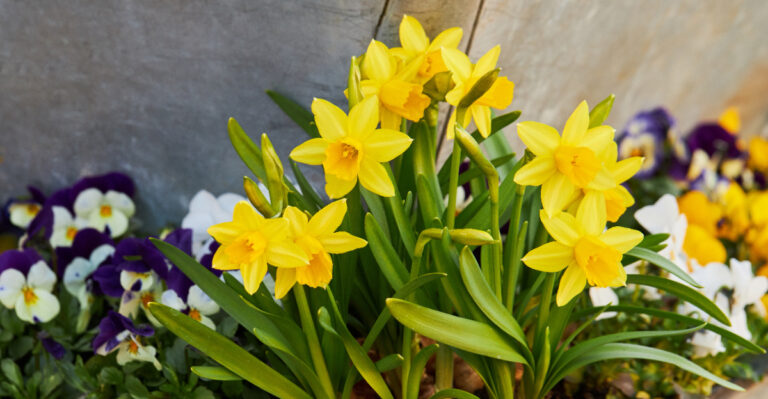
1. Daffodils (Narcissus)
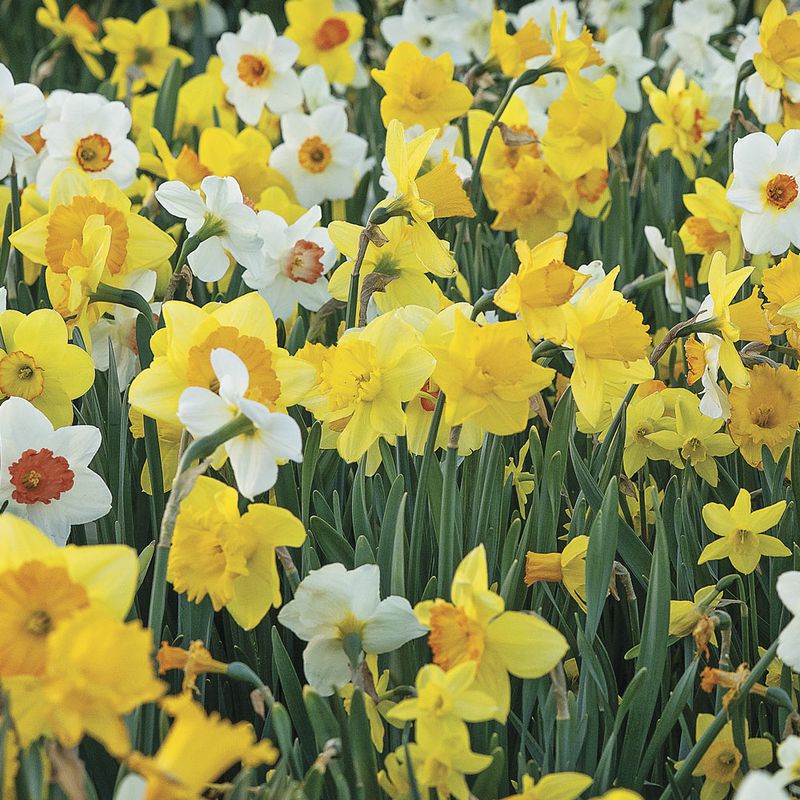
If any bulb deserves the title of gold standard for Oregon naturalizing, it is the daffodil. Plant a handful this fall and you will likely see them return, multiply, and spread into cheerful drifts for decades with almost no fuss from you.
Our mild, wet winters west of the Cascades suit them perfectly. Give them well-drained soil and a spot in full sun to partial shade, and they will thrive even under deciduous trees, soaking up light before the canopy fills in overhead.
Here is the bonus for anyone who has watched deer treat their yard like a salad bar. Daffodil bulbs contain natural compounds that browsing deer tend to avoid, so they usually stay untouched.
Varieties like Mount Hood, Carlton, and the little Tete-a-Tete are favorites for informal plantings.
One rule matters most: let the foliage yellow and die back on its own after blooming. That is how the bulb stores energy for next year’s show.
Resist the urge to tidy it up too soon, and the daffodils will reward your patience.
2. Crocus (Species Crocus)
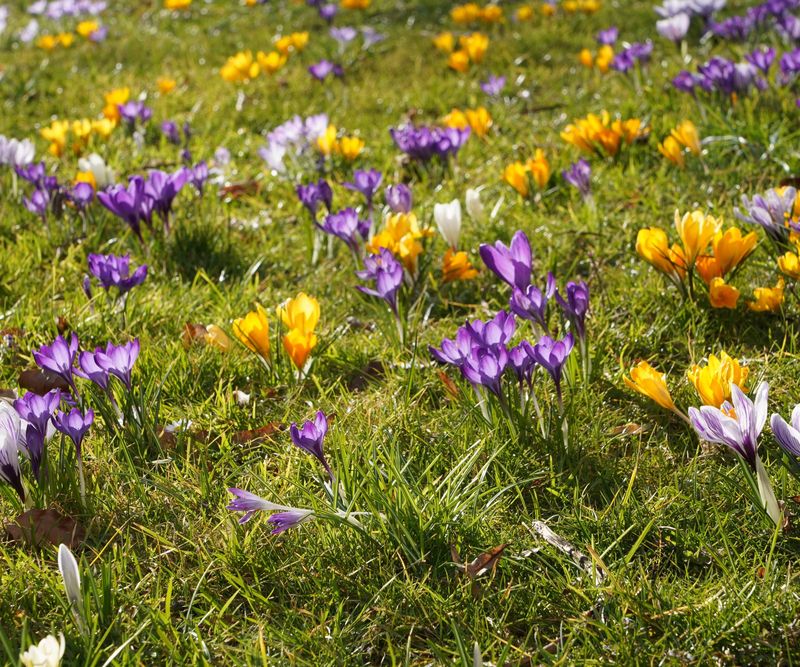
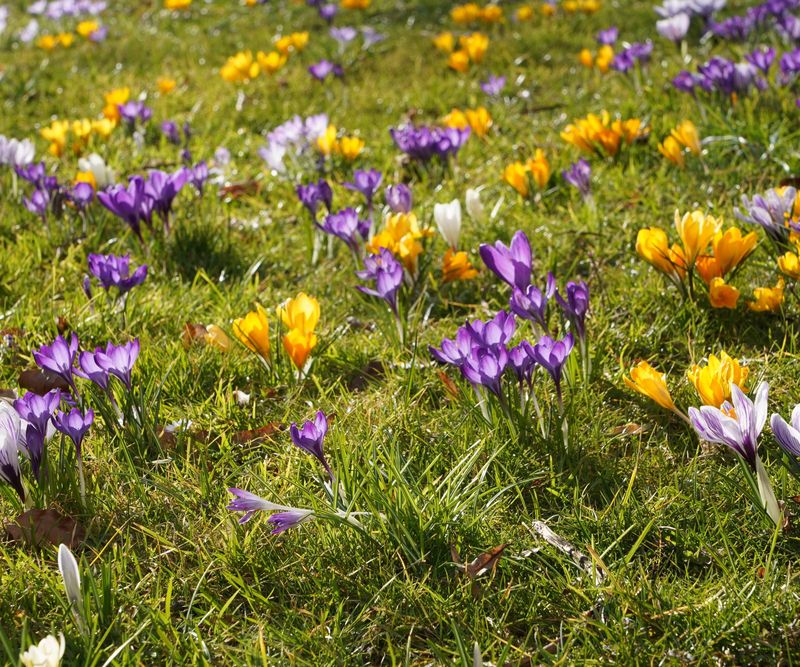
Long before most of the garden wakes up, little crocuses are already poking through the cold ground, sometimes right through a dusting of snow. The species types, especially Crocus tommasinianus (gardeners fondly call them tommies), are the champions for scattering across Oregon lawns and rock gardens.
Want a natural, meadow-like look? Toss a handful of bulbs across the ground and plant them exactly where they land.
That casual approach gives you the loose, wandering drifts that feel like nature did the planting, not you.
These early bloomers do more than brighten a gray February. Their blossoms offer some of the first nectar of the season, which can help hungry bees just starting to forage on warmer days.
For gardeners who want to do right by pollinators, that timing is a real gift.
They ask for very little in return, just well-drained soil and a sunny or lightly shaded pocket. Plant them once and they settle in, coming back reliably year after year.
3. Siberian Squill (Scilla siberica)
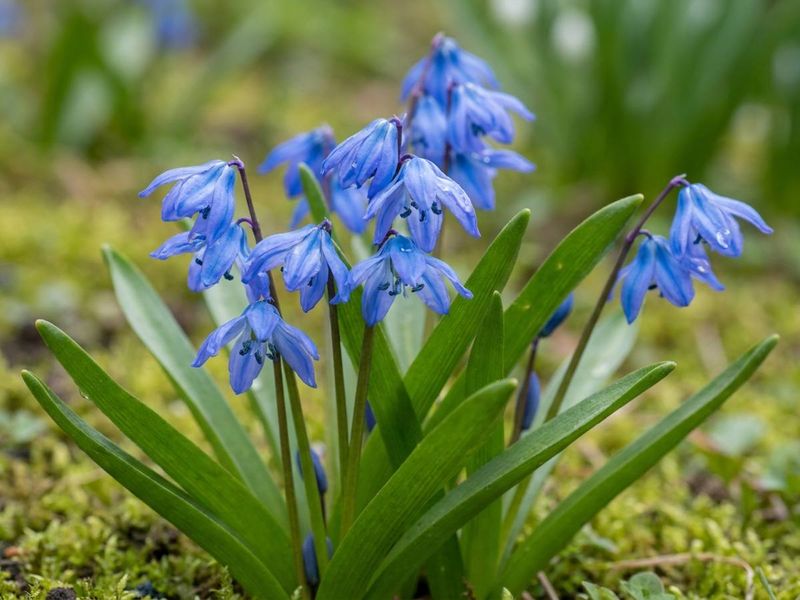
Picture a corner of your yard turning into a river of electric blue in early spring. That is what Siberian squill does when it is happy, and it gets happy quickly in Oregon gardens.
Deer and rodents generally leave it alone, which takes a lot of worry out of the equation. It is not listed as invasive by state agriculture folks, though be aware it does spread eagerly by seed and bulb offsets, so give it room to roam where you actually want a blue carpet.
Your Oregon Garden Changes Every Week. Your Plan Should Too.
Gardening in Oregon changes quickly throughout the season. Every Friday you’ll receive a simple weekly plan showing exactly what to plant, prune, fertilize, harvest, and protect so you never miss the right timing.
The early blooms are another quiet win for wildlife. They provide nectar and pollen when bees are just beginning to stir, so planting a patch is a small way to support the pollinators buzzing around your neighborhood.
Full sun to partial shade and well-drained soil are all it needs. Tuck the bulbs in this fall and give them a season or two, then stand back and let them fill in on their own.
4. Glory-of-the-Snow (Chionodoxa)
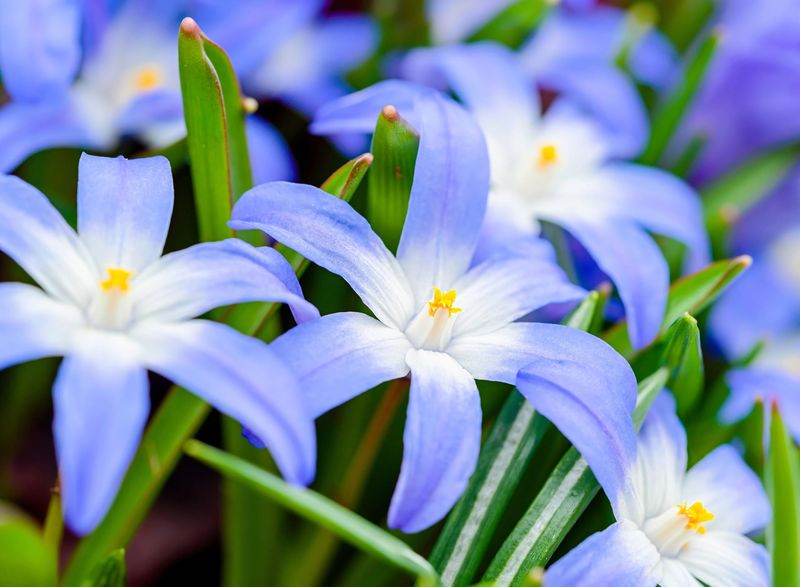
There is something magical about a flower named for beating the snow. Chionodoxa, sweetly nicknamed Glory-of-the-Snow, opens some of the earliest star-shaped blooms of the year in shades of blue, pink, and white, each one lit up by a bright white center.
What makes it fun is how it wanders. The plant produces baby bulbs called offsets and also self-sows its seeds, which ants sometimes carry off and tuck into surprising spots.
Do not be shocked when charming little clusters appear where you never planted a thing.
Deer tend to pass it by, and pollinators appreciate the early snack. It looks especially at home along woodland borders, in rock gardens, or scattered under deciduous trees that let the light through before leafing out.
Give it well-draining soil and full to partial sun, and Glory-of-the-Snow will bring a touch of wild, unplanned beauty to your Oregon yard each spring.
5. Grape Hyacinth (Muscari)
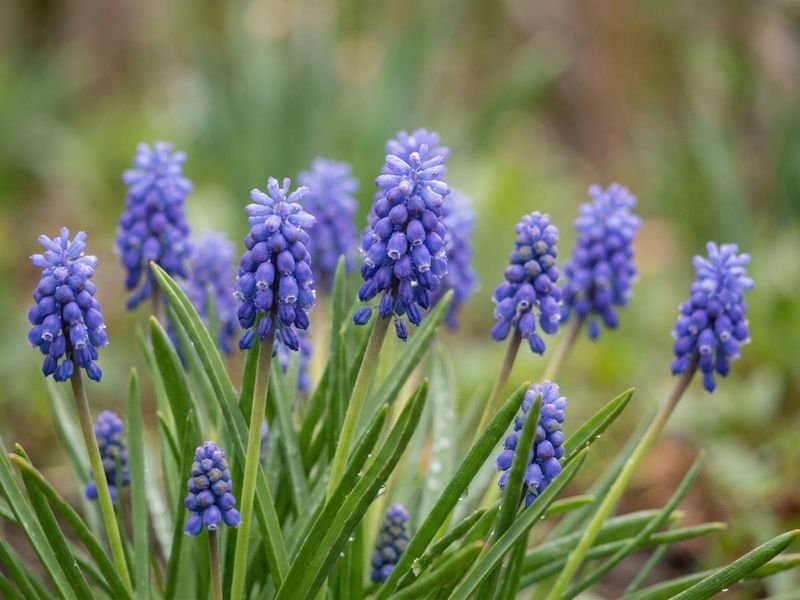
Those chubby little spikes that look like clusters of tiny grapes? That is Muscari, the grape hyacinth, and it is one of the most carefree naturalizers you can plant.
It spreads happily by offsets and self-seeding, building impressive ribbons of blue, purple, or white over time.
Gardeners love it for edging walkways, filling rock gardens, or drifting through a lawn. The color is so saturated it almost looks painted on, and it needs very little coaxing to put on a bigger show each year.
Bees find the early florets a welcome source of food, while deer and rodents usually leave the plants undisturbed. That combination makes it a low-drama choice for anyone trying to feed pollinators without babysitting the bed.
Plant the bulbs this fall in full sun to partial shade with well-drained soil. As always, let the foliage yellow and fade naturally after the flowers finish, and you will get a spectacular return the following spring.