Virginia’s Drought Just Wiped Out 130,000 Trout. What It Means for Backyard Ponds and Streams
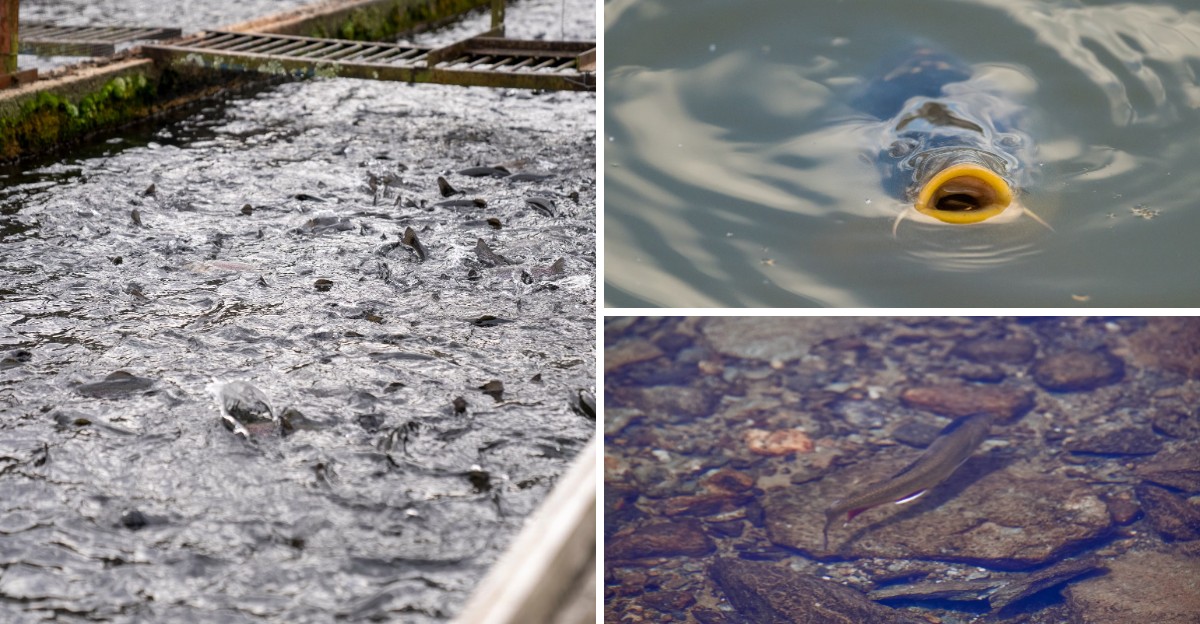
A broken piece of equipment, a shrinking water supply, and a few opportunistic germs teamed up at a state fish hatchery in Virginia recently. The result was a loss big enough to shake up stocking plans in 11 counties.
I can’t stop thinking about how quickly it happened. Hatcheries are run by trained biologists with backup systems and careful routines. Even so, a long dry spell squeezed the margins until something gave way.
Your backyard pond plays by the same rules, just on a smaller stage. Warm water holds less oxygen, and low water concentrates waste. A creek behind your fence feels those pressures too, often before you notice a thing.
As for me, I check my little pond more often when the rain gauge stays empty. So what are the quiet warning signs, and what can a regular gardener actually do about them?
That Trout Hatchery Loss Started With More Than Dry Weather
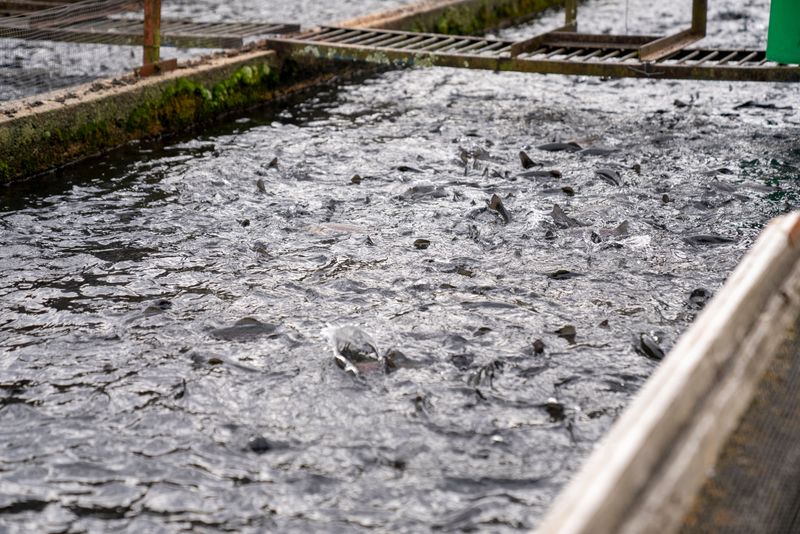
Hatchery crews plan for trouble every single day, so a loss of roughly 130,000 fish grabbed my attention fast. Drought alone did not cause it.
Reports point to three problems stacking up at once.
First, a piece of equipment failed. Second, the drought had already lowered the spring and stream water that feeds the hatchery raceways.
Third, seasonal pathogens moved in on fish that were already stressed by poor conditions.
Each problem on its own might have been manageable. Together, they left very little room for error.
Biologists call this kind of chain reaction a cascade, and it shows up in nature far more often than in headlines.
Trout are especially sensitive because they evolved in cold, fast, clean mountain water. When flow drops, water warms and holds less oxygen.
Stressed fish then have weaker defenses against bacteria and parasites that are often present in small numbers.
The loss will affect stocking in several counties, which matters to anglers and local tourism. State biologists generally work to restock from other facilities when they can, though timing may shift.
For backyard pond owners, the lesson is surprisingly personal. Your pond rarely fails from one cause.
It struggles when heat, low water, crowding, and a mechanical hiccup line up on the same hot afternoon.
Warm, Shallow Pond Water Simply Can’t Hold Enough Oxygen
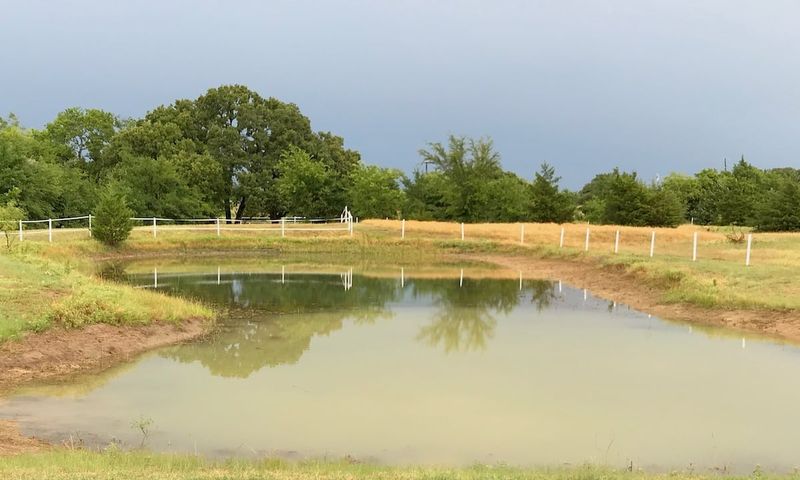
Here is a bit of science that surprised me the first time I learned it. Cold water can hold much more dissolved oxygen than warm water.
As your pond heats up, it quietly loses its ability to keep fish comfortable.
Fish biologists often use 5 milligrams per liter as a rough comfort line for dissolved oxygen. Below about 3, many fish start to struggle.
Trout prefer water under about 68 degrees, while goldfish and koi handle warmer conditions but still feel the squeeze.
Drought makes things worse in a sneaky way. Less water means the sun heats the pond faster.
Evaporation drops the level further, and the cycle keeps rolling during long, rainless stretches.
Waste is the other half of the story. Fish produce ammonia, and in a smaller volume of water, that ammonia becomes more concentrated.
Warm temperatures also make ammonia more harmful to gills.
A simple pond thermometer costs only a few dollars and tells you a lot. Check it in the late afternoon, when water usually reaches its peak temperature.
If readings climb into the upper 80s in a small pond, your fish are working hard just to breathe. That is the moment to add shade, increase circulation, and cut back on feeding until the weather breaks.
A Bubbling Pond Aerator Becomes Your Best Friend in a Dry Spell
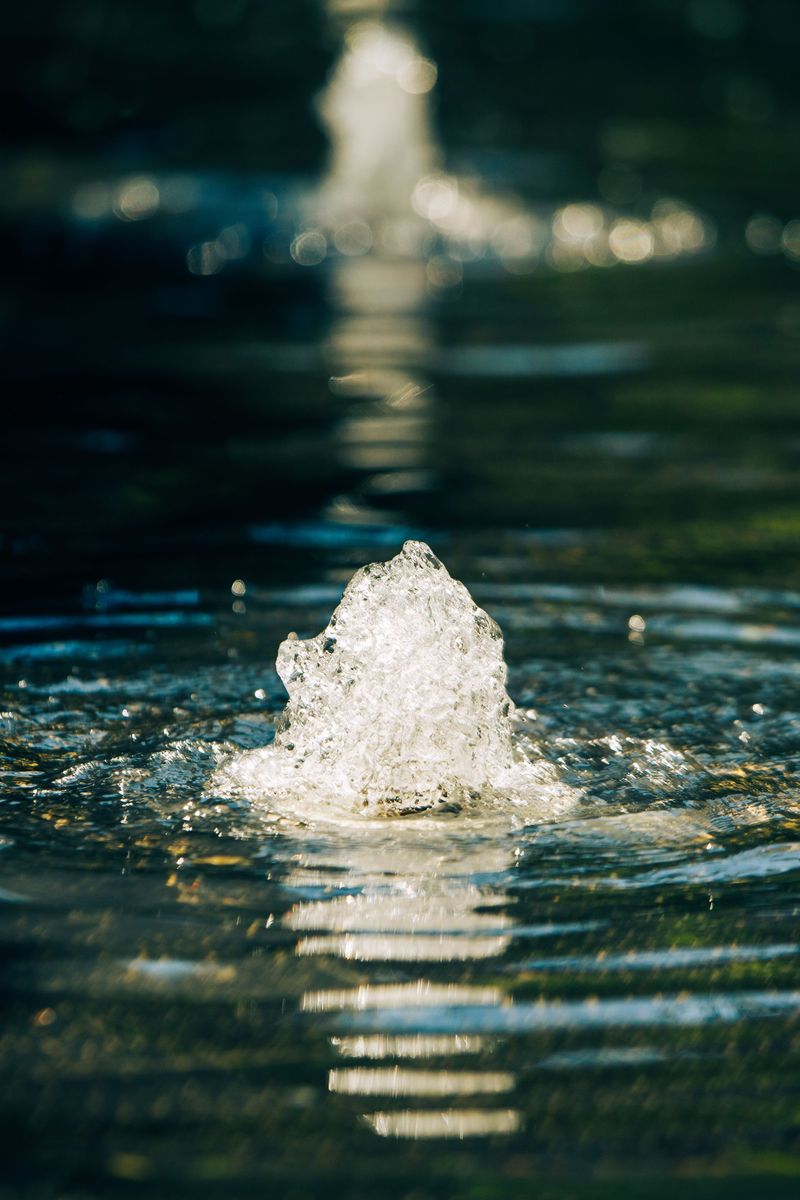
My favorite pond sound in July is a steady fizz of bubbles. Moving water picks up oxygen at the surface, so anything that stirs your pond helps your fish breathe easier.
Air pumps with air stones or diffusers are the workhorses here. They push bubbles from the bottom, which circulates the whole water column instead of just the top few inches.
For deeper ponds, a bottom diffuser is especially effective.
Fountains and waterfalls help too, though they can increase evaporation on windy, hot days. I run mine anyway and just keep an eye on the water line.
Run aeration around the clock during heat waves. Oxygen drops lowest in the hours before sunrise, so shutting a pump off at night can backfire.
If your power goes out, a battery-powered backup aerator is a smart, inexpensive safety net.
Shade is the perfect partner for bubbles. Water lilies and other floating plants can cover about half to two-thirds of the surface, keeping water cooler and slowing algae.
A shade sail over a small pond works nicely as well.
Pond dye is another option for ornamental ponds. It tints the water blue or black and reduces sunlight reaching the bottom.
Just follow the label and avoid using it in ponds that drain into streams.
Fish Gulping at the Surface at Dawn Are Trying to Tell You Something
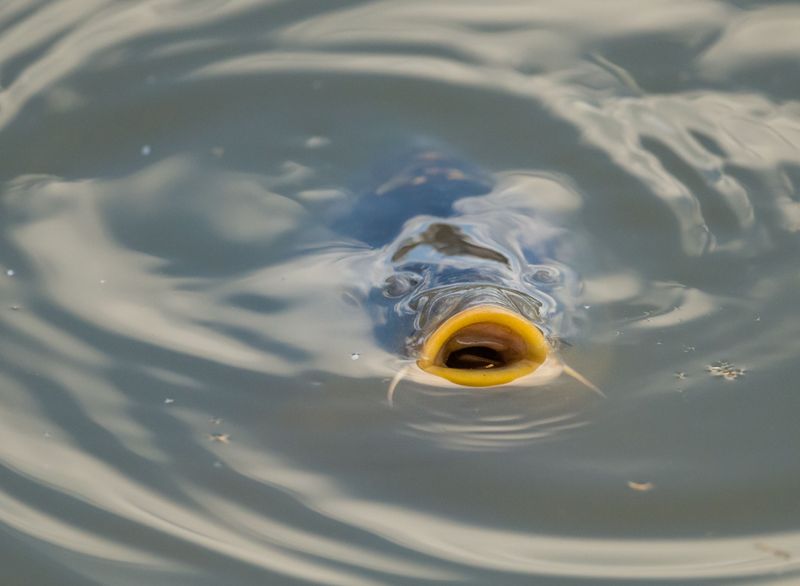
Grab your coffee and visit the pond right after sunrise for a few mornings this week. That early hour reveals more about water health than any other time of day.
Plants and algae make oxygen while the sun shines. At night, they flip and use oxygen instead, right alongside your fish.
By dawn, oxygen levels often hit their lowest point of the day.
Fish hanging near the surface and gulping air are a classic distress signal. You might also notice them crowding near a waterfall or fountain, where the water is freshest.
Sluggish movement and clamped fins are other clues.
Act quickly if you see this behavior. Add aeration immediately, spray water across the surface with a hose nozzle for a few minutes, and skip feeding that day.
Uneaten food breaks down and uses up even more oxygen.
A water test kit adds helpful detail. Look at ammonia, nitrite, and pH, and consider a dissolved oxygen kit if you keep valuable fish.
Many pond stores and extension offices can explain readings if they seem confusing.
Personally, I keep a little notebook by the pond during droughts. Jotting down water temperature and fish behavior each morning helps me spot trends before they turn into trouble.
It takes two minutes and saves a lot of worry.
Topping Off the Pond With a Garden Hose Takes a Little Care
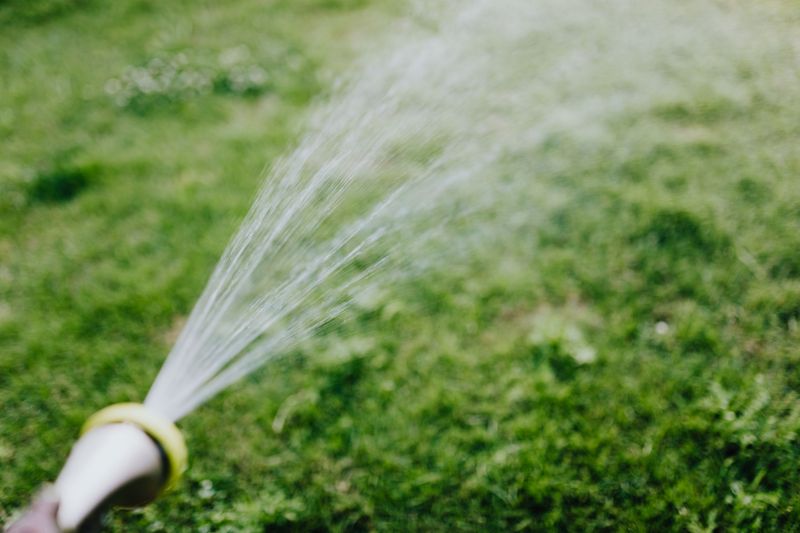
Reaching for the hose seems like the obvious fix when the water line sinks. It usually is, but tap water comes with a catch that can stress fish if you rush.
Most city water contains chlorine or chloramine to keep it safe for people. Both can harm fish gills.
A pond water conditioner, sold at garden and pet stores, neutralizes them within minutes.
Add new water slowly and in smaller amounts. Many pond experts suggest replacing no more than about 10 to 20 percent at a time.
Sudden swings in temperature or pH can shock fish even when the water is clean.
Well water skips the chlorine but may be very cold or low in oxygen. Letting it run through a spray nozzle or sit in a bucket for a bit helps it warm and breathe.
Rain barrels are my favorite source when they have water to give. Rainwater is naturally soft and free.
Keep barrels covered with screens so mosquitoes cannot breed inside.
Before blaming evaporation, rule out a leak. Mark the water level and turn off waterfalls for a day.
If the level drops more than about an inch on a mild day, inspect liner edges and stream channels for seepage.
Check local drought restrictions too, since some communities limit outdoor watering during dry spells.
Green Pond Algae Blooms Can Turn From Pretty to Problem Overnight
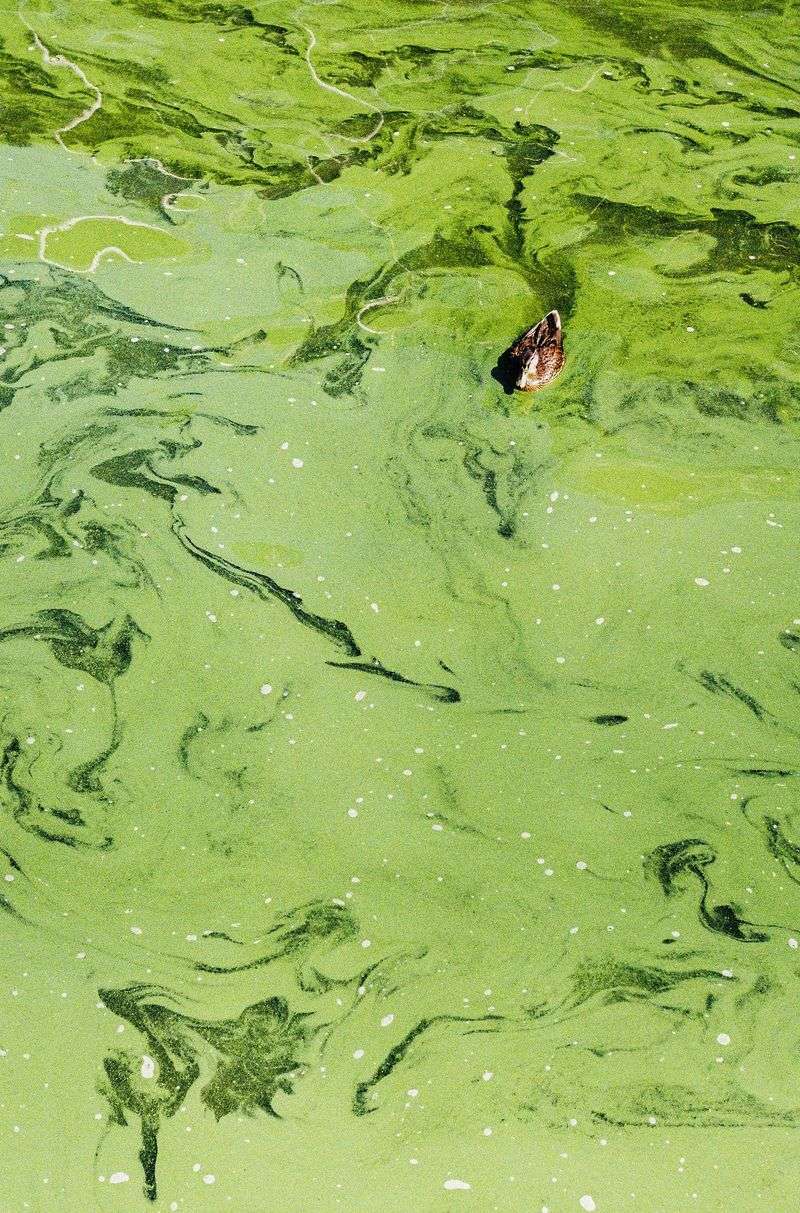
Pea soup water has a way of appearing almost overnight in August. Drought sets the stage perfectly, with warm temperatures, strong sun, and nutrients concentrated in less water.
A little algae is normal and even helpful. The trouble starts when a big bloom crashes.
As masses of algae break down, bacteria use huge amounts of oxygen, and fish can suffer within hours.
That is why I avoid dumping a heavy dose of algaecide into a crowded summer pond. A sudden algae crash from chemicals can trigger the very oxygen drop you are trying to avoid.
If you treat, follow labels carefully and treat in sections.
Prevention works better than any quick fix. Cut back on fish food, since extra feed turns into fertilizer for algae.
Scoop out leaves, grass clippings, and other debris before they rot.
Plants are your quiet allies. Submerged and marginal plants compete with algae for nutrients, while floating leaves block sunlight.
Native options like pickerelweed and American white water lily are lovely choices for many Virginia ponds.
Avoid invasive aquatic plants such as water hyacinth, even if a store sells them. They can escape into streams and cause big problems.
Finally, keep lawn fertilizer well away from the pond edge. One rainstorm can wash it right in.
Mountain Trout Streams Shrink Into Isolated Pools When Rain Stays Away
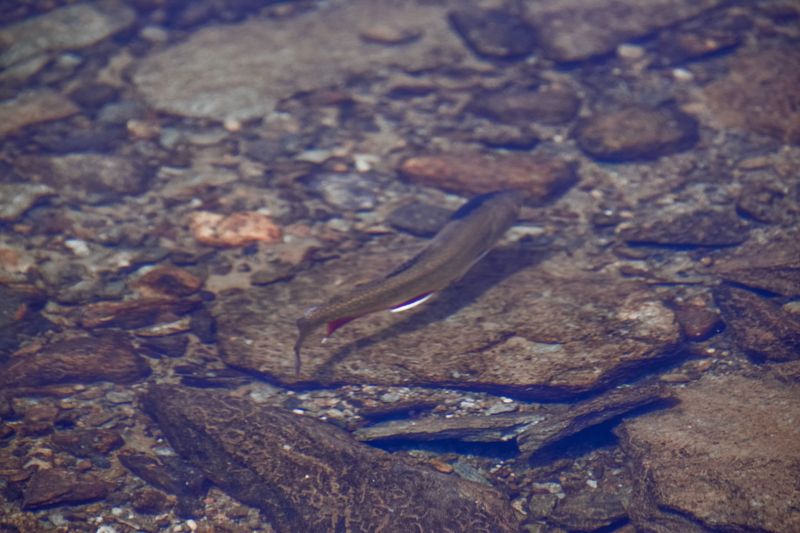
Walking a favorite creek during a drought feels a bit like visiting an old friend who is under the weather. Riffles go quiet, rocks show their dry tops, and the stream breaks into separate pools.
For native brook trout, the official state fish of Virginia, those pools can become traps. Fish crowd together, water warms in the sun, and oxygen drops without tumbling riffles to mix in air.
Predators like herons and raccoons also find easy meals.
Small headwater streams often feel the effects first. Some may stop flowing on the surface for weeks, though water can still move through gravel below.
Many fish do recover once rain returns, especially when cool springs and shaded pools give them places to wait. Healthy streams with intact forests tend to bounce back faster than streams with bare banks.
If a stream runs through your property, resist the urge to dig pools or pump water out. Moving rock and soil in a stream may require permits, and pumping can harm downstream wildlife and neighbors.
The kindest thing you can do is limit disturbance. Keep pets and kids from wading through stressed pools, and avoid fishing for trout in very warm, low water.
State biologists sometimes ask anglers to give fish a break during heat and drought.
Streamside Native Trees and Shrubs Keep Creeks Cooler for Years
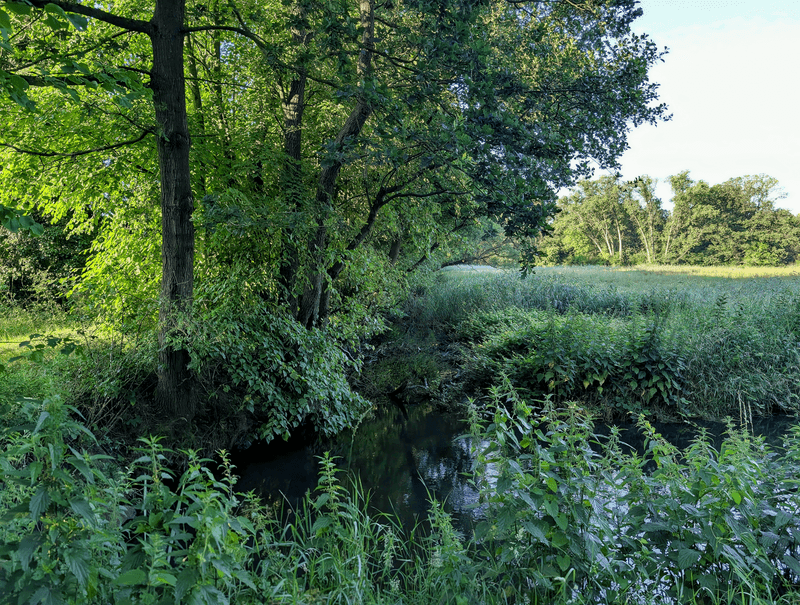
Shade might be the most underrated tool for helping streams and ponds survive the next dry year. A leafy canopy can keep water noticeably cooler than a creek running through open lawn.
Planting a riparian buffer, a strip of native plants along the water, offers several benefits at once. Roots hold soil, slow runoff, and filter fertilizer and pet waste before they reach the water.
Leaves shade the surface and feed the insects that trout love to eat.
Great native choices for much of Virginia include sycamore, river birch, black willow, silky dogwood, spicebush, and buttonbush. For pond edges, try swamp milkweed, blue flag iris, and cardinal flower for color and pollinator visits.
Wait until fall to plant trees and shrubs, when cooler temperatures and seasonal rain give roots a stronger start. Planting during a summer drought often means constant watering and stressed seedlings.
Programs through your local soil and water conservation district or Virginia Cooperative Extension can help with plant lists, and some offer cost-share funding for buffers. It is worth a quick phone call.
Rain gardens round out the plan by capturing roof runoff so it soaks into the ground. That stored groundwater feeds springs and creeks later.
Small yard choices really do add up when the next dry spell arrives.