What It Means When Silverfish Appear In Texas Homes After Rain
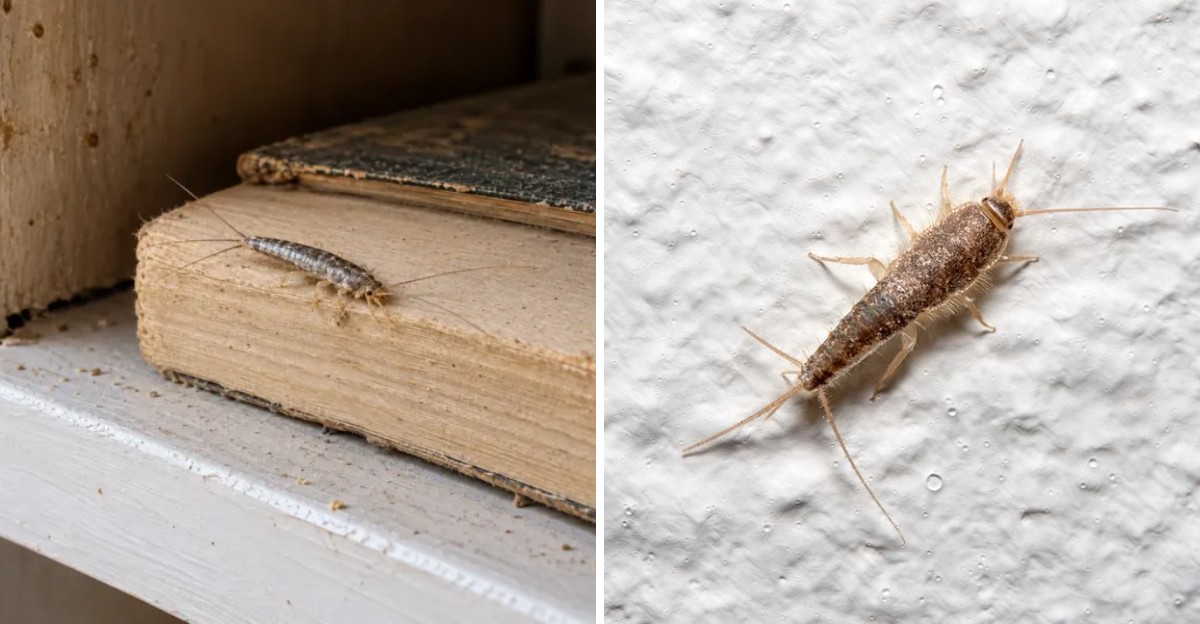
Some of the shiny little bugs racing across your bathtub are older than the dinosaurs as a group. Their insect family has been scuttling around for roughly 400 million years.
I used to flick them down the drain without a second thought. Then a stormy week in Texas sent a whole parade of them across my laundry room floor, and I started asking why.
Believe it or not, these wingless critters cannot bite you, sting you, or spread disease. They do, however, carry a quiet message about your house, and most of us miss it.
They can live for months without a meal. Water is another story, and soggy weather changes everything for them. So what exactly is your home telling you when they show up right after a downpour?
1. That Silver Bathtub Visitor Is Really A Moisture Report
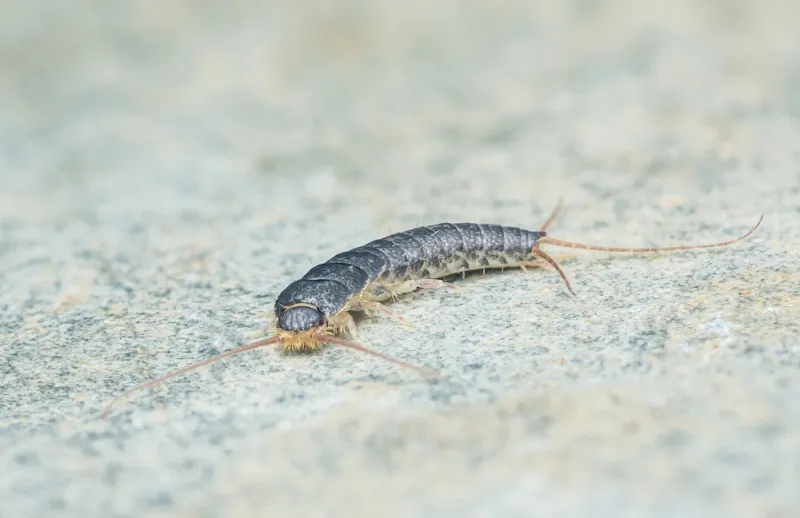
Scaly, silvery, and shaped like a tiny teardrop, a silverfish is basically a walking humidity meter. When you spot one after a storm, the bug itself is rarely the main story.
Silverfish do best when the air stays very humid, roughly 75 to 95 percent relative humidity according to pest researchers and extension sources.
Dry rooms make it hard for them to survive, lay eggs, and grow. So a sudden sighting usually points to damp air or a wet spot somewhere in your house.
I like to treat that first sighting as a free inspection tip. Instead of grabbing a spray, I grab a flashlight and check the room where it showed up. Bathrooms, kitchens, laundry rooms, and closets near exterior walls are the usual suspects.
One or two silverfish after heavy rain is common and not a reason to panic. Seeing several every night for weeks suggests a steady moisture source that deserves real attention.
Fun fact for your next dinner conversation: silverfish belong to an ancient insect order called Zygentoma.
Their basic body design has barely changed in hundreds of millions of years, which tells you how well damp, hidden corners have served them.
2. Soaked Soil And Mulch Push Silverfish Toward Your Walls
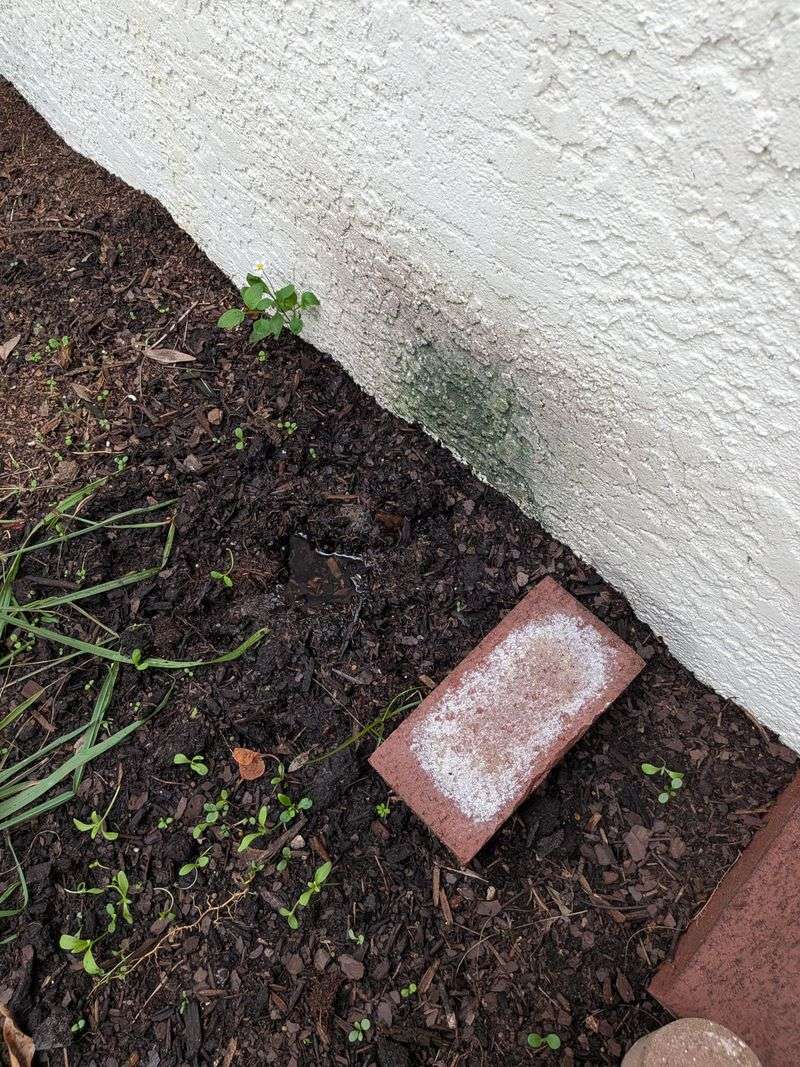
Rain soaks the places silverfish like to hide outdoors. Some live under mulch, rocks, bark, leaf piles, and stacked firewood near your foundation.
When those spots turn into soggy mud, the insects move. Your house sits right there, offering shaded cracks and steady temperatures. It makes sense that they wander inside during or right after a big storm.
Texas weather can make this pattern feel dramatic. Spring storms and fall rains often arrive fast and heavy, especially across Central and East Texas. Hurricane season adds extra soakings along the Gulf Coast from summer into fall.
Here is my favorite simple fix. Pull mulch back a few inches from your foundation, and keep it no deeper than about 2 to 3 inches near the house. Move firewood, brick piles, and leaf heaps several feet away from exterior walls.
Your shrubs will appreciate it too. Plants jammed against siding trap moisture and block airflow.
A little pruning lets walls dry faster after rain, and that makes the whole area less inviting to scaly wanderers. Small yard tweaks like these often reduce indoor sightings more than you might expect.
3. A Dehumidifier And Bathroom Fan Can Change Everything
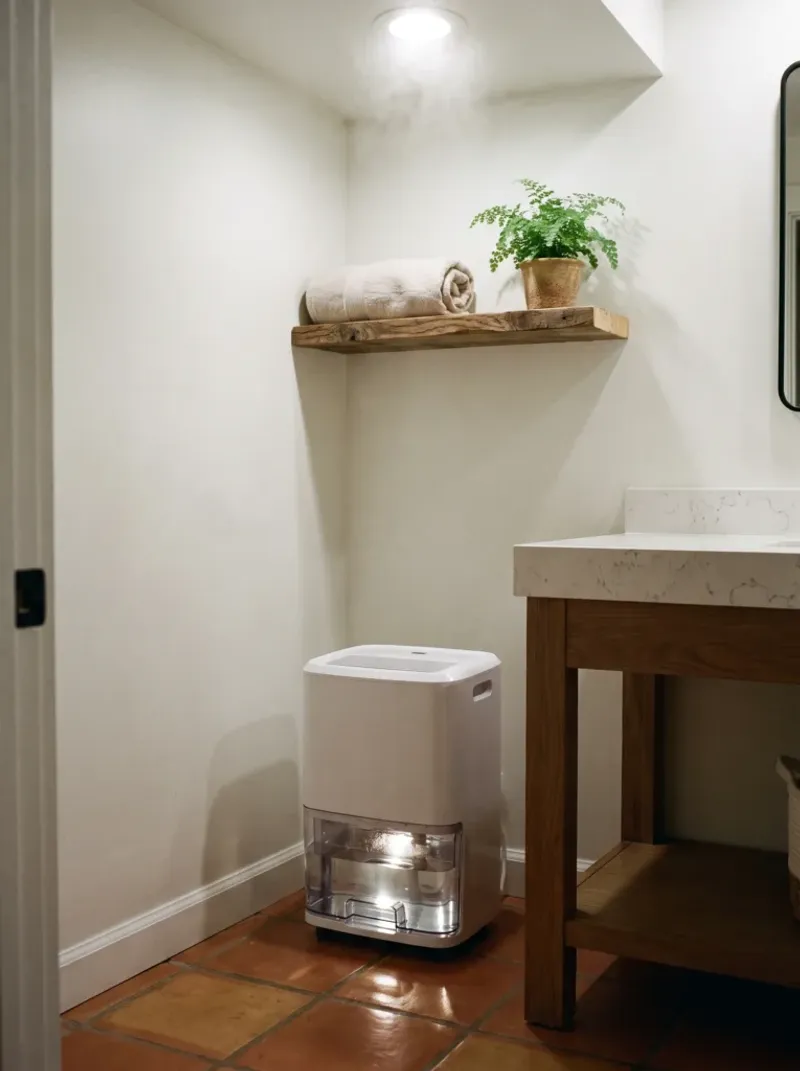
Honestly, the most powerful silverfish control tool might already be on your bathroom ceiling. That humble exhaust fan pulls damp air out before it settles into corners.
Run it during showers and for about 20 to 30 minutes afterward. Do the same with your kitchen vent while cooking. Those small habits lower humidity in the exact rooms silverfish love.
A portable dehumidifier helps in laundry rooms, closets, and any space that feels muggy. Many experts suggest keeping indoor humidity around 30 to 50 percent. A cheap digital hygrometer lets you check numbers instead of guessing.
In Texas, your air conditioner also pulls moisture from the air. Keep up with filter changes and make sure the condensate line drains properly. A clogged line can leak water into walls or ceilings without anyone noticing.
Personally, I was shocked at how quickly sightings dropped once my laundry room stayed below 50 percent. Dry air makes life tough for silverfish eggs and young ones.
You can also hang wet towels outside or in a sunny spot. Leaving damp laundry piled in a hamper creates a cozy, humid hideout right where you least want one.
4. Hidden Leaks Under Sinks Deserve A Flashlight Check
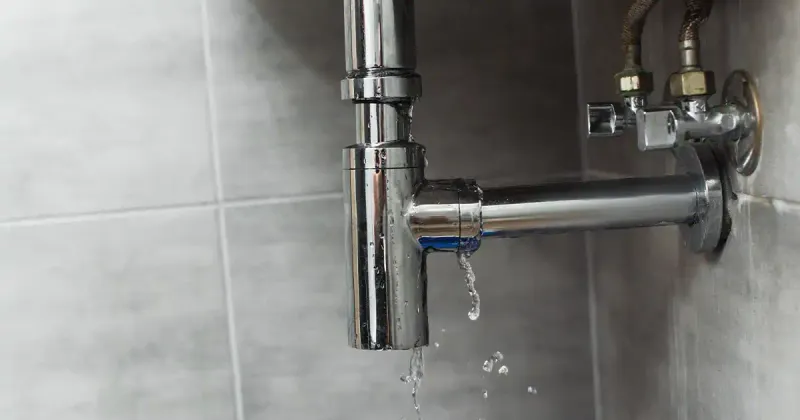
Under-sink cabinets are prime real estate for silverfish. They are dark, crowded, and sometimes quietly wet.
Open each cabinet under your kitchen and bathroom sinks. Feel the pipes, look for water stains, and check for soft or swollen cabinet floors. A musty smell is another clue worth following.
Toilets deserve a peek too. Look around the base for dampness or loose caulk. Check behind the washing machine, around the water heater, and near the fridge water line.
Storms can reveal outside problems as well. Clogged gutters and short downspouts dump rain right at your foundation.
That water can seep into slab cracks, wall gaps, and pier-and-beam crawl spaces, which are common in older Texas homes.
Walk around the house during the next rain if you can do it safely. Watch where water pools and where gutters overflow. Downspout extensions that carry water several feet away are inexpensive and surprisingly helpful.
Fixing a slow drip may feel small. Still, silverfish need a reliable water source, and taking it away is one of the smartest moves you can make. Plus, your floors, cabinets, and water bill will benefit.
5. Old Books And Cardboard Boxes Are A Silverfish Buffet
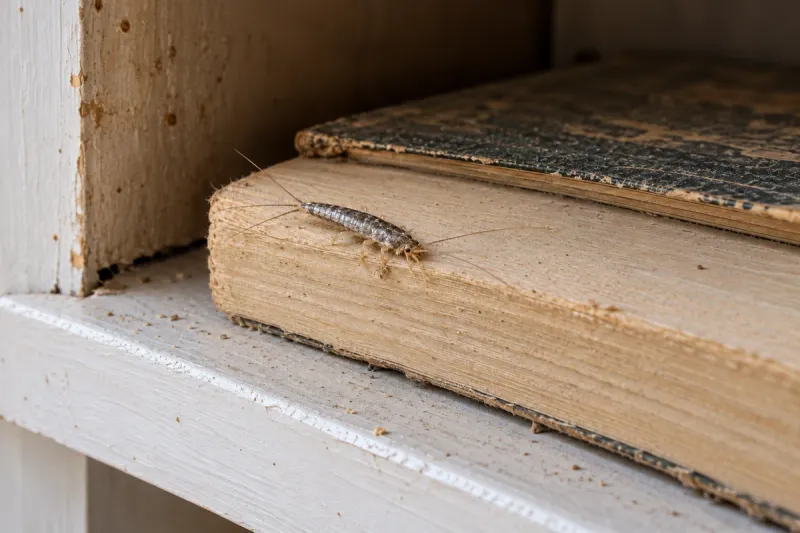
Paper lovers, brace yourselves. Silverfish adore the same things sitting on your bookshelf. Their diet leans on starches and sugars.
Book bindings, glue, wallpaper paste, cardboard, photos, and cotton or linen fabrics are all fair game. They can also nibble flour, cereal, and dry pet food.
Damage usually looks like irregular holes, scraped surfaces, or thin yellowish stains. You may also notice tiny pepper-like droppings or shed silvery scales near stored items.
Cardboard boxes in damp garages are the worst offenders. They offer food, shelter, and moisture all in one tidy package. I swapped mine for plastic bins with snug lids, and that small change made a big difference.
Store dry foods in airtight glass or plastic containers. Keep important papers, old letters, and family photos in sealed bins off the floor, in a climate-controlled room instead of a hot, muggy attic or garage.
Did you know silverfish can survive for months without eating? Removing food alone will not solve things. Pair decluttering with drier air, and you remove both reasons they want to stick around.
6. Caulk And Door Sweeps Close The Tiny Silverfish Doorways
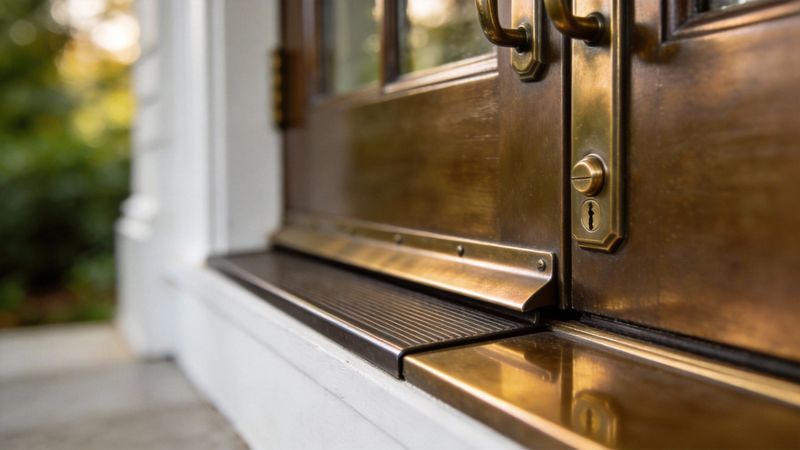
A silverfish can slip through a gap thinner than a coin edge. Their flat bodies are built for squeezing.
After heavy rain, they often follow cracks along foundations, gaps around windows, spaces under doors, and openings where pipes or cables enter. Weep holes in brick and gaps in old siding can also become entry points.
Grab a tube of exterior caulk and walk around your home on a dry day. Seal small cracks around window frames, door frames, and utility lines. Use expanding foam or copper mesh for bigger openings around pipes.
Door sweeps are cheap and easy to install. They block that gap at the bottom of exterior doors, which also helps with other pests and drafts.
One caution matters here. Do not seal brick weep holes completely, since they let moisture escape from walls. Special mesh covers keep insects out while still allowing airflow.
Indoors, caulk gaps along baseboards and around bathroom fixtures. These hiding spots let silverfish move from room to room.
Sealing will not create a bug-proof fortress. It does make your home much harder to enter during the next big storm.
7. Sticky Traps Help You Decide When To Call A Pro
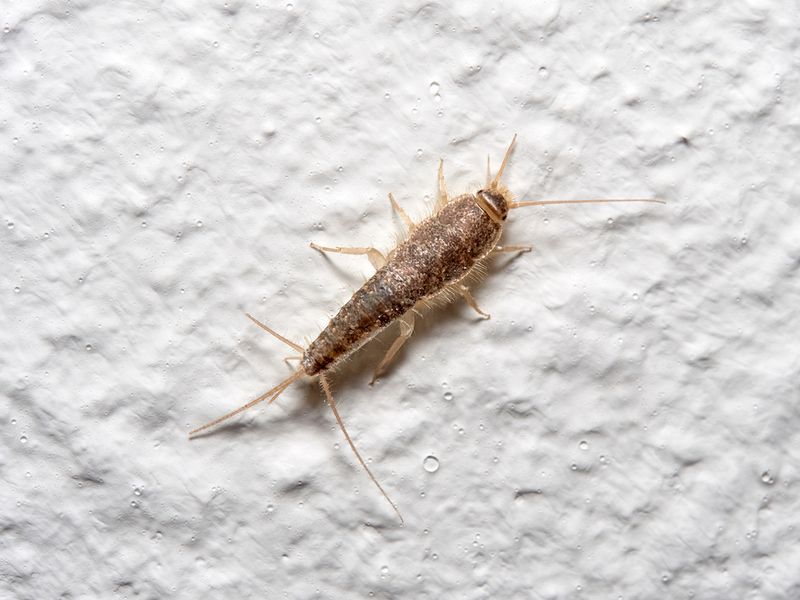
Curiosity is your best friend at this stage. Before buying anything strong, find out how many silverfish you really have.
Place a few sticky glue traps along baseboards in bathrooms, closets, kitchens, and laundry rooms.
Check them after several days. A couple of catches after a storm usually points to visitors, while steady catches suggest an established group indoors. For light problems, vacuum often, including closet floors and shelf edges.
Food-grade diatomaceous earth or boric acid dust in cracks can help, but keep these away from kids and pets and follow the label closely. Boric acid should stay out of reach in hidden voids.
Calling a licensed pest professional makes sense if numbers stay high after you fix moisture problems.
Texas pest control companies are licensed through the Texas Department of Agriculture, so ask for proof of licensing.
My biggest takeaway is simple. Silverfish are mostly a nuisance, not a health threat, but they reveal where your house holds too much water.
Treat each silvery sighting like a friendly reminder. Dry the room, fix the leak, clear the clutter, and your home will thank you long after the rain clouds pass.