What Georgia Gardeners Should Know Before Cicadas Fully Return This Summer
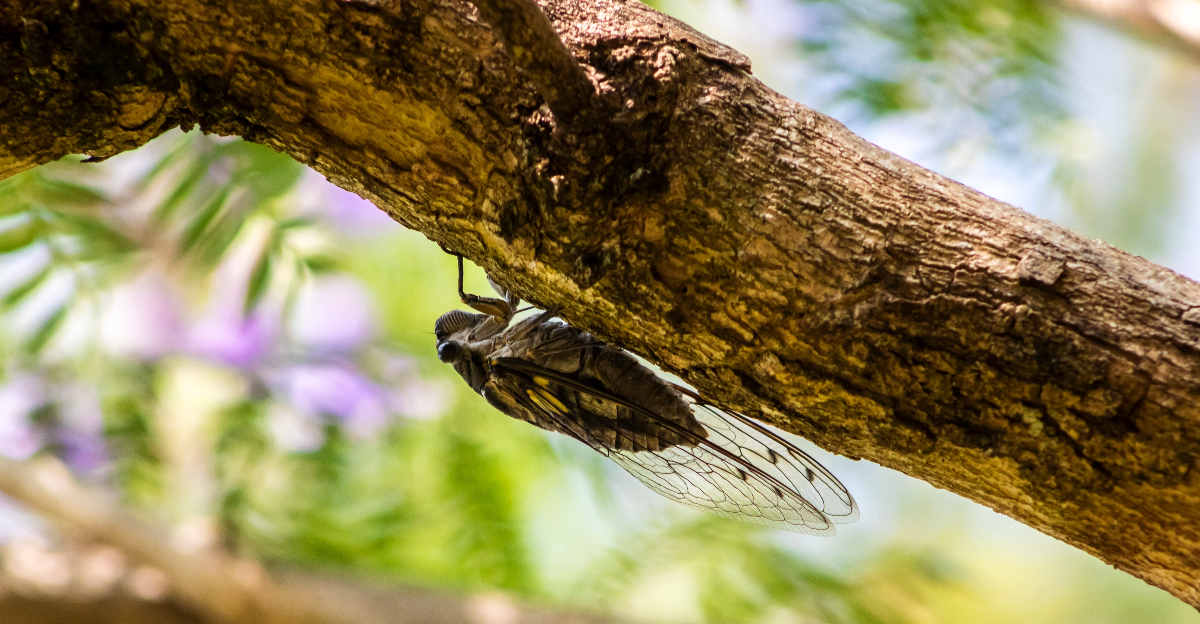
Every summer in Georgia reaches a point where the backyard suddenly sounds louder than the highway. Cicadas take over fast once the real heat settles in.
Trees start buzzing nonstop, dogs keep staring at the noise outside, and patios become impossible to ignore once the sound fully kicks in.
Gardeners usually start noticing the warning signs before the loudest stretch even arrives. Empty shells appear on fences and tree trunks first.
Then the insects start gathering around younger trees while fresh branch damage becomes easier to spot across the yard.
The strange part is how different every summer feels once cicadas fully return. A quiet garden can suddenly feel chaotic for weeks, especially during hot afternoons when the noise ramps up all over again.
1. Cicadas Usually Appear Once Soil Temperatures Rise
Soil temperature is the real trigger. Cicadas do not go by the calendar.
They wait until ground temperatures hit around 64 degrees Fahrenheit before crawling out in large numbers.
Across the Southeast, that moment usually arrives sometime between late April and early June. Warm spells can speed things up.
A cool spring can push emergence back by several weeks.
Checking your soil temperature with a basic thermometer gives you a heads-up before the swarms begin. Garden centers sell affordable probe thermometers that work well for this.
Stick it about two inches deep near your trees.
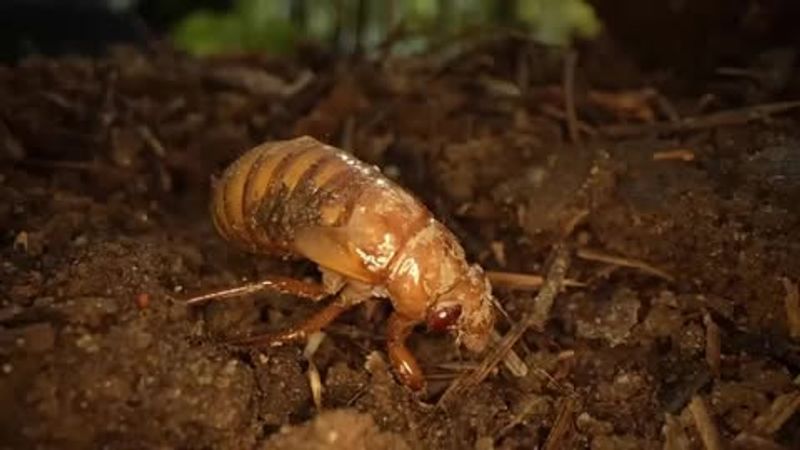
Once temps stay consistently warm for a few days, expect nymphs to start surfacing at night. You will notice small holes in the soil, about the size of a finger.
Mud tubes or chimneys sometimes appear around those holes too.
The emergence tends to happen fast. One evening your yard looks normal, and within days the ground is crawling.
Being mentally prepared for that shift makes the whole experience less stressful.
Timing also varies by location within the state. Lower elevations and urban areas tend to warm up faster than hillier or shadier spots.
Pay attention to your specific yard conditions rather than relying on general forecasts.
2. Young Trees Face More Damage During Egg Laying
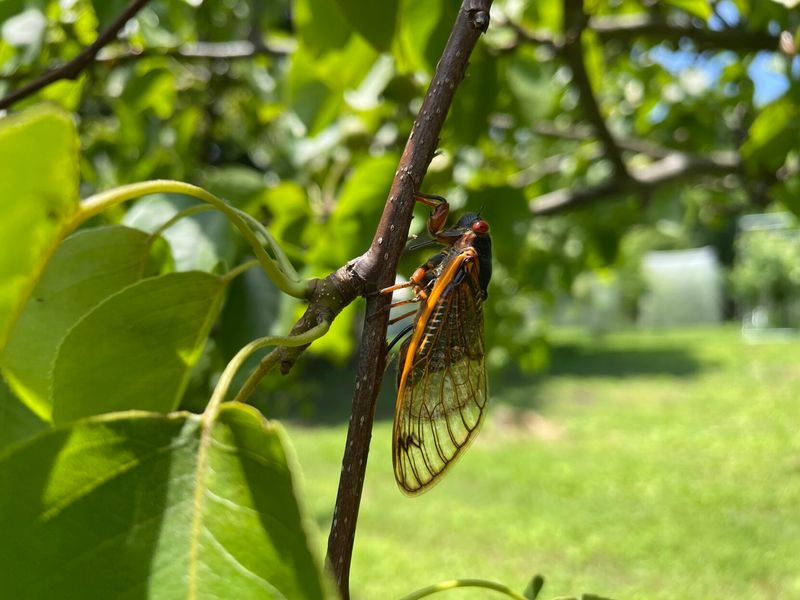
Egg-laying is where real plant damage happens. Female cicadas slice into small branches to deposit their eggs, and those cuts can seriously weaken young or newly planted trees.
Branches thinner than a pencil are the most at risk. Larger, established trees can handle this without much trouble.
Saplings planted within the last two or three years are a different story entirely.
After the eggs are laid, the cut branch tips often wilt and turn brown. Gardeners call this flagging.
It looks alarming, but it does not always mean the whole tree is in trouble.
Fruit trees, young maples, oaks, and ornamental cherries tend to attract the most attention from cicadas. If you recently planted any of these, keep a close eye on them during peak emergence weeks.
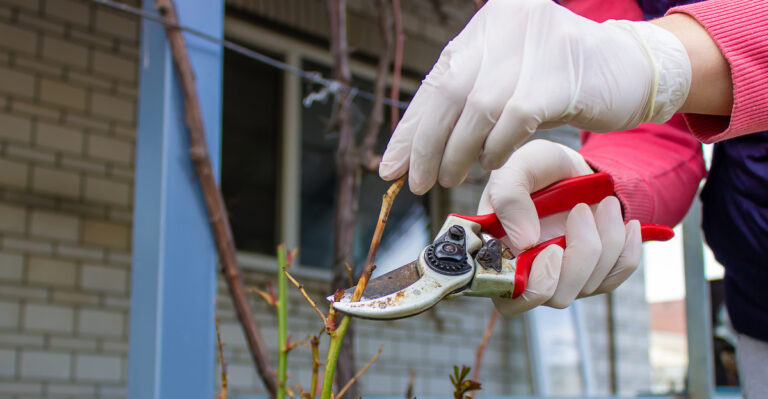
Pruning off flagged tips after cicadas have finished can actually stimulate new growth. Wait until the emergence ends before cutting anything back.
Pruning too early can invite more egg-laying activity on fresh cuts.
Your Georgia Garden Changes Every Week. Your Plan Should Too.
Gardening in Georgia changes quickly throughout the season. Every Friday you’ll receive a simple weekly plan showing exactly what to plant, prune, fertilize, harvest, and protect so you never miss the right timing.
Newly planted trees should be your top priority for protection. Wrapping trunks does not help much here.
The damage happens on small outer branches, not the main trunk or bark.
3. Netting Helps Protect Vulnerable Branches Better
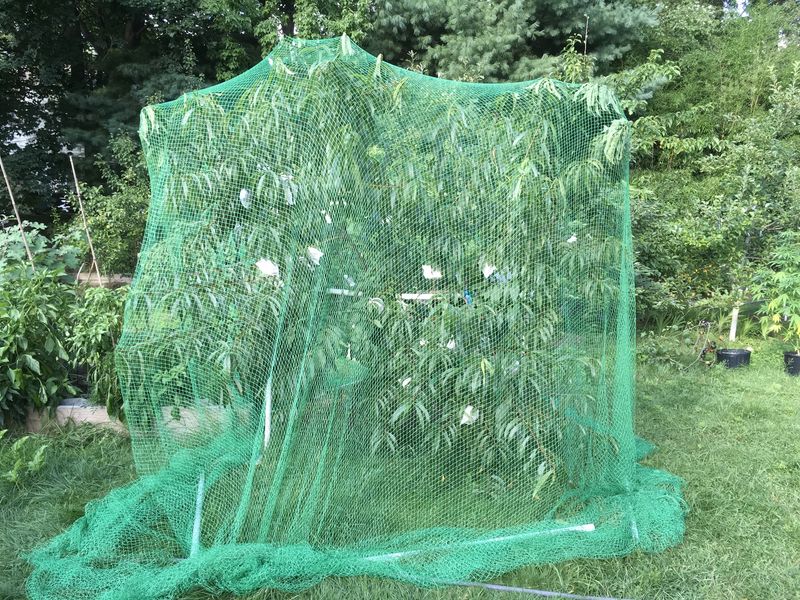
Fine mesh netting is one of the most practical tools a gardener can use during cicada season. It physically blocks females from reaching branches where they want to lay eggs.
Look for netting with holes no larger than one centimeter. Anything bigger and cicadas can squeeze through or reach branches from outside the mesh.
Hardware cloth also works, though it is heavier and harder to drape over delicate trees.
Cover the entire canopy if you can. Leaving gaps defeats the purpose.
Secure the bottom edge around the trunk with twine or clips so cicadas cannot crawl up and under the netting.
Set up your netting before the emergence peaks. Once cicadas are already swarming, it becomes much harder to work around them.
Installing it a week early keeps the process manageable and less frustrating.
Remove the netting carefully after the main emergence ends. Check for any trapped insects inside before pulling it off.
Reusable netting can be washed and stored for future seasons.
Netting does limit sunlight and airflow slightly. For most trees, a few weeks of reduced light is not a serious issue.
Just avoid leaving it on longer than necessary once cicadas have finished their cycle.
4. Most Established Plants Recover Without Major Problems
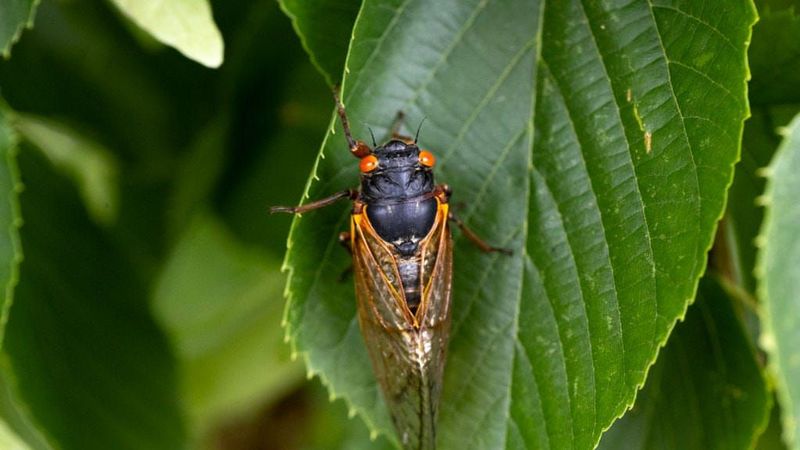
Panic is rarely necessary when cicadas arrive. Mature trees and well-established shrubs handle the emergence with far more resilience than most gardeners expect.
A tree that has been in the ground for five or more years has an extensive root system and plenty of stored energy. Losing a few branch tips to egg-laying causes minimal long-term setback for plants like that.
Perennial flowers and ground covers are largely unaffected. Cicadas focus on woody stems and branches, not soft herbaceous plants.
Your hostas, black-eyed Susans, and daylilies will come through just fine.
Vegetable gardens also tend to escape serious damage. Cicadas are not feeding on your tomatoes or squash.
Their diet as adults consists mainly of tree sap, not vegetable crops.
Established roses may show some flagging on thin canes. Still, healthy roses bounce back quickly with a bit of cleanup pruning after emergence ends.
Feeding them with a balanced fertilizer afterward supports faster recovery.
Lawns are unaffected above ground. Underground, cicada nymphs feed on tree roots at very low levels over the years before emerging, but that activity rarely causes visible lawn damage.
Patience is genuinely the best tool here. Within a few weeks of peak activity, adult cicadas complete their cycle and disappear.
5. Cicada Noise Peaks During The Warmest Parts Of Day
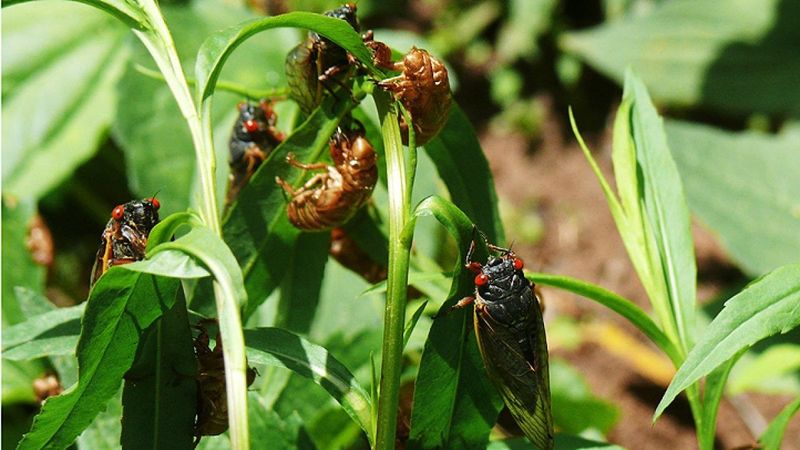
Nothing quite prepares you for the sound. Cicada choruses can reach 90 to 100 decibels at close range, which is roughly as loud as a running lawnmower.
Noise peaks during the hottest part of the day, usually between late morning and early afternoon. Cooler morning hours tend to be quieter.
Evenings calm down considerably once temperatures drop.
Males produce the sound using organs called tymbals on their abdomens. They flex these rapidly to create the buzzing, clicking chorus that defines summer in the South.
Females do not produce the same sound.
If you plan to spend time outdoors during peak cicada season, scheduling yard work for early morning or evening makes the experience much more comfortable. Midday noise levels can be genuinely exhausting over long periods.
Ear protection is not a bad idea if you are using power tools during peak hours. Combining loud equipment with a full cicada chorus creates a lot of noise exposure in a short time.
Pets sometimes react strongly to the sound. Dogs may seem anxious or refuse to go outside during peak noise hours.
Keeping their outdoor time to quieter morning or evening windows helps reduce stress for them.
6. Birds Often Become More Active During Heavy Emergence
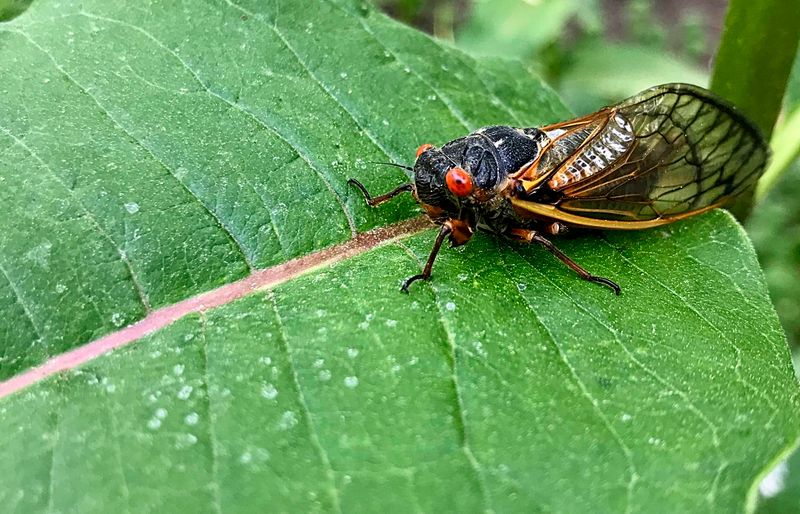
Bird activity spikes dramatically when cicadas emerge. Robins, starlings, blue jays, and grackles all take full advantage of the sudden food supply showing up across the landscape.
Backyard bird watchers often describe cicada emergence years as some of the best for sightings. Species that are usually hard to spot come in close and stay longer than normal.
Even some migratory birds time their travel to coincide with big emergence events.
Feeding stations may see less activity during peak emergence. Birds shift their focus to the easier, protein-rich cicadas crawling everywhere.
You can cut back on seed and suet temporarily without worrying about your regular visitors going hungry.
Songbirds feed cicadas to their nestlings during breeding season. Protein-rich food during that window supports faster growth for young birds.
Ecologists note that big emergence years often produce stronger breeding outcomes for local bird populations.
Raptors also benefit. Hawks and kestrels hunt more actively when prey is this abundant.
Watching them swoop through yards during emergence can be genuinely impressive.
Squirrels and other small mammals eat cicadas too. Even some fish in nearby ponds benefit when cicadas fall into the water.
Anglers in the region know this and sometimes use cicada-shaped lures during emergence season.
7. Chemical Sprays Rarely Make A Big Difference
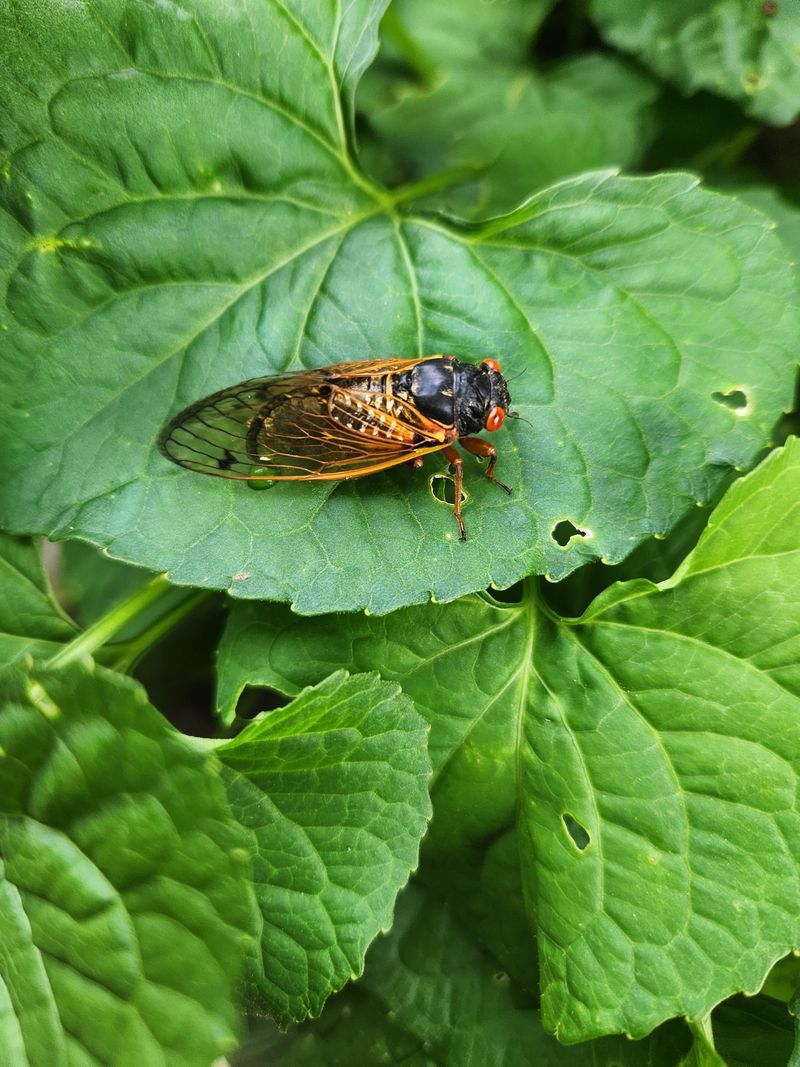
Reaching for a spray bottle feels like a logical first response. Realistically though, pesticides do very little to control a full cicada emergence.
Cicadas arrive in such massive numbers that any insects removed by spraying get replaced almost immediately. Populations in the billions cannot be meaningfully reduced by a backyard sprayer.
Most insecticides labeled for garden use are not specifically approved for cicadas anyway.
Applying products off-label or at excessive rates creates risks for beneficial insects, pollinators, and birds that are actively feeding in your yard.
Bees, butterflies, and other pollinators are especially vulnerable to broad-spectrum sprays. Using pesticides during peak cicada season risks wiping out the very insects your garden depends on for fruit and vegetable production.
Physical barriers like netting protect plants without any of those trade-offs.
Covering young trees costs a fraction of what repeated spraying would, and it actually works reliably when installed correctly.
Some gardeners try hosing cicadas off plants with water. It can temporarily reduce numbers on a specific branch.
Cicadas simply fly back or more move in from nearby areas within hours.
Spraying the ground to prevent nymphs from emerging is also ineffective. Nymphs tunnel up from depths of one to two feet, well beyond the reach of surface-applied products.