7 Things To Stop Doing In Your Pennsylvania Garden By December
Pennsylvania actually has a fertilizer law that makes certain lawn feedings illegal from December 15 until March 1. Nobody warned me about it, so I nearly spread a full bag of feed over frosty grass one year.
Winter chores feel helpful, yet some of them quietly work against the very plants we love most. Other habits simply waste a chilly afternoon that could be spent with cocoa beside a sunny window.
I love the crunch of frosty leaves underfoot in the morning and the smell of cold soil after rain. Still, I have learned that December rewards the gardener who knows when to put the tools down.
Across Pennsylvania, a few easy changes made now can mean stronger roots and happier wildlife by spring. Which of these habits is hiding in your own yard right now, waiting for you to notice?
1. Lawn Fertilizer Spreaders Belong In The Shed After Mid December
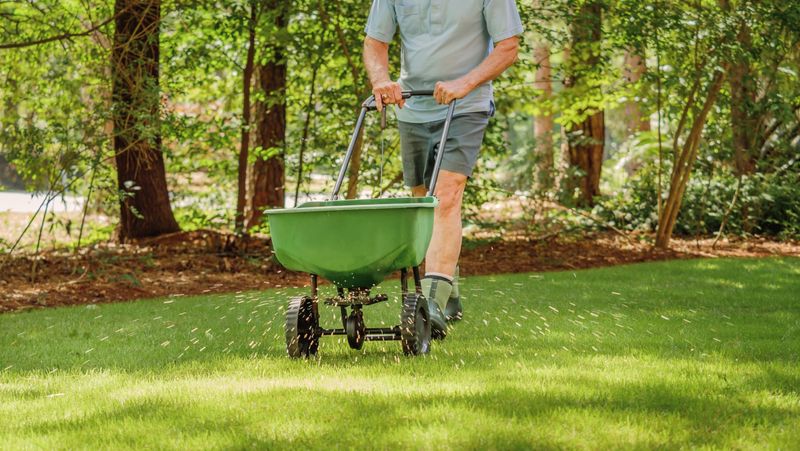
Your lawn has basically gone to sleep by December, and dormant grass cannot use a snack it cannot swallow. Personally, I think of late fertilizer as leaving dinner on the table for someone who already went to bed.
State law backs this up in a big way, so it is more than just friendly garden advice. Pennsylvania prohibits applying nitrogen and phosphorus fertilizers to turf between December 15 and March 1 each year.
The rules go further than the calendar, which surprised me the first time I read them closely. Fertilizer is also not allowed on snowy ground or soil frozen at least two inches deep.
Why does the state care so much about a little bag of lawn food on a cold afternoon? Nutrients that grass cannot absorb often wash away with melting snow and end up in nearby streams.
Those extra nutrients can feed algae in local waters, and the Chesapeake Bay feels the effect downstream. Keeping fertilizer in the shed is a small favor your yard can do for every creek nearby.
The smartest final feeding for cool-season lawns usually happens around early November, well before the deadline arrives.
Grass still has active roots then, so it can store those nutrients for a stronger green-up next spring.
If you missed that window this year, simply relax and save the bag for the proper spring season. Store it somewhere dry and sealed, then mark a reminder on your calendar for next fall instead.
2. Heavy Pruning On Maples And Summer Shrubs Can Wait Until Late Winter
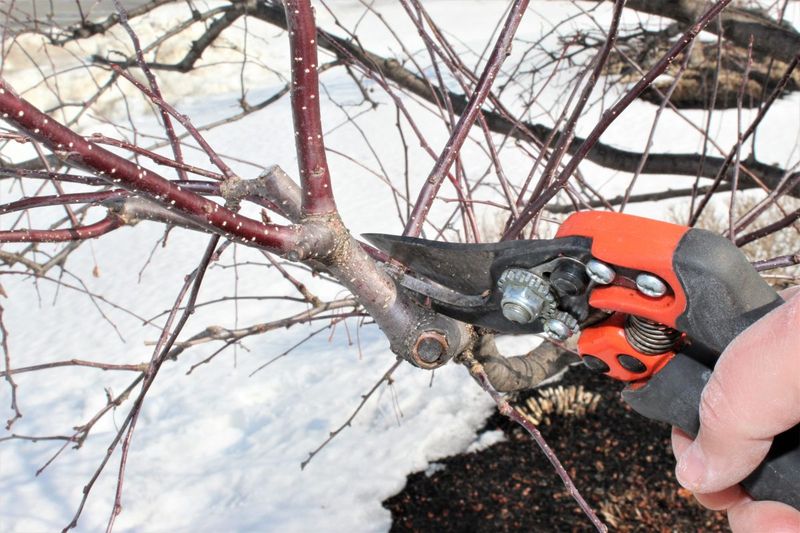
Snipping branches on a crisp sunny day feels wonderfully productive, and I admit my hands get itchy for the shears. Yet heavy cuts in late fall can wake up a shrub when it really should be resting.
Pruning sends a signal that encourages fresh growth, and those tender shoots rarely handle hard freezes very well.
Cold nights can scorch that soft new tissue, leaving ugly brown tips and weaker branches by spring.
Flower buds are another worry, especially on shrubs that set next year’s blooms during the previous summer. Cutting now can remove those buds, which means fewer flowers for you to enjoy when warm weather returns.
Maples and birches deserve special mention because their sap tends to flow heavily when you cut them.
The bleeding usually is not harmful, but it looks messy, so many arborists suggest waiting for summer instead.
Oaks are a very different story, and timing matters a lot to protect them from oak wilt disease. Experts recommend pruning oaks during deep winter dormancy, when the beetles that spread the fungus are inactive.
American elms follow a similar rule because Dutch elm disease spreads more easily when trees are cut during warm months. For both trees, waiting until the coldest weeks of winter is the safer and wiser choice.
Small fixes are still fine anytime, like trimming a broken limb or rubbing branch after a windy storm. Save the bigger reshaping job for late winter, when you can clearly see every branch on bare trees.
3. Garden Hoses Left On Outdoor Faucets Can Burst In The Cold
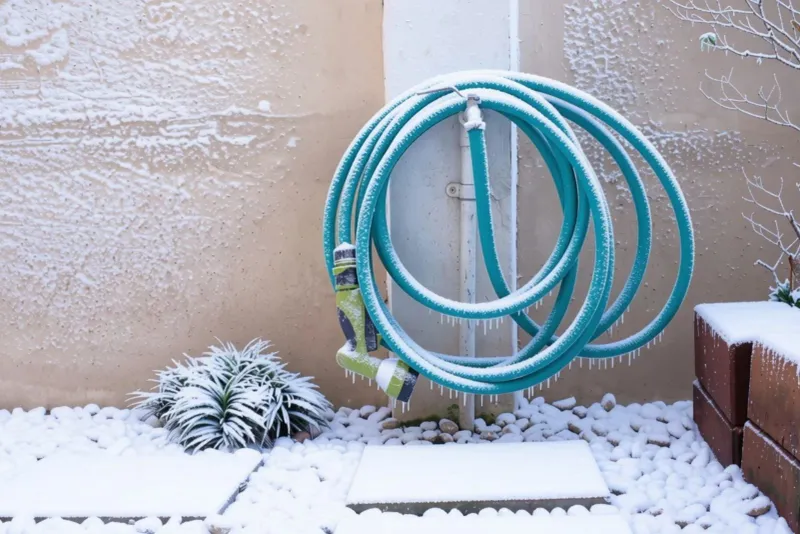
Water is sneaky stuff, because it grows about nine percent bigger when it turns into solid ice. That swelling power can split a sturdy brass fitting as easily as you might crack an eggshell.
I learned this lesson the soggy way when a forgotten hose froze against my house one bitter January night. The spigot cracked inside the wall, and spring arrived with a surprise leak in the basement.
An attached hose traps water near the faucet, so the ice has nowhere to escape when temperatures plunge. Pressure builds inside the pipe, and the damage often stays hidden until you turn the water back on.
Take a few minutes on a mild afternoon to unscrew every hose, splitter, and nozzle from outdoor faucets. Then stretch each hose down a gentle slope so the leftover water can drain out from the ends.
Coil the drained hoses loosely and store them in a garage, shed, or basement away from harsh sunlight. Rubber and vinyl last much longer when they are not freezing and thawing outdoors all winter long.
Many homes have an indoor shutoff valve for outdoor spigots, which makes protection even easier for busy gardeners. Close that valve, then open the outside faucet briefly so any trapped water can trickle away safely.
Drip lines and sprinkler systems need attention too, since buried pipes can crack under the same icy pressure.
Blowing out irrigation lines before deep freezes is a job many homeowners trust to a local professional.
4. Evergreens And New Shrubs Still Need A Deep Drink Before The Freeze
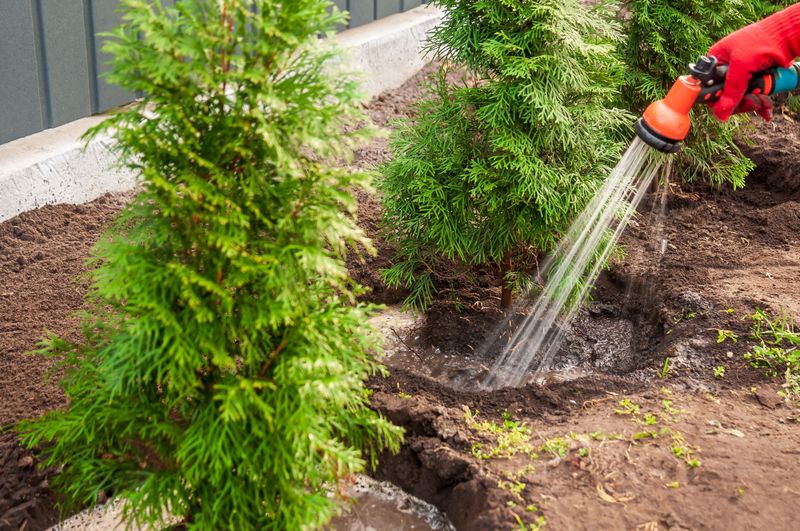
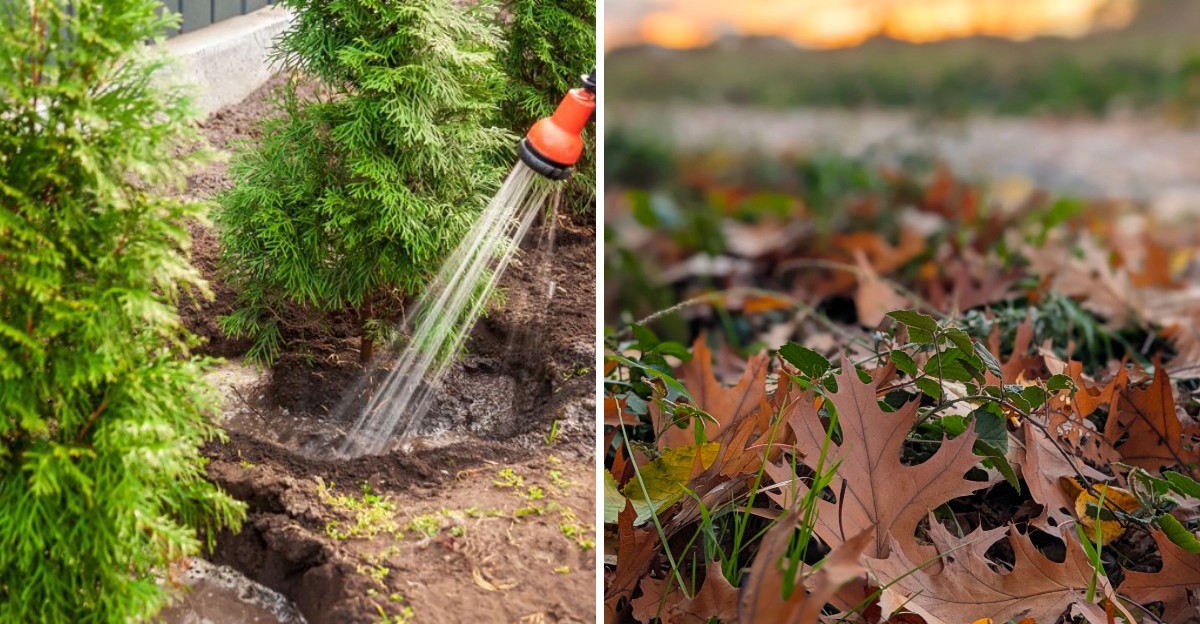
Brown, crispy needles on an arborvitae in March often start with a thirsty root zone back in late fall. Evergreens keep losing moisture through their foliage all winter, even while the ground is frozen solid.
Winter winds and bright sunshine pull water out of needles and broad leaves faster than you might expect. If roots cannot replace that moisture, the plant shows winter burn as patchy brown sections come springtime.
Roots stay active surprisingly late into the season, which gives you a real chance to help them out. I like checking soil with my finger, and if it feels dry two inches down, I water.
New trees, shrubs, and perennials planted this year deserve extra care because their roots are still small and shallow. A thorough soaking reaches deeper soil and helps those young plants settle in before the hard cold arrives.
Timing makes a big difference, so choose a day when the air is warmer than about forty degrees Fahrenheit. Water earlier in the day so moisture can soak in before temperatures drop again that night.
Skip watering if the soil is already frozen or snow is in the forecast, since the water cannot reach roots. Once the ground locks up for good, you can finally coil the watering can and take a break.
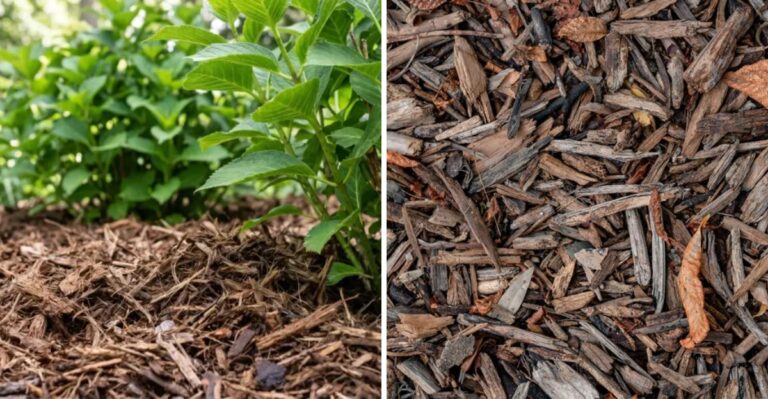
A few inches of shredded bark mulch over the root zone helps hold that moisture in place through winter. Keep the mulch pulled back slightly from trunks so bark stays dry and healthy underneath.
5. Coneflower Seed Heads And Ornamental Grasses Feed Winter Birds
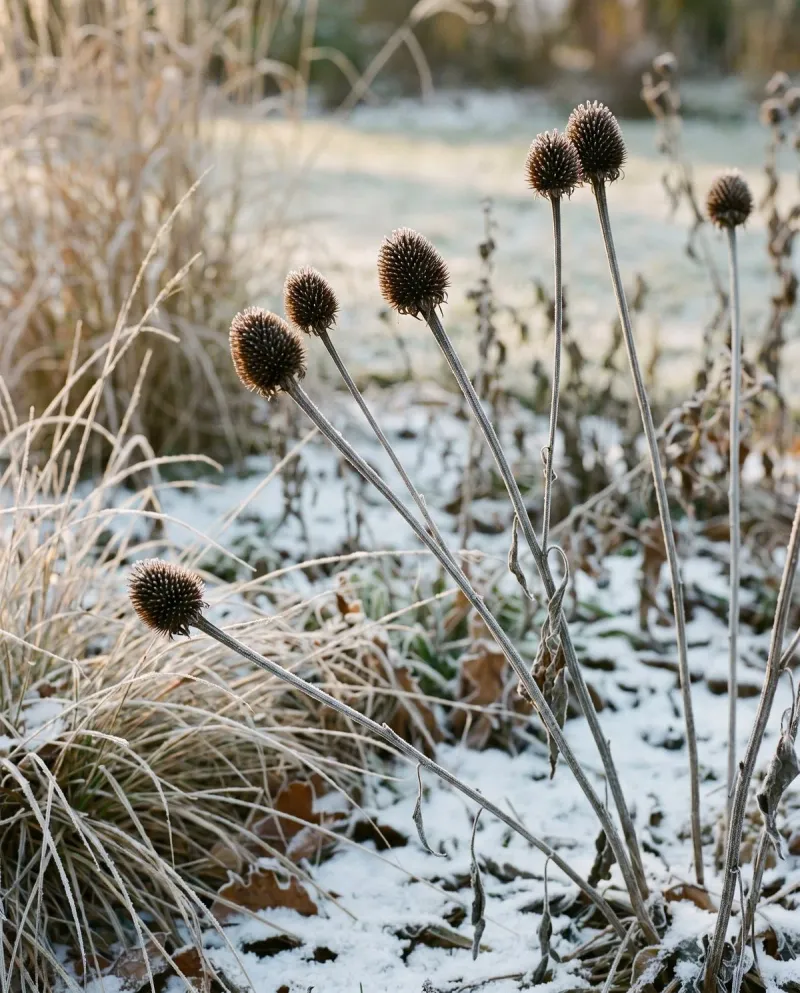
Goldfinches treat a patch of brown coneflower heads like a free buffet, and I could watch them for hours. Every time I resist cutting those stalks, the birds seem to thank me with a cheerful visit.
Leaving healthy perennial stems standing gives your garden texture when everything else looks flat and gray.
Frost and snow cling to seed heads beautifully, turning a sleepy bed into something worth admiring from the kitchen.
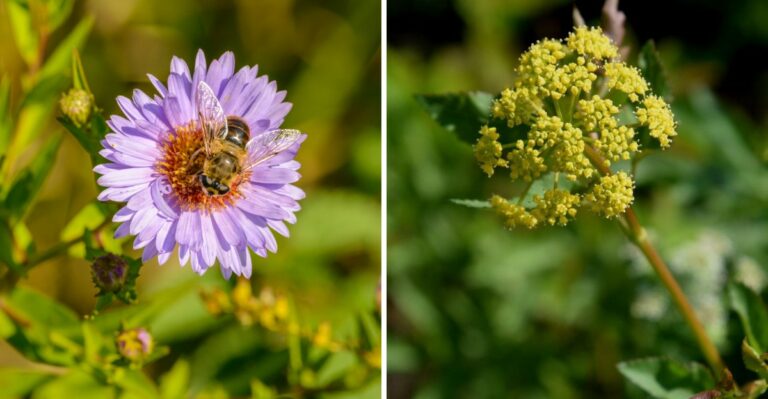
Birds such as juncos and chickadees pick seeds from black-eyed Susans, coneflowers, and native grasses through cold months.
That natural food helps them stay fueled when insects are scarce and feeders run low in snowy weeks.
Hollow stems also matter more than most people realize, since many native bees nest inside them over winter. Cutting stems to about fifteen inches next spring leaves room for new nests while keeping the bed tidy.
Marginally hardy plants like garden mums often survive better when their old tops stay in place until spring. The tangled foliage traps a little snow and leaf litter, which helps insulate the crown from bitter swings.
One exception deserves your attention, because diseased plants should not stay in the garden all winter.
Remove foliage covered in powdery mildew or other problems, then bag it rather than adding it to compost.
Ornamental grasses look especially lovely swaying in winter wind, so let them stand until new growth appears. A quick haircut in late winter or early spring keeps them looking fresh for another growing season.
6. Fallen Leaves In Garden Beds Shelter Fireflies And Native Bees
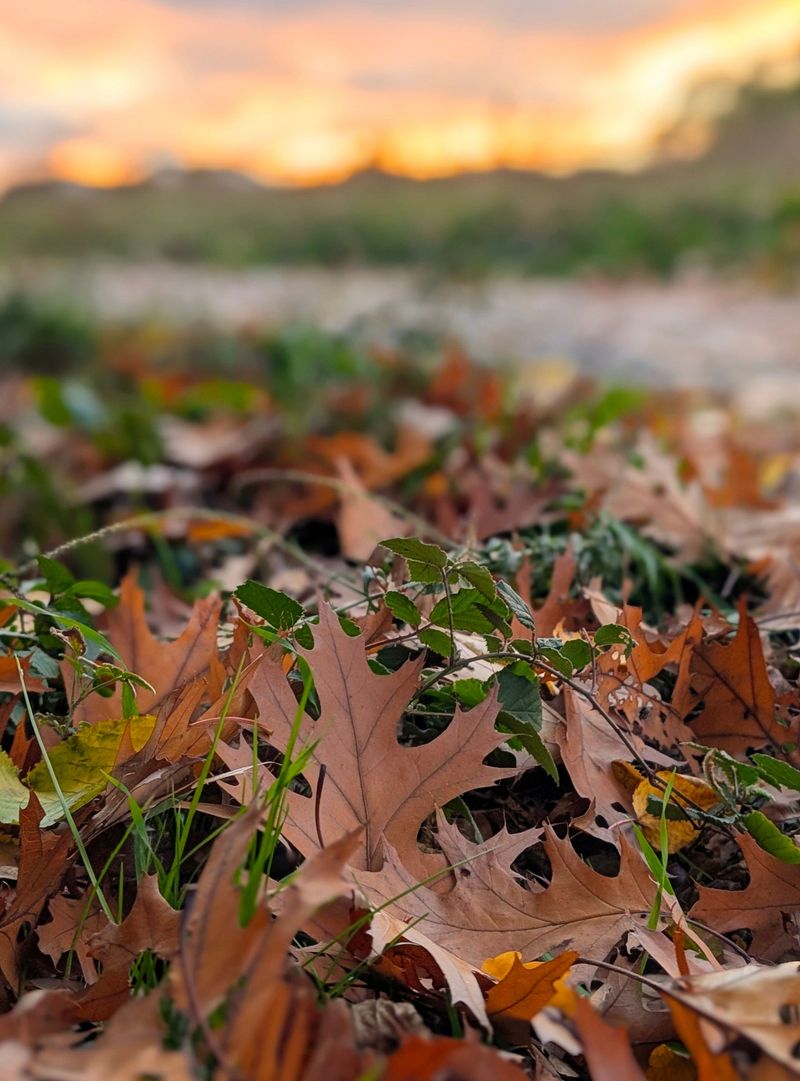
Those summer fireflies that sparkle over your lawn in June spent their younger days hiding in soil and leaf litter. Raking every leaf from your beds can remove the cozy winter homes these glowing insects depend on.
Leaf litter works like a natural blanket that softens sudden temperature swings around tender plant roots.
Freezing and thawing can heave small perennials out of the ground, and a leafy layer helps reduce that problem.
Many caterpillars, beetles, and spiders tuck themselves into fallen leaves to wait out the cold season. Some butterfly and moth species even spend winter as chrysalises or cocoons wrapped inside a curled brown leaf.
Shredding leaves with a mower chops up those hidden insects, so leaving them whole in beds works better. I simply rake leaves off the lawn and gently tuck them around shrubs and perennials instead.
Lawns are a different story, because a thick mat of wet leaves can smother grass and invite mold. Move heavy piles from turf into beds, or let a thin layer break down naturally where it falls.
As the leaves slowly break apart, they add organic matter that improves soil structure and feeds earthworms.
Your plants get a gentle nutrient boost next season without any fertilizer bag or extra trip to the store.
Keep leaves a few inches away from house foundations and plant stems to discourage rot and rodents. Otherwise, let nature do the tidying, and enjoy a few extra hours inside with your feet up.
7. Tulip And Daffodil Bulbs Should Not Go Into Frozen Soil
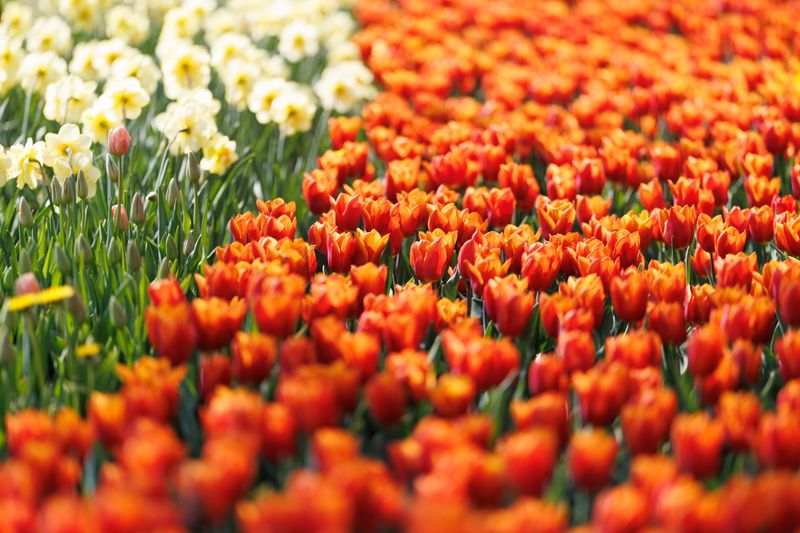
A forgotten mesh bag of tulips in the garage can spark real panic once December frost settles in. I have found those bags myself, and the guilt feels heavy when the ground is already rock hard.
Spring bulbs usually go into the ground from late September through November across most of Pennsylvania. That timing gives them weeks of cool soil to grow roots before the deep freeze finally arrives.
Southeastern parts of the state stay milder, so planting there can sometimes stretch into early December.
The real test is simple, because your shovel should slide into the soil without bouncing off frozen chunks.
Roots are the secret engine behind those cheerful daffodil and tulip flowers that brighten April gardens. Bulbs tucked into frozen ground cannot grow enough roots, so their spring blooms may be weak or missing.
If the soil still feels workable, plant right away and water well to help settle the bulbs in place. A layer of shredded leaves on top keeps the ground soft a little longer and protects young roots.
Frozen yard and leftover bulbs on your hands call for a clever backup plan instead of forcing the shovel. Many gardeners pot them in containers of soil and store them in an unheated garage for winter.
Those potted bulbs still get the cold chilling period they need, then bloom in spring like the rest. Next fall, set a reminder in October so the planting bag never sneaks past you again.