What Pennsylvania Tomatoes Need In July To Keep Producing Through The Hottest Weeks
July in Pennsylvania is make or break time for tomato plants. The days get long and steamy, the heat builds up fast, and just when your tomatoes should be hitting their stride, a lot of gardeners start noticing problems.
Flowers dropping off. Fruit slowing down. Plants that looked great in June suddenly looking stressed and tired. This is not a coincidence.
And it’s not bad luck either. Tomatoes are heavy feeders and hard workers, and July puts serious demands on them.
Without the right support during these hottest weeks, even a healthy plant can stall out and stop producing when you need it most.
The good news is that a few targeted adjustments can make a huge difference and keep those tomatoes coming strong all the way through the heat.
We’re talking about simple things. Watering habits, feeding schedules, a little extra attention at just the right moments.
Nothing complicated, but everything matters when temperatures are climbing and your plants are working overtime just to survive. Here’s exactly what your Pennsylvania tomatoes need in July to stay productive and keep that harvest coming.
1. Deep, Consistent Watering
Nothing keeps a tomato plant happier in July than a steady, reliable supply of water. Skipping days or watering unevenly causes more problems than most gardeners realize.
Stress from inconsistent moisture can lead to blossom-end rot, cracking fruit, and dropped blossoms before they ever set.
Penn State Extension recommends about 1 inch of water per week for in-ground tomato plants. During a heat wave, that number can climb quickly.
Containers dry out even faster, so those may need watering every single day when temperatures push into the upper 80s or 90s.
Always water at the soil line, not over the leaves. Wet foliage invites fungal diseases, which spread fast in Pennsylvania’s humid summer air.
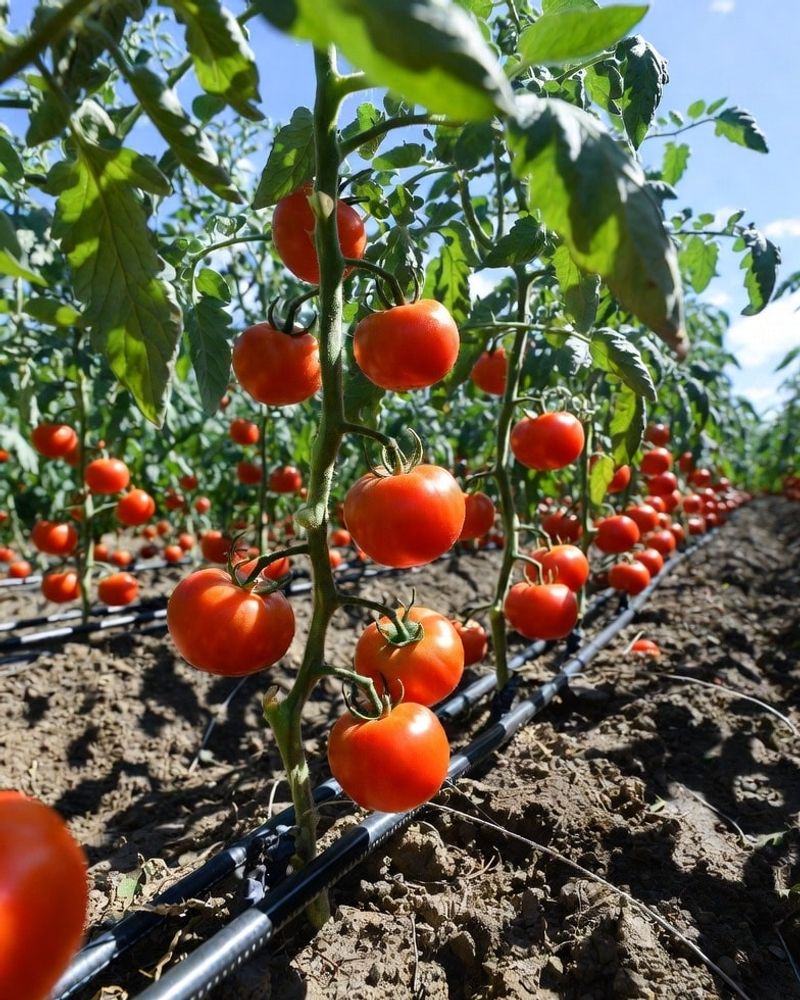
Use a soaker hose or drip line if you can, because they deliver water slowly and directly to the roots where it counts most.
Deep watering is better than shallow watering every time. When you water deeply, roots follow the moisture down into cooler soil.
Shallow watering keeps roots close to the surface, where they bake in the heat and struggle to support the plant through long dry stretches.
A simple way to check if your plants need water is to push your finger about 2 inches into the soil near the base. If it feels dry at that depth, it is time to water.
If it still feels moist, you can wait another day. Checking the soil this way takes only a few seconds and saves you from both overwatering and underwatering, two of the most common mistakes home gardeners make during hot summer months.
2. Mulch To Keep Soil Cool And Moist
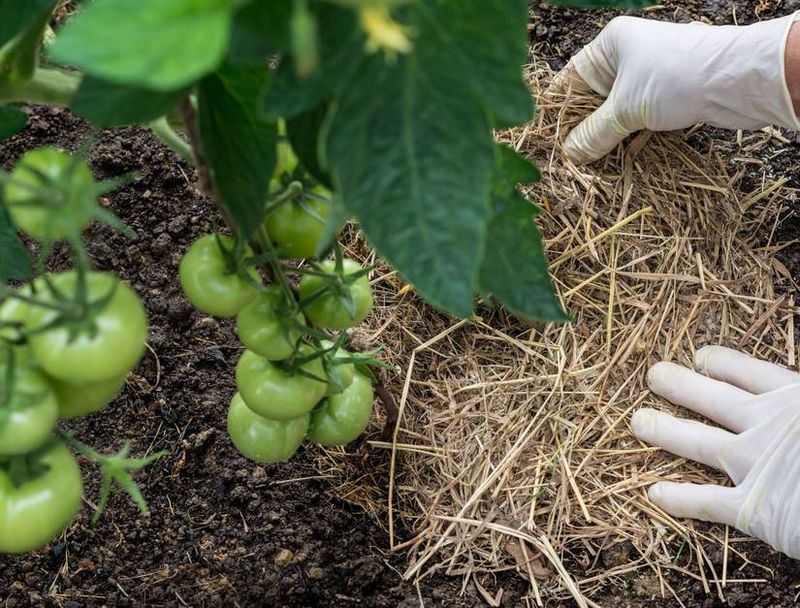
Spreading a layer of mulch around your tomato plants is one of the simplest things you can do in July, and the payoff is huge. Bare soil heats up fast under a strong summer sun, and hot soil stresses roots quickly.
A good layer of mulch acts like a blanket that keeps things cooler and more stable underground.
Your Pennsylvania Garden Changes Every Week. Your Plan Should Too.
Gardening in Pennsylvania changes quickly throughout the season. Every Friday you’ll receive a simple weekly plan showing exactly what to plant, prune, fertilize, harvest, and protect so you never miss the right timing.
Straw is a popular choice for tomato gardeners because it is light, easy to spread, and breaks down slowly. Shredded leaves, grass clippings, and wood chips also work well.
Aim for a layer about 2 to 3 inches thick around the base of each plant, keeping the mulch a few inches away from the main stem to prevent rot.
Cornell Cooperative Extension points out that keeping soil moisture consistent is one of the best defenses against blossom-end rot.
That condition happens when calcium cannot move properly through the plant, often because moisture levels swing too much between wet and dry. Mulch helps smooth out those swings naturally.
Beyond moisture, mulch also suppresses weeds that compete with your tomatoes for water and nutrients. Fewer weeds mean less work for you and more resources for your plants. That is a win in any gardener’s book.
If you do not have mulch on hand yet, a trip to your local garden center or farm supply store will solve that fast. Some municipalities even offer free wood chip mulch.
Whatever material you choose, get it down soon. Every day without mulch in July is a day your soil is losing moisture it cannot afford to lose during the hottest weeks of the growing season.
3. Protection From Extreme Heat
Most gardeners know tomatoes love warmth, but there is such a thing as too much of a good thing. When Pennsylvania summers push daytime highs well above 90 degrees Fahrenheit, tomato plants start to struggle in ways that show up in your harvest weeks later.
Penn State Extension notes that tomatoes prefer daytime temperatures in the range of 70 to 80 degrees Fahrenheit. When nighttime temperatures stay above 70 degrees, pollen becomes less viable, and flowers may drop without setting fruit.
That means even if your plants look healthy, they may not be producing like they should during a heat wave.
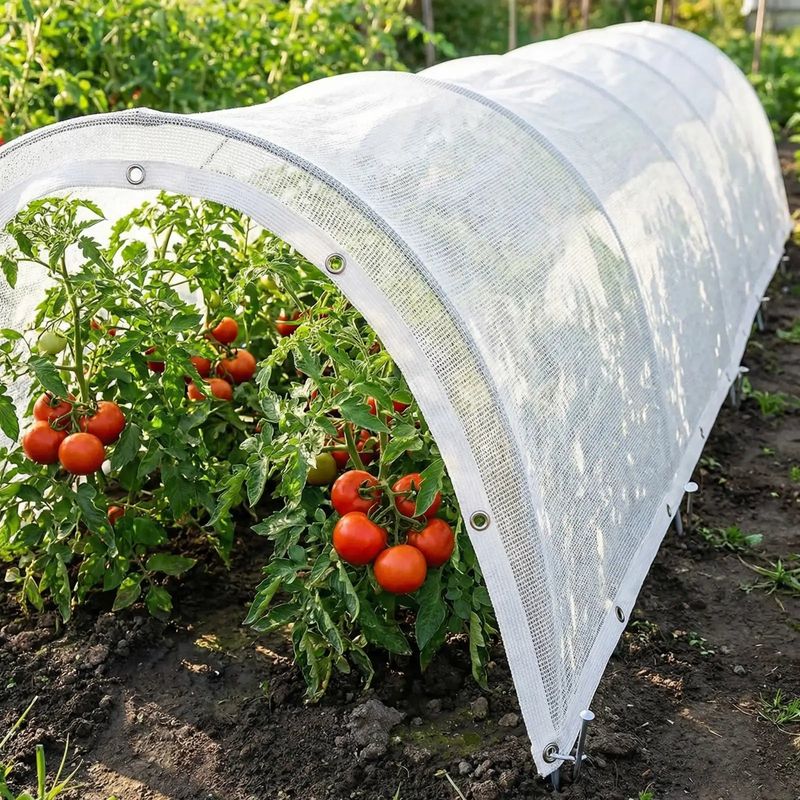
One practical solution is temporary shade cloth. You can find it at most garden centers in different shade percentages.
A 30 to 40 percent shade cloth is usually enough to take the edge off intense afternoon heat without blocking too much sunlight. Set it up on stakes or a simple frame so it hovers above the plants rather than resting directly on the leaves.
Timing matters too. The hottest part of the day in Pennsylvania is typically between 1 and 5 in the afternoon.
If you can shade your plants during just that window, you can reduce heat stress significantly without sacrificing morning sun, which tomatoes use well.
Another trick is to make sure plants are well-watered before a heat wave hits. A hydrated plant handles high temperatures far better than a thirsty one.
Watch your local forecast and act early. Getting ahead of a heat wave is much easier than trying to rescue stressed plants after several days of triple-digit heat index readings have already taken a toll on your garden.
4. Proper Support And Airflow
By July, most Pennsylvania tomato plants are getting big and heavy. Indeterminate varieties especially can grow several feet tall and branch out in every direction.
Without proper support, branches break under the weight of developing fruit, and sprawling plants create a whole new set of problems.
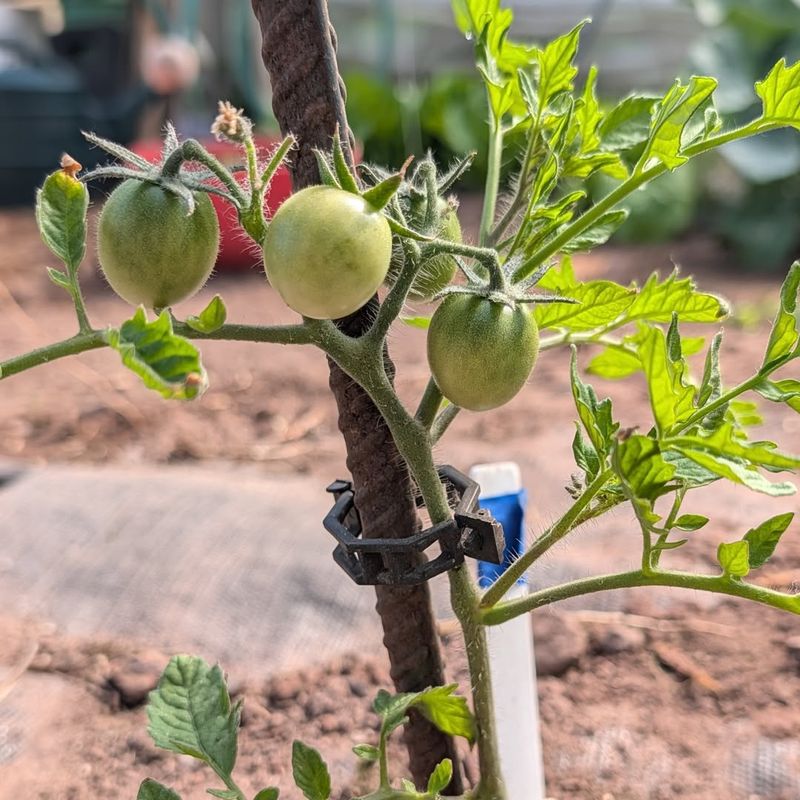
Penn State Extension points out that staking or caging tomatoes helps reduce fruit rots, sunscald, and the spread of foliar diseases. When fruit rests on the soil, it invites pests and rot almost immediately.
Keeping fruit off the ground protects your harvest and keeps the plant healthier through the rest of the season.
If you have not staked or caged your plants yet, now is the time to get it done before branches get any heavier. Drive stakes deep so they hold firm in wet soil after rain.
Use soft ties or strips of fabric to secure stems without cutting into them. Tomato stems are surprisingly easy to damage if you tie them too tightly.
Good airflow between plants is just as important as physical support. Pennsylvania summers are humid, and fungal diseases like early blight and Septoria leaf spot thrive when air cannot circulate freely.
Prune away any suckers or lower leaves that crowd the base of the plant and block airflow near the soil.
Spacing plants properly at the start of the season helps a lot, but you can still improve airflow in an established garden by pruning strategically. Removing a few crowded inner branches opens up the canopy and lets leaves dry faster after rain or a humid night.
Drier leaves stay healthier leaves, and healthier leaves mean a plant that keeps producing well into August and beyond.
5. Balanced Feeding, Not Too Much Nitrogen
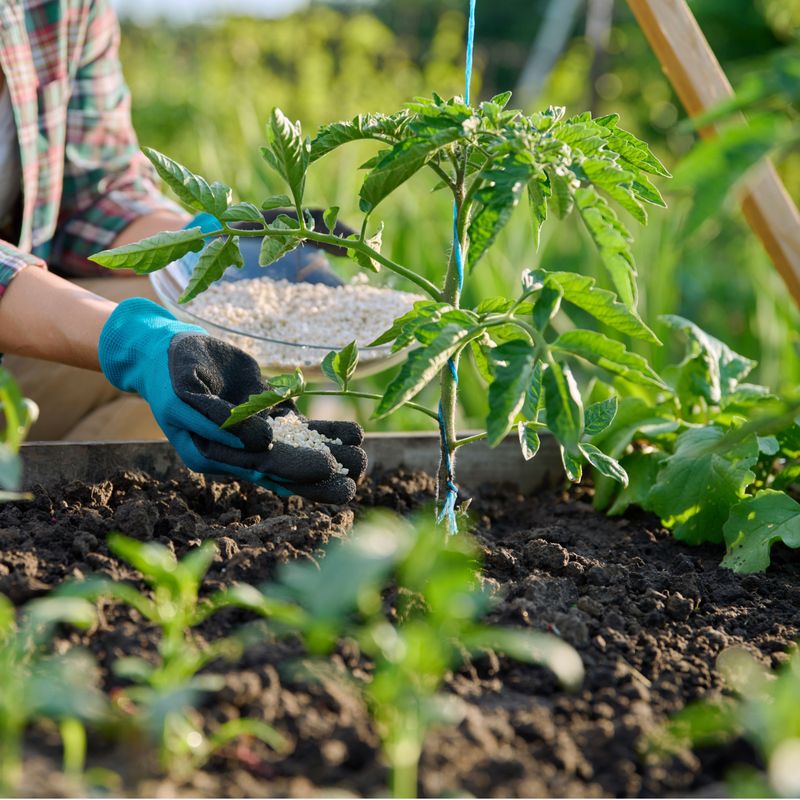
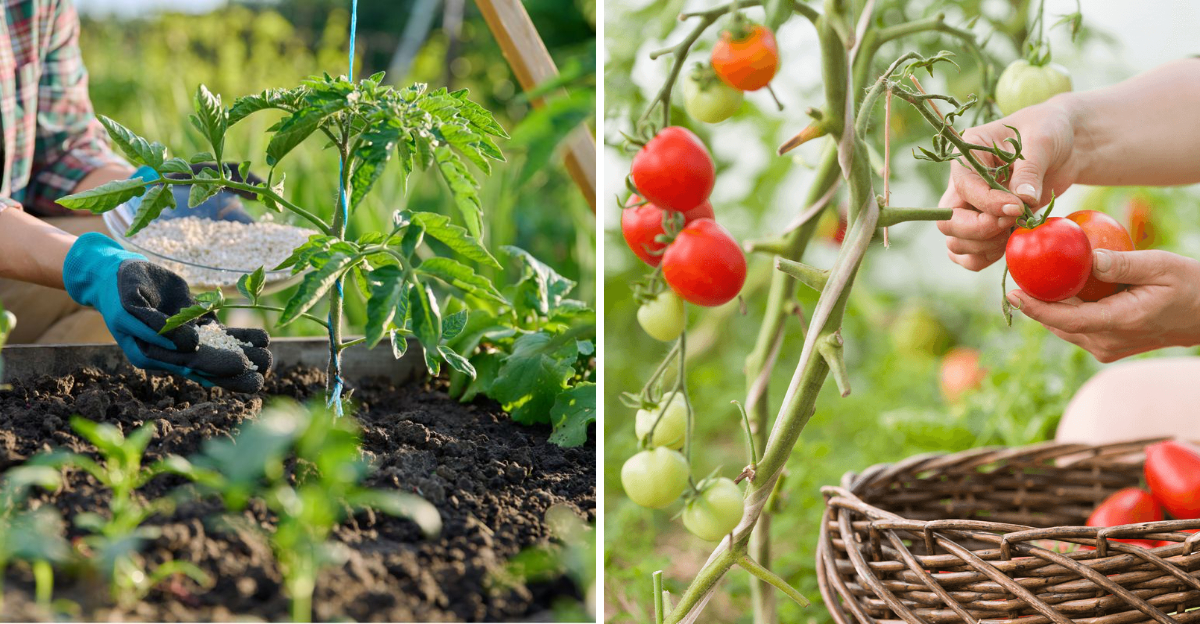
Feeding tomatoes in July requires a bit of strategy. Your plants are working hard to keep flowering and filling fruit during the hottest stretch of the year, and they need the right nutrients to do that. The tricky part is giving them enough without overdoing it on nitrogen.
Too much nitrogen in midsummer pushes plants into producing lots of lush green leaves instead of flowers and fruit. You might end up with a beautiful, bushy plant that barely sets any tomatoes.
That is a frustrating outcome after months of work, so it pays to read fertilizer labels carefully and choose products designed for the fruiting stage of growth.
Penn State Extension notes that tomatoes perform best in soil with a pH between 6.2 and 6.5. At that range, nutrients become more available to the plant and are absorbed more efficiently.
If your soil pH is off, even a good fertilizer will not help much because the plant cannot take up what it needs. A simple soil test can tell you exactly where you stand.
Look for a tomato-specific fertilizer with a lower first number on the label, which represents nitrogen, and higher second and third numbers for phosphorus and potassium.
Those last two nutrients support root health, flowering, and fruit development, which is exactly what you want in July.
Feed every two to three weeks rather than all at once. Smaller, regular applications are easier on the plant and reduce the risk of nutrient burn.
Always water before and after applying fertilizer to help it move into the soil evenly and protect roots from concentrated nutrient exposure during hot, dry conditions.
6. Regular Harvesting And Scouting
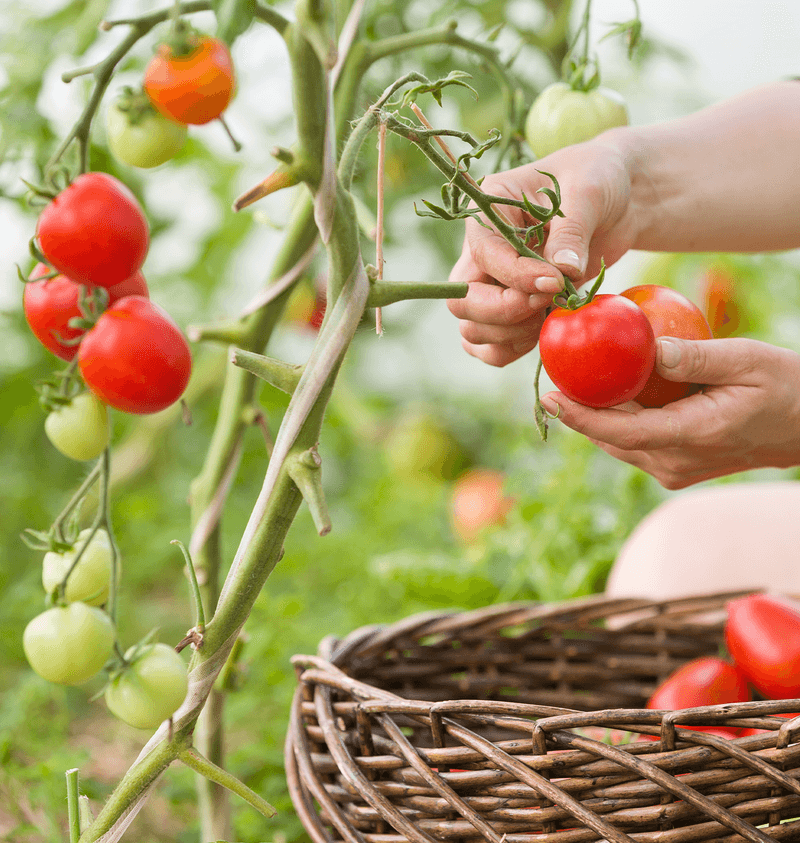
Here is something a lot of first-time tomato growers do not realize: the more often you pick, the more your plant produces.
Tomatoes are wired to make seeds, and once a fruit ripens fully on the vine, the plant starts to slow down its production signals. Picking regularly tells the plant to keep going.
You do not have to wait for tomatoes to be fully red before picking them. Fruit picked at the breaker stage, when it just starts to show color, will ripen perfectly on your kitchen counter within a few days.
This also protects ripe fruit from cracking during sudden heavy rains, which are common in Pennsylvania during July.
Scouting your plants regularly is just as important as harvesting. Penn State Extension recommends routine vegetable garden scouting so problems can be caught early before they spread.
Walk through your garden every few days and look closely at leaves, stems, and fruit. Early signs of trouble are much easier to manage than a full-blown problem.
Watch for yellowing lower leaves, which can signal early blight or nutrient issues. Look for dark spots, lesions, or powdery coatings on foliage.
Check the bottom of fruit for the tan, sunken spots that indicate blossom-end rot. Inspect the undersides of leaves for insect eggs or feeding damage from pests like hornworms or aphids.
Catching these issues early often means a simple fix rather than losing large portions of your harvest. Remove affected leaves and dispose of them away from the garden.
Stay consistent with your scouting routine throughout July and into August, because that steady attention is what keeps a productive garden productive all the way to the end of the season.