California Native Plants That Work Well In Lawn Rebate Projects This Fall
Ripping out thirsty turf can feel like giving a California yard permission to become something far more interesting.
Suddenly, that plain stretch of grass has room for texture, flowers, movement, and plants that actually look connected to the landscape around them.
Lawn rebate projects add another layer to the decision. It is not just about picking something pretty at the nursery and hoping it behaves.
Space, mature size, site conditions, and the overall design all matter when an old lawn is being transformed into a lasting garden. Native plants can fit beautifully into that new chapter.
Some bring seasonal color, others create structure, and plenty can make a converted front yard feel intentional instead of looking like the grass simply disappeared. Goodbye boring rectangle.
Fall also gives homeowners a natural moment to rethink what they want that space to become.
Successful lawn replacement should feel like an upgrade, not a compromise, as the right California natives can help turn a rebate into a landscape you actually enjoy looking at.
1. Coffeeberry Adds Evergreen Structure
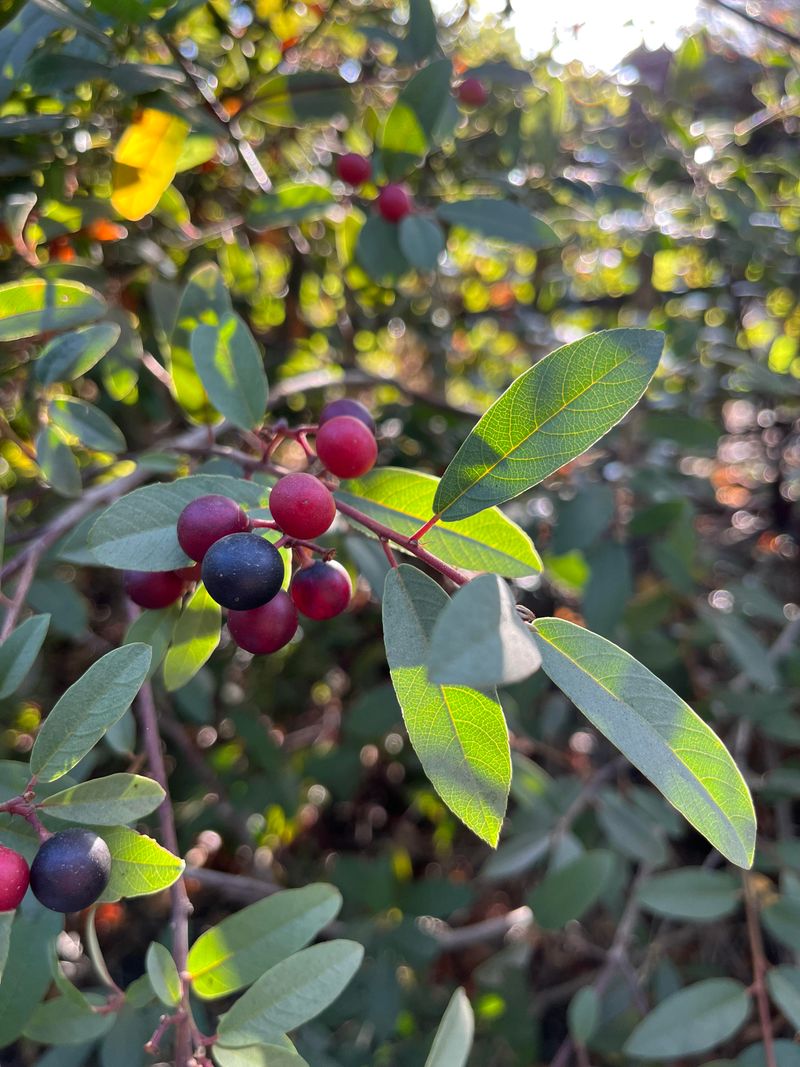
Not every plant in a rebate garden needs to be flashy to earn its place. Coffeeberry, known by its scientific name Frangula californica, is a workhorse shrub that brings year-round greenery without demanding much from you.
It keeps its leaves through every season, which makes it a reliable backbone plant for any new native landscape.
The berries it produces are small and change color as they ripen, moving from green to red to deep purple or black. Birds love them.
That means your yard becomes a little wildlife habitat without any extra effort on your part. The shrub typically grows between four and ten feet tall, so it works well as a natural screen or border along a fence or property line.
Coffeeberry handles a wide range of soil types, including clay, which is common in many neighborhoods. It prefers some shade but grows fine in full sun with occasional deep watering during its first year.
After that, it is largely self-sufficient. Most water agencies approve it for rebate planting lists because it uses so little water once established.
Fall planting gives the roots time to spread before summer arrives. If you want structure and wildlife value in one low-maintenance package, coffeeberry is a strong choice for your new native yard.
2. Toyon Works Where You Need A Larger Native Anchor
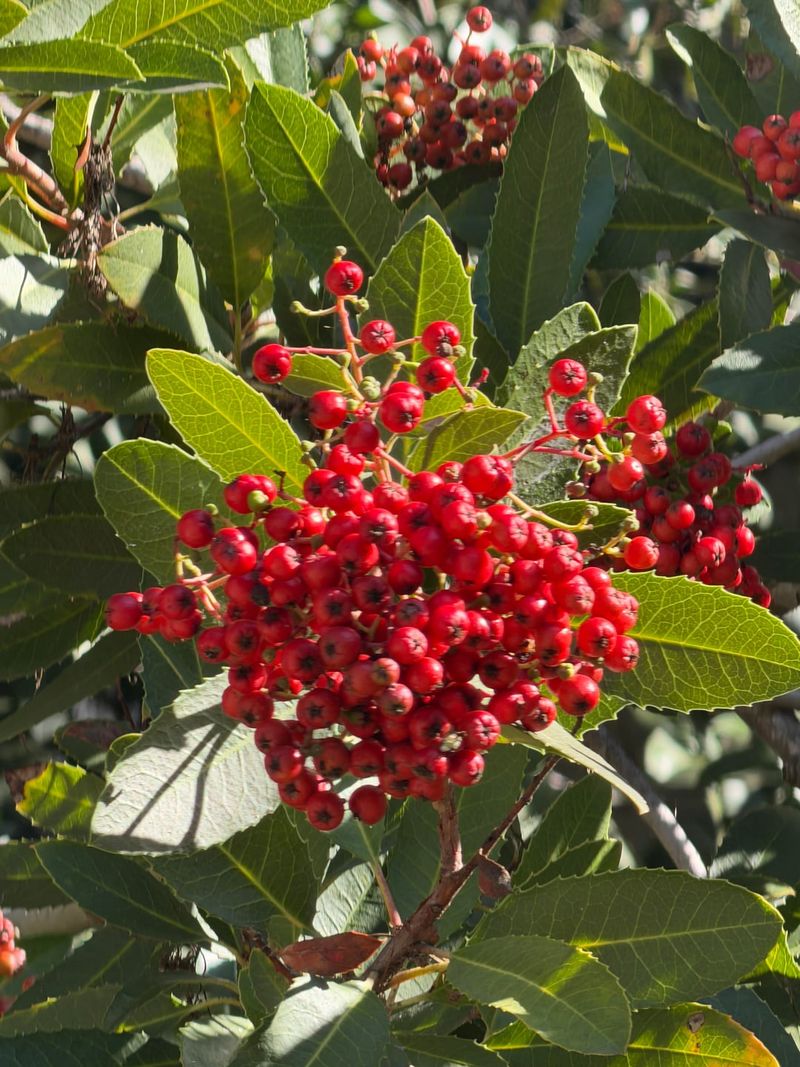
Some yards need a bold centerpiece, something tall and full that anchors the whole design. Toyon, also called Heteromeles arbutifolia, fits that role perfectly.
It can grow up to fifteen feet tall and equally wide, making it one of the most substantial native shrubs available for residential rebate projects. It earned the nickname “Hollywood” because the hills of Los Angeles were once covered in it.
Every winter, toyon puts on a show with clusters of bright red berries that attract birds like cedar waxwings and robins. The dark green leaves stay on the plant all year, giving your yard color and fullness even in the coldest months.
Your California Garden Changes Every Week. Your Plan Should Too.
Gardening in California changes quickly throughout the season. Every Friday you’ll receive a simple weekly plan showing exactly what to plant, prune, fertilize, harvest, and protect so you never miss the right timing.
In summer, small white flowers appear in clusters and bring in native bees and other pollinators.
Planting toyon in fall gives it a real advantage. The cooler air and natural rainfall allow roots to spread deeply before the dry season hits.
Once established, it needs very little supplemental water. It grows well in full sun or partial shade and tolerates poor soils.
Many rebate programs across the state specifically list toyon as an approved plant. If you have a corner that feels empty or a slope that needs stability, toyon can fill that space beautifully and support local wildlife at the same time.
3. California Buckwheat Handles Hot Sunny Spots
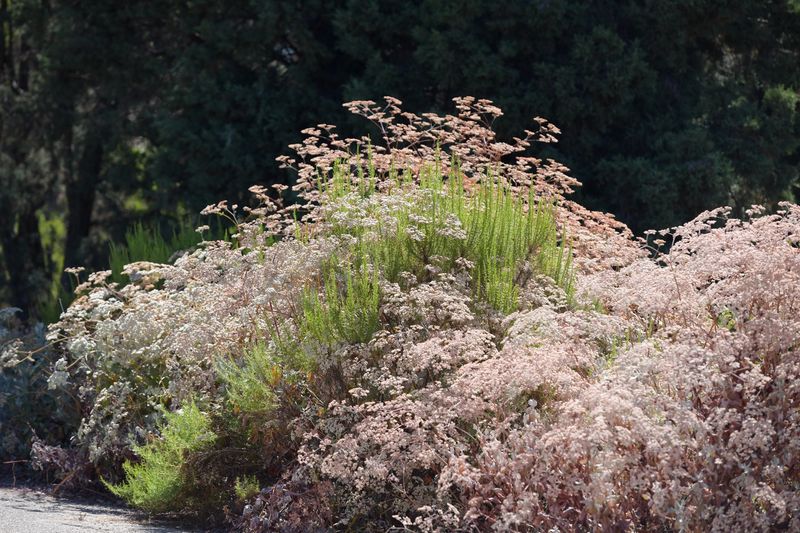
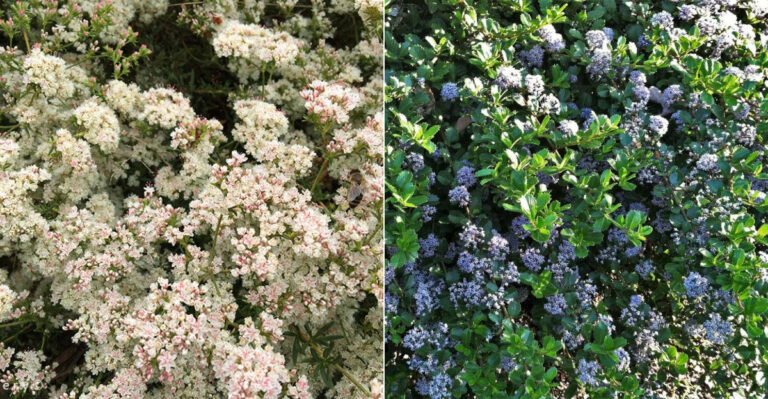
Few plants are as tough and dependable in a hot, sunny yard as buckwheat. Eriogonum fasciculatum, commonly called California buckwheat, thrives in exactly the kind of conditions that make other plants struggle.
Full sun, poor rocky soil, and very little water are practically its ideal growing conditions. That toughness makes it a favorite for rebate projects in warmer inland areas.
The flowers start out white or pale pink in late spring and summer, then dry to a warm rust-brown color that lasts through fall and winter. Many gardeners actually love the dried flower heads because they add texture and interest to the landscape long after the blooming season ends.
Bees visit the flowers constantly during the growing season, and the seeds feed birds in the colder months.
Buckwheat grows into a low, mounding shrub about one to three feet tall and three to six feet wide. That spreading shape makes it useful for covering open, sunny areas where grass once grew.
It fills space without needing much attention. Planting in fall lets it get comfortable before its first summer.
Water it lightly every couple of weeks during its first season, then step back and let it do its thing. Most water district rebate lists include buckwheat because it uses minimal water and supports native pollinators so effectively.
4. Deergrass Adds Movement Without Traditional Turf
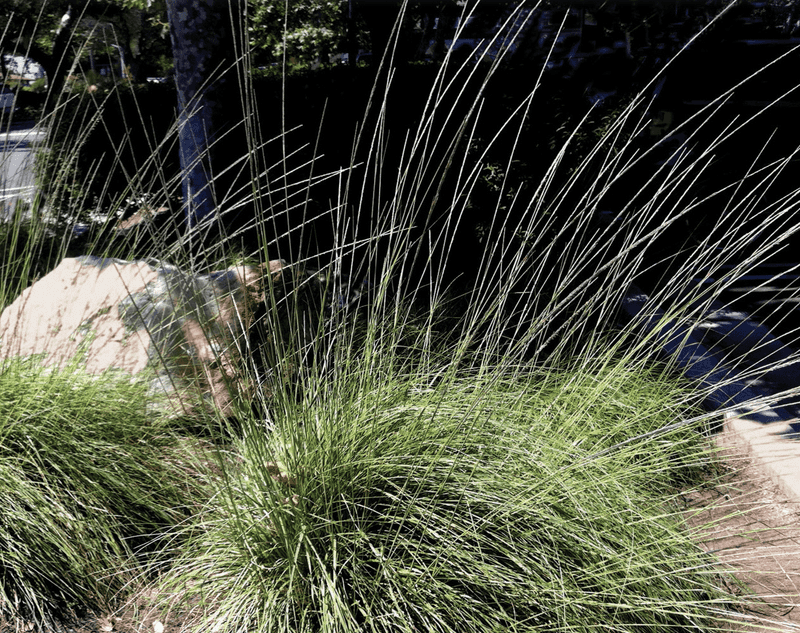
There is something satisfying about watching grass move in the breeze, and deergrass gives you exactly that feeling without the water bill that comes with a traditional lawn.
Muhlenbergia rigens is a native bunchgrass that grows in rounded clumps, sending up tall, slender seed stalks that sway gracefully in the wind. It brings a soft, natural feel to any rebate garden design.
Unlike turf grass, deergrass does not spread aggressively or need weekly mowing. Each clump stays in its own space and grows slowly over time.
The plants reach about three to four feet tall when in bloom, which makes them useful as a mid-height filler between larger shrubs. They also work well planted in rows along a path or driveway to create a gentle, flowing border.
Deergrass grows naturally in dry meadows, stream banks, and open woodlands, so it is comfortable in a wide range of conditions. It prefers full sun but tolerates some afternoon shade.
Once established, it needs very little water. You can cut it back in late winter to keep it looking tidy and encourage fresh new growth in spring.
Many rebate programs list it as an approved plant, and some even highlight it as a great turf replacement option. Fall planting works well because the cooler weather helps roots settle in without heat stress.
5. Cleveland Sage Fits Dry Pollinator-Friendly Gardens
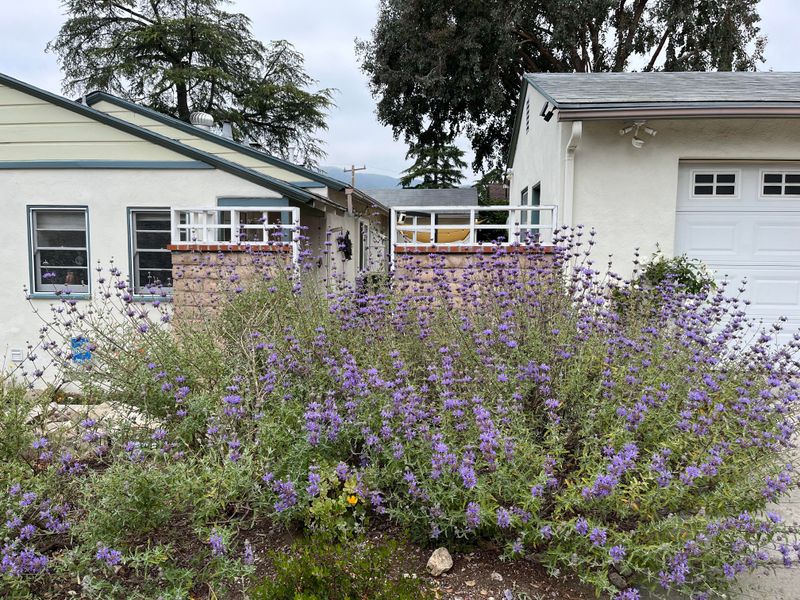
Walk past a Cleveland sage on a warm day and you will notice the scent immediately. Salvia clevelandii releases a strong, clean fragrance that many people find instantly refreshing.
That aromatic quality alone makes it a standout plant, but its real value in a rebate garden goes far beyond how it smells. It is one of the best plants you can choose for attracting native bees, hummingbirds, and butterflies.
The flowers appear in whorls along upright stems, forming tall spikes of purple-blue blooms that show up in late spring and early summer. The display can be stunning, especially when several plants are grouped together.
After blooming, the gray-green foliage stays attractive through the rest of the year, holding its color even in dry conditions.
Cleveland sage grows best in full sun with excellent drainage. It does not like wet feet, so avoid planting it in low spots where water tends to collect.
In well-drained soil, it is incredibly drought-tolerant once established. Most plants reach three to five feet tall and wide, making them a solid mid-sized option for open areas in a rebate landscape.
Pruning lightly after the bloom season keeps the plant compact and productive. Fall is a great time to get it in the ground so it can develop a strong root system before the next bloom season begins.
6. Yarrow Can Cover Open Areas With Less Water
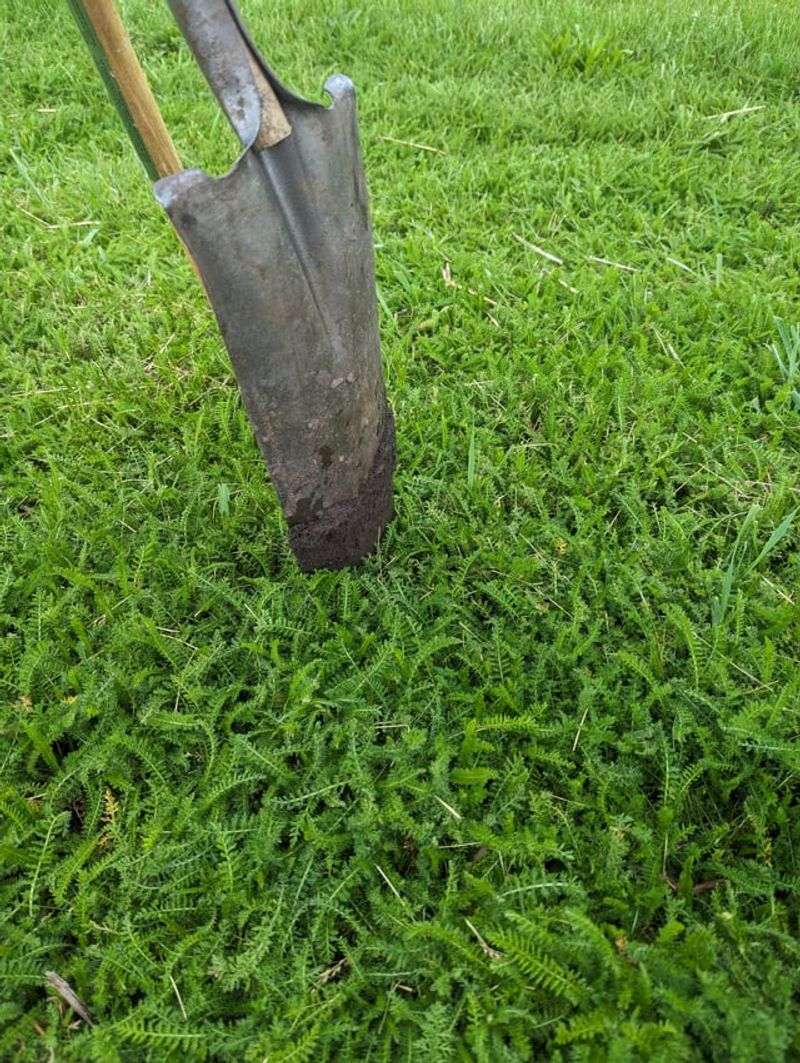
Open, sunny patches of former lawn can be tricky to fill. You want something that spreads, stays low, and does not need constant watering.
Yarrow, or Achillea millefolium, checks every one of those boxes. It is a low-growing perennial herb that spreads naturally over time, eventually forming a soft, feathery mat that covers the ground beautifully.
The flat-topped flower clusters come in white, yellow, and soft pink shades, depending on the variety. They bloom from late spring through summer and are magnets for beneficial insects, including native bees and predatory wasps that help control garden pests.
Even after the flowers fade, the finely textured foliage stays green and attractive through much of the year.
Yarrow is remarkably adaptable. It grows in poor soils, handles full sun without complaint, and bounces back quickly after dry spells.
Once established, it rarely needs supplemental watering except during the most intense summer heat waves. You can mow it occasionally to keep it tidy, or simply let it grow freely for a more naturalistic look.
Many homeowners use it as a lawn alternative or mix it with other natives for a varied, layered groundcover. Most water agencies that offer rebate programs recognize yarrow as an eligible plant.
Planting in fall gives each plant a long cool season to spread its roots before summer warmth arrives.
7. Manzanita Adds Evergreen Shape To The New Landscape
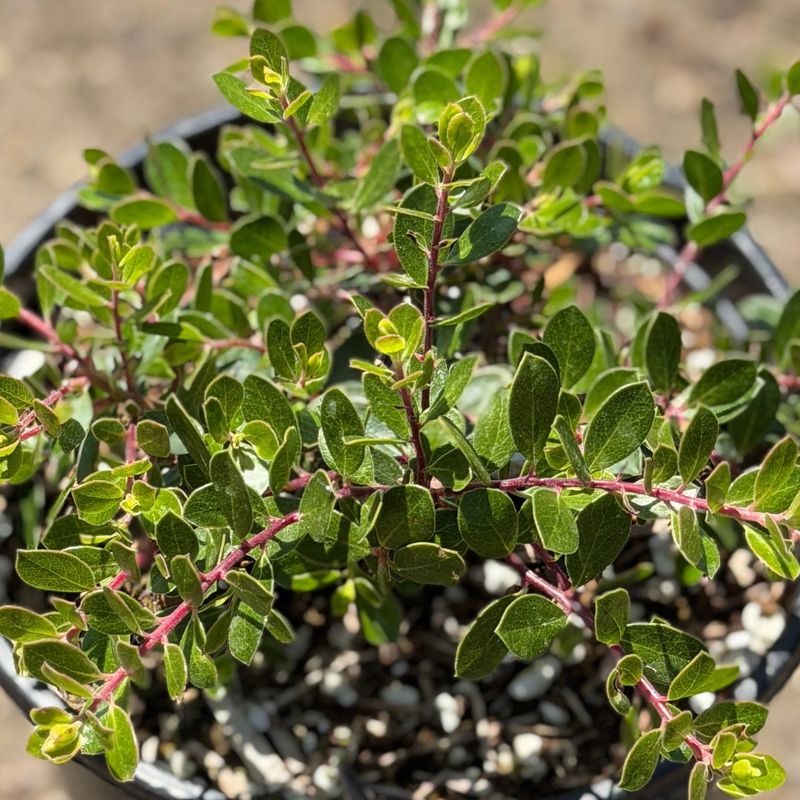
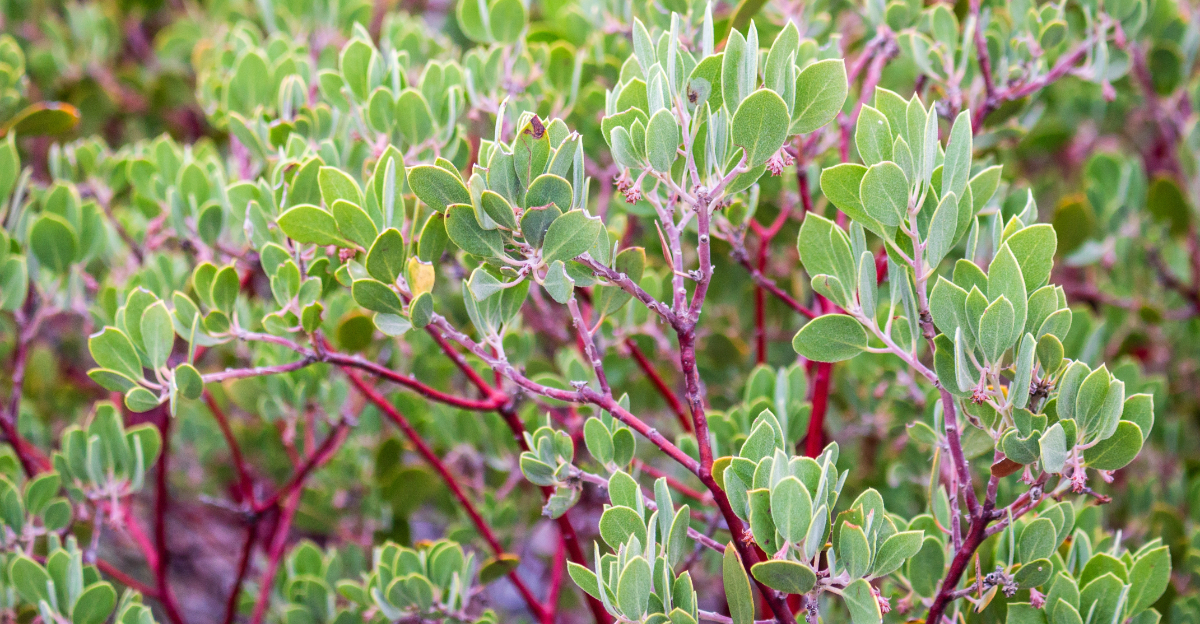
Few native plants are as visually striking as manzanita. The smooth, reddish-brown bark practically glows in morning or evening light, and the twisted branching structure gives each plant a sculptural quality that no ornamental shrub can easily match.
Arctostaphylos is a large genus with dozens of species, and several of them are perfectly sized for residential rebate gardens.
Smaller varieties like Arctostaphylos uva-ursi, the bearberry manzanita, stay low to the ground and spread wide, making them excellent groundcovers for slopes or open areas.
Mid-sized varieties grow into rounded shrubs three to six feet tall, suitable for borders or focal points.
All of them produce small, bell-shaped flowers in winter and early spring that hummingbirds and bees visit eagerly. The small berries that follow feed birds and other wildlife.
Manzanita needs well-drained soil and full sun to thrive. It does not tolerate overwatering, especially in summer, so avoid placing it near irrigation zones designed for thirstier plants.
Once established, most varieties survive on rainfall alone in coastal and foothill areas. Fall planting is strongly recommended because manzanita establishes most successfully when soil temperatures are moderate.
Give it space to grow naturally without crowding, and resist the urge to over-prune. With patience, manzanita becomes one of the most beautiful and long-lasting plants in any native landscape.
8. Check Your Water Agency Before Buying Any Plants
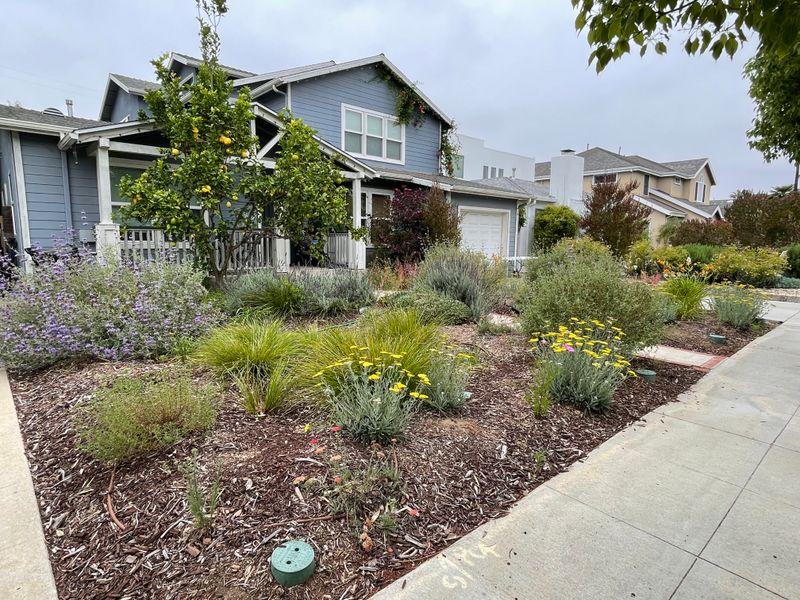
Before you spend a single dollar at the nursery, take time to look up your local water agency’s rebate program. Not every plant that is native to the region qualifies for every program.
Each agency keeps its own approved plant list, and buying something that is not on that list could mean losing out on rebate money you were counting on. A quick search online or a phone call can save you real frustration later.
Many agencies also have rules about plant spacing, coverage percentage, and minimum plant sizes. Some require a certain number of plants per square foot, while others focus more on overall water savings.
Reading the guidelines before you design your layout helps you plan smarter and avoid having to redo work after an inspection.
Some programs even offer free consultations with landscape advisors who can walk you through the requirements.
Timing matters too. Some rebate programs have application windows or limited funding, so applying early in the fall season gives you a better chance of securing your spot.
Take photos of your existing lawn before removal, keep all your receipts, and document your planting progress. Agencies often ask for before-and-after evidence as part of the approval process.
Getting organized at the start makes the whole experience much smoother. A little preparation upfront means more money back in your pocket when the rebate check arrives.