The Flowers Texans Plant Right After Late-Summer Rain For Fall Color
A late summer rain in Texas feels like a gift, and experienced Texas gardeners know exactly how to use it.
That break in the heat, the softened soil, the temporary reprieve from watering pressure creates a planting window that doesn’t last long but delivers results that are hard to achieve any other way.
The gardeners who move quickly after that rain ends up with fall color that looks like it’s been there all season. The window matters more than most people realize.
Planting right after late summer rain means going into ground that is moist, workable, and primed for root development in a way that dry August soil simply isn’t.
Flowers planted in this window establish faster, stress less, and transition into fall bloom with a vigor that plants struggling through dry establishment never quite manage.
Knowing which flowers are worth planting in this specific window is the key to making the most of the opportunity.
Here are the flowers Texas gardeners plant right after late summer rain and why this timing produces some of the best fall color in the yard.
1. Fall Zinnias
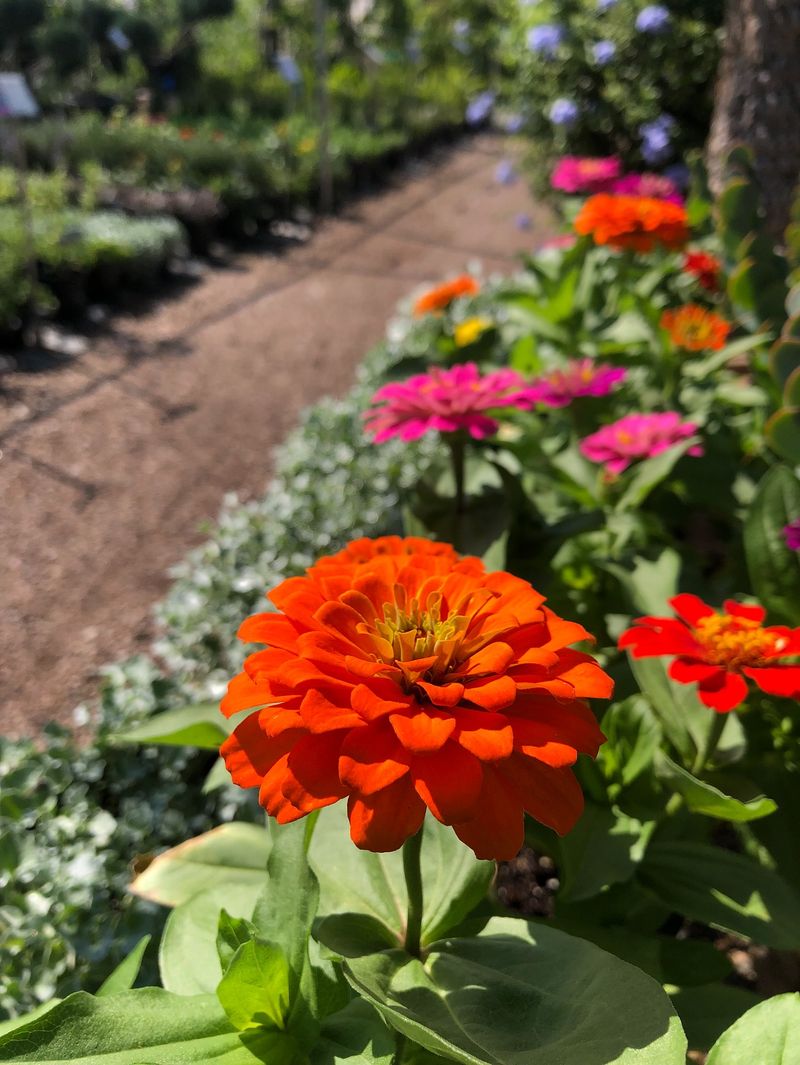
Few flowers bring as much cheerful energy to a fall Texas garden as zinnias. Plant them right after a late-summer rain and they will reward you with bold blooms that last until the first frost arrives.
Zinnias are one of the easiest flowers to grow, making them perfect for beginner and experienced gardeners alike.
When choosing varieties for a fall planting, look for Profusion and Zahara types. These two are especially tough and heat-tolerant, which means they handle the leftover summer warmth without skipping a beat.
They also resist powdery mildew, a common problem in the humid Texas fall weather.
Zinnias grow best in full sun, so pick a spot that gets at least six to eight hours of direct sunlight each day. Well-drained soil is important because standing water around the roots can cause problems.
After planting, water them consistently but avoid getting the leaves wet, which can lead to fungal issues.
One great thing about zinnias is how fast they grow. From seed or transplant, you can expect blooms in just a few weeks.
Deadheading, which means removing spent flowers, encourages the plant to keep producing new blooms throughout the season.
Zinnias also attract butterflies and pollinators, so your garden becomes a lively, buzzing space full of movement and color.
They come in nearly every shade imaginable, from deep red to bright white, making it easy to match your garden’s color scheme. Plant a mix of colors for a truly eye-catching fall display that neighbors will stop to admire.
2. Mari-Mums (Marigolds)
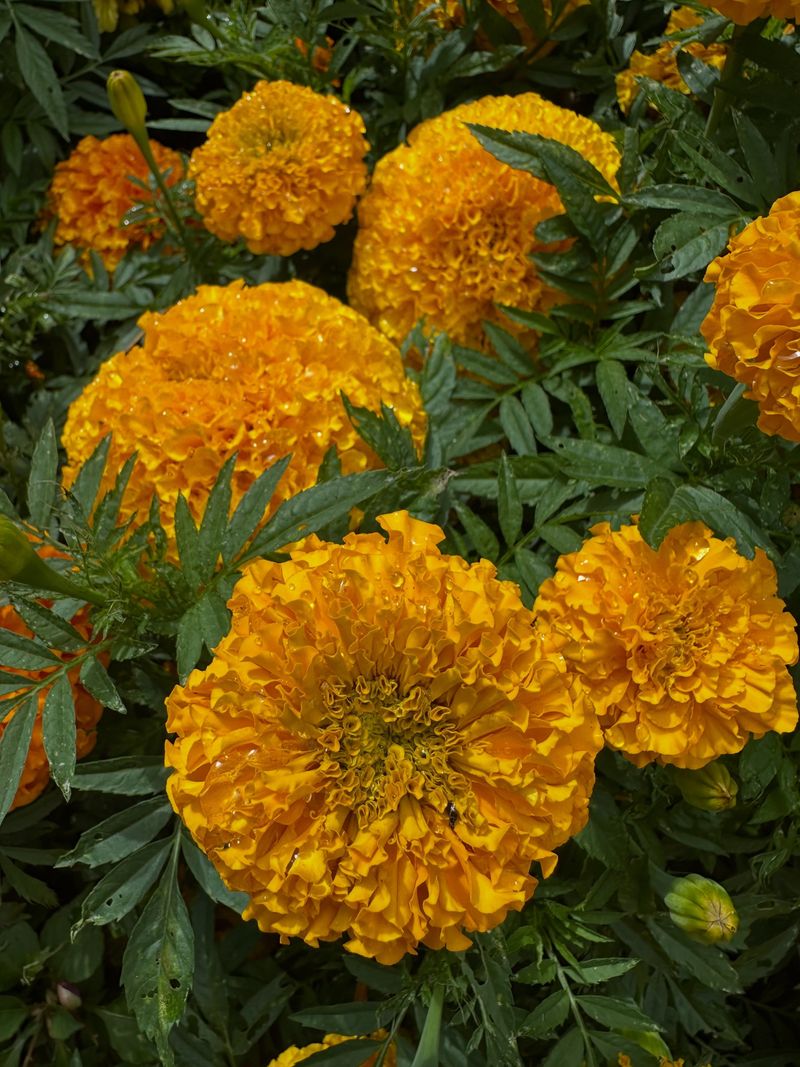
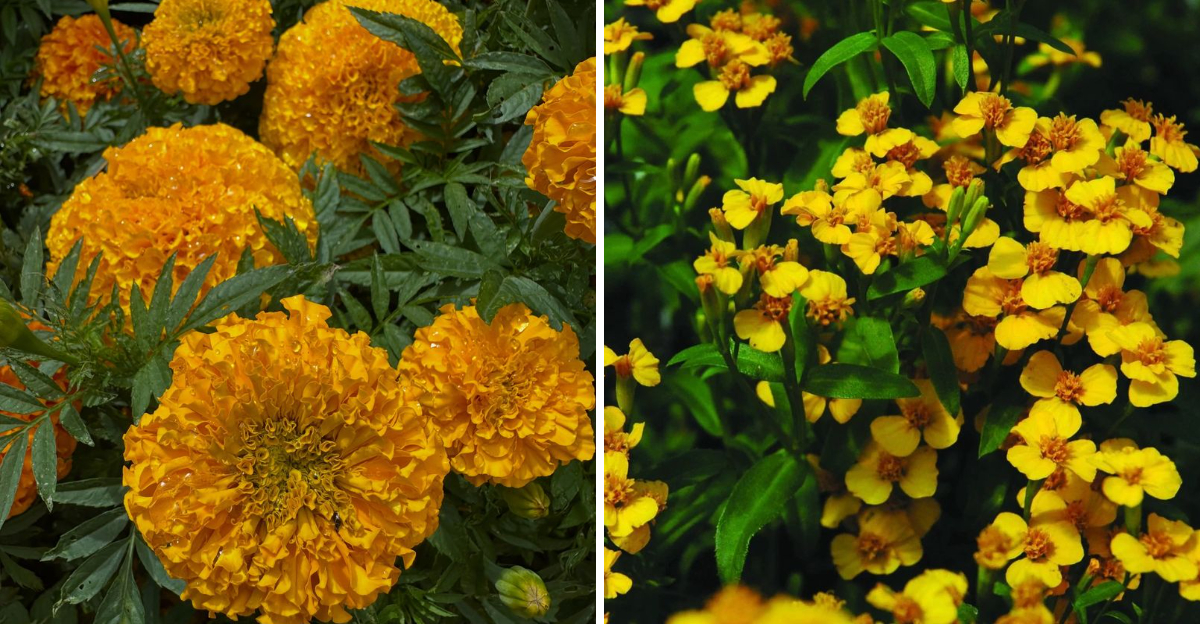
There is something timeless about a marigold in full bloom. Their bold yellow and orange flowers feel like sunshine captured in a petal, and when you plant them in late August after a good rain, they settle in quickly and keep going strong deep into fall.
Marigolds have been a garden favorite for generations, and it is easy to understand why. Large-flowered marigold varieties, sometimes called Mari-Mums, are especially showy.
Your Texas Garden Changes Every Week. Your Plan Should Too.
Gardening in Texas changes quickly throughout the season. Every Friday you’ll receive a simple weekly plan showing exactly what to plant, prune, fertilize, harvest, and protect so you never miss the right timing.
Their blooms can be as big as a small fist, creating dramatic pops of warm color in any garden bed or container.
These varieties are sturdy enough to handle Texas heat while still looking fresh and full as cooler fall days arrive.
Marigolds prefer full sun and well-drained soil. They do not need much fertilizer, and overfeeding them can actually lead to more leaves and fewer flowers.
A simple balanced fertilizer applied once after planting is usually enough to get them off to a great start.
One of the most practical benefits of marigolds is their natural pest-repelling quality. Their strong scent keeps many common garden pests away, making them an excellent companion plant for vegetables and other flowers.
Plant them along borders or near tomatoes and peppers for added protection. Deadheading spent blooms regularly keeps the plant producing new flowers at a steady pace.
With minimal care, marigolds can fill your garden with warm fall color from late summer all the way until a hard frost ends the season. They are reliable, affordable, and absolutely beautiful in any Texas fall garden.
3. Gregg’s Mistflower
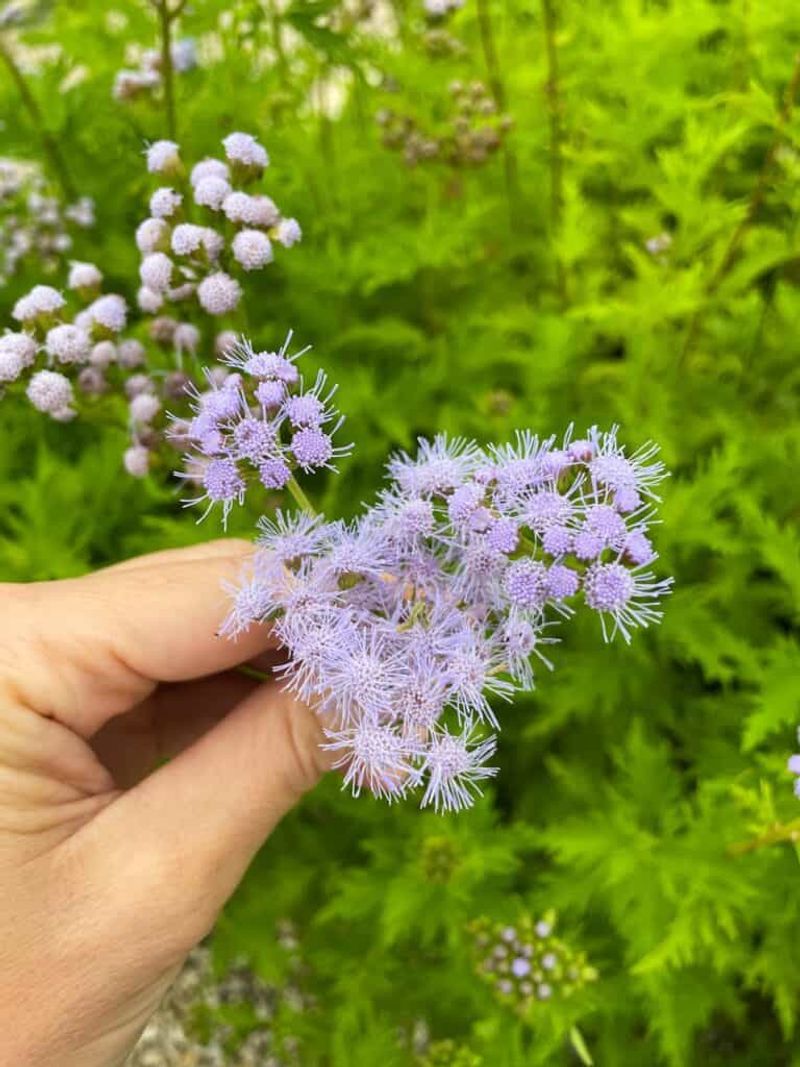
Walk past a patch of Gregg’s Mistflower on a warm fall afternoon and you will likely see it covered in butterflies.
This native Texas plant produces stunning clusters of blue-lavender flowers that peak right at the time when most summer flowers are starting to fade. Planting fresh transplants right after a late-summer rain gives them the best possible start.
The warm soil left over from summer helps roots establish quickly, and the moisture from recent rain reduces transplant stress.
Gregg’s Mistflower is a low-growing perennial that spreads easily once it settles in, making it a great choice for filling in bare spots along garden borders or naturalized areas.
Full sun to partial shade works well for this plant. It is highly drought-tolerant once established, which is a big plus for Texas gardeners who deal with unpredictable rainfall.
However, giving it consistent moisture during the first few weeks after planting helps it get rooted before drier conditions set in.
One of the most exciting things about Gregg’s Mistflower is its role as a pollinator magnet. Monarch butterflies and other migrating species rely on late-blooming flowers like this one as a fuel source during their long journey south.
Planting it means you are supporting local wildlife while also enjoying beautiful color in your own yard.
The plant stays relatively compact, usually reaching about one to two feet tall. It works beautifully as a ground cover or border plant.
With almost no fuss required after establishment, Gregg’s Mistflower is one of the smartest choices a Texas gardener can make for fall color.
4. Mexican Mint Marigold
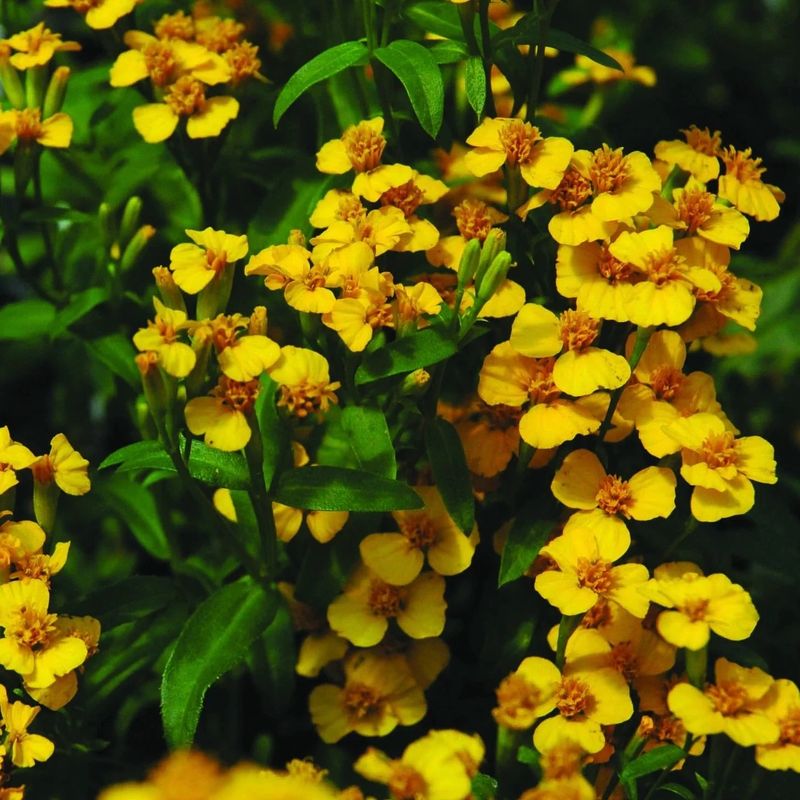
Bright yellow flowers and a sweet anise-like fragrance make Mexican Mint Marigold one of the most charming plants in a Texas fall garden. What makes it even more special is the timing of its blooms.
As days grow shorter in fall, this plant responds by putting on its most impressive floral show, almost as if it thrives on the changing season.
Unlike some plants that struggle when moved late in the season, container-grown Mexican Mint Marigold transplants beautifully well into fall.
This flexibility gives gardeners a longer window for planting, especially useful if you missed the late-August rush after summer rains.
The plant settles in quickly and begins blooming without much delay. Mexican Mint Marigold loves full sun and well-drained soil. It handles heat well and becomes increasingly drought-tolerant as it matures.
Avoid overwatering because soggy soil can cause root problems. A light layer of mulch around the base helps retain moisture and keeps the roots comfortable during temperature swings.
Beyond its beauty, this plant is also edible and useful in the kitchen. Its leaves carry a tarragon-like flavor that works well in teas, salads, and cooking.
In many parts of Texas and Mexico, it has been used as an herb for generations. Planting it means you get both a gorgeous garden display and a handy culinary ingredient.
The cheerful yellow blooms last well into the fall season and are especially striking when planted in groups. Pair them with purple or blue flowers like asters for a color combination that looks absolutely stunning on a crisp autumn afternoon.
5. Fall Aster
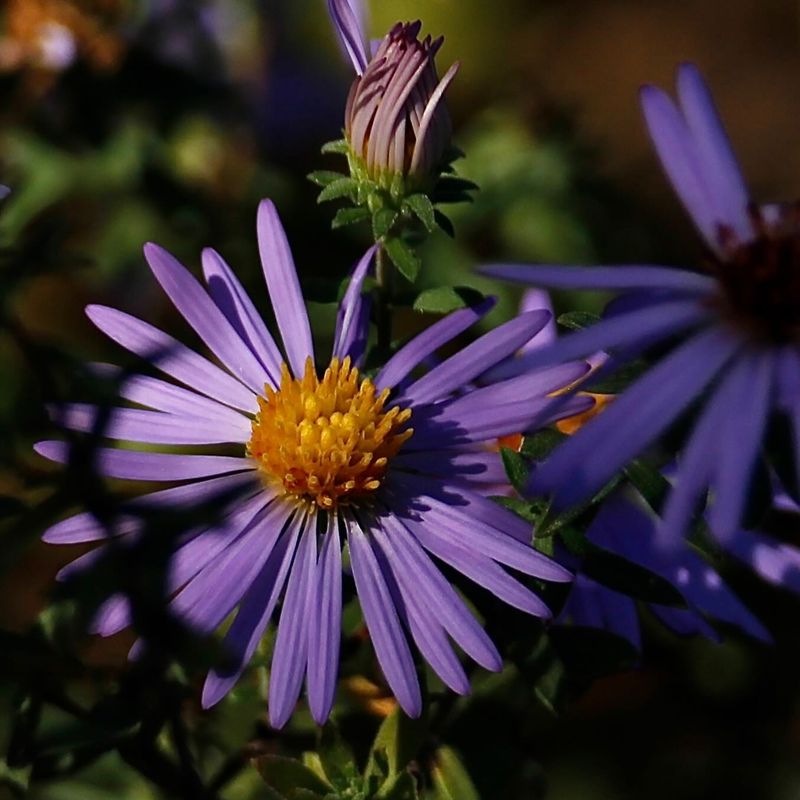
Purple is the color of fall in Texas, and nothing delivers that purple better than Fall Aster. Just when the summer flowers start winding down, Fall Aster steps up and fills the garden with cheerful, daisy-like blooms from late summer all the way into autumn.
Gardeners across the state love it for its reliable timing and low-maintenance personality.
Planting Fall Aster right after a late-summer rain gives transplants the moisture they need to get rooted without too much stress. The warm soil speeds up root development, and once established, this tough native plant requires very little extra attention.
It adapts well to a variety of soil types, including the rocky or clay-heavy soils common across much of Texas.
Full sun brings out the best bloom production, but Fall Aster also tolerates partial shade reasonably well. Water it regularly during the first few weeks after planting, then scale back as the plant becomes established.
Overwatering is rarely a problem in well-drained beds, but avoid planting in low spots where water tends to pool.
One fun fact about Fall Aster is that it spreads by both seed and underground runners, so over time it can form a beautiful, dense colony of purple flowers.
This spreading habit makes it excellent for naturalizing large areas or filling in slopes where other plants struggle to grow.
Butterflies and bees absolutely love Fall Aster, and watching pollinators visit the blooms on a warm October afternoon is a genuinely delightful experience.
Its vibrant purple color pairs beautifully with the yellows and oranges of marigolds and zinnias for a full, rich fall color palette.
6. Autumn Sage
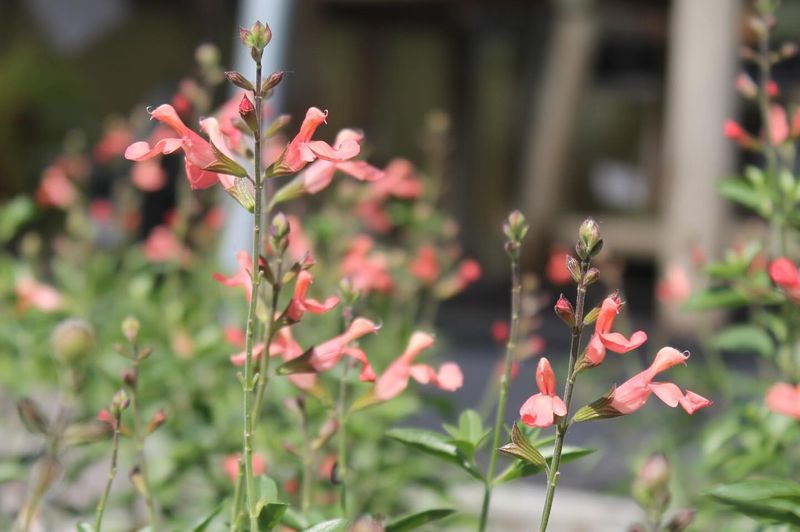
Hummingbirds show up like little flying jewels wherever Autumn Sage is growing, and that alone makes this plant worth every bit of garden space it takes up.
A true Texas native, Autumn Sage produces clusters of tubular flowers in red, pink, orange, or purple that bloom continuously from late summer well into fall. It is one of the most dependable flowering plants you can add to a Texas landscape.
What sets Autumn Sage apart from many other fall bloomers is its incredibly low water needs once it gets established. Texas summers can be brutal on plants that need frequent watering, but Autumn Sage handles dry spells without complaint.
Plant it after a late-summer rain, give it a few weeks of regular watering to settle in, and then step back and let it do its thing.
Well-drained soil and full sun are the two main things this plant needs to truly thrive. Heavy clay soils that hold water for long periods can cause trouble, so amending the planting area with compost or sand improves drainage significantly.
Raised beds are another great option if your yard tends to stay wet after rain. Autumn Sage typically grows two to three feet tall and wide, making it a perfect mid-border plant.
Pruning it back lightly in late summer encourages a fresh flush of new growth and flowers just in time for the fall season. It responds well to trimming and bounces back quickly.
Its cheerful blooms and wildlife-friendly qualities make Autumn Sage a true standout in any Texas fall garden, season after season.
7. Mexican Bush Sage
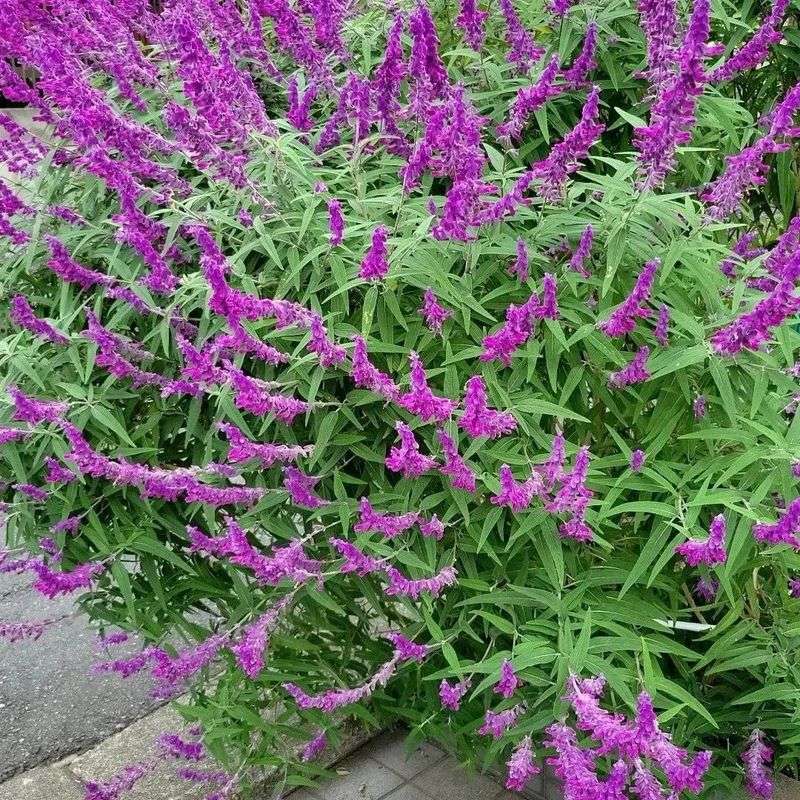
If you want drama in your fall garden, Mexican Bush Sage delivers it in the most spectacular way possible. Long, velvety purple-and-white flower spikes shoot up from arching stems and create a bold, eye-catching display that stops people in their tracks.
This plant is the showstopper of the fall Texas garden, and it earns that title every single year.
Planting Mexican Bush Sage right after a late-summer rain gives it the moisture boost it needs to establish strong roots before the cooler fall temperatures arrive. It grows quickly once settled in, often reaching four to five feet tall by peak bloom time.
Give it plenty of space because this is not a small, delicate plant. It fills a garden bed with bold, architectural presence.
Full sun and well-drained soil are non-negotiable for Mexican Bush Sage. It thrives in the kind of hot, sunny Texas conditions that would stress out many other plants.
Once established, it becomes highly drought-tolerant, needing only occasional deep watering during extended dry periods.
Hummingbirds and butterflies are strongly attracted to the long flower spikes, making your garden a hub of wildlife activity throughout fall.
The contrast between the soft purple petals and the fuzzy white calyces gives the flowers a unique two-toned look that stands out beautifully against the plant’s silver-green foliage.
At the end of the season, cut the plant back hard to encourage vigorous new growth in spring. Mexican Bush Sage often returns reliably in warmer Texas regions, giving you another stunning fall display the following year with very little effort on your part.