What California Gardeners Should Know Before Using Pebbles Around Plants
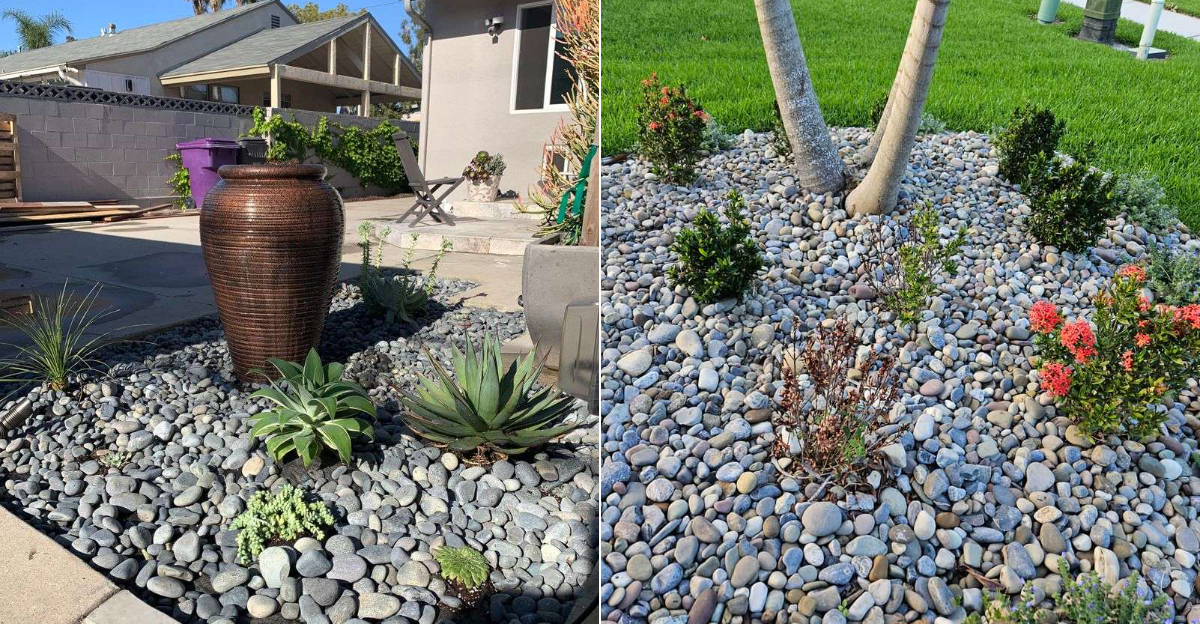
Pebbles can make a California garden look instantly cleaner, like the yard got dressed up for company. But that polished look can come with sneaky trade-offs.
Around plants, stone can change how heat, moisture, and roots behave in ways gardeners may not expect.
What looks low-maintenance in spring can feel very different once summer sun starts baking patios and beds.
The issue is not that pebbles are always bad. It is that placement matters more than people think.
Before you spread them around every shrub, border, or container, it helps to know where they help and where they can quietly cause stress. A stylish garden should not accidentally turn the root zone into a tiny oven.
1. Pebbles Heat Up Faster Than Organic Mulch
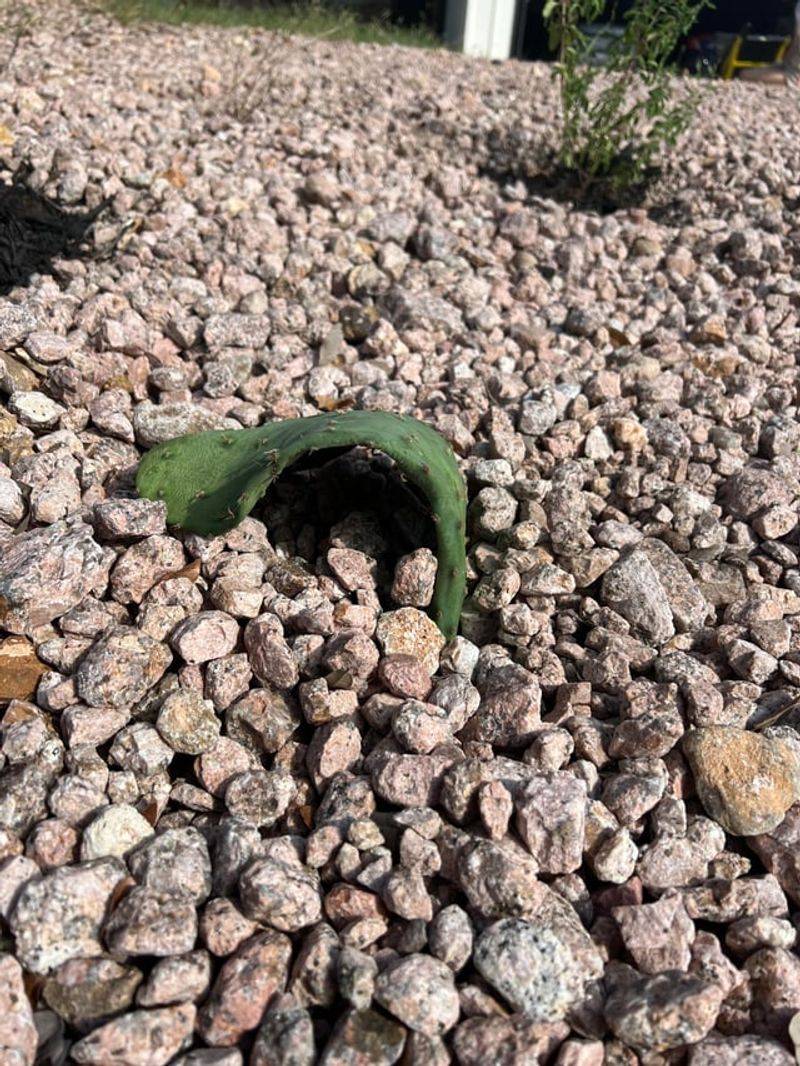
On a hot summer afternoon, touch a patch of dark gravel and then touch the soil under a layer of wood chip mulch. The difference will surprise you.
Pebbles absorb and hold heat much more intensely than organic materials like bark or straw.
In warm, sun-heavy regions of California, ground temperatures under rock mulch can climb well above what most plants prefer. Studies have shown that rock mulch surfaces can reach temperatures of 130 to 160 degrees Fahrenheit on a hot day.
That kind of heat radiates downward into the root zone, which can stress or weaken plants over time.
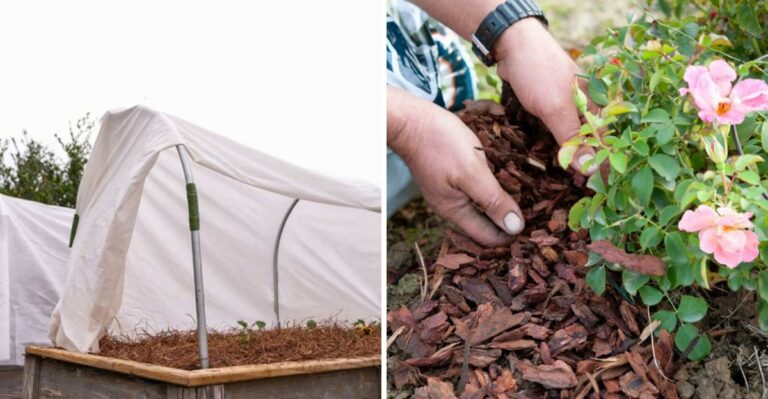
Organic mulch, on the other hand, insulates the soil. It keeps things cooler in summer and warmer in winter.
It also holds moisture, which pebbles simply cannot do. Pebbles allow water to pass through quickly, but they do nothing to slow evaporation from the soil below.
For gardeners in the hot interior valleys or desert-adjacent areas of California, this heating effect is especially worth thinking about. If you are set on using pebbles, try pairing them with deep-rooted, heat-adapted plants.
Also consider using lighter-colored stones, since they reflect more sunlight and absorb less heat than dark gravel. Small choices like this can make a real difference in how your garden performs through the warmest months.
2. Reflected Heat Can Stress Tender Plants
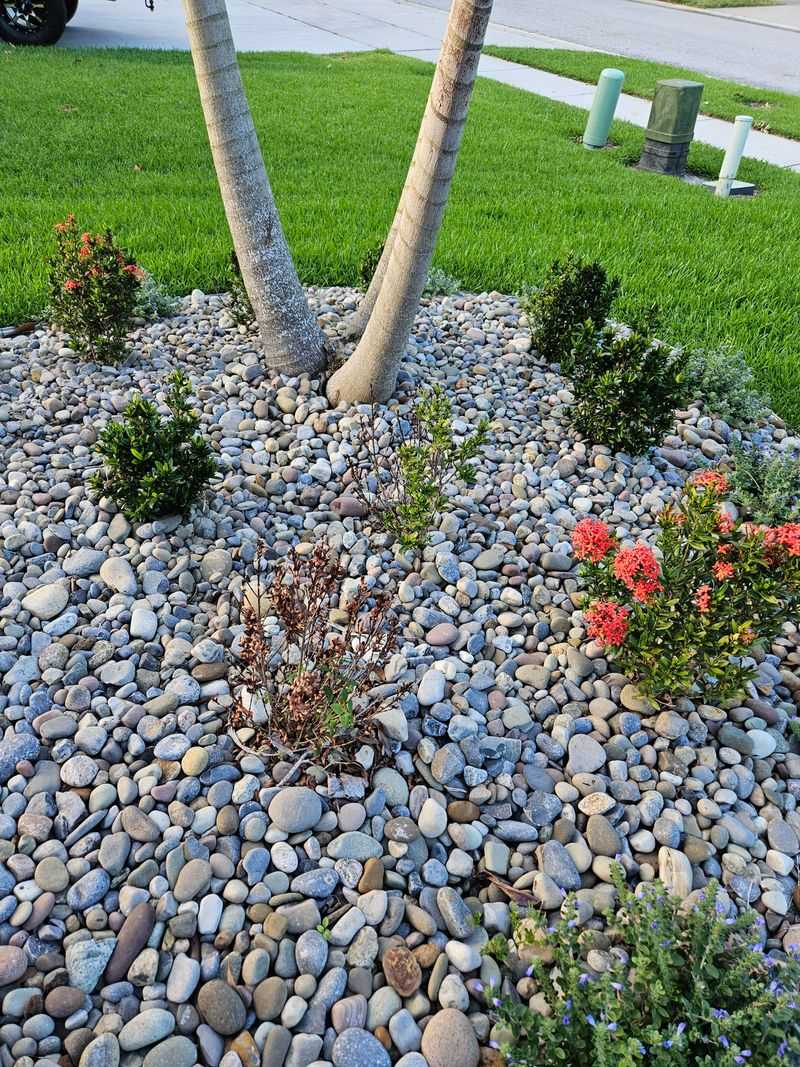
Most people think about heat coming from above, but pebbles create a second heat source from below and from the sides. Light-colored stones can reflect sunlight upward toward leaves, stems, and flower buds.
This reflected heat is different from direct sun exposure and can be harder for plants to manage.
Tender plants, especially those with soft leaves or shallow roots, feel this effect most strongly. You might notice leaf edges turning brown, flowers wilting earlier in the day, or new growth looking dried out even when the plant has been watered.
These are signs that reflected heat is taking a toll.
In coastal areas of California, this issue is less severe because marine fog and breezes help moderate temperatures. But in the Central Valley, the Inland Empire, or the high desert, reflected heat from pebbles can create conditions that push delicate plants to their limit.
One practical fix is to use pebbles only in areas where tougher plants grow. Keep tender perennials, annual flowers, and vegetables away from heavy rock mulch zones.
Your California Garden Changes Every Week. Your Plan Should Too.
Gardening in California changes quickly throughout the season. Every Friday you’ll receive a simple weekly plan showing exactly what to plant, prune, fertilize, harvest, and protect so you never miss the right timing.
You can also create a buffer by placing larger rocks or boulders to cast shade over the pebble surface during peak afternoon hours. Thoughtful placement makes a big difference.
Pebbles are not the enemy, but they do need to be used with the right plants in mind.
3. Drought-Tolerant Plants Handle Pebbles Best
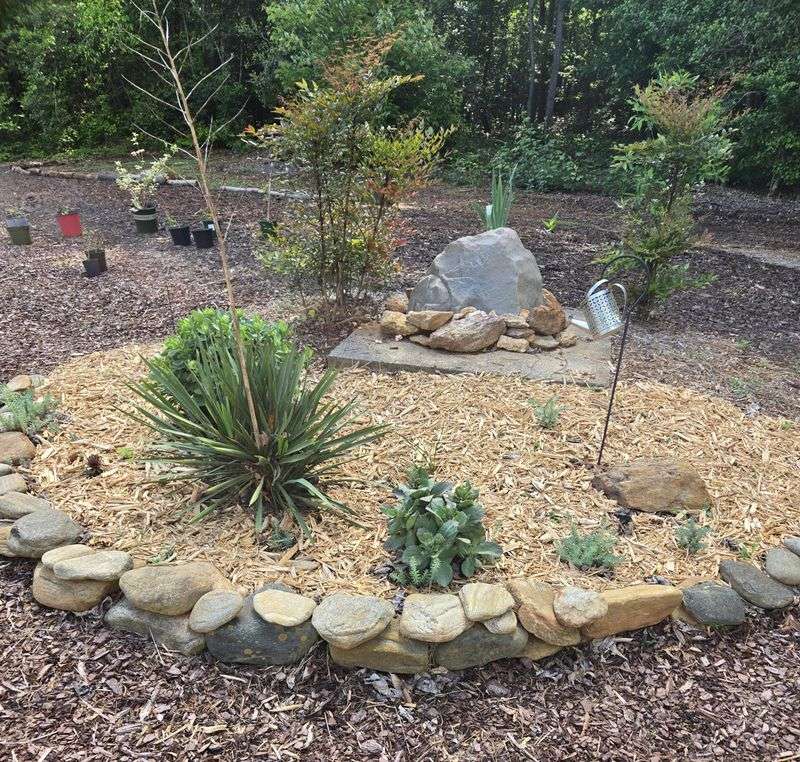
Not every plant struggles with rock mulch. Many drought-tolerant species actually do quite well when pebbles are used around them.
Plants that evolved in rocky, dry environments are naturally built for the kind of conditions that pebbles create.
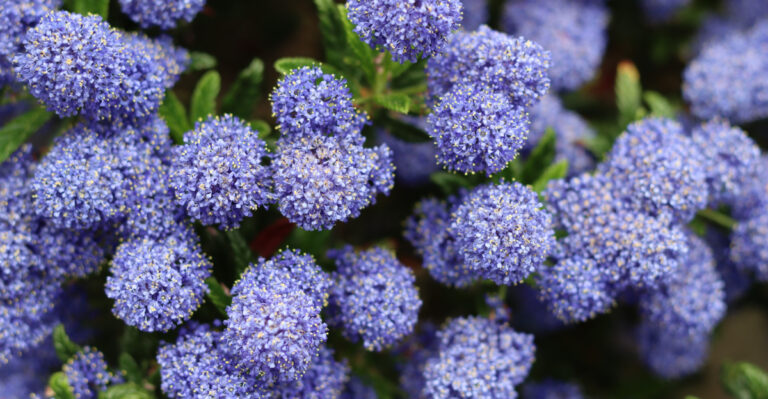
Native plants from California’s chaparral and desert regions are a perfect example. Species like Cleveland sage, toyon, ceanothus, and brittlebush are adapted to hot, dry soil with excellent drainage.
Adding pebbles around these plants mimics their natural habitat and can actually help them thrive.
Mediterranean herbs are another great match. Lavender, rosemary, thyme, and oregano all prefer well-drained soil and full sun.
These plants dislike sitting in moist, heavy soil, and the fast-draining environment that pebbles create suits them perfectly. Rock mulch also reduces the chance of crown rot in these herbs, which is a common problem when organic mulch holds too much moisture against the stems.
Ornamental grasses and succulents are also strong candidates for pebble-mulched beds. They handle heat, low water, and fast-draining soil without much fuss.
If you are planning a low-water garden that looks sharp year-round, pairing these plants with decorative gravel is a smart and beautiful approach. Focus on matching the mulch to the plant, not the other way around, and your garden will be far more successful in the long run.
4. Hydrangeas And Ferns Usually Struggle
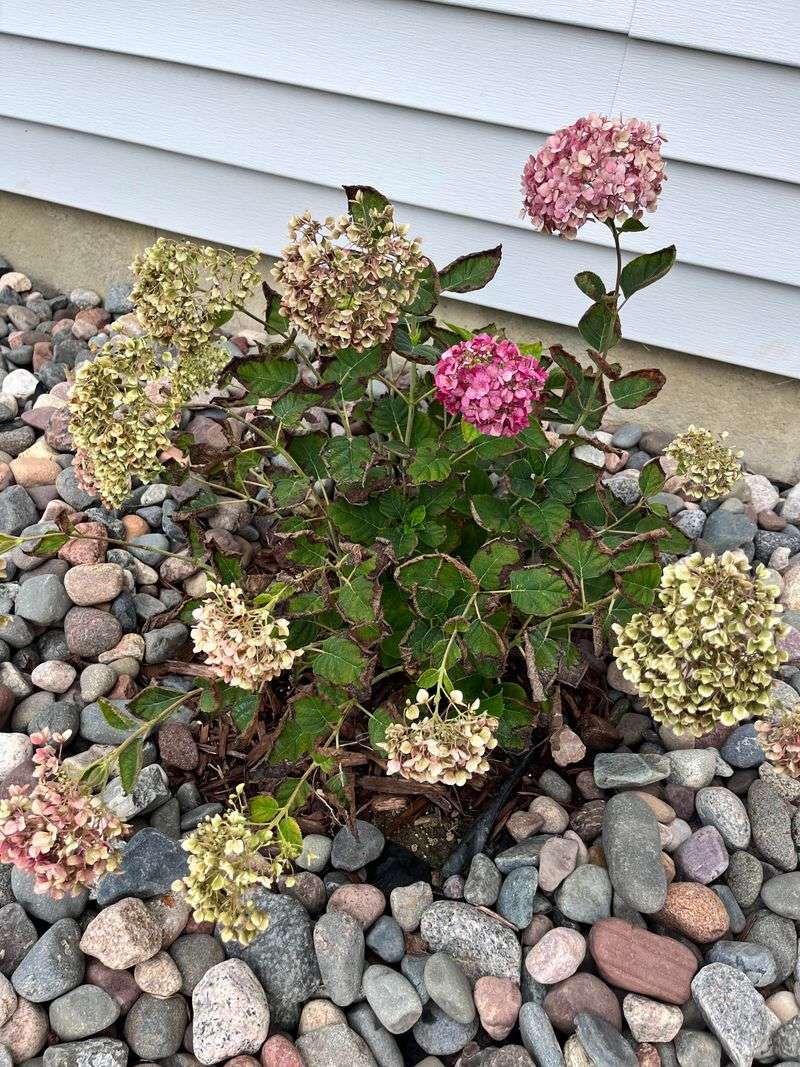
Some plants just are not built for the world that pebbles create. Hydrangeas and ferns are two of the most common examples, and both are popular choices among gardeners in California’s cooler, more humid regions like the Bay Area and coastal Northern areas.
Hydrangeas love moisture. They want consistent soil hydration, cool roots, and protection from harsh afternoon sun.
Rock mulch works against all three of those needs. The heat trapped by pebbles dries the soil faster, and the reflected warmth can scorch large hydrangea leaves.
Even with regular watering, hydrangeas under pebble mulch often look stressed and produce fewer blooms.
Ferns have similar needs. They prefer shaded, moist environments with rich, organic soil.
Pebbles do not add anything to the soil, and they speed up drainage in a way that leaves fern roots without the steady moisture they need. Ferns mulched with pebbles often show browning fronds and slow growth.
For plants like these, organic mulch is a far better choice. Shredded bark, compost, or leaf litter keeps the soil cool, holds moisture, and slowly feeds the root zone as it breaks down.
If you have your heart set on a pebble aesthetic in a shaded, moist garden area, consider using stone edging or decorative rock as accents rather than as full ground cover. Your shade-loving plants will thank you for it.
5. Succulents Still Need Breathing Room
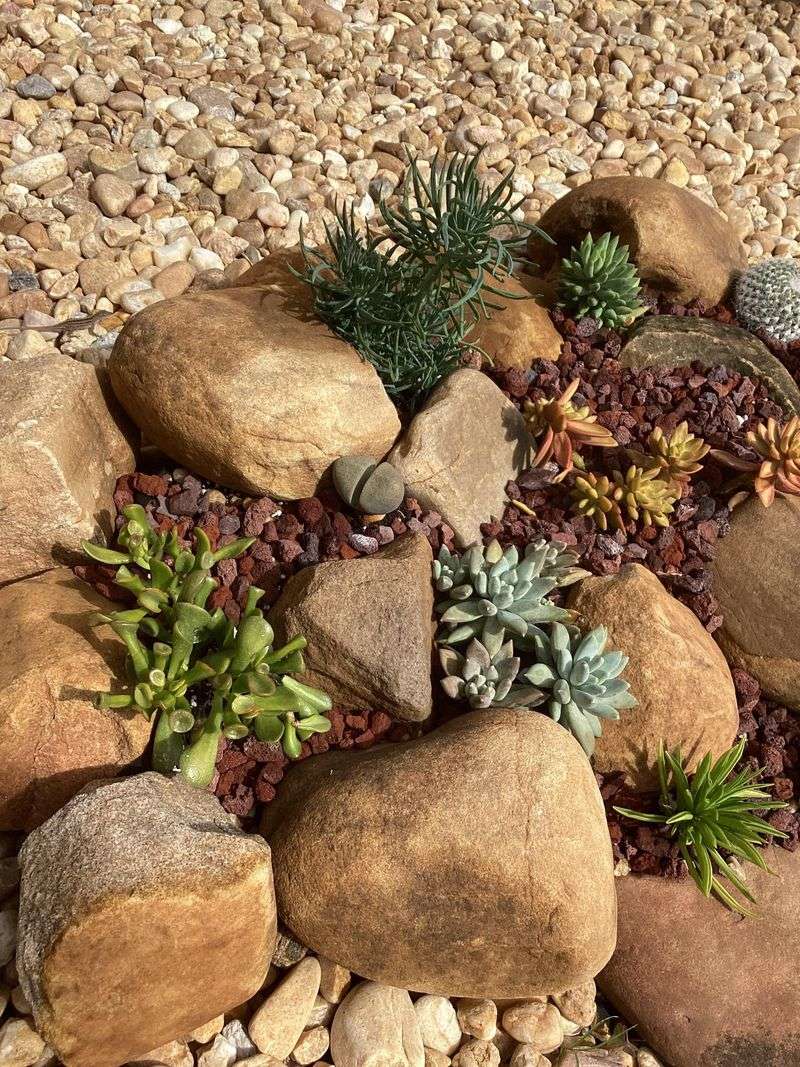
Succulents have a reputation for being nearly indestructible, and while they are tough, they still have preferences. One thing that often surprises gardeners is that even succulents can run into trouble when pebbles are used incorrectly around them.
The main issue is airflow. Succulents store water in their leaves and stems, which means their crowns and lower leaves need good air circulation to stay healthy.
When pebbles are piled too close to the base of a succulent, moisture can get trapped against the plant during foggy mornings or after watering. That trapped moisture creates ideal conditions for rot, which spreads quickly in fleshy plants.
Spacing matters a lot. Leave a small gap between the pebbles and the base of each succulent.
Even an inch or two of open space around the stem can dramatically reduce the risk of rot. Also, make sure the pebbles you choose are not so fine that they pack tightly together.
Coarser gravel allows better drainage and air movement than fine sand or tiny pea gravel.
Another tip is to avoid watering succulents from overhead when pebbles are present. Water pooling in the pebbles near the crown can sit there longer than you expect.
A drip irrigation system that delivers water directly to the root zone is a much smarter setup for succulent beds with rock mulch. Small adjustments like these help succulents truly shine in a pebble garden.
6. Rock Mulch Can Trap Heat Near Roots
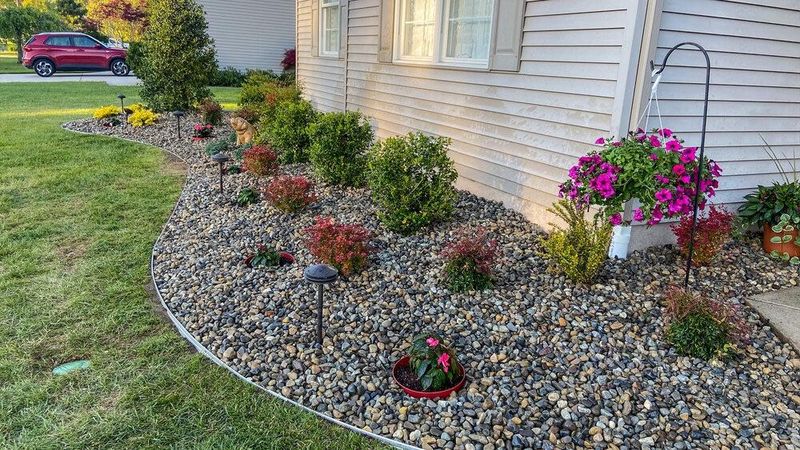
Roots are sensitive. They do not like extreme temperature swings, and they especially do not like prolonged exposure to high heat.
When pebbles cover the soil surface, they act like a solar panel, collecting heat all day and releasing it slowly into the ground below.
This heat transfer reaches the root zone, which sits just a few inches below the surface for many common garden plants. Shallow-rooted plants like petunias, impatiens, and strawberries are particularly vulnerable.
Their roots have nowhere to escape the warmth coming from above.
California’s inland regions, where summer temperatures regularly push past 100 degrees Fahrenheit, this effect is amplified. The soil under dark-colored rock mulch can stay warmer even at night, which prevents roots from getting the cooler recovery period they need after a brutal summer day.
One way to reduce root heat stress is to lay a thin layer of organic material directly on the soil before adding pebbles on top. A half-inch of compost or fine bark under the rock layer creates a buffer that insulates the root zone from the worst of the heat.
You still get the look of a clean, modern pebble garden, but your plants have a layer of protection underneath. It is a simple trick that many experienced gardeners in hot climates use and one worth adding to your own routine.
7. Weed Fabric Makes Future Planting Harder
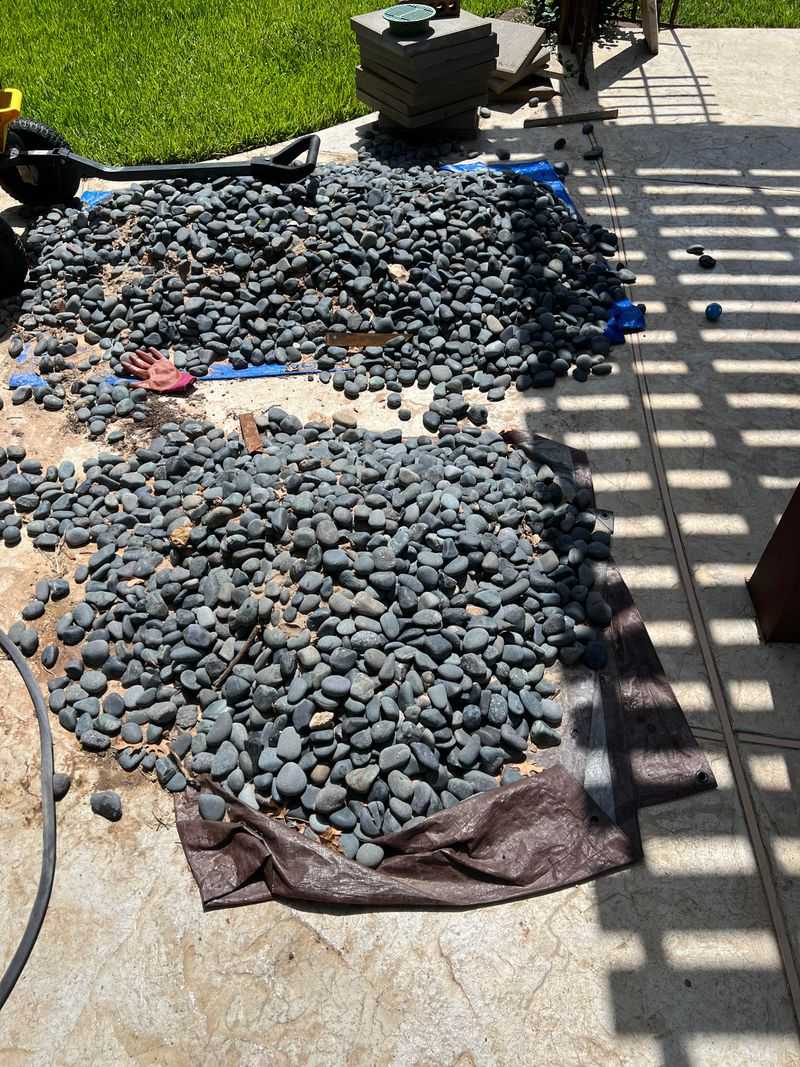
Many gardeners lay weed fabric under pebbles to stop weeds from pushing through. It sounds like a smart idea, and in the short term, it works pretty well.
But a few years down the road, that fabric can become a real headache.
Over time, weed seeds blow in and settle on top of the pebbles. Roots from nearby plants grow down into the fabric and through it.
Organic debris like leaves and dust accumulates on the surface and turns into a thin layer of soil. Weeds start growing in that surface layer, rooted right into the fabric itself.
At that point, pulling weeds means fighting through both the plants and the material underneath.
Weed fabric also makes it very difficult to add new plants. If you want to move things around or add a new shrub, you have to cut through the fabric, deal with the roots tangled in it, and then try to patch everything back together.
It turns a simple garden update into a major project.
A better approach for most home gardens is to skip the weed fabric entirely. Use a thick layer of pebbles instead, at least two to three inches deep.
That depth alone blocks most weeds without creating a long-term barrier problem. You can also spot-treat any weeds that do appear without the frustration of working around buried fabric.
Simplicity usually wins in the garden.
8. Pebbles Don’t Feed The Soil
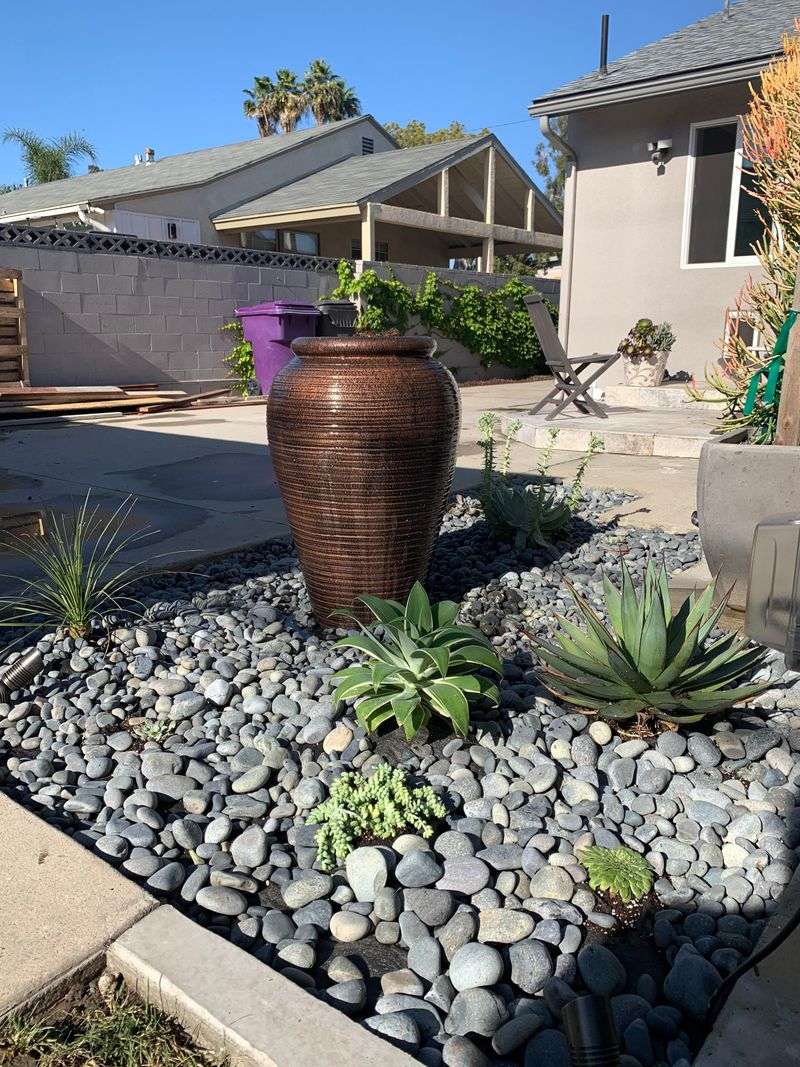
Healthy soil is alive. It is full of bacteria, fungi, earthworms, and other tiny organisms that break down organic matter and release nutrients that plants absorb through their roots.
This living system depends on a steady supply of organic material from above, and that is where mulch plays a critical role.
Organic mulches like wood chips, straw, or shredded leaves slowly decompose over time. As they break down, they feed the soil food web, improve soil structure, and increase the soil’s ability to hold water.
Pebbles do none of that. They are inert.
They sit on top of the soil and contribute nothing to its health or fertility.
Over several years, gardens mulched only with rocks often develop increasingly poor soil beneath the surface. The soil becomes compacted, loses organic matter, and supports fewer beneficial organisms.
Plants growing in that soil may look fine at first, but they gradually become weaker and more dependent on added fertilizers to survive.
The fix is straightforward. Fertilize regularly in pebble-mulched gardens and work compost into the soil around your plants each spring.
Pull back the pebbles, add a generous layer of compost directly on the soil, and then replace the pebbles on top. Doing this once a year keeps your soil biologically active and gives your plants the nutrients they need to stay strong and productive throughout the growing season.