These 8 Things In Your Oklahoma Yard Attract Coyotes
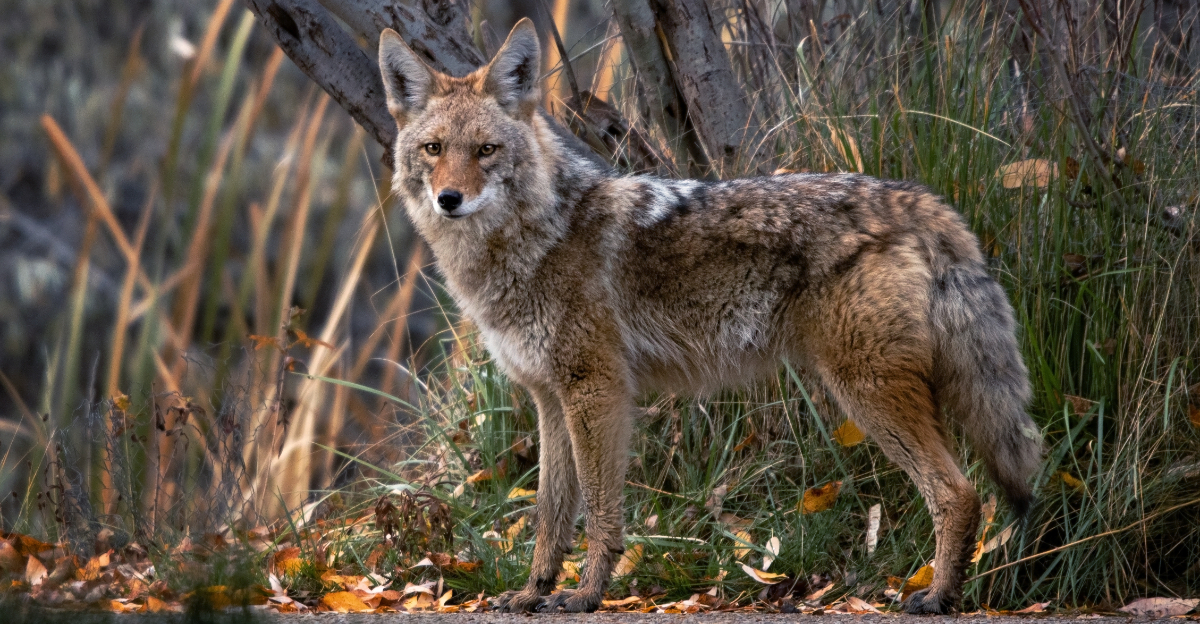
Coyotes are not lost. They know exactly where they are going, and in Oklahoma, they are increasingly heading straight into residential yards.
What most people miss is that coyotes are not being pushed in by hunger alone. They are being pulled in by something specific. Your yard may be doing it without you knowing.
A single attractant is enough to establish a habit, and once a coyote decides a yard is reliable, it shares that information. These animals travel in family groups, and they communicate.
What starts as one sighting can quietly become a regular pattern. Before that happens, it helps to understand exactly what is making Oklahoma yards so appealing in the first place.
Pet Food Left Outside
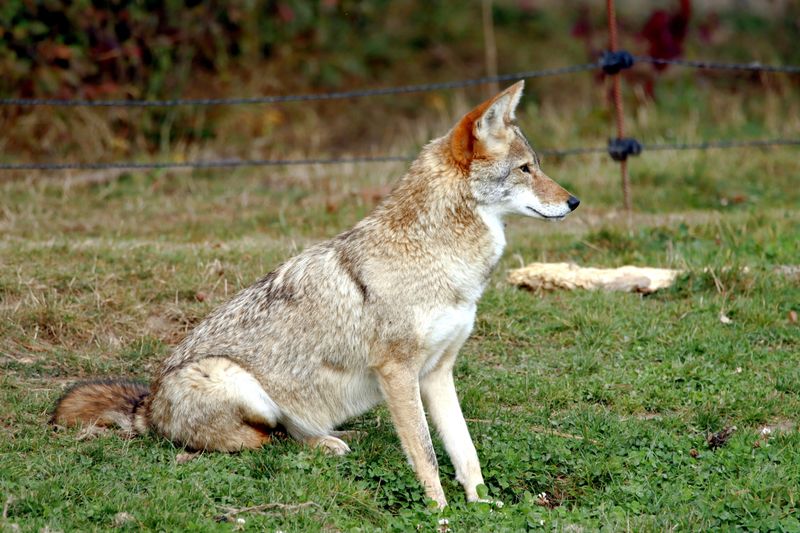
That bowl of kibble you left on the porch? To a coyote, it smells like a free buffet with no reservation required.
Pet food is one of the most powerful attractants coyotes encounter in residential areas. The strong scent of wet or dry food travels surprisingly far on an Oklahoma breeze.
As opportunistic feeders with sharp noses, coyotes can pick up food scents from a considerable distance, especially in open or lightly developed areas.
Once a coyote finds an easy meal near your home, it will return night after night. That pattern quickly becomes a habit that is hard to break.
The fix is simple but requires consistency. Bring all pet bowls inside before sunset, every single evening without exception.
If you feed stray cats or outdoor animals, this applies to them too. Any food left accessible after dark is an open invitation for wildlife.
Some homeowners use covered storage containers to hold pet food outdoors during the day. This reduces scent and keeps the food out of reach from scavenging animals.
Automatic feeders with timers can also help you control when food is available. Set them to dispense during daylight hours only, then bring them in at night.
Oklahoma neighborhoods near open fields or wooded areas face a higher risk. Coyotes in those zones are already comfortable moving close to homes.
Staying disciplined about pet food is one of the easiest wins you can get. A clean porch sends a clear message: nothing to see here.
Bird Feeders And The Rodents They Attract
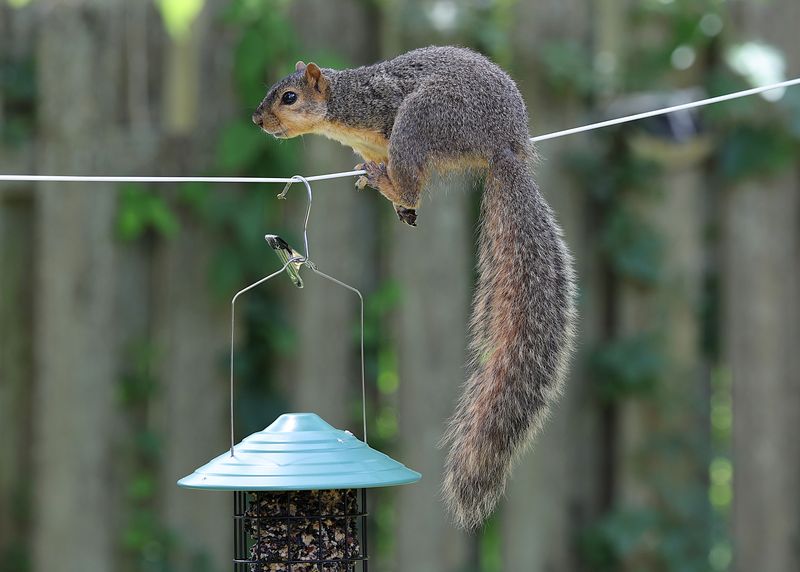
Bird feeders look innocent hanging from your oak tree, but what falls beneath them tells a different story.
Seeds drop constantly from feeders, piling up on the ground below. That spilled seed attracts mice, rats, and squirrels almost immediately.
Coyotes do not come for the birds. They come for the rodents that gather below the feeder every single day.
Think of your bird feeder as a two-step trap. Step one: seeds attract small mammals. Step two: small mammals attract coyotes.
This chain reaction happens faster than most homeowners expect. A new feeder can attract rodents relatively quickly, and where rodents become active, coyotes are likely to follow.
Switching to no-waste bird seed blends helps significantly. These mixes contain hulled seeds that birds eat cleanly without dropping shells and scraps.
Your Oklahoma Garden Changes Every Week. Your Plan Should Too.
Gardening in Oklahoma changes quickly throughout the season. Every Friday you’ll receive a simple weekly plan showing exactly what to plant, prune, fertilize, harvest, and protect so you never miss the right timing.
You can also place a tray beneath the feeder to catch falling seeds. Empty that tray every evening before the sun goes down.
Positioning matters too. Hang feeders far from dense shrubs or brush where rodents like to nest and hide.
If you notice chewed seed bags in your garage or shed, that is a sign rodents are already active nearby. Address that issue quickly before coyotes catch on.
Some bird lovers take their feeders inside during the warmer months when coyote activity peaks across the state. Seasonal adjustments can make a real difference.
Loving birds and keeping coyotes away are not mutually exclusive goals. A few smart habits protect both your wildlife hobby and your yard.
Fallen Fruit Beneath Trees
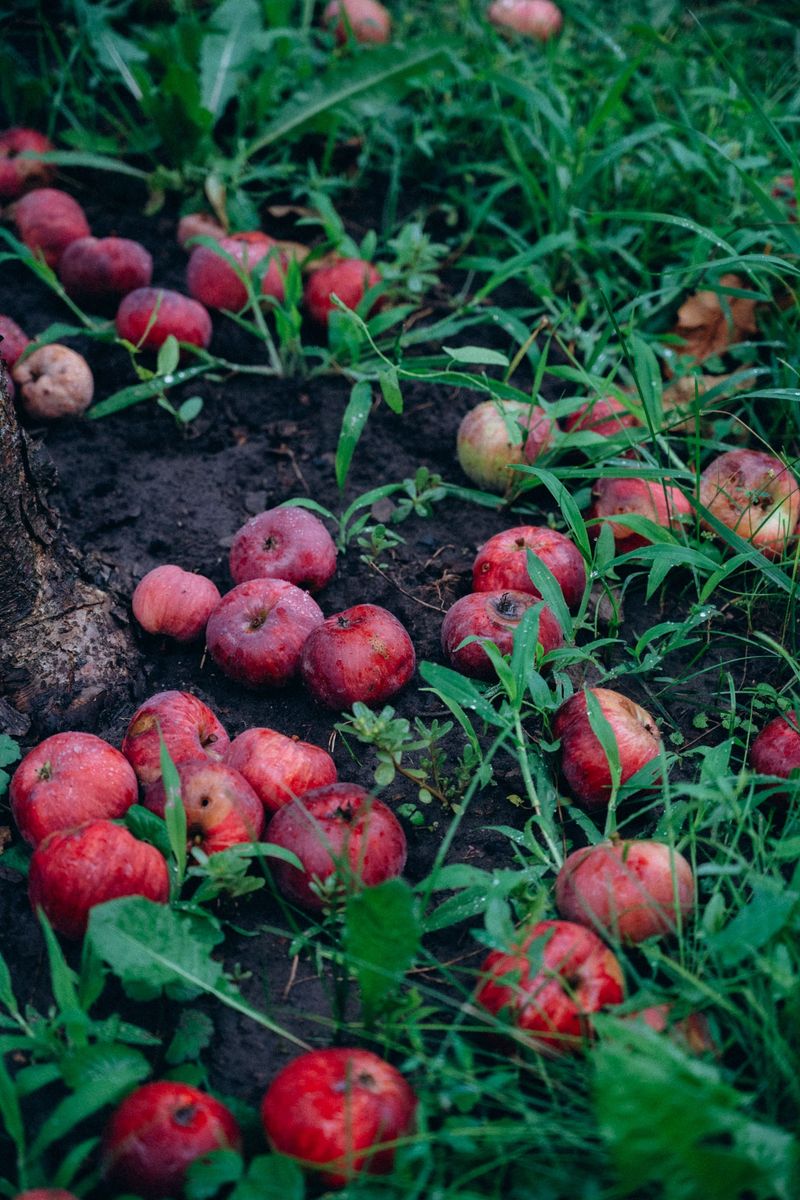
Peach trees, apple trees, and pear trees are beloved features of many Oklahoma yards. But what falls from those branches can cause a real problem.
Rotting fruit on the ground releases a strong, sweet scent that carries through the air and reaches wildlife from a surprising distance. Coyotes have an exceptional sense of smell and no interest in passing up a free snack.
Fruit also attracts insects, deer, and small rodents. Where those animals gather, coyotes are not far behind.
The ground beneath a fruit tree in late summer can become a wildlife magnet almost overnight. Staying ahead of fallen fruit is essential during peak harvest months.
Walk your yard every morning and collect any fruit that dropped overnight. Even small, unripe pieces should be gathered and disposed of properly.
Do not toss fallen fruit into an open compost pile near your yard. That moves the problem rather than solving it.
Bagging fallen fruit and placing it in a sealed trash can is the safest option. Keep that can secured with a locking lid to prevent further issues.
If you have more fruit than you can manage, consider harvesting early or trimming branches to slow production. Sharing with neighbors or donating to food banks works great too.
Fruit trees are worth keeping, but they require active management during certain seasons. A little daily effort prevents a much bigger headache later.
Coyotes that find fruit once will check that same spot again. Do not let your beautiful tree become their favorite snack stop.
Unsecured Trash Cans

Nothing says welcome like an overturned trash can spilling chicken bones and leftovers across your driveway at midnight.
Coyotes are incredibly resourceful scavengers. A standard plastic trash can with a loose lid offers almost no resistance to a determined animal.
The smell of food waste travels far, especially on warm Oklahoma nights when temperatures stay high after sunset. Coyotes can sniff out a promising trash can from a surprising distance.
Once they find a reliable food source at your curb, they remember it. That memory keeps them coming back week after week.
Upgrading to heavy-duty trash cans with locking lids is one of the smartest investments a homeowner can make. Look for models specifically designed to resist wildlife tampering.
Bungee cords stretched across the lid add a second layer of protection. They are cheap, easy to use, and surprisingly effective.
Storing trash cans inside your garage or a locked shed until collection day removes the problem entirely. Coyotes cannot smell what they cannot access.
Rinsing food containers before tossing them reduces the scent load inside the can. Less smell means less interest from curious animals passing through.
Avoid placing trash cans at the curb the night before pickup if possible. Setting them out on the morning of collection dramatically reduces overnight exposure.
A secured trash can is one of the simplest ways to make your yard less appealing to coyotes. Small changes in routine lead to big results over time.
Compost Piles With Food Scraps
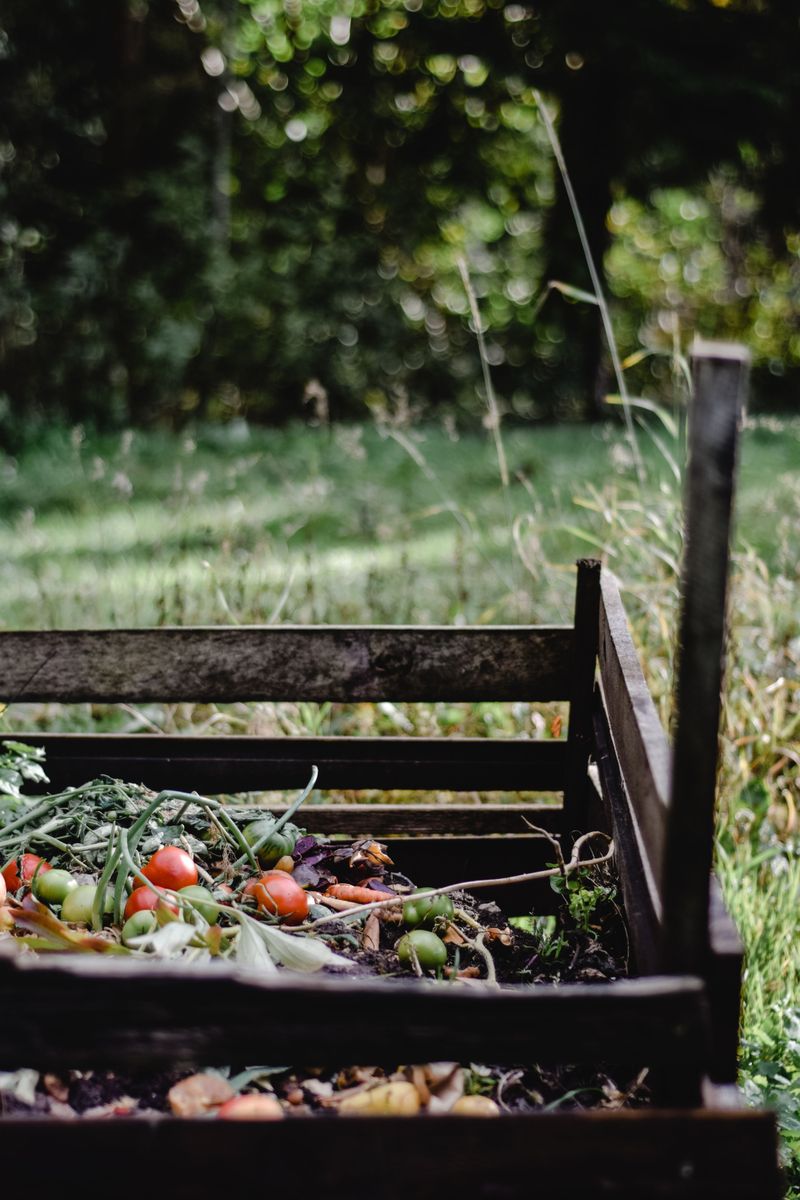
Composting is genuinely good for the environment and your garden. But an open pile loaded with food scraps can quietly become a coyote magnet.
Meat scraps, dairy products, and cooked food in a compost pile are especially problematic. These items release intense odors that attract scavengers quickly.
Even plant-based scraps like fruit peels and vegetable trimmings can draw attention. As organic material breaks down, it releases odors that wildlife can detect from a distance.
The good news is that you do not have to stop composting. You just need to make a few adjustments to how and where you do it.
Enclosed compost bins with tight-fitting lids make a real difference. They contain odors, speed up decomposition, and keep animals from accessing the contents.
Avoid adding meat, fish, bones, or dairy to your compost pile. Stick to plant-based materials only to minimize the scent footprint of your pile.
Turning your compost regularly helps break down materials faster. Faster decomposition means less lingering smell and fewer curious visitors at night.
Place your compost bin as far from the house as practical while still being convenient to access. Distance from the home adds a layer of separation between wildlife and your living space.
Some composters use carbon-rich materials like dried leaves to layer over food scraps. This helps mask odors and improves the overall composting process.
A well-managed compost pile does not have to be a liability. With the right setup, you can feed your garden without feeding the local coyote population.
Standing Water Sources In The Yard
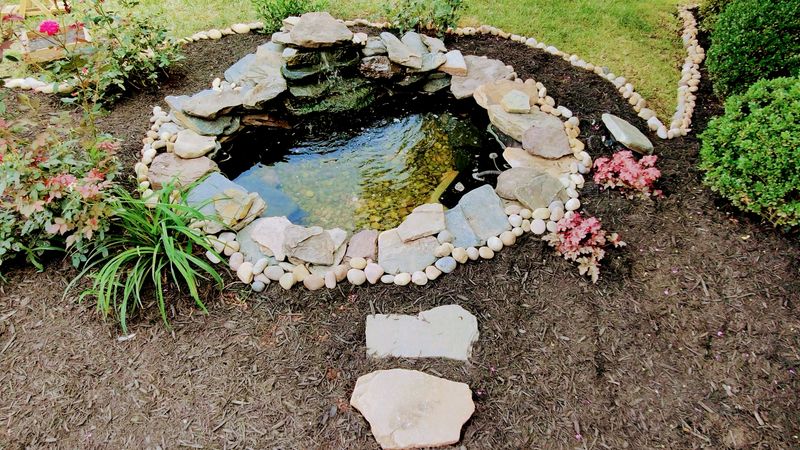
Water is life, and coyotes know it. During dry Oklahoma summers, a yard with standing water becomes one of the most attractive spots in the neighborhood.
Birdbaths, low-lying puddles, decorative ponds, and even pet water bowls left outside all qualify as water sources. Each one sends a signal that your yard meets a basic survival need.
Coyotes are not picky about where they drink. A puddle left by a leaky hose or a low spot that collects rain is enough to bring them in.
Oklahoma summers are hot and dry, and drought conditions push wildlife closer to residential areas. In drier stretches of summer, your yard could be one of the more accessible water sources in the immediate area.
Bringing pet water bowls inside at night is an easy first step. If your dog drinks outside, fill the bowl fresh each morning and empty it before dusk.
Decorative ponds are trickier to manage but not impossible. Motion-activated lights or sprinklers near the water can deter nighttime visits without harming the feature.
Check your yard for areas where water pools after rain. Filling low spots with soil or gravel improves drainage and removes the attraction.
Fix leaky outdoor faucets and irrigation systems promptly. Even a slow drip creates a reliable water source that animals will find and return to.
Birdbaths can be elevated and placed near windows so you can monitor activity. Bringing them in at night during peak coyote season is a smart seasonal habit.
A dry yard is a less interesting yard to wildlife. Controlling water access is a quiet but powerful step toward coyote prevention.
Dense Vegetation And Brush Piles
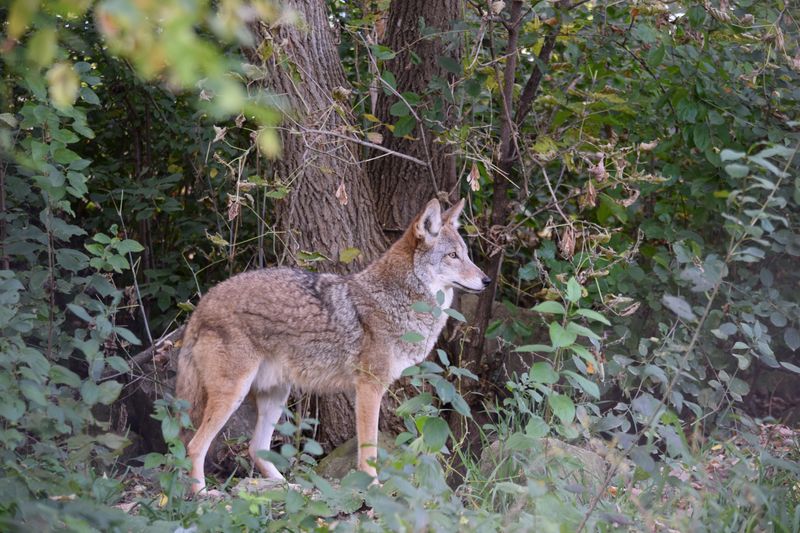
Coyotes are not just passing through your yard. They are looking for a place to rest, hide, and hunt without being noticed.
Dense shrubs, tall unmowed grass, and stacked brush piles offer exactly the kind of cover they prefer. Your overgrown back corner might feel like a nature retreat to you, but to a coyote it feels like home.
Brush piles also harbor the small animals that coyotes hunt. Rabbits, mice, and voles love nesting in dense, undisturbed vegetation.
That combination of shelter and prey in one spot is enough to keep coyotes coming back.
Mowing regularly and keeping grass trimmed reduces the appeal of your yard as a hiding spot. Coyotes prefer areas where they can move unseen.
Clear brush piles promptly after yard work rather than letting them sit for weeks. Bag the debris or chip it and remove it from the property entirely.
Trim back dense shrubs along fences and property lines. Open sightlines make coyotes feel exposed, which discourages them from lingering.
Consider replacing dense ground-cover plants near the yard perimeter with low-profile alternatives. Less cover means less confidence for animals trying to move through undetected.
If you have a woodpile, stack it neatly off the ground on a raised platform. Loose, ground-level wood piles create ideal nesting spots for rodents and, by extension, coyotes.
A tidy yard is not just prettier. It actively communicates to passing coyotes that your space offers no safe harbor.
Small Pets And Backyard Animals Left Unattended
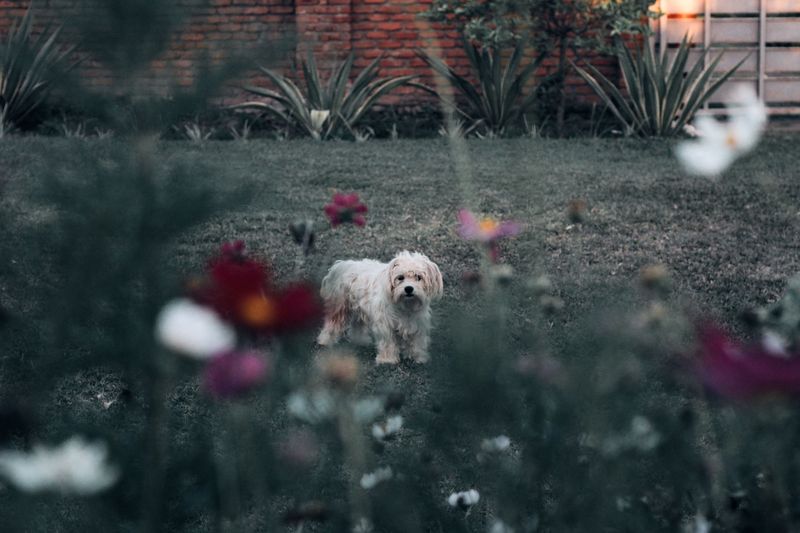
Small dogs, cats, rabbits, and backyard chickens are not just beloved pets. To a coyote scanning your yard at dusk, they look like prey.
Coyotes in Oklahoma are bold and increasingly comfortable around people. They have learned that residential areas offer easy meals with minimal risk.
Leaving a small pet unattended in the yard at dawn, dusk, or after dark dramatically increases the chance of an encounter. Those are the hours when coyotes are most active and most confident.
Backyard chickens are especially vulnerable. Even a well-built coop can be tested by a determined coyote if it is left unsecured overnight.
Never let small pets outside alone at night, even in a fenced yard. Standard wood or chain-link fences may not be enough to stop a determined coyote.
Coyote-proof fencing exists and is worth researching for homeowners with chickens or small animals. Look for options with a roller bar along the top rail to prevent climbing.
Supervise small pets during all outdoor time, especially in the early morning and evening hours. Staying nearby changes the dynamic and makes coyotes far less likely to approach.
Motion-activated lights and noise deterrents near coops or pet areas add a useful layer of protection. Sudden light and sound startle coyotes and interrupt their approach pattern.
Bringing chickens into a secure, enclosed coop every single night is non-negotiable. Consistency is the only thing that stands between your flock and a coyote that has been watching your yard.
Protecting small pets and backyard animals is the most personal reason to take coyotes in your Oklahoma yard seriously. Your effort every evening is what keeps them safe.