Can A California City Fine You For An Unmowed Front Yard?
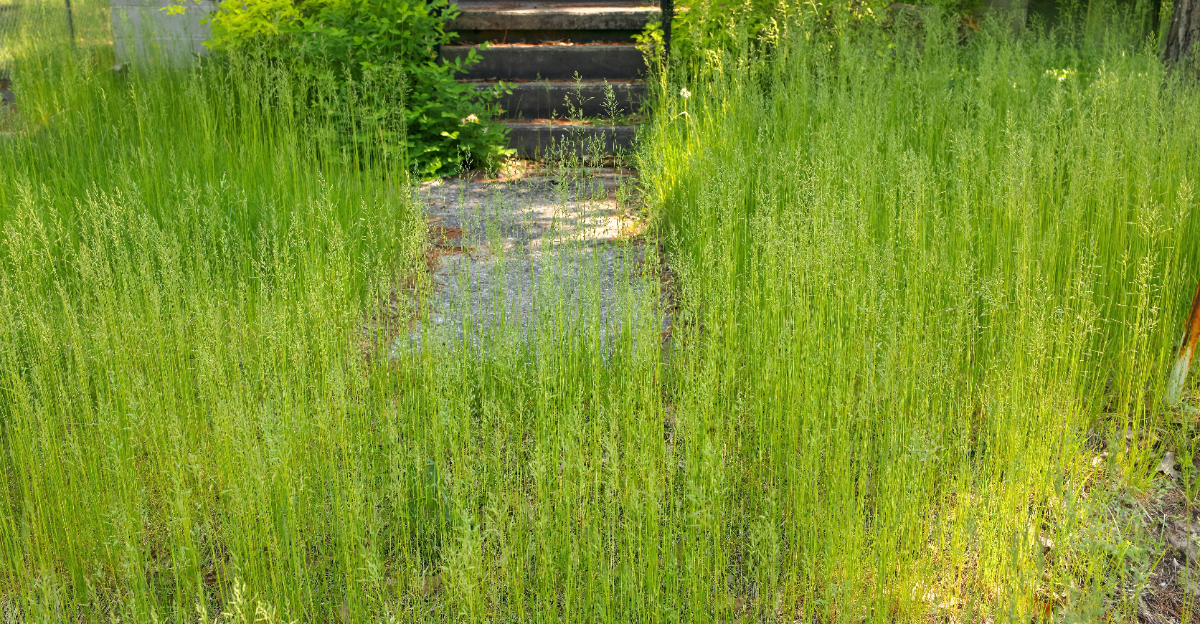
A shaggy front yard can feel charming, relaxed, and a little rebellious. It can also attract the kind of attention nobody wants, especially when grass starts looking more like a miniature prairie.
Suddenly, that landscaping choice may feel less “California cool” and more “uh-oh.”
City rules around yard maintenance are not always obvious, and they can vary more than homeowners expect.
One neighborhood may barely blink at tall grass. Another may treat it like a code issue. Fun, right?
That is why an overgrown lawn can turn into more than a weekend chore. Complaints and possible penalties may all enter the picture before you have even found the mower.
Before assuming your yard is nobody else’s business, it helps to understand how local rules can come into play.
The answer is not always dramatic, but it can affect your wallet, your weekend, and your relationship with the neighbors.
1. An Unmowed Yard Can Become A Code Issue
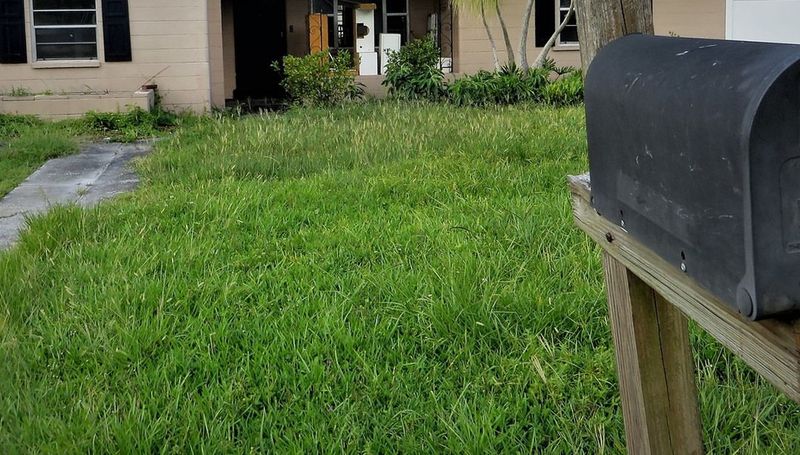
Not every city in California has the exact same rules, but most have some version of a property maintenance code. These codes set limits on how tall grass and weeds can grow before they become a legal problem.
In many cities, the limit is somewhere between six and twelve inches.
When your lawn crosses that line, it can be flagged as a code violation. A neighbor might report it, or a code enforcement officer might spot it while driving through the area.
Either way, the city has the authority to step in and require you to fix it. Code enforcement is usually handled at the city or county level.
Some areas are stricter than others, especially in neighborhoods with active homeowners associations or in cities with limited resources for fire management.
Rural areas may have different thresholds than urban neighborhoods.
The reason these codes exist is not just about appearances. Tall grass can hide rodents, attract insects, and create fire risks.
Cities have a responsibility to keep neighborhoods safe, and an overgrown yard can threaten that safety in more ways than one.
If you are not sure what the rules are in your city, the best move is to check your local municipal code online. Most cities publish this information for free.
A quick search with your city name and the phrase property maintenance code can get you to the right page fast.
2. Tall Weeds Are Treated Differently Than Lawn
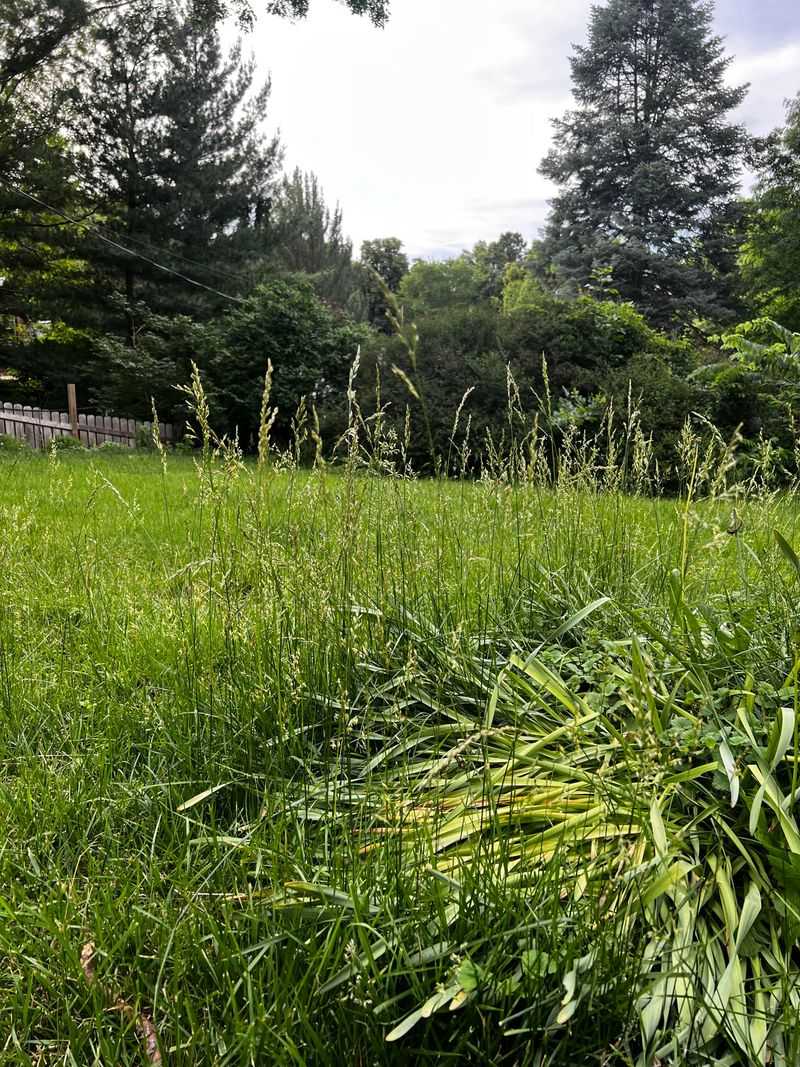
Here is something many homeowners do not realize: weeds and lawn grass are not always treated the same way under local codes. A patchy lawn that needs mowing is one thing.
A yard full of tall invasive weeds is often considered a more serious problem.
Weeds can spread seeds to neighboring yards and public land. Some species are classified as invasive and are regulated at the state level.
When those weeds show up in your front yard and start spreading, your city may have stronger grounds to act quickly.
Common weeds like foxtail, mustard, and thistle grow fast during spring rains and then dry out completely by summer. That dry plant material becomes highly flammable.
Your California Garden Changes Every Week. Your Plan Should Too.
Gardening in California changes quickly throughout the season. Every Friday you’ll receive a simple weekly plan showing exactly what to plant, prune, fertilize, harvest, and protect so you never miss the right timing.
In fire-prone regions of California, that is not a small concern. It can be a genuine hazard that puts nearby homes at risk.
Some cities separate their weed ordinances from their general property maintenance codes.
That means your yard might be fine under one rule but still in violation under another. It is worth checking both sets of rules if you are unsure.
Keeping weeds under control does not always mean using chemicals. Regular mowing, hand pulling, and mulching can manage most common weeds effectively.
The key is staying on top of it before the plants have a chance to seed or dry out into a fire risk.
3. Fire Season Changes The Rules Fast
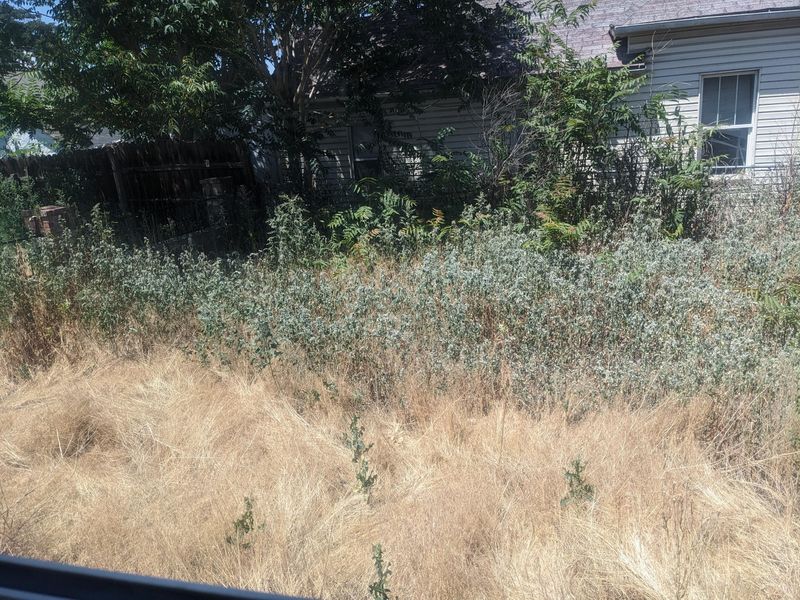
When fire season hits, local governments in California get serious about vegetation management. Rules that might seem flexible in winter become hard requirements by late spring or early summer.
Some cities and counties issue formal declarations that trigger stricter enforcement timelines.
Fire season in much of our state now runs nearly year-round in many regions, especially in the south and in inland areas.
Even parts of Northern California that once saw milder conditions are now experiencing earlier and longer fire seasons. That shift has pushed many cities to update their codes.
During high-risk periods, cities may reduce the grace period they give homeowners after a violation notice. Instead of thirty days to fix the problem, you might get seven to fourteen days.
Some areas require defensible space to be maintained at all times once you are in a designated fire hazard severity zone.
Defensible space rules come from the state but are enforced locally. They require homeowners to clear dry vegetation within a certain distance from their home.
Your front yard often falls within that zone, which means fire season rules can directly affect what you are required to do with your lawn.
Checking with your local fire department or city website before summer is a smart habit. Many agencies post seasonal reminders about what needs to be cleared and by what date.
Staying ahead of those protects your home and keeps you out of trouble with enforcement.
4. Dry Grass Can Trigger Weed Abatement
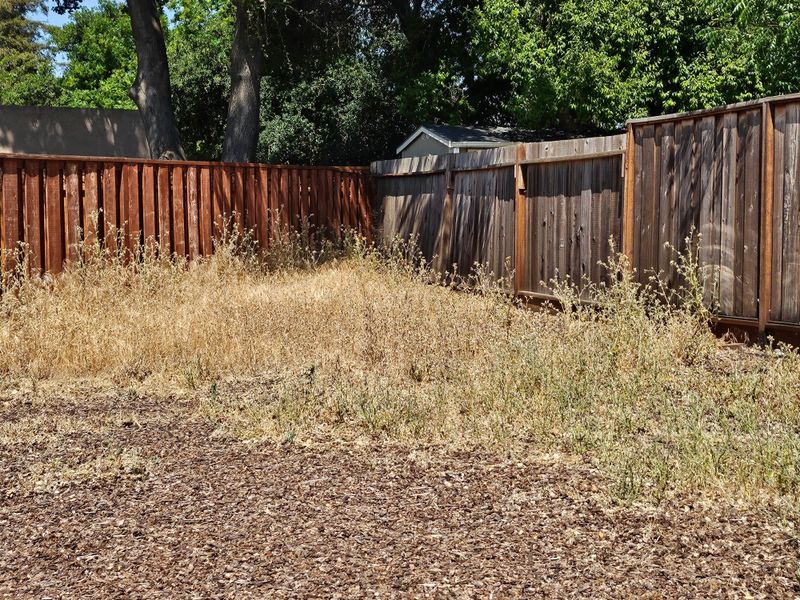
Weed abatement is a specific process that goes beyond a basic code violation notice. When dry grass or weeds reach a point where they pose a clear fire or public health risk, a city or county can launch a formal abatement process.
That process has legal weight behind it. Weed abatement season begins in spring and runs through the dry months. Property owners in designated areas receive annual notices reminding them of their obligations.
If you ignore those notices, the city does not just send another letter. It sends a crew.
Abatement orders are common in both urban and rural areas. Counties like Los Angeles, Riverside, and Sacramento all have active weed abatement programs.
The rules are similar across regions, but the enforcement timelines and specific requirements can differ based on local fire risk levels.
Dry grass is the main trigger because it burns so easily. Even a small spark from a passing car or a discarded cigarette can ignite a dry lawn in seconds.
Cities know this and treat dried vegetation as a serious liability, especially in areas with dense housing.
If your yard goes brown and dry in the summer, that alone can put you in abatement territory.
Watering your lawn, replacing it with drought-tolerant plants, or using gravel and mulch ground cover are all ways to avoid the problem.
The goal is to eliminate dry fuel from your property before it becomes a city issue.
5. Cities Usually Send A Notice First
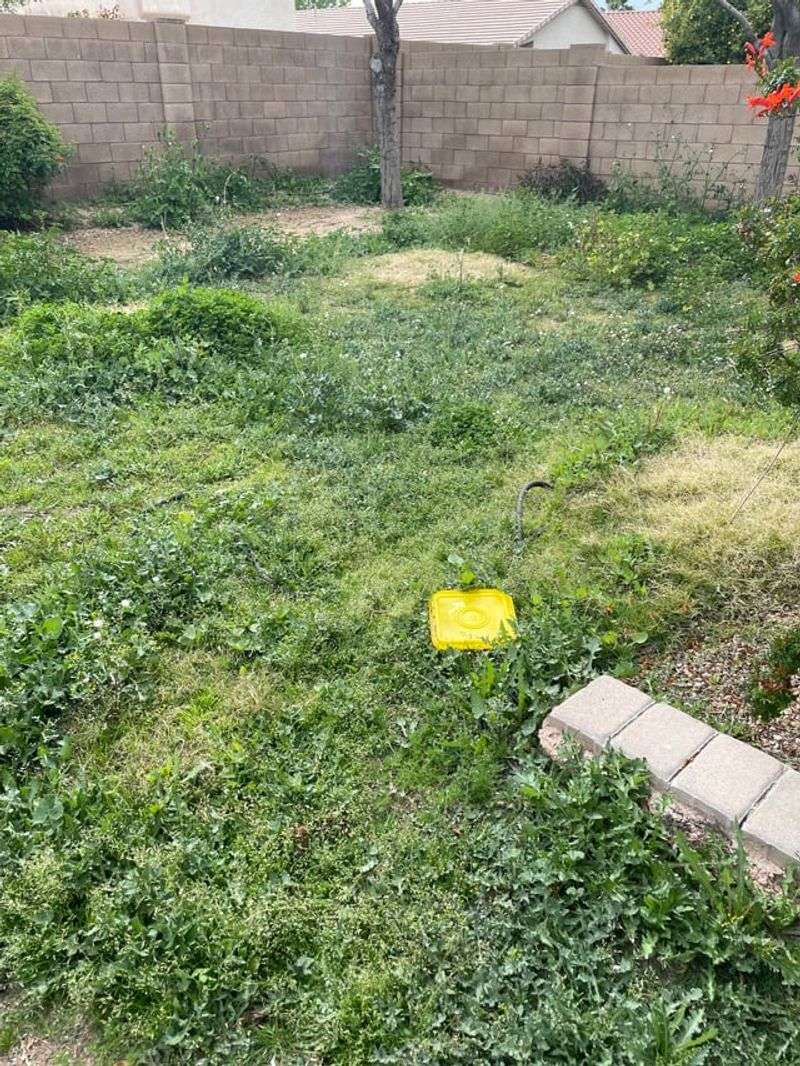
Before a city can legally fine you or send a crew to your property, it almost always has to notify you first. That notice is your official warning that something needs to change.
It also gives you a chance to fix the problem on your own before things escalate.
The notice typically comes by mail and sometimes also gets posted on your door or near the curb.
It will explain what the violation is, what you need to do to fix it, and how long you have to comply. The due date is usually written clearly in the letter.
Most cities give homeowners between seven and thirty days to correct the issue, depending on how serious it is. Fire-related violations during dry season often come with shorter timelines.
General maintenance issues like an overgrown lawn might give you a bit more time.
Reading the notice carefully matters a lot. Some letters include a case number, a contact name, and instructions for requesting an extension or a hearing.
If you have a good reason why you could not comply on time, reaching out to the city can sometimes buy you extra days.
Ignoring the notice is the worst thing you can do. Once that due date passes, the city has the legal authority to move forward with fines or abatement.
Acting quickly after getting the notice is always the smarter path. Even partial progress can sometimes satisfy a code officer and prevent further action.
6. Ignoring The Notice Can Lead To Fines
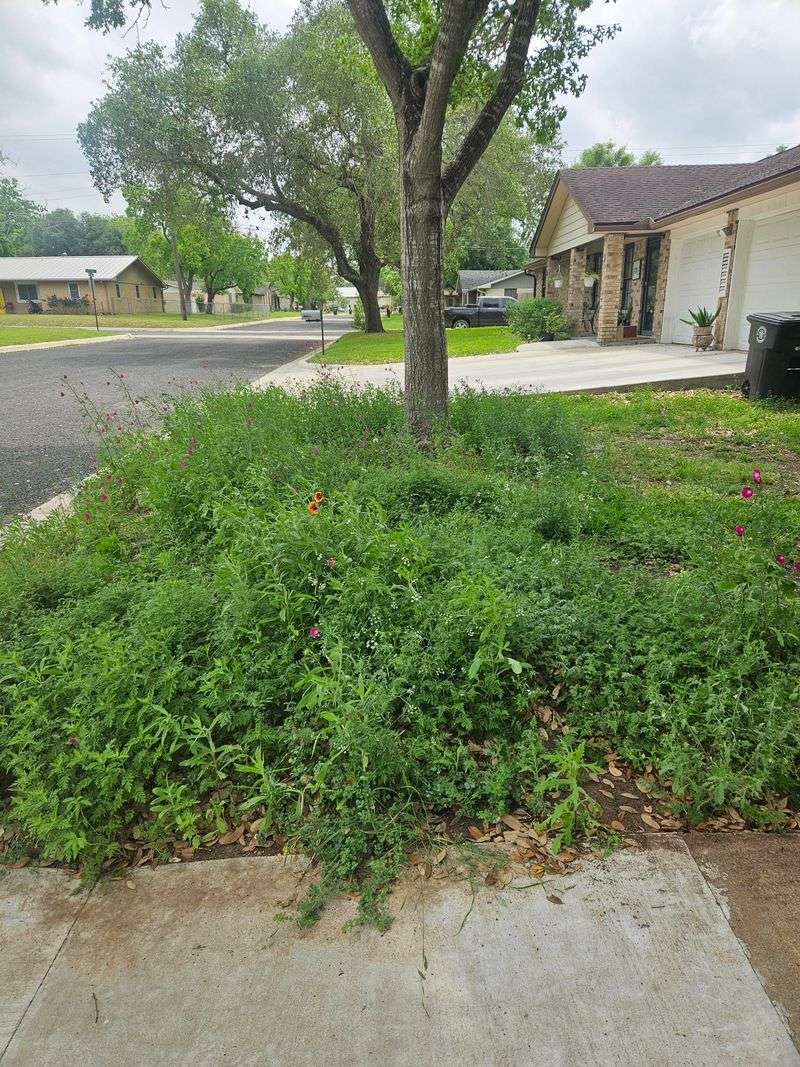
Once that first notice goes unanswered, the city moves to the next step in its enforcement process. That usually means a fine.
The amount varies by city, but fines for property maintenance violations can start at a hundred dollars and climb quickly from there.
Some cities issue fines on a per-day basis after the due date passes. So if your yard is still not mowed two weeks after the notice expired, you could be looking at hundreds of dollars in penalties.
A few cities even have escalating fine schedules that double the amount after each additional violation period.
Repeat violations can make things worse. If you have been cited before for the same issue, some cities treat the second or third offense more harshly.
Fines can be significantly higher, and the window to fix things before more action is taken gets shorter.
Fines for code violations can also be attached to your property tax bill if they go unpaid. That means they follow the property, not just the person.
If you sell your home with unpaid fines, you may be required to settle them before the sale can close.
The good news is that fines are usually avoidable if you act early. Contacting the city, explaining your situation, and showing that you are making progress can sometimes result in a reduced fine or a waived penalty.
Cities generally prefer compliance over collecting fees, so communication goes a long way.
7. The City May Mow It And Bill You
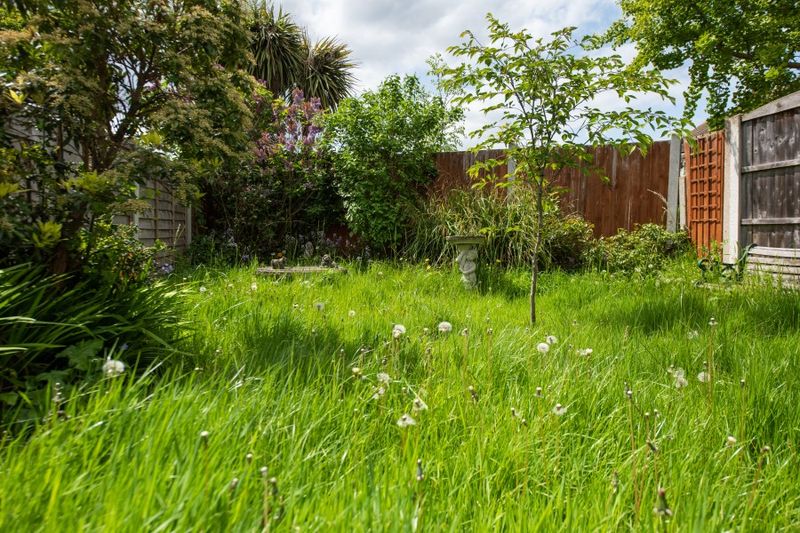
If you do not mow your yard after receiving a notice and a fine, the city has one more tool it can use: it can do the work itself and send you the bill.
This is called forced abatement, and it is completely legal in most cities across California.
The city hires a contractor or uses its own crew to clear the vegetation. Once the work is done, you receive an invoice for the cost of the labor and any administrative fees.
Those costs are often much higher than what a private landscaper would charge.
Some homeowners are surprised to find out that the abatement cost can be placed as a lien on their property.
A lien is a legal claim that must be paid before you can sell or refinance your home. It is not something that goes away on its own.
The total bill after forced abatement can easily run into the hundreds or even thousands of dollars.
That includes the actual mowing, hauling away the debris, administrative processing fees, and sometimes a reinspection charge.
What started as a simple lawn issue becomes a serious financial problem.
Avoiding forced abatement is straightforward. Mow your lawn before the due date, or hire someone to do it.
Even a basic mow and edge job from a local gardener is far cheaper than letting the city handle it. Taking action early always saves money and avoids the stress of dealing with liens and billing disputes.
8. Native Plantings Need To Look Maintained
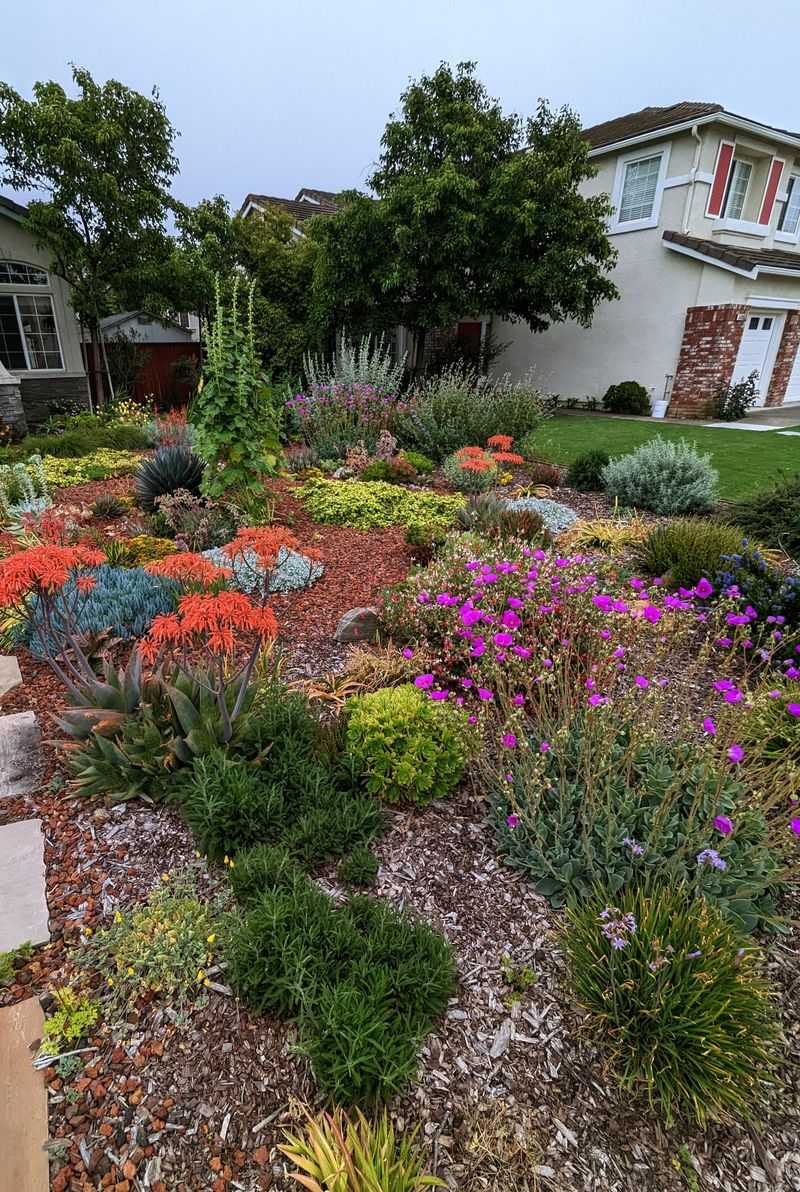
Swapping your lawn for native plants is a popular choice in California, and for good reason. Native plants use far less water, support local wildlife, and can handle the dry summers that are common across many regions.
But going native does not mean you can stop paying attention to your yard.
Many cities still apply their property maintenance codes to native plant gardens. If the yard looks overgrown, untidy, or like it has been abandoned, it can still get flagged for a code violation.
The fact that the plants are native does not automatically exempt them from local rules.
The key is making your yard look intentional. Clear borders between planted areas and the sidewalk or driveway help a lot.
Mulch between plants keeps things looking tidy and also helps hold moisture in the soil. A simple edge along the front of the yard can make a big difference in how the space is perceived.
Some cities have added native plant exemptions to their codes in recent years. These exemptions allow homeowners to grow certain approved plants without worrying about height restrictions.
Checking your city’s specific rules before you plant can save you a lot of back-and-forth later.
Educating your neighbors about your native garden can also help. When people understand what you are doing and why, they are less likely to file a complaint.
A small sign or label identifying the plants as a water-wise garden has helped many homeowners avoid misunderstandings with both neighbors and code officers.
9. Front-Yard Meadows Need Clear Edges
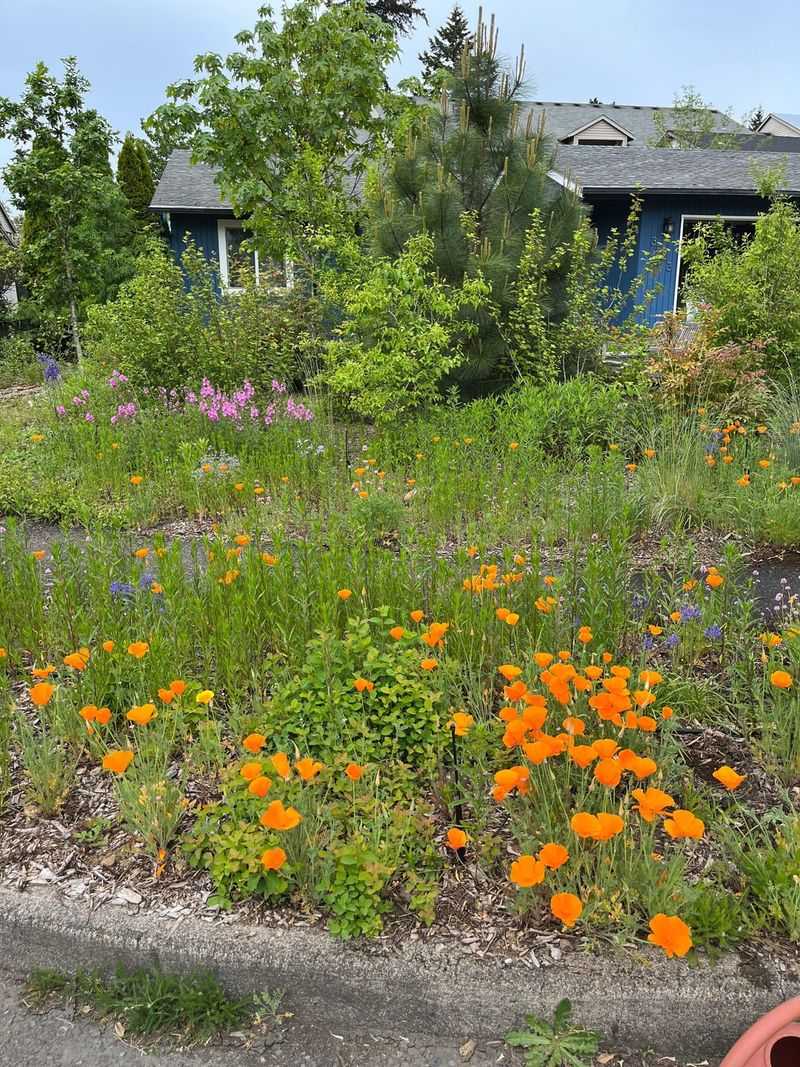
Front-yard meadows are becoming more popular as homeowners look for low-water alternatives to traditional lawns.
A well-designed meadow filled with native grasses and wildflowers can be beautiful, beneficial for pollinators, and easy to care for once established. But there is a catch when it comes to city codes.
A meadow that looks wild and uncontrolled from the street is much more likely to attract complaints. Code officers often respond to what things look like at first glance.
If your meadow blends into what looks like an abandoned lot, you may find a notice in your mailbox before long.
The solution that works best for most homeowners is creating clear, defined edges around the meadow.
Mowing a strip along the sidewalk and around the front path signals that the space is intentional and cared for.
That small detail can make a huge difference in how the yard is perceived.
Using a low border made of stones, bricks, or wood along the front of the meadow also helps.
It visually separates the planted area from the public sidewalk and gives the whole yard a more organized look. Cities are far less likely to flag a yard that clearly has some structure to it.
Posting a small sign identifying the space as a pollinator garden or a water-wise landscape has helped many California homeowners avoid code issues. It shows neighbors and officers that there is a purpose behind the design.
A little context can go a long way toward keeping your creative yard out of trouble.