The Sneaky Pest Leaving Pale Trails Through Your Fall Spinach In North Carolina
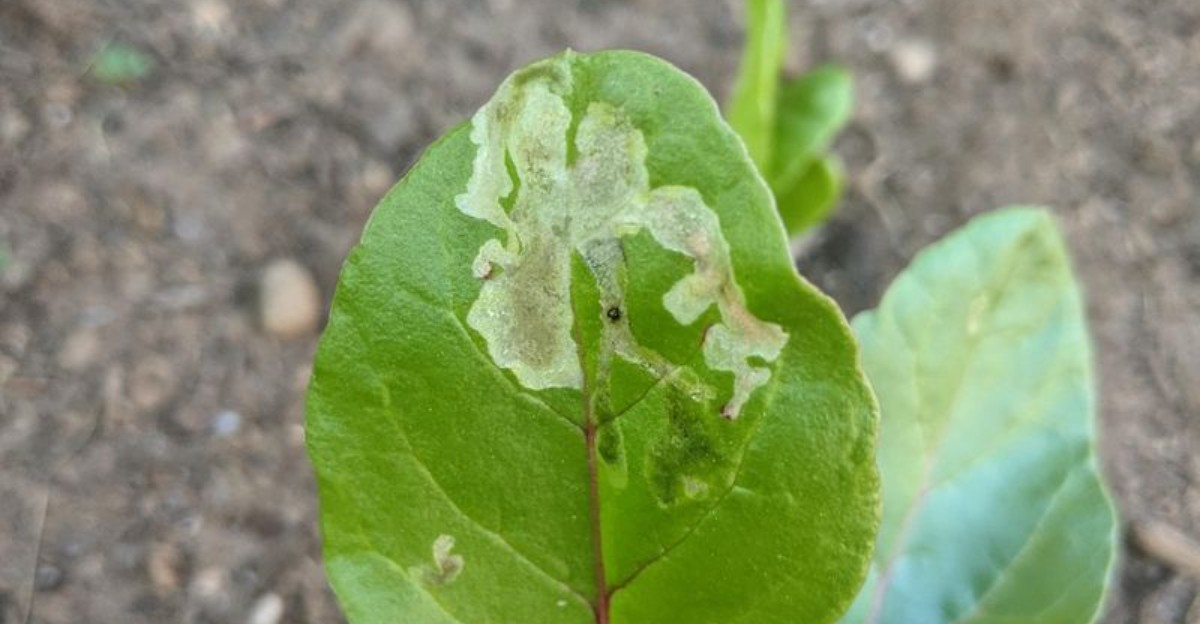
You bend down to pick a few leaves and notice something odd. Pale, papery patches stretch across the surface, some starting as thin, winding lines before spreading into blotches, as if someone scribbled on the spinach with a white pencil.
Hold a leaf up to the light, and the culprit is not on the outside at all. The damage is happening between the two layers of the leaf, where nothing can reach it and no one can see it.
By the time the marks show up, the pest has already been feeding for days. North Carolina’s mild fall gives it plenty of time to keep going.
Some gardeners spray and see no change, because the spray never touches what is hiding inside. Knowing where this pest lives changes how you protect the rest of the bed.
1. Leafminers Tunnel Inside The Leaves
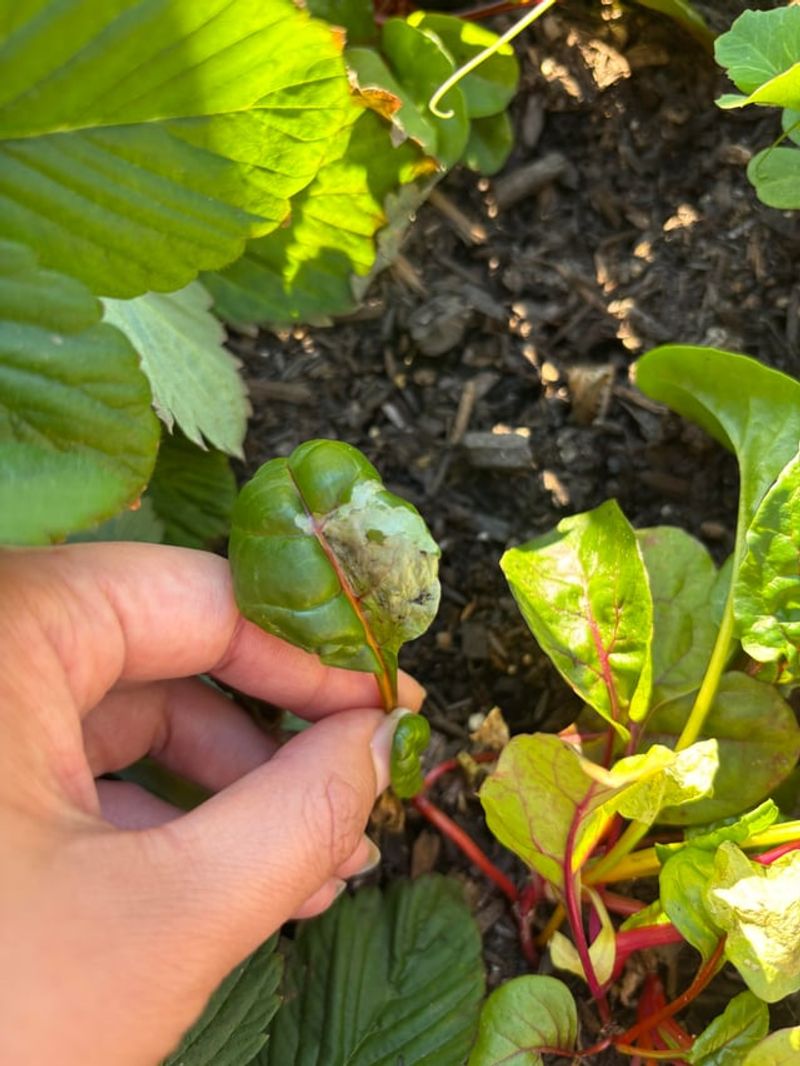
Imagine a bug so small it can live inside a leaf thinner than a sheet of paper. That is exactly what a leafminer does. These pests are the larvae of tiny flies, and they spend their young lives eating their way through your spinach from the inside out.
The process starts when an adult fly lays an egg on a leaf. Once the egg hatches, the little larva chews into the leaf and begins tunneling between the top and bottom surfaces.
It eats the soft green tissue in the middle but leaves the thin outer layers in place. Because the green part is gone, light passes right through those spots.
The result is a pale, almost see-through path or patch that looks like someone drew on your leaf with a white marker. As the larva grows, its tunnel grows too, getting wider and longer each day.
Here is the tricky part. Since the larva stays tucked safely inside the leaf, it is protected from weather, birds, and your eyes. Many gardeners do not notice anything wrong until the trails are already big and obvious.
That hidden lifestyle is why leafminers catch so many people off guard. A plant can look fine from a few feet away while several larvae quietly munch away inside.
North Carolina gardeners see this pest often in fall, when spinach, Swiss chard, and beets fill raised beds and backyard plots. All three plants belong to the same plant family, and leafminers happily move between them.
Knowing how these pests work is your first step toward stopping them, so take a closer look at your leaves the next time you walk through the garden.
2. Winding Trails And Blotches Are Different Leafminers
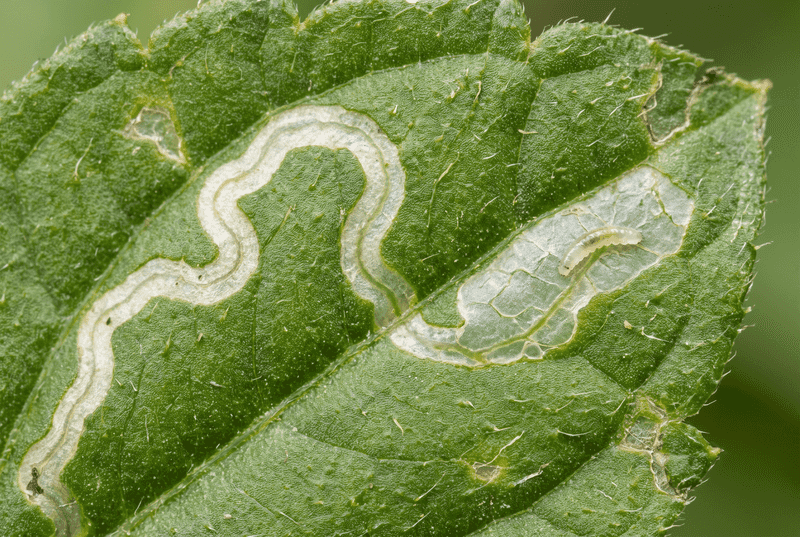
Not every leafminer leaves the same mark, and learning the difference turns you into a garden detective. On spinach, you will usually find two main styles of damage. Each one tells a slightly different story about who is living in your leaves.
The first type comes from serpentine leafminers. Their trails are narrow and winding, like a toddler scribbled across the leaf with a fine pen. The paths often start thin and slowly get wider as the larva grows.
Your North Carolina Garden Changes Every Week. Your Plan Should Too.
Gardening in North Carolina changes quickly throughout the season. Every Friday you’ll receive a simple weekly plan showing exactly what to plant, prune, fertilize, harvest, and protect so you never miss the right timing.
The second type comes from spinach and beet leafminers. Instead of skinny lines, these larvae carve out larger, uneven blotches. At first the patches look pale, but over time they turn tan or brown and can cover a big part of the leaf.
Both kinds cut down on how much of each leaf you can actually use. A leaf covered in blotches may look too rough for a salad, even if part of it is still fine.
So how do you check? Pick a suspicious leaf and hold it up to the sky or a bright window. The light shines through the mines and makes them easy to see.
Look closely inside the tunnel or blotch. You might spot a tiny pale larva wiggling around, or little dark specks, which are the insect’s waste. Those specks are a strong clue that leafminers caused the damage.
For North Carolina gardeners, this simple test matters. Plenty of things can mark spinach leaves, from disease spots to sun scald. Confirming the cause means you can choose the right fix instead of guessing and wasting time.
3. Look For Tiny White Eggs Under The Leaves
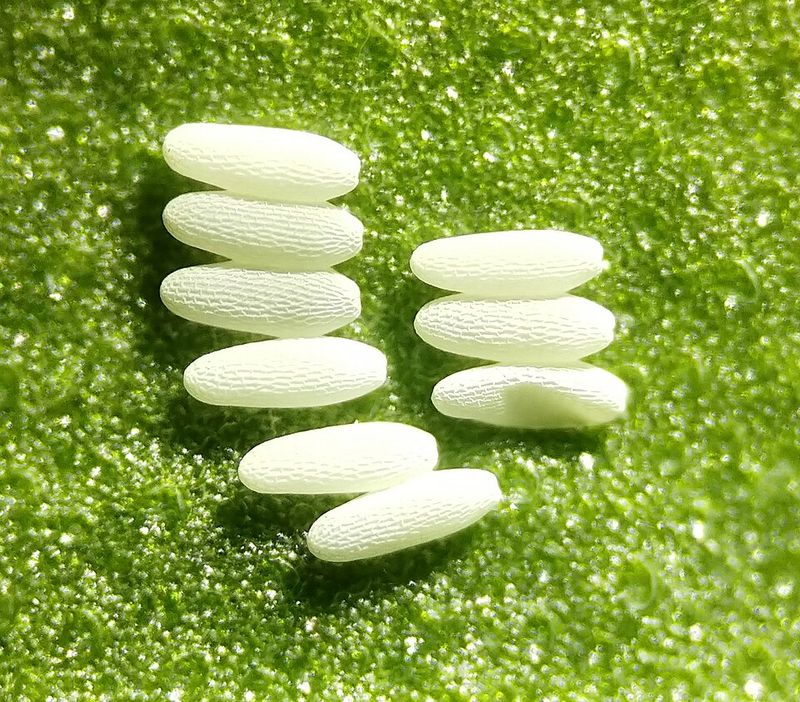
Every big leafminer problem begins with something smaller than a grain of rice. Stop the eggs, and you stop the tunnels before they ever start. It is one of the easiest wins you can get in the garden.
Adult leafminer flies are tiny and easy to miss. When they are ready, they land on spinach and lay small, white, oval eggs on the undersides of the leaves. Sometimes the eggs sit alone, and sometimes they line up in short little rows or clusters.
Once those eggs hatch, the larvae head straight into the leaf. Removing eggs early means no new mines can form from that batch.
Make egg checks part of your routine every few days. Gently flip over spinach leaves, paying extra attention to the younger ones near the center of the plant. Adult flies seem to favor that fresh, tender growth.
A sunny morning works well, since bright light makes the white eggs stand out against the green leaf. Some gardeners keep a small magnifying glass in their pocket to make the job easier.
When you find eggs, you have two choices. Simply rub them with your finger to crush them, or pinch off the whole leaf if it holds a large group. Either way works.
Staying on top of eggs is especially helpful in North Carolina. Fall weather here often stays warm well into October and even November.
Those mild days keep adult flies active longer than many people expect, which means new eggs can keep showing up. A quick look under the leaves a couple of times each week can make a real difference.
4. Pinch Off Mined Leaves And Crush Larvae
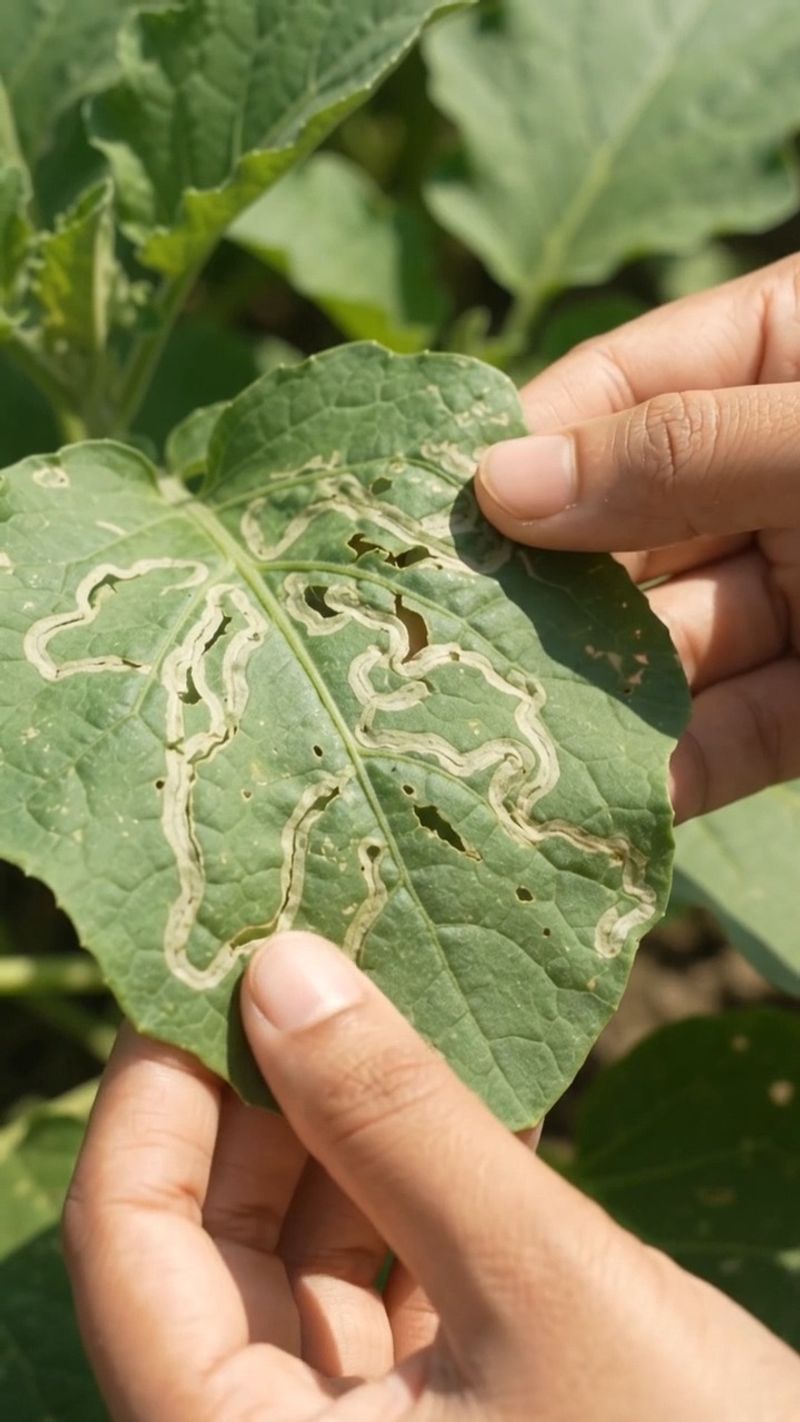
Sometimes the simplest tool in the garden is your own two fingers. When leafminers show up, a little pinching and squeezing can go a long way. It costs nothing and works better than many people think.
Every mined leaf holds a larva that has a plan. Once it finishes feeding, it drops to the soil, forms a small case called a pupa, and later comes out as a brand new adult fly. That fly then lays more eggs, and the whole cycle repeats.
Removing mined leaves breaks that chain. Fewer larvae reaching the soil means fewer flies in a few weeks. Start by looking for leaves with active mines, which usually look fresh and pale rather than old and dried out.
Pinch those leaves off at the base. If a leaf only has a small mine, you can squeeze the tunnel right where the larva sits to crush it and save the rest of the leaf.
Next comes an important step. Put removed leaves in a bag and toss them in the trash instead of the compost pile. A home compost bin often does not get hot enough to stop larvae, so they could finish growing and fly right back to your garden.
Repeat your checks regularly, maybe every two or three days during peak activity. Small, steady efforts beat one big cleanup.
North Carolina fall gardens can host several leafminer generations in a single season when the weather stays mild. Pulling damaged leaves early keeps numbers low before they snowball, giving your spinach room to grow strong and leafy.
5. Row Covers Keep The Flies Away
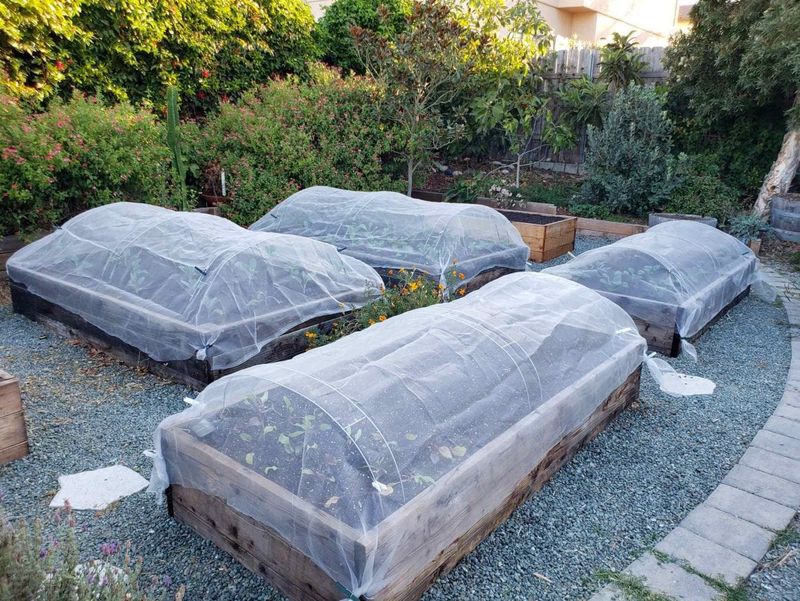
Think of row cover as a screen door for your spinach. Flies cannot lay eggs on leaves they cannot reach. That simple idea makes row cover one of the best ways to prevent leafminer damage in the first place.
Row cover is a light, white fabric that lets sunlight, air, and water pass through. It keeps flying insects on the outside while your plants grow happily underneath.
Timing is everything. Put the cover on right after you sow seeds or set out transplants. If you wait until you see mines, flies may have already laid eggs, and you could trap pests inside with your plants.
Next, seal the edges well. Bury them under a few inches of soil, or hold them down with sandbags, rocks, or landscape pins. Even a small gap can let a determined fly sneak in.
Wire or plastic hoops help hold the fabric above your plants. That space keeps leaves from rubbing against the cover and gives the spinach room to grow.
Best of all, you can leave the cover in place for most of the season. Spinach is grown for its leaves, not fruit, so it does not need bees or other pollinators to visit. Just lift a side now and then to weed, check plants, and harvest.
For North Carolina gardeners, row covers bring extra perks. They add a few degrees of warmth on chilly nights, helping fall spinach handle early frosts.
They also block other pests like aphids and flea beetles. One piece of fabric can solve several problems at once.
6. Sprays Have Limited Reach
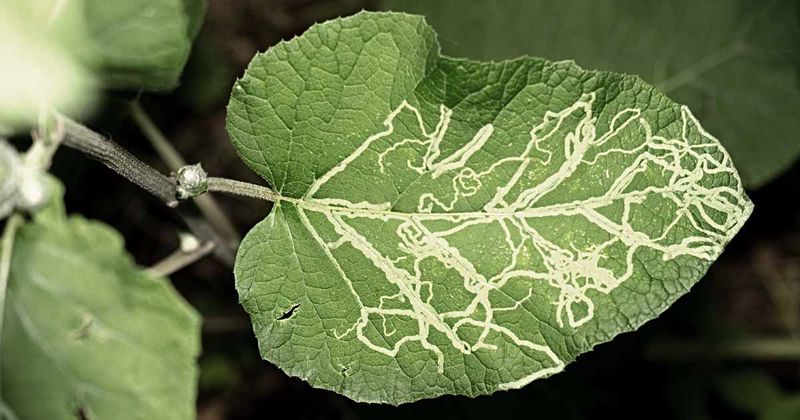
Reaching for a spray bottle feels natural when bugs attack. With leafminers, though, sprays often miss the mark. The reason comes down to where these pests hide.
Leafminer larvae live inside the leaf, protected by the outer layers like a tiny armored shell. Most sprays land on the surface and never touch the larva at all. By the time you see damage, the pest is already safe inside its tunnel.
There is another catch. Broad-spectrum insecticides can harm helpful insects, including tiny parasitic wasps. These wasps lay their eggs inside leafminer larvae and naturally keep populations in check.
Spray too much, and you may wipe out your best garden helpers while the leafminers bounce back.
So what works better? Lean on the methods that already help. Row covers keep flies away, and pinching mined leaves stops larvae before they turn into adults. Together, these steps handle most home garden problems.
If damage becomes heavy and these steps are not enough, choose a product that clearly lists leafminers and spinach on the label. Read the directions closely and follow them exactly.
Pay special attention to the harvest waiting time. That number tells you how many days to wait after spraying before you can pick and eat the leaves.
Skipping it is never a good idea. Above all, avoid spraying just in case. Use treatments only when you truly need them.
Most North Carolina gardeners grow spinach for fresh salads, smoothies, and quick sautés. Keeping sprays to a minimum means cleaner leaves on your plate and a healthier garden full of natural pest fighters.
7. Don’t Confuse Leafminers With Slug Trails
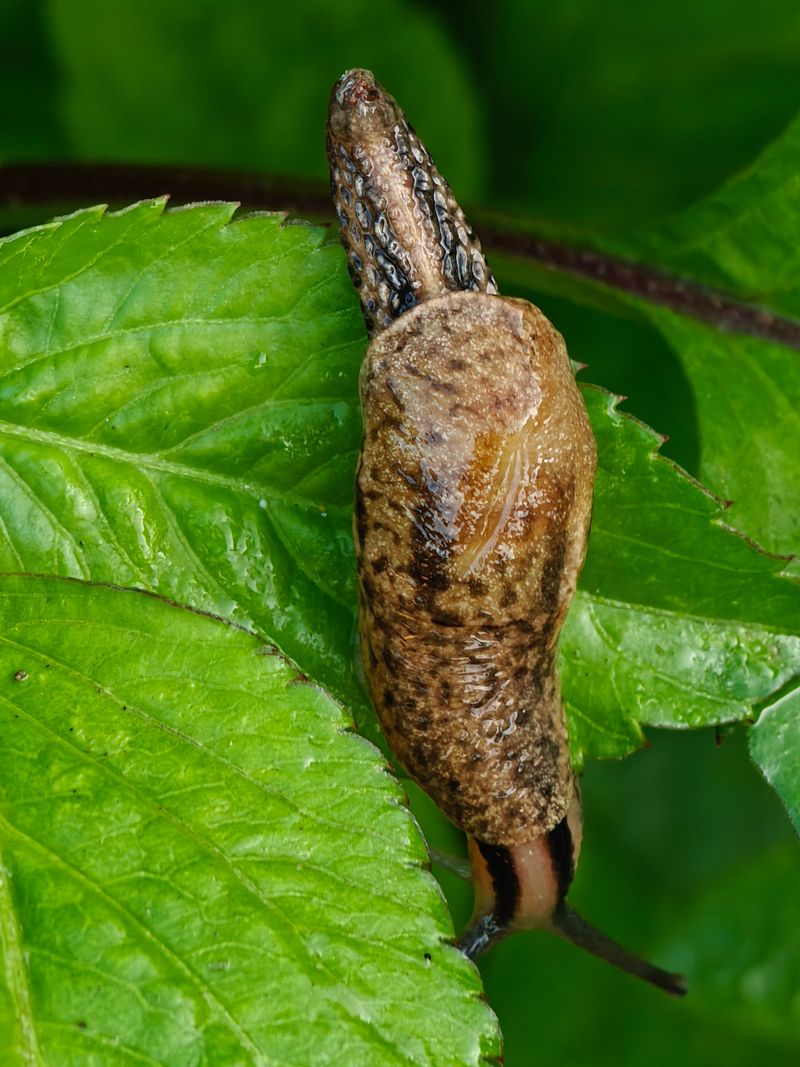
Not every pale trail belongs to a leafminer. Some mornings, you might find shiny silver streaks across your spinach and wonder what happened overnight. Meet the slug, a slow but hungry garden visitor.
Slugs leave slime trails that sit right on the surface of leaves and soil. In the morning light, these trails look shiny and silvery. Slugs also chew ragged holes in leaves, often along the edges or right in the middle.
Leafminer trails are different. They sit inside the leaf, so you cannot wipe them off no matter how hard you try. There are also no holes, just pale tunnels or blotches.
A quick finger test settles the question. Rub a trail gently. If it smears or comes off, you are dealing with slugs. If nothing changes, leafminers are the likely cause.
Want proof? Grab a flashlight and head out after dark. Slugs come out at night to feed, so you can often catch them right on your plants. Pick them off and drop them into a cup of soapy water.
Traps help too. A shallow dish of beer set into the soil attracts slugs, and a board laid on the ground gives them a hiding spot you can check each morning. For bigger problems, iron phosphate bait labeled for vegetable gardens is a safer option around food crops.
North Carolina fall nights are often cool and damp, which slugs absolutely love. Mulch and thick plantings give them even more places to hide. Knowing which pest you have keeps you from fighting the wrong battle.
8. Mined Leaves Can Still Be Eaten

Good news for anyone staring at a basket of spotted spinach: you do not have to toss it. Leafminer damage is mostly about looks. The healthy parts of each leaf are still safe and tasty.
Start by trimming away the mined sections with scissors or a small knife. Cut around the pale trails and brown blotches, keeping the clean green parts. If a leaf is mostly mined, simply set it aside for the trash.
Wash everything well in cool water. Swishing leaves in a big bowl helps loosen dirt and any eggs clinging to the undersides. Afterward, dry the leaves and enjoy them raw or cooked.
Out in the garden, regular harvesting keeps plants busy making fresh leaves. Pick the outer leaves often, and the center will keep pushing out new growth for weeks.
Weeds deserve your attention too. Lambsquarters and pigweed are common in North Carolina gardens, and both can host leafminers. Pulling them keeps the pests from having a backup food source nearby.
Planning ahead pays off as well. Next season, plant spinach, beets, and chard in a different bed. Moving them breaks up the cycle, since pupae left in the soil will wake up to find their favorite foods gone.
For North Carolina gardeners, the takeaway is reassuring. A few mined leaves do not mean the whole crop is ruined. With smart trimming, steady care, and a little planning, your fall spinach can keep filling salad bowls and soup pots all the way into winter.