NYC Made Composting Mandatory. Here’s What Apartment Dwellers Can Actually Toss In
That sad bag of wilted spinach in your fridge now has a legal destination. New York City made composting mandatory for every residential building, big or small, and enforcement kicked in on April 1, 2025.
For apartment dwellers, that means a brown bin, a new sorting habit, and plenty of questions. Can chicken bones go in? What about the greasy pizza box from Friday night? Does your cat’s litter count as organic?
The answers might surprise you, because the NYC program accepts far more than most backyard compost piles ever could. Getting it right keeps food scraps out of landfills, where they release climate-warming methane.
It also turns your leftovers into rich soil and even renewable energy. Below, you’ll find the simple rules for what goes in, what stays out, and who actually pays if your building messes up.
If You Can Grow It Or Cook It, It Goes In
Here is the easiest rule to remember when you stand over the trash with a handful of scraps. If it grew from the ground or came out of your pot, it belongs in compost.
New York City accepts all food scraps, not just the pretty ones. Fruit peels, veggie ends, bread crusts, rice, and pasta all qualify.
Got a fuzzy blue lemon hiding in the crisper drawer? Moldy and spoiled food is welcome too, so you can skip the guilt.
Peeling off fruit stickers is a good habit, since most are made of plastic. It only takes a second and keeps the compost cleaner.
Leftover soup, stale cereal, and half-eaten sandwiches count as well. Even that casserole nobody touched after the holiday party can go straight into the bin.
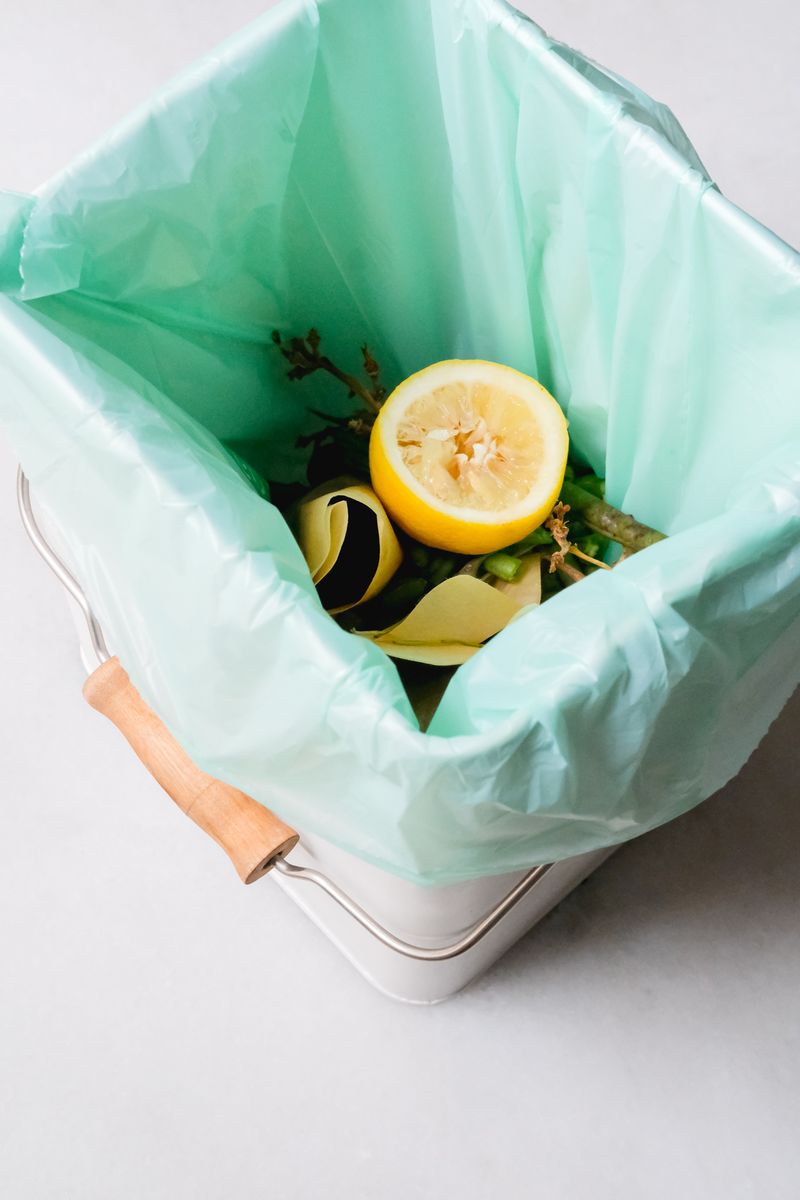
A small countertop pail makes daily sorting much easier. Many people line it with a paper bag or certified compostable liner to keep things tidy.
Odors worry plenty of apartment dwellers in tight kitchens. One handy trick is storing your scraps in the freezer until collection day arrives.
Frozen scraps don’t smell, leak, or attract fruit flies. They also take up little space if you use a reusable container or paper bag.
Once the habit sticks, you may notice your regular trash shrinking fast. Food waste makes up roughly a third of what city households throw away.
Fewer heavy, drippy trash bags means fewer trips down the stairs. Your nose and your elevator neighbors will both thank you.
Meat, Bones, And Dairy Are All Allowed
Backyard gardeners might gasp at this one. Most home compost piles reject meat because it smells and draws critters, but city collection plays by different rules.
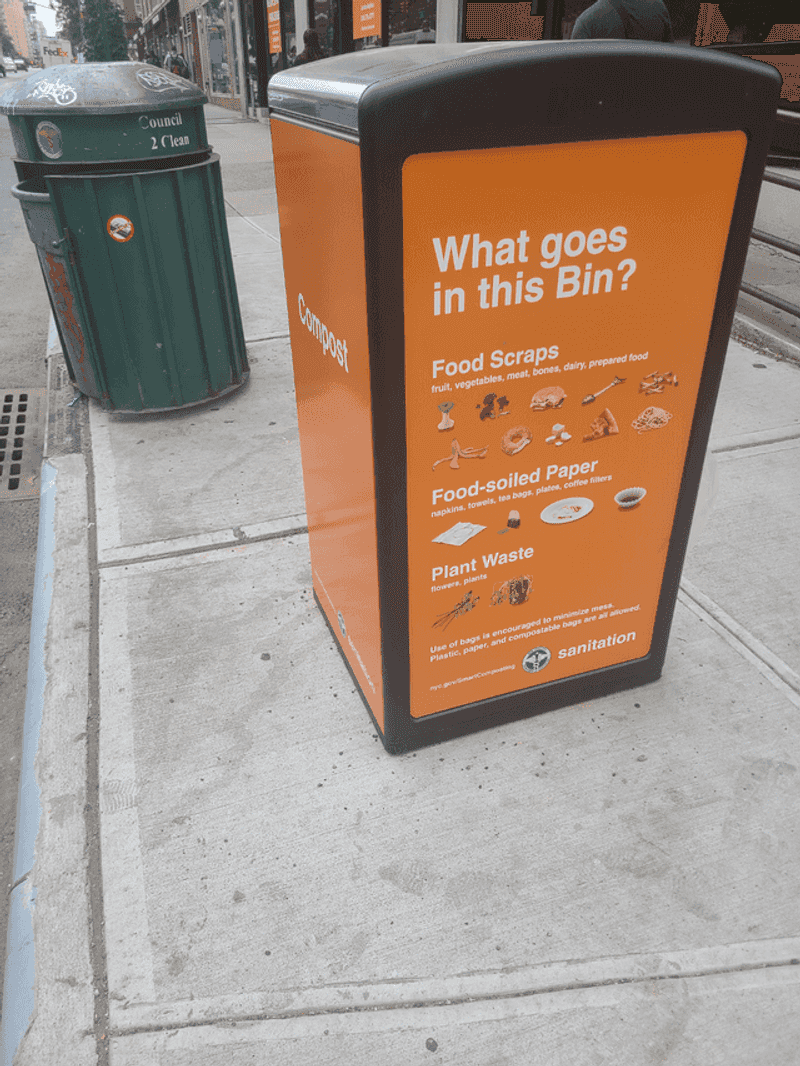
DSNY curbside composting accepts meat, fish, bones, shells, and dairy. Your Sunday roast chicken carcass can finally skip the landfill.
Why the difference? Industrial facilities reach much higher temperatures than a backyard heap, which breaks down tough items safely.
Some scraps also head to anaerobic digesters. Those systems turn food waste into biogas, a type of renewable energy.
So go ahead and toss in cheese rinds, sour milk, yogurt cups emptied of yogurt, and crab shells. Eggshells are fine too, along with clam and oyster shells.
Your New York Garden Changes Every Week. Your Plan Should Too.
Gardening in New York changes quickly throughout the season. Every Friday you’ll receive a simple weekly plan showing exactly what to plant, prune, fertilize, harvest, and protect so you never miss the right timing.
Wrapping greasy meat scraps in newspaper or a paper bag helps a lot. It soaks up juices and keeps your bin cleaner between pickups.
Freezing bones and fish skins is another smart move in summer. Warm apartments can make raw scraps smelly in just a day.
One catch deserves your attention, though. Many community drop-off sites run by gardens or nonprofits refuse meat, dairy, and bones.
Those small sites often make compost by hand, so they can’t handle animal products. Check their rules before hauling over a bag of rib bones.
Curbside bins and the city’s smart bins are your best bet for these items. Stick with those, and you can compost nearly any leftover from dinner.
Greasy Pizza Boxes Belong In The Compost Bin
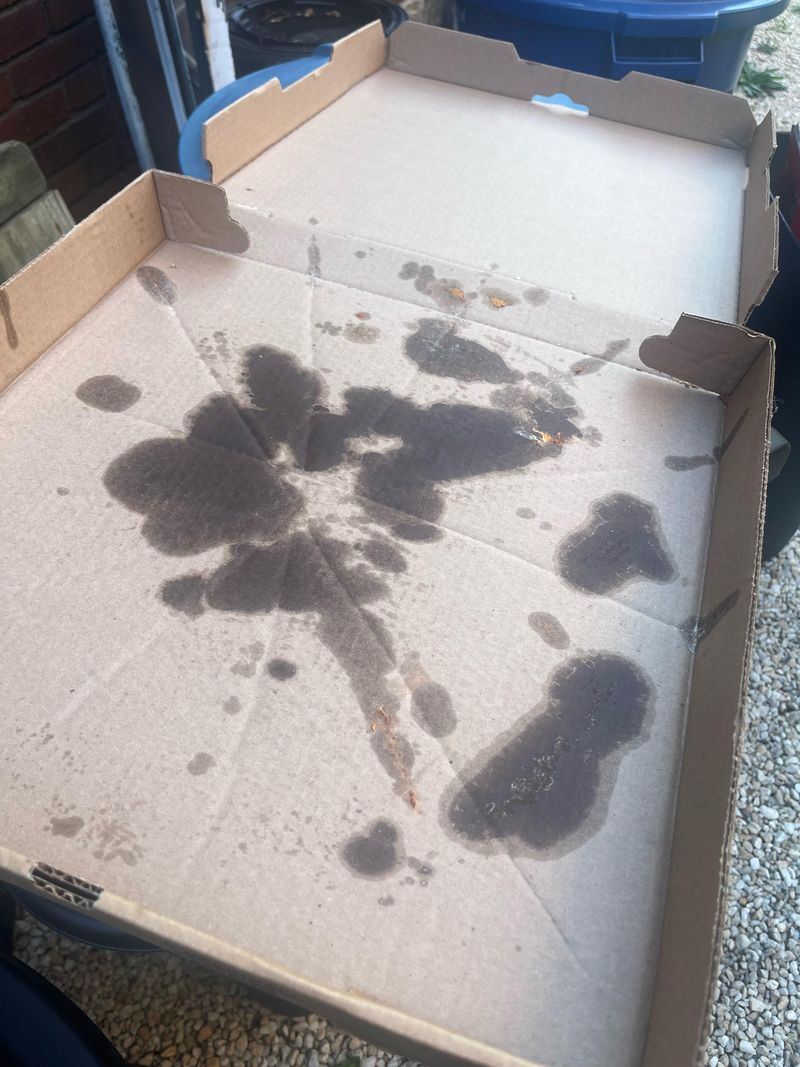
Picture a cheesy slice from your favorite corner joint, plus the oily box it came in. For years, nobody knew where that sad box should go.
Good news for pizza lovers everywhere. NYC’s sanitation department specifically allows greasy pizza boxes in the compost bin.
Grease ruins cardboard for recycling, since oil weakens paper fibers during processing. In compost, though, that same grease simply breaks down with everything else.
Leftover crusts can ride along inside the box. Just tear the cardboard into smaller pieces if it won’t fit under the lid.
Other food-soiled paper is welcome too. Think used napkins, paper towels, uncoated paper plates, and takeout paper bags with stains.
Watch for shiny coatings, though. Plastic-lined or waxy plates and cups don’t break down well and should go in the trash instead.
Here is a quick test you can try at home. If paper tears easily and feels soft, it usually composts fine.
Clean pizza boxes are a different story. If the cardboard has no grease at all, it belongs in recycling with your other paper.
Many people split one box in half for that reason. The clean lid goes to recycling, while the oily bottom heads to compost.
Paper towels used with cleaning sprays are worth a second thought. Chemical cleaners can harm finished compost, so toss those wipes in regular trash.
Coffee Grounds And Tea Bags Count Too
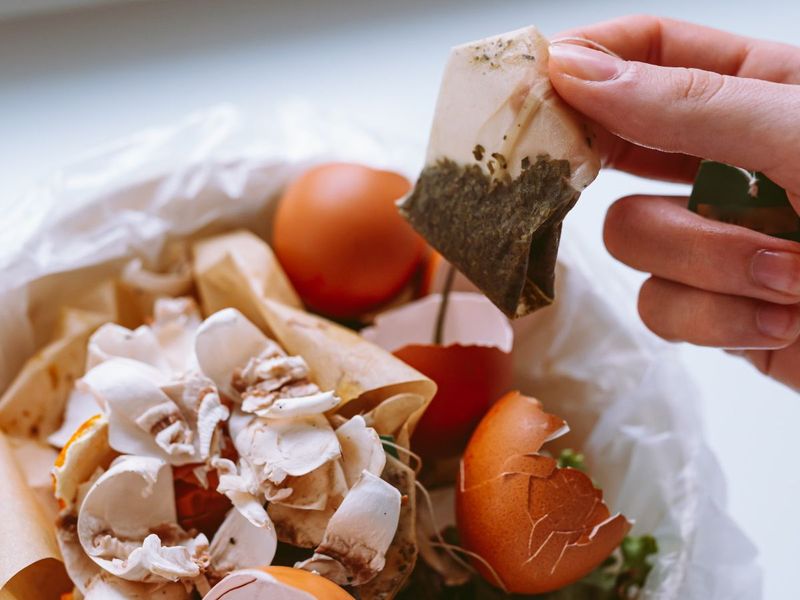
Your morning brew does double duty now. Before you even leave for the subway, you’ve already made something worth composting.
Coffee grounds are a compost favorite because they add nitrogen. That nutrient helps tiny microbes break everything else down faster.
Paper coffee filters can go right in with the grounds. There’s no need to dump them separately or rinse anything out.
Tea drinkers get an easy pass as well. Used tea bags are accepted, though removing any staples or tags is a smart extra step.
Loose-leaf tea leaves work too, so empty that strainer into your pail. Herbal blends, chai, and green tea all count.
Single-serve pods are where people slip up. Most coffee pods contain plastic or aluminum, so they don’t belong in the brown bin.
Some pods claim to be compostable, but many city facilities can’t process them reliably. Emptying the grounds and recycling or trashing the shell is safer.
Here’s a fun detail for coffee fans. Americans drink roughly 400 million cups of coffee daily, which creates mountains of grounds.
Wet grounds can get heavy and a little smelly. A paper bag lining your caddy helps absorb moisture between trips to the building bin.
Office workers can bring this habit to work too. Ask if your workplace has a compost bin near the coffee machine.
Leaves, Flowers, And Houseplant Trimmings Are Fair Game
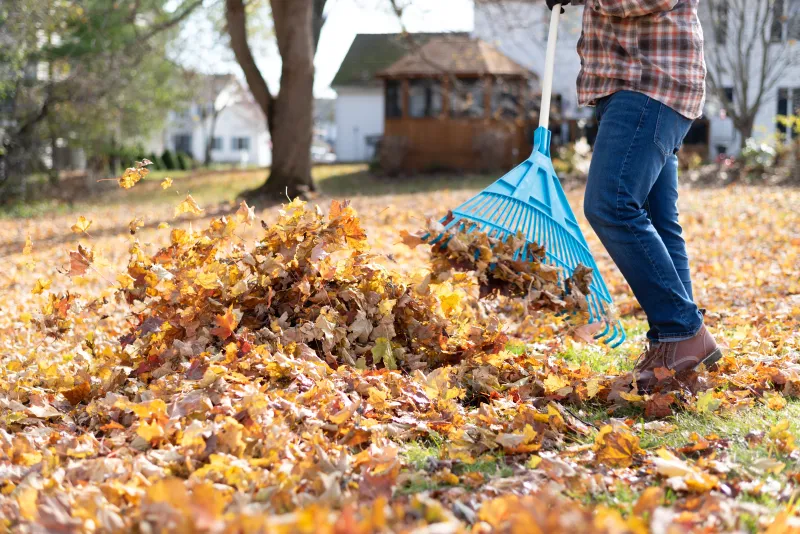
Valentine’s roses don’t last forever, and that’s fine. Once petals droop, those flowers can head straight to compost instead of the trash.
Plant waste is welcome in NYC’s program. Leaves, flowers, grass clippings, twigs, and houseplant trimmings are all accepted.
Apartment plant parents will love this rule. Pruned pothos vines, yellow monstera leaves, and spent herb stems all qualify.
Even a houseplant that didn’t survive your vacation can go in. Shake off excess soil first, and remove any plastic pot or plant tag.
Got a balcony or small backyard? Raked leaves and weeds can be mixed with food scraps in a secure, lidded bin.
Bigger branches need a little prep. Bundle twigs and sticks with twine, then set them next to your bin on collection day.
Holiday decor counts here too. Christmas trees can be composted once all lights, ornaments, tinsel, and stands are removed.
The city collects trees during special pickups each January. Many become mulch that later spreads across the parks.
Fake flowers and plastic greenery belong in the trash, sadly. The same goes for bouquet wrappers, rubber bands, and floral foam blocks.
A quick tip for florist bouquets is to strip them before tossing. Pull off ribbons and plastic sleeves so only natural material lands in the bin.
Diapers, Pet Waste, And Foam Stay Out
Not everything that seems natural earns a spot in the brown bin. Some items cause real trouble for compost facilities.
Diapers top the list of common mistakes. Even ones labeled eco-friendly contain plastics and human waste, so they go in the trash.
Personal hygiene products follow the same rule. Tampons, pads, cotton swabs, and dental floss should stay out of compost.
Pet owners, listen closely here. All animal waste is banned, including dog poop and every type of cat litter.
Animal waste can carry harmful germs that survive composting. Bag it up and put it in regular household trash instead.
Foam is another firm no. Takeout containers, packing peanuts, and foam cups won’t break down at all.
Candy wrappers, chip bags, and plastic produce bags also stay out. Medical waste like needles or bandages belongs elsewhere too.
Recyclables can confuse people as well. Glass, metal, plastic, milk cartons, and clean paper go to recycling, not compost.
Labels saying biodegradable can be misleading. Many such plastics need special conditions that city systems may not provide.
A simple saying helps when you’re unsure. If in doubt, leave it out, because one wrong item can spoil a whole batch.
Your Building Needs A Labeled Bin Under 55 Gallons
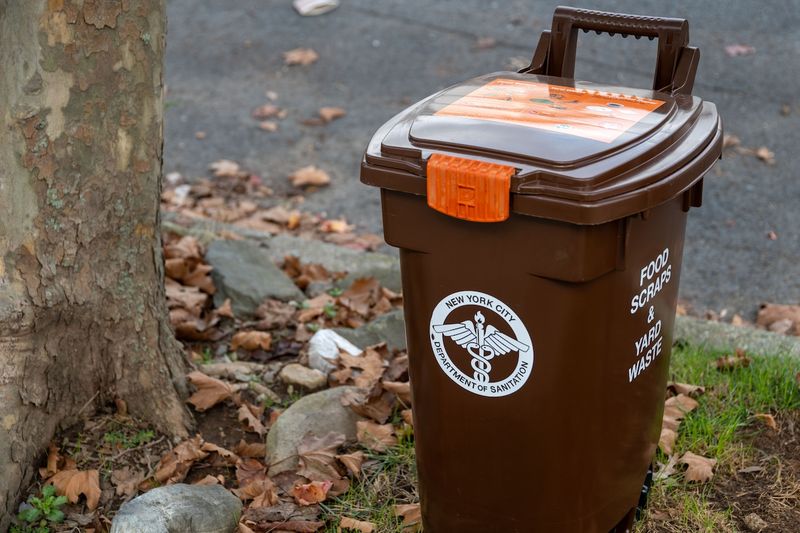
Walk into most apartment trash rooms today, and you’ll spot a new brown bin. That bin isn’t just decoration, since city rules spell out what it needs.
Compost set out for curbside pickup must sit in a labeled bin with a secure lid. The container should hold 55 gallons or less.
Size limits protect sanitation workers who lift and tip bins all day. Lids keep rats, pigeons, and raccoons from feasting.
Buildings can use official DSNY brown bins or their own containers. Any bin works if it meets the size and lid rules.
Labeling is easy, and it’s free. The city offers compost decals you can order online and stick right onto your container.
Owners of larger buildings have extra duties too. Many must provide a storage area with clearly marked compost bins.
Plastic bags are not a substitute for bins. Compost left loose in bags on the curb can attract pests and may not be collected.
Tenants can help by speaking up early. If your trash room lacks a brown bin, politely ask your super or management company.
Many landlords simply need a reminder about the rules. Sharing the official DSNY page often speeds things along.
Keep the area tidy for everyone’s sake. Closing lids tightly and wiping spills goes a long way toward keeping the room fresh.
Compost Goes Out On Recycling Day
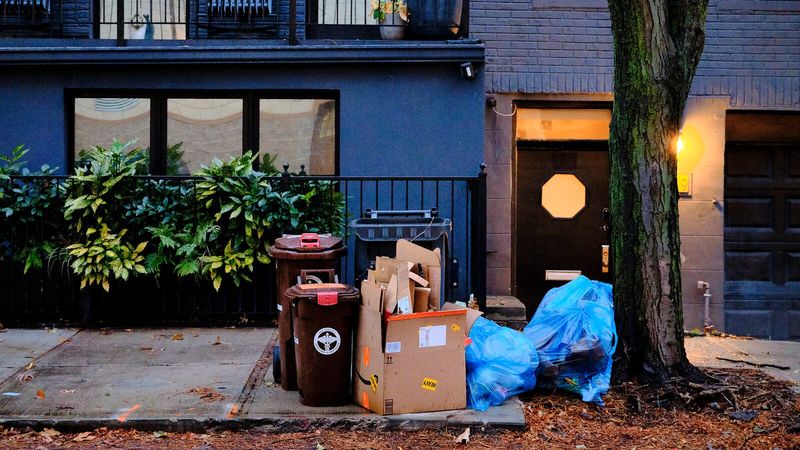
No new calendar to memorize, thankfully. NYC picks up compost every week on the same day as recycling.
Most residents already know their recycling day by heart. Your compost simply joins those blue and green bins at the curb.
Timing matters if you want pickup. Bins can go out after 6 PM the night before your collection day.
Everything should be at the curb by midnight on collection day. Missing that window could mean waiting another full week.
Not sure of your schedule? The free DSNY Collection Schedule tool lets you type your address and see exact pickup days.
Holidays sometimes shift service. Checking the city’s website or the NYC311 app helps you avoid surprise delays.
Apartment dwellers usually have it easier here. In many buildings, the super or porter rolls bins to the curb for everyone.
Your job is mostly sorting scraps correctly upstairs. Then drop them in the building bin before the scheduled set-out time.
Weekly pickup can feel long in hot weather. Freezing scraps or using a sealed caddy keeps smells manageable between collections.
Here’s a neat fact about the program’s reach. New York collects compost from millions of residents across all five boroughs, making it the largest curbside program nationwide.
Fines Hit Building Owners, Not Individual Tenants
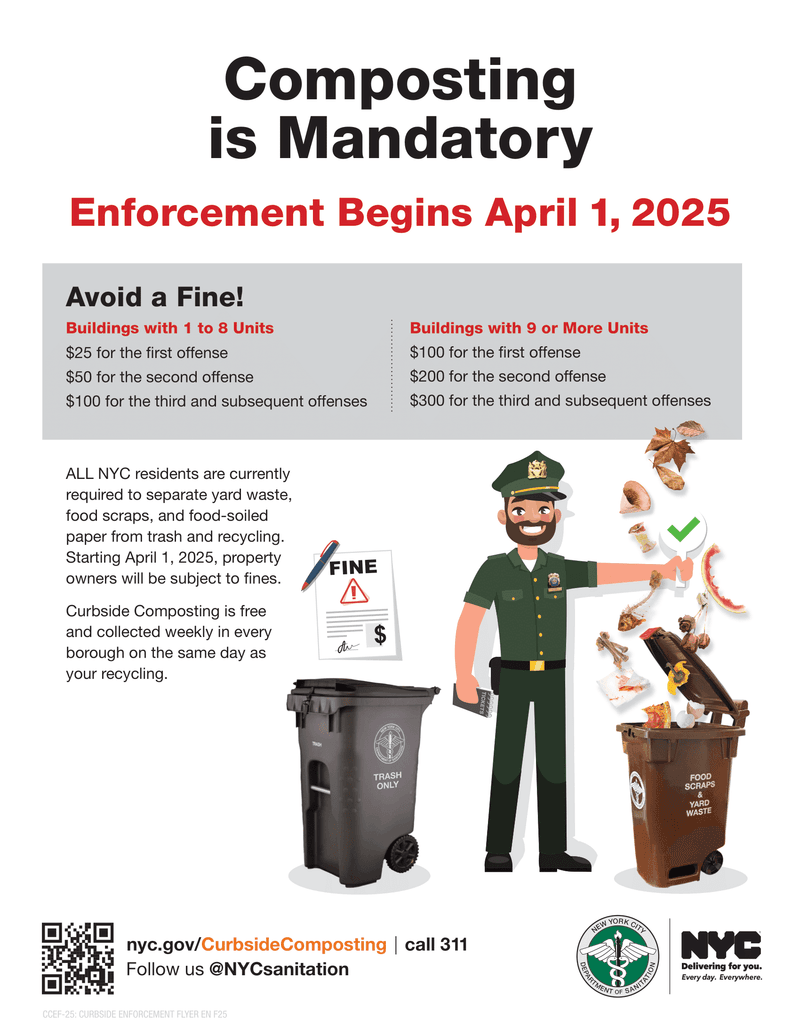
Breathe easy, renters. If someone tosses banana peels in the trash, the ticket doesn’t land in your mailbox.
New York’s rules place responsibility on residential property owners. They receive fines when compost isn’t separated from regular garbage.
Enforcement began on April 1, 2025, after a grace period. Sanitation inspectors can now issue tickets for mixed waste.
Penalties depend on building size. Buildings with one to eight units face $25 first, then $50, then $100 for later offenses.
Larger buildings with nine or more units start higher. Their fines begin at $100 and can climb to $200 or more.
Those numbers might seem small at first glance. Repeat violations add up quickly, though, especially for big complexes.
So why should tenants care at all? Owners may pass pressure along through house rules, notices, or lease reminders.
Good habits also keep relationships friendly with management. Nobody enjoys passive-aggressive flyers taped near the elevator.
Single-family homeowners wear both hats in this situation. They’re the owner and the resident, so any fine falls on them.
Helping neighbors learn the rules benefits everyone. A simple sign in the trash room listing accepted items can cut down mistakes fast.
Drop-Off Sites Are A Backup If Your Building Lags
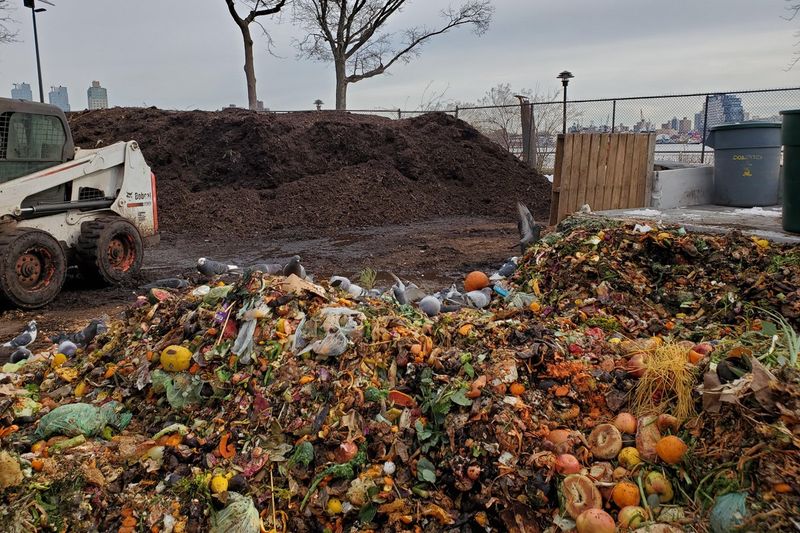
Maybe your landlord still hasn’t set out a brown bin. Or maybe you just like taking a walk with your scraps.
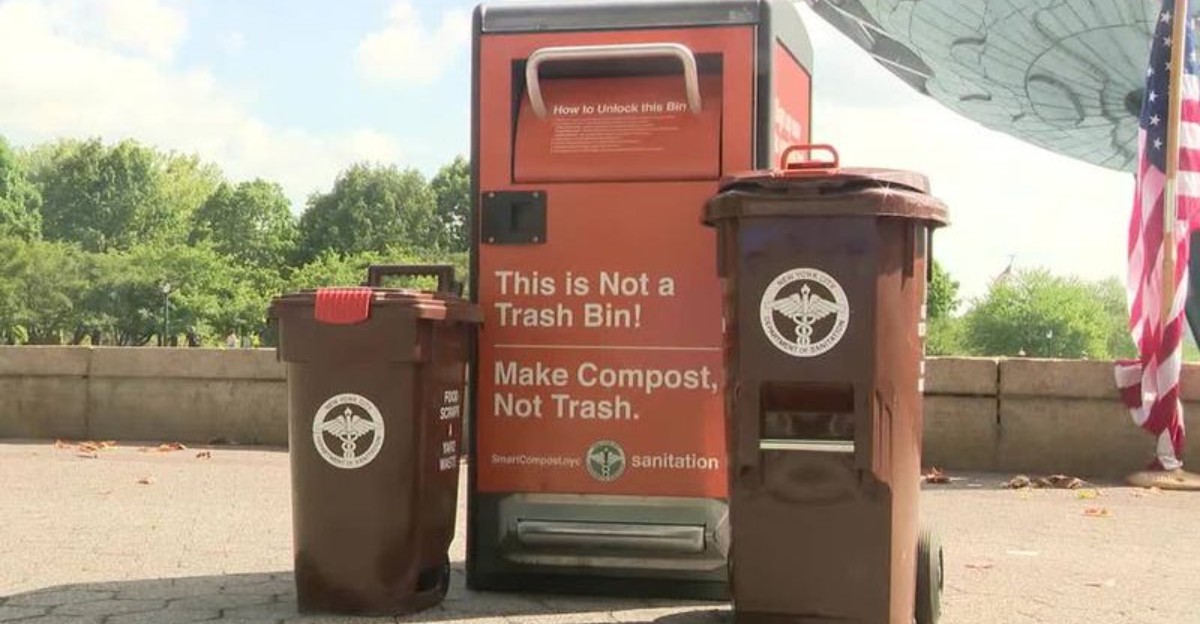
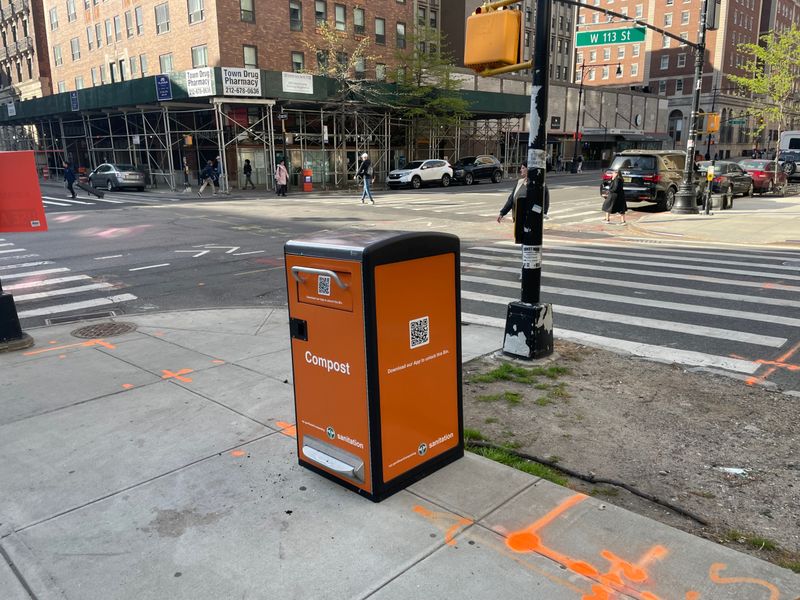
Either way, New York City offers solid backup options. Orange smart composting bins sit on street corners across the boroughs.
They’re open 24 hours a day, seven days a week. You unlock them using the free NYC Compost app on your phone.
Smart bins accept the full curbside menu. Meat, bones, dairy, prepared foods, greasy pizza boxes, and houseplants all qualify.
Community drop-off sites are another choice. Gardens, parks, schools, and nonprofits host weekly collection spots in many neighborhoods.
Those smaller sites usually have stricter rules. Most refuse meat, fish, bones, dairy, oil, fat, and cooked food.
Fruit and veggie scraps are generally safe bets there. Coffee grounds, eggshells, and plant trimmings often work too.
Some community gardens use your scraps right on site. Your apple cores might feed tomato beds just a few blocks away.
Check posted hours before heading out with a heavy bag. Many sites run only on certain days, often at farmers markets.
Bringing a sealed container makes the trip far more pleasant. A reusable tub with a snap lid keeps leaks off your subway seat.