Why Carolina Silverbell Is The Native North Carolina Tree Hardly Anyone Plants
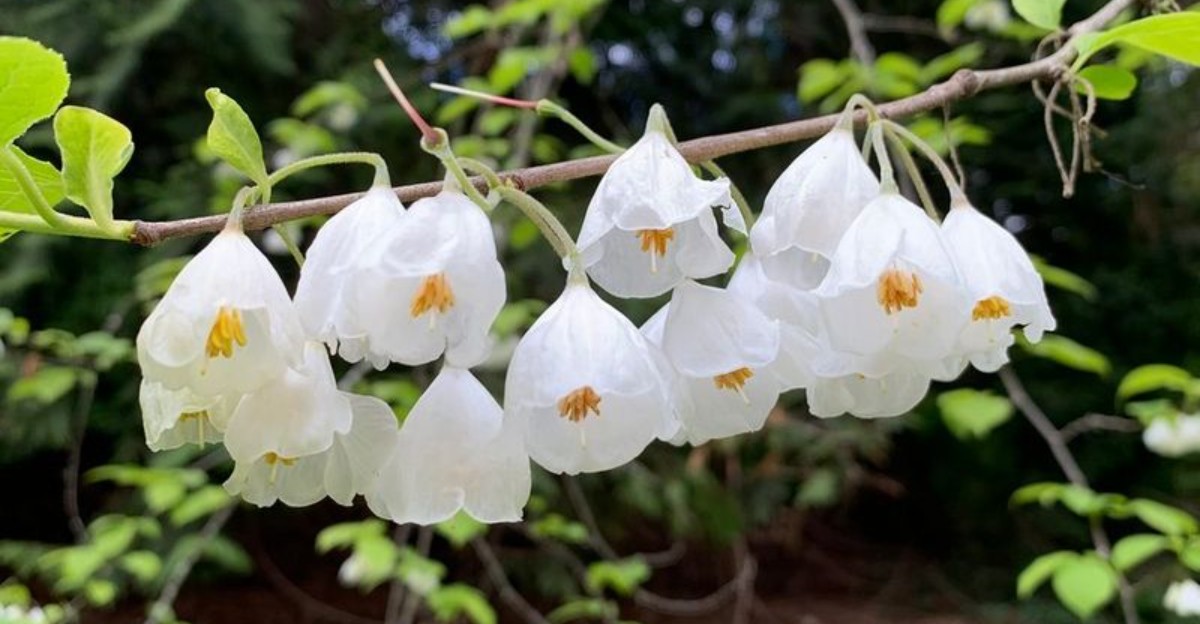
In spring, a Carolina silverbell looks as if someone hung hundreds of tiny white bells from every branch.
The flowers dangle along the stems before the leaves fully open, and bees visit them constantly. It is native to the southeastern mountains, including western North Carolina, so it knows how to handle the local climate.
Fall brings soft yellow leaves, and the bark has an interesting, furrowed look in winter. Even so, nurseries rarely stock it, and most gardeners have never heard of it. That makes it a real find.
It stays a manageable size and fits well under larger trees, where it enjoys some shade. Rich, moist soil helps it grow best. For anyone tired of the usual ornamental trees, this native deserves a closer look.
1. It’s Rarely Found At Big Garden Centers
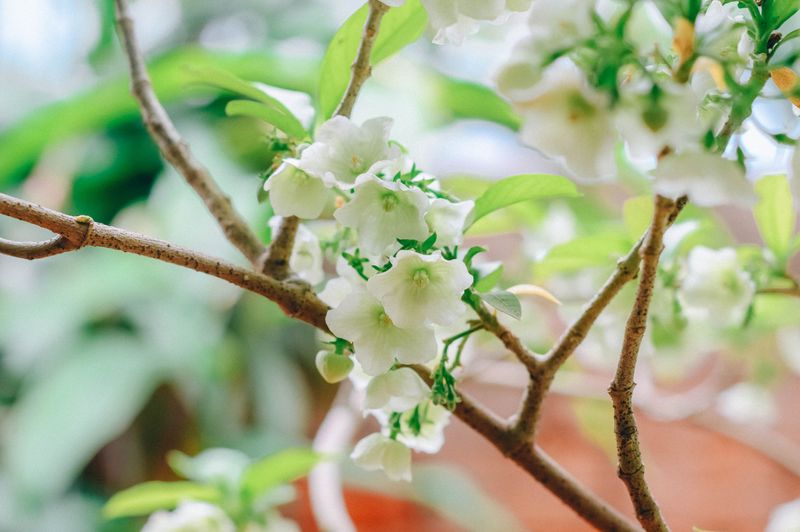
Walk into almost any big box store in spring, and you will see the same trees lined up in rows. Crape myrtles, Bradford pears, and red maples fill the shelves year after year.
Carolina silverbell, known to botanists as Halesia tetraptera and also listed as Halesia carolina, almost never makes the cut.
Big retailers want trees that sell fast and look flashy in a pot. They buy from huge growers who focus on a small group of popular plants. A lesser-known native like silverbell does not fit that system, so it stays out of sight and out of mind.
Here is the good news. Native plant nurseries and specialty growers often carry silverbell, and they usually know a lot about how to grow it.
Many North Carolina towns host spring and fall native plant sales, where you can pick up a healthy young tree for a fair price. Native plant society events are another great place to look.
The North Carolina Native Plant Society holds gatherings and plant swaps where members share tips and sometimes trade seedlings. You will meet friendly folks who love talking about trees as much as you do.
Can’t find one nearby? Ask your local nursery to special order it. Many smaller garden shops are happy to bring in a tree when a customer requests it, and your request might even encourage them to stock more natives.
Across North Carolina, plenty of gardeners would happily plant silverbell if they only knew it existed. Seeing it for sale is often the first step.
When more people ask for it, more nurseries will grow it, and this lovely tree can finally take its place in home landscapes.
2. Its Spring Bloom Is Short And Easy To Miss
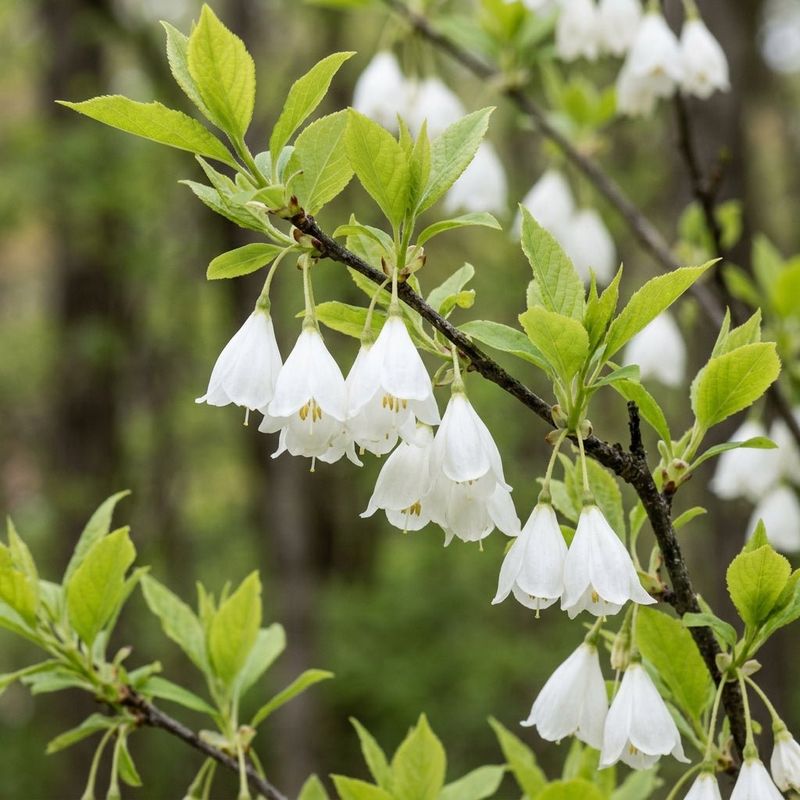
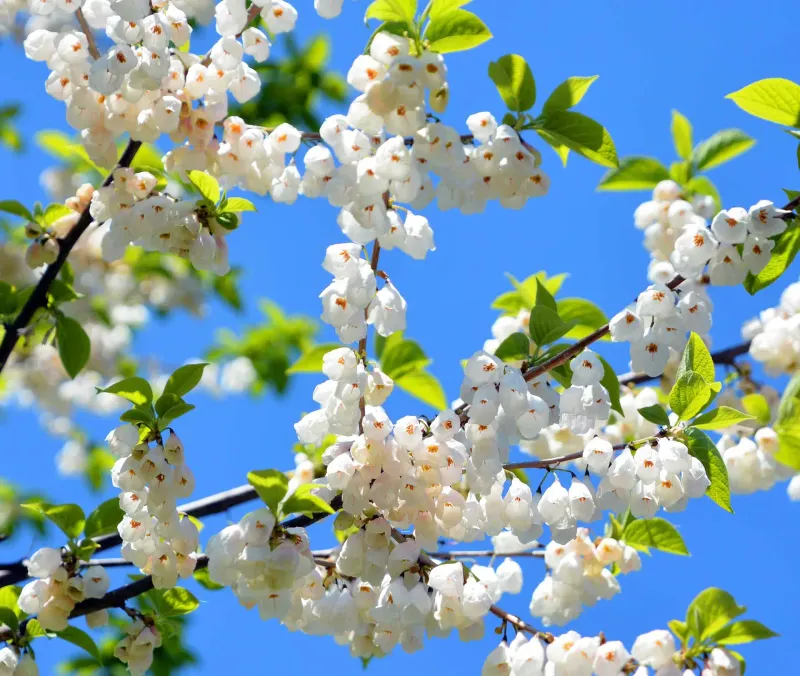
Blink, and you might miss it. For about two weeks each spring, Carolina silverbell covers its bare branches with small, white, bell-shaped flowers. They dangle in neat little clusters, swaying in the breeze like tiny lanterns.
So why do so few people notice? Timing plays a big part. Silverbell usually blooms in early to mid spring, right when dogwoods and redbuds are putting on their loud, colorful shows.
Next to a bright pink redbud, those small white bells can fade into the background.
Your North Carolina Garden Changes Every Week. Your Plan Should Too.
Gardening in North Carolina changes quickly throughout the season. Every Friday you’ll receive a simple weekly plan showing exactly what to plant, prune, fertilize, harvest, and protect so you never miss the right timing.
The flowers also face downward. Since they hang below the branches, you see them best when you stand underneath and look up. From across the yard or a moving car, the tree might just look a little frosty.
Smart placement fixes that problem. Plant your silverbell near a patio, walkway, or deck where people spend time in spring. A spot close to a window works nicely too, giving you a front row seat from your kitchen table or favorite reading chair.
You can also plant it on a slight slope above a path. When the ground rises, the flowers sit closer to eye level, and you can enjoy every bell up close. Some gardeners even place a bench beneath the tree, which turns bloom time into a little yearly celebration.
North Carolina springs are packed with flowering trees, from cherries to serviceberries. In all that color, quiet beauty can slip by. Give silverbell a spot where it can shine, and you may find its soft white blooms become the part of spring you look forward to most.
3. It Grows Naturally As An Understory Tree
Deep in the Blue Ridge Mountains, tucked beside a cool, splashing creek, Carolina silverbell feels right at home. In the wild, it usually grows beneath taller trees like oaks, tulip poplars, and hemlocks. Hikers often walk right past it without a second glance.
Life as an understory tree means living in the shadow of giants. Silverbell fills the middle layer of the forest, below the big canopy trees and above the shrubs. Because it blends in, people tend to forget it is even there, which keeps it off most planting lists.
Still, silverbell can surprise you. In rich mountain coves, especially in the Great Smoky Mountains, some trees grow quite tall, and a few reach heights far beyond what you would expect. These forest veterans show just how happy the tree can be in the right spot.
At home, you can copy its natural setting. Silverbell grows well in part shade to full sun, as long as it has good soil and steady moisture. The edge of a wooded lot is a perfect match, and so is a spot beneath tall pines or hardwoods where light filters through.
In most home landscapes, expect your tree to reach about 20 to 40 feet tall. That size fits nicely in a medium or large yard without towering over the house. Give it room to spread, since it often grows with a rounded crown.
Across North Carolina, silverbell grows wild in the Mountains and parts of the Piedmont. If you live in either region, you already have a climate it loves, which makes it a natural fit for your yard.
4. It Offers Interest In Every Season
Most people think a flowering tree is only exciting in spring. Carolina silverbell happily proves them wrong. Long after the white bells drop, this tree keeps giving you reasons to step outside and take a closer look.
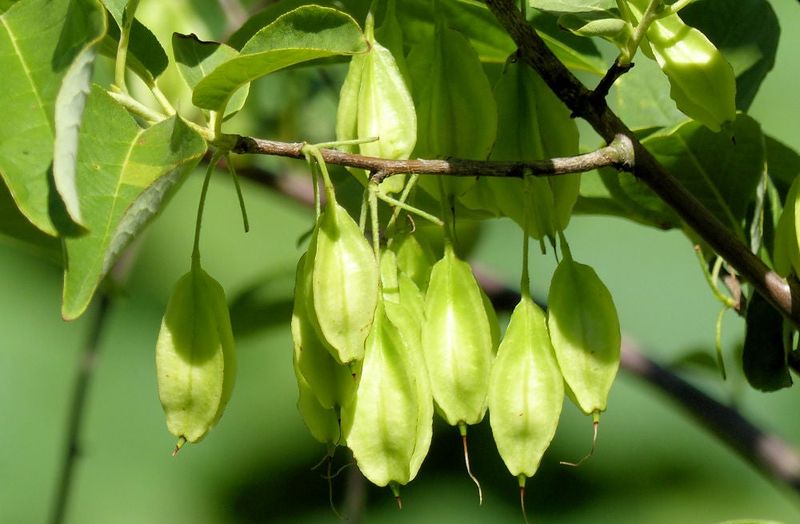
Summer brings one of its coolest features. The flowers turn into unusual seed pods with four papery wings running down their sides. They start out green and slowly turn tan, hanging from the branches well into fall.
Kids love these pods, and adults usually do too. They make a great conversation piece when friends visit, since few people have ever seen anything quite like them. Try leaving some on the tree, because many stay put into winter and add a quirky touch to bare branches.
Autumn adds a soft, sunny glow. The leaves turn a gentle yellow, giving the tree a warm look against the deeper reds and oranges of maples and oaks. It is not a fiery show, but it feels peaceful and bright on a crisp October afternoon.
Winter reveals the bark. Young trees often show striped patterns, while older trunks develop furrows and scaly ridges. With the leaves gone, you can finally enjoy the tree’s shape and texture.
Plant your silverbell where you can see it year round, such as near a front window or along a path you walk often.
That way, you catch every change. For North Carolina gardeners who want a native tree with more than one moment of glory, silverbell delivers something special in each season.
5. It Needs The Right Soil To Thrive
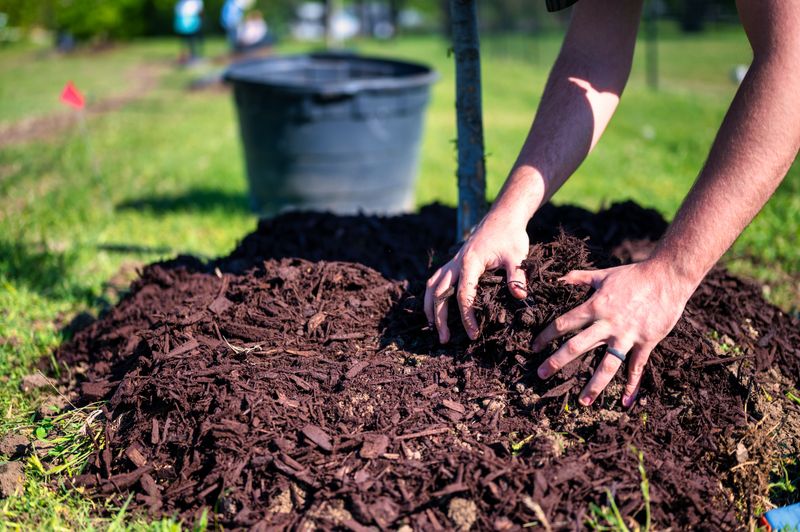
Think of silverbell as a tree with particular taste. It wants moist, rich, well-drained soil that leans acidic, much like the leafy forest floor of a mountain cove. Give it those conditions, and it grows with real enthusiasm.
Trouble starts when the soil is very dry, packed down hard, or alkaline. In those spots, the tree may grow slowly, and its leaves can turn pale or scorched. That pickiness is one reason landscapers often skip it in favor of tougher street trees.
Luckily, you can help a lot. Before planting, work plenty of organic matter into the area, such as compost or aged leaf mold. A simple soil test from your county Cooperative Extension office can tell you your soil’s pH and what it might need.
Mulch is your best friend here. Spread 2 to 3 inches of shredded bark or chopped leaves over the root zone. It holds in moisture, keeps roots cool, and slowly feeds the soil as it breaks down.
Water matters too, especially early on. Give your tree regular, deep drinks during its first few years, and check on it during summer dry spells. A slow trickle from a hose works better than a quick spray.
Skip hot, exposed spots with thin, poor soil, like a bare corner next to a driveway. In the Piedmont, where red clay is everywhere, compost and mulch make a huge difference.
With a little prep, North Carolina gardeners can turn tough clay into a cozy home where silverbell thrives.
6. It Supports Pollinators And Wildlife
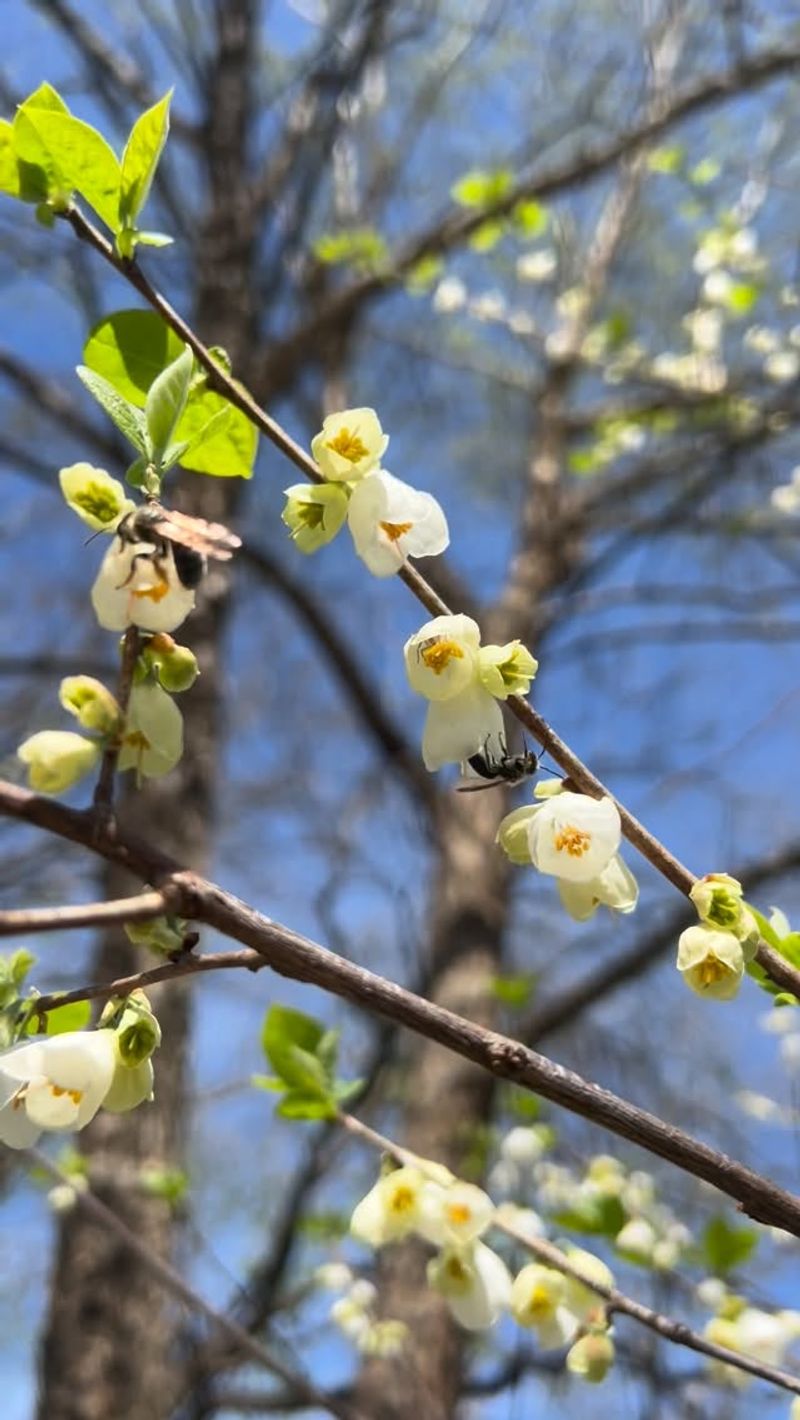
Early spring can be a hungry time for bees. After a long winter, they buzz out looking for food, and not much is blooming yet. Carolina silverbell steps up right when they need it most.
Those hanging white bells offer nectar and pollen to bumblebees, honeybees, and many smaller native bees. Stand beneath a blooming tree on a warm day, and you will often hear a cheerful hum overhead. It is a sound that tells you your yard is doing something good.
The benefits go further than flowers. As a native tree, silverbell supports caterpillars and other insects that have lived alongside it for ages. Songbirds like chickadees and wrens depend on those insects, since baby birds need soft, protein-rich food to grow.
You can boost these perks with a few simple habits. Avoid spraying insecticides while the tree is in bloom, because that is when pollinators visit most. Even products labeled safe can harm bees.
Pair your silverbell with other natives, such as serviceberry, flowering dogwood, and spicebush. Together, they create a welcoming patch of habitat with food and shelter through the seasons. Mixing heights and bloom times keeps visitors coming back.
Try leaving fallen leaves beneath the tree when you can. Many helpful insects, including some moths and fireflies, spend part of their lives in leaf litter.
Across North Carolina, native trees play a big role in feeding local pollinators and songbirds, and one silverbell can make your yard a lively stop on their daily route.
7. It’s Low Maintenance Once Established
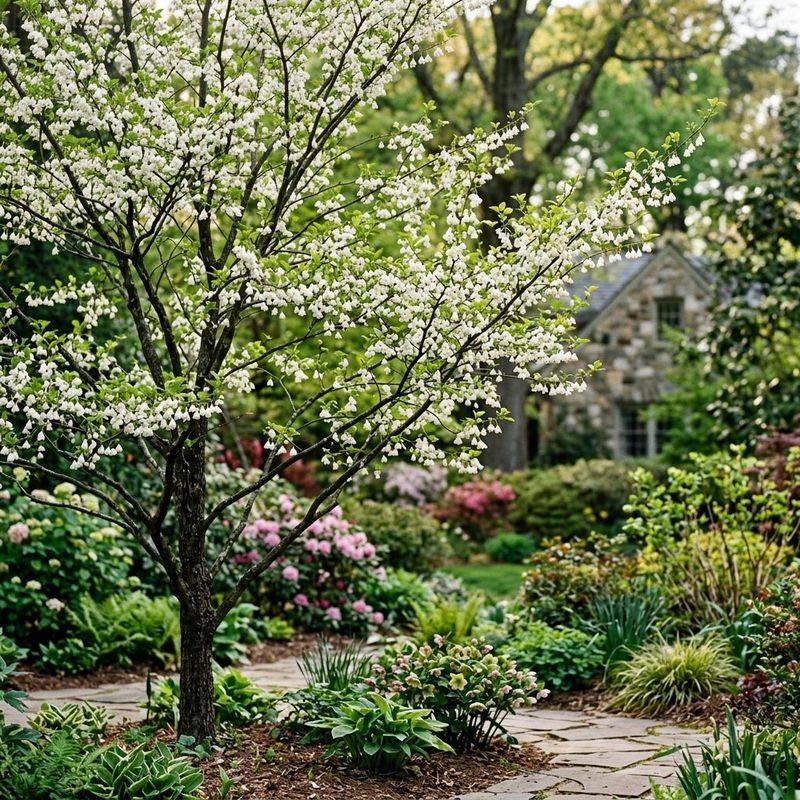
Some trees demand constant attention, with spraying, trimming, and worrying every season. Carolina silverbell is refreshingly relaxed by comparison. Once it settles into your yard, it mostly takes care of itself.
Few serious pests or diseases bother this tree. You will not need a cabinet full of sprays or a calendar of treatments. Its natural shape is also tidy and pleasing, so heavy pruning is rarely necessary.
The first couple of years do take a little effort. Young trees are still building roots, so water deeply during dry periods. A long, slow soak once a week in hot weather helps roots grow down into the soil instead of staying near the surface.
Pruning should stay light and simple. In late winter, while the tree is bare, remove any broken, damaged, or crossing branches. You can easily see the structure then, and the tree heals quickly as spring growth begins.
Mulch needs one quick check. Keep it pulled back a few inches from the trunk, rather than piled up like a volcano. Mulch pressed against the bark can hold too much moisture and invite rot or critters.
That is really all it asks. Compare that with many common ornamentals that need yearly spraying or fight off pests, and silverbell starts to look like a smart choice.
For busy North Carolina homeowners, a native tree that brings spring bells, curious seed pods, and golden fall leaves without much fuss is a true garden treasure worth planting.