The Grass Height Ohio Lawns Should Enter Winter With
Your lawn is about to walk into winter wearing the wrong outfit, and it could cost you a rough spring.
Ohio homeowners love one last summer-style buzz cut before the cold hits, but that habit sets grass up for trouble. Too short, and roots sit exposed to harsh temperatures with nothing to insulate them.
Too tall, and the blades mat down under snow, inviting fungus and disease to move in rent-free.
There’s a precise number that lawn pros swear by, and it’s narrower than most people guess. Get it right, and your grass holds enough energy reserves to survive dormancy without smothering itself under snow cover.
Get it wrong, and you might spend next April staring at bare patches, wondering where you went sideways.
Grab your mower for one final pass before growth stalls for the season. The exact height makes all the difference.
1. Keep Ohio Lawns Around Three Inches Before Winter
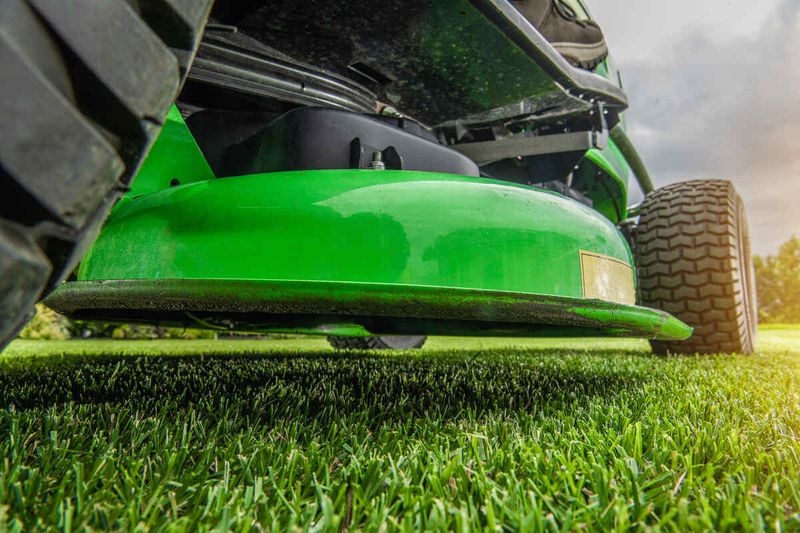
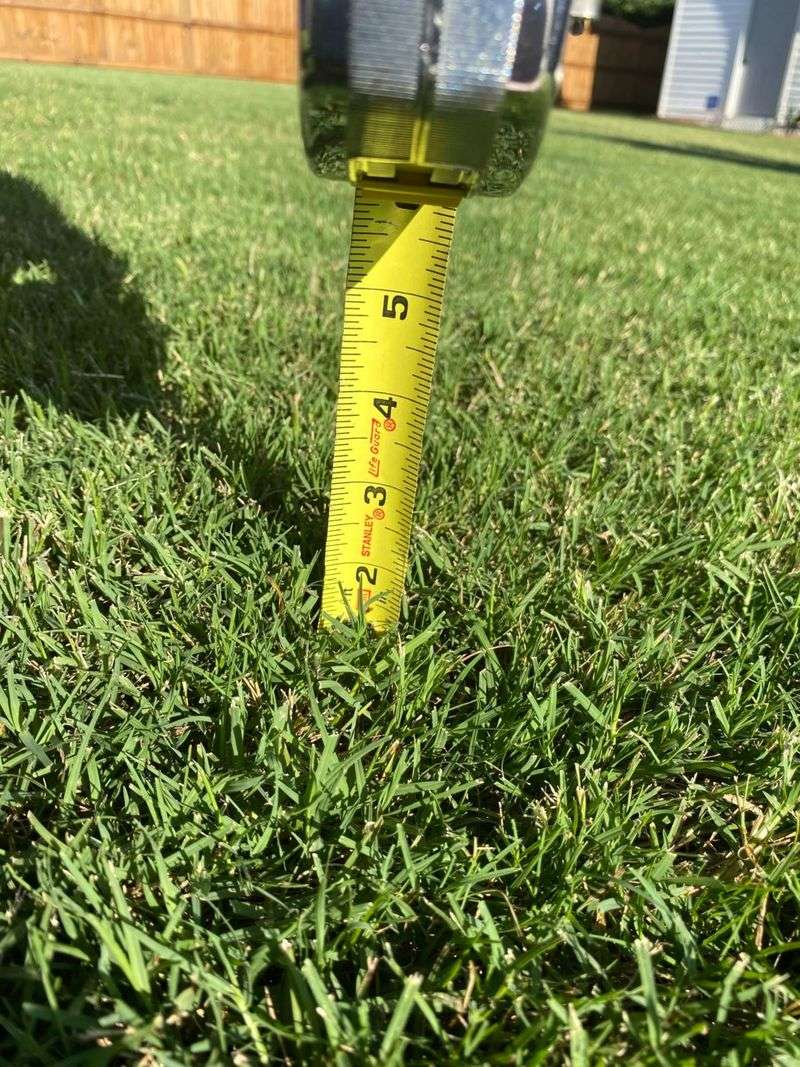
Picture a ruler stuck into your turf in late October. If the blades sit around the 2.5-to-3-inch range, your lawn is generally in a comfortable spot for a winter.
Through most of fall, cool-season grasses here do well when held at 3 to 3.5 inches. That length feeds the plant through photosynthesis while shading soil and slowing weed seeds from sprouting.
As the season winds down, the target shifts a bit lower. Ohio State University Extension suggests bringing the lawn to roughly 2 to 2.5 inches for those closing cuts, and many local lawn crews aim for 2.5 to 3 inches.
The reason behind that trim is moisture. Shorter blades hold less dampness against the crown, which cuts down the odds of snow mold showing up under a long snow cover.
Do not chop from 4 inches to 2 inches in one afternoon, though. Step the mower down a notch at a time over your last two or three passes so the plant can adjust without stress.
A handy trick: set your mower deck once, then measure the actual cut height with a tape on the driveway. Deck settings and real-world results often differ by half an inch, especially on older machines with worn wheels.
2. Avoid Short Mowing That Weakens Turf
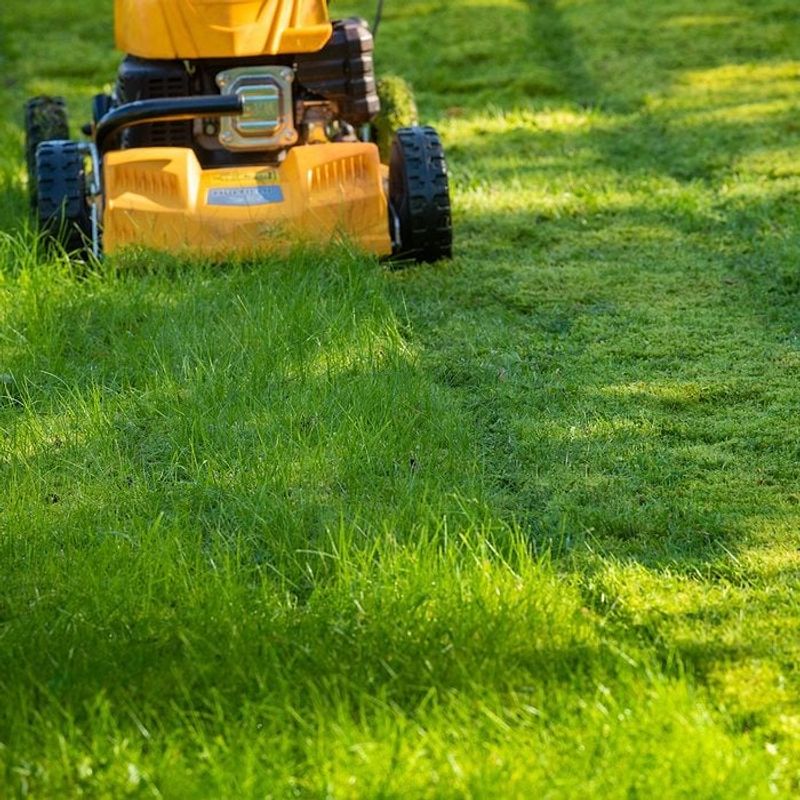
Scalping looks tidy for about four days. After that, the brown, stubbly patches tell on you.
When a mower shaves grass down too far, it strips away the leaf surface the plant uses to make food. Roots respond by shrinking, and a shallow root system struggles when summer heat or a dry stretch rolls around.
Thin, scalped turf also rolls out the welcome mat for crabgrass and other weeds. Bare soil gets sunlight, weed seeds notice, and suddenly you have a spring project on your hands.
The old one-third rule still holds up. Take off no more than a third of the blade length in a single pass, so a lawn standing at 4.5 inches should come down to about 3 inches, not 2.
Let grass run long during a rainy stretch and you may feel tempted to hack it back in one go. Resist that urge and spread the work across two or three mowings a few days apart.
Your Ohio Garden Changes Every Week. Your Plan Should Too.
Gardening in Ohio changes quickly throughout the season. Every Friday you’ll receive a simple weekly plan showing exactly what to plant, prune, fertilize, harvest, and protect so you never miss the right timing.
Watch your slopes and bumpy spots too, since mower decks tend to dig in on high ground. Rolling those humps flat in spring, or simply raising the deck a notch on uneven ground, saves you from the patchy look that follows an aggressive cut.
3. Make The Final Cut Before Snow Arrives
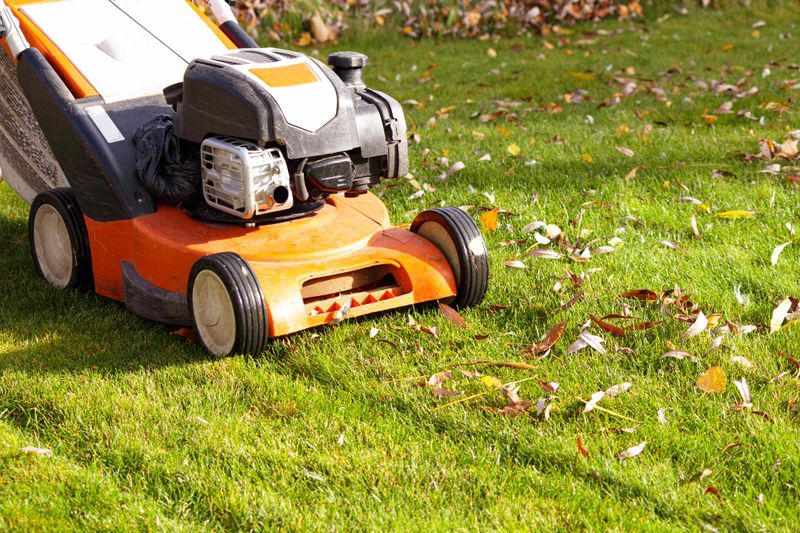
Timing that last mow feels like guesswork, but the grass gives you clear signals.
In most Ohio neighborhoods, the final pass usually lands sometime in late fall, once growth slows and before the ground stays frozen.
Aim to finish before the first hard frost settles in. Frozen blades turn brittle, and rolling a mower across them can bruise and tear the plant instead of slicing it cleanly.
Morning frost that melts off by ten o’clock is not the same thing as a hard freeze. Simply wait until the lawn dries and warms a little, then make your pass in the early afternoon.
A dry lawn matters as much as a warm one. Mowing soggy turf in November compacts soft soil and leaves clumps of wet clippings that smother the grass underneath.
Once that final cut is done, take twenty minutes for the mower itself. Drain or stabilize the fuel, wipe the deck clean, and pull the spark plug wire before scraping off packed clippings.
Come April, you will fire up a machine that starts on the second pull instead of fighting a gummed-up carburetor while the grass races ahead of you.
4. Remove Excess Leaves Before Cold Weather
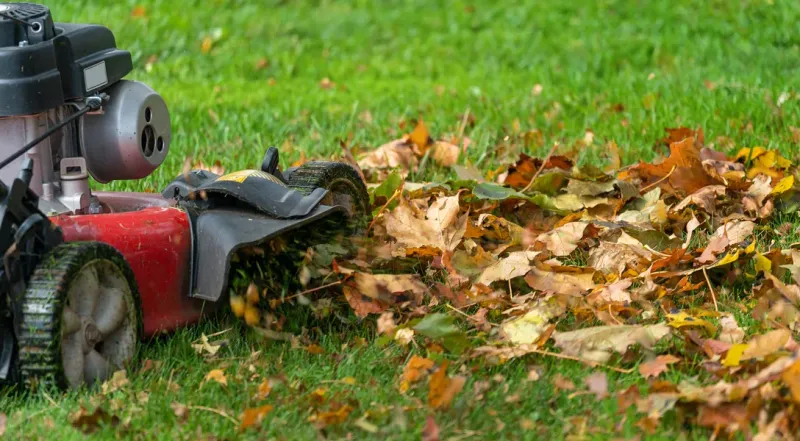
A heavy leaf layer acts like a wet wool blanket on your yard. Underneath, the grass sits in the dark, damp and short on air.
Ohio maples and oaks drop a serious load, and once rain soaks that pile it mats into a seal. Trapped moisture plus no sunlight makes an ideal setup for mold, mildew, and snow mold once the cold settles in.
Turf crowns stressed by that blanket often show up in March as thin, straw-colored patches. Reseeding those spots costs more time and money than a couple of raking sessions in November.
Not every leaf needs bagging, though. Running a mulching mower over a light scattering chops leaves into confetti that filters down and feeds the soil with nitrogen and organic matter.
The rough guideline: if you can still see grass through the leaves, mulch them. If the lawn has vanished under a carpet, rake or blow the excess away first, then mulch what remains.
Work in sections rather than attacking the whole yard at once. Two short passes a week apart during peak leaf drop beats one exhausting Saturday marathon, and your turf gets sunlight the entire time instead of waiting around in the dark.
5. Keep Mowing While Grass Still Grows
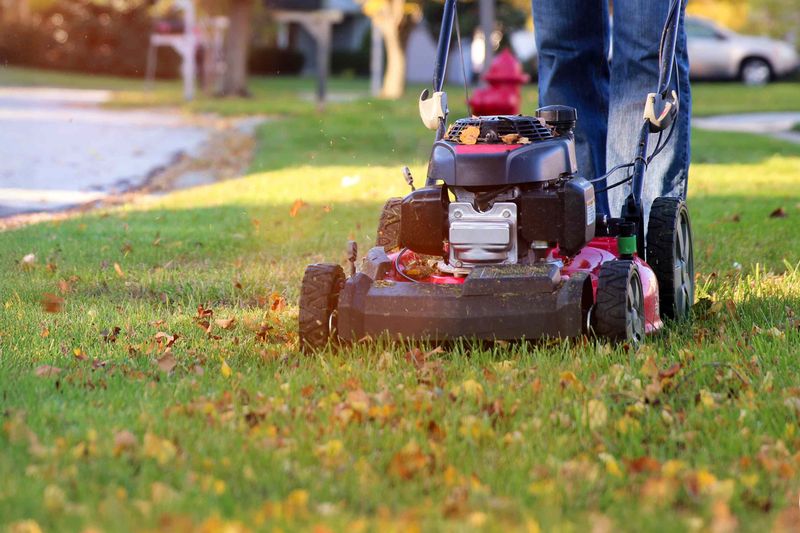
Here is something that surprises a lot of folks: cool-season grasses get a second wind in fall.
When summer heat backs off and rain returns, Kentucky bluegrass, fescue, and ryegrass push new growth with real energy. That surge often runs straight through October and into November across much of the state.
Putting the mower away on Labor Day leaves that growth unchecked. Blades stretch, lean over each other, and the lawn heads toward winter shaggy and uneven.
Let the grass set your schedule instead of the calendar. As long as you are removing a visible amount of clippings, the plant is still growing and still wants a trim.
The interval naturally stretches out as temperatures drop. You might mow weekly in early October, then every ten days, then once more in mid-November before hanging it up.
Fall clippings are worth keeping on the lawn too. Short trimmings break down fast and return nitrogen to the soil, which supports root development during the cool weeks ahead.
One practical note for Ohio: a warm stretch in early December is not unusual. If the grass greens up and grows again, one extra light pass at your winter height does more good than leaving it shaggy until spring.
6. Prevent Long Blades From Matting Down
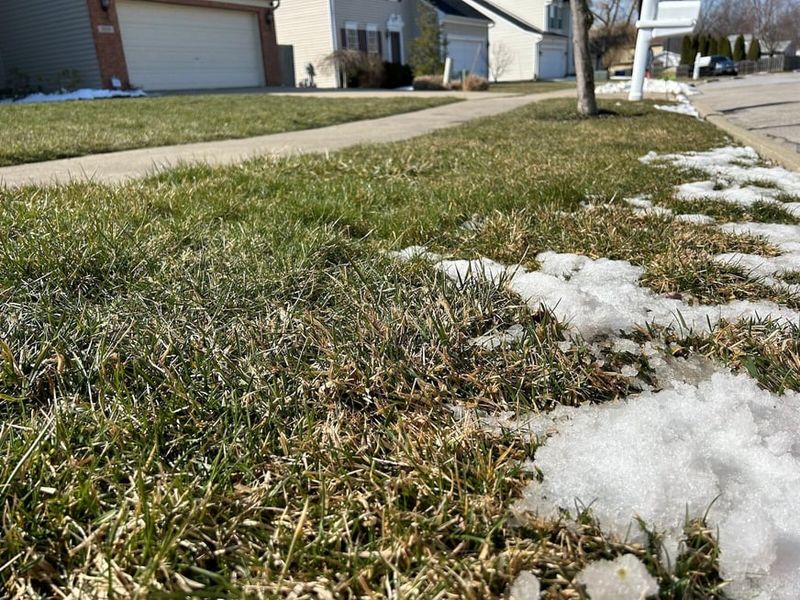
Snow is heavier than it looks. Six inches of wet Ohio snow presses down hard, and tall grass folds under it like wet hair.
Once blades mat flat, they form overlapping layers that hold water against the soil. Air cannot circulate, temperatures stay just above freezing under the snowpack, and fungal problems find exactly what they need.
Snow mold is the usual result. Come thaw, you find circular gray or pinkish patches of crusty, tangled grass that look alarming on a March morning.
Most lawns bounce back from light snow mold with a gentle raking to fluff the matted areas and let air through. Heavy damage, though, may need overseeding and a slow spring of babying thin spots.
Skipping that hassle is simple enough. Finishing the season at a moderate height, roughly 2 to 3 inches, keeps blades short enough to stand up reasonably well under snow cover.
Pay extra attention to shaded areas along fences and the north side of your house. Snow lingers longest there, so those zones benefit from being on the shorter end of your range.
Also worth doing: avoid piling shoveled snow onto the same lawn spot all winter. That mountain takes forever to melt and leaves a soggy circle behind.
7. Match Mowing Height To Your Grass Type
Not all grass wants the same haircut. Ohio lawns usually hold a blend, and knowing which type dominates changes your ideal setting.
Kentucky bluegrass, common in older subdivisions, performs nicely at 2.5 to 3.5 inches. It spreads by underground stems called rhizomes, which helps it fill small bare spots on its own.
Tall fescue prefers more length, generally 3 to 4 inches. Those deeper roots and taller blades give it real staying power through hot, dry July stretches.
Perennial ryegrass sits lower at 2 to 3 inches and germinates fast, which is why it shows up in so many seed mixes. Fine fescues handle a wider window of 2 to 4 inches and tolerate shade better than most.
Figuring out what you have takes a closer look. Pull a few blades and compare width and texture, or bring a small plug to a local garden center or your county extension office for an identification.
Mixed lawns are the norm, so split the difference and lean toward the taller partner in the blend. Erring high is generally safer than erring low.
Write your chosen height on a strip of tape stuck to the mower handle. It saves second-guessing every time someone else in the house cuts the grass.
8. Sharpen Blades For Cleaner Fall Cuts
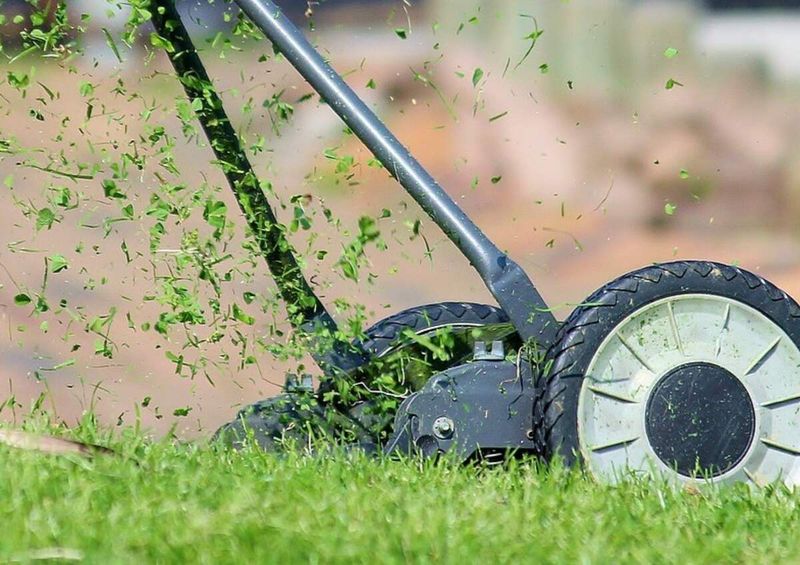
Flip your mower over and run a finger along the blade edge, carefully. If it feels rounded and nicked rather than crisp, your lawn has been getting torn instead of cut.
Dull blades shred grass tips, leaving ragged, frayed ends. Those wounds brown out within a day or two and give the whole yard a dusty, washed-out look even when it is well watered.
Torn tissue also heals slowly. Open, jagged edges invite fungal spores and insect trouble, which is the last thing you want heading into damp fall weather.
A clean, sharp cut seals over quickly and keeps the plant focused on root growth instead of repair. That matters in autumn, when cool-season grasses often put significant energy into root growth.
Sharpening once per season is the minimum, and twice is better for larger properties or sandy soil that dulls steel fast. A basic metal file and a vise handle the job, or most small engine shops will do it for a modest fee.
Keep a spare blade on the shelf and swap it in while the other gets sharpened. Remember to balance the blade after filing, since an uneven one vibrates the deck and wears out bearings faster than you would expect.
9. Set Up Cool-Season Turf For Spring Recovery
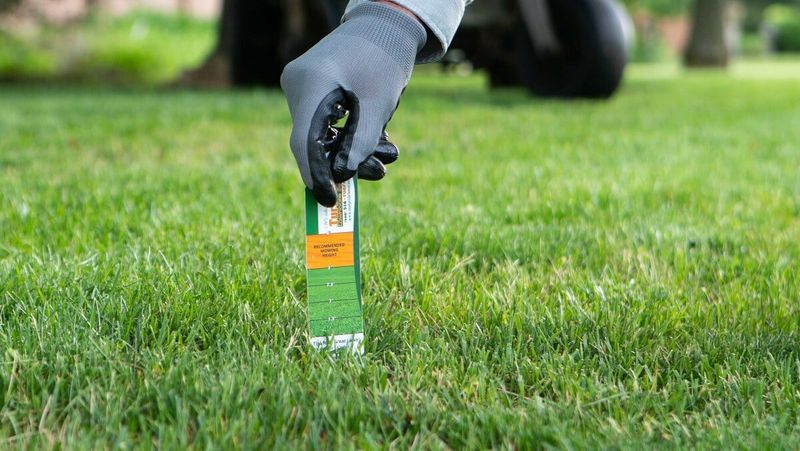
Everything you do in November shows up in April. That is the honest arithmetic of lawn care in Ohio.
Roots keep working after the blades stop growing, storing energy in crowns while soil temperatures stay above freezing. A lawn cut to a sensible height and cleared of leaf litter can channel that energy into building strength rather than fighting problems.
Skip the fall prep and spring greets you with a different scene. Matted patches, fungal rings, and thin spots take weeks of seeding and watering to fix.
Good airflow is the quiet hero here. Proper height plus clean turf means air moves through the canopy, moisture dries faster, and disease pressure drops considerably.
A properly timed late-fall fertilizer application can support root health, but the product and timing should match your lawn’s needs and local recommendations.
Once the ground firms up in spring, resist the urge to rake aggressively or mow the moment you see green. Let the soil dry, then start your first cut at the higher end of your range.
Small, steady habits beat heroic rescue efforts. A few thoughtful passes in autumn buy you a thicker, greener yard when the neighbors are still patching theirs.