Oregon Gardeners Keep Discovering This Flower By Accident And Then Planting It Almost Every Season After
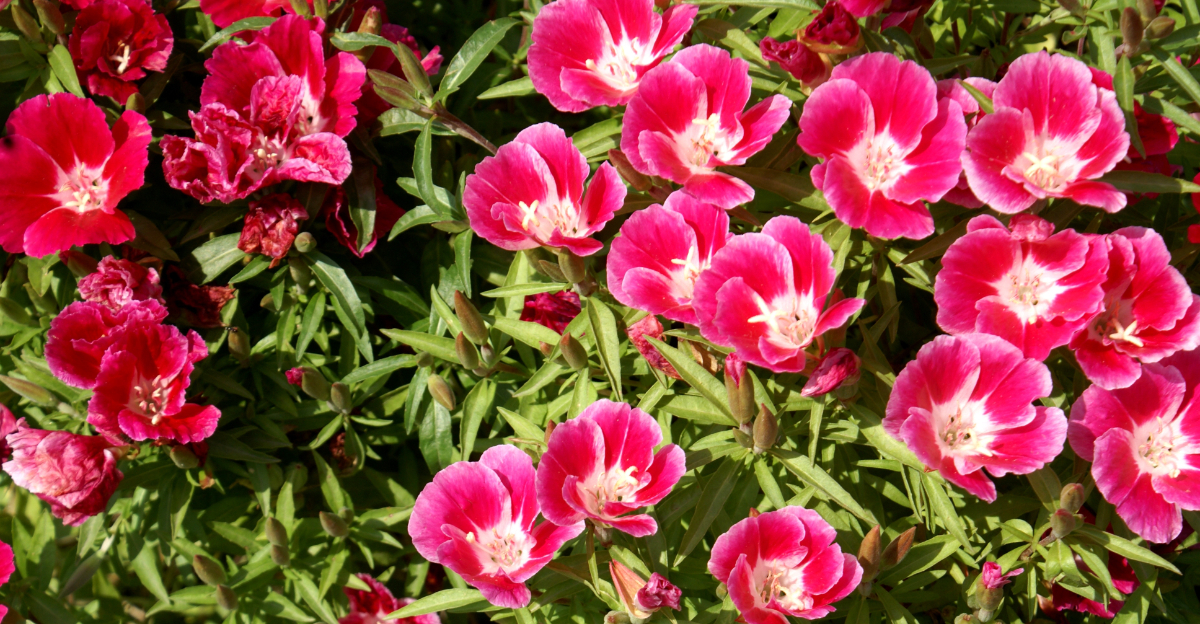
Something showed up in an Oregon garden bed in June.
Nobody planted it. Nobody invited it. It just appeared at the edge of a bed, bloomed in soft pink and lavender for several weeks, dropped its seeds quietly, and came back the following year like it owned the place.
This happens to Oregon gardeners more often than you might expect. And many of them, once they figure out what they are looking at, go out and plant more of it on purpose.
It is a native Pacific Northwest wildflower with a bloom timing that is almost suspiciously well-planned. It arrives exactly when the spring flowers finish and before summer fully takes over.
It fills that awkward color gap with weeks of silky blooms, needs almost nothing from you, and then reseeds itself for next year before quietly stepping aside.
Low maintenance does not begin to describe it. Self-sufficient is closer. Charming is also accurate. Want to know what it is?
1. Meet Clarkia Before Summer Peaks
Clarkia arrived in Oregon gardens the same way it arrived in the historical record: by surprise.
A surprise seedling at the edge of a bed, unbothered and blooming, is how most Pacific Northwest gardeners first encounter this native wildflower.
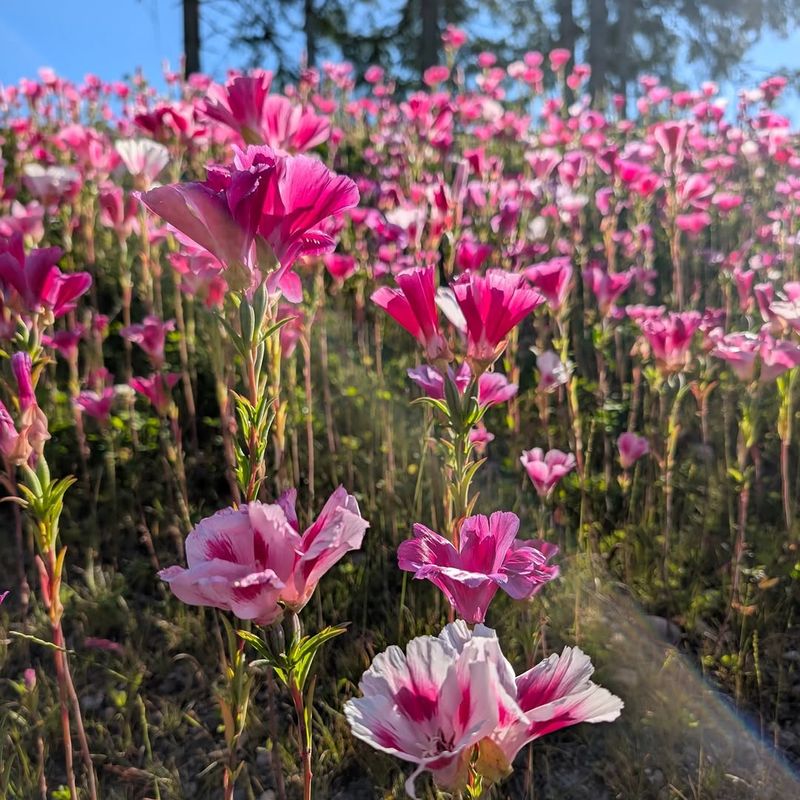
Named after explorer William Clark of the Lewis and Clark Expedition, Clarkia amoena carries the nickname farewell-to-spring because it blooms right as the last spring flowers wave goodbye and summer begins warming things up.
It is a true annual, completing its full life cycle in one growing season and handling that schedule with impressive efficiency.
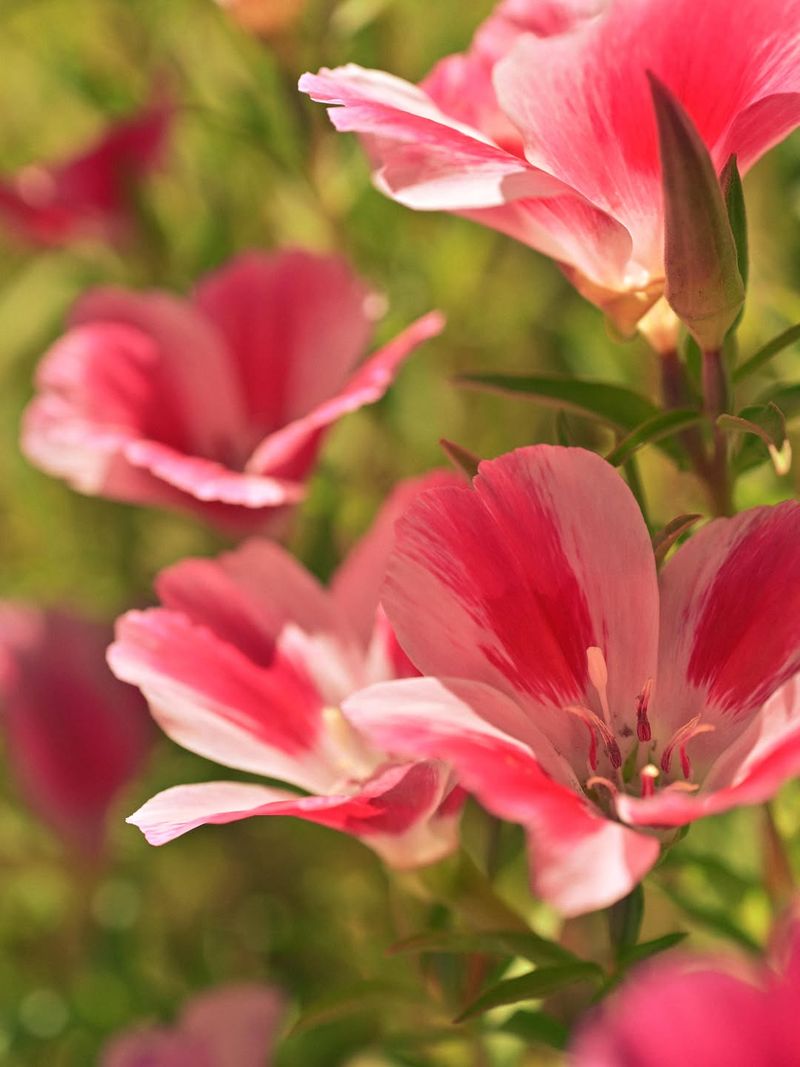
It grows between one and three feet tall and produces silky, cup-shaped flowers in shades of pink, lavender, salmon, white, and deep rose.
Some varieties carry darker centers or streaked petals that make each bloom look genuinely hand-painted. There is no such thing as a plain Clarkia flower up close.
Clarkia handles the warm, dry stretch between late spring rain and full summer heat better than most garden flowers. That is not a coincidence.
It evolved in exactly those conditions in Oregon’s open meadows and dry hillsides, which is why it performs so reliably here when introduced ornamentals start looking stressed and sorry for themselves.
Clarkia needs no constant watering once established, no rich soil, and no regular feeding. It blooms, brightens the garden for weeks, drops its seeds for next season, and steps aside.
For gardeners who want reliable low-effort color, this flower checks every box without asking for a single favor in return.
Clarkia has been growing in the Pacific Northwest since long before anyone planted gardens here. It has a head start on understanding Oregon summers that no catalog flower can compete with.
That experience shows almost every June.
2. Let Seeds Drop For Next Year
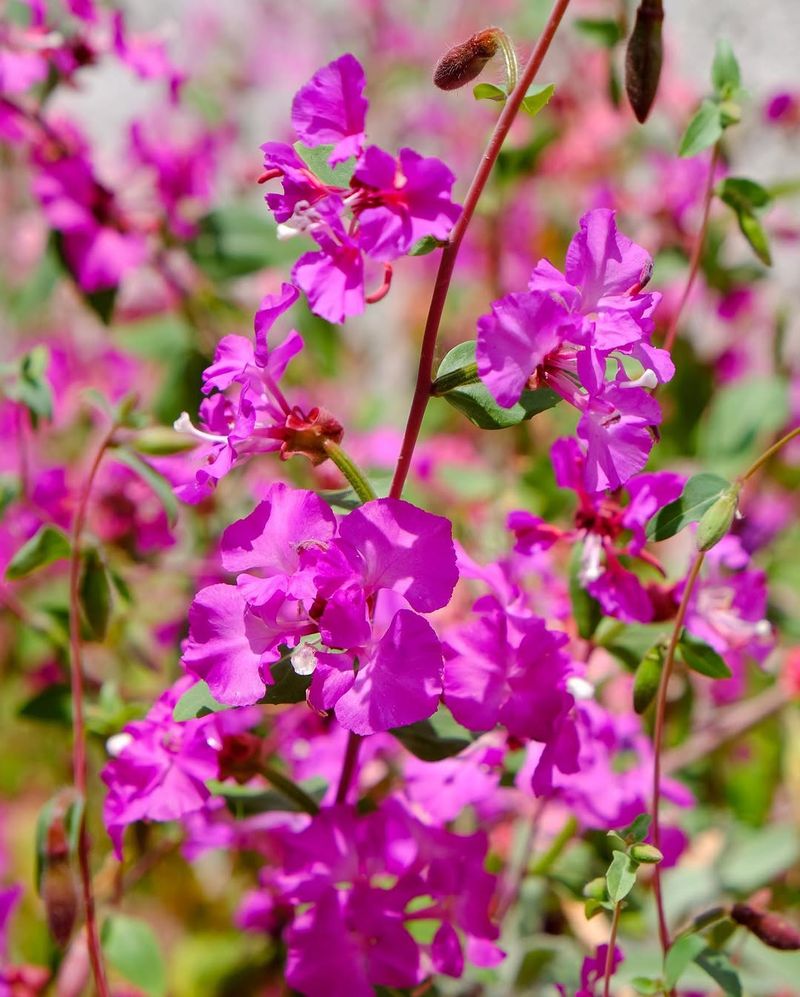
After the blooms fade, Clarkia does something that earns it a permanent place in most Oregon gardens.
It sets small, slender seed capsules packed with tiny seeds, and if those pods are left alone, the seeds fall to the soil and wait for the right conditions.
Your Oregon Garden Changes Every Week. Your Plan Should Too.
Gardening in Oregon changes quickly throughout the season. Every Friday you’ll receive a simple weekly plan showing exactly what to plant, prune, fertilize, harvest, and protect so you never miss the right timing.
Fall rain and cooler temperatures trigger germination, and the whole beautiful cycle starts again without anyone replanting a single thing.
Self-sowing is the core of Clarkia’s loyal reputation in the Pacific Northwest. Gardeners do not have to replant every spring.
The flower handles that job entirely on its own, as long as the soil is not smothered with thick mulch or turned over aggressively in late summer.
A light touch during fall cleanup keeps the self-sowing cycle intact without any special planning.
Seeds need good soil contact to germinate well. Compacted or heavily covered soil makes it harder for seeds to settle in and take hold.
Gently raking the surface after pods drop helps seeds make contact with the soil where they can do their best work. Avoid burying them deep since Clarkia seeds need to stay near the surface to germinate properly.
Gardeners who collect seeds intentionally have even more flexibility. Store dried pods in a paper envelope in a cool, dry spot until fall planting time arrives.
That habit means there is always backup seed ready, even if the garden gets disrupted during summer cleanup. Clarkia rewards patience and a relaxed approach every single season.
A flower that replants itself, tolerates benign neglect, and gets better with minimal intervention. Clarkia understood the assignment and has been delivering on it for centuries.
The only thing it asks is that you do not rake quite so aggressively in September.
3. Choose A Sunny Lean Bed
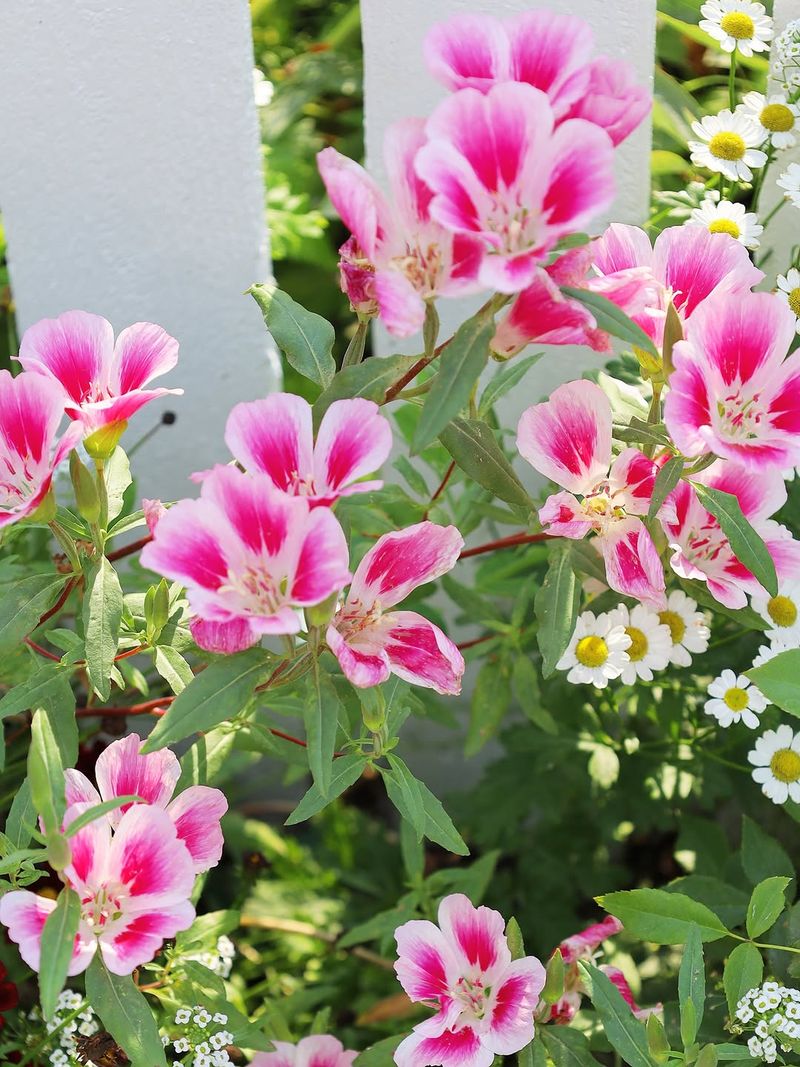
Clarkia has clear preferences about where it grows, and the first requirement is sunlight.
Full sun to light partial shade with at least six hours of direct light per day produces the best plants. Shaded spots push the plant toward leggy, floppy growth that never reaches its bloom potential.
A bright, open bed is where this wildflower does its most impressive work, and it is not subtle about making that preference known.
Soil quality matters just as much as light, but not in the direction most gardeners expect. Clarkia prefers lean, well-draining soil with low to moderate fertility.
Rich beds packed with compost or heavy clay that holds moisture tend to push the plant toward leafy green growth at the direct expense of flowers.
Sandy or loamy soil with fast drainage is the sweet spot this wildflower genuinely loves, which is the opposite of what most gardeners instinctively reach for when preparing a new bed.
Rocky or gravelly spots that other plants ignore are often ideal for Clarkia. Oregon’s natural hillsides and open meadows are exactly where this wildflower evolved, and those conditions were not lush or pampered.
The plant was shaped by challenging ground, which is why it performs so reliably in spots that feel like a problem rather than an opportunity.
Raised beds work well if the native soil is too heavy or poorly drained. A simple mix of native soil and coarse sand creates the right conditions without much expense.
Fast drainage and soil that does not stay wet after rain is the whole goal. Skip the compost and let the leanness work in your favor.
Many gardeners spend effort improving soil before planting. Clarkia asks you to stop improving and start accepting.
The lean, challenging spots other plants complain about are the ones it was built for. Let it have them.
4. Expect Color As Spring Fades
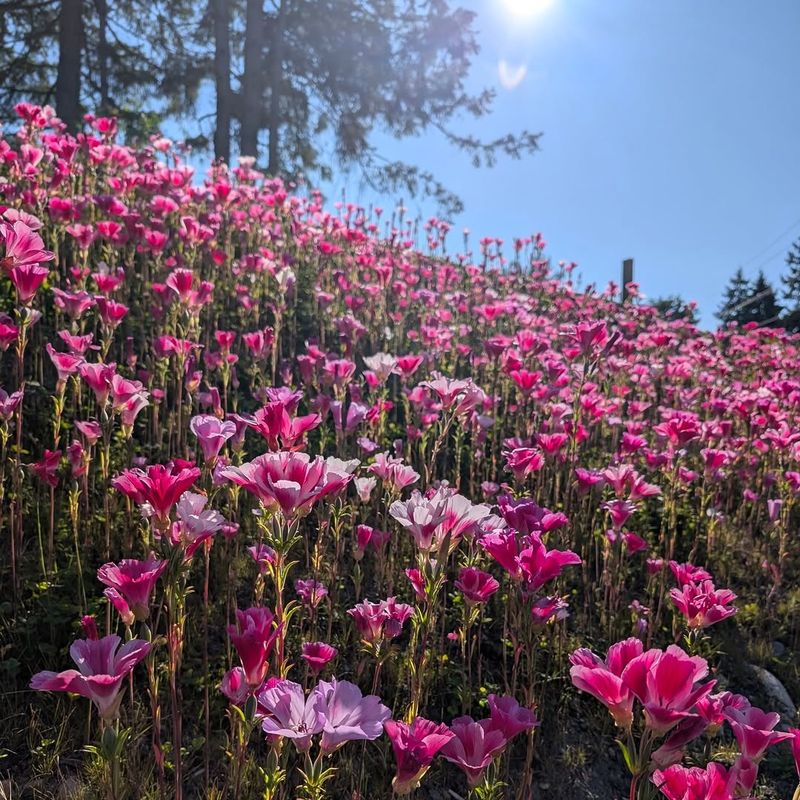
Late May and early June create a tricky window in the Oregon garden.
Spring tulips and daffodils are finished. Summer perennials have not fully arrived. The garden holds its breath for a few weeks, looking half-finished and slightly apologetic.
Clarkia fills that gap with easy confidence, producing waves of silky blooms precisely when the garden needs them most. The timing feels almost intentional, which is because, evolutionarily speaking, it is.
Bloom time typically runs from late May through July in most Oregon locations. Cooler coastal areas often see blooms stretch further into summer.
Warmer inland valleys experience earlier and faster bloom cycles, but the flower delivers a generous show regardless of location before summer heat brings the season to a close. The gap it fills is consistent and reliable year after year.
Individual Clarkia flowers are not small or shy. Each bloom can reach up to two inches across, and plants produce multiple flowers per stem, meaning one plant contributes a surprising amount of color for its footprint. A small cluster can brighten a dull corner that nothing else seems willing to occupy, which is a useful quality in a garden with awkward spots.
Pairing Clarkia with late-blooming alliums or early ornamental grasses creates a natural spring-to-summer color transition that looks intentional and polished. The soft, papery petals complement bolder textures well. Gardeners who include Clarkia rarely experience that mid-season color gap that leaves a garden looking unfinished and slightly abandoned.
Clarkia blooms during the awkward transition week that most garden calendars just try to skip past. It does not skip anything. It shows up, fills the gap completely, and does it without being asked twice. That is exactly the energy a June garden needs.
5. Scatter Seed Before Fall Rain
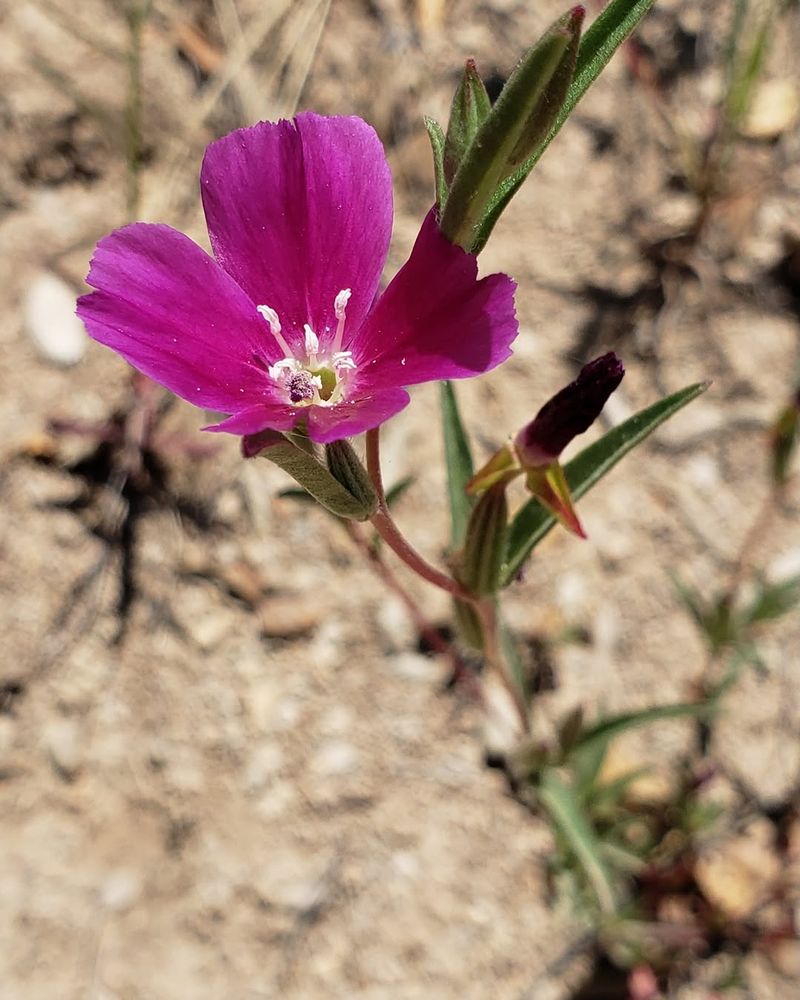
Timing is the whole game with Clarkia seed sowing, and fall is the season that sets everything up for the following spring.
Oregon’s rainy season typically begins in October, and scattering seeds just before those first fall rains arrive gives seeds the moisture they need to settle in without any supplemental watering from you.
Nature handles the irrigation, and Clarkia handles the rest.
Sowing in fall closely mimics what Clarkia does naturally. Seeds ripen and fall from pods in late summer, then rest in the soil through the dry stretch before fall rain triggers germination.
Small seedlings emerge in autumn, establish roots through winter, and surge into growth and bloom as temperatures warm in spring. That natural rhythm consistently produces stronger, more floriferous plants than any other method.
Prepare the planting area by lightly raking the soil surface to loosen it without turning it deeply. Broadcast seeds thinly and evenly, then rake gently once more to press them into good contact with the soil.
No deep covering needed. A light dusting of soil is the entire process. Mark the area clearly so fall garden cleanup does not accidentally undo everything.
Direct sowing is always preferred over transplanting since Clarkia has a taproot that does not appreciate being moved after it has established.
If fall sowing gets missed, early spring direct sowing outdoors also works in Oregon’s mild climate. Fall-sown plants almost always outperform spring-sown ones with larger stems and more blooms per plant.
Scatter seeds before October, let Oregon rain do the watering, and then mostly forget about it until May. That is a gardening timeline most people can get behind.
Clarkia handles everything in between without checking in.
6. Skip Rich Soil And Fussing
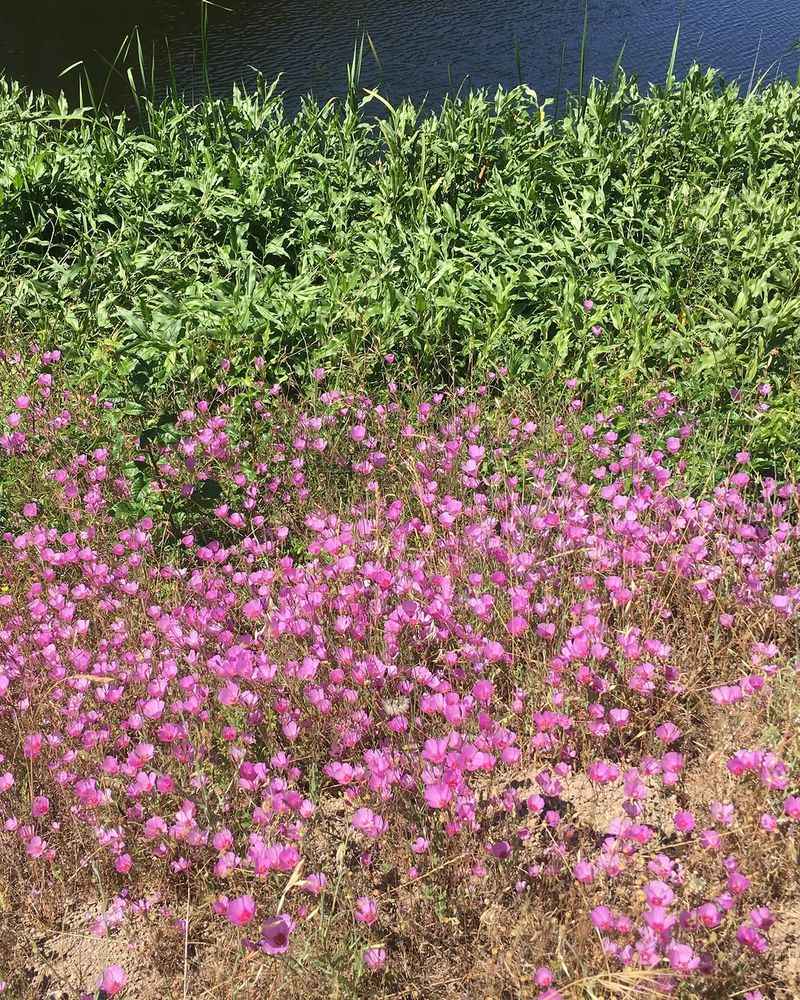
Overfeeding Clarkia is one of the most reliable ways to end up with a garden full of leafy green stems and very few flowers.
Rich soil loaded with nitrogen pushes the plant toward vegetative growth at the direct expense of blooms.
Gardeners who skip the compost amendment and leave the soil lean are almost always the ones who report the most spectacular flower displays, which is a counterintuitive lesson that takes many people exactly one season to learn.
Fertilizer is simply not part of the Clarkia care routine. This wildflower evolved on Oregon’s dry hillsides and open grasslands where nutrients are naturally limited.
Replicating those lean conditions in the garden is not neglect. It is accurate understanding of what the plant actually needs, and acting on it consistently is the smartest thing a gardener can do for this particular species.
Watering habits benefit from the same relaxed approach. Once seedlings establish in fall or early spring, supplemental irrigation is rarely needed in Oregon’s climate.
The rainy season handles moisture needs through winter and into spring. As weather warms and dries, Clarkia wraps up its bloom cycle and sets seed, perfectly synchronized to the Pacific Northwest seasonal rhythm with no assistance from you.
Weeding around young Clarkia seedlings is the one task worth doing carefully.
Small seedlings can look similar to common weeds, so learning to recognize the distinctive narrow leaves early prevents accidentally clearing out next year’s flower show.
A quick image search for Clarkia seedling photos before fall cleanup can prevent a lot of future disappointment.
Less fertilizer, less water, less intervention, more flowers. Clarkia inverted the standard gardening formula and made it work. The plant spent thousands of years in lean Oregon soil getting very good at this.
Trust the process and put the compost bag down.
7. Leave A Few Pods Standing
The urge to tidy up once Clarkia finishes blooming is understandable. Dry stems and papery pods do not have the visual drama of full blooms. Resist it anyway.
Those seed pods are doing important work, and removing them too early breaks the self-sowing cycle that makes Clarkia so effortlessly rewarding year after year. The patience required here is genuinely minimal. The payoff is genuinely worthwhile.
Each small capsule holds dozens of seeds that become next year’s plants if given the chance to ripen and drop naturally.
Leaving pods standing also brings an unexpected bonus: finches and sparrows visit drying Clarkia stems to work through the seeds, adding wildlife activity to a part of the garden that would otherwise just be winding down for the season.
The stems catch light nicely too, creating a soft naturalistic look that many gardeners find worth keeping rather than cutting.
Once pods have dried fully and begun to split open, that is the signal that seeds are mature. Shake a few pods gently over a paper bag to collect backup seeds without losing them to wind.
Even gathering from just a few pods gives enough supply for new planting areas or sharing with other gardeners who have not discovered Clarkia yet.
Cutting all stems too early removes the seed source and breaks the colony. Leaving even a small cluster of plants to fully mature their pods in one corner of the bed keeps the self-sowing cycle running strong without any replanting effort from you.
That corner becomes the engine for the entire planting going forward.
Those dry pods in late summer are next June’s flowers, stored in the most compact possible format. Tidying them away now saves a few minutes.
Leaving them saves an entire season of blooms. That math is not complicated.