Can Satsuma Oranges Really Grow In Coastal North Carolina? Here’s What You Need To Know
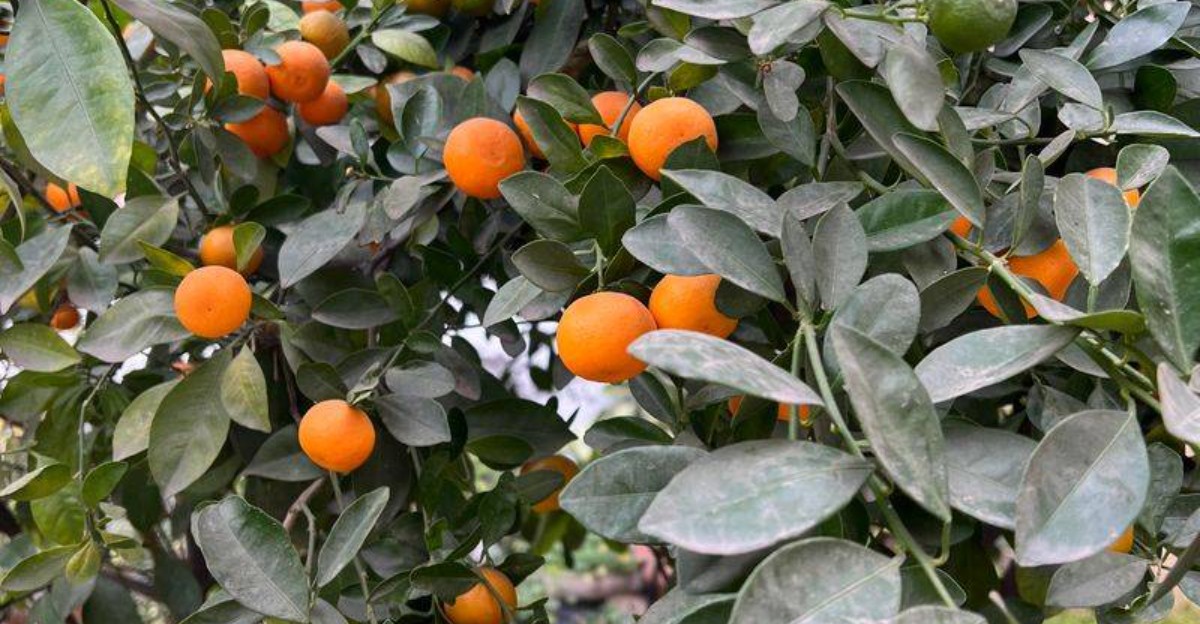
Citrus in North Carolina sounds like wishful thinking, yet a few coastal yards have satsuma trees heavy with fruit every November. The secret is that satsumas are the toughest of the popular citrus trees.
Mature ones can handle temperatures well below freezing, and the fruit ripens in fall, before the deepest cold arrives. That does not make the answer an easy yes.
Young trees are far more tender, and one hard freeze can set them back for years. Location matters more than most buyers expect.
A warm, sheltered spot near a south-facing wall helps, and so does soil that drains well, since citrus hates wet roots. Knowing these limits before you buy helps you decide whether this sweet, easy-to-peel fruit belongs in your yard.
1. Satsumas Are Among The Most Cold Hardy Citrus
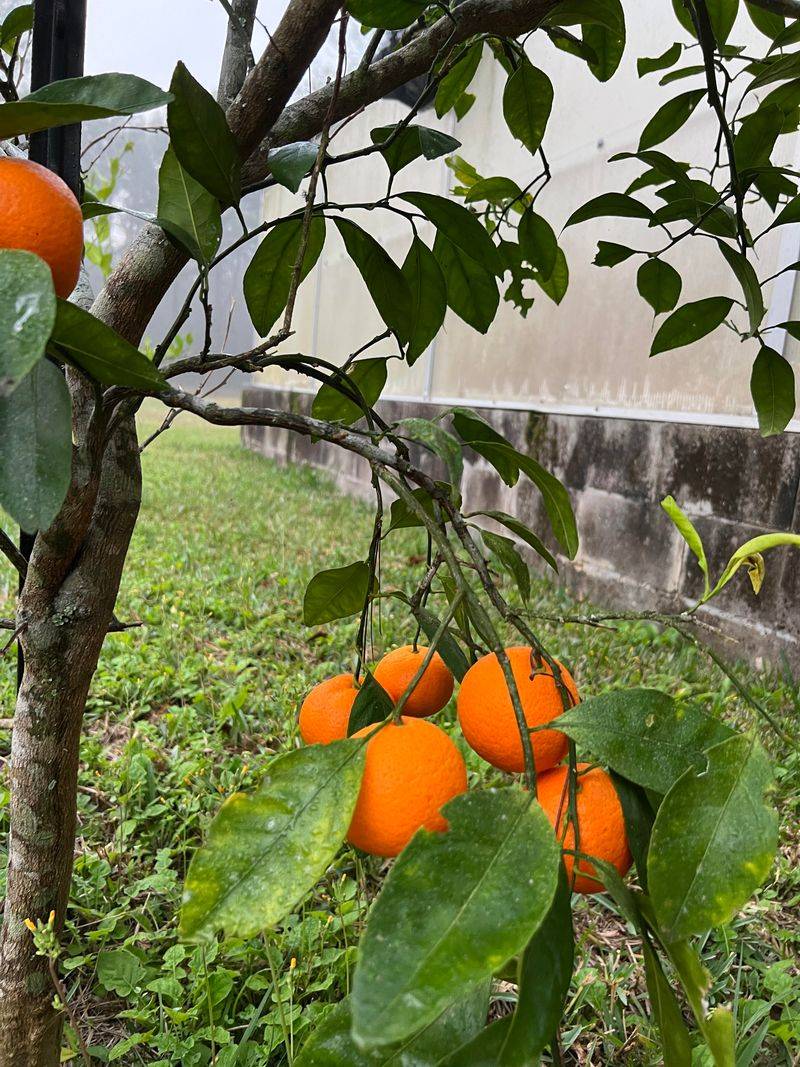
Most citrus trees shiver at the first hint of frost, but satsumas have a tougher spirit. Known by the scientific name Citrus unshiu, these mandarins came from Japan, where growers have raised them for centuries in places with real winters.
That background gives them a cold tolerance few of their cousins can match. Once a satsuma tree is mature and fully dormant, it can often handle brief dips into the low 20s Fahrenheit.
Oranges, lemons, and limes start taking damage at much warmer temperatures, sometimes right around freezing.
Limes and lemons are especially tender, so they rarely last outdoors in the Carolinas without heavy help.
Age plays a huge role here. Young trees have thin bark, small root systems, and less stored energy, so they handle cold far worse than older trees.
A satsuma that shrugs off a chilly night at eight years old might suffer badly during its first or second winter in the ground.
Even tough trees have limits, though. Long freezes that last many hours, or temperatures that fall into the teens, can still cause serious harm to branches, leaves, and even the trunk.
How long the cold sticks around often matters just as much as how low the thermometer drops. For coastal North Carolina, that balance is the whole story. Most winters near the shore stay fairly mild, which suits satsumas nicely.
Every so often, though, a hard freeze sweeps in and tests every plant in the yard. Growers who understand both the strengths and the limits of satsumas can plan ahead, protect young trees, and give their citrus the best shot at a long, fruitful life.
2. Location Along The Coast Makes A Big Difference
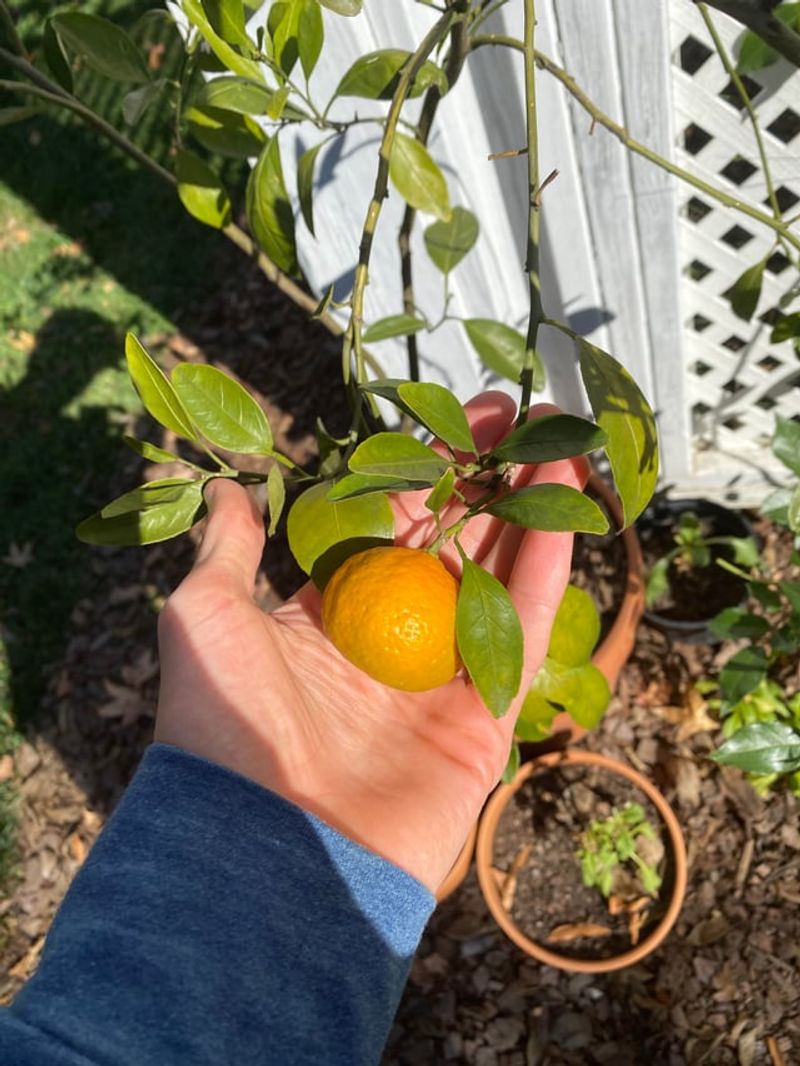
Ask ten gardeners from Manteo to Calabash about growing citrus, and you will hear ten different stories. That is because coastal North Carolina is not one single climate. Winter lows can change a lot within just a short drive.
Water is the secret helper. The ocean and the large sounds hold warmth long after the air cools down, and that stored heat keeps nearby land milder on cold nights.
Homes close to the beach or right along a sound often stay several degrees warmer than farms just a few miles inland.
Your North Carolina Garden Changes Every Week. Your Plan Should Too.
Gardening in North Carolina changes quickly throughout the season. Every Friday you’ll receive a simple weekly plan showing exactly what to plant, prune, fertilize, harvest, and protect so you never miss the right timing.
The southeastern corner of the state usually offers the best odds. Areas around Wilmington, Southport, and the southern beaches tend to have the gentlest winters in North Carolina.
Move farther inland across the Coastal Plain, and nights get noticeably colder, which makes satsumas more of a gamble.
Before buying a tree, look up your USDA plant hardiness zone online. Warmer zones such as 8b and 9a give satsumas a friendlier home, while cooler zones mean more risk and more work.
The zone map offers a helpful starting point, though local conditions can still shift the picture.
Your local Cooperative Extension office is another fantastic resource. North Carolina State Extension agents often know which neighbors have grown satsumas successfully and which winters caused trouble.
A quick phone call or visit can save you money and heartache. Since the Coastal Plain stretches across such a wide range of winter temperatures, local advice turns guesswork into a smart, confident plan for your own yard.
3. Plant In The Warmest, Most Sheltered Spot
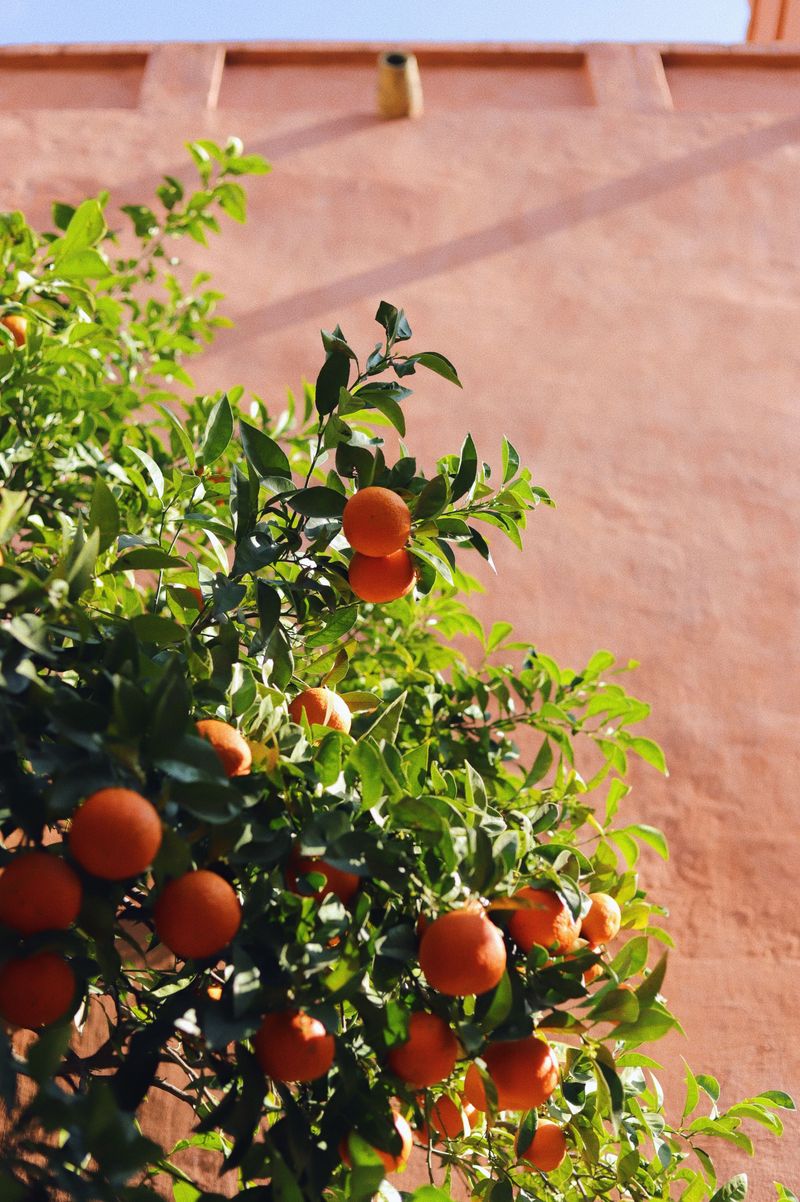
Two satsuma trees can sit in the same yard and live completely different lives. One thrives for years, while the other struggles every winter. The difference often comes down to a few feet of ground.
Gardeners call these small pockets of unique weather microclimates. Walls, buildings, and fences soak up sunshine during the day and slowly release that warmth at night.
They also block icy winds that would otherwise sweep across the branches. A satsuma tucked against the south side of a house can stay several degrees warmer on a freezing night than one standing alone in an open lawn.
Full sun is a must for healthy growth and sweet fruit. A spot near a south or southeast-facing wall gives the tree plenty of light plus extra heat. Brick and stone walls work especially well because they hold warmth for hours.
Watch out for low areas in the yard. Cold air is heavy, so it flows downhill and settles in dips and hollows, almost like water filling a bowl. Planting in those spots can expose your tree to the harshest chill on the property.
Soil matters too. Citrus roots hate sitting in wet, soggy ground, and they quickly decline when water pools around them.
Choose a well-drained site, or build a slightly raised bed if your yard holds water after heavy rain.
For coastal North Carolina gardeners, a smart spot can be the hero of the story. When a rare hard freeze rolls in, those few extra degrees from a cozy wall may protect your tree and keep next fall’s harvest on track.
4. Rootstock And Variety Choices Matter
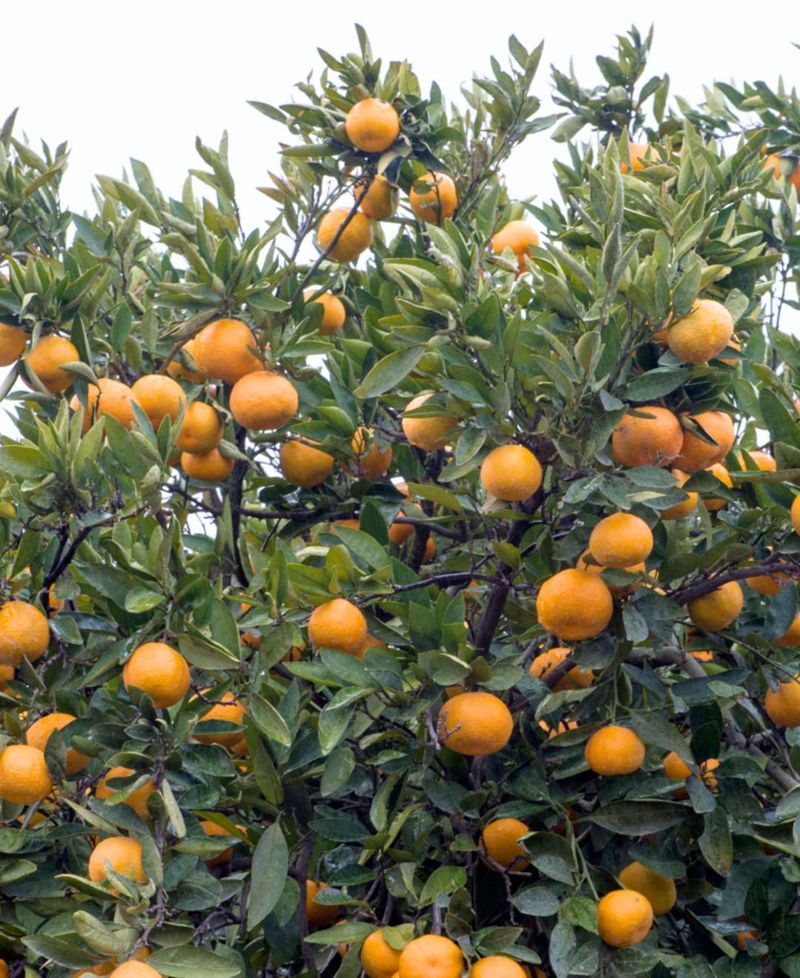
Shopping for a citrus tree is a bit like picking a car. The part you see on top gets all the attention, but the engine underneath decides how well it handles rough conditions. For satsumas, that hidden engine is the rootstock.
Most quality citrus trees are grafted, which means the fruiting top is joined to the roots of a different plant. Trifoliate orange, known as Poncirus trifoliata, is a favorite rootstock for cold areas.
Trees on trifoliate roots or its hybrids tend to slow down and go dormant more easily in fall, and a dormant tree handles cold much better than one still pushing tender growth.
Variety matters as well. Owari is the classic satsuma grown across the coastal South, loved for its sweet flavor and dependable crops.
Early-ripening selections are also popular because their fruit is ready sooner in the season, before winter gets serious.
Where you buy makes a real difference. Nurseries familiar with growing citrus in the Southeast usually stock trees suited to our climate.
Ask the staff which rootstock and variety each tree has, and do not be shy about it, since good growers love those questions.
Skip seedling trees grown from seeds. They often take many years before producing any fruit, and they may not match the parent plant. A grafted tree can start bearing within a few seasons.
In North Carolina, a well-chosen rootstock can help your satsuma ride out cold snaps with more grace. Spending a little time on this choice now pays off with sturdier trees and sweeter rewards later.
5. Protection On Cold Nights Is Essential
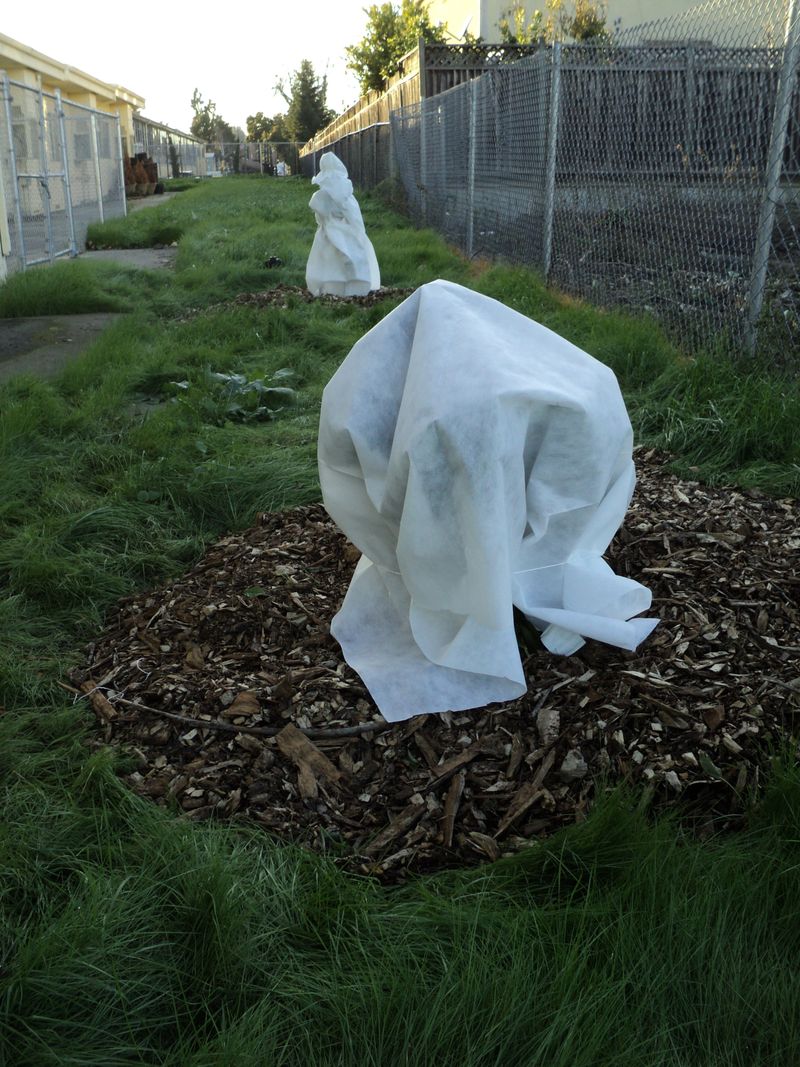
The weather forecast says 19 degrees tonight. For a satsuma grower, that message is a call to action, not a reason to panic.
Even cold-tolerant satsumas can suffer when temperatures drop below the low 20s. Long hours of freezing air make things worse, since the chill slowly seeps deeper into branches and trunk.
A little preparation can help your tree pull through in good shape. Start with water. If the soil is dry, give it a deep soaking a day or so before the freeze.
Moist soil holds and releases heat better than dry soil, which gives roots and the lower trunk a helpful buffer.
Next, cover young trees with frost cloth or old blankets. Let the covering reach all the way to the ground, because the goal is to trap warmth rising from the soil. Avoid plastic touching the leaves, since it can cause damage where it makes contact.
Gentle heat adds another layer of safety. Old-style incandescent string lights give off a soft warmth, unlike modern LED lights.
Wrap them loosely through the branches under the cover, and only use outdoor-rated cords and safe connections.
Young trees also benefit from a mound of soil or mulch around the lower trunk. That banking protects the graft union, so even if the top suffers, the tree can regrow true satsuma wood.
Once temperatures climb back above freezing, remove the covers so the tree gets sunlight and fresh air. Coastal North Carolina freezes are uncommon, but they can hit hard, so keep supplies handy all winter.
6. Fruit Ripens In Fall, Before The Worst Cold
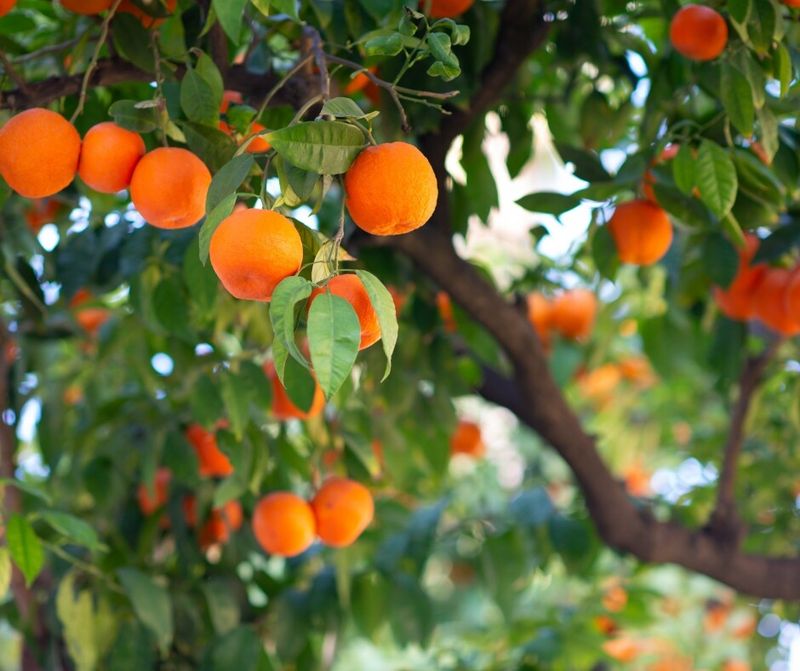
Here is some sweet timing that works in your favor. Satsumas ripen from about October into December, which means the harvest usually wraps up before the coldest stretch of winter arrives.
In most years, your fruit is safely in the kitchen before a hard freeze can touch it. Kids and adults both love these little treasures. The peel slips off easily, often in one piece, and the fruit is usually seedless.
That makes satsumas perfect for lunchboxes, snacks, and holiday fruit bowls. Do not judge ripeness by color alone. Satsumas can taste wonderfully sweet even while the peel still shows patches of green, especially early in the season.
Cooler nights help bring out the orange color, but flavor often arrives first. So how do you know when to pick? Taste one.
Pick a single fruit, peel it, and see if the sweetness and juice are where you want them. If it still seems sour, wait a week or two and test again.
Harvesting takes a gentle touch. Use small clippers or scissors to snip the stem close to the fruit rather than pulling it off. Yanking can tear the peel, and those little wounds lead to quicker spoilage.
Keep an eye on the forecast as the season goes on. If a hard freeze is coming, pick any remaining fruit first, since frozen fruit can turn dry and lose quality.
For North Carolina growers, this fall harvest window fits beautifully with coastal winters. The calendar practically hands you a bowl of fresh citrus right on time.
7. Containers Are A Safe Option For Colder Areas
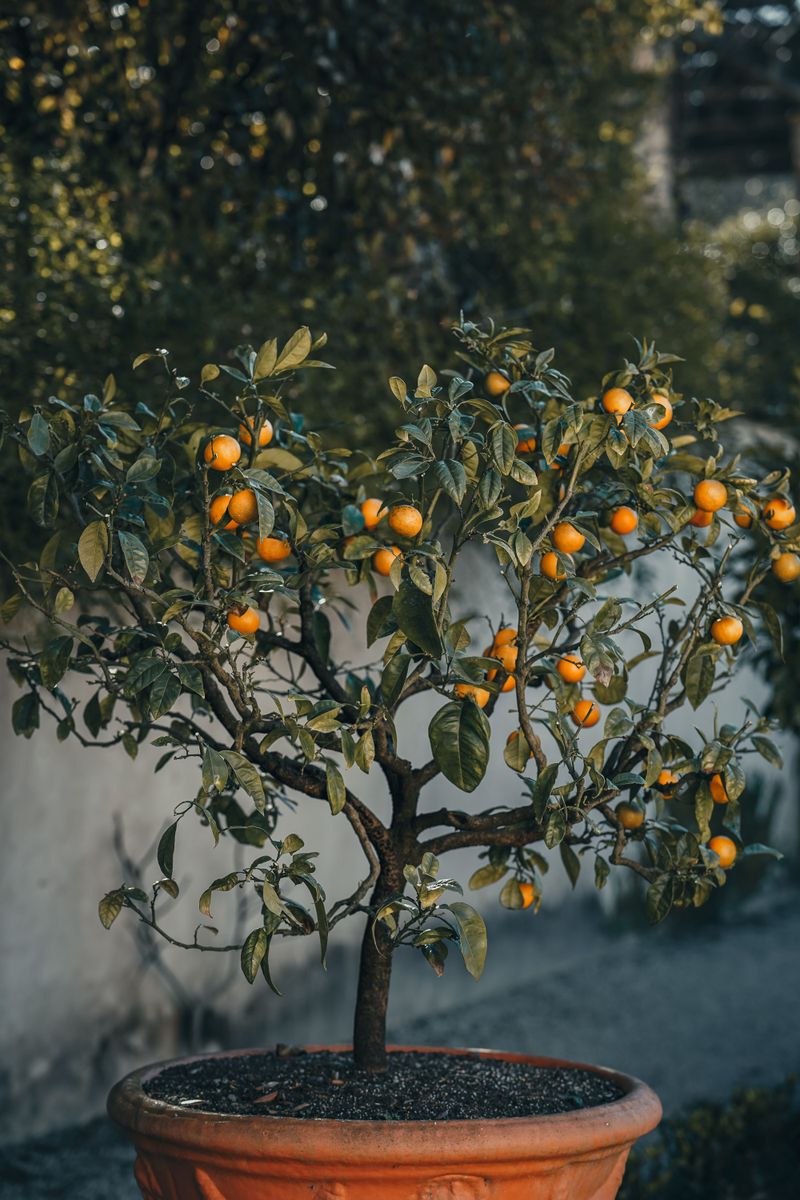
Live too far inland for an in-ground citrus tree? No problem at all. A satsuma in a pot can travel with the weather, giving you homegrown fruit almost anywhere in the state.
Potted trees enjoy the outdoors through spring, summer, and mild fall days. When a freeze threatens, simply move the tree into a garage, enclosed porch, or sunroom until the cold passes.
That flexibility opens the door for gardeners well beyond the warm southern coast.
Pick a large container with plenty of drainage holes. Fill it with a fast-draining citrus mix or quality potting mix, never heavy garden soil, which stays too wet and packs down around the roots.
A rolling plant caddy underneath makes moving day much easier on your back. Size matters for the tree, too. Choose a dwarf satsuma grafted onto trifoliate rootstock, which stays compact and handles pot life well.
A smaller tree is simpler to carry, prune, and protect. Container plants rely on you for food. Feed your satsuma with a fertilizer made for citrus during the growing season, following the label directions.
Nutrients wash out of pots faster than in-ground beds, so regular feeding keeps leaves green and fruit coming.
Watch the thermometer closely. Roots in a pot feel the cold more than roots buried in the ground, so bring the tree under cover whenever temperatures are forecast to drop below freezing.
For gardeners in the colder parts of the Coastal Plain and even the Piedmont, containers turn a citrus dream into reality. One sunny patio and a little effort can fill your fall with fresh, juicy satsumas.