Can You Legally Prune A Neighbor’s Overhanging Shrub In Minnesota Before It Costs You Three Times As Much
A single unauthorized snip across a property line can cost three times the damages in Minnesota, unless the trespass was casual or involuntary. That triple-damage rule sits right in state law, and it has surprised plenty of weekend gardeners holding loppers.
Courts care about where your blade lands, not just about how tidy the finished hedge happens to look. A branch hanging over your fence is fair game, yet the trunk side still belongs to somebody else next door.
I learned this after nearly reaching over my fence to tidy a shaggy bush that clearly was not mine. You build trust with neighbors slowly, and one hasty afternoon with sharp tools can undo years of friendly waves.
Minnesota rules also touch roots, fruit, cleanup, and even the calendar, which surprised me more than anything. So what exactly can you cut, and where does your right to trim politely stop?
1. Your Side Of The Fence Line Is Where Pruning Shears Stop
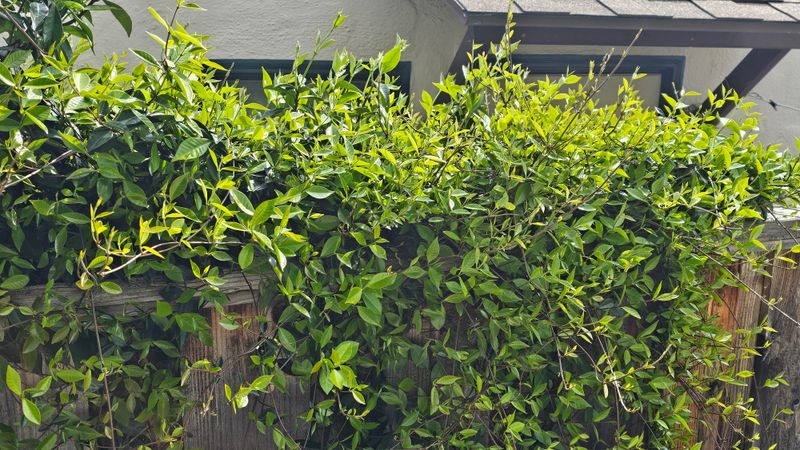
Overhanging branches feel like uninvited guests, brushing your shoulder every time you wheel the mower past the fence. Minnesota generally lets you trim those branches yourself, a principle lawyers like to call the self-help rule.
Your right reaches straight up from the property line, like an invisible wall rising into the summer sky. Anything growing on your side of that imaginary wall is usually yours to prune with care and common sense.
Crossing that line changes things quickly, even if you only lean over the fence with a long pole saw. Stepping onto the neighbor’s lawn without permission counts as trespassing, no matter how helpful your intentions feel.
I like to find the line before touching a single twig, because fences rarely sit exactly on boundaries. Older fences often wander a foot or more, so a property survey or county map can settle doubts.
Many counties in the state offer free online parcel maps that show approximate lines over aerial photos. These maps are helpful starting points, though a licensed surveyor gives the most reliable answer of all.
Once you know the line, mark it with string or stakes so you stay honest while working. You will be surprised how easy it is to drift a few inches once branches start falling around you.
Think of the boundary as a polite agreement written into the ground itself between two households. Respect it carefully, and the rest of the job becomes far simpler for everyone living along that fence.
2. Gentle Cuts Keep Your Neighbor’s Shrub Healthy And Thriving
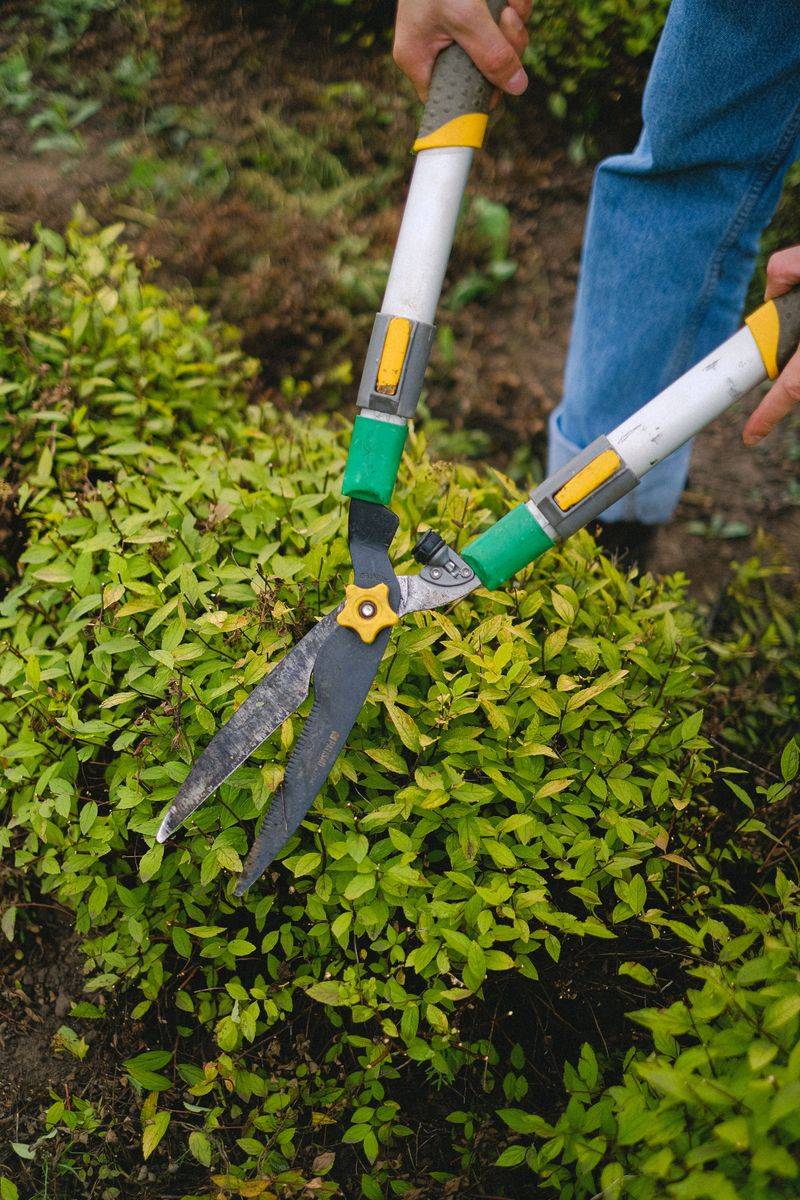
Leaving a lopsided shrub that looks sliced in half by a giant can land you in real legal trouble. Your right to trim does not include harming the plant, and courts look closely at its health afterward.
If your pruning causes serious decline, the owner may hold you responsible for the damage, and Minnesota’s treble-damages statute can triple that amount. Damage to the plant’s structure, like splitting the main stems, can count against you just as much.
Most experts suggest removing no more than about a quarter to a third of a plant at once. Taking more than that can stress the shrub badly, especially when only one side gets trimmed heavily.
I prefer clean cuts just outside the branch collar, the slightly swollen ring where a branch meets its parent. Cuts in that spot seal over faster, which helps the shrub fend off decay and pesky fungal problems.
Skip flush cuts against the main stem, and avoid leaving long stubs that slowly rot over many seasons. Sharp bypass pruners make smoother wounds than dull blades, which tend to crush tender bark and tissue.
Step back often while you work, since a shrub can look fine up close but lopsided from the street. Your neighbor sees the result every morning, so a balanced shape earns you plenty of quiet goodwill.
When in doubt, cut less today and revisit next year once the shrub has recovered its natural energy. Patience costs nothing, while a heavy hand might cost you a replacement shrub and an awkward conversation.
3. Spring Oak Pruning Can Invite Oak Wilt Beetles

Tiny sap beetles smaller than a grain of rice can carry a serious oak disease straight to fresh cuts. That surprising detail makes timing one of the most important parts of trimming anything over your fence.
The Minnesota DNR advises against pruning oaks from April through July, when oak wilt spreads most easily. Fresh wounds during those months attract beetles carrying fungal spores, and red oaks are especially vulnerable to infection.
If an overhanging branch belongs to an oak, I wait until late fall or winter before cutting anything. Dormant season pruning lowers the risk, and a wound dressing helps if a storm forces summer cuts.
Shrubs follow their own calendars, and getting the timing wrong mostly costs you flowers rather than plant health. Lilacs and forsythia set next year’s buds soon after blooming, so trim them shortly after flowers fade.
Summer bloomers like smooth hydrangea and potentilla flower on new growth and handle late winter pruning nicely. Spirea varieties differ, so checking the exact type before cutting saves your neighbor a season of blossoms.
University of Minnesota Extension offers clear pruning calendars for common landscape shrubs grown around the state. I keep that page bookmarked, and it has saved me from several flowerless springs in my own yard.
Ask your neighbor what the shrub is if you are unsure, since many people remember planting day fondly. That quick chat also gives them a chance to share concerns before any branches hit the grass below.
4. A Friendly Chat Over The Fence Prevents Surprise Pruning
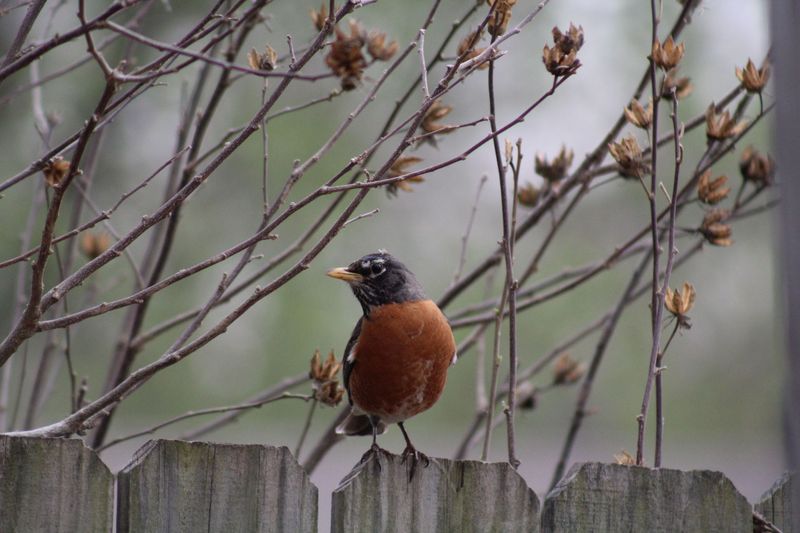
No law in this state requires you to warn a neighbor before trimming branches that hang over your yard. Still, I would bet a garden trowel that a quick heads-up prevents most hurt feelings and grumpy standoffs.
People grow attached to their shrubs, especially ones planted to mark a wedding or a new baby. A sudden pile of clippings can feel personal, even when your trimming stays perfectly legal and careful.
Start the conversation casually, maybe while they are getting the mail or watering their tomatoes in the evening. Explain what bothers you, like branches scraping your siding or shading the vegetable bed you love most.
Sometimes the owner offers to handle the pruning, which saves you time and keeps their shrub shaped their way. Other times they might invite you onto their side, giving you permission that removes any trespassing worry.
Written permission is even better, and a friendly text message can work as a simple record later on. I also snap dated photos of the branches before cutting, just in case questions come up next season.
If talking feels tense, a short polite letter explaining your plans gives the neighbor time to respond. Many cities offer community mediation programs that help neighbors settle disputes without lawyers or courtrooms getting involved.
Kindness here is practical, since you will probably share that fence line for many more years. A few honest minutes now can turn a prickly situation into a friendship built on shared yard work.
5. Cut Branches Belong In Your Yard Waste Pile Not Theirs
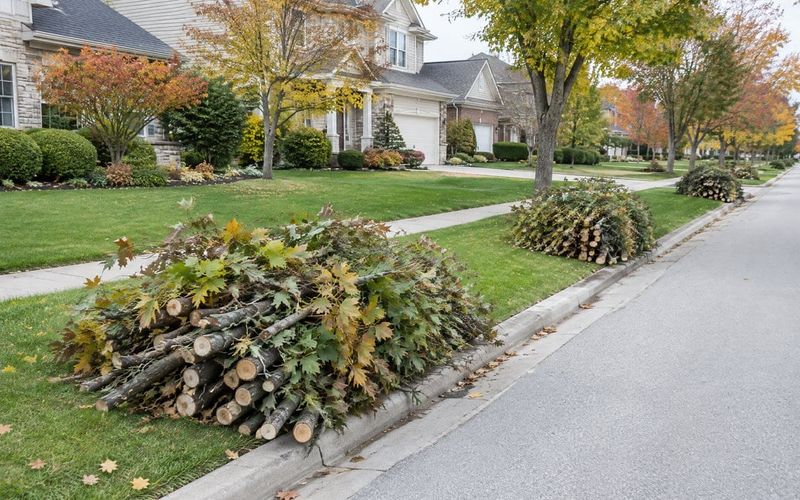
Tossing clipped branches back over the fence might feel like returning borrowed property, but it rarely ends well. Once you exercise your right to trim, the cleanup and the costs usually land squarely on your shoulders.
You generally cannot bill your neighbor for the work, even if their shrub created the whole problem. Hiring a crew or renting a chipper comes out of your own wallet, so budget before you start.
Throwing debris onto their lawn could be treated as littering or trespass, which undoes all your careful planning. Bundle the larger stems with twine and follow your city’s specific rules for yard waste collection.
Many Minnesota cities require branches tied in bundles of a certain length and weight for curbside pickup. County compost sites often accept brush too, and some charge only a small fee per load.
I like chopping smaller twigs into my compost pile, where they break down over a couple of seasons. Diseased material is another story, so keep anything with cankers or strange spots out of your compost.
Oak branches cut during risky months need special handling, and local foresters can explain the safest disposal options. Leaving fresh oak wood stacked nearby may attract beetles, so ask before storing it as firewood.
A tidy finish shows respect, and your neighbor will notice the clean lawn more than the trimmed branches. Rake up the small leaves too, since stray bits blowing back over the fence can still spark complaints.
6. A Shrub Trunk Sitting On The Property Line Is Shared
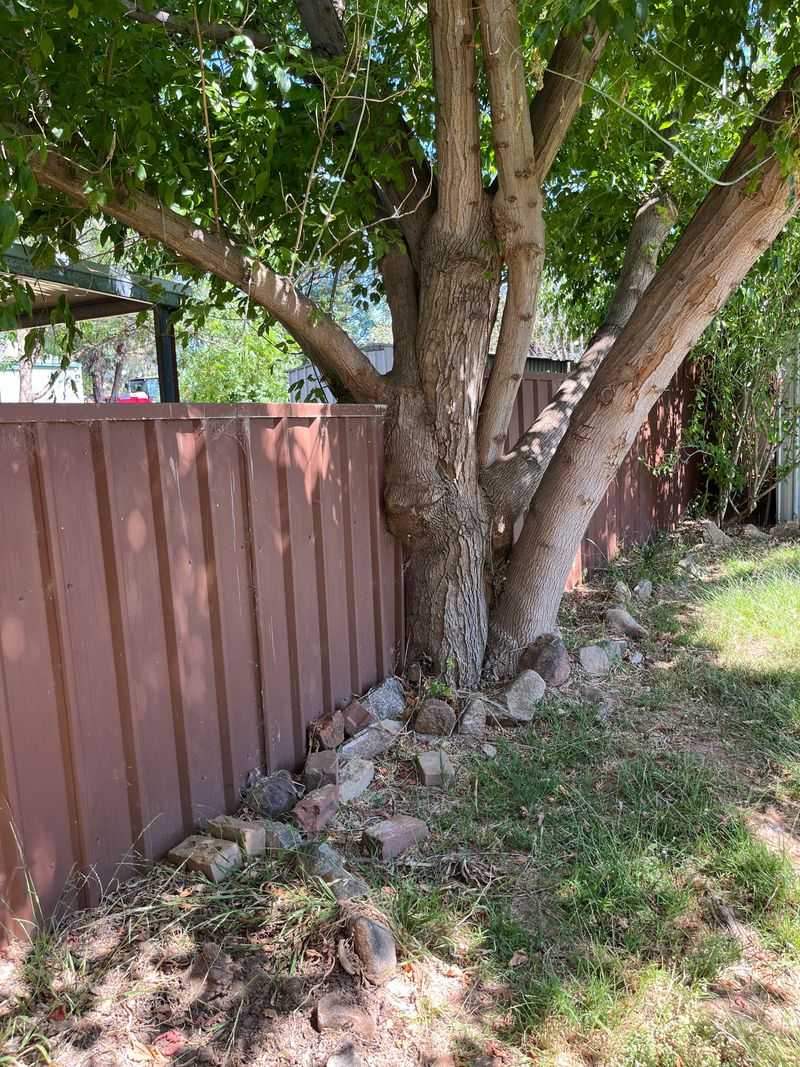
Some shrubs refuse to pick a side, planting their main stems right on top of the boundary line. Those plants can count as boundary trees, and that label changes the rules for trimming quite a bit.
Joint ownership often comes from planting the shrub together or sharing its care over many years. Courts look at those facts closely, since a trunk crossing the line alone may not settle the question.
When a shrub is truly shared, neither neighbor may remove it or drastically change it without consent. Light trimming of your overhanging side may be fine, but heavy cuts on a shared plant invite disagreement fast.
Shared hedges sometimes end up two-toned when each owner prunes only their half in a different style. It looks a bit funny, yet it shows how cautious people become with plants straddling a boundary.
Before cutting anything near the line, find out whether the trunk sits fully on one property or across both. A survey stake or a careful look at the base usually answers that question pretty quickly.
If the shrub is shared, agree on a plan together and maybe split the cost of professional help. Putting the agreement in writing protects both households if the house sells or memories fade later.
Shared plants can become wonderful symbols of friendship between neighbors when both people care for them together. Treat that shrub like a joint project, and it will likely reward you both with seasons of beauty.
7. Hidden Roots And Overhanging Berries Come With Their Own Rules
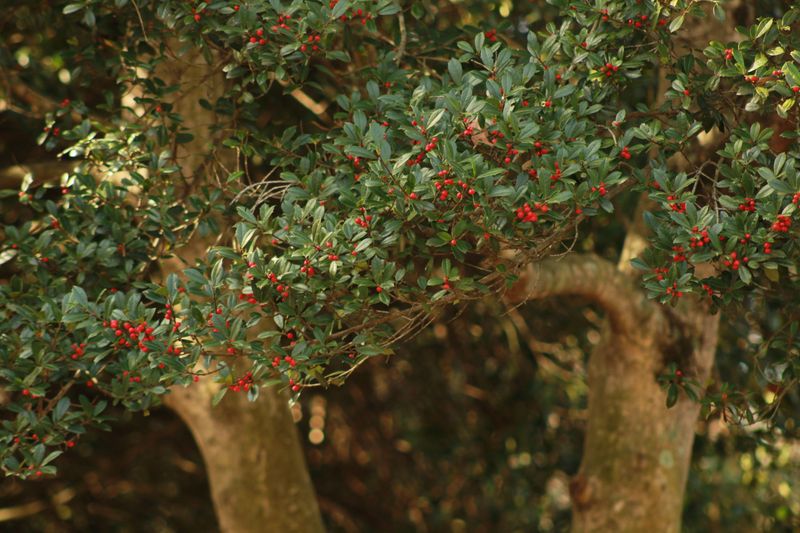
Those berries dangling over your fence look like a free snack, yet legally they still belong to the shrub’s owner. Fallen fruit is murkier, since the law offers no clear answer about who owns it once it drops.
I usually ask before picking, and most neighbors happily share a bowl of serviceberries or currants anyway. A simple question keeps things friendly, and sometimes you even get a jar of homemade jam later.
Roots creeping under your lawn usually fall under the same self-help idea as branches hanging overhead. You may cut roots on your side, but doing so carries more risk than trimming a few twigs.
Severing major roots can weaken a plant’s grip on the soil and trigger a slow, steady decline. If that shrub or tree later topples or fails, you could face responsibility for the damage caused.
Larger woody plants deserve extra caution, because their main support roots often spread well beyond the canopy edge. Digging a trench for a patio or fence near those roots is where most trouble quietly begins.
I suggest calling a certified arborist before cutting any root thicker than a broom handle near a trunk. They can judge stability and recommend root barriers that redirect growth without harming the plant much.
Underground problems hide easily, so watch for cracked sidewalks or lifting pavers as early warning signs. Spotting trouble early lets you talk with your neighbor before roots and tempers both grow out of control.
8. Local City Rules And Certified Arborists Make Tricky Trims Easier
Your city hall might care about that shrub more than you expect, especially when it sits near a sidewalk. Many Minnesota cities set clearance rules for branches over sidewalks and streets, and some require permits for bigger work.
Cities like Golden Valley and Oakdale post tree and shrub guidelines right on their official websites. Checking those pages takes a few minutes and might reveal rules your neighbor knows nothing about.
Nuisance laws matter too, since branches scraping your roof can count as real interference with your property. Leaves and small twigs falling into your yard usually do not qualify, no matter how annoying they feel.
If a neighbor’s woody plant looks rotten or unstable, a written notice about the danger can matter later. Owners who ignore a hazard they knew about may be held responsible if it falls and causes damage.
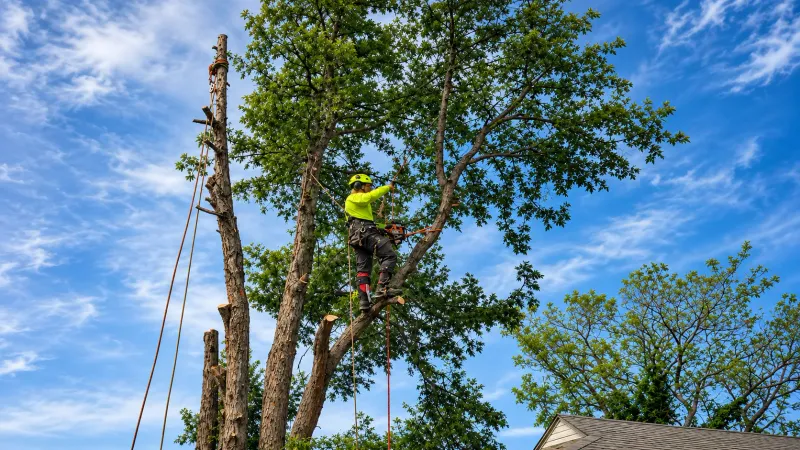
For larger jobs, I happily hand the saw to a certified arborist with proper insurance and training. The International Society of Arboriculture lets you search for credentialed arborists by zip code online for free.
A professional opinion also protects you, since expert pruning is harder to question if disagreements surface later. Ask for a written estimate that describes exactly which branches will come off and where cuts will land.
Trimming a neighbor’s shrub mixes gardening skill with good manners, and both deserve equal attention from you. Handle it thoughtfully, and that overhanging branch might become the reason you finally share coffee across the fence.