The Invasive Shrub Minnesota Yards Need To Remove Before It Takes Over The Fence Line
Something’s been staking out backyard fences all over the upper Midwest, and it didn’t send an invitation. It picks the quiet corners nobody weeds, the gaps behind the mower’s reach, and settles in before anyone thinks twice.
A few seasons pass and that patch of green stops looking innocent. Flower beds thin out, tomato cages get crowded, and the fence line starts telling a different story than it used to.
Most people blame bad soil or a rough winter before they ever suspect what’s actually happening at ground level. That misread is worth months to whatever’s spreading.
Minnesota homeowners who win this fight are usually the ones who looked twice.
Common Buckthorn Spreads Fast Along Property Lines
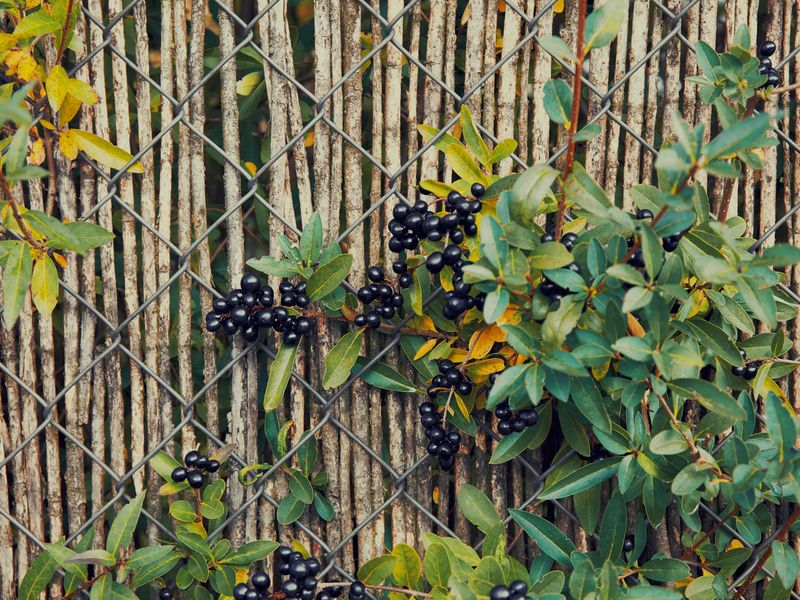
Your fence line is buckthorn’s favorite real estate. Common buckthorn, the invasive shrub Minnesota yards are losing ground to, loves fence lines because birds perch there and drop seeds constantly.
Each mature plant can produce thousands of berries every season. Those berries get eaten by birds and deposited along fences, making the problem spread faster than most Minnesota homeowners expect.
Buckthorn grows quickly, often adding a few feet of height in a single growing season. That rapid pace means a small cluster becomes a wall of woody shrubs before you realize what happened.
The plant also leafs out earlier in spring than most native shrubs. It holds its leaves later into fall too, giving it a longer growing window than anything else in your Minnesota yard.
That extra time means more growth, more berries, and more seedlings the following year. One plant left unchecked near a fence can anchor an entire colony within just a few seasons.
Neighboring properties contribute to the problem too. If your neighbor has buckthorn and birds are flying between yards, your fence line is getting seeded whether you like it or not.
Tackling this shrub early is the smartest move a homeowner can make. The longer you wait, the more established the root system becomes, and the harder removal gets.
Identifying Buckthorn Before It Takes Hold
Spotting buckthorn early can save you months of hard work later. The plant has a few very specific features that set it apart from native shrubs once you know what to look for.
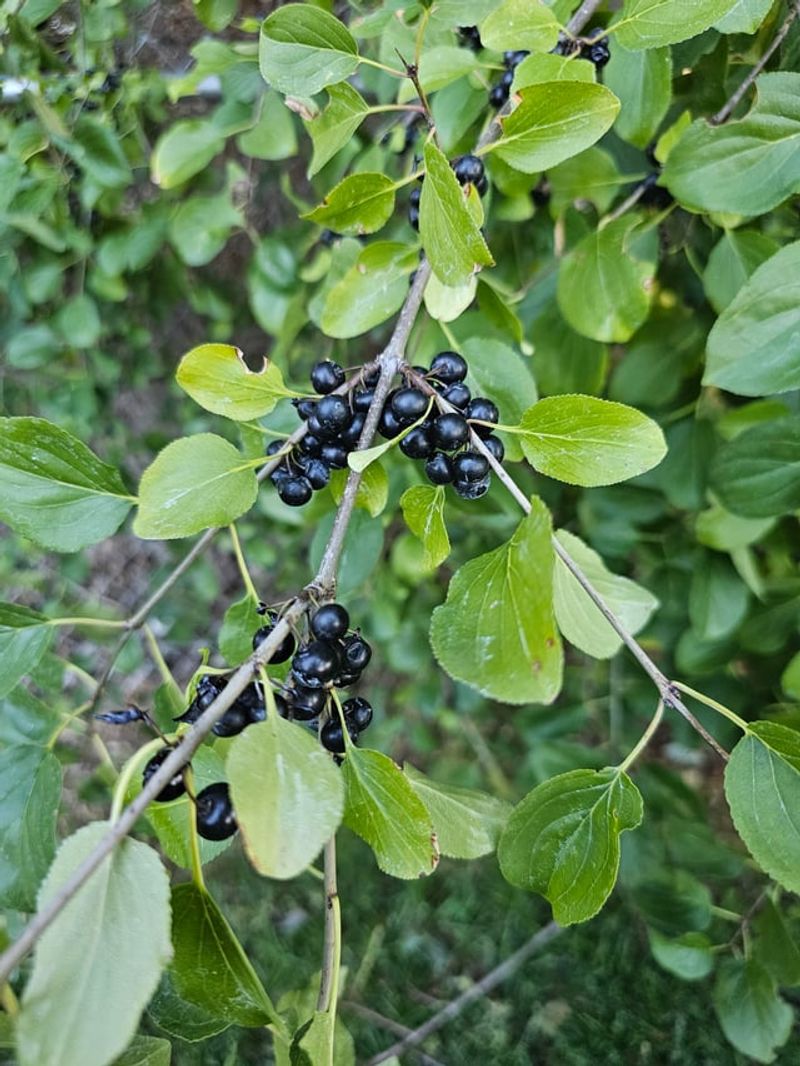
Look at the leaves first. Buckthorn leaves are oval, dark green, and slightly shiny, with veins that curve upward toward the leaf tip in a distinctive arc pattern.
The branches often end in a short, sharp thorn. That little thorn is one of the easiest giveaways when you are poking around in a dense shrub border near your fence.
Scratch the bark on a small branch and look underneath. Buckthorn reveals a bright orange or yellow layer just below the surface, which is unlike most native plants in the region.
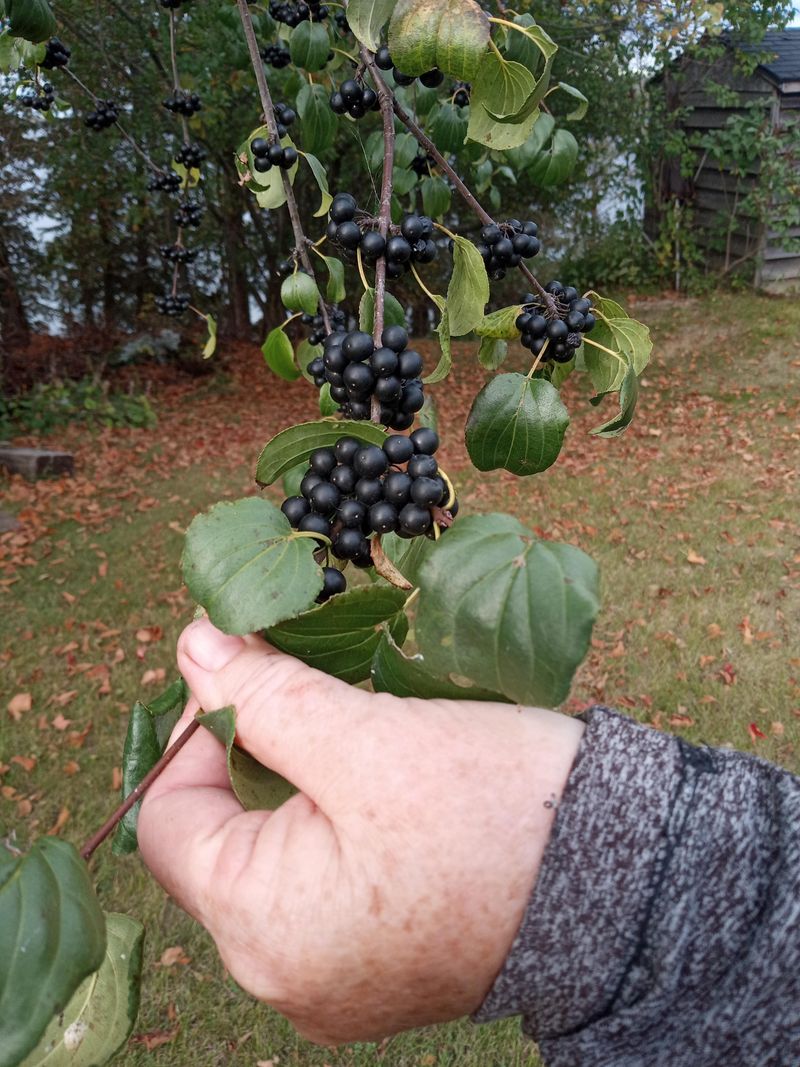
The berries are another clear sign. Small, round, and nearly black when ripe, they appear in clusters along the branches from late summer through early fall.
Young plants can look similar to native species like chokecherry or dogwood, so the thorn and inner bark color are your most reliable checkpoints. Getting a positive ID before removal saves wasted effort on the wrong plant.
Your Minnesota Garden Changes Every Week. Your Plan Should Too.
Gardening in Minnesota changes quickly throughout the season. Every Friday you’ll receive a simple weekly plan showing exactly what to plant, prune, fertilize, harvest, and protect so you never miss the right timing.
Take a photo and compare it to your local extension office resources if you are unsure. Misidentifying a native shrub as buckthorn and removing it by mistake is a frustrating setback you can easily avoid.
Effects On Native Plants And Wildlife
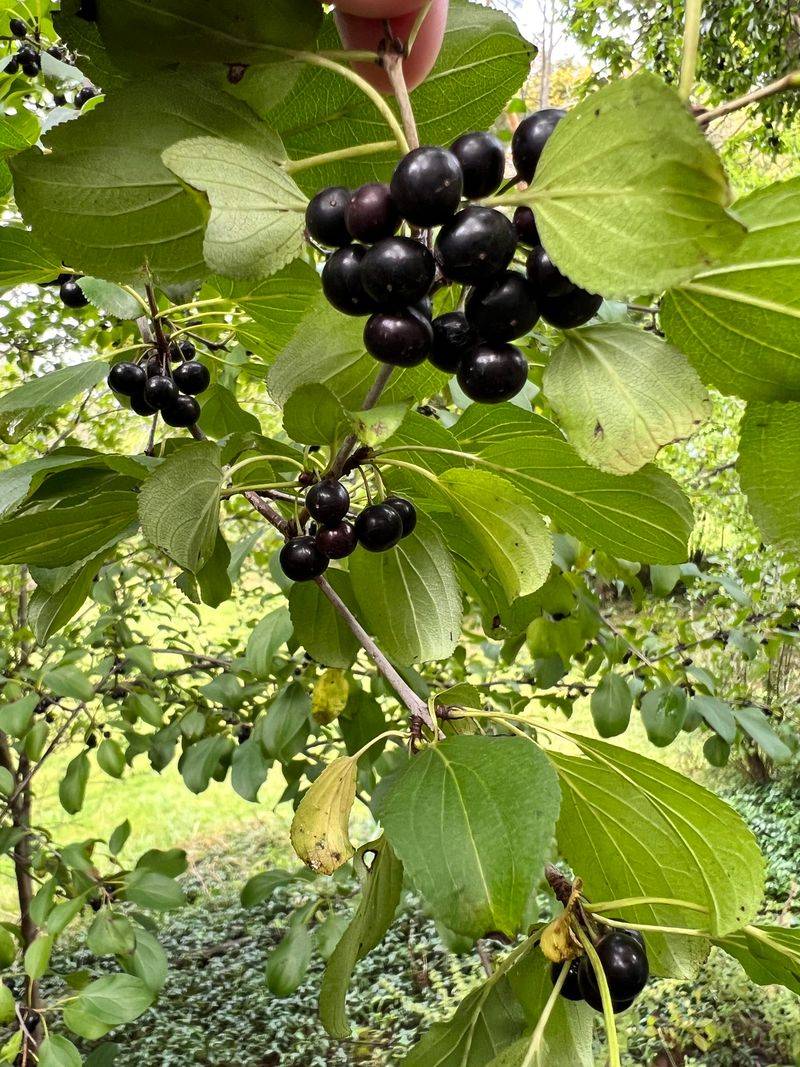
Buckthorn does not just take up space. It actively changes the environment around it in ways that harm native species and disrupt local ecosystems over time.
The plant produces a chemical called emodin in its berries, roots, and bark. That compound acts like a natural herbicide, suppressing the germination of native plants trying to grow nearby.
Its dense canopy blocks sunlight from reaching the ground. Native wildflowers, ferns, and tree seedlings that depend on dappled light simply cannot survive under a thick buckthorn stand.
Soil chemistry shifts too. Buckthorn leaf litter breaks down quickly and raises soil nitrogen levels in ways that favor weedy plants over native ground cover species.
Wildlife is affected as well. The berries have a strong laxative effect on birds, which spreads seeds rapidly but provides poor nutrition compared to native berry-producing shrubs.
Deer avoid eating buckthorn, which gives it a competitive edge over plants deer do browse. That selective pressure tips the balance even further in buckthorn’s favor across woodland edges and yards.
Removing buckthorn from your property is not just a landscaping choice. Every plant you take out gives native species a fighting chance to reclaim ground and support the insects and birds that depend on them.
The longer buckthorn stays rooted, the harder these effects are to reverse. What starts as one shrub quietly reshaping its corner of the yard can, within a few years, leave the whole ecosystem struggling to recover.
Removal Methods That Actually Work
Getting rid of buckthorn takes the right approach, not just physical effort. Small plants under half an inch in diameter can often be pulled by hand, especially after a rain softens the ground.
For larger stems, a dedicated weed wrench tool grips the base and levers the root system out cleanly. This method works well for plants up to two inches thick without chemicals.
Cutting alone rarely solves the problem. Buckthorn stumps resprout aggressively, sending up multiple new shoots from the cut base within weeks of removal.
Treating the fresh cut stump immediately after cutting is the key step most Minnesota homeowners skip. Applying an herbicide containing triclopyr to the cut surface within minutes of the cut prevents regrowth effectively.
Timing matters here. Late fall treatments work best because the plant is drawing energy down into its roots, pulling the herbicide deeper into the system right when it counts.
Basal bark treatments, where herbicide is painted directly onto the lower few inches of bark, work well in most seasons for stems thinner than six inches. This method skips the cutting step entirely for smaller plants.
Whatever method you choose, plan to revisit the area the following season. New seedlings from previously dropped berries will sprout, and catching them early makes the second round of removal much faster and less frustrating.
Preventing Buckthorn From Returning
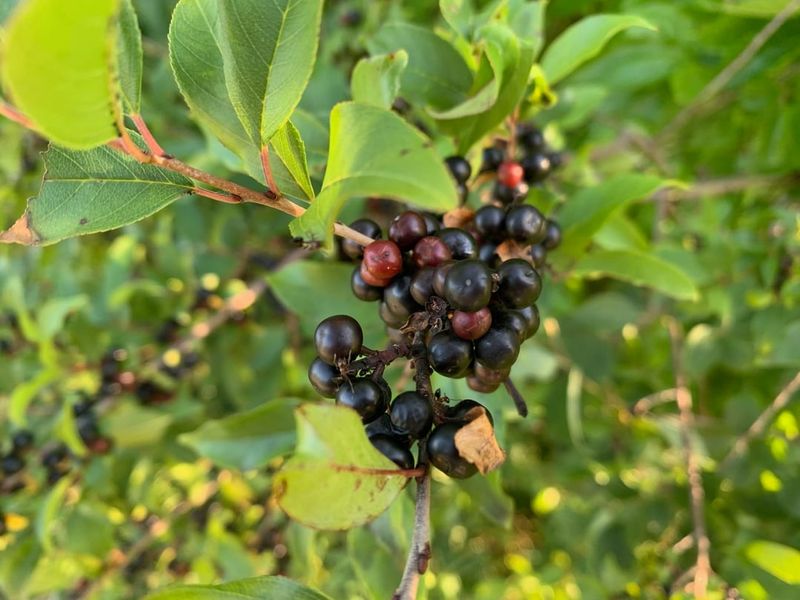
Pulling buckthorn out is only half the job. Without a plan to fill the space it left behind, new seedlings will move right back in within a season or two.
Native shrubs are your best defense against reinvasion. Plants like red osier dogwood, native plum, or hazelnut fill the same ecological niche as buckthorn but support local wildlife instead of displacing it.
Dense planting matters. Bare soil and open gaps are an open invitation for buckthorn seeds arriving by bird. Closing those gaps with desirable plants cuts off the opportunity before it starts.
Mulching cleared areas with wood chips several inches deep suppresses seedling emergence effectively. Keep the mulch a few inches away from the base of your new plantings to prevent rot.
Check your fence line at least twice a year, once in late spring and once in early fall. Young buckthorn seedlings are easy to pull when they are small, and catching them at this stage takes minutes instead of hours.
Talk to your neighbors about their buckthorn situation too. A coordinated removal effort across multiple properties dramatically reduces the seed rain landing on your Minnesota yard each season.
Staying consistent over three to five years is what finally breaks the cycle. The invasive shrub Minnesota yards struggle with most is persistent, but so are homeowners who commit to the long game.
Tools And Gear That Make Removal Easier
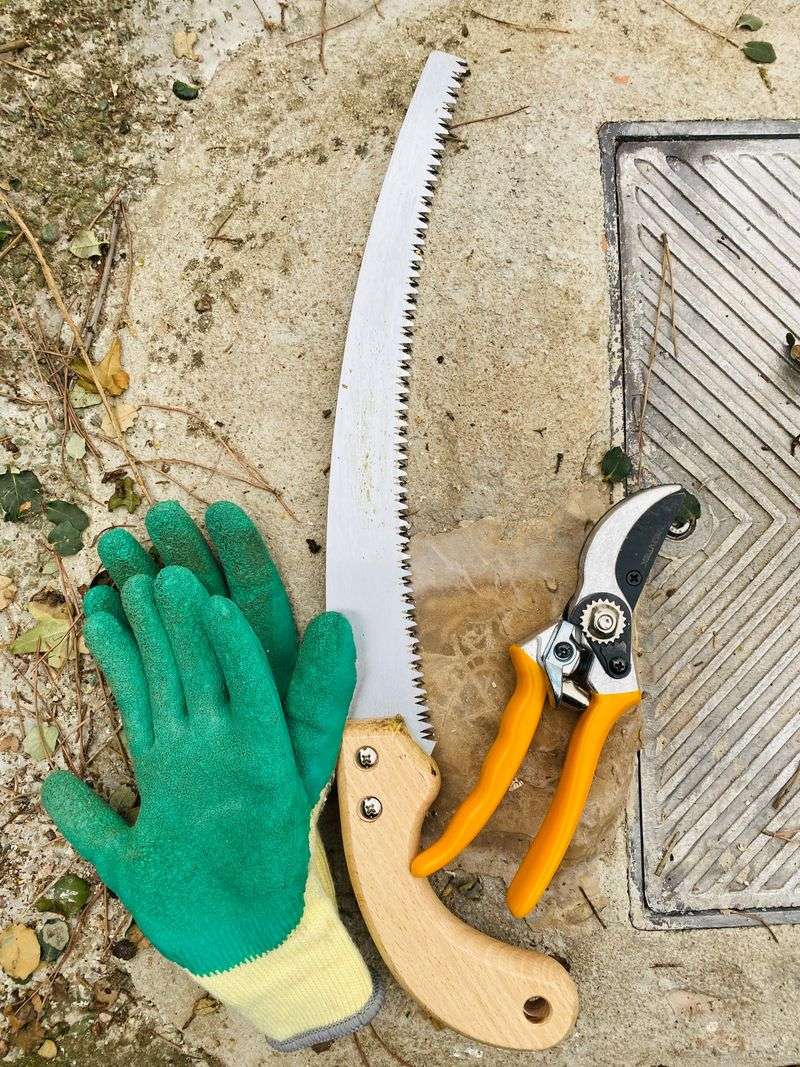
Having the right gear turns a brutal afternoon into a manageable project. Starting with the wrong tools is the fastest way to exhaust yourself and still leave roots behind in the ground.
A weed wrench is worth every penny for anyone dealing with established shrubs. It clamps around the base of the stem and uses leverage to extract the root ball cleanly, reducing regrowth significantly.
Heavy-duty loppers with long handles give you the cutting power to slice through thick stems without straining your wrists. Look for a pair rated for branches at least two inches in diameter.
A hand saw handles the really thick trunks that loppers cannot bite through. Folding saws are easy to carry and sharp enough to cut through mature buckthorn stems quickly and cleanly.
Thick leather gloves protect your hands from the thorns. Standard garden gloves are often too thin, and a single thorn scratch on a hot day turns into an annoying distraction fast.
A small paintbrush or dauber bottle makes applying cut-stump herbicide precise and easy. Getting the product on the cut surface within minutes of cutting is critical, so having it ready before you start saves time.
Wearing protective eyewear is smart when cutting dense shrubs. Branches snap back unpredictably, and a small scratch near the eye is not worth skipping the ten seconds it takes to put glasses on.