Can You Plant Calendula In Fall In North Carolina? Your Region Makes The Difference
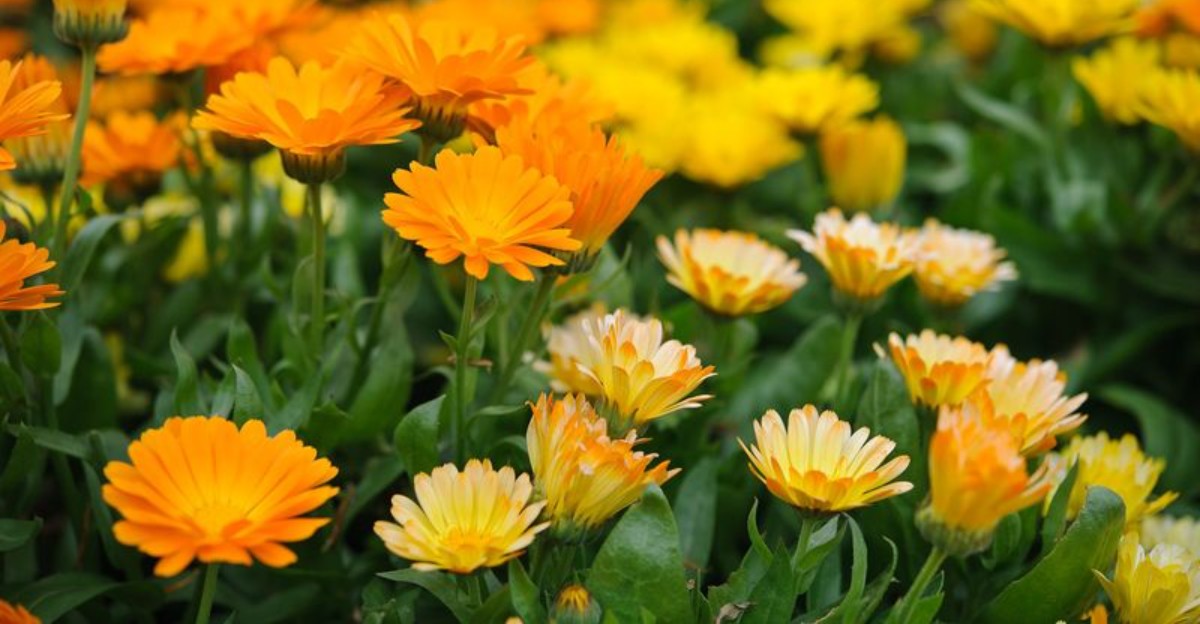
Calendula is a cool-season flower, which makes fall planting tempting.
The answer depends on where in North Carolina you garden. In the coastal plain and much of the Piedmont, winters are mild enough for calendula to survive, and it may bloom through the colder months.
It handles light frost well. A hard freeze is another matter, and the mountains often see temperatures that stop it in its tracks. In those areas, spring planting works better, or you can protect fall plants with covers.
Timing matters either way. Planting early in the fall lets roots settle before cold arrives. Know your region and your first freeze date, and you can decide whether to plant now or wait for spring.
1. Calendula Is A Cool Season Flower
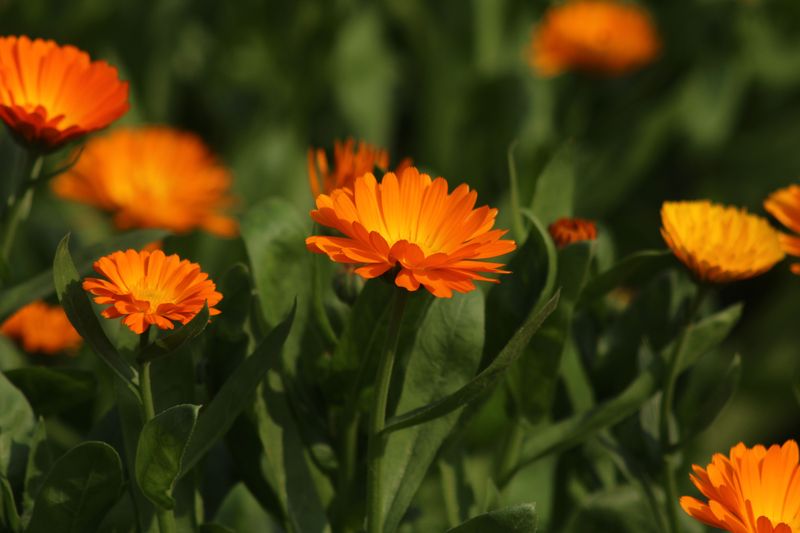
Bright as a basket of sunshine, calendula has been brightening gardens for centuries. Its botanical name is Calendula officinalis, but many people call it pot marigold. The plant is an easy annual with daisy-like blooms in shades of orange, gold, and soft yellow.
Cool weather is where calendula truly shines. The plant grows best when days are mild and nights are crisp, and it can handle a light frost without much trouble. Summer heat is another story, since hot weather makes it slow down and decline.
That simple fact explains why fall planting can work so well. In the right climate, autumn gives calendula the cool temperatures it craves, so plants grow strong roots and leafy stems before blooming.
Many gardeners find their fall-planted calendula outshines anything they sow in spring. Here is something that surprises a lot of new growers.
Calendula is not the same as the common marigold you see at garden centers, which belongs to a different group called Tagetes. The two plants look a little alike, but they are not closely related.
Calendula petals are also edible. Cooks sprinkle them over salads, stir them into rice, or use them to add a golden color to soups and butter. Just be sure to eat only flowers you grew yourself without pesticides.
North Carolina makes a great home for this sunny bloomer. Much of the state enjoys mild fall and winter weather, which suits calendula nicely.
Still, the state stretches from sandy coast to tall mountains, so your location plays a big role in how well fall planting works for you.
2. Coastal Plain Gardens Are The Best Fit
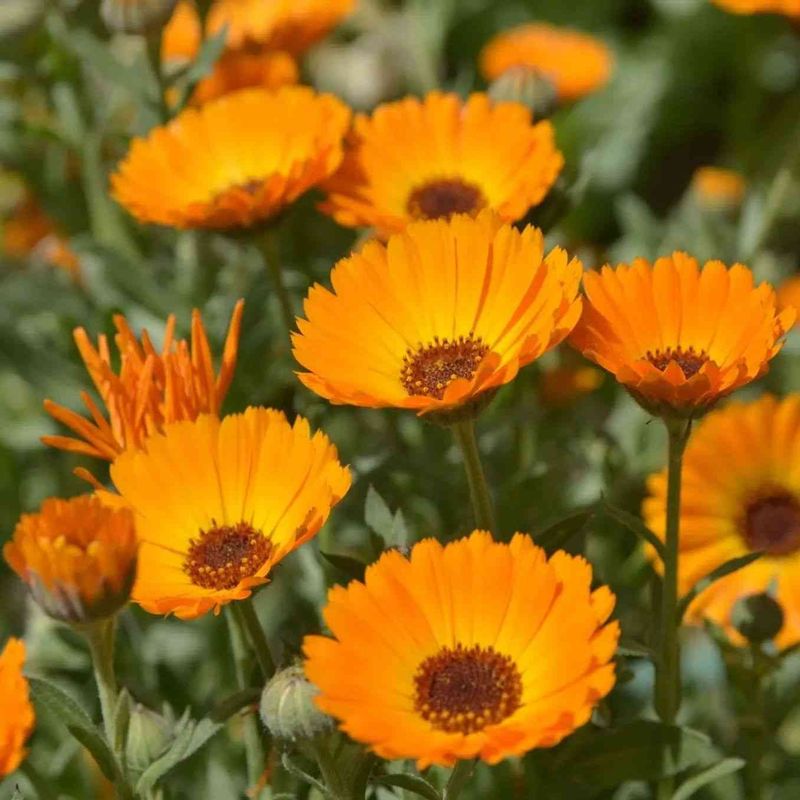
Lucky is the word for gardeners in eastern North Carolina. The Coastal Plain enjoys some of the mildest winters in the state, and calendula loves that gentle weather. Fall planting here often brings flowers for months on end.
Mild winters let calendula keep growing through much of the cold season. During warm spells in December or January, plants may surprise you with a few cheerful blooms. Then, as spring arrives, they put on a big, colorful show before summer heat moves in.
Timing matters, but it is easy to get right. Sow seeds in September, or set out young transplants in October. Either choice gives plants several weeks to settle in before the coldest nights arrive.
Your North Carolina Garden Changes Every Week. Your Plan Should Too.
Gardening in North Carolina changes quickly throughout the season. Every Friday you’ll receive a simple weekly plan showing exactly what to plant, prune, fertilize, harvest, and protect so you never miss the right timing.
Pick a spot with full sun to light shade. Calendula likes well-drained soil, so avoid low areas where water puddles after rain.
Sandy coastal soil often drains nicely, though mixing in a bit of compost helps it hold nutrients. Even on the coast, a hard freeze can sneak in now and then.
When forecasts call for temperatures well below freezing, cover your plants with frost cloth in the evening. Remove the cloth the next morning once the air warms up so plants get sunlight.
Watch the weather apps during winter, and you will rarely be caught off guard. A few minutes of covering on cold nights can protect weeks of growth. Most coastal winters only need this step a handful of times.
Coastal gardeners have a real advantage with this flower. With a little planning, you can enjoy calendula blooms from late fall well into late spring, giving your garden color when many other plants are resting.
3. Piedmont Gardens Can Succeed With Early Planting
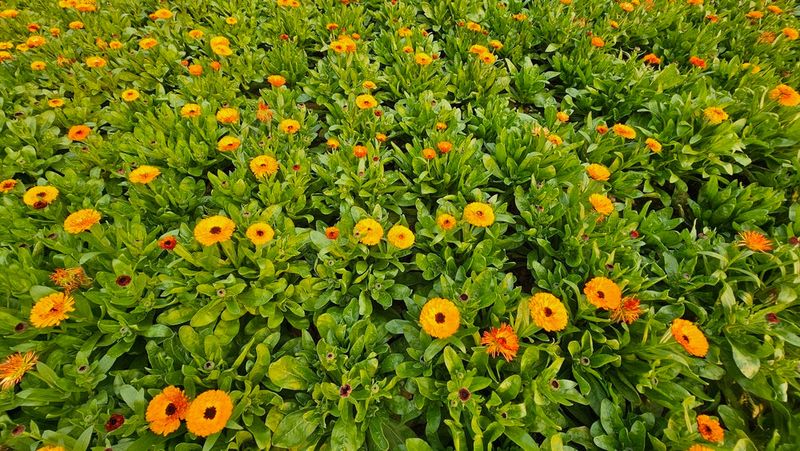
Ask any gardener in Raleigh, Charlotte, or Greensboro about winter, and you might hear a shrug. Some years feel almost like spring, while others bring ice and bitter cold. That unpredictable pattern shapes how calendula performs in the Piedmont.
Winters here run colder than on the coast. Because of that, calendula needs extra time to grow sturdy roots before chilly weather settles in. Plants that get a good head start often make it through milder winters and bloom again in early spring.
Harsh years can be tougher. A deep, hard freeze may damage leaves and stems, and young plants are the most at risk. Early planting gives them the best chance to handle whatever the season brings.
Aim to sow seeds in late summer to early September. If you prefer transplants, try to get them in the ground by early October. Waiting much longer leaves plants small and tender when cold weather hits.
Location makes a big difference too. Choose a sunny spot with some shelter, such as near a south-facing wall, fence, or building. These spots soak up warmth during the day and block cold winds at night.
A light layer of mulch, like shredded leaves or pine straw, helps keep soil temperatures steady. Keep it a little away from the stems so air can move freely. When a cold snap is coming, toss frost cloth or an old sheet over your plants for extra protection.
Piedmont gardening sometimes feels like a gamble, but a smart plan tips the odds in your favor. Plant early, pick a cozy spot, and stay ready for surprise freezes.
4. Mountain Gardens Do Better With Spring Planting
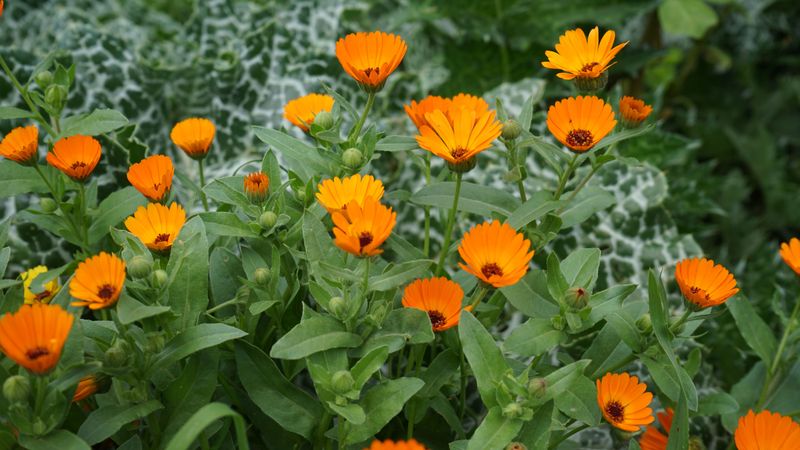
Up in the Blue Ridge, winter means business. Towns like Boone and Blowing Rock see colder temperatures and harder freezes than the rest of the state. Those conditions make fall planting a risky bet for calendula.
Calendula can handle a light frost, but deep and lasting cold is too much for it. At higher elevations, winter usually damages the plants badly. As a result, fall-planted calendula rarely survives to bloom the next spring.
Spring is the smarter choice for mountain gardeners. Sow seeds outdoors as soon as the soil can be worked, which means it is no longer frozen or soggy. Calendula sprouts happily in cool soil, so you do not need to wait for warm days.
Want flowers even sooner? Start seeds indoors a few weeks before your last expected frost. Set them in a sunny window or under grow lights, then move them outside once the weather settles.
Mountain gardeners get a sweet reward for their patience. Cooler summer temperatures help calendula keep blooming through late spring and well into summer. While lowland plants struggle in July heat, mountain plants often keep going strong.
That longer summer season is a real perk. Gardeners in the Piedmont and Coastal Plain usually say goodbye to calendula by early summer. In the high country, you may enjoy its bright faces for weeks longer.
Every region in North Carolina has its own rhythm. In the mountains, that rhythm simply favors spring planting. Adjust your schedule, and calendula will thank you with a long, cheerful show.
5. Sow Seeds Directly For Easy Growing
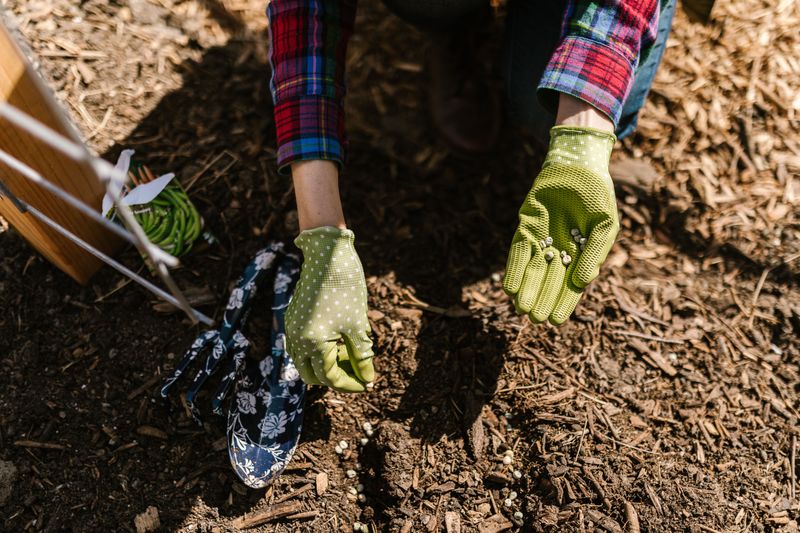
Some seeds are so tiny they blow away with a sneeze. Calendula seeds are the opposite. They are large, curved, and easy to pick up with your fingers, which makes them perfect for kids and beginners.
Better yet, they sprout quickly in cool soil and grow without much fuss. You do not need fancy equipment or special skills. A bit of soil, sunshine, and water will do the trick.
Start by loosening the soil with a garden fork or trowel. Break up clumps so tiny roots can push through easily. Then press each seed about a quarter to half inch deep and cover it gently.
Keep the soil evenly moist until seedlings pop up. Most will appear in about one to two weeks, depending on the weather. Try not to let the surface dry out completely during that time.
Once seedlings have a few true leaves, it is time to thin them. Space plants about 8 to 12 inches apart so each one has room to grow. Crowded plants compete for light and water, and they are more likely to have disease problems.
As your plants grow, water them during dry spells. Fall in North Carolina can bring long stretches without rain, so check the soil with your finger every few days. Always follow any local watering rules in your area.
Direct sowing saves both time and money. A single packet of seeds costs far less than a flat of transplants. For North Carolina gardeners, that makes fall planting quick, simple, and budget friendly.
6. Deadhead For More Flowers
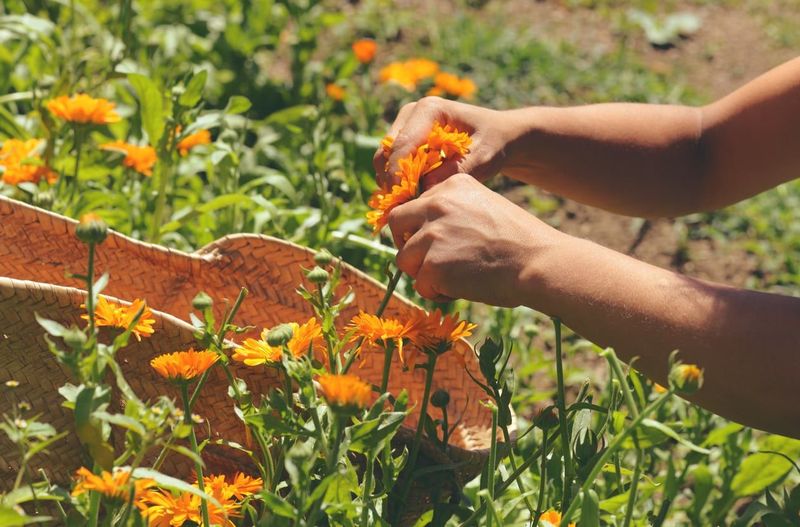
Think of deadheading as a friendly nudge. When you snip off a faded flower, you are telling calendula to get back to work. The plant listens and keeps making fresh blooms.
Here is why it works. A flower that stays on the plant starts turning into seeds, which takes a lot of energy. Remove that spent bloom, and the plant puts its energy into new flowers instead, stretching out the blooming season.
Make this a quick habit every few days. Pinch off old flowers with your fingers or use small garden scissors. Cut just above a leaf or bud so the stem looks neat.
Harvesting fresh flowers helps too. Gather blooms for little bouquets, or toss petals into salads for a splash of color. The more you pick, the more the plant tends to produce. While you are out there, keep an eye out for trouble.
Powdery mildew shows up as a white, dusty coating on leaves, especially when air is humid and plants are crowded. Aphids are tiny, soft insects that cluster on stems, and a strong spray of water often knocks them off.
Late in the season, change your approach a bit. Leave a few flowers on the plants so they can dry and drop seeds. Those seeds may sprout on their own when cool weather returns.
Calendula often reseeds in North Carolina gardens. Many gardeners find new seedlings popping up in the same bed the next year, almost like a free gift. A little planning now can bring back the color without any extra work.
7. Expect It To Fade In Summer Heat
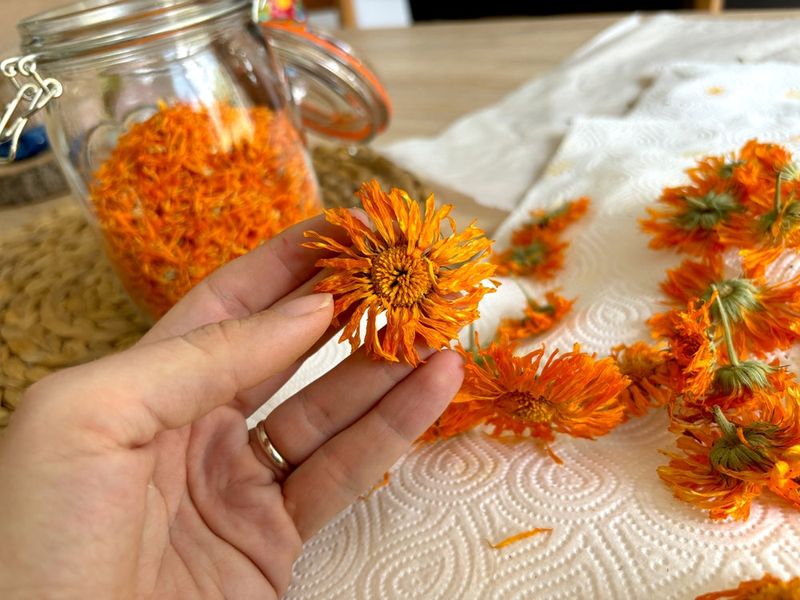
Every flower has its season, and calendula knows when its time is up. As late spring warms into summer, you may notice fewer blooms and stretched, floppy stems. Do not worry, because nothing is wrong with your gardening skills.
Calendula is a cool season plant, and heat simply wears it out. Rising temperatures slow its blooming and make it leggy. Soon the whole plant starts to decline, which is a normal part of its life cycle in warm places.
In the Piedmont and Coastal Plain, this usually happens by early summer. Knowing that ahead of time helps you plan. Treat spring as the main event and soak up those bright blooms while they last.
Once plants look tired and stop flowering, go ahead and pull them out. Toss healthy plants into your compost pile so they can feed next year’s garden. Your bed will look tidier right away.
Before you clear everything, save some seeds. Look for flower heads that have turned brown and dry on the plant. Crumble them gently, collect the curved seeds, and store them in a paper envelope in a cool, dry place until fall.
Now the empty space is ready for summer stars. Zinnias, sunflowers, lantana, and vinca all love the heat and will keep your garden colorful through July and August.
Then, when cooler weather returns, those saved calendula seeds go right back into the soil. That simple swap creates a lovely yearly rhythm. Calendula brightens the cool months, heat lovers take over in summer, and your garden stays cheerful all year long.