The Drought-Tolerant Native Trees Texans Are Quietly Choosing This Fall
Water restrictions in Texas are changing how homeowners think about trees. A shade tree that demands regular irrigation through summer used to feel like a reasonable trade.
Now, with restrictions tightening and dry seasons becoming more intense, that trade feels less acceptable.
The trees going into Texas yards this fall are increasingly native ones that were handling this climate long before irrigation existed. The shift is quiet but it’s real.
Native drought tolerant trees establish with minimal intervention, handle the heat and dry spells that stress non-native alternatives, and deliver genuine shade and wildlife value that ornamental imports rarely match.
They also tend to live longer and require less ongoing attention, which matters when the goal is a landscape that actually holds up over time.
1. Live Oak, The Shady Giant Of Texas Yards
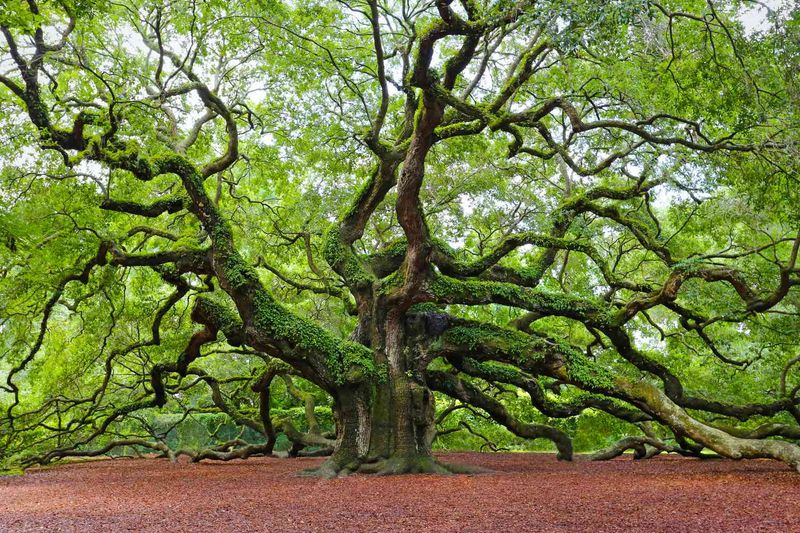
Grandparents across Texas tell stories under the arms of old live oaks. Some of these trees are hundreds of years old. They have seen droughts come and go and are still standing tall.
Live oaks are famous for their wide, low branches. A mature tree can spread 60 to 80 feet across. That means cool shade for your patio, your kids, and even your air conditioner bill.
Once the roots are settled, this tree can handle long dry stretches with ease. The small, leathery leaves hold water well. They also stay green most of the year, dropping mostly in early spring when new leaves push out.
Planting tips matter here. Give your live oak plenty of room, at least 30 feet from your house and driveway. Dig a hole two to three times wider than the root ball, but no deeper.
Water it deeply once a week for the first year. After that, a good soak during very hot months is usually enough. Spread three inches of mulch around the base, keeping it a few inches away from the trunk.
One warning deserves attention. Oak wilt is a disease that spreads through fresh cuts. Only prune between July and January, and paint any cuts right away with wound paint.
Fun fact: the Treaty Oak in Austin is thought to be around 500 years old. Planting a live oak today means leaving a gift for people who have not even been born yet. That is a pretty special legacy for one small sapling.
2. Cedar Elm, The Tough Tree Nobody Brags About Enough
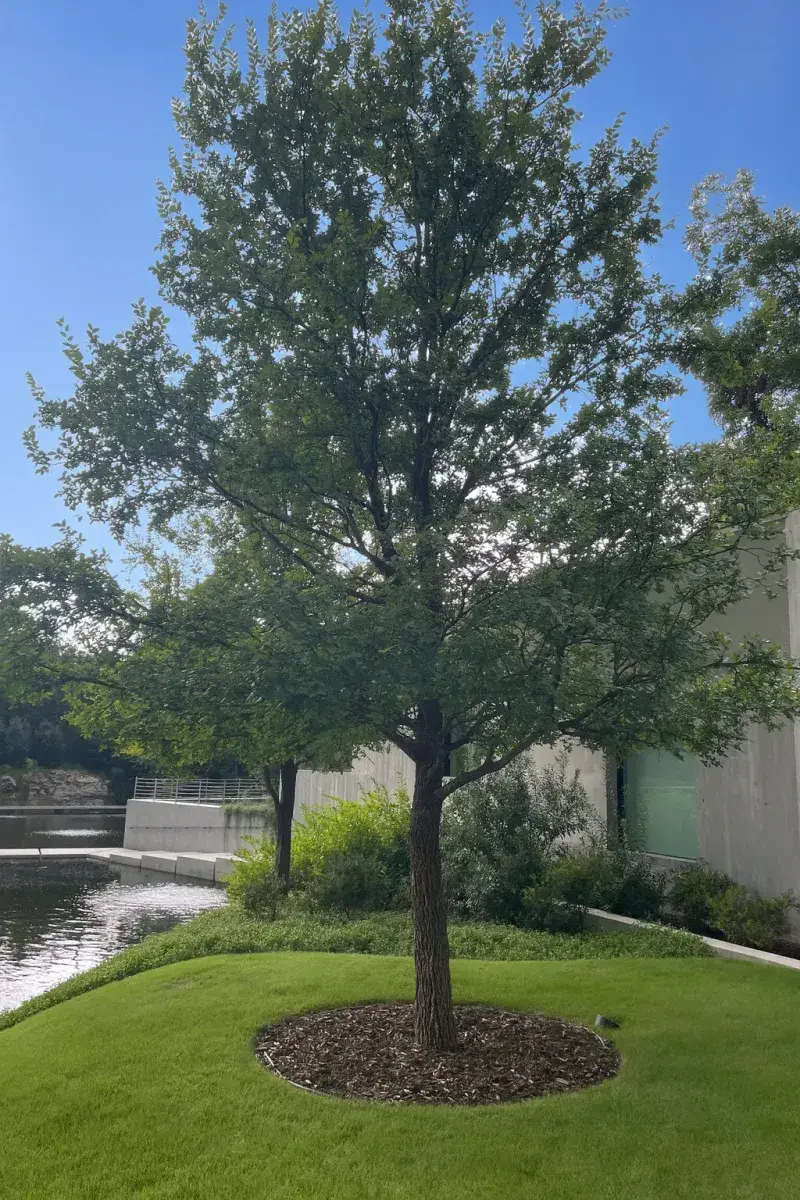
Ask a city forester in Dallas about their favorite street tree, and you may hear two words. Cedar elm. It rarely gets the spotlight, but it quietly outperforms many fancy trees.
So what makes it so great? Cedar elm handles clay soil, rocky soil, heat, and drought without complaining. It even puts up with poor drainage better than most trees. For many Texas yards, that is a winning combo.
The leaves are small and rough, a bit like sandpaper. In fall, they turn a soft golden yellow. It is not flashy, but it adds a warm glow to November yards.
Growth is moderate, usually about one to two feet each year. It reaches around 50 to 70 feet tall with an upright, oval shape. That makes it a smart pick for side yards or along sidewalks.
Your Texas Garden Changes Every Week. Your Plan Should Too.
Gardening in Texas changes quickly throughout the season. Every Friday you’ll receive a simple weekly plan showing exactly what to plant, prune, fertilize, harvest, and protect so you never miss the right timing.
Care is simple. Water weekly during the first summer, then back off. By year three, it should survive on rainfall in most seasons, with a deep drink during heat waves.
Pruning early helps a lot. Young cedar elms can grow messy branches, so pick one strong main trunk and trim competing stems in winter. That keeps it sturdy for storms later on.
Here is a quirky detail. Unlike most elms, cedar elm blooms in late summer instead of spring.
The tiny flowers are easy to miss, but pollinators notice. If you want a dependable tree without drama, this one deserves a spot on your list.
3. Texas Redbud, A Pink Burst Of Early Spring
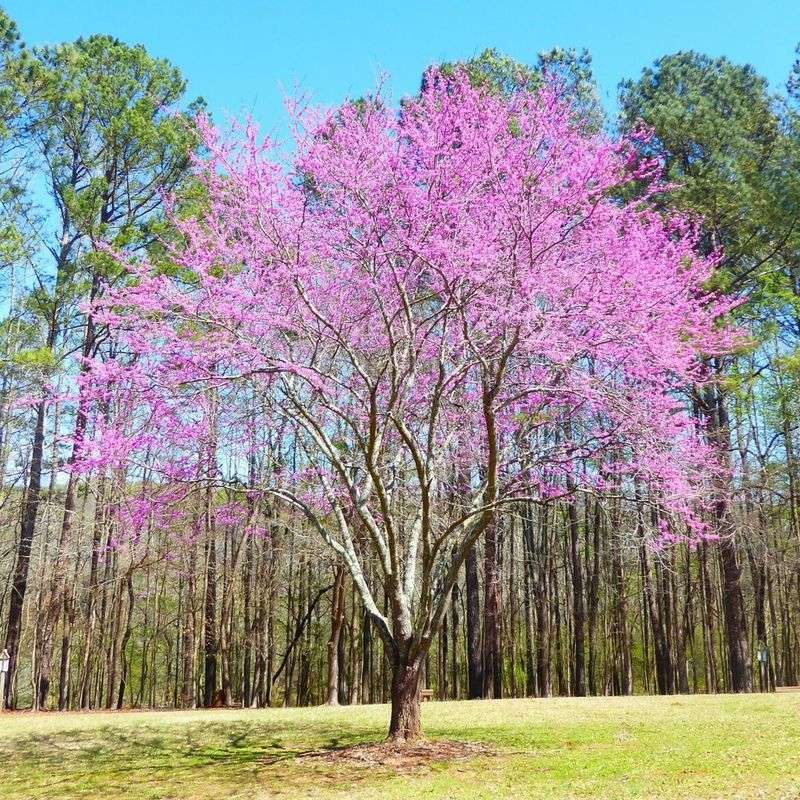
Nothing says winter is over quite like a redbud in full bloom. Bright pink flowers cover bare branches in late February and March. Neighbors will slow their cars to look.
The Texas redbud is a smaller cousin of the eastern redbud. Its leaves are thicker and glossier, which helps it hold onto water. That little difference makes it much better at handling hot, dry summers.
Most trees only reach 15 to 20 feet tall. That size is perfect for small yards, patios, and spots under power lines. You can also plant a few together for a mini woodland look.
Sun or part shade both work. In very hot areas, a little afternoon shade keeps leaves from scorching. Well-drained soil is a must, since soggy roots cause trouble.
Bees love those early flowers. They are one of the first food sources of the year for native pollinators. Later, flat seed pods dangle from branches and give birds something to snack on.
Planting tips are easy to follow. Choose a young tree, since redbuds do not like being moved once they are big. Water twice a week for the first month, then weekly until it is settled.
Did you know the flowers are edible? Some people toss them into salads for a pop of color and a slightly tangy flavor. Try a few from your own tree, just make sure it has not been sprayed with chemicals.
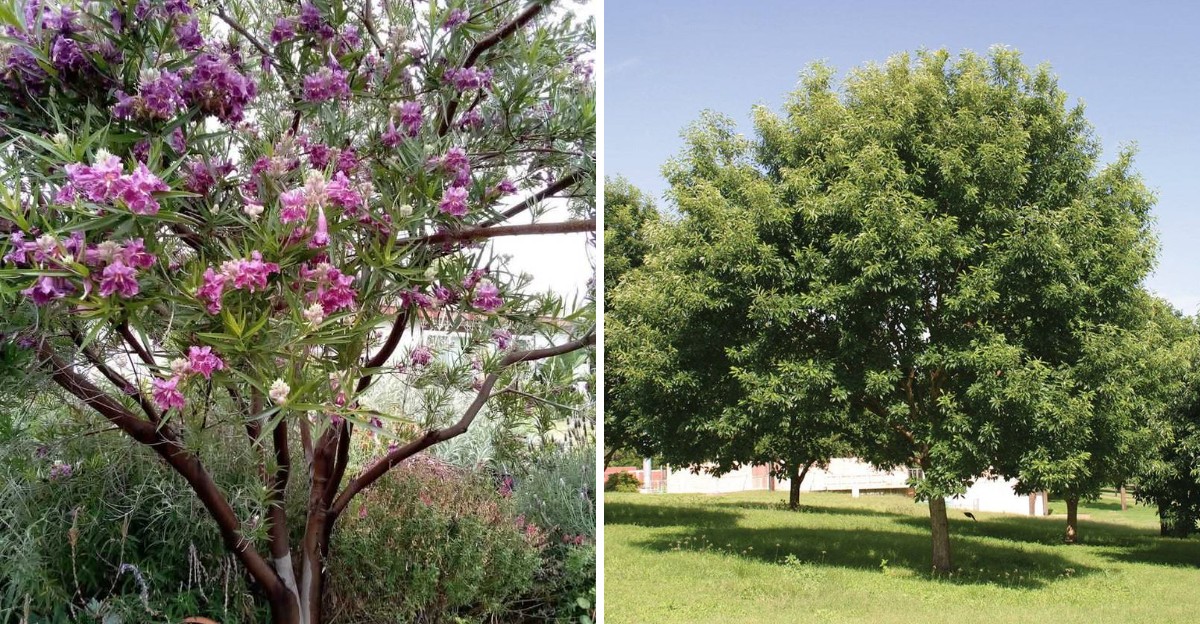
4. Desert Willow, Blooms That Laugh At The Heat
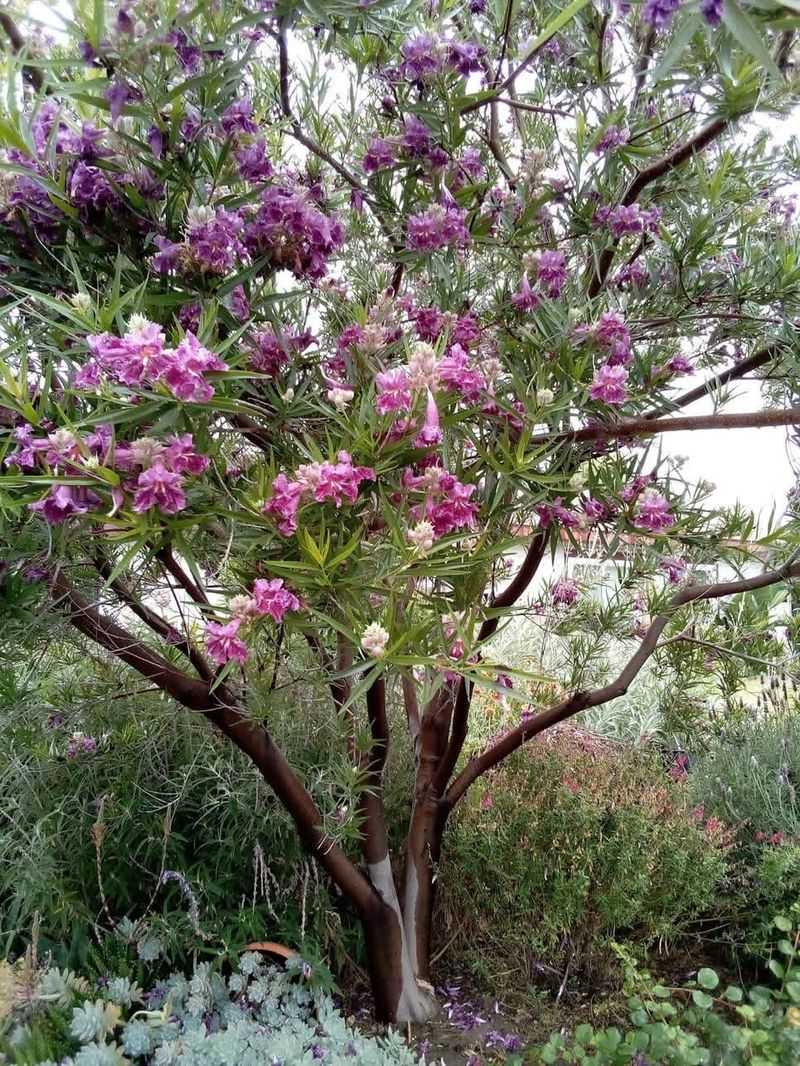
Hummingbirds seem to have a map with every desert willow marked on it. When the trumpet flowers open, they zoom in from all directions. It is like hosting a tiny air show.
Despite the name, this tree is not a true willow. The long, skinny leaves just look similar. It actually belongs to the same family as the catalpa and trumpet vine.
Desert willow is native to West Texas, where rain is rare and summers roast. It blooms from late spring all the way into fall. Colors range from pale pink to deep purple and even white.
Here is the secret to keeping it happy. Give it full sun and soil that drains fast. Too much water or rich soil can actually make it weak and floppy.
Most trees grow 15 to 25 feet tall with a loose, airy shape. You can train it as a single trunk tree or let it grow as a large shrub. Either way, it adds a relaxed, desert style to any yard.
Watering is simple once it is set. Many established trees need a drink only once or twice a month in summer. Some folks in Central Texas barely water theirs at all.
Want more blooms? Trim off old seed pods in summer. The tree will put that energy into fresh flowers instead.
You will get more color and more happy hummingbirds visiting your garden.
5. Bur Oak, Big Acorns And Bigger Roots
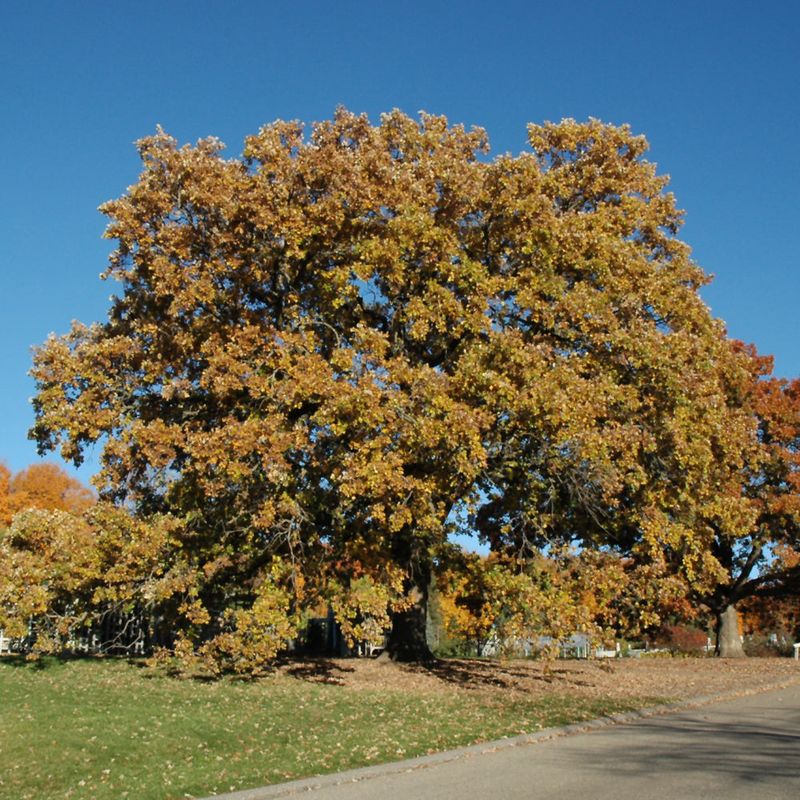
Kids often gasp when they first find a bur oak acorn. Some are as big as a golf ball, topped with a fuzzy, fringed cap. Squirrels think they have hit the jackpot.
Bur oak is one of the toughest oaks around. It grows a very deep taproot that reaches water far below the surface. That hidden plumbing is how it gets through Texas droughts.
The leaves are large and wavy, with a narrow waist in the middle. In fall, they turn yellow to brown. The thick, corky bark even helps protect it from grass fires.
Space is key with this one. A bur oak can grow 60 to 80 feet tall and just as wide. Plant it in a big yard, a park-like lot, or an open spot on rural land.
Growth starts slow while roots dig down. Then it speeds up once it finds deep moisture. Be patient during the first few years, because the payoff is huge.
Care tips are pretty basic. Water deeply every week or two the first summer. Keep grass away from the base with a ring of mulch so the young tree does not compete for water.
One more perk stands out. Bur oaks resist oak wilt better than many red oaks. They also feed deer, turkeys, and all kinds of wildlife.
If you want a strong tree for the next century, this is a great choice.
6. Mexican Plum, Sweet Scent And Snacks For Birds
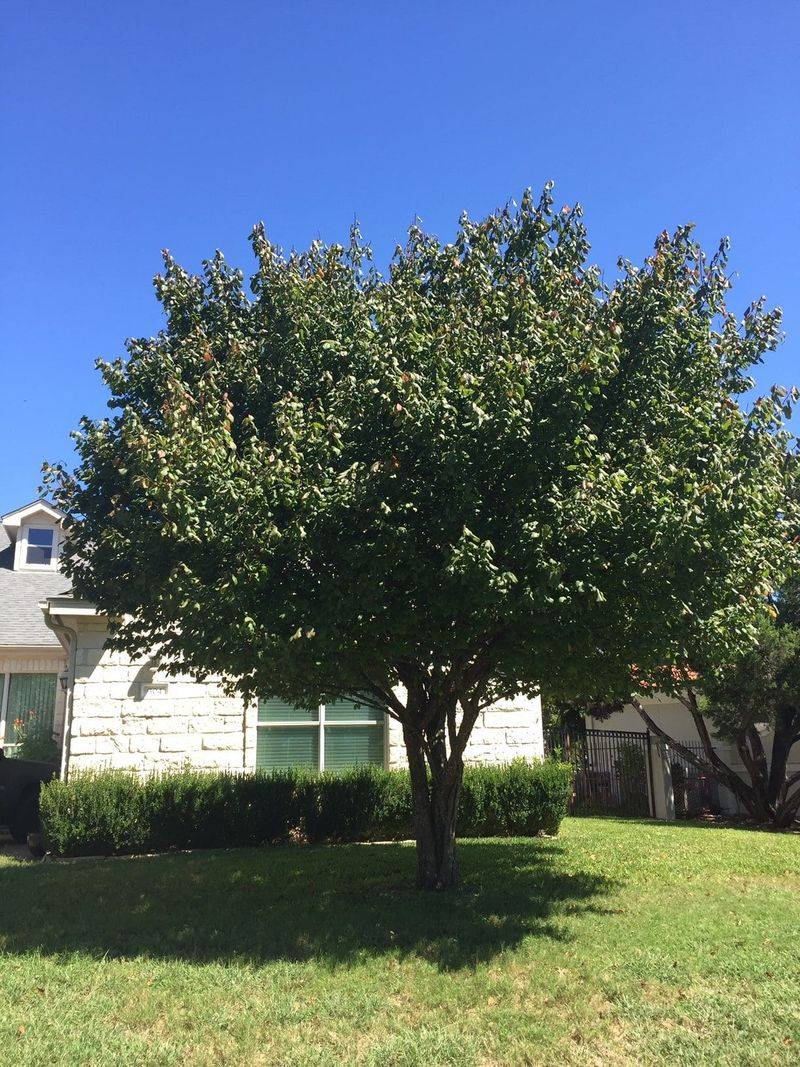
Walk past a Mexican plum in early March, and your nose will notice first. The white flowers smell sweet and a little like honey. For many Texans, it is the true start of spring.
This small tree reaches about 15 to 25 feet tall. It has a neat, rounded shape and dark bark that peels a bit with age. Even in winter, it looks tidy and interesting.
Drought is no big deal once it is established. It also handles many soil types, from sandy East Texas ground to Hill Country limestone. That flexibility makes it popular across the state.
After the blooms fade, small plums appear. They ripen to red or purple in late summer. People can make jelly from them, but birds and foxes usually grab them first.
Where should it go? Try it as a focal point in a front bed or near a window where you can enjoy the flowers. It also works as an understory tree beneath larger oaks.
Planting in fall gives roots a head start. Water about twice a week for the first month, then shift to weekly. Mulch helps keep the soil cool and moist during that first hot summer.
Here is a helpful bonus. Mexican plum is a host plant for several butterfly caterpillars. So you are not just planting a pretty tree.
You are building a tiny habitat that supports local wildlife all year long.
7. Chinquapin Oak, The Underrated Shade Maker
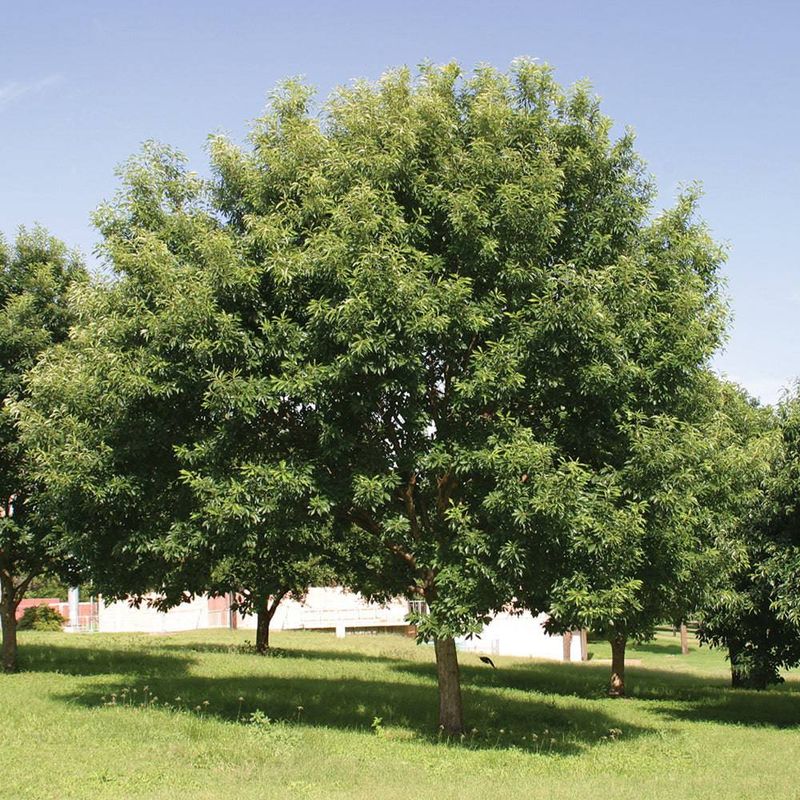
Landscapers sometimes call chinquapin oak their secret weapon. It checks almost every box, yet few homeowners know its name. That is starting to change.
What makes it special? This oak loves the alkaline, rocky soils found in much of Central Texas. Many trees struggle with that chalky ground, but chinquapin actually thrives in it.
The leaves are long and glossy with toothy edges, a little like a chestnut leaf. In fall, they shift to shades of yellow, orange, and bronze. It gives your yard a cozy autumn feel.
Size falls in a nice middle range. Most trees reach 40 to 60 feet tall with a rounded crown. That is big enough for solid shade but not so huge that it takes over a smaller lot.
Growth is faster than many oaks, especially with a little extra water early on. Soak it weekly during the first summer. After two or three years, it will handle dry spells with little help.
Like bur oak, it belongs to the white oak group. That means it has better resistance to oak wilt than red oaks do. Still, stick to the safe pruning window of July through January.
Wildlife will thank you too. The small, sweet acorns are a favorite of deer, squirrels, and blue jays.
Some people say they are among the tastiest acorns around. Plant one this fall, and you might just become the neighbor everyone asks about.