Why California Ground Squirrels Are Digging More Right Before October
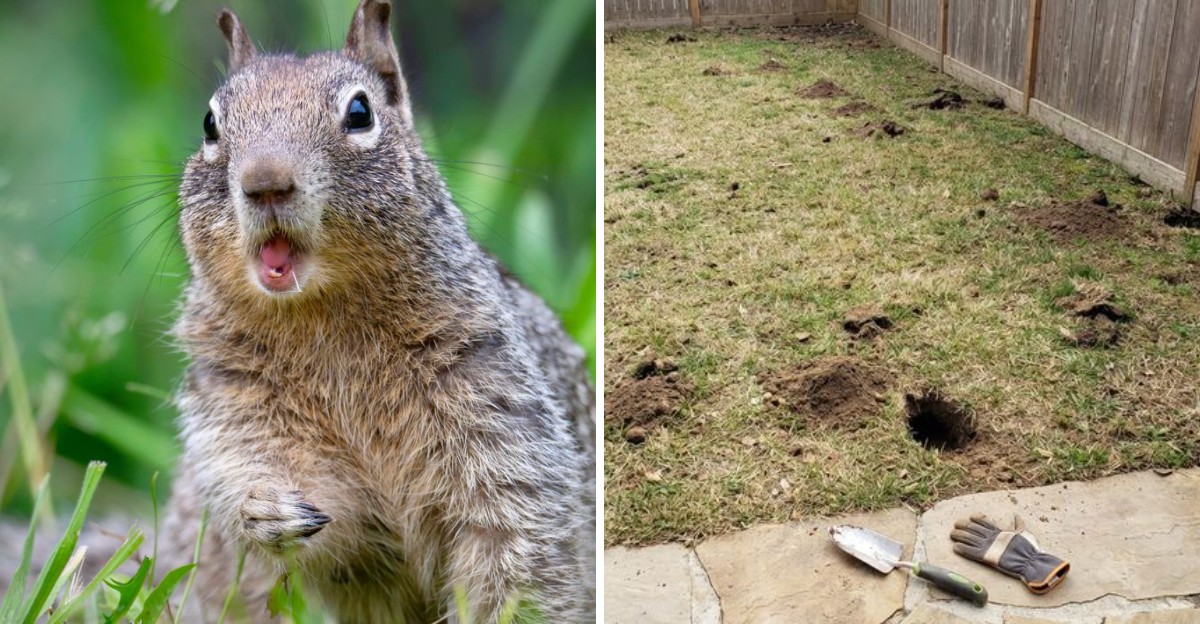
A fresh pile of dirt shows up along the back fence on a warm late-September morning.
By the next weekend, three more have appeared, each one sitting beside a round hole about the size of a softball.
Across much of California, that exact scene is playing out in yards, orchards, and roadside hills right now, and it has nothing to do with random bad luck landing on your particular property.
Something on the calendar is quietly running out for the animals behind those holes, and understanding what pushes their timing can change how you read every mound in your yard from here on out.
Curious what’s actually driving this sudden burst of digging, and why it stops almost overnight come November? The answer starts with a calendar that only has nine and a half months circled.
Adults Stay Active Through October Only
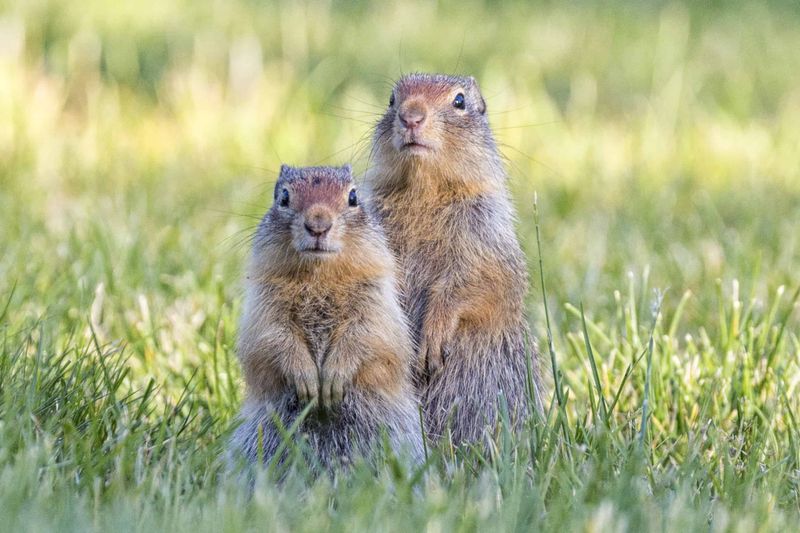
A calendar with only nine and a half months circled is roughly the whole working year for adult California ground squirrels.
Adults are active from about mid-January through October.
Outside that window, most adults spend their time tucked deep in burrows.
Their bodies slow down, and they rely on stored fat and food to get through the cold months. So when late September rolls around, the clock is ticking loudly in squirrel terms.
Timing can shift a bit depending on where you live.
Squirrels in warmer, lower areas may behave a little differently from those in cooler mountain zones. Some adults even take a break during the hottest part of summer, then return to action as temperatures ease.
Young squirrels born in spring often follow a looser schedule.
They may stay aboveground later in the year while they finish growing and building fat reserves. Seeing a smaller squirrel out in November is not unusual.
For your yard, the pattern is easy to use.
Late September and October bring a final burst of activity, with squirrels racing to finish chores before shutting down. Expect more trips across the lawn, more digging, and bolder behavior near food sources.
Want to track it yourself? Jot down the dates you see squirrels and fresh holes on a simple wall calendar.
Seed Season Runs From May Into Fall
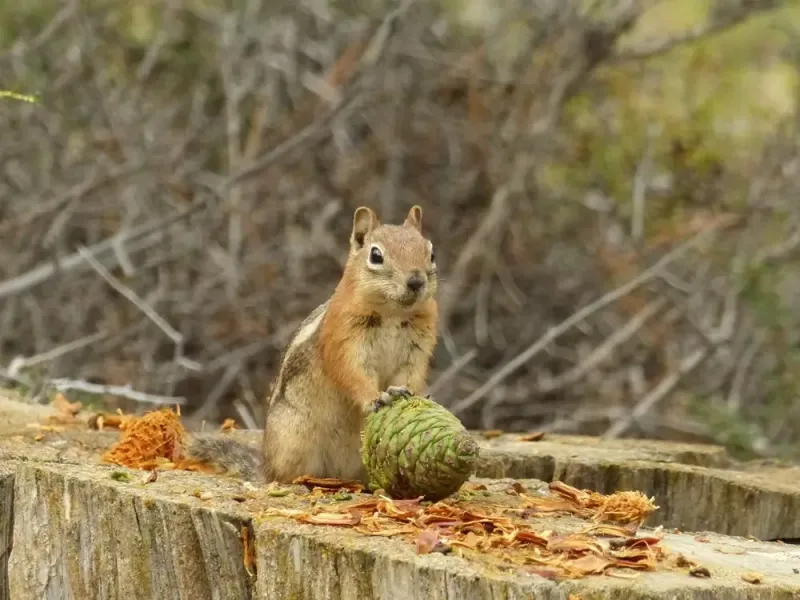
Green grass tastes great to a ground squirrel in early spring.
Tender leaves, sprouting weeds, and fresh clover make up much of the menu from late winter into spring. Then the hills turn gold, and everything changes.
Around mid-May, California ground squirrels switch to foraging mostly on seeds.
That seed-hunting phase runs all the way through October. Grains, nuts, acorns, and the seeds of wild grasses and weeds become the main targets.
Seeds are a smart choice for an animal preparing for a long rest.
They pack more energy than leaves, and they keep well without rotting quickly. A squirrel can stuff its cheek pouches, scurry home, and stash its haul underground.
All that hauling explains a lot of fall digging.
Storage chambers need space, and carrying food in bulk means frequent trips through tunnels. More food heading underground often lines up with more soil coming out.
Your California Garden Changes Every Week. Your Plan Should Too.
Gardening in California changes quickly throughout the season. Every Friday you’ll receive a simple weekly plan showing exactly what to plant, prune, fertilize, harvest, and protect so you never miss the right timing.
Gardeners feel this shift directly.
Squirrels may raid tomato plants, dig up freshly planted seeds, strip almonds and walnuts, or nibble fallen fruit. Bird feeders become a snack bar, with spilled seed on the ground drawing squirrels in from nearby burrows.
A few simple steps can cut down the buffet.
Rake up fallen nuts and fruit every few days during fall. Move bird feeders away from fences and slopes where burrows tend to form, or use trays that catch dropped seed.
Burrows Expand Every Single Year
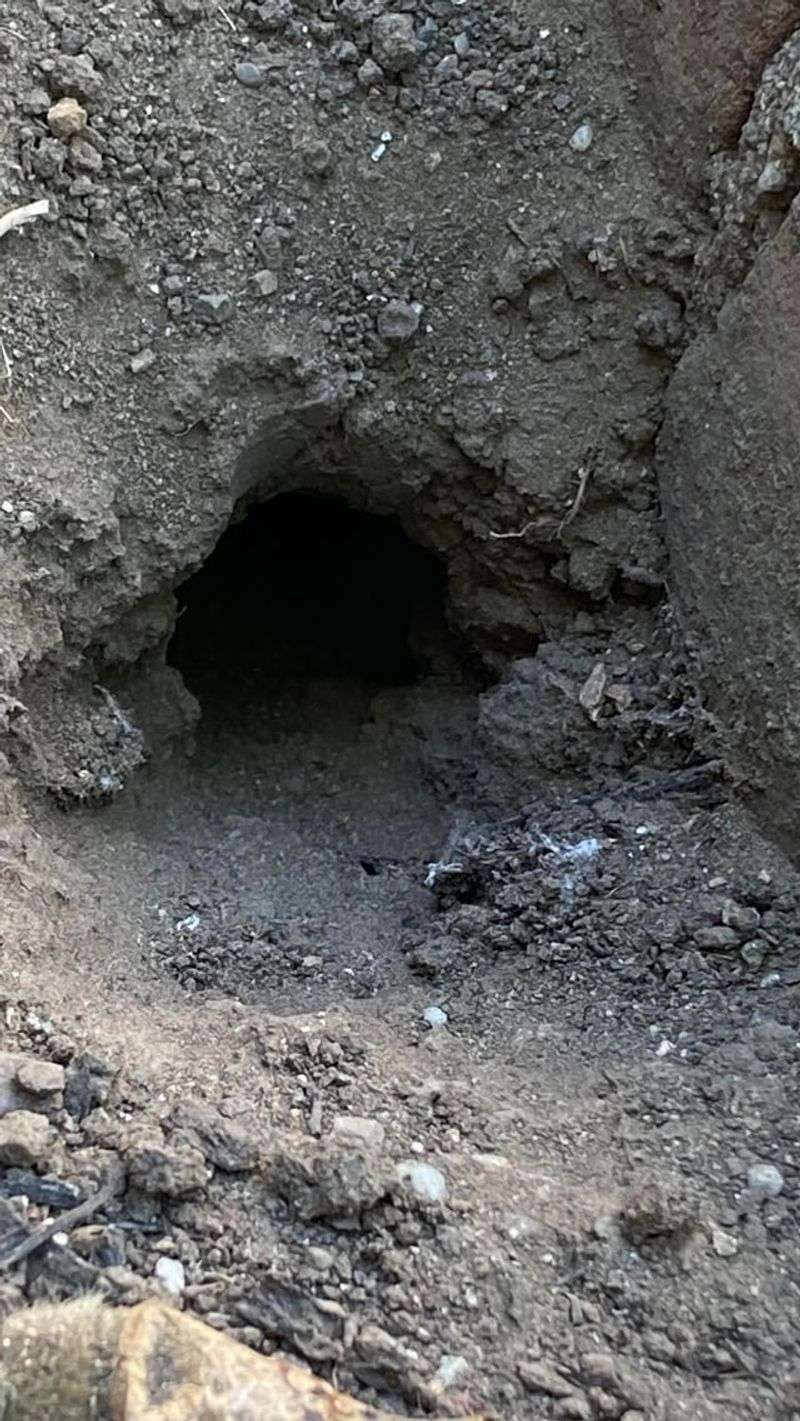
Underground, a ground squirrel burrow is more like a growing apartment complex than a single hole.
Burrows are often 5 to 30 feet long and sit roughly 2 to 4 feet below the surface. Some systems stretch even farther, with branching tunnels and multiple rooms.
And the construction never really finishes.
Each year, squirrels enlarge their burrow systems, digging new tunnels and adding fresh entrances. A burrow that started small a few seasons ago can become a sprawling network as more squirrels move in.
Why keep building?
Burrows serve many jobs at once. They give squirrels a place to sleep, hibernate, raise young, store food, and escape danger from hawks, coyotes, snakes, and other predators.
All that digging can cause real trouble for people.
Tunnels under patios, sidewalks, and foundations can weaken the soil. Burrows near trees may damage roots, and tunnels in levees or ditch banks can lead to leaks and erosion.
One helpful habit fits fall nicely.
Walk your property once a week and look along fences, rock piles, tree bases, and the edges of buildings. Squirrels love building next to cover, where they can dash to safety fast.
Clearing away brush piles, old lumber, and debris makes your yard less inviting.
Caching Food Now Fuels Winter Dormancy
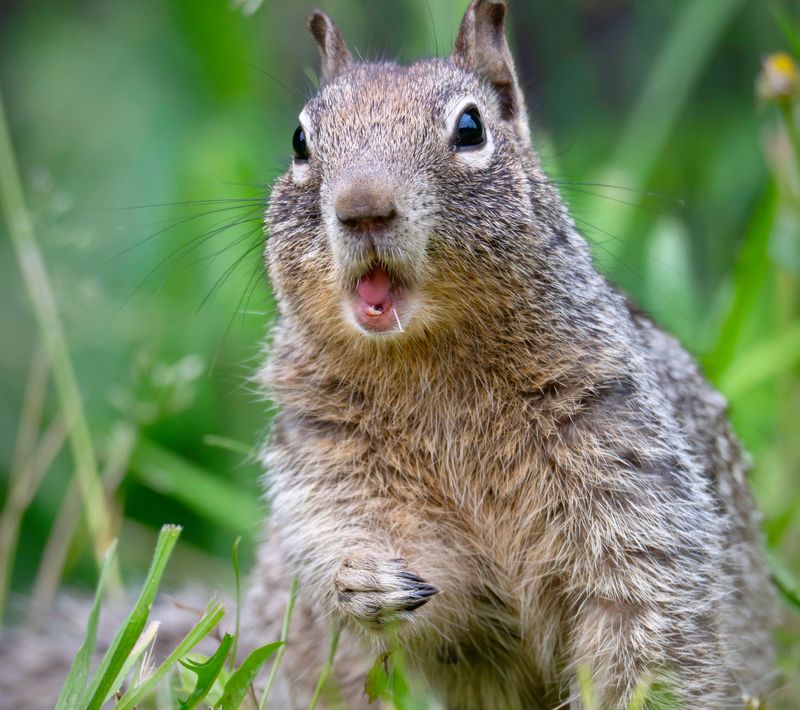
Every stuffed cheek pouch in October works like a small savings deposit.
Ground squirrels spend their final active weeks gathering seeds and carrying them underground. Food storage ranks as one of the core purposes of a burrow, right alongside sleeping and raising young.
Winter dormancy is a big deal for these animals.
During hibernation, their heart rate and body temperature drop, which lowers the energy they need. Even so, they still depend on fat built up during the seed season and on food tucked away nearby.
That double strategy helps explain the hurry.
A squirrel that enters winter thin or with an empty pantry faces a tougher season. So the push to forage, fatten up, and stash seeds grows stronger as October moves along.
Researchers generally describe body fat as the main winter fuel.
Stored seeds likely act as backup during brief waking periods, though exactly how much each squirrel eats from its stash over winter is less clearly documented.
Your yard plays a role in the caching rush.
Fallen walnuts, spilled birdseed, and garden leftovers look like free groceries. Cleaning them up now means fewer reasons for squirrels to set up shop close to your house.
A quick tip: store pet food, chicken feed, and grass seed in metal bins with tight lids.
New Entrances Signal A Growing Colony
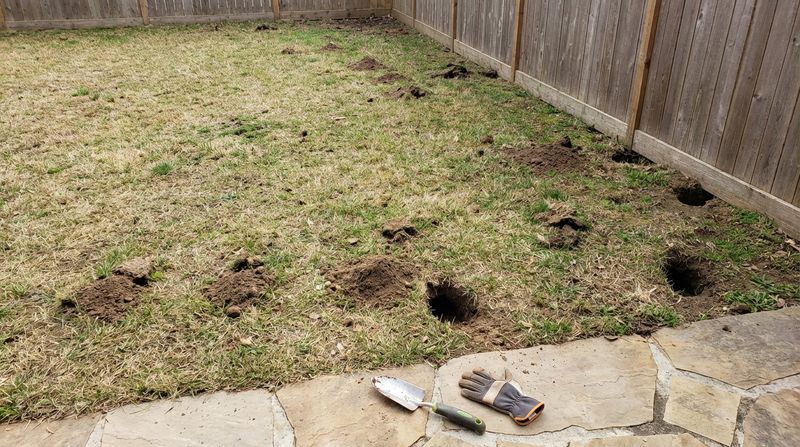
Counting holes might sound like a strange weekend hobby, but it tells a surprisingly useful story.
A single burrow system can have several entrances, and those numbers tend to climb over time. More openings usually mean more squirrels sharing the neighborhood.
California ground squirrels live in colonies, though individual squirrels often keep their own entrances within the shared network.
Females give birth to one litter a year in spring, usually around seven or eight pups. By summer and fall, those youngsters are out exploring, and some start digging tunnels of their own.
As the colony grows, burrow systems stretch outward.
New entrances pop up at the edges, sometimes creeping closer to gardens, sheds, and patios. A colony that once hugged the back fence might reach the middle of the yard within a couple of years.
Squirrels also like escape routes.
Multiple openings let them dive underground quickly when a hawk circles or a dog comes bounding over. Each new hole is part safety hatch, part front door.
Try this simple count in early fall.
Mark each active opening with a small flag or stake, then compare numbers next spring. A rising count signals it may be time to talk with your county agricultural commissioner or a licensed pest professional about humane, legal options.
Fresh Mounds Mean Recent Digging Nearby
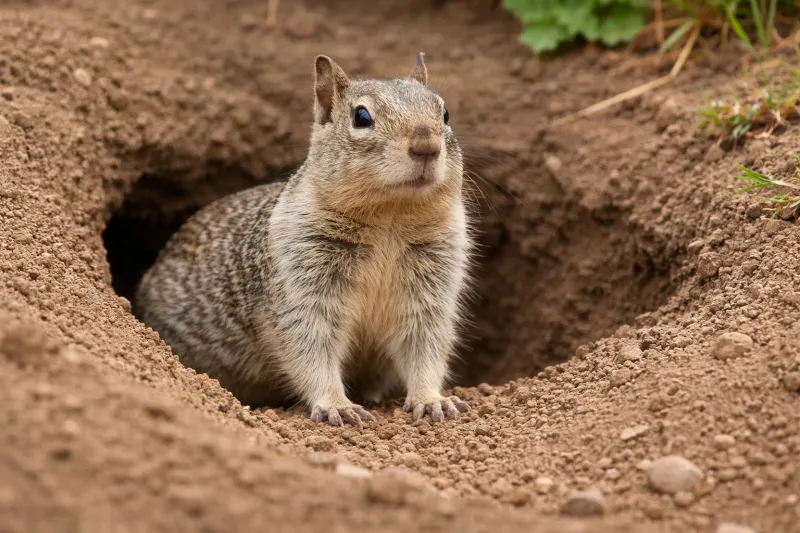
Loose, crumbly dirt with no footprints or leaves on top is a squirrel’s calling card.
Fresh mounds usually sit right at a burrow opening, fanned out in a small apron of soil. Old mounds look different, with crusted tops, pressed-down paths, or weeds poking through.
Freshly dug soil is often darker and damper than the surface around it, especially in the morning.
After a day or two in the California sun, it dries out and fades to match the ground.
A quick test can confirm activity.
Loosely plug a few openings with soil or crumpled newspaper, then check back in a day or two. Reopened holes mean someone is home and still working.
Shape matters too.
Ground squirrel holes are usually about 4 inches across and left open, with no plug. Gophers, on the other hand, leave fan-shaped mounds with the hole plugged shut, and moles push up volcano-shaped hills.
Mounds near structures deserve extra attention.
Soil pushed out from under a slab, walkway, or retaining wall hints at tunnels that could weaken support. Take photos, note locations, and watch whether new dirt keeps appearing.
Safety counts as well. Open holes in lawns and pastures can twist ankles and trip horses or kids at play.
Winter Burrow Life Begins Right After
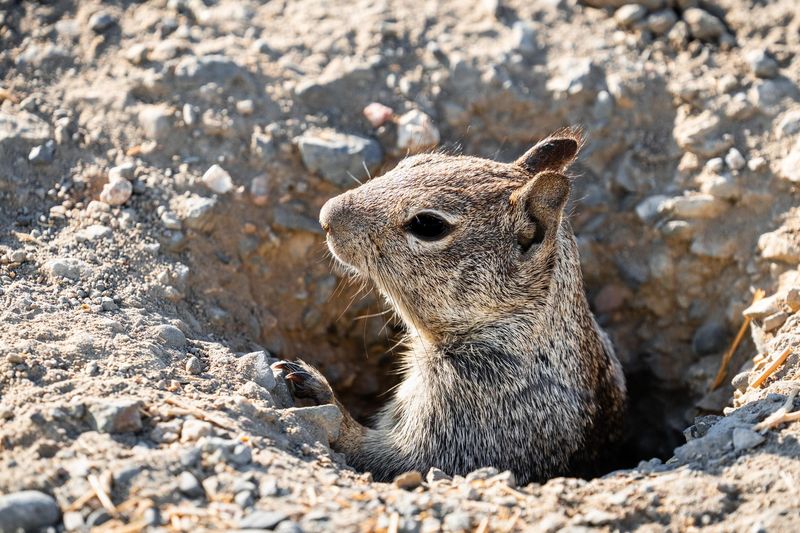
By November, many hillsides that buzzed with squirrel traffic suddenly go quiet.
The digging slows, the chirping alarm calls fade, and the fresh mounds stop multiplying. Most adults have headed underground for their winter rest.
Inside the burrow, life shifts into low gear.
Hibernating squirrels curl up in nest chambers lined with dry grass and leaves. Their body temperature drops and their breathing slows way down, saving precious energy through the cold, wet months.
Not every squirrel sleeps soundly all season.
Some, especially young ones or those in milder coastal areas, may pop up on warm winter days. Activity patterns vary across the state, so a sighting in December is not a mistake.
Around mid-January, the cycle restarts.
Adults wake up, feed on fresh green plants, and prepare for spring breeding. Pups arrive roughly a month after mating, and burrow repairs soon follow.
Winter is a smart time for planning.
With the colony underground, you can map old holes, fix fences, clear debris, and protect young trees with wire guards.
Control methods work best at certain times, such as baiting during seed season or fumigation in late winter and spring when soil is moist.