7 Roses That Actually Hold Up And Thrive In California Heat
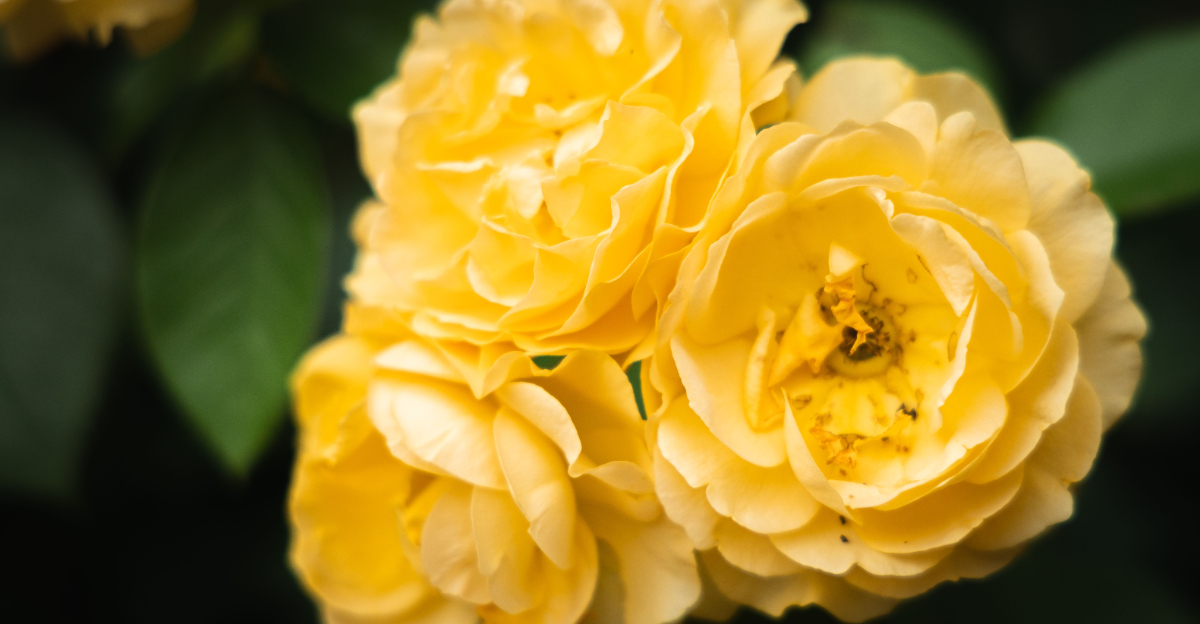
Many rose varieties and California summers have a complicated relationship.
The blooms open beautifully in May. By July, the petals are scorched, the leaves look stressed, and the plant that seemed so promising in spring is spending all its energy managing heat rather than producing flowers.
California gardeners have been through this cycle enough times to know that not every rose belongs in every garden.
The standard advice to plant roses in full sun and water regularly does not account for what full sun actually means in the Central Valley, the Inland Empire, or any hillside garden that bakes from noon until sunset.
The varieties that hold up are specific.
They were developed with heat tolerance as a priority rather than an afterthought. They root deeply, hold their blooms when temperatures push past ninety, and keep cycling through the season instead of taking a long heat break in the middle of summer.
Do you know what separates a rose bed that peaks in July from one that looks spent by June?
These varieties consistently prove themselves in California heat. All of them are worth knowing.
1. Grow Belinda’s Dream For Heat
Belinda’s Dream was not developed for mild climates.
It came out of Texas, tested in conditions that would challenge most garden plants, and built a reputation across some of the hottest gardens in the South before California gardeners started paying attention..
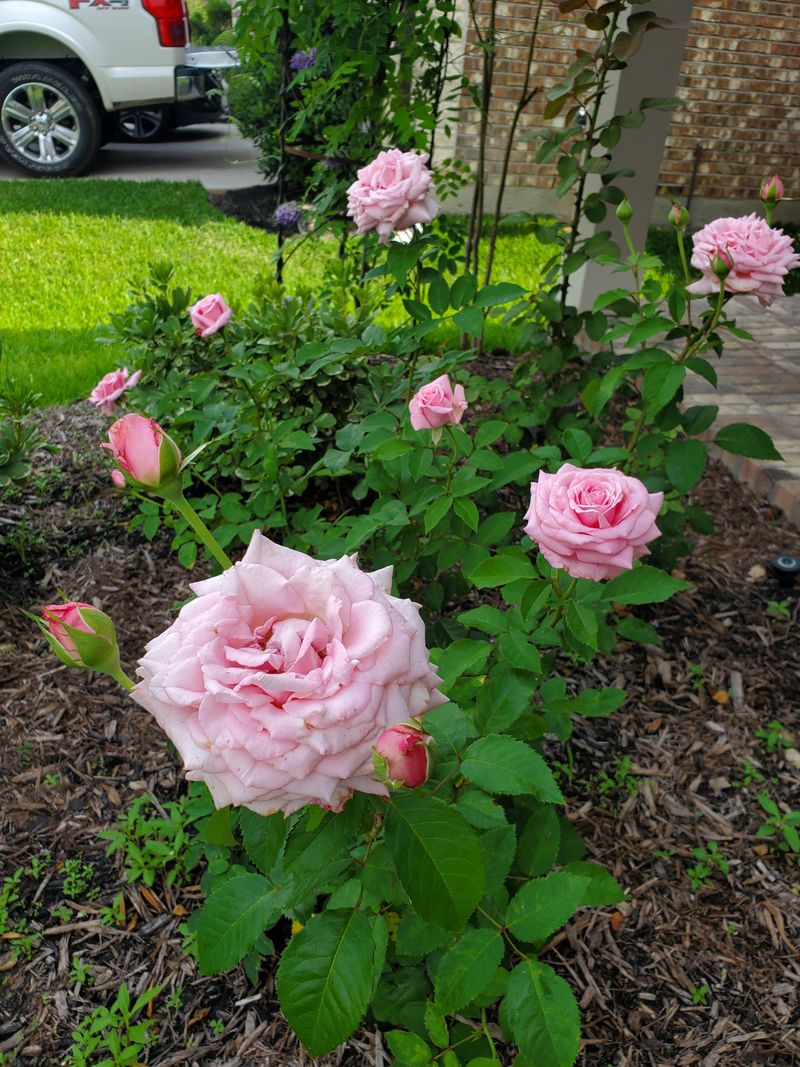
This shrub rose grows into a full, rounded bush reaching four to six feet tall and wide. That mass gives it structural stability through temperature swings that stress smaller, thinner plants.
The blooms are large, fully double, and deeply pink with a light sweet fragrance that carries on warm evenings.
The thick petals hold their shape when afternoon temperatures spike, which is not something most hybrid tea roses can claim by noon in an inland California summer.
Deep, infrequent watering suits Belinda’s Dream better than frequent shallow irrigation.
A thorough soak two to three times per week during summer encourages roots to go downward into cooler, more stable soil rather than staying near the surface where heat stress accumulates fastest.
Do you mulch around the base of your roses consistently? A two to three inch layer over the root zone keeps soil temperatures from spiking during heat waves and extends the time between waterings considerably.
Belinda’s Dream earned recognition through the Earth-Kind rose program, which evaluates roses specifically for performance with minimal inputs.
A rose developed in Texas, tested in the South, and performing reliably in California summer heat. At this point, Belinda’s Dream is simply overqualified for the job.
2. Try Iceberg For Reliable Bloom
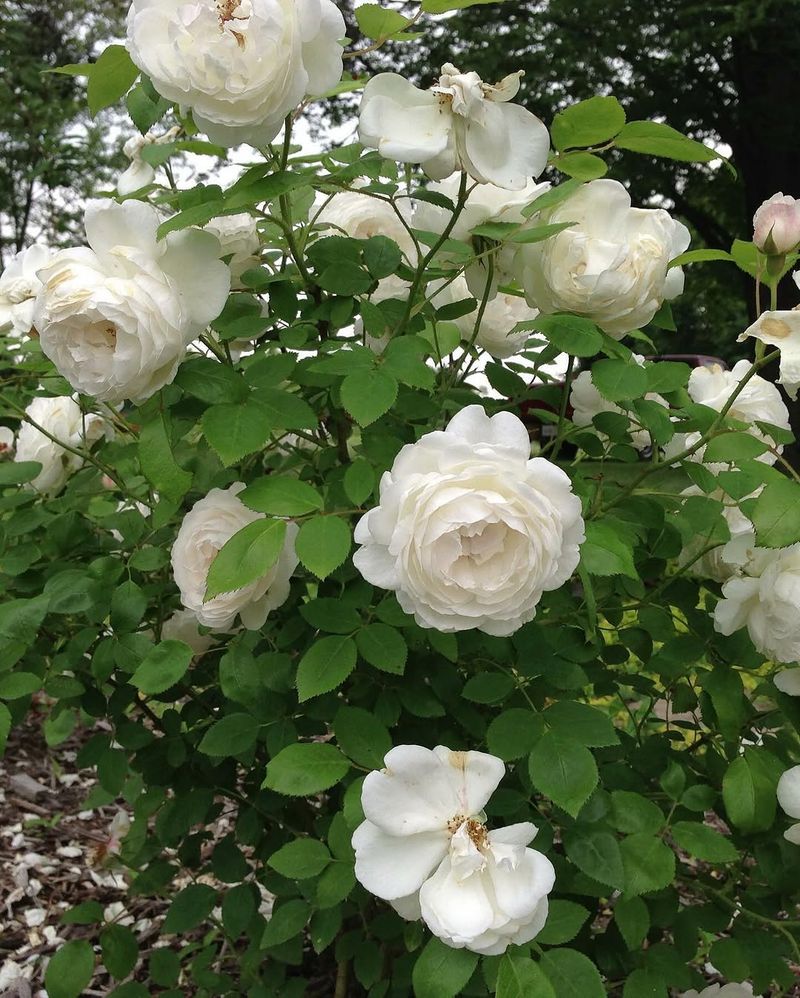
Few roses have logged as many years in California gardens as Iceberg, and the track record is not accidental.
Introduced in 1958, this floribunda has been a landscape standard for decades because it does what it promises consistently, year after year, across a wide range of California conditions.
The blooms arrive in clusters of clean white flowers that cycle almost continuously from spring through fall. When other roses take a heat break in July and August, Iceberg keeps going.
Your California Garden Changes Every Week. Your Plan Should Too.
Gardening in California changes quickly throughout the season. Every Friday you’ll receive a simple weekly plan showing exactly what to plant, prune, fertilize, harvest, and protect so you never miss the right timing.
Landscape designers across California use it in mass plantings, along fences, and as informal hedging because it fills space beautifully and does not require convincing to continue performing through summer.
The plant typically grows four to five feet tall with an upright, bushy form that stays reasonably tidy without aggressive intervention. Full sun is the standard requirement, ideally six or more hours daily.
In areas with extreme summer heat like the San Joaquin Valley or Riverside County, afternoon shade from a nearby structure or tree can prevent petal scorch during the hottest days without reducing overall performance.
Have you tried trimming Iceberg consistently through the season? Removing spent blooms encourages faster repeat flowering. That said, the plant cycles on its own even when the trimming does not happen on schedule.
A balanced fertilizer in early spring and again after the first major flush gives Iceberg the nutrition it needs to sustain that long California growing season.
It has been doing this since 1958. It has not shown any signs of stopping.
3. Plant Julia Child In Sunny Beds
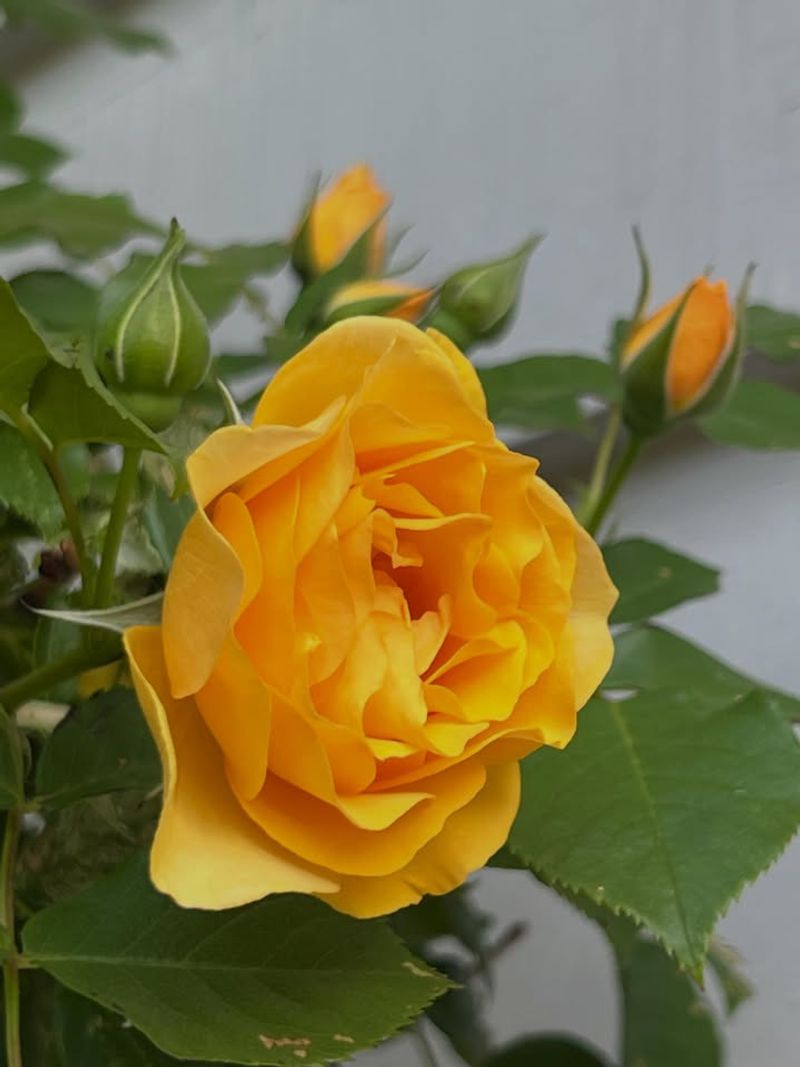
Named after the chef who made cooking feel accessible and joyful, Julia Child rose brings the same energy to a garden bed.
The blooms are a rich, ruffled buttery yellow with an old-fashioned fullness that stands out against any green background.
They carry a light licorice fragrance that surprises most gardeners who lean in expecting something more conventional.
Compact and tidy, Julia Child typically grows two to three feet tall. That manageable size makes it practical for smaller garden beds, raised planters, and front-of-border positions where continuous color matters and space is limited.
The controlled footprint also makes efficient watering considerably easier, which is relevant in any California garden where conservation shapes every irrigation decision.
Full sun is where this rose delivers its best performance. Six or more hours of direct daily sunlight produces the repeat bloom cycles that justify the planting.
In California’s hottest regions, deep watering two to three times per week through peak summer keeps the plant hydrated without creating the waterlogged root conditions that weaken performance.
Drip irrigation with mulch over the root zone reduces evaporation and keeps fungal pressure low by keeping foliage dry.
Julia Child earned an All-America Rose Selections award in 2006, which reflects tested performance across a wide range of climates including the warm, dry conditions that California delivers for much of the year.
A buttery yellow rose with a licorice fragrance that blooms reliably through California summer. Julia would have approved of this one.
4. Use Carefree Delight For Easy Care
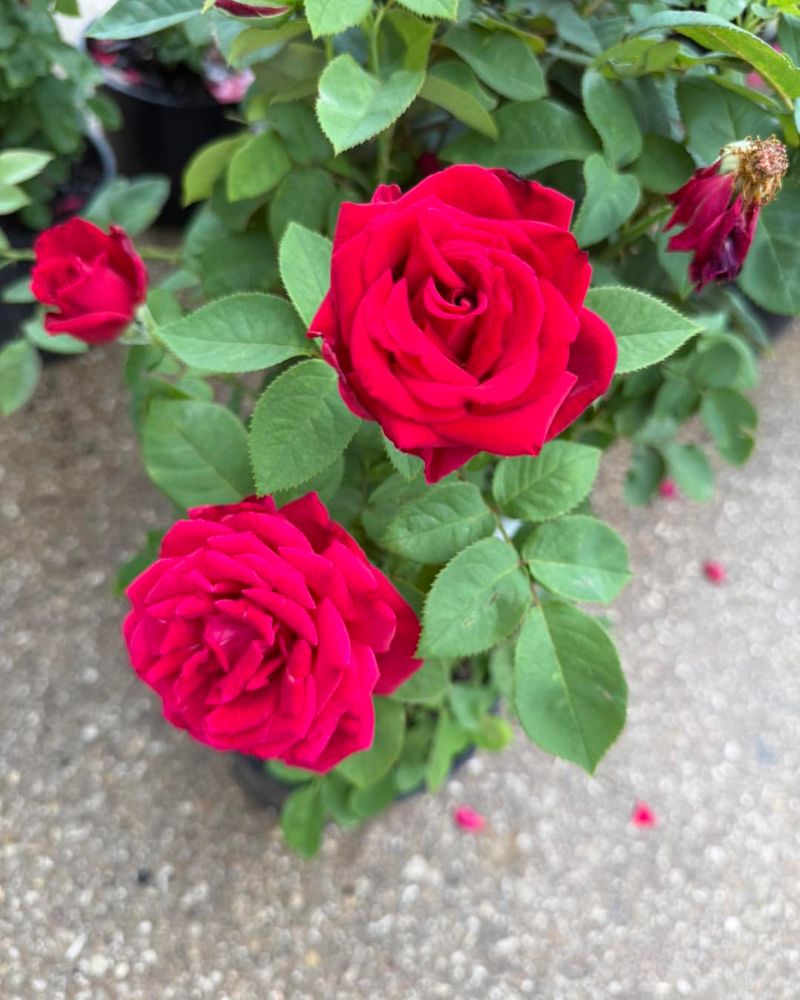
The name is a promise, and Carefree Delight keeps it.
This shrub rose produces clusters of single-petaled pink blooms with creamy white centers throughout the growing season.
The flowers are simple and open rather than densely doubled, which works in their favor when temperatures climb.
Simpler bloom forms hold up under heat stress better than fully double varieties that can go limp or fail to open properly during California’s hottest stretches.
Recognized by the All-America Rose Selections program in 1996, Carefree Delight was evaluated across a wide range of climates before receiving that designation. Performance in hot, dry conditions was part of the criteria.
Disease resistance is one of its most practical qualities.
Strong natural resistance to black spot and powdery mildew reduces the time spent managing fungal pressure, which is especially relevant in coastal zones or areas where temperature swings create conditions that fungal problems favor.
The shrub form is dense and arching, growing roughly four to five feet tall and wide. That scale suits informal hedging, specimen planting, or border anchoring depending on where space exists in the garden.
Fall brings orange-red hips that add seasonal interest after the bloom season winds down. That second act extends the plant’s visual contribution beyond the primary flowering period.
Water deeply and consistently through California summer. Fertilize in early spring with slow-release rose food. Prune lightly in late winter.
Carefree Delight requires very little and still manages to bloom all summer. Some plants overdeliver. This one simply delivers on exactly what it promised.
5. Pick Meidiland Roses For Tough Spots
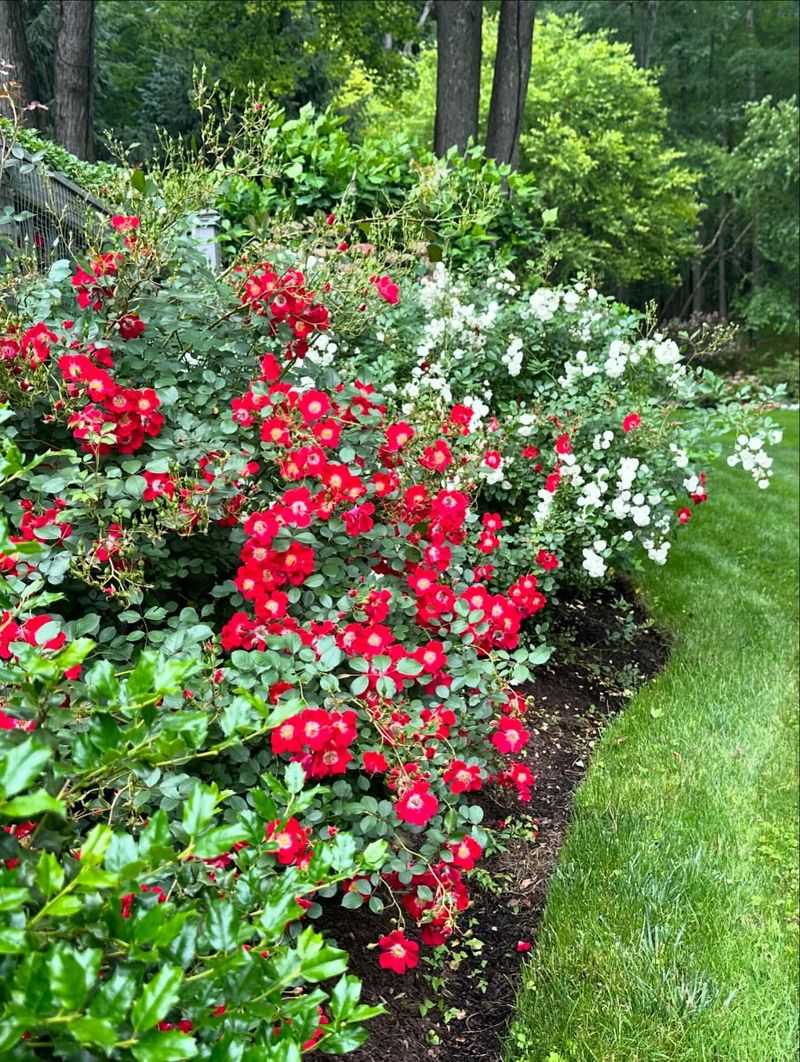
Every California yard has at least one spot that plants approach with visible reluctance. A slope that dries out between waterings.
A stretch along a wall that radiates stored heat through the afternoon. A border near pavement that most plants find uninhabitable.
Meidiland roses were developed specifically for landscape durability, and that development shows in how they perform in exactly these situations.
The Meidiland series spreads wide with a low, mounding habit that covers ground efficiently while producing clusters of blooms from spring through fall.
Colors include white, pink, red, and scarlet across different varieties, which provides enough range for most landscape applications.
Heat tolerance, reflected light tolerance, and the ability to handle periods of reduced irrigation make Meidiland roses popular in commercial landscapes, highway medians, and public parks across California.
For home gardeners, these roses work along fences, at the base of retaining walls, or as mass plantings that create significant visual impact without demanding constant maintenance.
The spreading habit makes them particularly useful on slopes where erosion control and low-maintenance coverage are both priorities.
Plant in full sun with well-amended, well-draining soil. Water deeply during establishment, then transition to regular deep irrigation once roots settle. Annual pruning in late winter keeps plants tidy and stimulates vigorous new growth.
When shopping for Meidiland varieties, staff at nurseries carrying landscape-tested roses can help match the right variety to a specific California heat zone.
A rose developed for tough conditions, placed in a tough spot, asked to do what it was built for. The outcome tends to be exactly what was expected.
6. Plant Knock Out Roses For Self-Sufficient Summer Performance
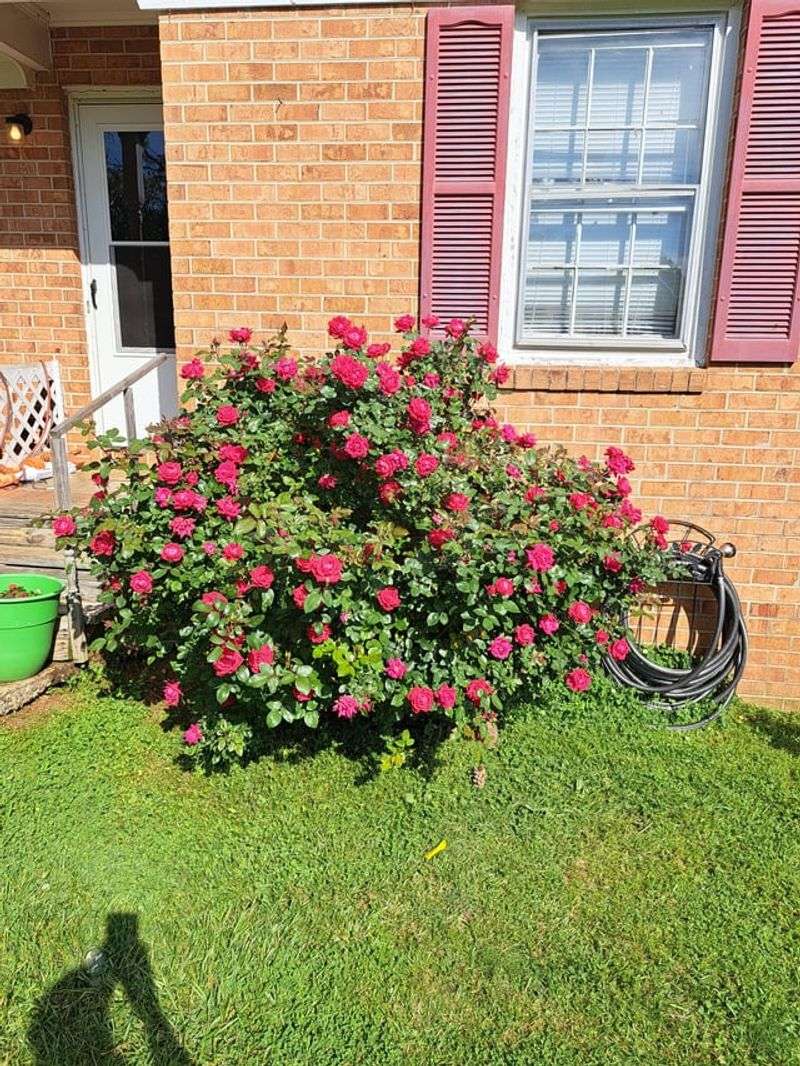
Knock Out roses changed what California gardeners expected from a landscape rose when they arrived on the market, and that reputation has held up across two decades of performance in some of the state’s most demanding heat zones.
The original Knock Out produces clusters of cherry-red single blooms that cycle continuously from spring through hard frost without trimming.
The self-cleaning habit means spent petals fall on their own and new buds follow without any intervention from the gardener.
For California summers where consistent garden attention is not always realistic, that characteristic matters considerably.
Disease resistance is the other standout quality. Knock Out shows strong natural resistance to black spot, the fungal disease that plagues roses in humid conditions and frustrates gardeners who want color without constant spraying.
That resistance holds even when summer fog or coastal humidity creates the kind of damp conditions that fungal problems favor.
The shrub grows three to four feet tall and wide with a tidy, rounded habit that suits borders, foundation plantings, and mass landscapes equally well.
Full sun produces the best bloom density. Deep watering twice weekly through California’s hottest months keeps the plant hydrated without creating root problems.
Are you growing Knock Out roses near a west-facing wall where heat reflects off the surface through the afternoon?
A little afternoon shading from a nearby structure extends bloom quality through the most intense heat events.
Multiple color variants exist including pink, coral, and yellow. The original cherry red remains the most planted.
It earned the name. California summers confirmed it.
7. Grow Cinco De Mayo For Unusual Color That Holds In Heat
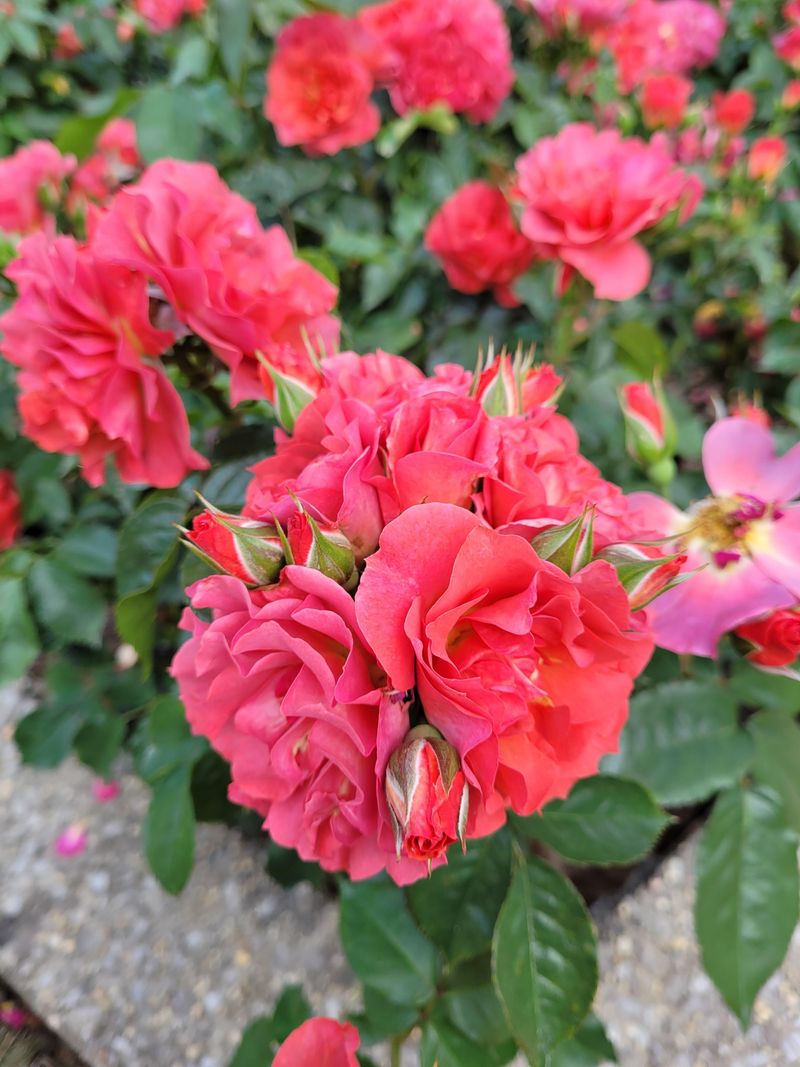
Cinco de Mayo is the rose for gardeners who want something beyond the standard red, pink, and white palette without sacrificing the heat performance California demands.
Introduced by Tom Carruth and introduced to wide availability in the mid-2000s, this floribunda produces clusters of blooms in a warm russet-orange that shifts toward soft lavender as the flowers age.
The color combination on a single plant at any given moment is genuinely unusual, with different blooms at different stages creating a multi-tonal display that changes throughout the week.
Beyond the distinctive color, Cinco de Mayo earns its place in California gardens through reliable heat tolerance and strong disease resistance.
It handles the dry, hot conditions of inland California valleys and foothill gardens without the leaf stress and petal scorch that affect less adapted varieties during peak summer.
The plant grows two to four feet tall with a bushy, upright habit that suits border planting and container growing equally well. Full sun is the standard requirement. Deep watering two to three times weekly through summer keeps the root zone stable during heat waves.
Trimming encourages faster repeat bloom cycles, though the plant continues on its own if the schedule slips.
A balanced fertilizer application in early spring and again after the first major flush supports consistent performance through the long California growing season.
Have you grown floribunda roses before and found the cluster blooms more visually interesting than single large-headed varieties? Cinco de Mayo makes that argument effectively every season.
A rose with an unusual color story that performs reliably in California heat.
That combination is rarer than it should be.