The Florida Native Grasses To Plant In August For Next Year’s Firefly Show
Want more fireflies in your Florida yard next summer? August may be the month that decides the show.
Native grasses planted now can build the cool, damp shelter firefly larvae need long before adults flash above the lawn. The right species protect soil, hold moisture, soften harsh sun, and create low cover without a messy thicket.
They also support the snails, slugs, and insects that many firefly larvae hunt beneath leaves and stems. A bare, clipped lawn offers little refuge, but a few well-placed grass clumps can transform a quiet corner into prime habitat.
Late-summer roots still have a chance to settle before cooler weather slows growth, so the calendar matters. Choose Florida natives suited to your soil and light, then give them space to form dense bases.
Add the right plants now, and next year’s glow may begin with what goes into the ground this August, outside your door.
1. Set The Stage With Pink Muhly Grass
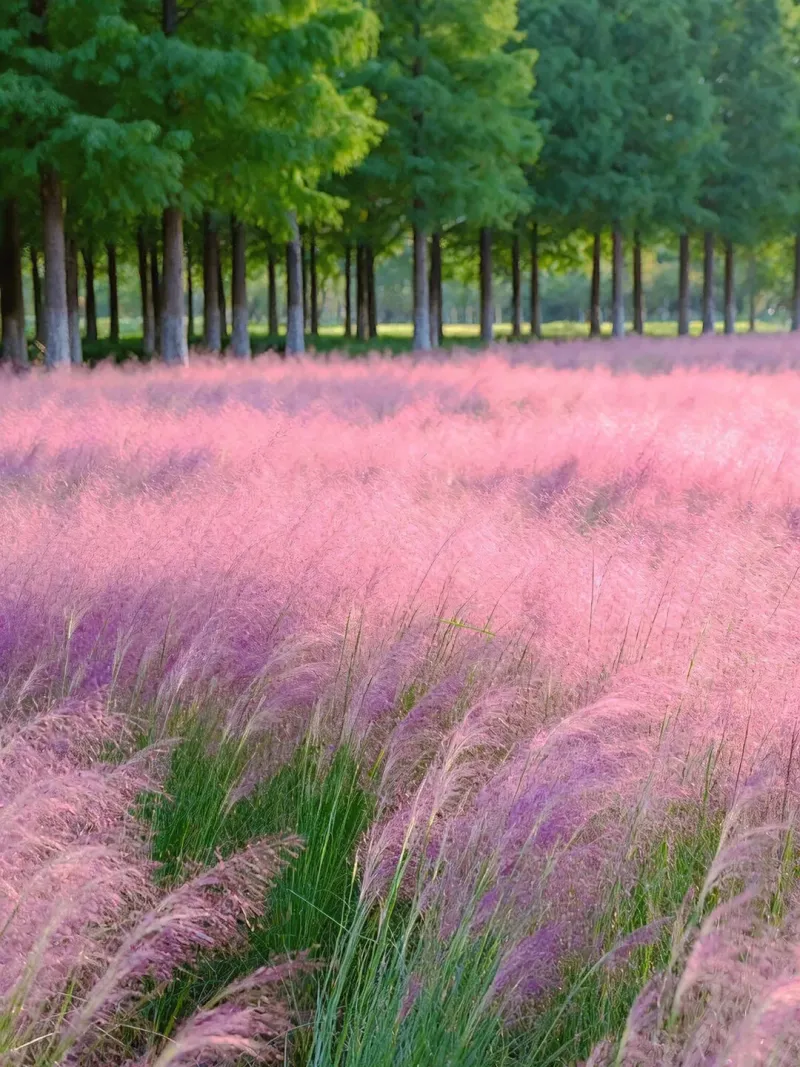
Few ornamental grasses put on a fall show as memorable as the one produced by Muhlenbergia capillaris, commonly called pink muhly grass. Its fine, dark green blades grow in a tight clump that typically reaches two to three feet tall and about as wide.
Come late September through November, the clump erupts into a haze of rosy-pink flower panicles that seem to float above the foliage.
This species ranges across much of the southeastern United States. It is well documented as native across a broad swath of Florida, from the panhandle southward through the peninsula.
It performs best in full sun with sharp drainage, tolerates moderate drought once roots are established, and handles brief exposure to salt spray without serious setback. Sandy or well-drained loam suits it better than heavy, wet clay.
Planting container-grown specimens in August means giving them consistent moisture during the first several weeks while roots anchor into warm soil. That watering window is not a rigid schedule but a response to rainfall and soil dryness.
The low canopy of a mature clump can provide some refuge near the ground, though that benefit is separate from the ornamental fall display. Space plants at least three feet apart so air moves freely between clumps and the form stays tidy over time.
2. Let Purple Lovegrass Build A Soft Nighttime Refuge
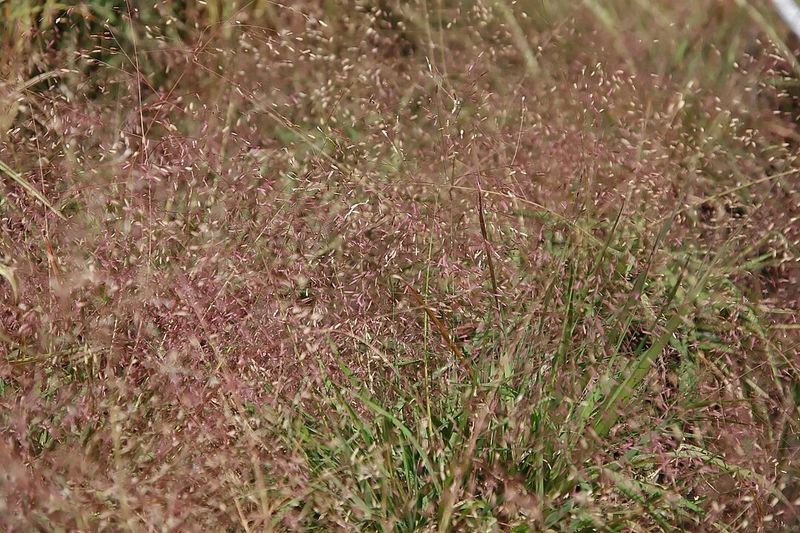
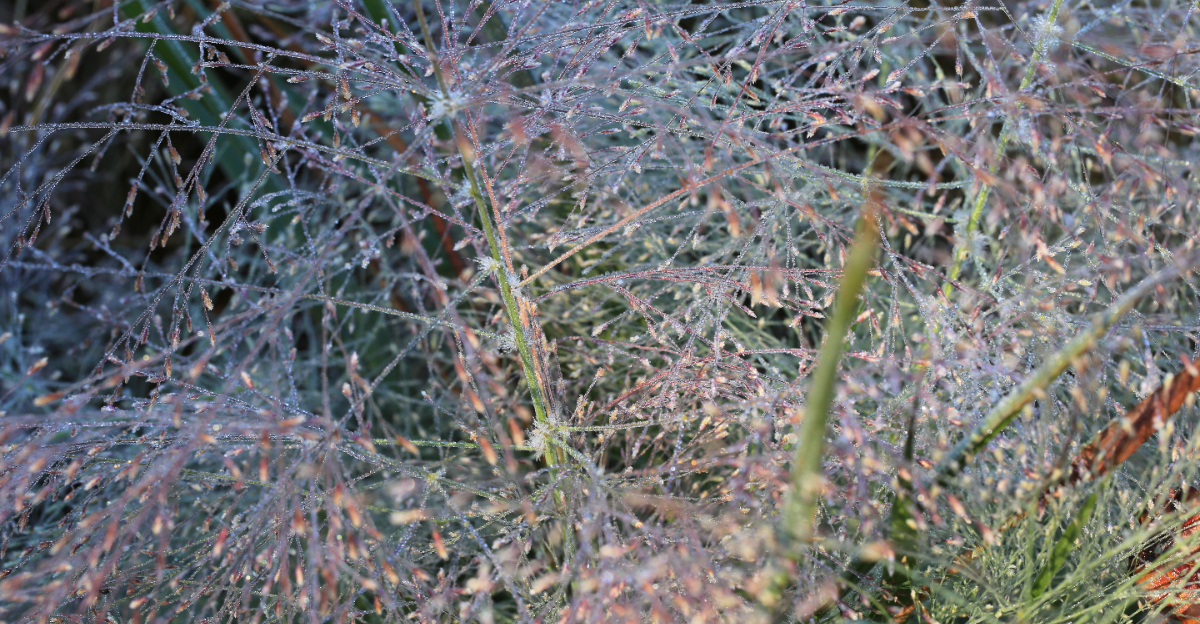
Walk past a sunny slope in late summer and you may notice a low, airy cloud of reddish-purple seedheads hovering above fine green foliage. That is Eragrostis spectabilis, purple lovegrass, and it earns its common name honestly.
Its loose, open panicles catch the light and look almost luminous at dusk. This makes the grass a natural fit for areas where you want visual interest after sunset without adding artificial brightness.
This species differs clearly from pink muhly grass. It is shorter, typically topping out between one and two feet, and its seedheads break away and tumble like small clouds in autumn wind.
Purple lovegrass thrives in full sun and tolerates dry, sandy, low-nutrient soils very well. It tends to behave as a short-lived perennial in warmer parts of the state and may self-sow into nearby open ground, gradually expanding a planting over several seasons.
Your Florida Garden Changes Every Week. Your Plan Should Too.
Gardening in Florida changes quickly throughout the season. Every Friday you’ll receive a simple weekly plan showing exactly what to plant, prune, fertilize, harvest, and protect so you never miss the right timing.
A mass planting along a sunny border or a dry open slope can create a broad band of low, sheltered space at ground level. That kind of layered cover may benefit insects that rest or move through low vegetation at night.
Avoid placing it in poorly drained spots, since standing moisture shortens its life considerably. For best results, source correctly identified nursery-grown plugs rather than collecting from roadsides.
3. Use Elliott’s Lovegrass Across Hot Dry Ground
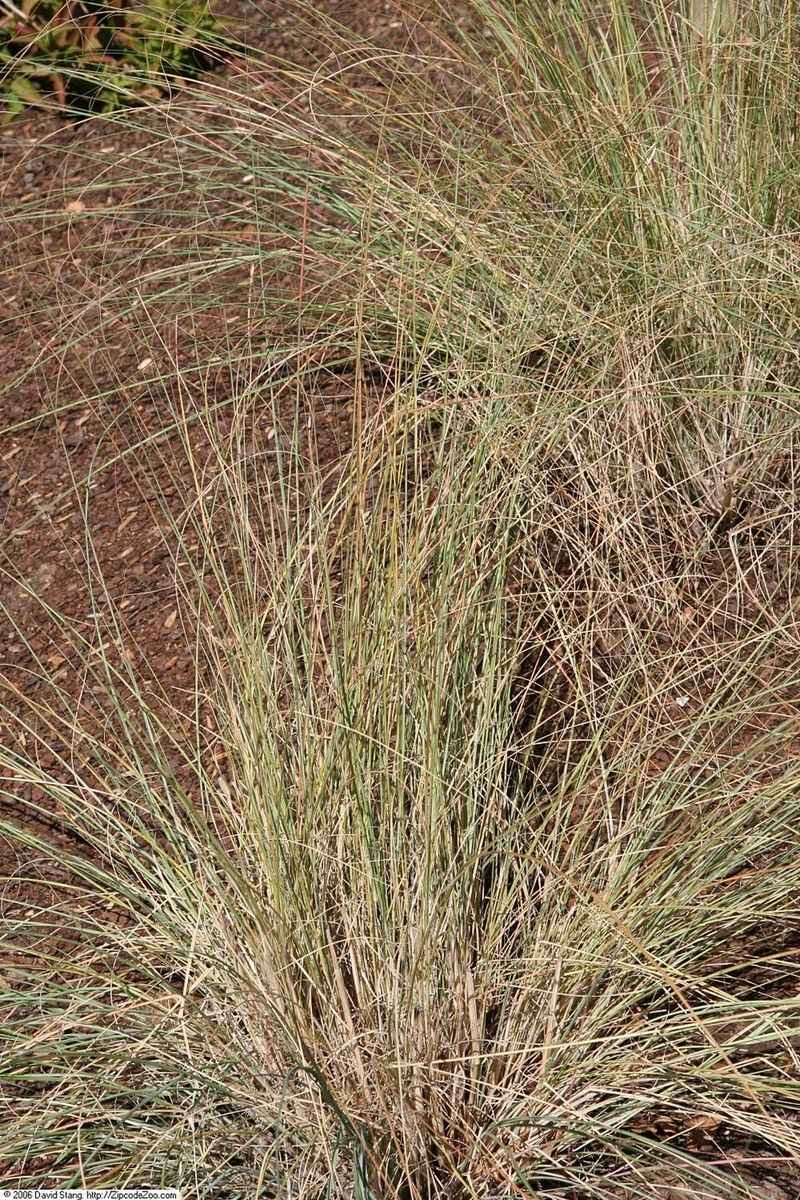
Some grasses thrive where others give up, and Eragrostis elliottii, Elliott’s lovegrass, is built for exactly that kind of lean, bright situation. Its foliage has a notably blue-green to silvery tone that sets it apart visually from its relative purple lovegrass.
The two species share a genus but behave differently in the landscape and should not be treated as interchangeable.
Elliott’s lovegrass typically forms clumps one to two feet tall with a similar spread. It favors full sun, sandy or well-drained soil, and low fertility conditions.
Salt exposure at moderate levels does not appear to cause serious problems, making it a reasonable choice for coastal inland sites. Its documented native range covers much of the Florida peninsula and parts of the panhandle.
However, regional availability from nurseries may be limited depending on the season and supplier.
This grass can fill a bright, dry border where richer soil is unavailable or undesirable. It provides structure and seasonal interest without requiring amendments or heavy watering.
Its clumping pattern leaves small pockets of sheltered ground between stems, which adds some low-level cover to an otherwise open area.
That structural benefit is worth noting, even though no direct link between this species and any specific insect group should be assumed.
Check with a reputable native nursery about current stock before planning a large installation.
4. Give Wiregrass Room To Hold Hidden Cover
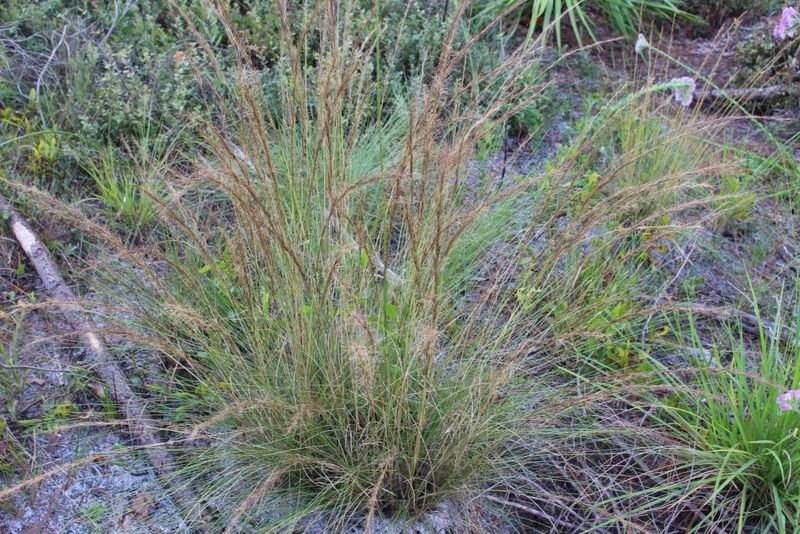
Wiregrass has covered Florida’s open pine flatwoods and sandhills for thousands of years. Its ecological role runs far deeper than its modest appearance suggests.
Aristida stricta is the accepted botanical name for the primary wiregrass of the peninsula, while Aristida beyrichiana is recognized in some treatments for the panhandle region. Both form dense, low clumps of narrow, wiry foliage that rarely exceeds two feet in height.
Wiregrass is closely tied to fire-managed ecosystems. In its native context, periodic fire triggers flowering and seed production.
Backyard burning is neither practical nor advisable for most homeowners, which means flowering may be limited in typical residential settings. For that reason, plugs are generally a more reliable starting point than seed when establishing wiregrass outside its natural fire cycle.
This is not a simple ornamental choice for every small yard. It suits naturalistic or restoration-style plantings where it has room to spread slowly.
The site should match its preference for full sun, dry to moderately dry sandy soil, and low nutrient levels. Its dense, low base can create ground-level cover that benefits small invertebrates moving through the litter zone.
Think of it as a long-term investment in structure rather than a quick visual payoff. Source plugs from a reputable native nursery that can confirm their regional provenance.
5. Raise Lopsided Indiangrass Along Dark Yard Edges
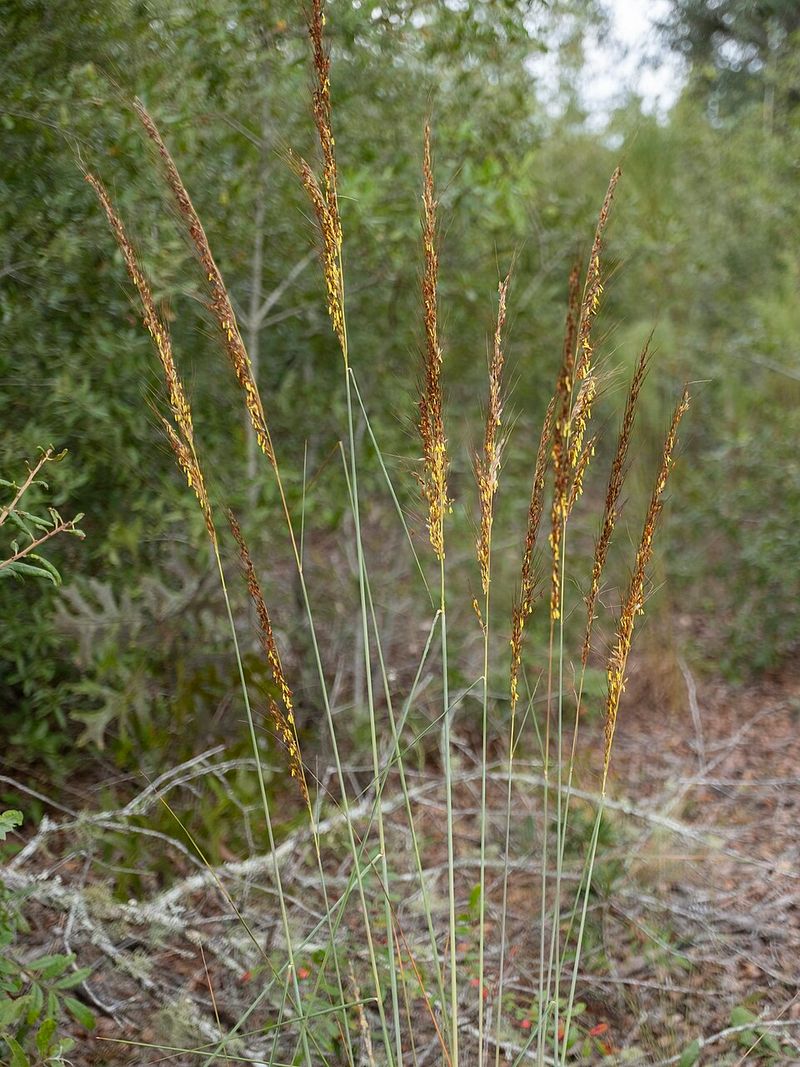
The name tells you something useful right away. The seedheads of Sorghastrum secundum lean noticeably to one side, giving the plant a distinctive silhouette when it blooms in late summer and fall.
Flowering stems can reach four to six feet or more, making this one of the taller grasses on this list. That height earns it a specific place in the landscape rather than a general one.
Lopsided Indiangrass grows throughout much of the Florida peninsula and into the panhandle, favoring full sun and well-drained to moderately moist sandy soils. It goes dormant in winter and can be cut back before new growth begins in spring.
This keeps the clump tidy and removes declined material that might otherwise mat down over the base. Place it along the back of a border or at the edge of a property where it will not block sightlines or pathways.
This takes advantage of its vertical drama without creating a maintenance headache.
Dark yard edges matter in a broader habitat plan because reducing artificial light near resting or signaling insects may support their activity. A tall background planting can also help buffer a lit porch or pathway from an adjacent naturalistic area.
Lopsided Indiangrass fits that role well, adding seasonal structure and some visual screening. Its upright form and one-sided seedheads make it easy to identify at the nursery, so look for correctly labeled stock before purchasing.
6. Anchor Moist Soil With Florida Gamagrass
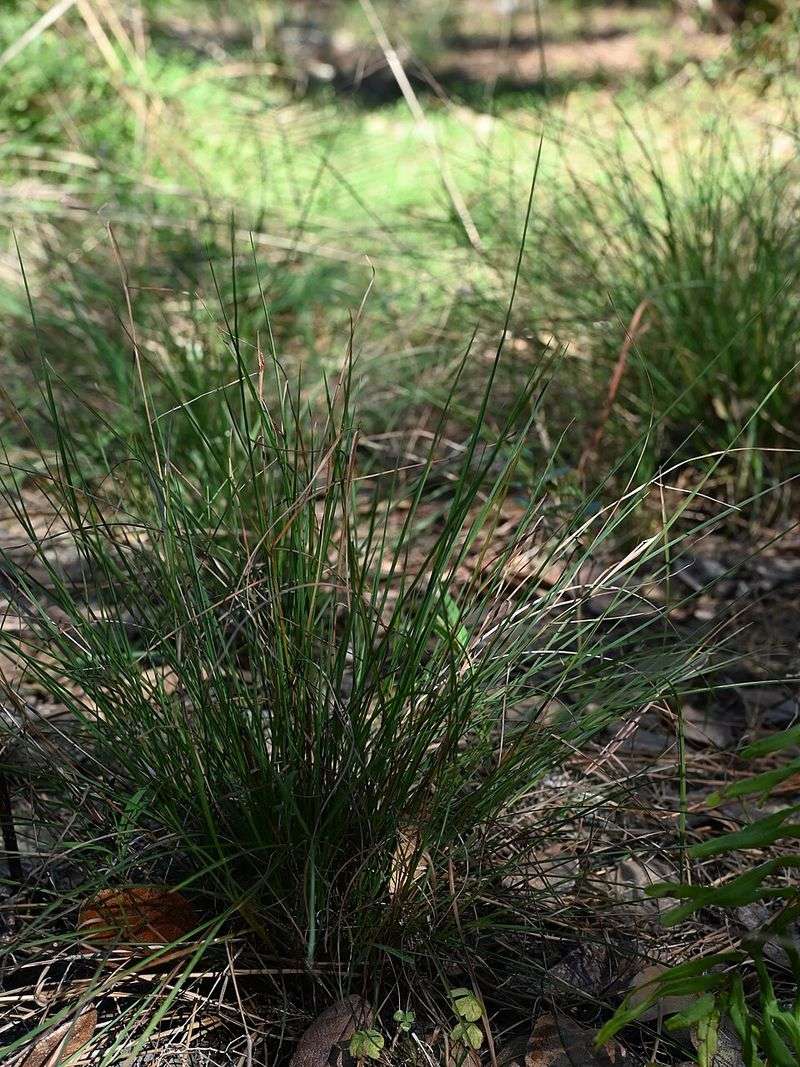
Tripsacum floridanum is compact, shade-tolerant, and limited in native range. It occupies a specific niche that none of the other grasses on this list can fill in quite the same way.
This species is native primarily to Miami-Dade County and nearby areas of extreme South Florida, so it is not a statewide choice. Gardeners outside that documented range should verify local suitability carefully before planting.
Where it does grow naturally, Florida gamagrass forms relatively modest clumps, typically two to three feet tall, with narrow arching foliage. It tolerates partial shade better than many of its relatives and prefers moist, organically rich soil.
Its combination of shade tolerance and moisture preference makes it useful in areas that receive filtered light and retain some soil dampness. One suitable location is the edge of a tree canopy where irrigation or seasonal rain keeps the ground consistently moist.
Do not confuse this species with eastern gamagrass or with Fakahatchee grass, both of which are larger plants with different ranges and requirements.
Florida gamagrass stays comparatively small, which suits tighter spots in a garden where a large clump would overwhelm the space.
Its dense foliage close to the ground may add sheltered structure in the understory layer. Availability from native nurseries can be limited, so contact specialists who work with South Florida ecotypes well before your planned planting date to confirm stock.
7. Fill Rain Garden Borders With Sand Cordgrass
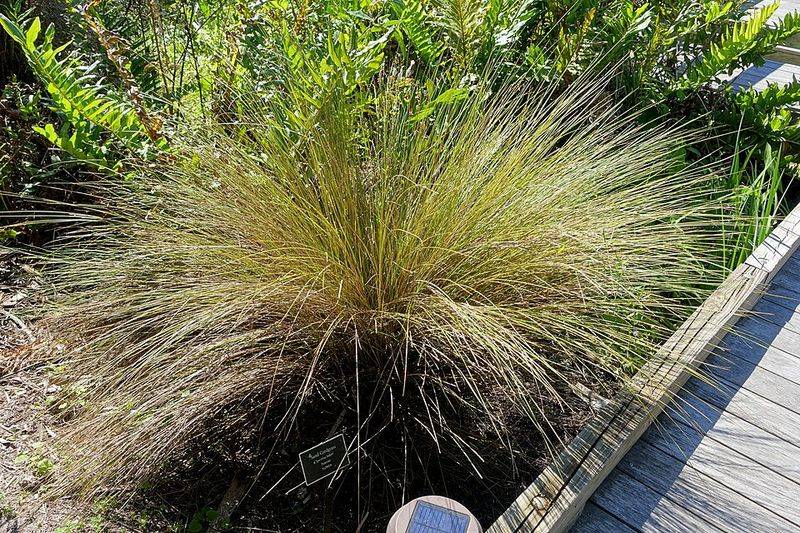
Anyone who has brushed against sand cordgrass knows it means business. Spartina bakeri produces large, arching clumps of coarse, stiff foliage that can reach four to seven feet tall and spread just as wide over time.
That scale surprises gardeners who expect something more delicate, so accurate spacing from the start saves a lot of reworking later.
This species thrives in full sun and performs well in moist to seasonally wet inland sites. Suitable locations include pond margins, wet swales, and the outer borders of rain gardens where water collects and drains slowly.
It handles brief flooding and periods of dryness between rain events, which suits the fluctuating moisture of a well-designed rain garden edge.
Salt-spray tolerance is documented, but that is not the same as tolerance for saltwater flooding, so placement in tidal or brackish zones needs separate verification.
The broad, sheltered base of a mature clump holds moisture longer than open ground and can provide a relatively stable microenvironment near the soil surface.
That kind of structure may support invertebrate activity in the litter zone, though no specific insect group should be assumed to depend on it exclusively.
Position sand cordgrass where its eventual size adds drama rather than crowding, such as along a property edge, behind a pond, or at the far end of a rain garden. Handle the foliage with gloves, as the leaf edges are notably sharp.
8. Bring Fakahatchee Grass To Sheltered Corners
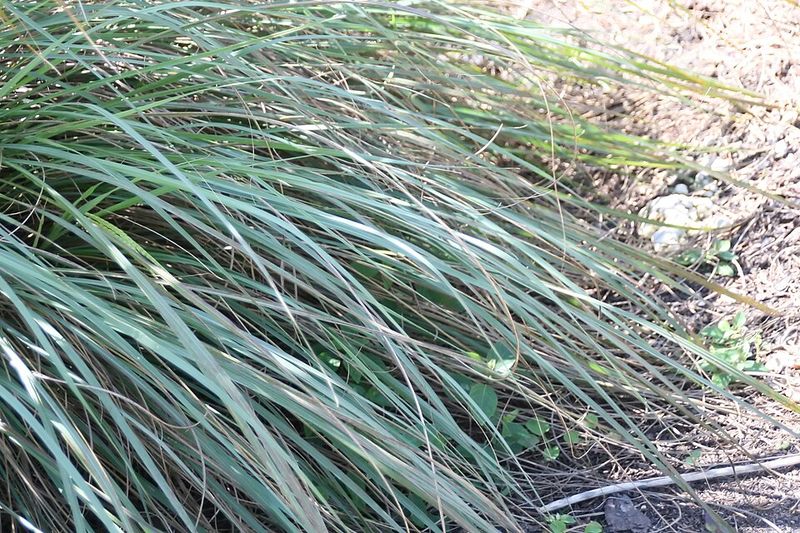
Bold, broad-leaved, and capable of filling a substantial space, Tripsacum dactyloides is the larger relative of Florida gamagrass and should never be confused with it.
Fakahatchee grass can reach five to seven feet tall in bloom and spread four feet or more across, making it a commanding presence in any corner it occupies.
Its wide, arching leaves give it a tropical look that suits both formal and naturalistic settings.
This species ranges more broadly across the state than its smaller relative, growing in moist to wet soils along stream banks, pond edges, and low woodland borders.
It tolerates partial shade reasonably well, which makes it one of the few large grasses that can anchor a shaded or semi-shaded corner with genuine structural presence.
Moist, organically rich soil suits it best, and it does not perform as well in dry, sandy conditions.
Division is one way to propagate established clumps, though transplanting large divisions in August requires careful attention to watering until roots re-establish.
Give it enough room so its spread does not crowd nearby structures or paths, and let it mature over several seasons before expecting its full effect.
Combine a grass like this with reduced exterior lighting, undisturbed leaf litter, and limited pesticide use. Together, these features create a layered, low-impact space that can support a wider range of nocturnal insect life over time.