Can Your California Soil Recover From Compaction Before Winter Rain?
Long, dry California summers leave many yards packed tight by fall. Foot traffic, mowers, and baked clay squeeze the tiny air spaces out of soil until water runs off and roots struggle to push through.
Plenty of gardeners hope winter rain will soften things up. Rain alone, however, can’t undo compaction, and heavy storms sometimes make it worse.
Soil can begin recovering before the rainy season, though real healing takes more than one year.
The steps taken in the next few weeks still matter a great deal. Well-timed aeration, organic matter, cover crops, mulch, and a little patience all push soil in the right direction before the clouds open up.
Rain Alone Will Not Fix Compaction
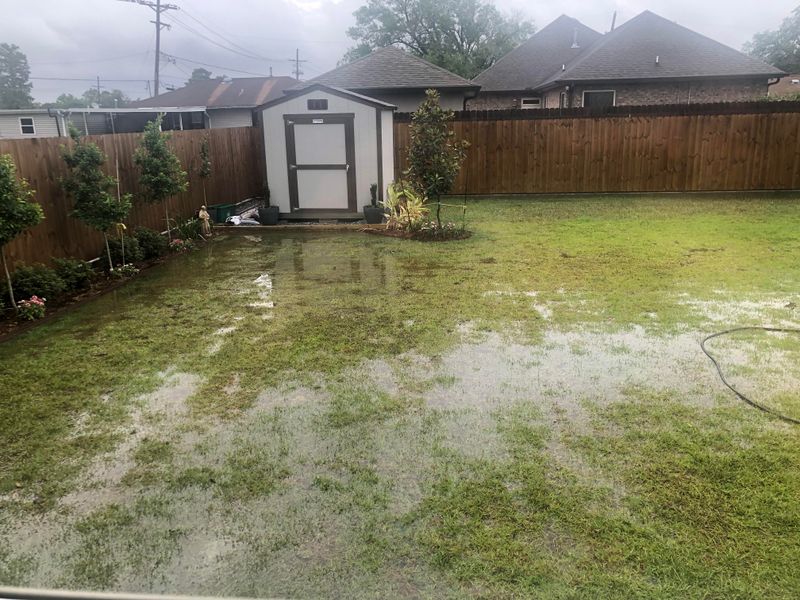
A puddle sitting on the lawn for hours after a storm offers an important clue. Compacted soil has lost the pore spaces that let water and air move down into the ground.
Many people expect rain to soften packed dirt and reopen those spaces. Water can make soil feel softer for a day or two.
Once it drains or dries, though, the soil settles right back into its tight, dense layout.
Soil structure depends on how particles clump together. Rain doesn’t rebuild those clumps on its own, however much falls.
Heavy rain can actually work against recovery. UC ANR experts point out that compacted ground sheds water instead of absorbing it, and runoff carries away valuable topsoil.
Fine particles can also wash into the few open pores left. The surface may even seal over, forming a crust that blocks the next shower too.
California clay soils face an extra challenge. Clay holds water tightly and drains slowly, so packed clay can stay soggy and airless for weeks during the rainy season.
Roots sitting in those conditions run short on oxygen and may rot. A wet winter won’t quietly undo a summer of foot traffic and heavy equipment.
What rain can do is help other fixes work better. Aeration holes and compost perform far more effectively once storms arrive, making rain a helpful partner rather than the repair crew.
Real Recovery Takes More Than One Season
Soil structure works a lot like a sourdough starter. It can’t be rushed, and it needs steady feeding.
Healthy soil forms crumbly clumps called aggregates, held together by roots, fungi, microbes, and decaying plant material. Those living builders need time to do their work.
Earthworms dig tunnels slowly. Fungi spread thin threads that glue particles together over months, while roots grow, break down, and leave channels that air and water can follow.
None of this happens over a single weekend. Research shared through UC ANR shows that deep compaction can linger for years.
Surface layers bounce back faster, especially with steady organic matter and less traffic. A hardpan a foot or more below the surface proves much more stubborn.
Freezing and thawing help loosen soil in colder states. Most of California rarely sees hard freezes, so that natural helper is largely missing.
Realistic goals make the work less frustrating. The first season may bring water soaking in a little faster or a shovel sliding in a bit easier.
Your California Garden Changes Every Week. Your Plan Should Too.
Gardening in California changes quickly throughout the season. Every Friday you’ll receive a simple weekly plan showing exactly what to plant, prune, fertilize, harvest, and protect so you never miss the right timing.
By the second or third year, steady care can produce darker, crumblier soil and more worms.
A simple garden notebook helps track progress. Notes on how long a puddle takes to drain or how deep a screwdriver pushes in reveal small, measurable gains.
Those gains prove progress is real, even at a snail’s pace. The snails, at least, enjoy the moisture.
Aerate Before The Rain Arrives
A handful of soil squeezed in the palm reveals whether the timing is right. Crumbly soil signals a good moment for aeration, while a sticky ball that smears calls for a few more dry days.
Powdery dust needs a light watering first. Aeration works best when soil is moist but not saturated.
Bone-dry California clay can feel like concrete, so tines simply bounce off. Soaking wet soil causes trouble too, since tools pressed into it smear hole walls and squeeze particles tighter.
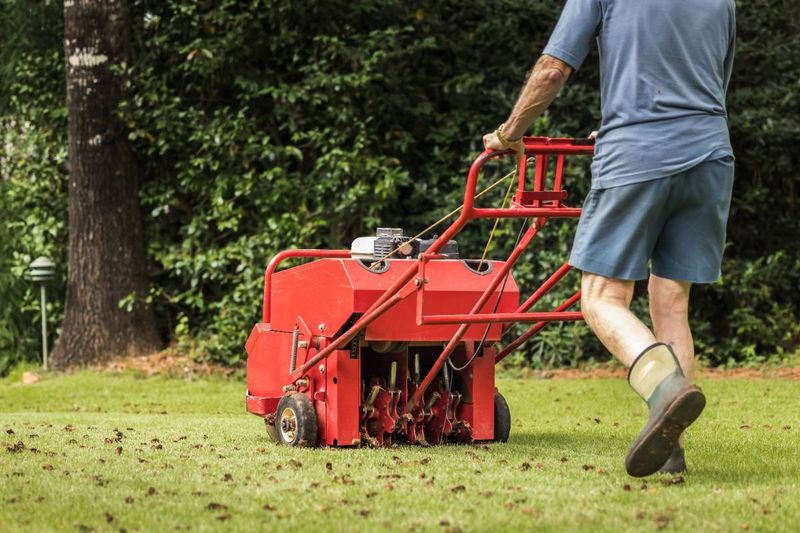
A core aerator makes a solid choice for lawns. It pulls out small plugs of soil, leaving open holes that let water, air, and roots move deeper.
Spike aerators only poke holes and can push soil sideways, which worsens compaction around each hole. For garden beds, a broadfork lifts and loosens soil without flipping it, protecting soil life.
Fall offers a smart window in much of California, since soil often stays workable before the first big storms. Light irrigation a day or two ahead can bring dry ground to that ideal moist stage.
The pulled plugs can stay on the surface to break down naturally. A thin layer of compost brushed into the holes adds even more benefit.
When the first rain arrives, water finally has a clear path downward. Instead of racing off the surface, it can sink in right where roots need it most.
Keep Foot Traffic Off Wet Soil
One muddy stroll across a vegetable bed can undo a month of careful work. Wet soil is soft and slippery, so each step presses particles together far more easily than on dry ground.
Water acts like a lubricant between soil grains. Under pressure from boots, wheelbarrows, or mowers, those grains slide into tighter positions and the air pockets disappear.
When the soil dries, it hardens into a dense layer that roots and water struggle to break through. That damage can take seasons to repair.
UC ANR guidance warns against tilling, digging, or driving equipment on saturated soil for exactly this reason. Clay soils, common across many California valleys, are especially prone to damage.
Even a single pass of a riding mower on soggy turf can leave lasting ruts. A few simple habits help protect the ground.
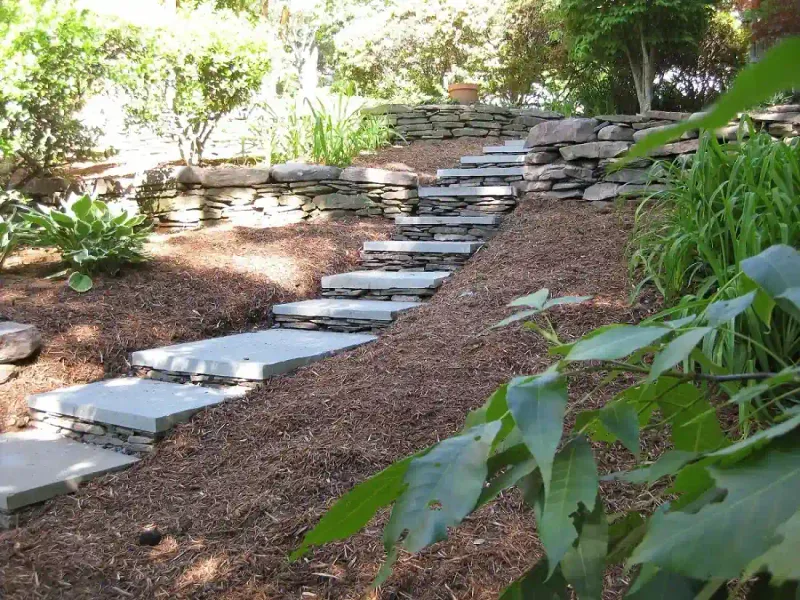
Stepping stones or wooden planks in beds spread weight more evenly. Permanent paths, with planting limited to areas that never see footsteps, work wonders, especially in narrow beds reachable from both sides.
Patience pays off after a heavy storm. Waiting until the soil passes the squeeze test before digging or planting makes a big difference.
Kids, pets, and wheelbarrows are best kept on lawns or paths until things firm up.
Staying off wet soil costs nothing. It may be the easiest step on this list, and it keeps every other effort from getting stomped flat.
Organic Matter Builds Lasting Structure
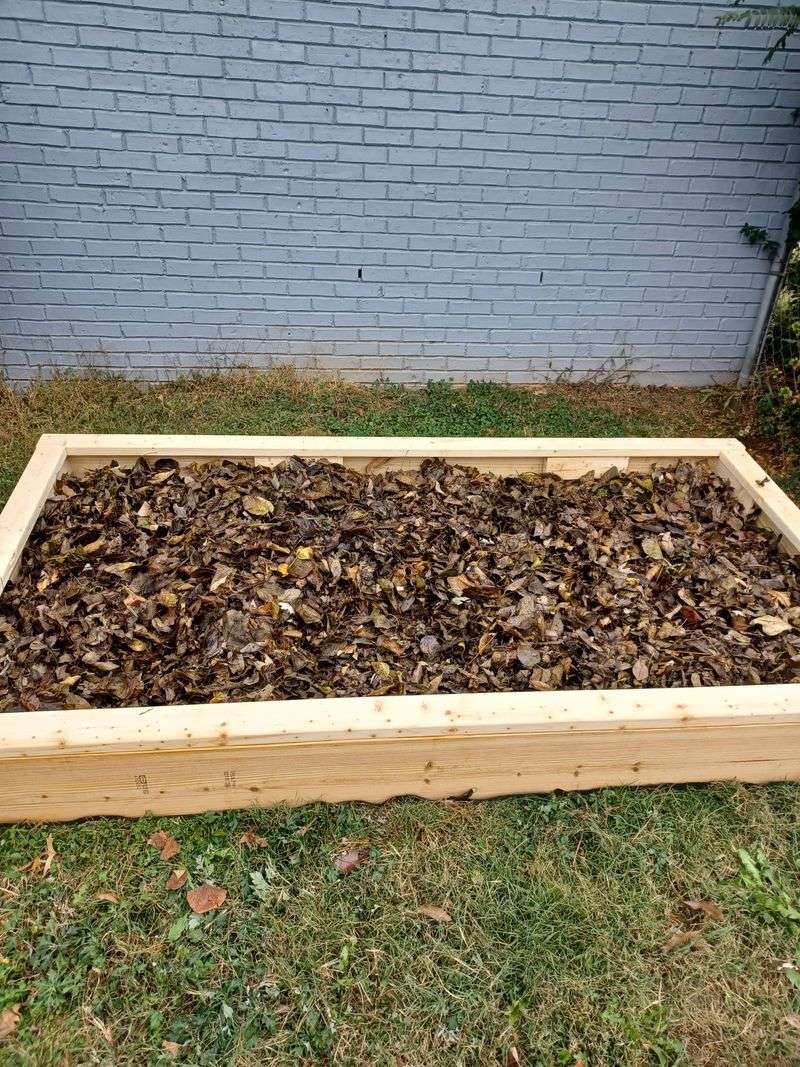
Earthworms have a favorite snack, and it isn’t garden lettuce. Decaying leaves, compost, and plant scraps make up the organic matter they love, and well-fed worms till soil for free.
Organic matter acts like glue and sponge at the very same time. As microbes break it down, they release sticky substances that bind soil particles into crumbs.
Those crumbs leave valuable gaps for air and water. In sandy soil, organic matter holds moisture, while in clay, it opens up space so water can drain.
UC ANR recommends adding compost regularly rather than in one giant annual dump. Spreading one to two inches on garden beds each year is a common approach.
Compost can be worked gently into the top few inches or simply layered on top for worms to carry down. Deep tilling is best avoided, since it can break apart the very structure being built.
Fall makes a great time to add compost in California. Winter rain helps move nutrients into the soil, and microbes stay active in California’s mild weather.
Shredded leaves, aged manure, and homemade compost all count. Each one contributes to healthier ground over time, especially when added consistently.
Soil organic matter can hold several times its weight in water. Even small increases make a yard more drought resilient the following summer.
Building it is slow, but every bag and bucket adds up to steady, lasting improvement.
Deep Rooted Cover Crops Break Up Layers
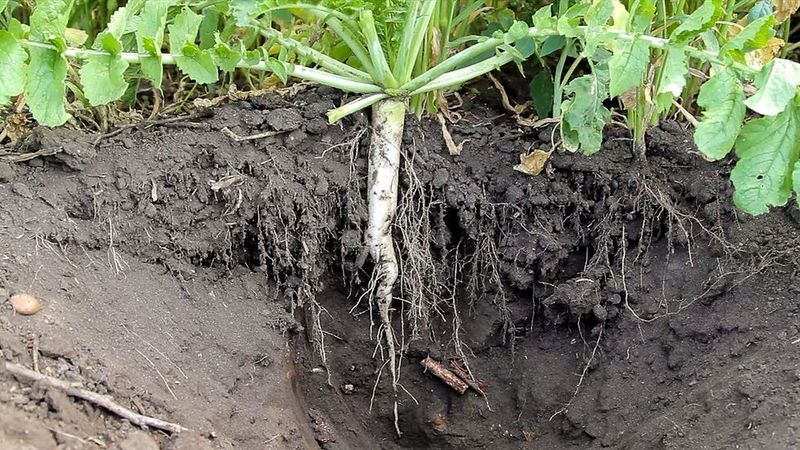
Some plants work like tiny drills. Daikon radish, often sold as tillage radish, pushes a thick taproot deep into packed ground, and when that root breaks down, it leaves an open channel behind.
Cover crops are plants grown to improve soil rather than for harvest. In California, fall planting lines up neatly with winter rain, which waters the crop naturally.
UC ANR has studied cover crops for many years. Its research notes that they add organic matter, protect the surface, and improve water movement.
Different plants bring different talents. Radishes and mustards punch through dense layers, while cereal rye and barley form fibrous root networks that hold soil together.
Legumes like fava beans, bell beans, and vetch add nitrogen as their roots open pathways. Many gardeners plant a mix to gain several benefits at once.
Timing matters quite a bit. Seeds sown in early to mid fall, ideally before or just as the first rains arrive, give roots the longest growing window.
Lightly raking seed into moist soil ensures good contact. In spring, plants get cut down before they set seed, with residue left on top or chopped in shallowly.
Roots can reach places a shovel can’t, though expectations should stay grounded. A single winter of cover crops won’t erase a deep hardpan.
Repeating the practice year after year slowly loosens layers and builds lasting pore space.
Mulch Protects Soil From Pounding Rain
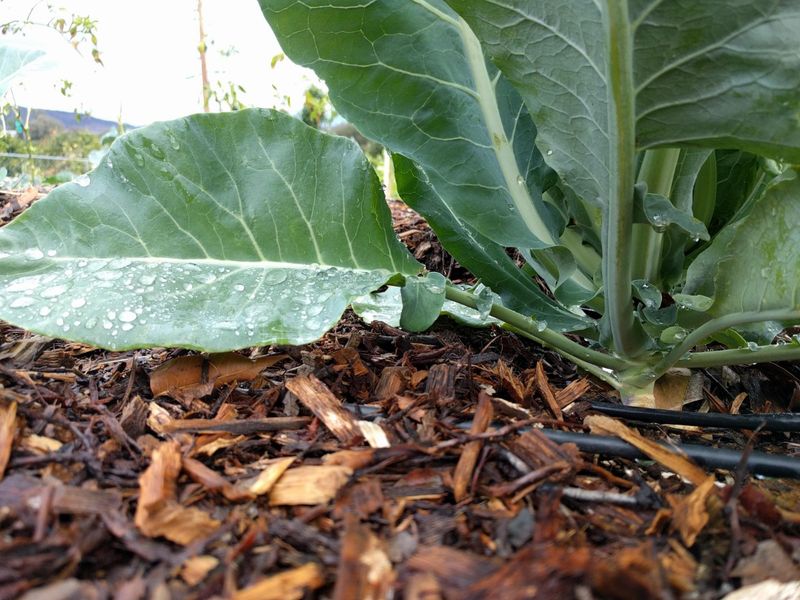
Raindrops look harmless, but each one hits bare soil like a tiny hammer. During a big California storm, millions of those impacts break apart surface crumbs, and loose particles settle into a hard crust.
Crusting is a sneaky form of compaction. The crust seals the surface, so the next rain runs off instead of soaking in.
Seedlings struggle to push through that hardened layer. Bare slopes can also lose valuable topsoil to erosion.
Mulch works like an umbrella with benefits. A layer of wood chips, shredded bark, straw, or chopped leaves absorbs the force of falling water, letting rain trickle gently into the ground below.
UC ANR suggests about two to four inches of coarse organic mulch for most landscape beds. Keeping it a few inches away from tree trunks and plant stems helps prevent rot.
Mulch keeps giving long after the storms pass. It slowly breaks down and feeds soil life, adding organic matter from the top as worms pull pieces underground.
In summer, the same layer shades the soil and cuts water loss. That matters a lot during dry California months.
Spreading mulch before the rainy season offers the best protection, since bare soil left exposed all winter takes a beating.
Many cities and tree services offer free wood chips, so covering a large area doesn’t have to cost much. Soil rewards that small effort, rain or shine.