Why California Citrus Leaves Droop In Summer And What The Plant Is Actually Trying To Tell You
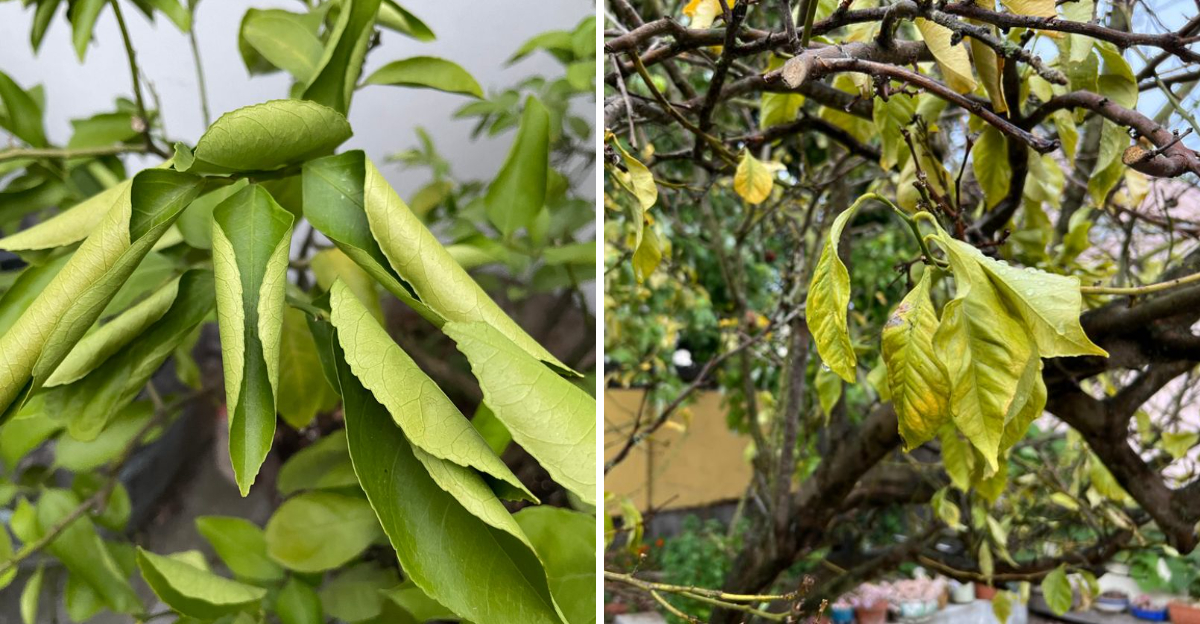
Your lemon tree stands in full July sun, leaves drooping like it gave up on the whole season. Your first instinct is to grab the hose and rescue it before it’s too late.
But that limp foliage isn’t a distress call. It’s a clever trick citrus trees use the moment temperatures spike, shrinking their sun exposure until the hottest hours pass.
This kind of wilting shows up on porches across California every July, and it rarely means what you think. Learn the pattern once, and you’ll spot the difference between a tree pacing itself and one actually asking for help.
Drooping Is A Defense Mechanism, Not Damage
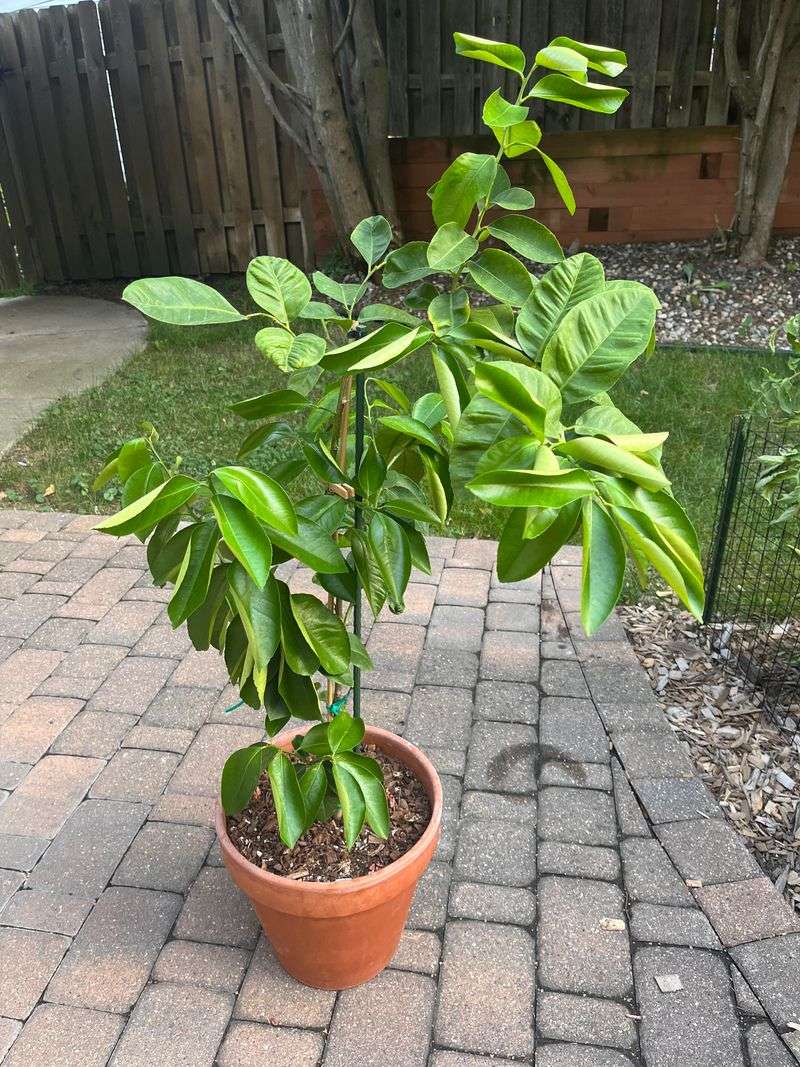
Your tree is smarter than you think. Once afternoon temperatures spike during a heat wave, citrus leaves droop on purpose to protect the plant.
Think of it like the tree pulling down its own blinds. The drooping posture reduces how much direct sunlight hits the leaf surface at once.
Less sunlight hitting the leaf means less heat absorbed into the tissue. The tree is essentially turning down the thermostat from the inside.
This response is called thermoregulation, and it happens fast. Within a short window of peak heat, you can watch the leaves shift their angle noticeably.
Gardeners often panic when they spot this. They grab the hose and flood the roots, which can actually cause more harm than the heat would have.
Overwatering a stressed tree during a heat spike can push oxygen out of the soil. Roots can be starved of oxygen in waterlogged ground during summer.
The drooping is a signal worth reading carefully. It is the tree communicating in the only language it has: physical movement.
Healthy trees do this every single summer without long-term damage. The key is learning to tell the difference between normal afternoon droop and something more serious.
Watch the clock when you notice drooping leaves. If it happens between noon and 4 p.m., the tree is almost certainly just managing the heat load on its own.
Trust the tree first. It has been surviving California summers long before you started watching it.
Leaves Curl Inward To Cut Down On Sun Exposure
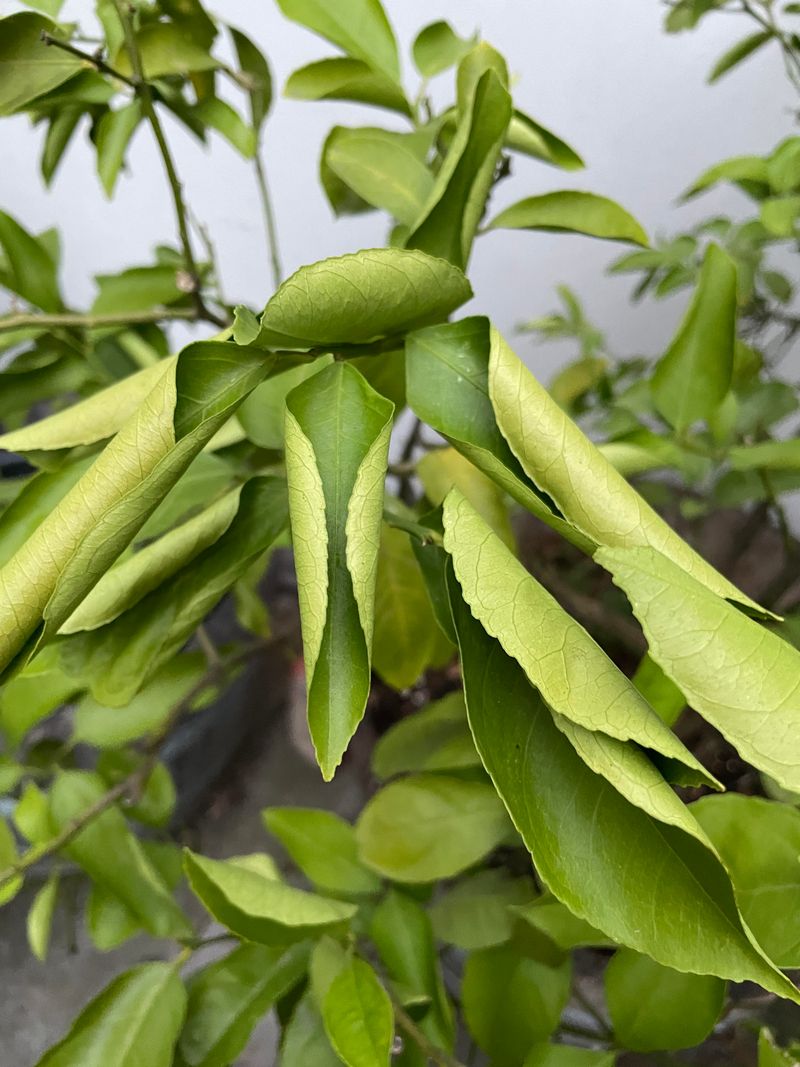
Curling leaves look alarming up close. But that inward curl is one of the most elegant tricks in a citrus tree’s summer survival playbook.
When a leaf curls along its edges, it creates a tube-like shape. That shape dramatically cuts the amount of surface area exposed to direct sun.
Imagine holding a flat piece of paper versus rolling it into a cylinder. The cylinder catches far less light from above, and the leaf works the same way.
Citrus trees in Southern California face intense summer radiation during peak season. The curl response is a natural defense citrus trees rely on in hot, dry conditions.
You will often see the curling start at the tips of younger leaves first. Newer growth is more sensitive to heat and responds faster than mature foliage.
The curl also traps a small layer of humid air near the leaf surface. That micro-environment helps slow down moisture loss during peak afternoon hours.
Your California Garden Changes Every Week. Your Plan Should Too.
Gardening in California changes quickly throughout the season. Every Friday you’ll receive a simple weekly plan showing exactly what to plant, prune, fertilize, harvest, and protect so you never miss the right timing.
Some gardeners mistake this curling for a pest problem or a nutrient deficiency. Both of those issues cause curling too, but the timing and pattern look different.
Heat-related curl appears uniformly across many leaves at once. Pest damage tends to show up on scattered leaves in irregular patterns instead.
Check your tree during the cool morning hours if you are unsure. Leaves that uncurl overnight and look normal by 8 a.m. are simply reacting to summer sun, nothing more.
Less Leaf Surface Means Less Water Lost To Heat
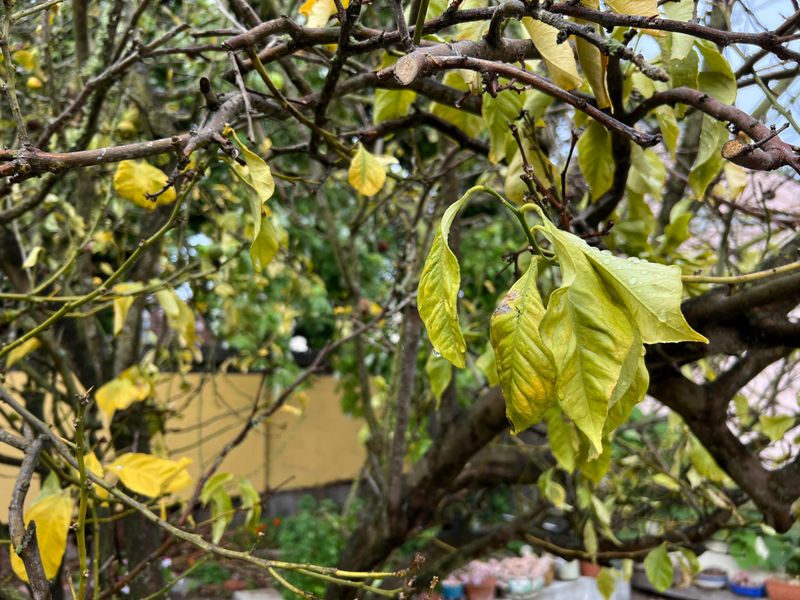
Water loss is the real drama happening inside a drooping citrus tree. Every leaf surface acts like a tiny window left open on a hot day.
Plants lose water through tiny pores called stomata, which are scattered across the underside of each leaf. On a hot afternoon, those pores release moisture at an accelerated rate.
Scientists call this process transpiration. On a 100-degree day in the Central Valley, a single citrus tree can lose a significant amount of water this way.
When the leaves droop and curl, the total exposed surface area shrinks significantly. Fewer open pores face the sun, and the rate of water loss slows down.
This is the tree essentially rationing its own water supply without any help from you. It is a built-in conservation system that kicks in automatically under stress.
Soil moisture matters a lot here too. A tree with adequate root moisture handles the afternoon heat much better than one that is already running low.
Deep watering two or three days before a heat wave gives the roots a reserve to draw from. That buffer makes the stomata response more effective and less desperate.
Mulch plays a supporting role as well. A thick layer of wood chips around the base of the tree holds soil moisture longer during hot spells.
Keep the mulch a few inches away from the trunk to avoid rot. Spread it out to the drip line for maximum benefit during the hottest months of the year.
The Tree Perks Back Up Once Evening Cools Things Down
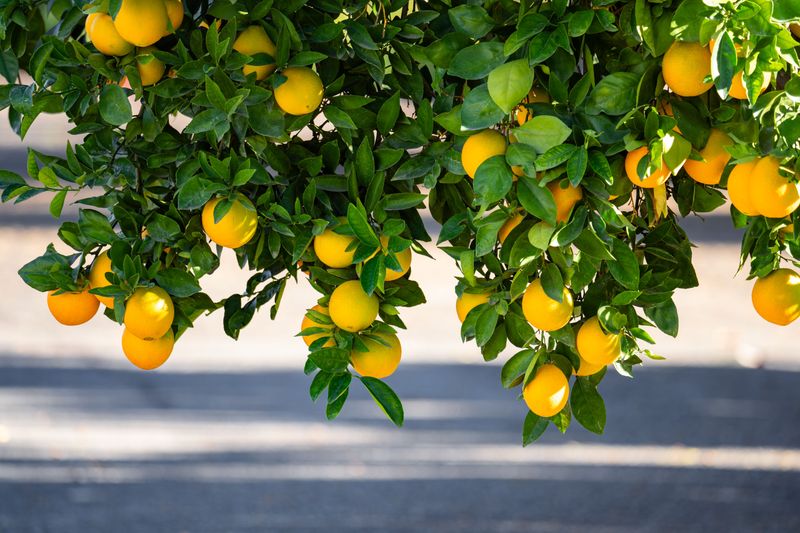
Here is the moment every anxious citrus grower waits for. As the sun drops toward the horizon and temperatures fall, the leaves begin to lift again.
This recovery happens because the pressure inside the leaf cells, called turgor pressure, rebuilds as the heat stress fades. It is like watching a deflated balloon slowly reinflate.
Turgor pressure is what keeps plant tissue firm and upright. Heat and water loss cause it to drop, and cooler temperatures allow it to climb back up.
A healthy tree should look nearly normal by the time full shade arrives in the evening. If the leaves are still hanging low after sunset, pay closer attention.
Evening recovery is one of the clearest signs that your tree handled the day well. Think of it as the tree checking in and reporting that everything went okay.
Watch the recovery speed over several evenings to build a baseline. A tree that bounces back within an hour of shade is in good shape for the season.
One that takes until midnight or later to recover may be dealing with something beyond normal heat response. Root stress, soil compaction, or inadequate irrigation could be slowing the rebound.
Keep a simple journal during summer heat waves. Note when drooping starts and when leaves perk back up each evening.
Patterns in that data tell you more than any single observation ever could. Your tree is constantly communicating, and evening recovery is one of its clearest messages.
Drooping That Lingers After Sundown Signals A Different Problem
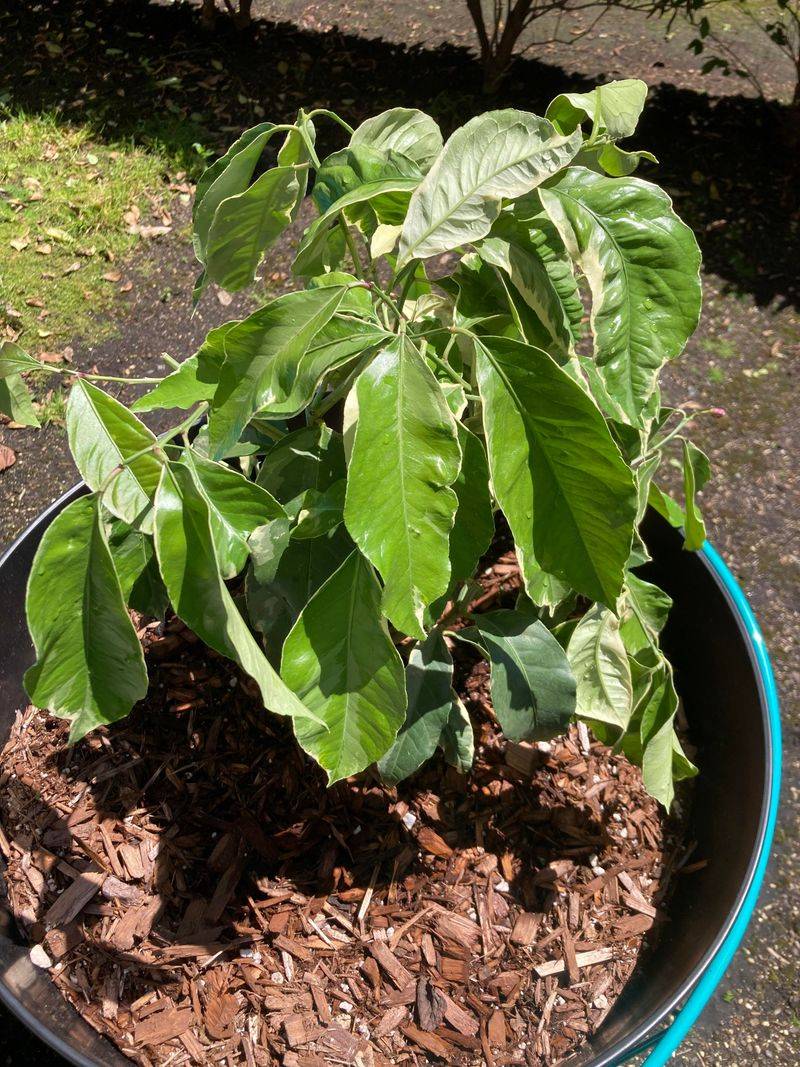
Not all drooping is the tree being clever. Some drooping is the tree asking for real help, and learning to tell the difference could save the season.
When leaves stay limp after the sun goes down and temperatures drop below 80 degrees, something else is going on. Normal heat response clears up with cooler air, but root problems do not.
Dry roots are one of the most common culprits behind persistent drooping. If the soil is bone dry six inches below the surface, the roots simply cannot supply enough moisture to the leaves.
Stick your finger or a wooden dowel six inches into the soil near the drip line. Dry soil at that depth during a heat wave means the tree needs a deep watering soon.
Root rot from previous overwatering can also cause lingering droop. Damaged roots cannot absorb water efficiently even when the soil feels moist on the surface.
Gently pull back some mulch and look at the feeder roots near the surface. Healthy roots are white or tan, while compromised roots appear brown and mushy.
Gopher damage is another sneaky cause of nighttime droop in California gardens. These rodents chew through root systems underground, and the damage is invisible until the tree starts struggling.
Check for soft spots or raised tunnels in the soil around your tree. Catching gopher activity early gives you a real shot at protecting the root system before major harm spreads.
Deep, Infrequent Watering Supports The Tree Through Summer Heat
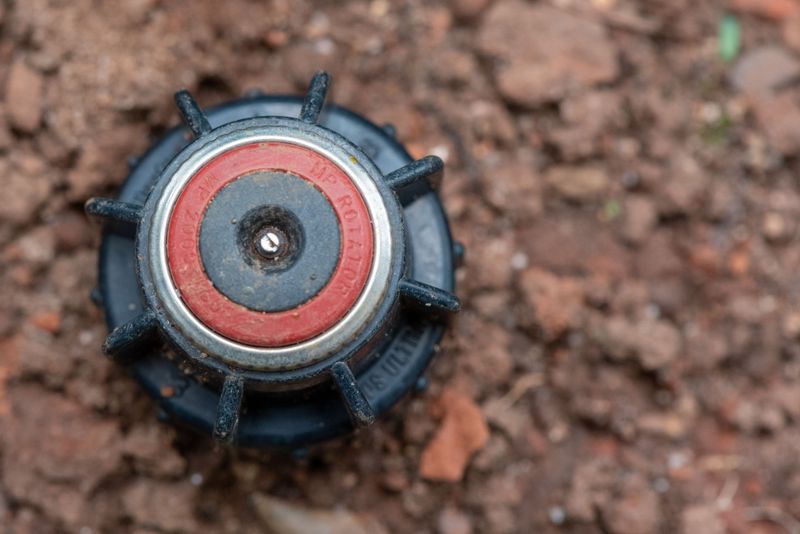
Frequent shallow watering is one of the most common mistakes citrus growers make in summer. It keeps the surface moist but leaves the deep roots desperate for moisture.
Citrus roots in California can extend two to three feet below the surface. Shallow watering rarely reaches that depth, so the tree often operates under low-level stress.
Deep watering means soaking the soil slowly until moisture reaches at least 18 inches down. A slow drip for several hours accomplishes this far better than a quick blast from the hose.
Watering deeply every seven to ten days during summer is a solid general rhythm. Sandy soils dry faster and may need water every five to seven days instead.
Clay soils hold moisture longer but also compact more easily. Compacted clay blocks water from reaching the roots, so aerating the soil around the drip line helps enormously.
The best time to water is early morning, before the heat of the day begins. Morning watering gives moisture time to soak in before evaporation ramps up.
Avoid watering in the heat of the afternoon if possible. Water sitting on hot soil evaporates quickly and barely reaches the root zone before it disappears.
A two-to-four-inch layer of organic mulch dramatically slows evaporation between watering sessions. It also keeps soil temperatures lower, which reduces stress on the root system during peak heat.
When your citrus leaves droop in summer and bounce back by evening, smart watering habits are usually what made that recovery possible.