Chuparosa: A Native Arizona Shrub That May Offer Winter Nectar for Hummingbirds
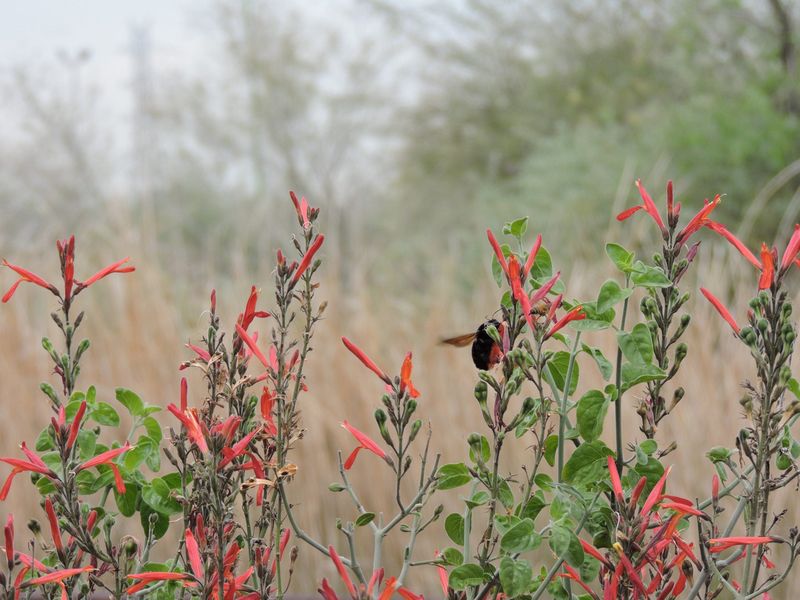
A scraggly desert shrub with bright red flowers might be the best hummingbird plant you can add to a low-desert yard. Chuparosa is native to Arizona, handles heat well, and can bloom when most gardens look quiet.
It does not flower nonstop, and it will not run a full winter buffet on its own. Here is what to expect, and how to give it a good start.
Meet chuparosa, an Arizona native
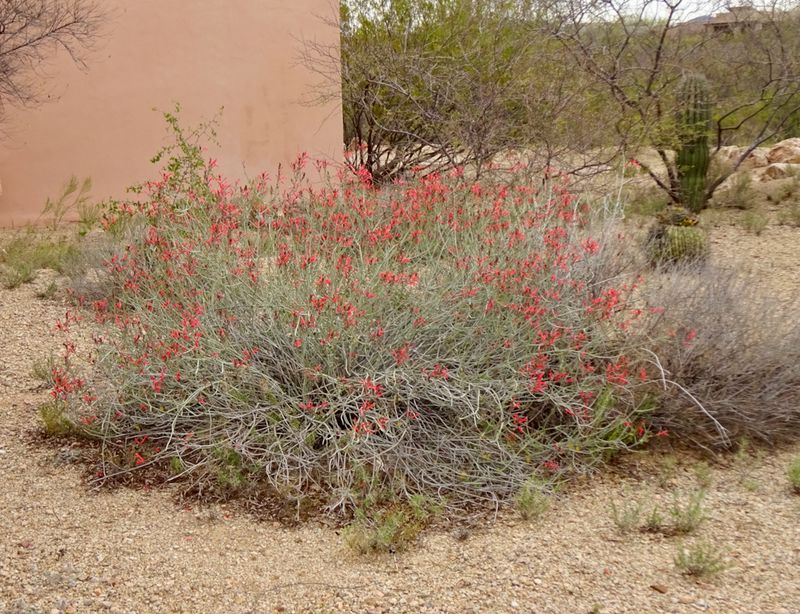
Chuparosa (Justicia californica) is a shrub native to Arizona’s low desert. The Arizona Native Plant Society notes that it grows from the Yuma area east to Tucson and north toward Phoenix, and that it needs little water.
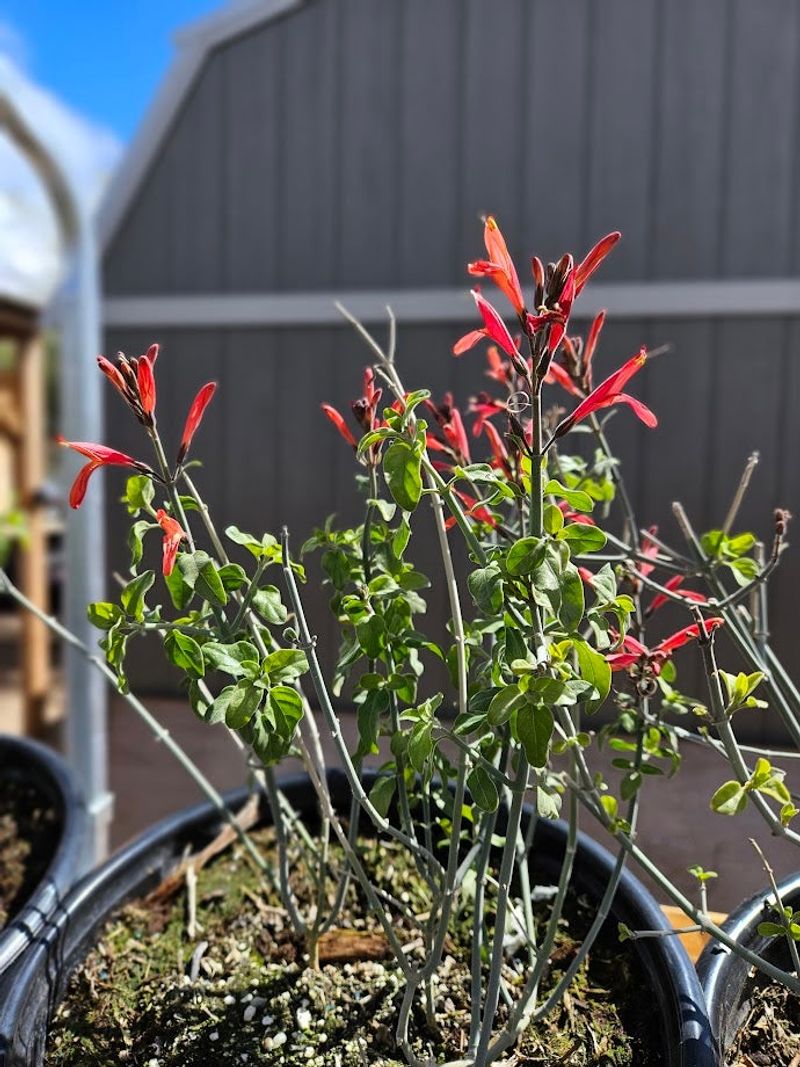
Look for slender, grayish-green branches that carry few leaves for much of the year. The showy part is the flowers.
They are usually red and shaped like narrow tubes, though yellow-orange blooms turn up now and then.
That tube shape is a clue about who the flowers are built for. Hummingbirds can reach the nectar inside with their long bills, which is why chuparosa shows up on lists of hummingbird plants.
Gardeners also like it because it belongs to the Sonoran Desert, so it suits Phoenix and Tucson yards better than many imported flowering shrubs. Its habits are covered in the Arizona-Sonora Desert Museum plant sheet, which is handy if you want to confirm what you are buying at the nursery.
Winter flowers are possible, not guaranteed
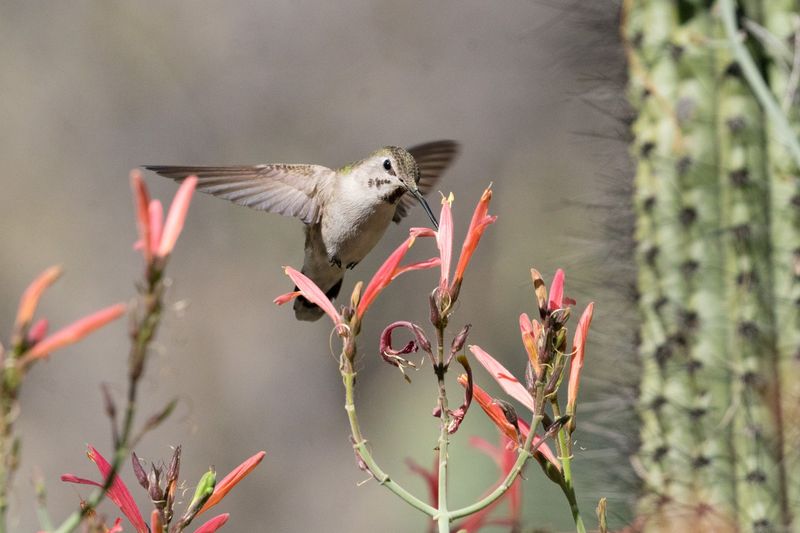
Winter color from chuparosa is a real possibility, but the calendar is not fixed. The Desert Museum says flowers can appear in any month when conditions suit the plant.
Its winter calendar lists chuparosa among shrubs that may bloom in the Tucson area during the cool season.
Other references paint a narrower picture. SEINet and the Arizona Native Plant Society both list March through June as the Arizona flowering period.
Those sources describe different places and growing conditions, so neither one cancels the other.
For your own yard, think of winter bloom as a bonus that depends on the weather. A dry stretch can hold flowers back, and a hard freeze can wipe out buds.
Watch your shrub for a season or two and note when it actually blooms. That record will tell you more than any chart, and it shows when your hummingbird visitors have flowers to work with.
A nectar source, not a complete hummingbird food plan
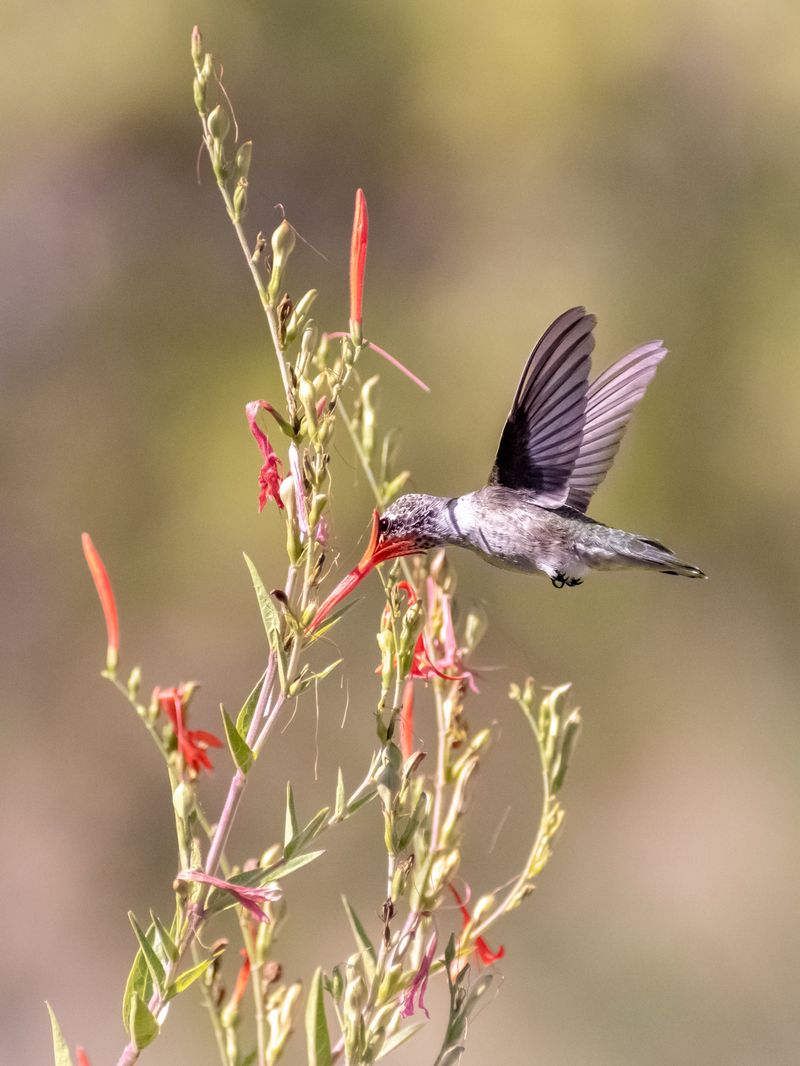
When chuparosa is in bloom, hummingbirds notice. The Desert Museum’s hummingbird plant table lists chuparosa with hummingbird visitors, and its winter notes say Anna’s and Costa’s hummingbirds may set up territories around blooming plants.
The key word is blooming. No flowers, no nectar, and the birds will move on to find food elsewhere.
One shrub also cannot promise visitors, since sightings depend on timing, neighbors’ plants, and the weather.
Nectar is only part of the menu anyway. According to Cornell Lab’s life history notes, Anna’s hummingbirds eat insects as well as nectar.
Your Arizona Garden Changes Every Week. Your Plan Should Too.
Gardening in Arizona changes quickly throughout the season. Every Friday you’ll receive a simple weekly plan showing exactly what to plant, prune, fertilize, harvest, and protect so you never miss the right timing.
A better plan is a mix of flowering natives with staggered bloom times, with chuparosa as one reliable-ish piece of it. Pair it with other desert plants that flower at different moments, and your yard has a better chance of offering something useful through the cool months.
Choose sun and room for an informal shape
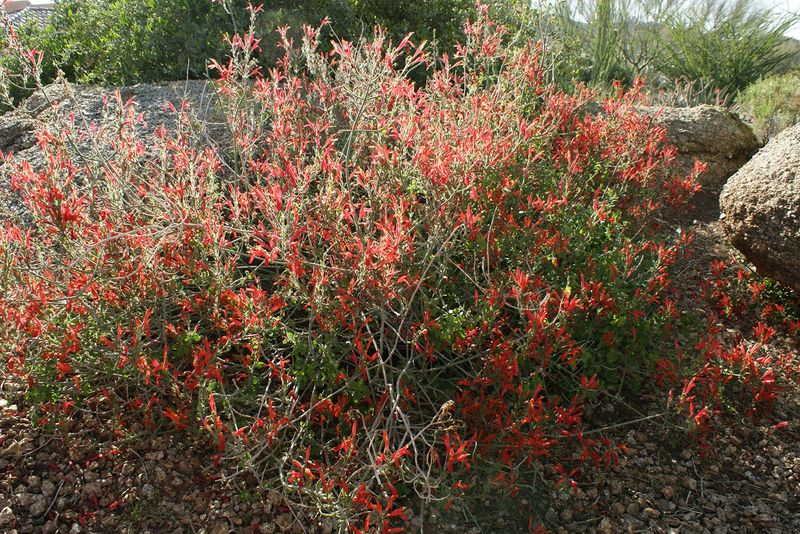
Where you plant chuparosa shapes how it looks and how well it flowers. Full sun is the best choice, since it encourages more blooms and a tighter form.
Add well-drained soil, and the roots are less likely to sit wet after a rare heavy rain.
Shade stretches the branches and thins out flowers, so skip the spot under a big tree. A bright, open corner of the yard works better.
Then make peace with its natural style. Chuparosa can turn leggy or brambly, with branches that sprawl in several directions.
It is not a clipped, formal hedge, and shearing it into a box usually looks awkward.
Give it room to spread, and place it where a relaxed, wild look fits, such as a wildlife border, a back fence line, or beside a gravel path. If the shape gets too loose for your taste, a light trim can help.
Think of it as a casual desert shrub that rewards you with color rather than a tidy screen.
Establish the shrub with regular deep watering
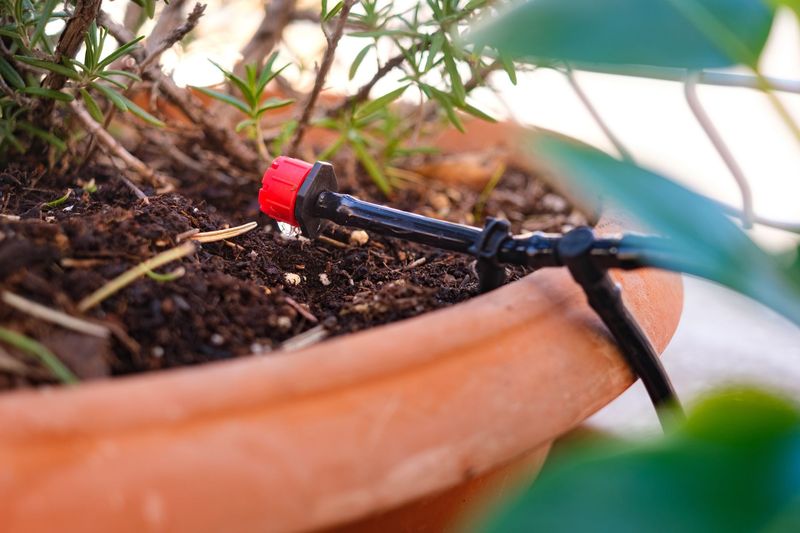
Low water use is part of chuparosa’s appeal, but it applies to established plants. A new shrub is still growing its roots, so it needs more attention at first.
According to University of Arizona Extension guidance, newly transplanted native shrubs generally need regular, deep irrigation during the first one to two years. How often depends on the plant’s size, your soil, and the weather.
Deep soaks that reach the root zone beat quick sprinkles. Over time, you can space the watering out as the plant settles in.
Timing helps too. In Pima County, the October gardening guide suggests planting shrubs early in the month and gradually reducing watering frequency for new native and desert-adapted plants.
That is a local recommendation, not a rule for the whole state. Phoenix gardeners can use it as a starting point and adjust for their own conditions.
Prepare for frost and prolonged freezes
Cold is the main thing that can interrupt chuparosa’s winter show. The Desert Museum reports that quick dips to 22°F may be tolerated, while prolonged freezes at 26°F or below may cause damage.
Treat those numbers as rough guides, not promises.
Real results vary. University of Arizona Extension explains that frost effects depend on the species, the plant’s condition, and how exposed it is.
A healthy shrub in a sheltered spot may fare better than a stressed one in an open, low-lying yard.
Where conditions call for it, you have options. Plant near a south-facing wall that soaks up daytime warmth, or cover the shrub when a hard freeze is forecast.
If frost does nip the branches, hold off on heavy pruning until you see how the plant recovers. Sometimes the best tool is patience.