Fall Tomatoes in Arizona’s Low Desert: A Second Chance After Spring
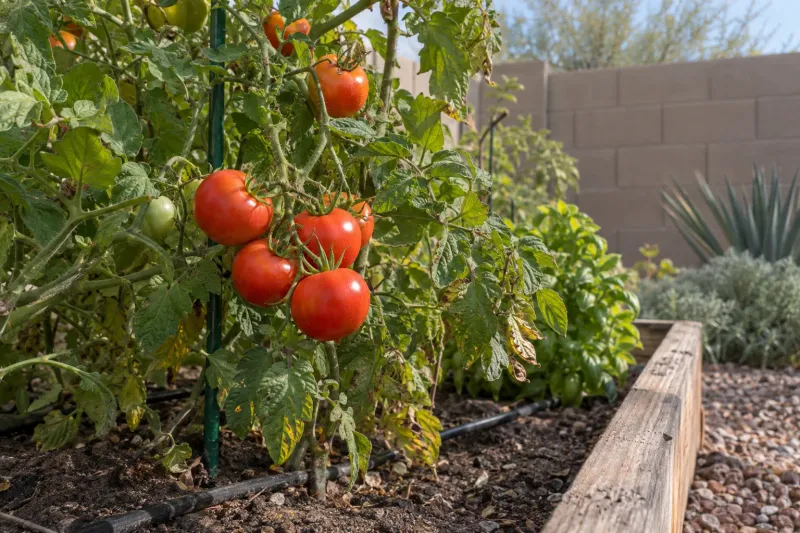
Tomato timing in Arizona’s low desert surprises a lot of new gardeners. Spring gets the first shot, but summer heat can bring fruit production to a crawl.
Once the heat eases in autumn, a shorter second window opens for another try. Here is how that second season works around Phoenix and Tucson, and what to plan for.
Spring is still the main tomato season
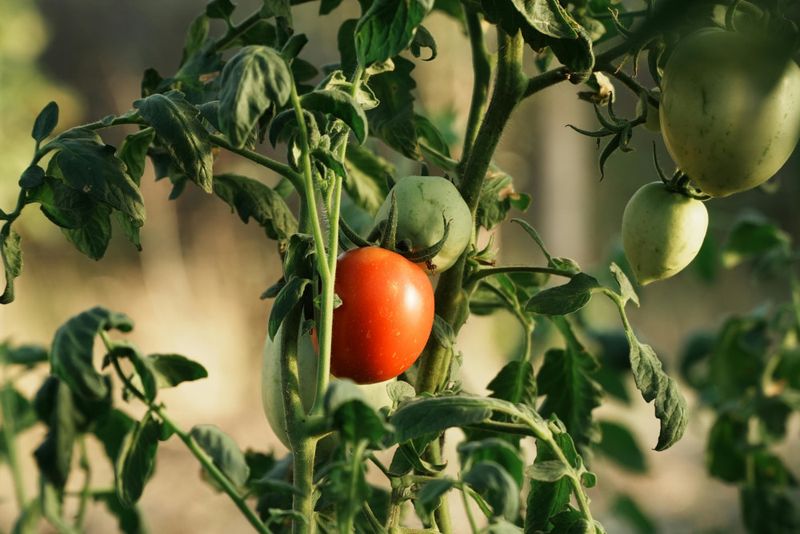
Despite the buzz around fall planting, spring remains the main event in southern Arizona. Extension guidance on growing tomatoes describes roughly mid-March to late June as the primary growing period, with autumn, roughly September to late November, as a shorter second window.
So fall adds a chance rather than replacing anything. A spring crop can start producing before the worst summer heat arrives, which is why skipping spring would mean giving up the best-established season.
In Maricopa County, the local vegetable planting calendar recognizes both spring and fall as good planting seasons. Keep in mind that this two-season pattern fits the low desert.
Local temperatures, frost risk, and elevation can shift the dates for your own yard.
What fall planting can solve
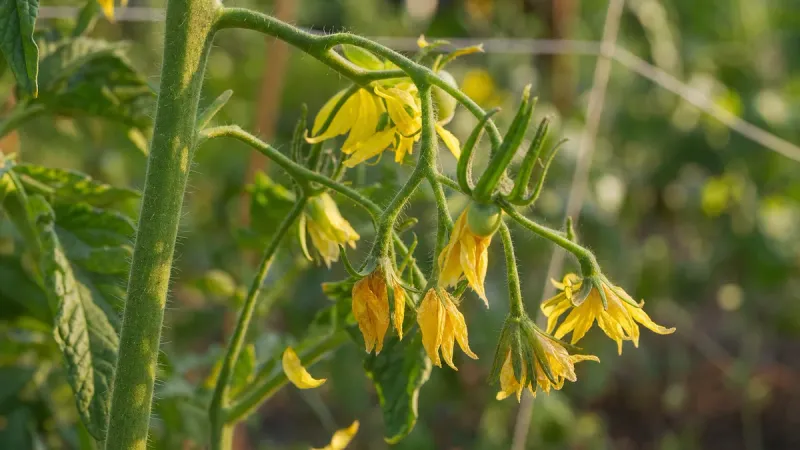
Summer heat is the culprit behind many empty tomato vines. Arizona Extension notes that temperatures above 90°F reduce pollen viability and fruit formation, so flowers may drop without making fruit.
Another guide on common tomato challenges says fruit set slows around 90°F and can stop at higher temperatures or when nights stay above 75°F. Think of these numbers as rough guideposts, not hard cutoffs.
Each garden and plant responds a little differently.
When heat eases in autumn, days and nights can move closer to a range where blossoms are more likely to set fruit. That is the opportunity.
It is not a promise, because wind, sunlight, water, pests, and disease still shape what happens on the vine.
Fall timing depends on where you garden
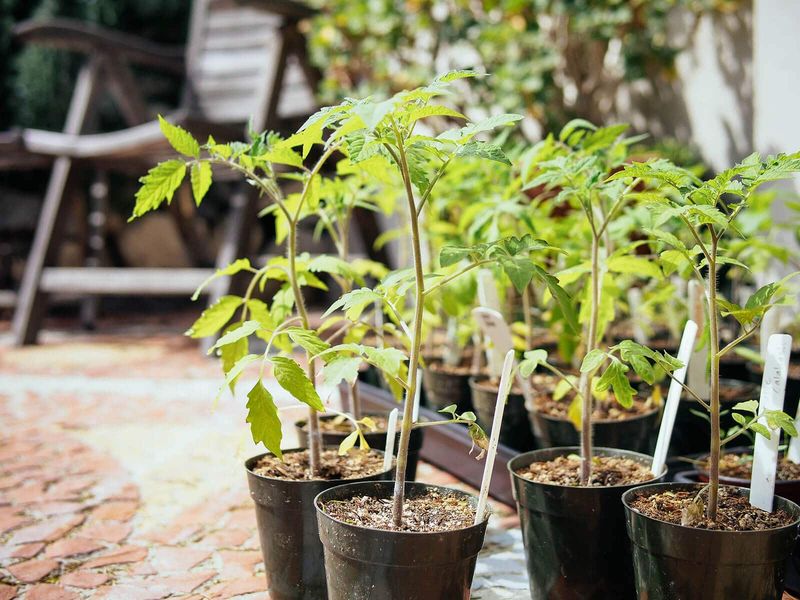
September is a suggested fall planting period for the low desert, not a date that fits every yard. Extension tomato guidance treats autumn as a shorter season, so each week counts.
Lingering heat can stress new transplants, while an early first frost can cut a late crop short.
Whiteflies add another timing question. Maricopa County Extension advises holding off until whitefly numbers decline with cooler weather, so a few extra days of patience may help.
Elevation changes everything. Higher-elevation gardens face frost and shorter seasons, so spring and early summer often become the main window there, as Extension planting guidance suggests.
Use your local calendar and frost outlook instead of a single statewide date.
Prepare the next crop before fall arrives
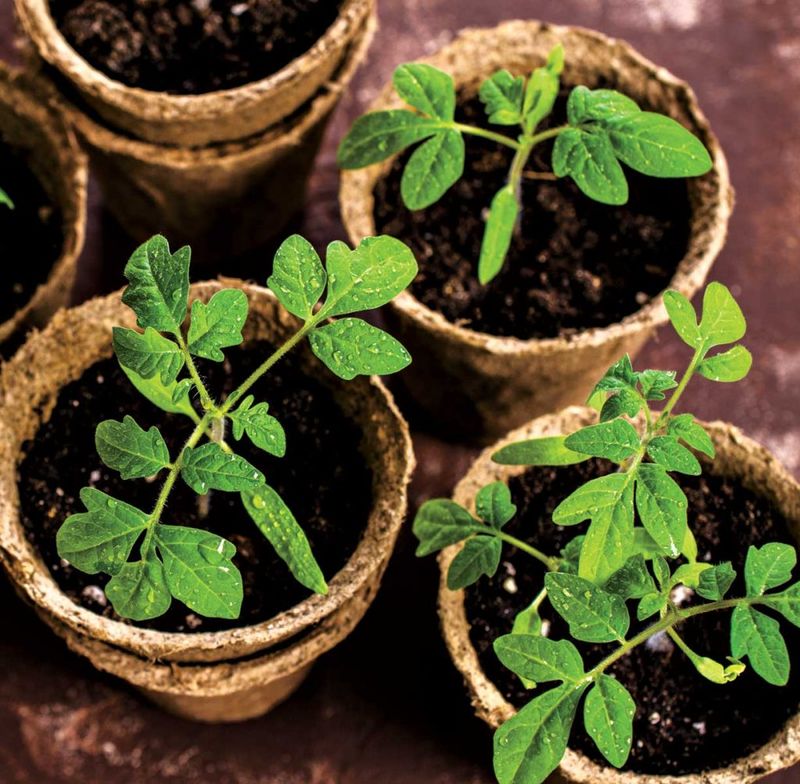
Fall tomatoes start in the heat of summer. Extension suggests starting seed in June for September planting, buying seedlings, or taking cuttings from spring plants.
Each route has trade-offs. Seeds give you the most variety choices, seedlings save time, and cuttings reuse a plant that already did well in your yard.
Another option is cutting back straggly spring plants in August to encourage fresh growth. Treat it as a choice, not a required step.
Your Arizona Garden Changes Every Week. Your Plan Should Too.
Gardening in Arizona changes quickly throughout the season. Every Friday you’ll receive a simple weekly plan showing exactly what to plant, prune, fertilize, harvest, and protect so you never miss the right timing.
Plants that look worn out may respond, but results vary with heat, water, and plant health.
Choose early varieties and protect the plants
A short window favors tomatoes that ripen quickly. Extension recommends short-season types, generally under 70 days, and says early-maturing varieties suit the low desert’s short seasons.
Check the days-to-maturity on the plant tag before buying.
Leaves matter too. Keeping good leaf cover helps shade developing fruit from harsh sun, so go easy on pruning when the weather is still hot.
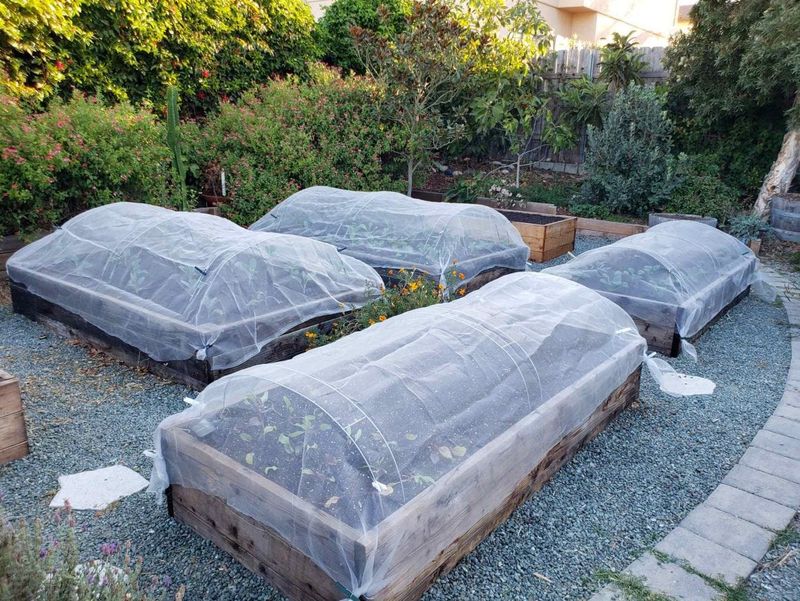
Row covers can extend the season when cold nights approach. Both lingering heat and frost can affect a fall crop, so watch the forecast and protect plants as conditions call for it.
None of this guarantees fruit, but it improves your odds.
Keep the root zone moist
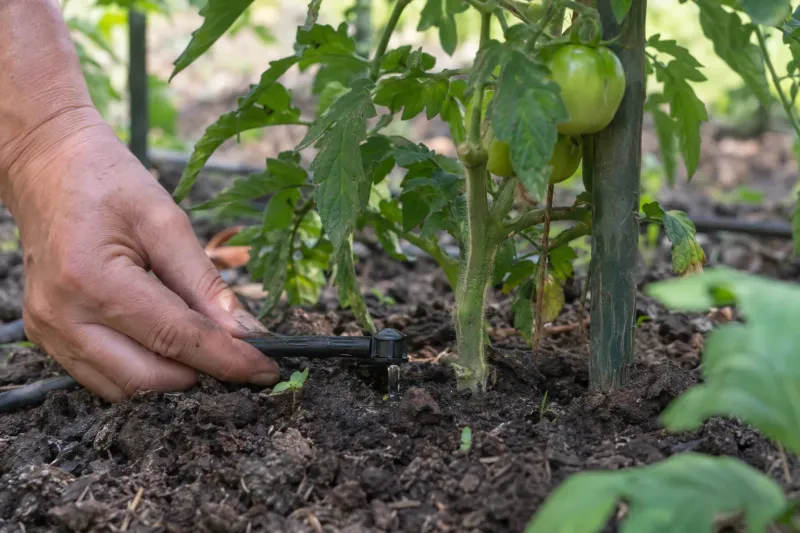
Tomatoes are not low-water plants, and fall planting does not change that. Extension advises keeping the soil evenly moist, and checking moisture near the roots instead of judging by the surface.
Poke a finger or trowel a few inches down to see what the root zone is really doing. Sandy soil dries faster than heavier soil, and warm or windy days pull moisture out quickly, so schedules vary by yard.
A layer of mulch helps reduce evaporation. As Extension vegetable gardening advice points out, irrigation is necessary for Arizona gardens.
Plan for regular watering rather than expecting savings.
Treat fall as a second chance, not a sure thing
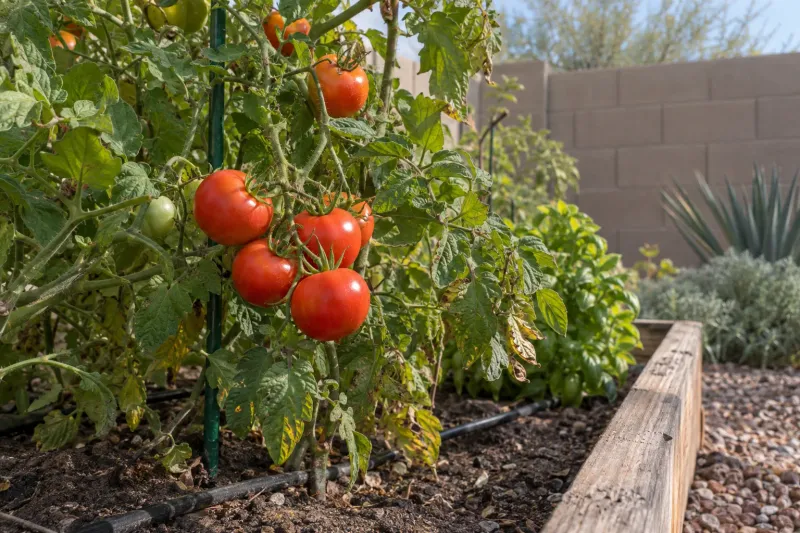
Spring stays the main tomato season in southern Arizona, and Extension tomato guidance frames fall as the shorter second window. Before planting, check local frost information and planting date guidance for your elevation, then weigh today’s heat against the weeks left.
A fall crop may reward you, or it may fizzle. Either way, you learn how your own yard behaves.
Some of the best tomatoes come from gardeners who simply try again.