Citrus Greening Has Been Confirmed in Arizona and Backyard Trees Are Where It Was Found
For years, Arizona citrus lovers watched California and Florida battle a tree disease and hoped it would stay away. In January 2025, that hope ended when citrus greening showed up in backyard trees in Nogales.
The disease has no remedy, and it spreads through a tiny insect that already lives across much of the state. If you have a lemon, orange, or grapefruit tree in your yard, here is what you need to know to protect it.
1. The Nogales Discovery
Picture a quiet neighborhood near the border, with a few orange and lemon trees shading backyards. Those ordinary trees became big news in January 2025.
Plant tissue samples taken from residential citrus in Nogales, Santa Cruz County, tested positive for citrus greening, also called Huanglongbing or HLB.
That was a first for Arizona. Officials had been watching for the disease for years, but no one had confirmed the actual bacteria inside an Arizona citrus tree until then.
The fact that it turned up in home yards, not big farms, surprised many people.
Why backyards? Home trees often get less regular inspection than commercial groves.
Neighbors share cuttings, bring fruit across borders, and plant trees from many sources. Each of those habits can open a door for pests and disease to slip in unnoticed.
The good news is that the find happened early and in a small area. Catching a problem like this while it is limited gives everyone a better chance to slow it down.
Still, the Nogales discovery is a wake-up call for every Arizona homeowner who loves picking fresh fruit off a backyard tree. Your yard matters more than you might think.
2. What Citrus Greening Actually Is
Here is the short version: citrus greening is a bacterial infection that clogs a tree’s food highways. The bacteria, named Candidatus Liberibacter asiaticus, settles into the part of the tree that moves sugars from leaves to roots and fruit.
Once that flow gets blocked, the tree slowly starves. Roots weaken, leaves thin out, and fruit quality drops.
Infected trees often decline quickly and may be lost within a few years. Sadly, there is no known cure, so prevention is the only real tool we have.
Fun fact: the name Huanglongbing comes from Chinese and means yellow dragon disease. The yellow part fits perfectly, since yellowing leaves are one of its most recognizable signs.
One thing that can calm your nerves is that the disease poses no danger to people or pets. You can still safely eat fruit from your tree, even though infected fruit usually tastes bitter and works best for juice.
Your family, dog, and backyard birds are not at risk.
The worry is all about the trees themselves. Arizona grows lemons, grapefruit, oranges, and tangerines in yards from Yuma to Tucson, and every one of those trees can be affected.
3. The Asian Citrus Psyllid Connection
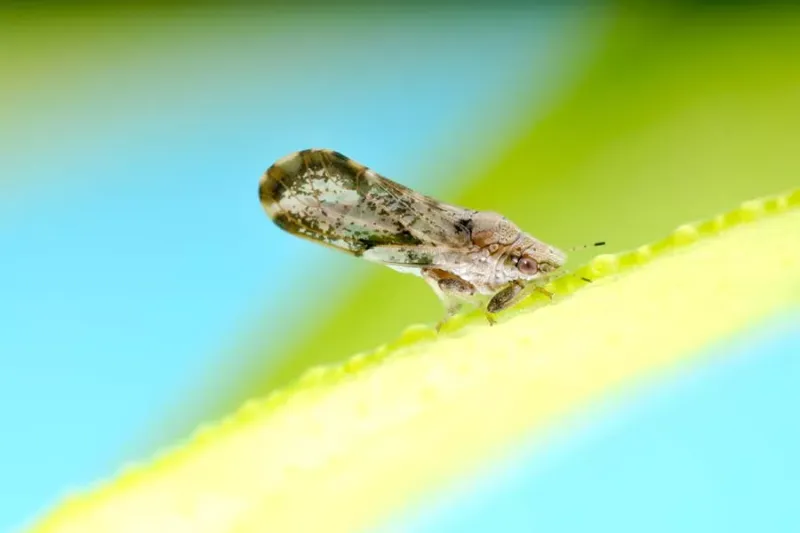
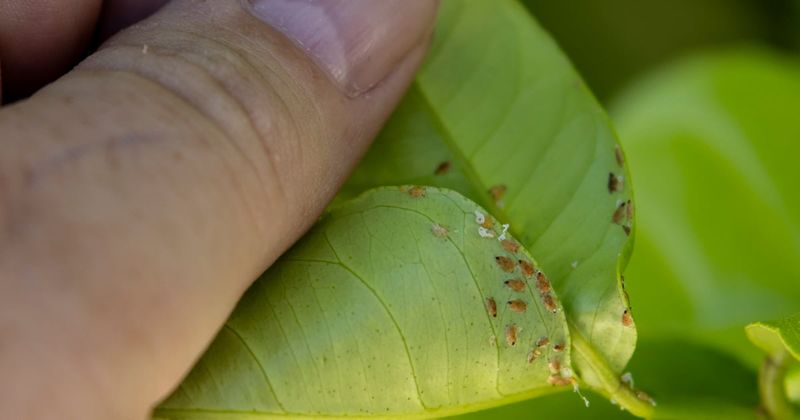
Smaller than a grain of rice, the Asian citrus psyllid is the real troublemaker in this story. Known as ACP for short, this little insect feeds on citrus leaves and stems.
Your Arizona Garden Changes Every Week. Your Plan Should Too.
Gardening in Arizona changes quickly throughout the season. Every Friday you’ll receive a simple weekly plan showing exactly what to plant, prune, fertilize, harvest, and protect so you never miss the right timing.
When it sips from an infected tree, it can pick up the bacteria and carry it to the next tree it visits.
Arizona has been dealing with ACP since around 2008 and 2009, when it was first spotted in the state. Since then, it has spread through many citrus-growing areas, including parts of the Phoenix and Tucson metros.
For years, the insect was here without the disease. Nogales changed that.
How do you spot one? Adult psyllids rest with their bodies tilted at about a 45-degree angle, almost like they are doing a headstand on the leaf.
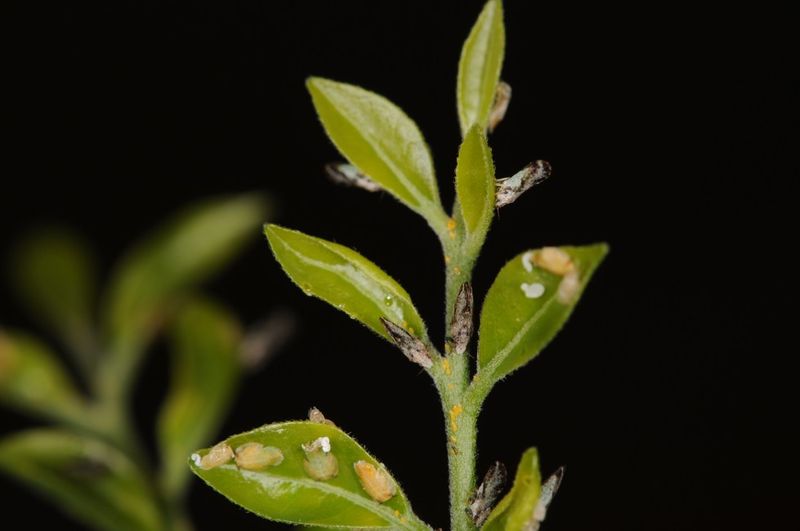
Young ones, called nymphs, are yellowish and leave behind white, waxy curls on new growth.
Fresh leaves are their favorite snack, so check tender flushes in spring and after monsoon rains. A small hand lens can help a lot.
Spotting psyllids does not mean your tree is sick, but it is a good reason to stay alert and keep watching closely.
4. Warning Signs on Leaves and Fruit
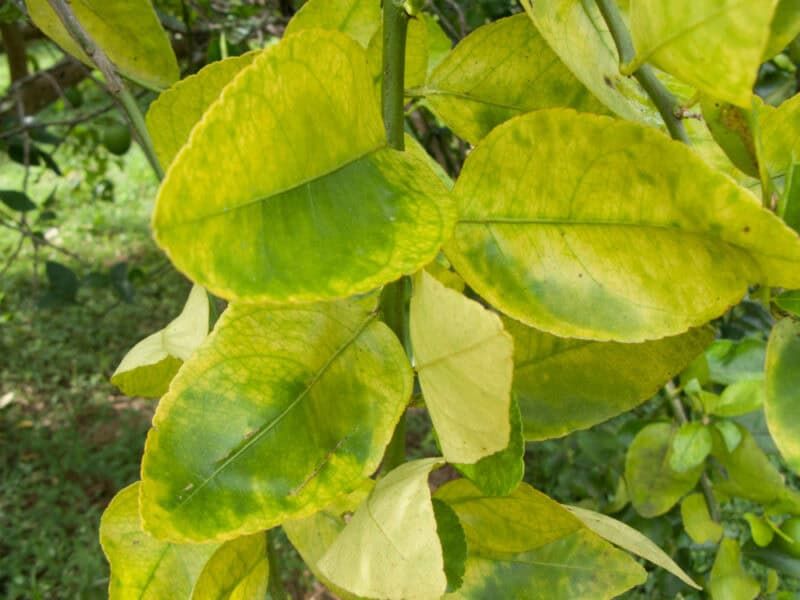
Grab a cup of coffee and take a slow walk around your tree. You are looking for clues, and citrus greening leaves some pretty specific ones.
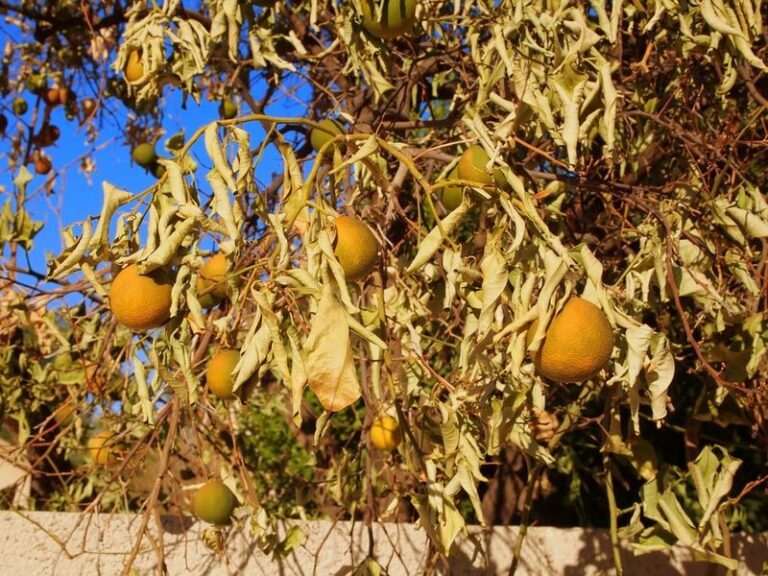
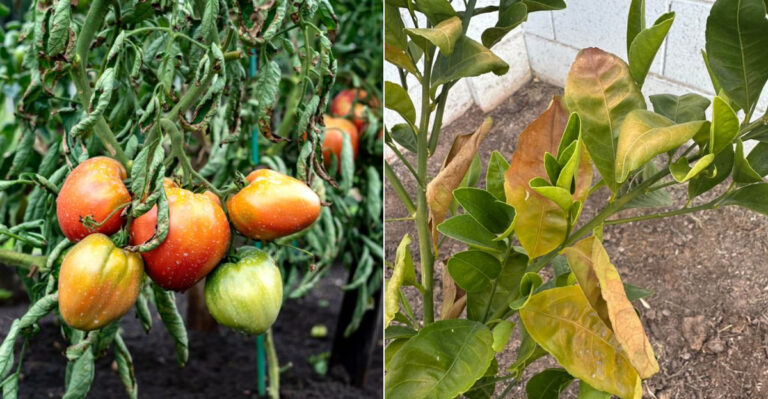
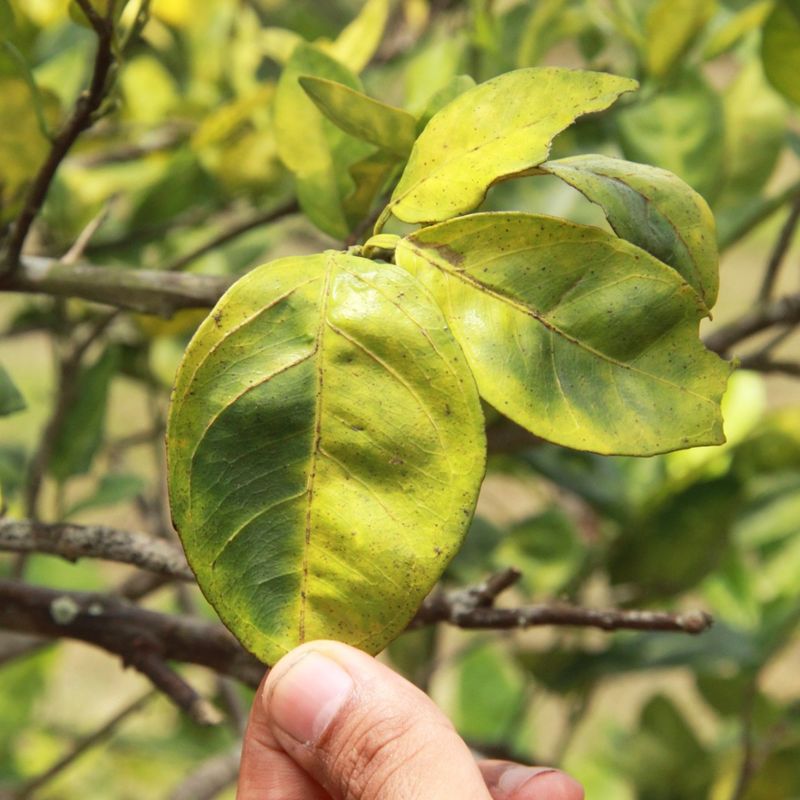
Start with the leaves. Infected leaves often show blotchy, mottled yellow patches that look uneven from one side of the leaf to the other.
Veins may turn bright yellow too. That uneven pattern helps tell it apart from simple nutrient shortages, which usually create matching yellow on both halves of a leaf.
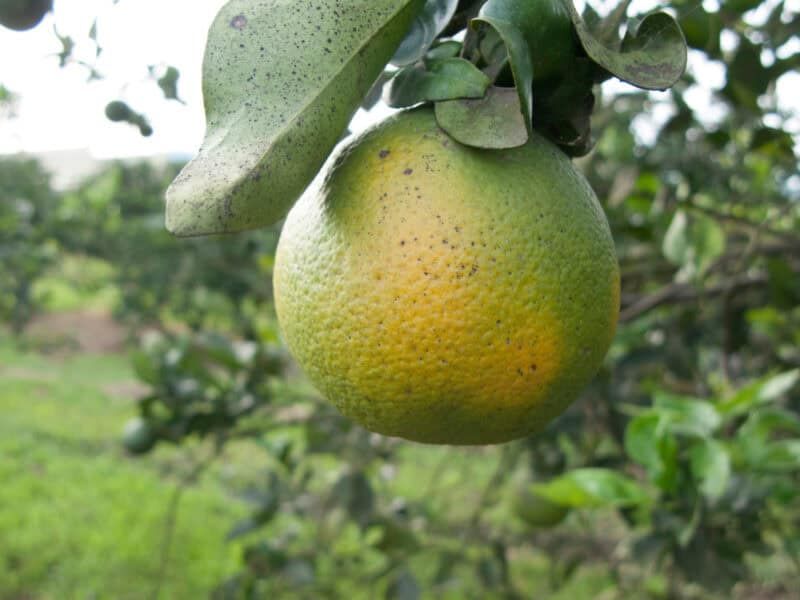
Now check the fruit. Greening can cause oranges and lemons to grow small, misshapen, or lopsided.
Some stay partly green even when ripe, which is where the name comes from. Cut one open and you may find bitter flavor and dark, undeveloped seeds.
Keep in mind that Arizona trees face plenty of stress already. Summer heat, alkaline soil, and uneven watering can all cause yellow leaves.
So one odd leaf is not a reason to panic.
Instead, look for patterns across branches and over time. Take photos so you can compare.
If several signs show up together, it is time to call in experts rather than guess on your own.
5. The Quarantine Zone Explained
Quick action is what quarantines are all about. After the Nogales confirmation, the Arizona Department of Agriculture set up a state quarantine on February 7, 2025.
A federal quarantine from the USDA followed in the same area.
The zone covers roughly nine square miles around the spots where infected trees were found. Inside that boundary, moving citrus plants, leaves, branches, and certain fruit is restricted.
The goal is simple: keep the bacteria and the insects carrying it from hitching a ride to new neighborhoods.
Think of it like a fire break. By drawing a line and limiting movement, officials hope to contain the problem while it is still small.
If you live in Phoenix, Tucson, or Yuma, you might wonder how this affects you. Right now, the quarantine is limited to the Nogales area.
Commercial citrus groves in Arizona are not affected, since the finds were far away from major farms.
That could change if the disease shows up elsewhere, though. Staying informed about quarantine updates is a smart habit for anyone growing citrus.
Following the rules helps protect not just your tree, but every tree down the street and across the state.
6. Who to Call If You Suspect It
So you found strange yellow blotches and some lopsided fruit. Now what?
Take a breath, because you are not on your own here.
The Arizona Department of Agriculture is the place to start. If you notice signs of citrus greening, reach out to them directly.
Trained staff can visit, collect samples, and run official testing. Home guessing or online photo comparisons cannot confirm the disease, but lab testing can.
While you wait, a few steps really help. Do not move leaves, branches, roots, or fruit off your property.
That means no tossing trimmings into the green waste bin that heads across town, and no giving clippings to a neighbor.
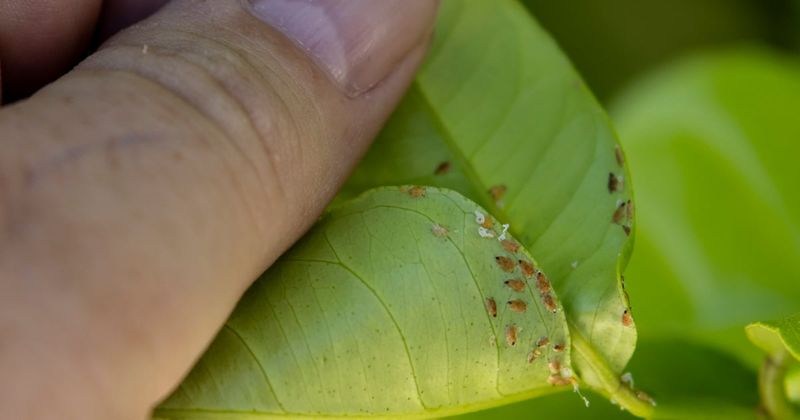
Snap clear photos of the leaves, fruit, and any insects you see. Note when you first spotted the changes.
These details make the inspector’s job easier.
Many people hesitate to report problems because they fear losing their tree. That feeling is understandable.
But early reporting is one of the best ways to protect your neighborhood. A single phone call could help stop the disease before it reaches dozens of other yards, including trees your friends and family have nurtured for decades.
7. Smart Buying and Sharing Habits
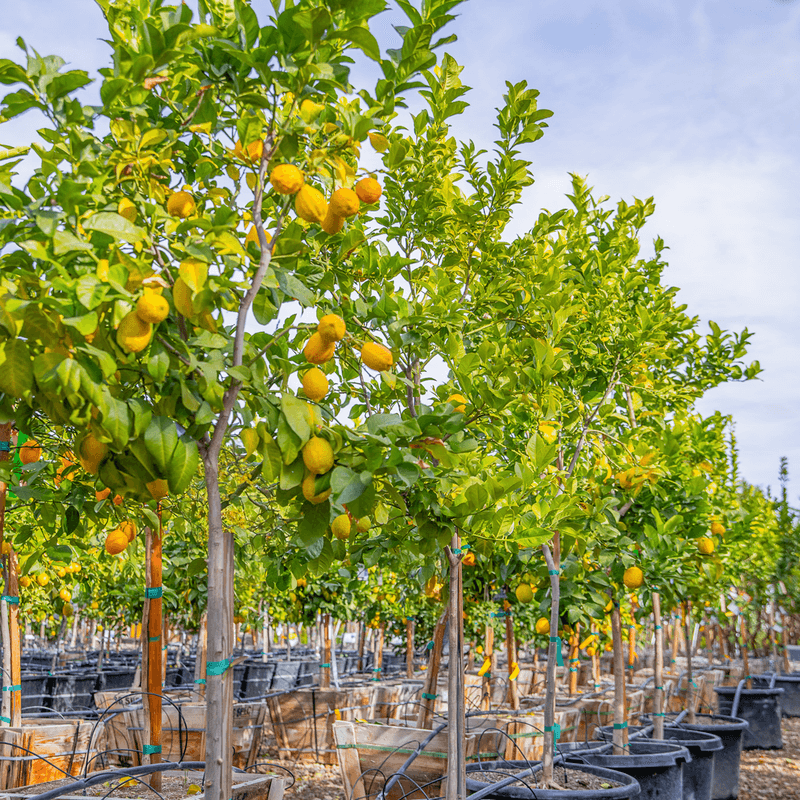
Ever bought a cute lemon tree online or brought home a cutting from vacation? Plenty of us have.
Unfortunately, those little shortcuts are exactly how diseases travel.
Buy new citrus plants, rootstocks, and varieties only from licensed Arizona nurseries. These sellers follow rules meant to keep pests and disease out of their stock.
Ordering trees, leaves, or uncertified fruit from out-of-state online vendors can sneak in trouble you cannot see.
The same goes for travel. Skip packing citrus fruit, leaves, or plants from other states or countries in your suitcase.
It might seem harmless, but a single psyllid riding on a leaf can start a whole new problem.
Grafting fans, this one is for you. Avoid using budwood or clippings from trees that have not been verified as healthy.
A graft from a sick tree passes the disease along directly.
When your tree overflows with fruit, sharing is still kind. Just keep it close to home, within your direct community.
Handing a bag of lemons to the neighbor next door is far safer than shipping a box across the state. Small choices like these add up to big protection.
8. Keeping Your Backyard Citrus Strong
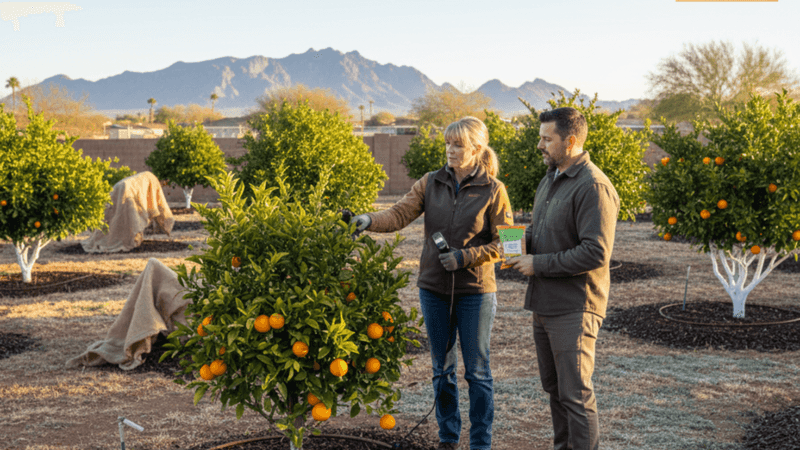
A healthy tree handles stress better, and Arizona trees face a lot of it. Good care will not cure citrus greening, but it can keep your tree in better shape and make problems easier to spot.
Water deeply and less often, letting moisture soak down to the roots. Drip lines set wide at the canopy edge work well.
A thick ring of mulch, kept a few inches from the trunk, can help hold moisture through 100-degree summers and cool the alkaline soil.
Feed citrus on Arizona’s usual schedule, often around February, May, and late summer. Shield young trees from harsh afternoon sun, and protect them on rare frosty winter nights.
Inspect every couple of weeks, especially when tender new leaves appear. That is when psyllids gather.
Here is a bonus idea for nature lovers. Planting native, flowering desert shrubs like penstemon or desert milkweed nearby may help attract helpful insects such as lady beetles and tiny wasps, which can feed on psyllids.
These natives sip little water and bring pollinators too. A yard full of life tends to be more balanced, and your citrus may benefit from those busy little garden helpers.