8 Plants You Should Plant In Texas Before April Ends
If you garden in Texas, you already know spring does not wait around. One minute the weather feels mild and full of promise, and the next, the heat starts creeping in and changes the whole game.
That is why timing matters so much, especially in April. By the time the month is winding down, there is still a great window to get plenty of plants in the ground, but it is also the point when putting things off can mean missing your chance for strong early growth.
This part of the season is ideal for adding vegetables, herbs, flowers, and other warm-weather favorites that can take off before summer settles in for good.
In Texas, where conditions can shift fast, choosing the right plants before April ends can make the difference between a garden that struggles and one that really takes off.
For anyone hoping for a yard, patio, or garden bed filled with color and life in the months ahead, this is a great time to make every planting day count.
1. Okra
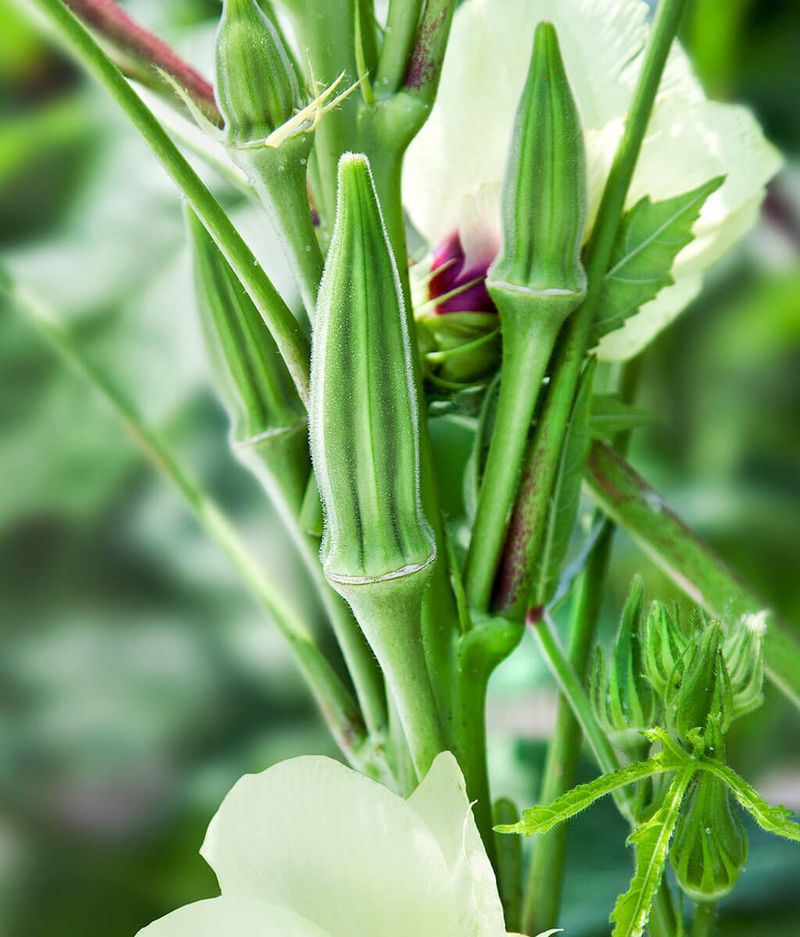
Few vegetables are as perfectly matched to Texas as okra. This Southern staple absolutely loves hot weather, and planting it in April gives it the warm soil it needs to get off to a strong start before the summer heat really kicks in.
Okra grows best when soil temperatures are at least 65 degrees Fahrenheit. In most parts of Texas, April hits that sweet spot just right.
You can plant seeds directly into the ground about an inch deep, spaced roughly 12 to 18 inches apart in rows.
Make sure your planting spot gets full sun for at least six to eight hours a day. Okra is not picky about soil, but it does best with good drainage.
Waterlogged roots can cause problems, so raised beds work great if your yard tends to hold moisture.
Once established, okra is surprisingly low-maintenance. Water it deeply a couple of times a week and watch it shoot up fast.
In Texas, plants can reach five to six feet tall by midsummer. You will want to harvest pods when they are two to four inches long for the best texture and flavor.
Did you know okra is actually related to hibiscus? Its flowers are beautiful and creamy yellow with a purple center.
Texas gardeners love okra not just for its taste but because it keeps producing all the way through summer without much fuss.
2. Southern Peas (Black-Eyed Peas / Cowpeas)
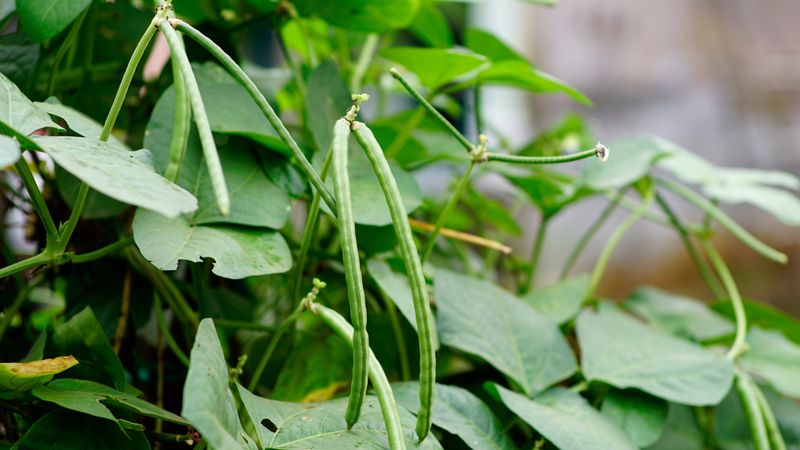
Southern peas have been feeding Texas families for generations, and there is a very good reason for that. These tough, heat-tolerant legumes were practically built for the Texas climate. Late April is the ideal time to sow seeds directly into your garden beds.
Black-eyed peas, purple hull peas, and crowder peas all fall under the Southern pea family. Any of them will perform beautifully in Texas gardens.
They thrive in temperatures between 70 and 95 degrees Fahrenheit, which means they are right at home from late spring through summer across most of the state.
Your Texas Garden Changes Every Week. Your Plan Should Too.
Gardening in Texas changes quickly throughout the season. Every Friday you’ll receive a simple weekly plan showing exactly what to plant, prune, fertilize, harvest, and protect so you never miss the right timing.
Plant seeds about one inch deep and four to six inches apart. They do not need a lot of fertilizer since, like all legumes, they fix nitrogen right from the air into the soil. That is actually a bonus because it helps improve your garden soil naturally over time.
Southern peas are also drought-tolerant once established, which is a huge advantage during Texas summers when rain can be unpredictable. Water consistently at first, then back off once plants are a few inches tall and growing strong.
You can expect to start harvesting fresh peas about 60 to 70 days after planting. Eat them fresh, freeze them, or cook them low and slow with a bit of seasoning. Either way, you will be glad you got them in the ground before April ended.
3. Sweet Potatoes (Slips)
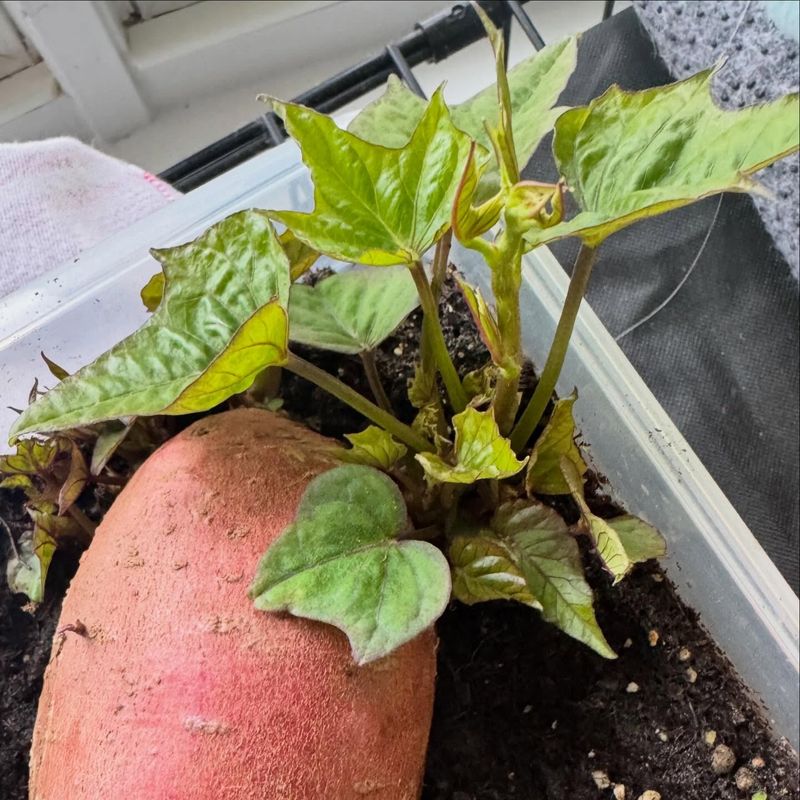
Sweet potatoes are one of those crops that reward patience. You plant them in April as slips, which are small rooted shoots, and then you wait until fall for a big, satisfying harvest.
The good news is that Texas heat and long growing seasons make this state one of the best places in the country to grow them. Slips are not seeds. They are small sprouts that grow from a mature sweet potato.
You can buy them at local garden centers or even start your own by placing a sweet potato in water until it sprouts. Once slips are about six to eight inches long with a few roots, they are ready to plant.
Choose a sunny spot with loose, well-draining soil. Sweet potatoes need room to spread their roots underground, so avoid compacted or rocky soil.
Plant slips about 12 to 18 inches apart in raised rows to encourage good drainage and root development.
After planting, water slips daily for the first week or two until they get established. Once they are growing well, they are fairly drought-tolerant and spread quickly with their vining leaves. In Texas, you can expect to harvest around 90 to 120 days after planting.
A fun fact: sweet potatoes are not related to regular potatoes at all. They belong to the morning glory family, and their vines can actually look quite pretty sprawling across your garden all summer long.
4. Peppers (Hot And Sweet)
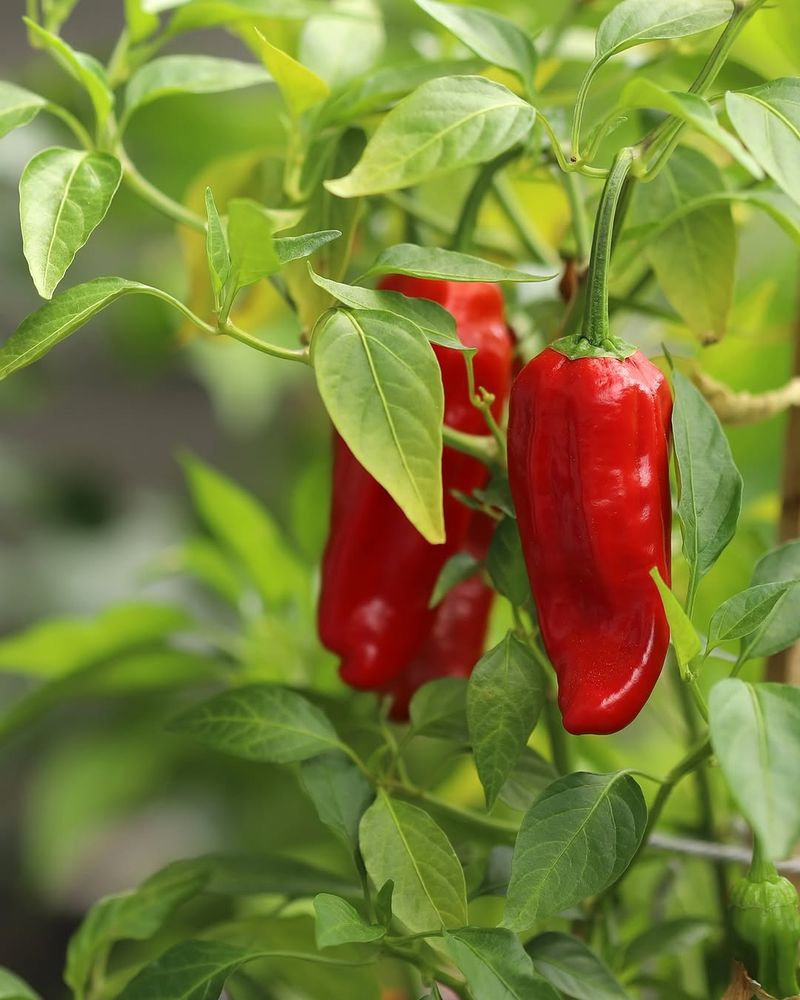
Walk into any Texas kitchen and you will almost certainly find peppers somewhere. Whether it is a jalapeno on the grill or a sweet bell pepper sliced into a salad, Texans love their peppers.
April is prime time to get transplants in the ground so they can settle in before extreme summer heat arrives.
Peppers need warm soil and warm nights to really take off. Early to mid-April is the sweet spot for transplanting in most of Texas.
If you wait until May, the intense heat can stress young plants before they have had time to establish strong root systems. Pick a spot with full sun and well-draining soil. Space transplants about 18 inches apart.
If you are growing multiple varieties, keep hot peppers away from sweet ones since they can cross-pollinate and affect flavor over time.
Add a layer of mulch around the base to hold moisture and keep roots cool. Consistent watering is key. Peppers like moisture but not soggy roots.
Water deeply two to three times a week and watch for signs of stress like wilting leaves during afternoon heat. A little shade cloth during the hottest part of the day can help young transplants adjust.
Both hot and sweet peppers are big producers once they hit their stride. You could be harvesting from the same plant for months.
Texas gardeners often get two full rounds of peppers before the season wraps up, making them one of the best value crops you can grow.
5. Eggplant
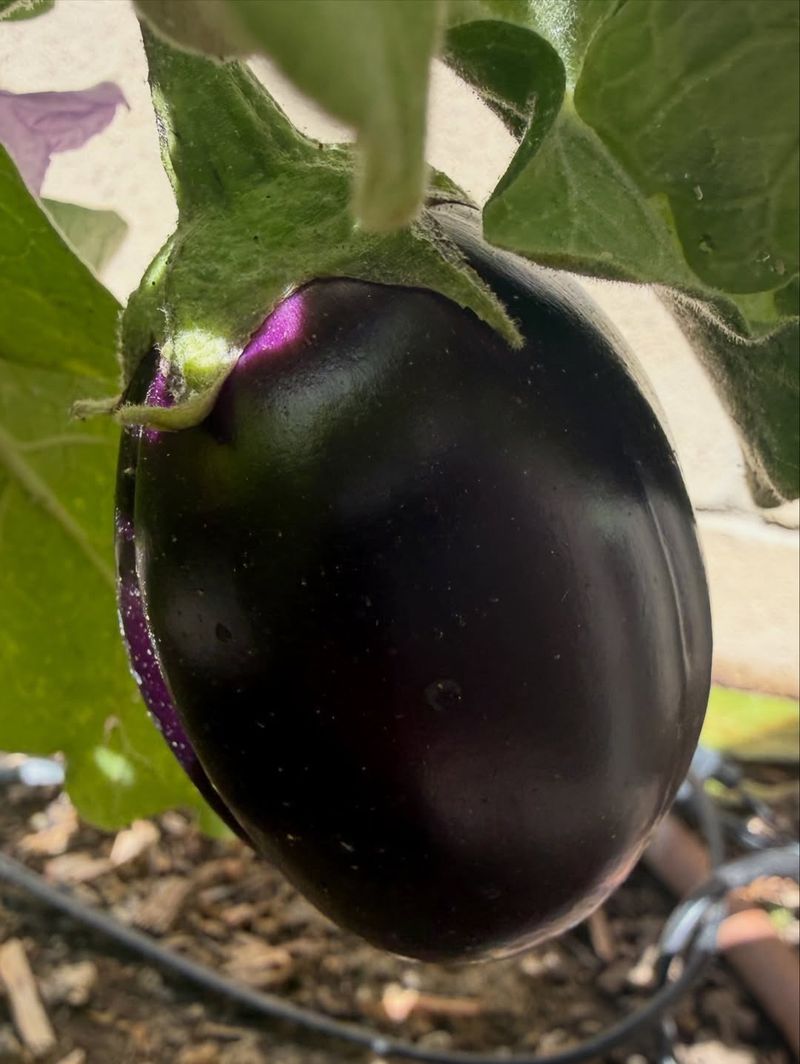
Eggplant is the kind of vegetable that really shows off in a Texas garden. Its deep purple fruits look stunning hanging from lush green plants, and it handles heat in a way that many other vegetables simply cannot.
April planting sets eggplant up for a long and productive growing season across Texas. Like peppers and tomatoes, eggplant is a warm-season crop that hates cold temperatures. Soil should be at least 60 degrees before planting, and most of Texas is well past that point by April.
Transplants work better than seeds at this stage since they give you a head start on the growing season.
Space plants about 24 inches apart in full sun. Eggplant is a heavy feeder, so mix compost into your soil before planting and consider side-dressing with a balanced fertilizer every few weeks once the plants start growing.
Consistent moisture is also important since uneven watering can lead to bitter or misshapen fruit.
Watch out for flea beetles, which love to chew tiny holes in eggplant leaves. Row covers early in the season can help protect young plants.
Once the plants are bigger and stronger, they can handle a little insect pressure without much trouble.
Harvest eggplants when the skin is glossy and firm. Dull skin usually means the fruit is overripe.
Texas gardeners can enjoy harvests from summer well into early fall, making eggplant a fantastic long-season crop worth every bit of effort you put in.
6. Zinnias
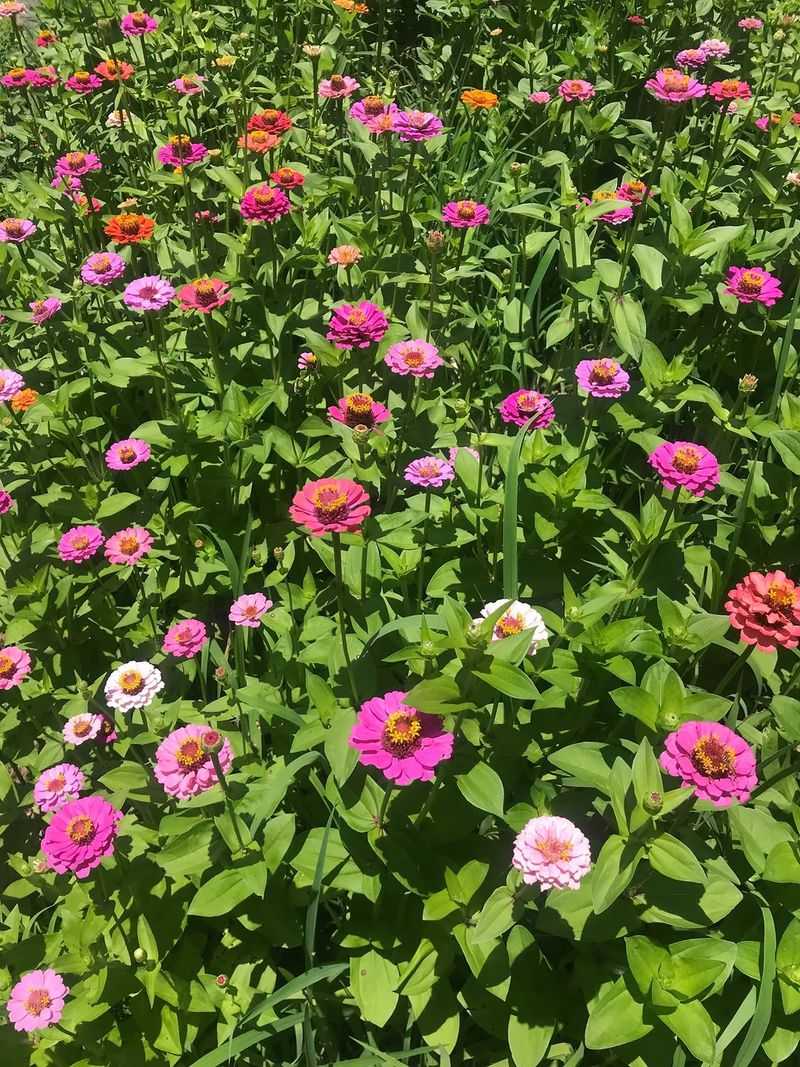
If you want a garden that looks like a painting all summer long, zinnias are your answer. These cheerful, colorful flowers are basically the life of the party in any Texas yard.
Planting them in April means you will have blooms showing up just in time for the long, hot summer months ahead.
Zinnias are incredibly easy to grow from seed. Simply scatter seeds in a sunny spot, barely cover them with soil, and water regularly.
They germinate quickly, often within a week, and grow fast once temperatures warm up. Full sun is non-negotiable since zinnias planted in shade tend to be leggy and produce fewer flowers.
One of the best things about zinnias is how well they handle Texas heat. While other flowers fade in the scorching sun, zinnias just keep going.
They are also excellent at attracting butterflies and bees, making them a great choice for anyone who wants to support pollinators in their garden.
Deadheading, which means removing spent blooms, encourages the plant to keep producing new flowers. It only takes a minute to pinch off old flowers, and the payoff is a bushier, more floriferous plant all season long.
Zinnias come in just about every color imaginable, from deep red to pale lavender to bright orange. Mix and match varieties for a bold, eye-catching display.
Texas gardeners from El Paso to Beaumont can count on zinnias to bring serious color from spring all the way through fall.
7. Basil
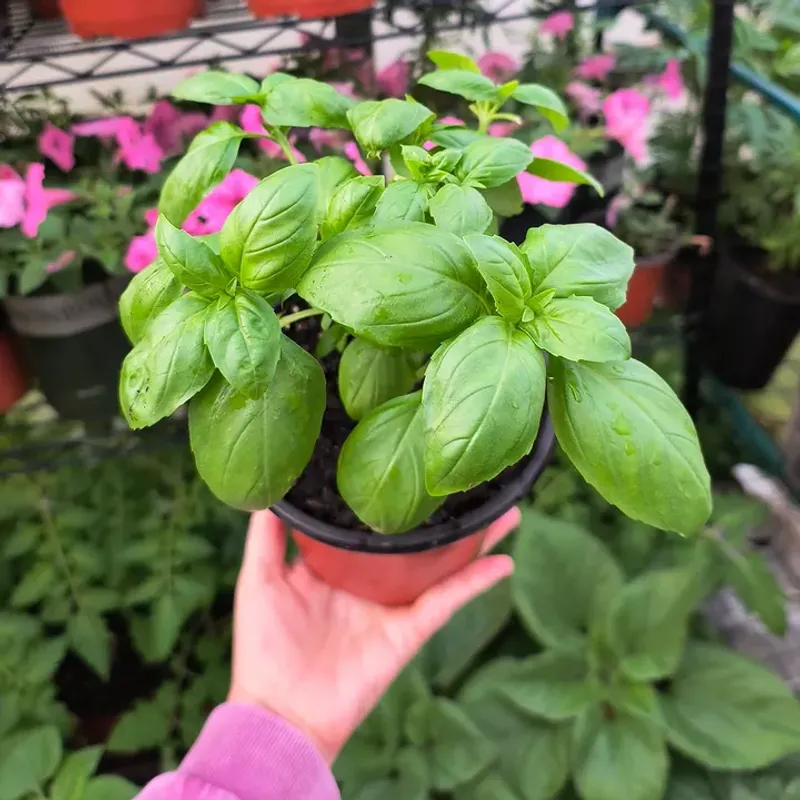
There is something almost magical about fresh basil straight from the garden. The smell alone is enough to make you want to cook something delicious.
Basil is a warm-weather herb that thrives in Texas conditions, and April is the perfect time to get it growing before the summer heat arrives in full force. Basil loves warmth. It sulks in cool temperatures and can turn black after even a light frost.
By April, most of Texas is safely past frost risk, making it the ideal time to plant either seeds or transplants outdoors. Soil temperatures above 60 degrees Fahrenheit are what basil needs to really take off.
Choose a spot that gets at least six hours of direct sunlight daily. Basil does well in containers too, which is great news for Texas gardeners with limited yard space.
Use well-draining potting mix and make sure containers have drainage holes to prevent root problems.
Pinch off flower buds as soon as you see them forming. When basil flowers, it shifts its energy away from leaf production, and the leaves can become more bitter.
Regular pinching keeps the plant bushy and producing fresh, flavorful leaves all season long.
You can start harvesting basil leaves just a few weeks after planting. Snip stems from the top to encourage branching.
In Texas, a single basil plant can produce abundantly from April all the way through October if you keep up with watering and trimming. Fresh pesto, anyone?
8. Melons (Watermelon Or Cantaloupe)
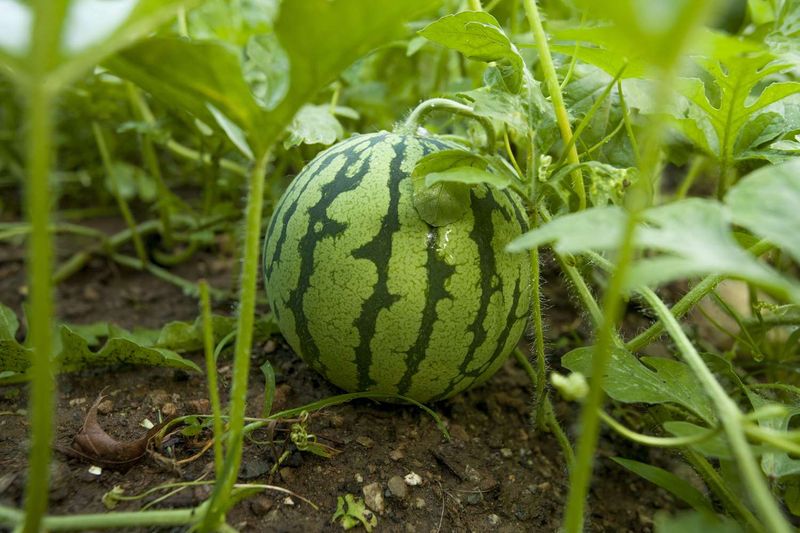
Nothing says Texas summer quite like a cold, juicy slice of watermelon. Growing your own is incredibly rewarding, but melons need time.
A long, hot growing season is exactly what they require, and getting seeds or transplants in the ground before April ends gives them the best possible start in Texas.
Watermelons and cantaloupes both need at least 70 to 90 days to reach full maturity. Plant too late and you risk running out of warm growing days before the fruit is ready.
April planting in Texas lines up perfectly with the long, hot stretch from late spring through summer that melons absolutely love.
Choose a spot with full sun and plenty of room since melon vines spread out fast and wide. A single watermelon vine can take up six feet or more of garden space.
If room is tight, look for compact or bush varieties that are bred for smaller gardens but still produce great fruit.
Direct sowing seeds works well in Texas since the soil warms up quickly. Plant seeds about one inch deep and water consistently.
Once vines start running, reduce watering slightly to encourage the plant to focus its energy on fruit development rather than leaf growth.
Knowing when to harvest takes a little practice. For watermelons, look for a dried-up tendril near the fruit and a creamy yellow spot on the bottom.
For cantaloupe, the fruit should slip easily from the vine when ripe. Texas-grown melons picked at peak ripeness are absolutely worth the wait.