Climbing Plants That Cover Oregon Fences Fast Without Becoming A Regret
A bare fence can make an otherwise finished yard feel oddly exposed. Climbing plants solve that problem quickly, but speed alone is not enough.
Some vigorous vines become difficult to control once they settle in, pushing into gutters, squeezing through gaps, or wandering far beyond the space they were meant to cover.
Oregon’s climate adds another layer, since a plant that races through spring may struggle once late summer turns dry.
The better choices fill vertical space without demanding constant pruning or threatening nearby structures. Growth habit matters, too.
A twining vine behaves differently than one that clings directly to a surface, and that difference can affect both maintenance and the fence itself.
With the right match, you can get shade, privacy, and seasonal interest without creating a future removal project.
1. Star Jasmine Filling A Fence Without Going Wild
Few plants smell as good as star jasmine in full bloom. That sweet, almost tropical fragrance drifts across the yard on warm evenings and makes the whole space feel more relaxing.
It is no surprise that gardeners across Oregon keep reaching for it when they want a fence covered fast.
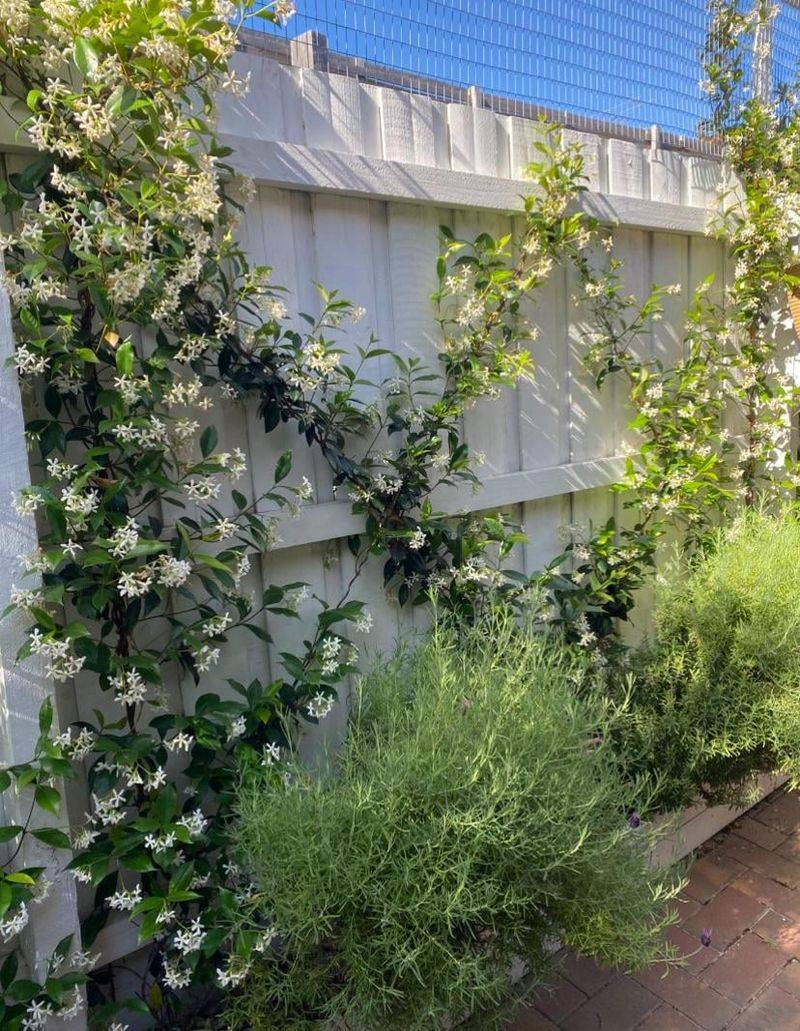
Star jasmine, also called Trachelospermum jasminoides, is a woody evergreen vine. It holds its deep green leaves year-round, which means your fence stays covered even in winter.
The small white flowers appear in late spring and early summer, and they last for several weeks.
Growth is steady rather than explosive. It moves at a pace you can keep up with, usually adding two to three feet per season.
It attaches itself with twining stems, so a simple wire or trellis system is all it needs to climb.
Pruning once or twice a year keeps it neat and full. Without trimming, it can get a little leggy, but it will not spread into your neighbor’s yard or swallow up nearby shrubs.
It handles our state’s wet winters without complaint and does best in spots with at least a few hours of sun each day.
This vine works well along wood, vinyl, or chain-link fences. It is a solid choice for gardeners who want reliable coverage, great scent, and a plant that stays where you put it.
2. Climbing Hydrangea Taking Over Slowly But Beautifully
Patience pays off with climbing hydrangea. Most gardeners joke that it sleeps for the first year, creeps in the second, and leaps in the third.
That saying holds up pretty well in real life.
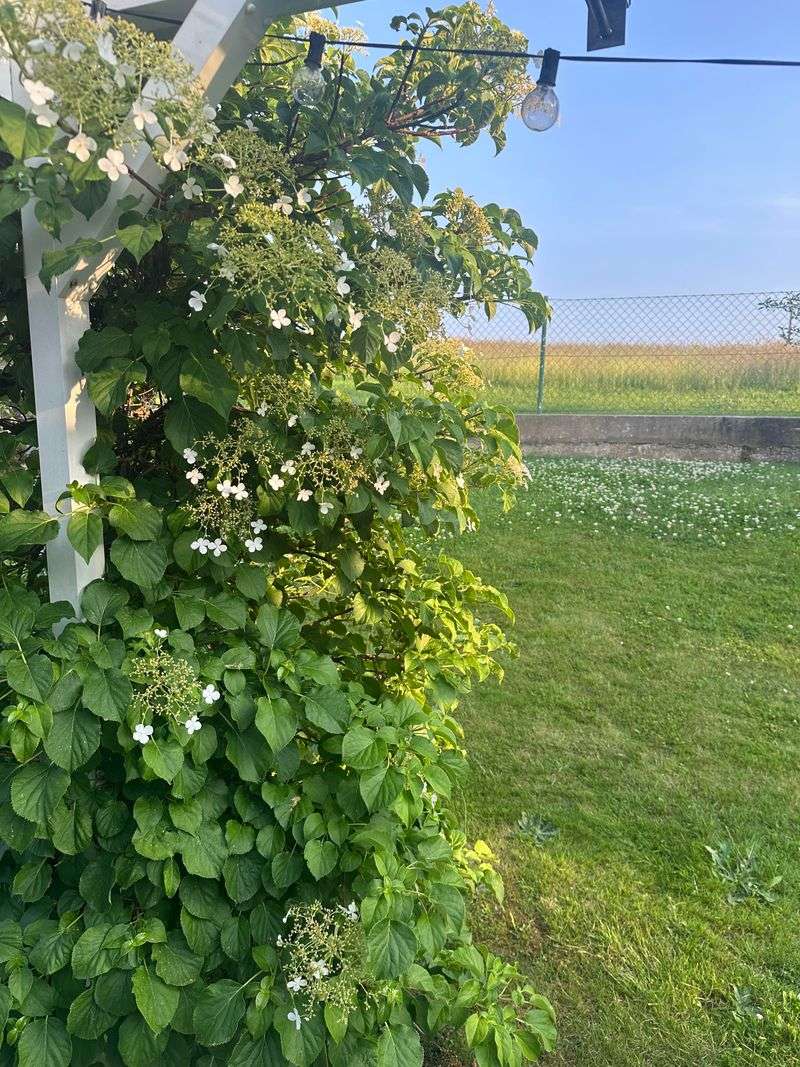
Hydrangea anomala petiolaris is a self-clinging vine, meaning it grips surfaces using small root-like holdfasts. No trellis is required, though a fence gives it plenty to work with.
Once it gets going, it produces large, flat clusters of white flowers that look stunning against dark wood or brick.
Bloom time runs from late spring into early summer. The flowers fade to a papery tan and hang on through fall, which gives the fence a soft, textured look even after the blooms are done.
The leaves turn a warm yellow before dropping in autumn.
Your Oregon Garden Changes Every Week. Your Plan Should Too.
Gardening in Oregon changes quickly throughout the season. Every Friday you’ll receive a simple weekly plan showing exactly what to plant, prune, fertilize, harvest, and protect so you never miss the right timing.
This plant is one of the better choices for shaded or partly shaded fences. Many climbers struggle without full sun, but climbing hydrangea handles low-light spots with ease.
That makes it especially useful along the north or east side of a house.
Established plants need very little extra watering once settled in. Pruning is not urgent, but a light trim after flowering helps maintain a tidy shape.
If you are willing to wait a season or two, this vine rewards you with one of the most dramatic fence displays in any garden.
3. Honeysuckle Bringing Flowers Without The Backyard Chaos
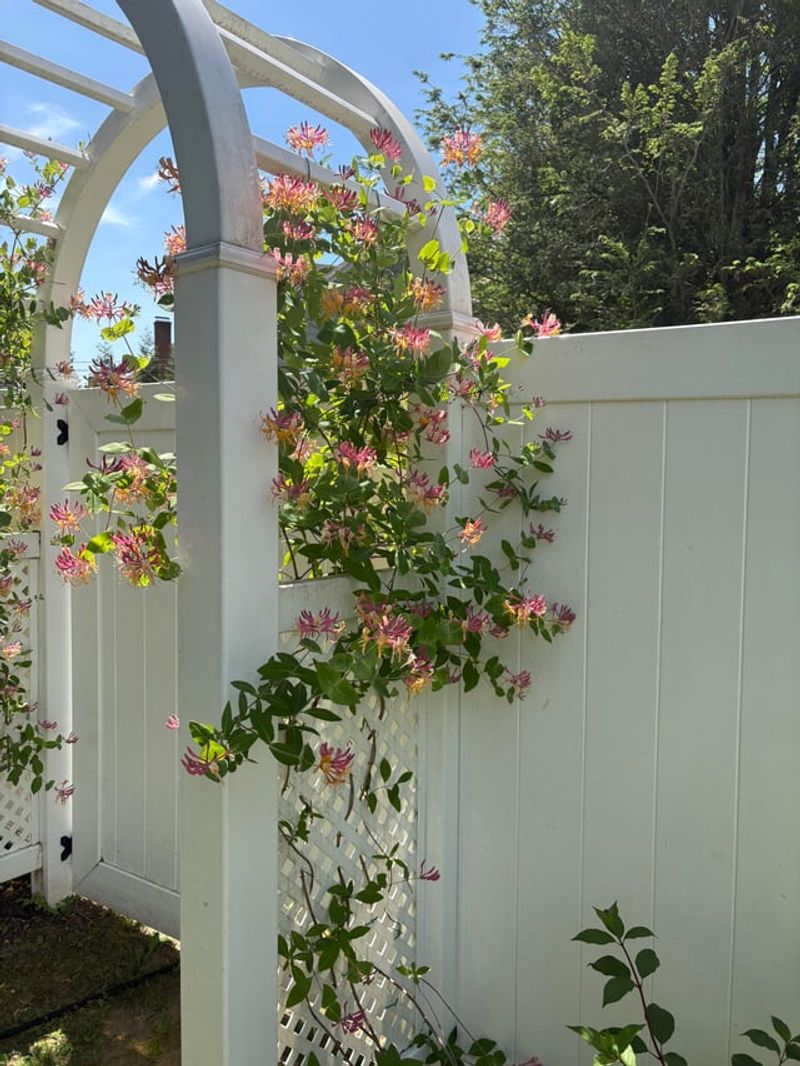
Honeysuckle has a bit of a mixed reputation, and for good reason. The invasive Japanese honeysuckle has caused real problems in many parts of the country.
But native and well-behaved varieties exist, and they are worth knowing about before you write off the whole group.
Lonicera ciliosa, the orange honeysuckle native to this region, is a great fence climber for gardeners who want flowers without the fuss. It produces clusters of bright orange-red tubular blooms that hummingbirds love.
The vines twine naturally around fence posts and wire supports without needing much guidance.
Growth is vigorous but controllable. A seasonal trim keeps it from spreading beyond its boundaries.
Unlike its invasive cousins, orange honeysuckle does not root wherever it touches the ground. That one difference makes a huge practical impact on how much maintenance you end up doing.
It thrives in partly shaded spots, which suits many fenced areas that get filtered light through nearby trees. It also handles Oregon’s rainy springs and dry summers without much struggle once established.
Water it regularly in the first season, then step back and let it settle in.
If you want a fast-growing, wildlife-friendly vine that covers a fence without turning into a second job, native honeysuckle checks every box. Just make sure you are buying the right species from a reputable nursery before you plant.
4. Clematis Covering Panels With Big Summer Blooms
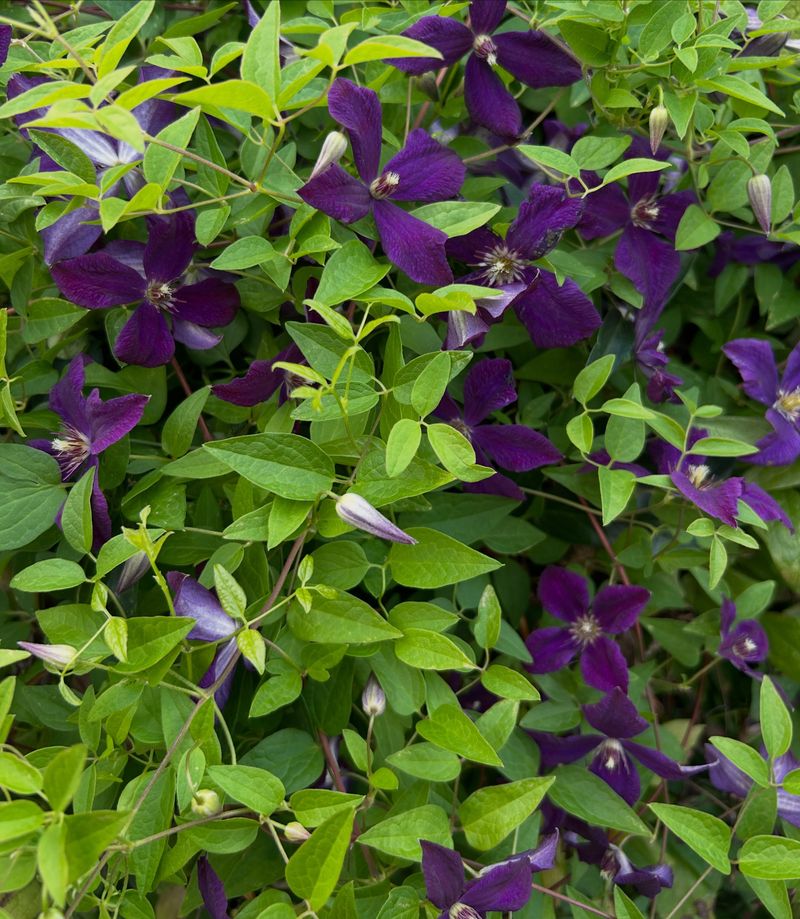
Walk through almost any neighborhood in Oregon during summer and you will likely spot a clematis somewhere. Those big, showy flowers in purple, pink, white, or deep red are hard to miss.
Clematis is one of the most popular fence climbers for good reason.
There are hundreds of clematis varieties, so picking the right one matters. For fence coverage, larger-flowered hybrids like Jackmanii or Nelly Moser work beautifully.
They produce blooms up to six inches across and flower heavily from early summer through fall if pruned correctly.
Clematis climbs by wrapping its leaf stalks around supports. A simple wire grid or lattice panel attached to your fence gives it exactly what it needs.
The stems are not self-clinging, so a little setup work at the start goes a long way.
One well-known tip for growing clematis successfully is to keep its roots shaded while its top reaches into the sun. Planting a low shrub or ground cover at the base works well.
A layer of mulch around the roots also helps keep moisture in during dry summer months.
Pruning rules vary by variety, so it is worth checking the label when you buy. Group three varieties, which are the ones that bloom on new wood, are the easiest to manage.
Cut them back hard in late winter and they come back stronger every year. Clematis is a fence-covering superstar for Oregon’s climate.
5. Chocolate Vine Growing Fast With A Little Training
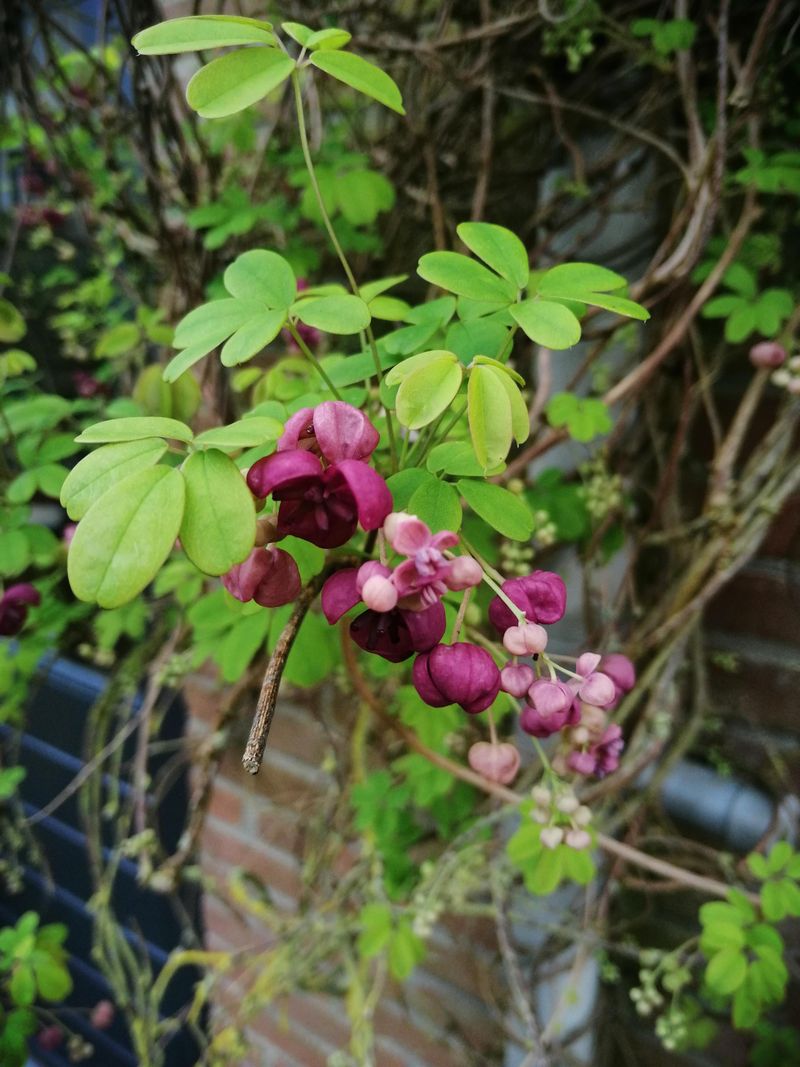
The name alone gets people curious. Chocolate vine, known botanically as Akebia quinata, earns its name from the faint chocolate scent of its small, deep purple flowers that appear in early spring.
The blooms are not large, but up close they have a quiet elegance that catches your eye.
Speed is one of this vine’s most talked-about qualities. In the right conditions, it can put on ten feet or more of new growth in a single season.
That kind of pace means a bare fence can look full within one growing season, which is exactly what many gardeners want.
The leaves are semi-evergreen in our state’s mild climate, meaning they often stay on the vine through winter. Each leaf is made up of five rounded leaflets arranged in a fan shape, giving the plant a delicate, layered look even when it is not in bloom.
Training is key with this one. Chocolate vine twines and will grab onto anything nearby, including other plants.
Directing it along a fence with a few ties early in the season helps keep it headed in the right direction. Without guidance, it can wander more than you want.
It grows well in sun or partial shade and handles our wet winters and dry summers without much fuss. Trim it back after flowering to keep it in check.
For fast coverage with a touch of novelty, chocolate vine is a strong and reliable pick.
6. Trumpet Honeysuckle Giving Hummingbirds A Reason To Visit
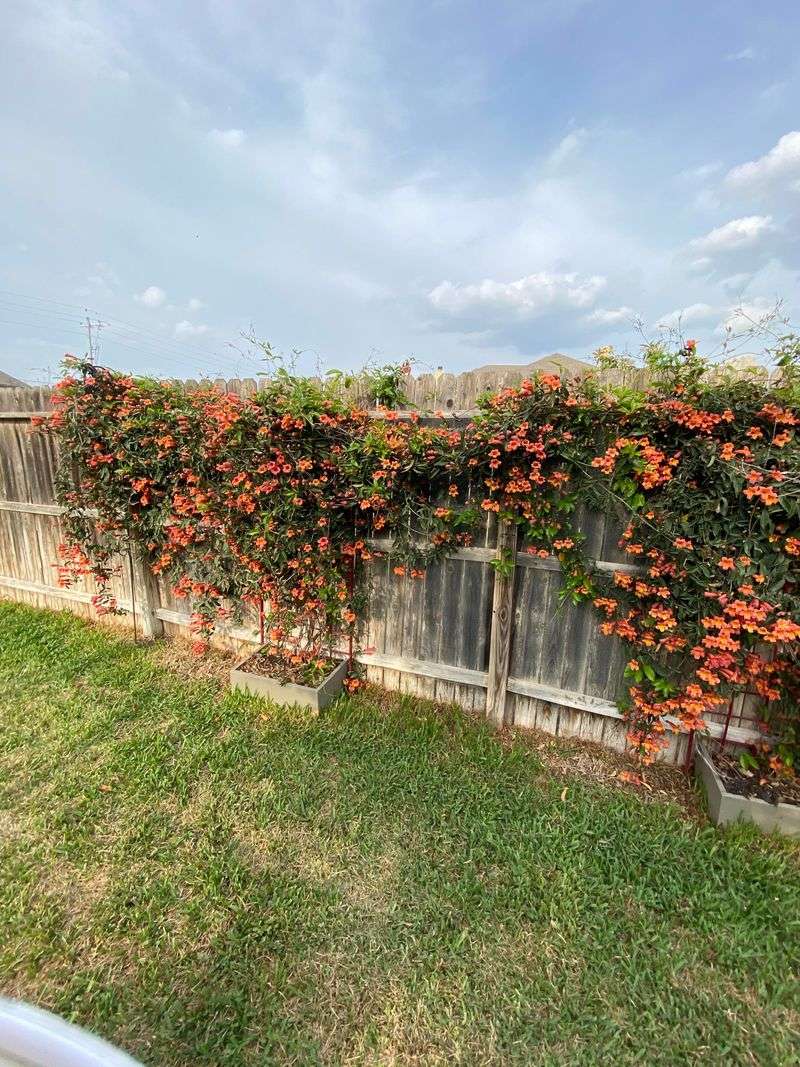
If you have ever wanted hummingbirds in your yard, trumpet honeysuckle is one of the fastest ways to make that happen. The long, tubular red and orange flowers are practically designed for hummingbird beaks, and these tiny birds find them almost immediately after the blooms open.
Lonicera sempervirens is the native trumpet honeysuckle, and it behaves very differently from invasive varieties. It stays where you plant it, twines neatly around fence supports, and does not spread aggressively by runners or self-seeding.
That makes it a practical choice for gardeners who want beauty without the regret.
Bloom time stretches from late spring all the way through summer and into early fall. That long flowering window means your fence stays colorful for months, not just a few weeks.
The red berries that follow the flowers attract songbirds too, so the wildlife value keeps giving even after peak bloom.
It grows well in full sun and tolerates partial shade. Watering during dry spells in the first year helps it establish quickly.
A light pruning in late winter keeps the growth tidy and encourages more blooms. This vine does not need a lot of fuss to perform well.
For anyone who wants a fence that doubles as a wildlife habitat, trumpet honeysuckle is a genuinely exciting choice.
7. Evergreen Clematis Keeping Fences Covered Longer
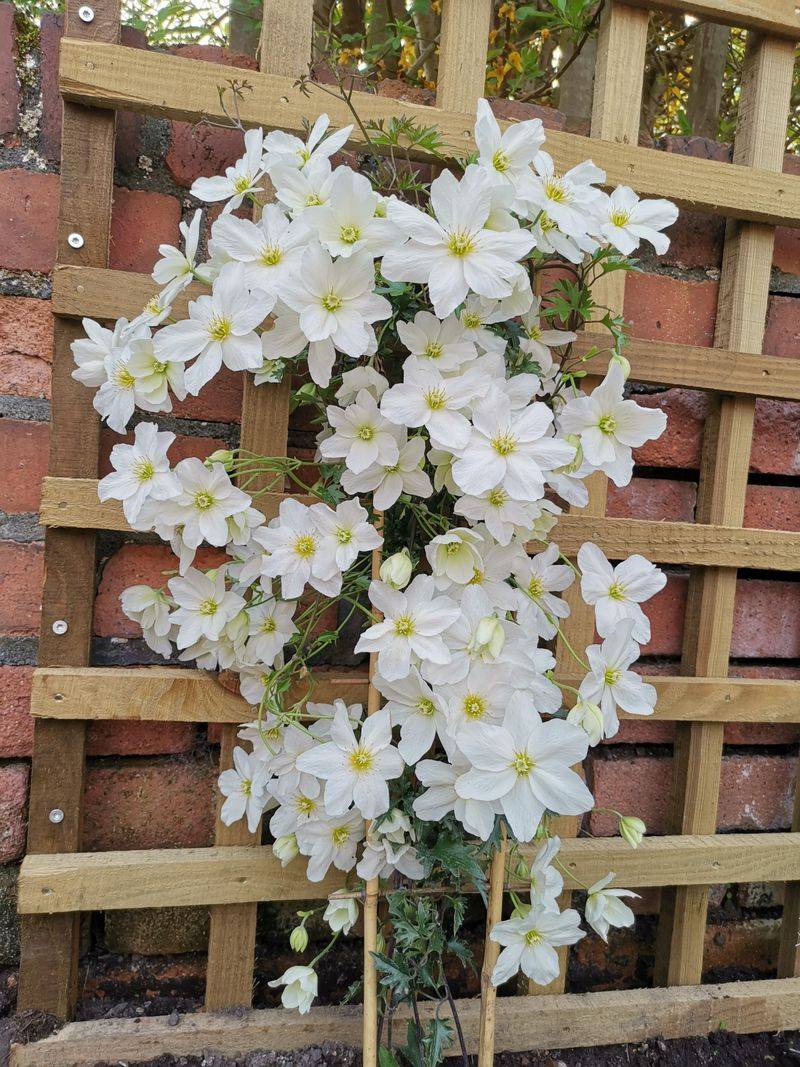
Most clematis varieties drop their leaves in fall and leave a fence looking bare through the colder months. Evergreen clematis, or Clematis armandii, takes a different approach.
It holds its glossy, dark green leaves all year long, which means your fence never looks empty no matter the season.
The flowers appear in late winter to early spring, often as early as February in mild areas of Oregon. They are small, white, and carried in large clusters that cover the entire vine.
The scent is sweet and light, similar to vanilla, and it drifts across the yard on warmer late-winter days when most other plants are still dormant.
Growth is fast and vigorous. In a warm, sheltered spot with good sun exposure, this vine can reach twenty feet or more over several seasons.
It needs a sturdy fence or support structure because the mature plant gets heavy.
Pruning right after flowering keeps the size manageable and prevents the base from getting too woody and bare. Skipping pruning for a few years leads to a tangle of growth at the top with little foliage below.
A consistent trim schedule makes a real difference in how this vine looks long-term.
It does best in a spot sheltered from harsh winter winds, which can damage the foliage in northern regions. Given the right location, evergreen clematis is one of the most rewarding and consistently beautiful fence plants available in this state.
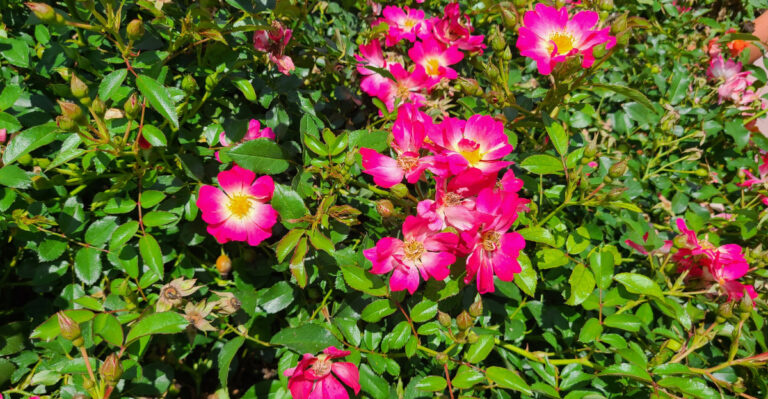
8. Climbing Roses Adding Privacy Without Smothering Everything
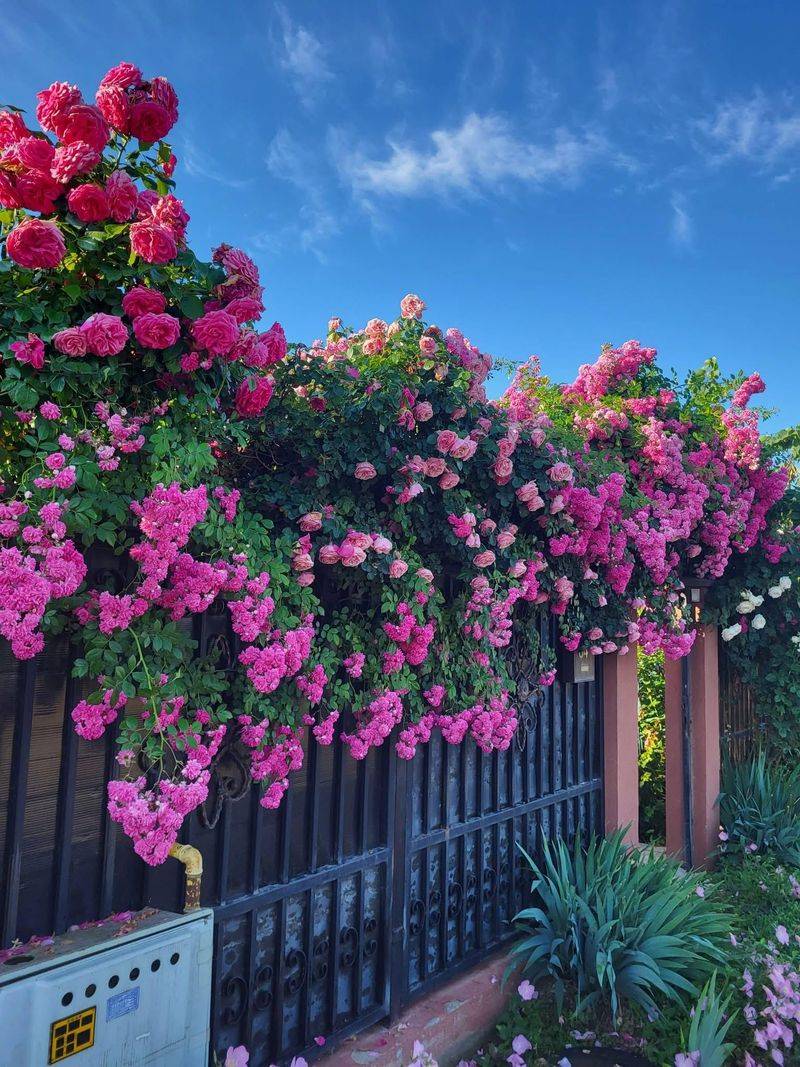
Few things in a garden turn heads like a fence draped in climbing roses. The combination of big blooms, rich fragrance, and arching canes creates a look that feels both classic and lush.
And unlike some climbers, roses give you full control over how much they grow and where they go.
Climbing roses are not true climbers in the botanical sense. They do not twine or cling on their own.
Instead, their long canes need to be tied to a fence or trellis as they grow. That extra step is worth it because you get to decide exactly how the plant is shaped.
Varieties like New Dawn, Zephirine Drouhin, and Fourth of July perform well in our state’s climate. They handle the wet springs and mild winters without developing the serious disease problems that plague roses in hotter, more humid parts of the country.
Good air circulation and a sunny spot are the two biggest keys to success.
Roses bloom most heavily in early summer, with many repeat-blooming varieties putting out a second or third flush through fall. Deadheading spent flowers encourages more blooms and keeps the fence looking fresh rather than tired.
Feeding with a balanced fertilizer in spring and again in midsummer supports strong growth without pushing the plant past what the fence can handle. With a little seasonal attention, climbing roses deliver privacy, beauty, and fragrance that no other fence plant quite matches.