5 Root Vegetables Wisconsin Gardeners Can Leave In The Ground And Dig Up After Frost
Wisconsin winters are long and cold, but that does not mean your garden work is done when the first frost hits. Some root vegetables actually taste better after they sit in the frozen ground for a while, turning their starches into sugars.
Leaving these crops in place also saves you the trouble of finding storage space in a chilly basement. Here are five hardy roots you can tuck under a blanket of mulch and dig up after the frost for a sweeter, fresher harvest.
1. Parsnips in Wisconsin
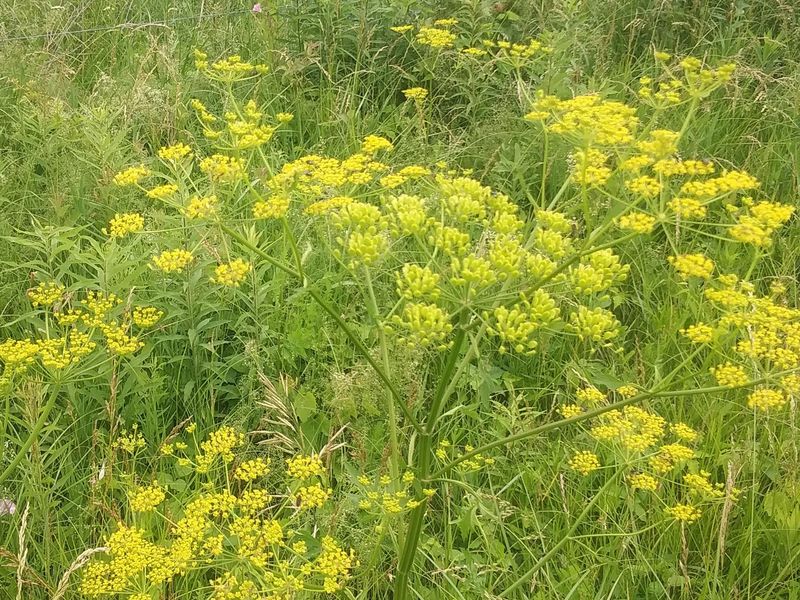
If any root can shrug off a brutal Wisconsin winter, it is the parsnip. These pale, sweet roots are exceptionally cold-hardy and actually get tastier after several weeks of freezing temperatures, which is why so many Wisconsin gardeners look forward to them.
Growers in central Wisconsin, even those stuck in Zone 4, have overwintered parsnips with real success. The trick for Wisconsin gardeners is to pile on a heavy layer of mulch, around 6 to 12 inches thick, using straw or compost to insulate the soil.
The best time to dig them up in Wisconsin is early spring, once the ground thaws but before the plants send up new growth or go to seed. Wait too long and Wisconsin gardeners will find the roots turn woody and lose that prized sweetness.
2. Carrots in Wisconsin
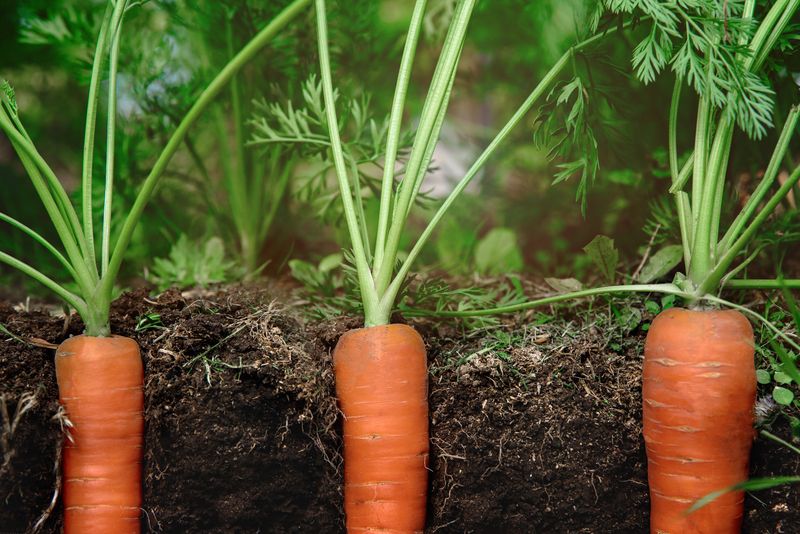
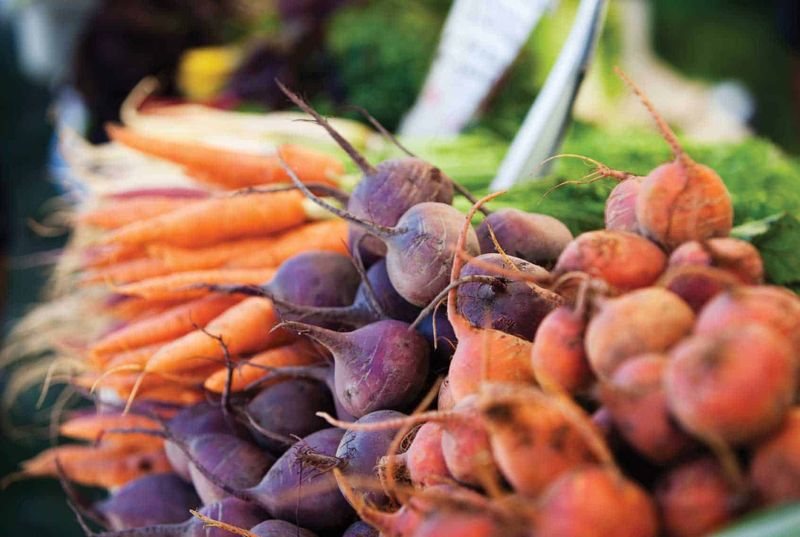
Few things beat pulling a crunchy, candy-sweet carrot from the frozen earth in the middle of a Wisconsin winter. Carrots are a very hardy crop for Wisconsin gardens, and they handle overwintering beautifully.
Cold, freezing temperatures common across Wisconsin naturally convert the starches inside carrots into sugars, giving them a flavor no store-bought carrot can match. To protect them, Wisconsin gardeners can cover the rows with about 12 inches of straw or leaves, or use a cold frame to keep the soil from locking up solid.
One determined Wisconsin gardener in Zone 3b pulled carrots from a raised bed at -5 degrees Fahrenheit, thanks to good snow cover and a thick straw blanket. Just remember that Wisconsin gardeners should harvest before spring warmth arrives, since heat pushes the plants to seed and turns the roots woody.
3. Salsify in Wisconsin
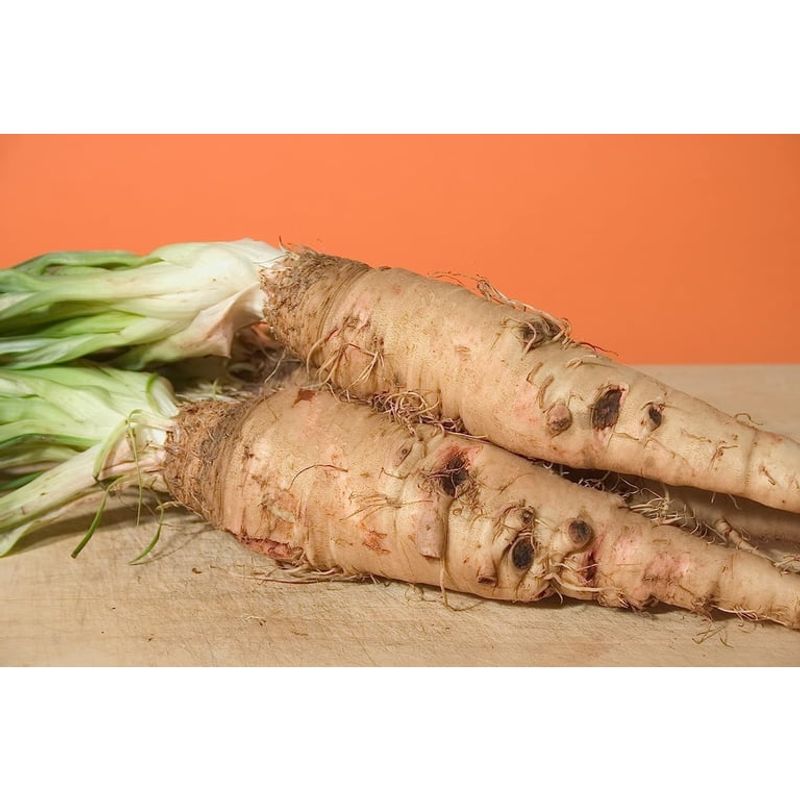
Ever heard of a vegetable that tastes faintly of oysters? Salsify is that quirky root, and it feels right at home in a Wisconsin garden thanks to its frost tolerance and hardiness down to USDA Zone 3, which covers much of the state.
Wisconsin gardeners can leave salsify tucked in the ground and dig it up in early spring, ideally before the plant enters its second year and shoots up a flower stalk. Keeping it in the soil until you are ready to cook means no fussing with complicated storage methods.
A layer of mulch spread over the crown helps hold soil temperatures steady through the ups and downs of a Wisconsin winter. For gardeners who love trying something a little offbeat, salsify rewards the curious.
4. Scorzonera in Wisconsin
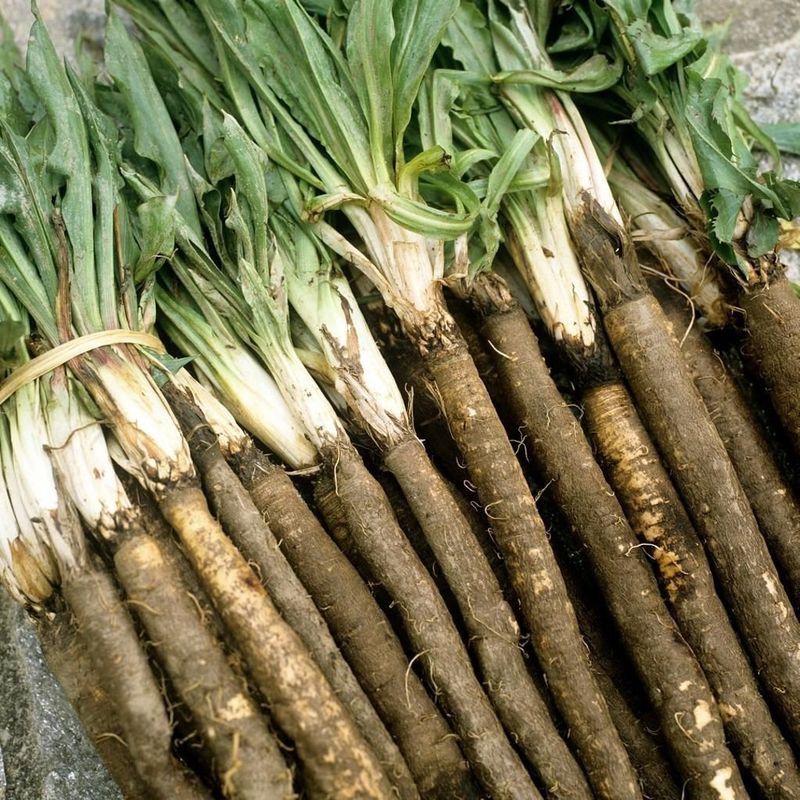
Meet the dark cousin of salsify. Scorzonera, often called black salsify, is a rugged root that overwinters just as well in Wisconsin gardens, showing off the same Zone 3 toughness.
Your Wisconsin Garden Changes Every Week. Your Plan Should Too.
Gardening in Wisconsin changes quickly throughout the season. Every Friday you’ll receive a simple weekly plan showing exactly what to plant, prune, fertilize, harvest, and protect so you never miss the right timing.
Like most overwintered roots in Wisconsin, its flavor takes a noticeable turn for the better once frost sets in. A generous layer of mulch over the root zone is especially helpful for Wisconsin gardeners, since it keeps the ground from freezing rock-solid and lets you harvest right through the winter months.
Scorzonera has a bonus trick up its sleeve, too. It can grow into a second year without losing its kitchen quality, giving Wisconsin gardeners some flexibility that most root crops simply do not offer.
5. Horseradish in Wisconsin
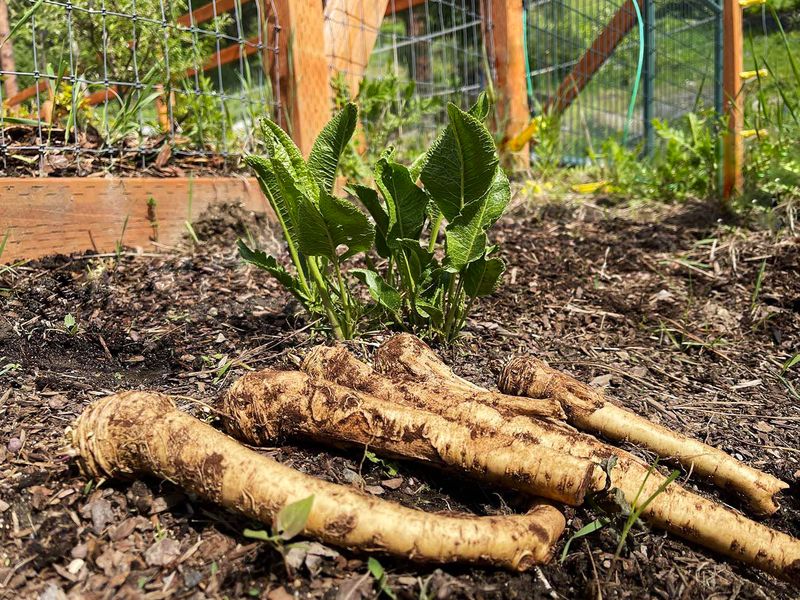
Fiery, pungent, and impossible to ignore, horseradish is the bold one on this list. As a perennial hardy in USDA Zones 3 through 8, it is a natural fit for Wisconsin gardeners who want a plant that comes back year after year.
The plant genuinely welcomes a cold snap, which is essential for its yearly vigor, making the deep chill of a Wisconsin winter an asset rather than a threat. Wisconsin gardeners can dig the roots either in late fall, usually October or November, or in early spring just as new growth pushes up.
Spreading mulch around the base gives the roots vital insulation during frigid Wisconsin nights. For the best texture, Wisconsin gardeners should harvest roots no older than two years, since older ones tend to turn woody and lose their punch.
6. Mulching Tips for Wisconsin Roots
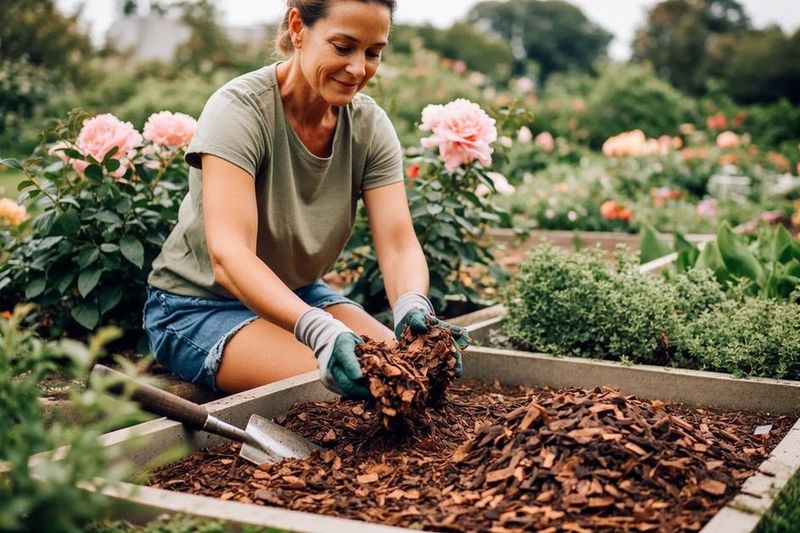
The secret behind every one of these overwintered crops comes down to one humble ingredient: mulch. Without a proper blanket, even the toughest roots can freeze solid and become nearly impossible to dig in a Wisconsin winter.
Most experts advise Wisconsin gardeners to lay down 6 to 12 inches of straw, shredded leaves, or compost before the ground freezes hard. This layer traps warmth, keeps soil workable longer, and makes late-season harvesting far less of a battle for Wisconsin gardeners.
Natural snow cover acts as a bonus insulator on top of your mulch, so heavy-snow winters actually work in your favor. A little planning in fall means Wisconsin gardeners can keep pulling fresh roots long after neighbors have packed their gardens away.
7. When to Harvest in Wisconsin
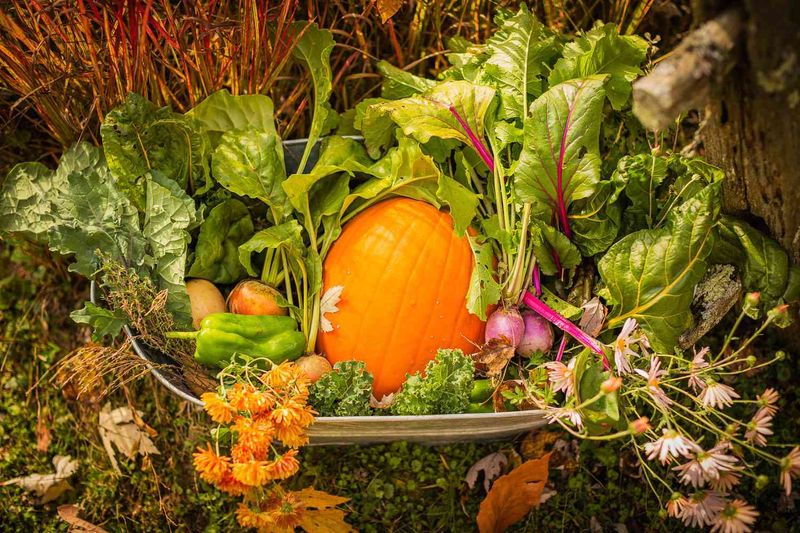
Timing turns a good overwintered harvest into a great one. Dig too early and you miss the sugary payoff; wait too long and the roots turn woody as the plants race to flower.
For most of these crops, Wisconsin gardeners get the sweetest results by harvesting in early spring, after the ground thaws but before new top growth appears. Horseradish is the flexible exception, since Wisconsin gardeners can pull it in late fall or early spring depending on their schedule.
Keep an eye on the soil and the weather, because a warm spring stretch can push plants to seed faster than expected. With a little attention to the calendar, Wisconsin gardeners can enjoy homegrown roots that taste better straight from the frozen ground than anything on a store shelf.