Clusters Of Spiky Black Caterpillars Are Defoliating Iowa Walnut Trees Before Dropping To The Ground
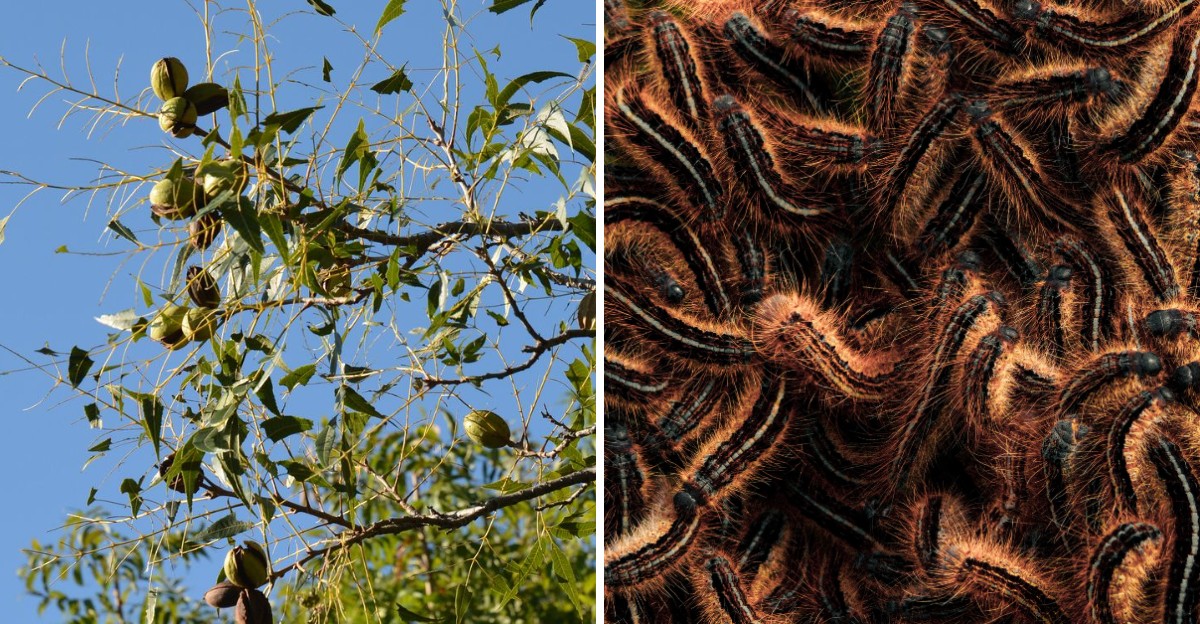
You hear it before you see it, a dry rustle drifting down from branches. Look up, and the whole canopy looks strangely thin for late summer. Crowds of caterpillars travel in a dense, shifting mass.
Iowa homeowners swear rain is falling on a bone dry porch. Branches thin out fast, and nobody saw it coming. September flips the script, pulling the whole crowd downward.
Sidewalks fill overnight with squirming, uninvited traffic. Porches turn into highways for tiny determined travelers. Neighbors trade guesses across Iowa, confidently and incorrectly.
Trees stand half bare, pretending they planned it. Your steps crunch with movement you did not expect. Curiosity pulls you closer, though answers stay scattered.
Explanations bounce between fences, rarely landing on truth. Patterns emerge fast once you know where to look. Answers keep unfolding ahead, and you will want to know them.
The Spiny Culprit Behind Iowa’s Bare Branches
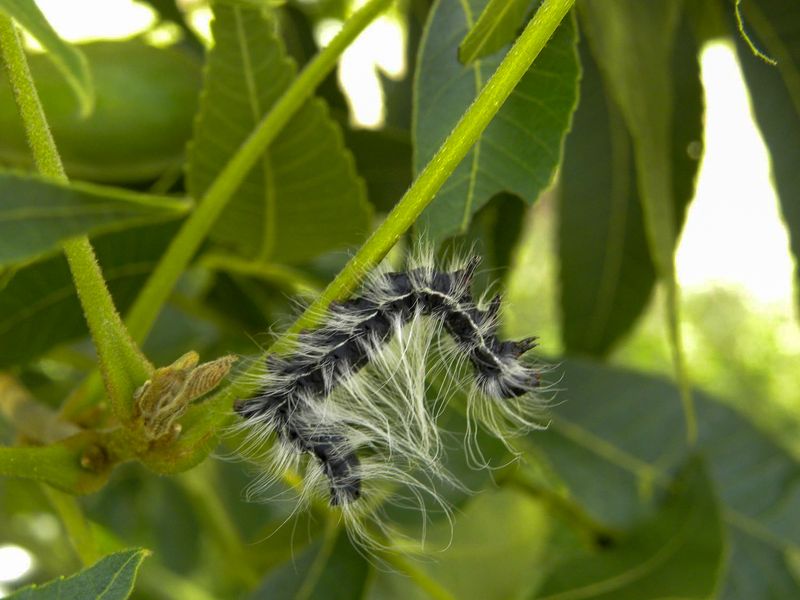
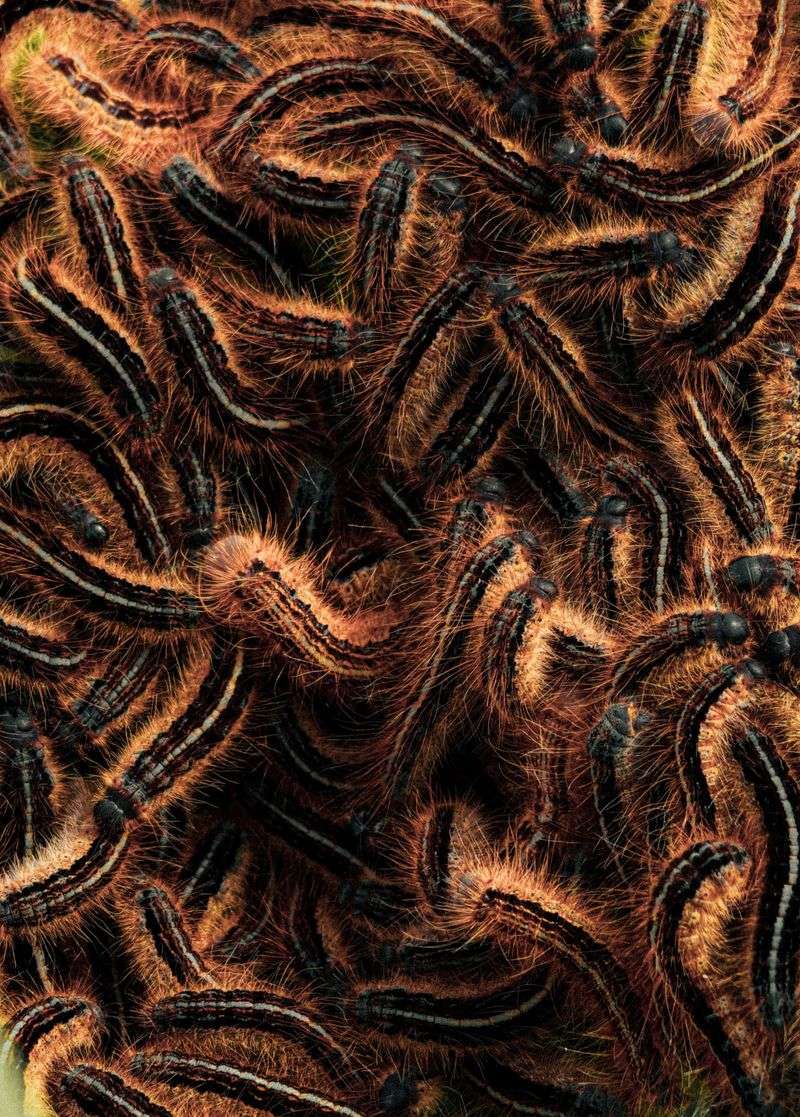
Walnut caterpillars are the ones behind those stripped limbs, and they travel in tight, wriggling packs. Young ones look reddish brown with pale stripes, then darken as they grow older.
Mature larvae reach about two inches long and wear long, soft, gray-black hairs across the body. Those hairs give the fuzzy, spiky look that makes people stop short on the sidewalk.
The adult is a plain brown moth that few Iowans ever notice in the yard. She lays eggs in flat patches of several hundred on the underside of leaves.
Black walnut is the favorite host, though hickory, pecan, and butternut get visits too. Eggs hatch together, so the young feed shoulder to shoulder from the very first day.
Iowa State University Extension periodically receives homeowner inquiries about walnut caterpillars. Damage can look severe, yet a healthy older tree handles a single rough season surprisingly well.
Look for bare twigs with leaf stems still attached, a signature left after the feeding. Underneath, droppings scatter across the grass like coarse pepper on a plate.
Handling them bare-handed can leave an itchy rash on sensitive skin, so gloves are smart. Identification matters, because the right name points you toward the right response later.
Squirrels, birds, and parasitic wasps all take a share of the population each summer. Nature rarely clears every cluster, but it does trim the crowd more than people expect.
Once you know the culprit, the odd rustling overhead stops feeling quite so mysterious. In Iowa, walnut trees simply host a late-summer guest with terrible table manners.
Late August Into September Timing For Iowa Broods
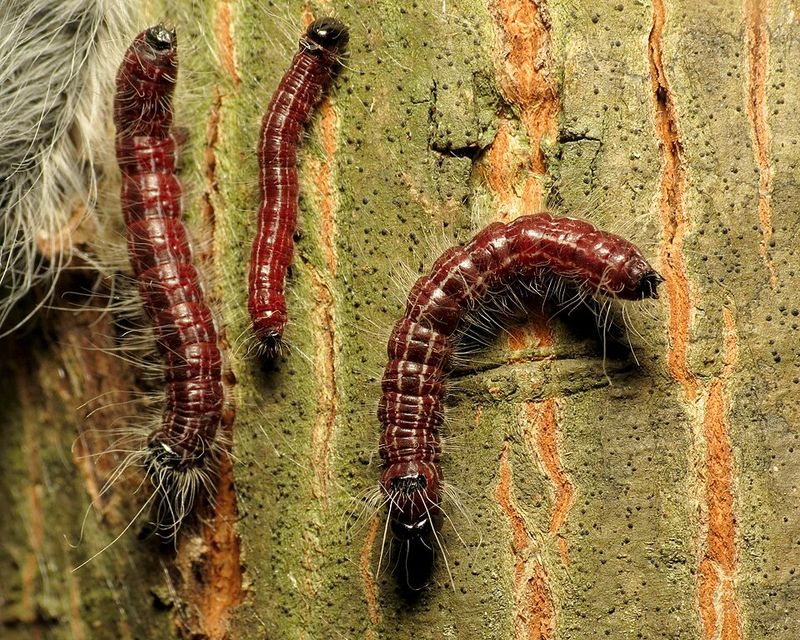
Timing explains a lot about the sudden bare branches showing up right now across Iowa. Moths fly in late spring, and the first round of larvae feeds through early summer.
A second, larger round usually hatches in late July and August, which is the loud one. By early September, those larvae are big, hungry, and finishing their last growth stages.
Appetite grows with size, so the final week of feeding causes most of the stripping. A branch can go from full to skeletal in just a couple of warm days.
Your Iowa Garden Changes Every Week. Your Plan Should Too.
Gardening in Iowa changes quickly throughout the season. Every Friday you’ll receive a simple weekly plan showing exactly what to plant, prune, fertilize, harvest, and protect so you never miss the right timing.
Warm, dry Iowa summers appear to favor bigger second broods, based on general outbreak observations. Cool, wet stretches slow them down and give natural enemies a better chance.
Once feeding wraps up, the whole group leaves the tree and crawls down to soil. They burrow a few inches deep and change into pupae for the winter months.
That underground rest is why September sidewalks suddenly host parades of dark, hairy travelers. Spring warmth pulls the moths back out, and the cycle starts over again.
Knowing the calendar helps, because treatment works best on small larvae in early August. Waiting until September means the harm is mostly done, and sprays add little value.
Mark your calendar for next July and check the lower limbs every week or so. Ten minutes of scouting beats a month of staring at bare branches.
Iowa outbreaks often cluster in some years and skip others, so patterns shift. Neighbors two miles away may see nothing while your yard hosts the whole party.
Trunk Huddles And The Great Drop To The Ground
Something strange happens before each molt, and it looks like a dark stain on bark. The entire group crawls down to the trunk or a large limb and piles up.
There they shed their skins together, leaving a fuzzy gray mat stuck to the bark. Old skins stay behind for weeks, which puzzles homeowners who find them after the fact.
After molting, the crowd marches back up and resumes feeding on the nearest green leaves. Each round of shedding makes them larger, darker, and noticeably hairier than before.
The final descent is different, since nobody climbs back up that time. Hundreds of larvae drop or crawl to the ground, then dig into loose soil.
Patios, driveways, and pool decks end up dotted with wandering larvae for several days. Pets sniff them, kids poke them, and startled reactions are common on the back porch.
Sweeping them into a bucket of soapy water handles the wanderers without any chemicals. A stiff broom and five minutes each evening keeps walkways clear during the peak.
Trunk huddles also offer the best control window, because the whole group sits in reach. Scraping a cluster into a bucket removes hundreds at once with almost no effort.
Wear gloves and long sleeves, since those hairs irritate skin on many people. One tidy sweep beats chasing individual larvae across the lawn all weekend.
Watch for a dark, shifting patch about chest height on older walnut trunks. Spot it early and you can end the problem before the leaves disappear.
Common Missteps That Make The Damage Feel Worse
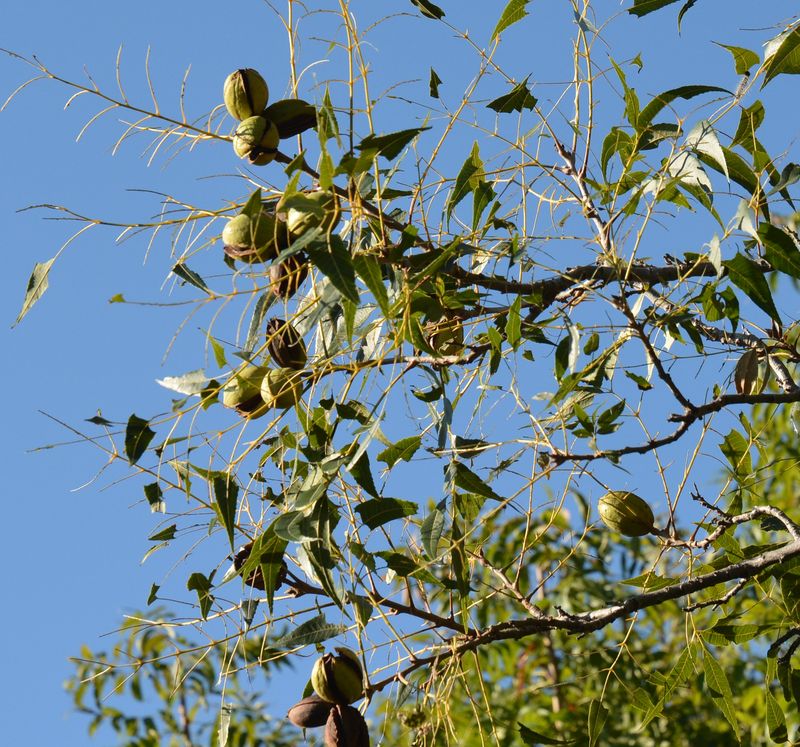
A common first mistake is spraying an entire tall tree unnecessarily. Mature walnut trees can reach sixty feet or more, well beyond the reach of a hose sprayer.
Homeowners soak the lawn with insecticide instead, which harms bees and does nothing useful. Larvae in the canopy simply keep eating while the driveway gets a chemical bath.
Another slip involves waiting too long, since large larvae shrug off most products. By the time branches look bare, the group has already finished its meal.
Some people reach for a torch or burn the clusters right off the bark. Scorched bark invites decay and borers, so the damage from burning often outweighs the benefit.
Bare hands are a rookie error too, because the hairs can raise an itchy rash. Children who collect them in jars often regret the experiment within an hour.
Assuming a stripped tree is finished causes needless worry among rural Iowa landowners. Established walnuts store energy in roots and push new leaves the following spring.
Ignoring repeat years is the quieter mistake that actually matters over time. Back-to-back defoliation stresses a tree, especially during drought, and invites other problems.
One more misstep, cutting healthy limbs to remove clusters, trades a small problem for lasting structural damage. Prune for structure in winter, not in a September fit of frustration.
Start with scouting, gloves, and a bucket of soapy water. Simple tools handle this pest better than anything sold in a fancy spray bottle.
Practical Control For Clustered Larvae On Yard Trees
Start with the easiest tool available, which is a gloved hand and a five-gallon bucket. Fill it with soapy water, scrape a cluster in, and the job is finished.
Timing beats firepower here, so check trunks and low limbs weekly through August. Small groups are easy to reach before they spread across the upper canopy.
For young larvae on small trees, products containing Bacillus thuringiensis work nicely and spare pollinators. Spray thoroughly on leaf undersides where the feeding crowd actually sits.
Spinosad and insecticidal soap also help on shorter trees within easy reach. Read the label, respect the timing, and avoid treating during or shortly after bloom nearby, since spinosad residue remains bee-toxic for a period.
Tall mature trees are a different story, since coverage from the ground is poor. A certified arborist has the equipment and training to treat safely at that height.
Hosing clusters off the trunk with strong water pressure knocks many larvae to the ground. Sweep the fallen crowd into soapy water so they do not simply climb back up.
Bands of burlap or sticky material around the trunk can slow the marching groups. Check bands often, because trapped larvae attract wasps and make a sticky mess.
Control on one tree rarely fixes a whole neighborhood, so chat with your neighbors. Shared scouting catches clusters early across several yards at once.
Above all, match the effort to the tree, because a huge walnut needs professional help. Small yard trees respond well to a bucket, a hose, and a little patience.
Long Term Tree Health And Next Season Prevention
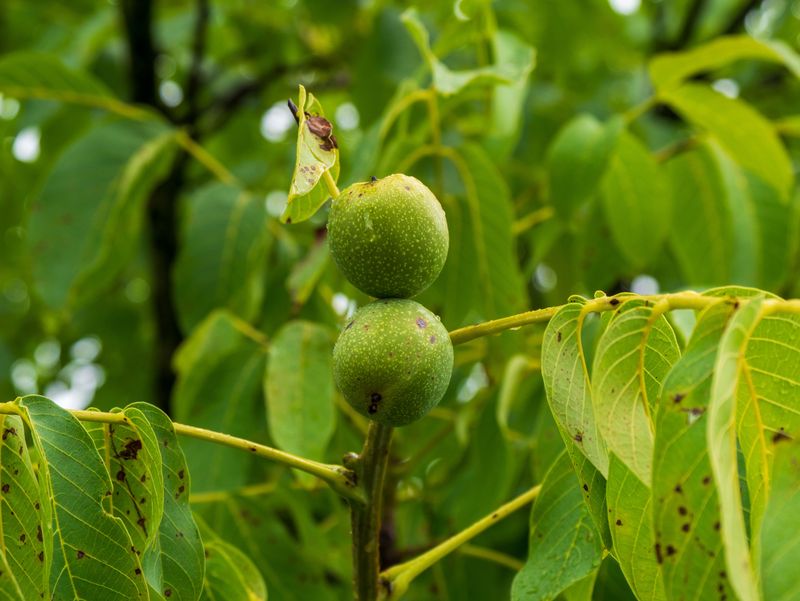
Trees have more resilience than most people expect, and walnuts are tough customers. One late-season stripping rarely leaves lasting harm on an established, well-rooted specimen.
Nut production can dip the following year, which orchard growers notice more than homeowners. Leaves return in spring, usually right on schedule, with no visible reminder of September.
Water matters most during recovery, especially through a dry Iowa autumn. Give a mature tree a slow, deep soak every two weeks without standing water.
Mulch spread in a wide ring protects roots and keeps mower blades away from bark. Keep it a few inches from the trunk so moisture does not sit against wood.
Skip heavy nitrogen fertilizer right after defoliation, since stressed trees handle it poorly. A soil test in spring gives better guidance than guesswork from a bag.
Prevention next year starts with a July habit of checking egg patches under leaves. Flat clusters on the undersides mean a feeding crowd arrives within about two weeks.
Encourage natural helpers by leaving flowering plants nearby for parasitic wasps and predatory beetles. Birds take plenty as well, especially when a yard offers water and cover.
Outbreaks come and go, so a heavy year does not promise another one ahead. Keep notes on dates and trees, and patterns show up within a few seasons.
A stripped walnut in September looks alarming, yet the story usually ends quietly. Next June, the leaves come back and the incident becomes a minor memory.