The Tiny Red And Black Bugs Crawling Up Your Iowa Home Are Not Here For The Pumpkins
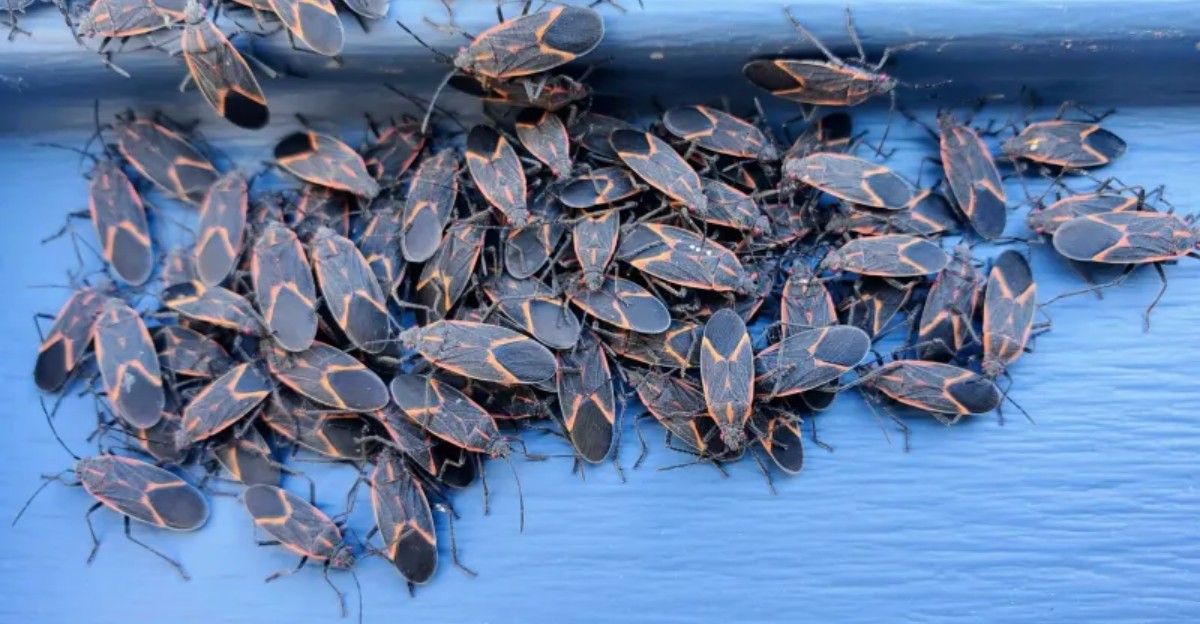
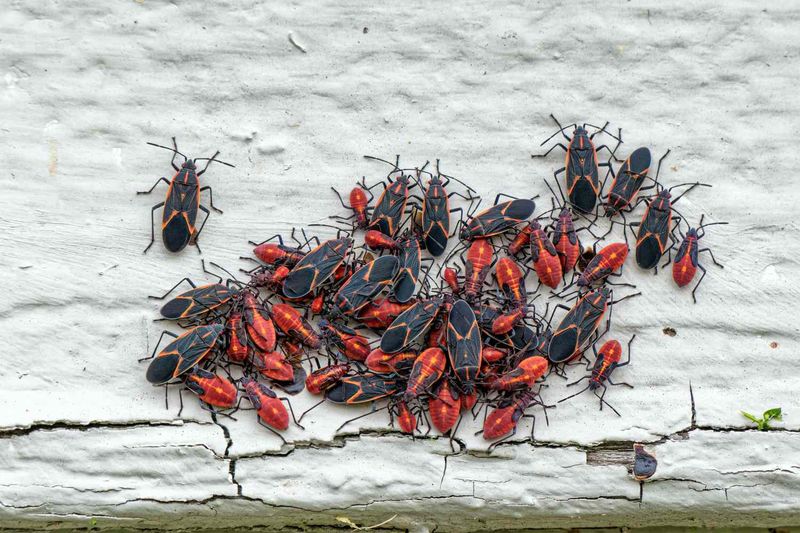
Swarms of red and black bugs just ignored your pumpkins for a bigger prize. You stand on your porch, and they climb your siding in large numbers.
Boxelder bugs arrive across Iowa each October, and sunny walls are their staging area. Brush a few off your window screen and you will catch a sour, bitter odor.
That smell is a defensive secretion, and a light touch can easily release it. Warm curtains tempt them because they crave shelter before the freeze.
Pumpkins offer them cold skin, smooth curves, and no gaps to squeeze into. Your trim, vents, and window frames offer exactly what they scout for.
They favor Iowa homes with sunny southern walls, and yours may qualify. Their movements follow the warmth of afternoon sunshine. Spot the tiny gap they chose, and you can seal it before next fall.
Boxelder Bugs Hunting For A Warm Winter Hideout
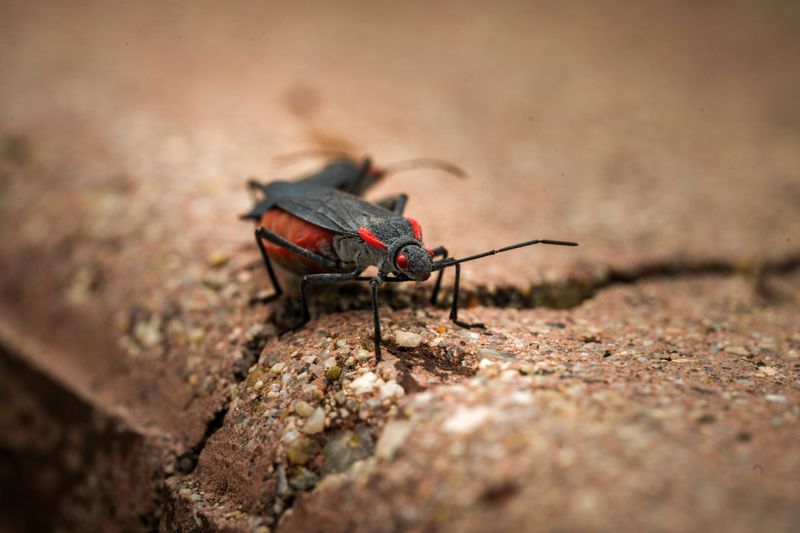
Picture a tiny traveler packing for winter with no suitcase, just a strong urge to find warmth. Boxelder bugs are exactly that kind of traveler, and your house looks like a five-star hotel.
Pumpkins are not on their menu at all. Boxelder bugs mostly feed on the seeds and sap of boxelder trees, plus some maple and ash trees.
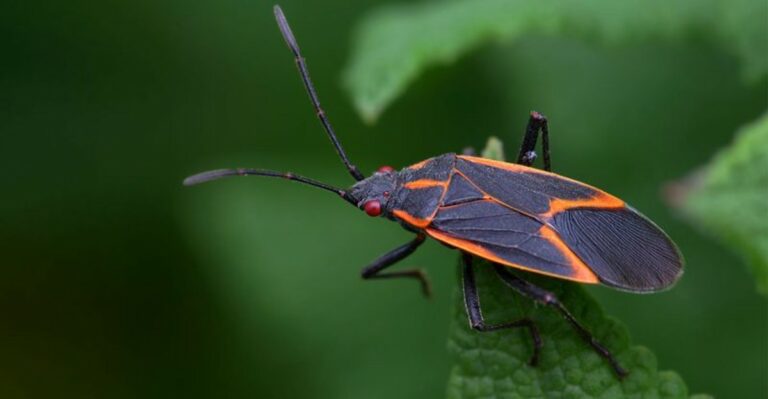
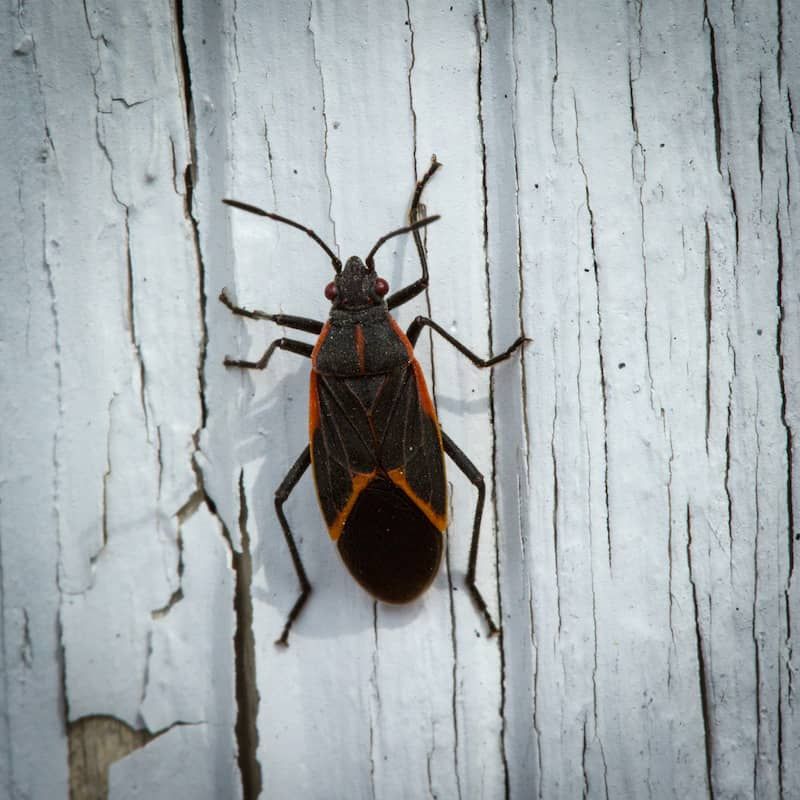
Adults are about half an inch long, with black bodies and bright red or orange lines on their backs. Young nymphs look smaller and redder, like little moving drops of ketchup.
Once fall nights turn chilly, these insects stop eating and start searching for shelter. They need a protected spot where they can rest quietly until the weather warms again.
Your home checks every box on their wish list. Tall walls soak up sunshine, and small gaps around windows lead to dark, cozy spaces inside.
Out in the wild, boxelder bugs would hide under tree bark or piles of leaves. Houses simply offer better heat and fewer cold drafts, so the bugs happily move in.
Boxelder bugs are harmless to people, though they may occasionally pinch skin, and they do not chew wood or wiring. Their main impact is the nuisance of large numbers.
The pumpkin on your porch is just an innocent bystander in this story. Many people blame their fall decorations, but the bugs would arrive even with a bare porch.
Knowing their true goal helps you respond calmly instead of overreacting. You are dealing with insects seeking warm shelter, not a serious threat to your garden.
The October Sunshine That Sends Them Up Your Siding
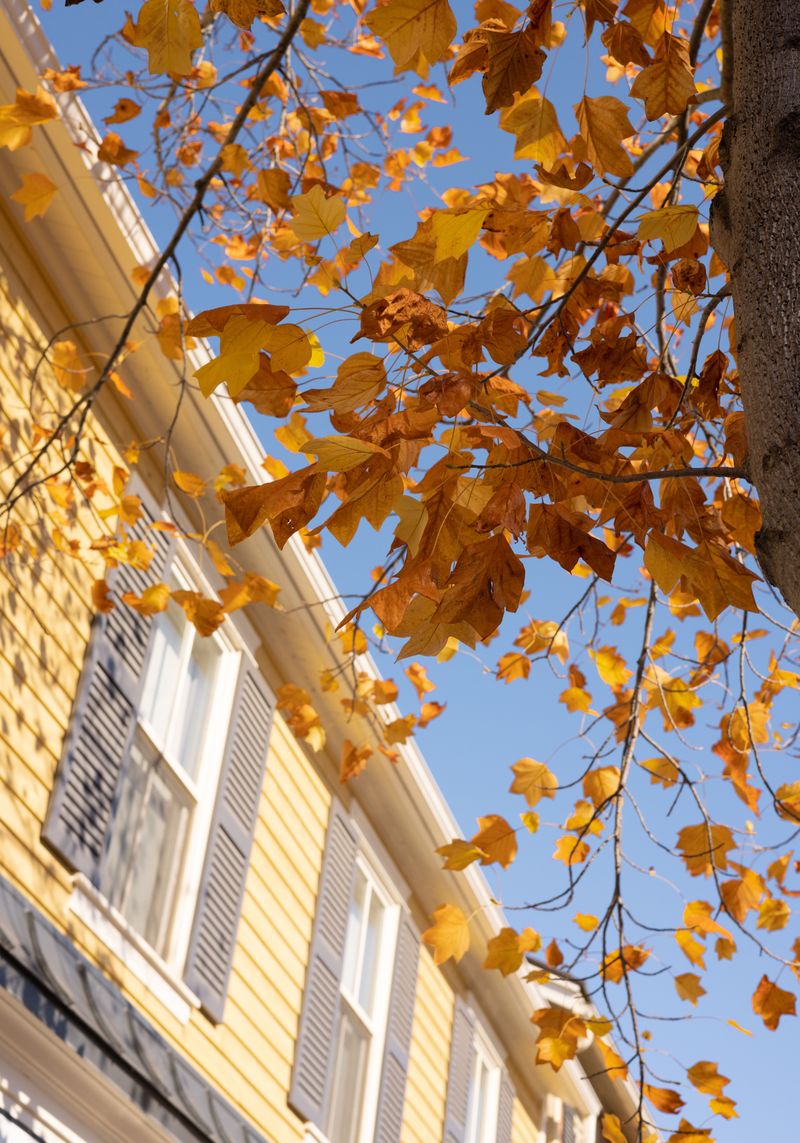
Grab a cup of cider and watch your south-facing wall around two in the afternoon. On warm October days, that sunny wall can look busier than a school hallway.
Boxelder bugs love heat, and they follow it like kids follow the smell of fresh cookies. Walls facing south and west collect the most sun, so crowds gather there first.
The biggest gatherings usually happen in late September and October in Iowa. A warm spell after a cold night often triggers large movements of bugs.
Your Iowa Garden Changes Every Week. Your Plan Should Too.
Gardening in Iowa changes quickly throughout the season. Every Friday you’ll receive a simple weekly plan showing exactly what to plant, prune, fertilize, harvest, and protect so you never miss the right timing.
Cool mornings send them hiding in cracks, then afternoon sunshine coaxes them back out. You may see few in the morning and many by afternoon.
These bugs also use scent signals to call friends to a good spot. One sunny corner can quickly become the neighborhood meeting place for thousands.
Sun exposure matters more than siding color. Brick and stone can also hold heat, which may draw bugs.
Iowa farm families have noticed this autumn pattern for generations. Many grandparents can tell you exactly which wall becomes the busiest each year.
Once a hard freeze settles in, outdoor activity drops off quickly. The bugs that found shelter tuck themselves away and wait for spring sunshine.
Watching the timing can help you plan your defense. Checking that sunny wall in early fall gives you a head start before the big rush arrives.
Think of it as a weather report written in red and black. When the bugs crowd your walls, warm afternoons are doing the inviting for them.
Common Mistakes That Make Boxelder Bugs Worse
A quick swat feels satisfying for about one second, until you see the orange stain left on your white curtain.
Squashing boxelder bugs is a common mistake homeowners make each fall. Their bodies release a reddish fluid that can stain fabric, carpet, and painted walls.
Crushed bugs also give off a sharp, unpleasant smell. That odor may linger in a room longer than you would like.
Broad-spectrum insecticides are another tempting choice that often backfires. Sprays may handle the bugs on the wall today, but new ones keep flying in tomorrow.
Many insect sprays can also harm helpful creatures like bees and ladybugs. Pets and kids playing near treated siding may come into contact with the residue too.
Some folks cut down every boxelder tree nearby, hoping to solve the issue forever. Bugs can fly a long way, so neighbors’ trees still send visitors.
Leaving bugs inside your walls to handle later is another misstep. Ones that sneak in now will wander out on warm winter days and surprise you.
Vacuuming them up with a regular household bag can create its own stinky problem. Use a separate bag or empty the canister outside right away.
Bug zappers are not effective against boxelder bugs. Save your money for caulk and screens instead.
Try to swap frustration for patience and smarter tools. A calm approach protects your belongings, your family, and the friendly insects in your yard. Grab a vacuum or soapy water instead of a shoe. Your curtains will thank you.
Soapy Water And A Trusty Vacuum
A bucket, some dish soap, and a little patience can work better than many gadgets. Simple tools work best against boxelder bugs gathered on your siding.
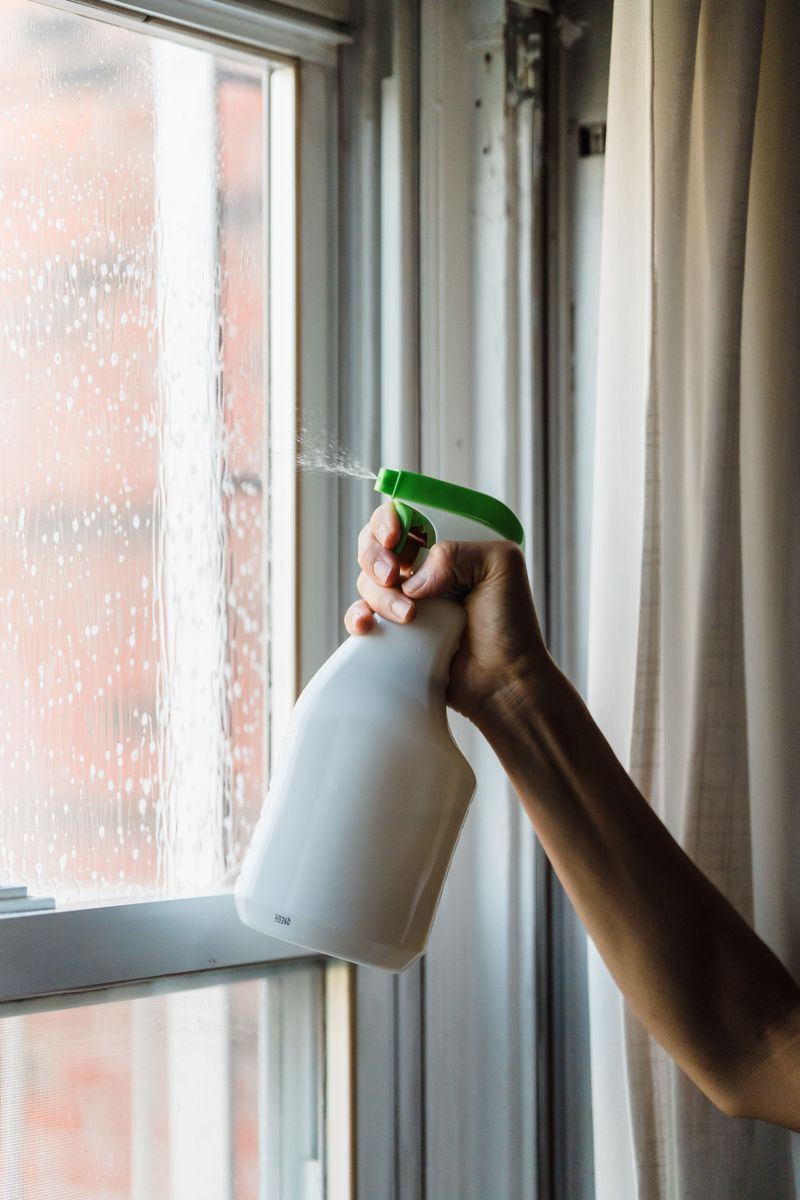
Mix water with a few squirts of dish soap in a spray bottle. Spray the bugs directly, and the soapy coating controls them on contact.
Soapy water is usually gentle on siding and generally safe around pets once it dries. Test a small area first and avoid spraying flowers where bees feed. Reapply on sunny afternoons, since new bugs keep arriving during warm spells.
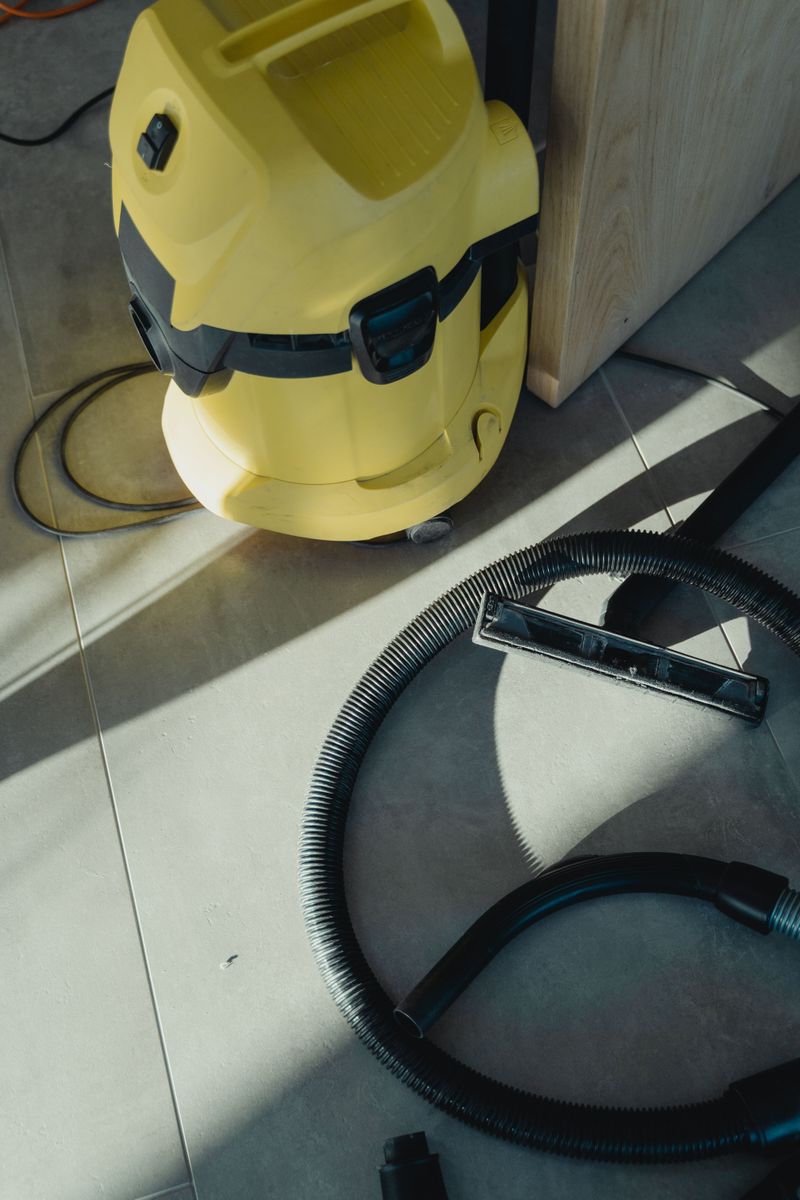
Indoors, a shop vacuum or handheld vac is your best friend. Empty it outdoors or seal the bag so the smell stays out of your house.
Some people place a nylon stocking inside the vacuum hose with a rubber band. The bugs collect in the stocking, and you can drop them into soapy water, since released bugs often fly back.
A garden hose can also knock large clusters off walls on warm days. The blast sends them tumbling, though some will return later in the afternoon.
Sticky traps placed near windows may catch some indoor wanderers. Check them weekly and swap them out once they fill up.
For large populations, a licensed pest control professional can treat outside walls following label directions. Ask them about timing, because treatments work best before bugs move indoors.
Kids can help too, which turns a chore into a backyard science project. Let them count bugs before and after spraying to track your progress.
Mixing a few fixes together usually brings the best results. Soap outside, a vacuum inside, and steady attention can improve the situation, though results vary with the number of bugs and entry points.
Quiet Guests In The Walls Until Spring
January in Iowa can feel endless, but sometimes a surprise guest shows up on the window. A single boxelder bug strolls across the glass like it just woke from a long nap.
That sleepy visitor spent fall hiding in a wall, attic, or window frame. Boxelder bugs enter a resting state called diapause during the coldest months.
During this rest, they do not eat or lay eggs inside your home. They simply wait for longer days and warmer temperatures to return.
A sunny winter afternoon can fool them into thinking spring has arrived. Warmth from your furnace may also confuse them, drawing them toward living spaces.
Confused bugs often gather near windows, lamps, and sunny walls indoors. They move slowly and look lost.
These indoor wanderers will not damage your furniture or food, and they cause little harm to house plants. They cannot breed inside, so the population will not grow during winter.
Spotting a few bugs in February does not mean your home is overrun. It usually just means your walls held a few quiet guests all season.
Most stray bugs eventually dry out indoors since they lack water and food. Others survive until spring and try to head back outside.
When warm weather returns, the survivors leave your walls and fly toward boxelder trees. Females lay eggs on bark, leaves, and other plant surfaces, and a fresh generation begins.
Keep a small jar handy near sunny windows during winter months. Scoop up wanderers and drop them outside, or toss them in soapy water.
Sealed Cracks And Smart Tree Choices For Next Fall
Ben Franklin once said an ounce of prevention is worth a pound of cure. That advice fits boxelder bugs perfectly, especially when you start early.
Walk around your house in late summer with a flashlight and a tube of caulk. Look for gaps around windows, doors, pipes, vents, and cables.
Seal small cracks with silicone or latex caulk, and use foam for larger openings. Even a gap as thin as a pencil line can let bugs slip inside.
Repair torn window screens and add sweeps under doors that leave daylight showing. Cover attic and soffit vents with fine mesh screening for extra protection.
Check your seals in bright daylight, when missed gaps show up best. Fill any spots you skipped before calling the job finished.
Female boxelder trees produce the seeds these insects love most. If you plant new trees, pick a male boxelder or a different species altogether.
Rake up fallen boxelder seeds and leaf piles near your foundation each fall. Fewer hiding spots and snacks nearby make your yard less inviting.
Keep mulch and firewood a few feet away from your walls. Bugs love tucking into these cozy piles before climbing toward the siding.
Try to finish sealing by early September, before the October rush begins. Once bugs start gathering, they will already be squeezing into gaps you missed.
Next fall, your porch pumpkins can enjoy the spotlight without red and black unwelcome guests. A few hours of work now buys you a much calmer autumn.