Coffee Grounds Rarely Change Georgia Hydrangea Color But This Fall Step Can
Plenty of Georgia gardeners have scattered coffee grounds around a hydrangea, hoping for bluer flowers next summer. When the blooms return the same shade, it is easy to wonder what went wrong.
Coffee grounds add organic matter, but on their own they rarely shift bloom color much.
Bigleaf hydrangea color depends mostly on soil chemistry, and changing that takes more than a few cups of grounds.
The shift also takes time, since roots need a while to take up what is in the soil. That is why timing matters as much as the change itself.
Acting in fall gives your plant a head start on the colors you want next season.
Think back to what color your hydrangea bloomed this year, since that says a lot about your soil now.
1. Blue Or Pink Comes Down To What’s In The Soil
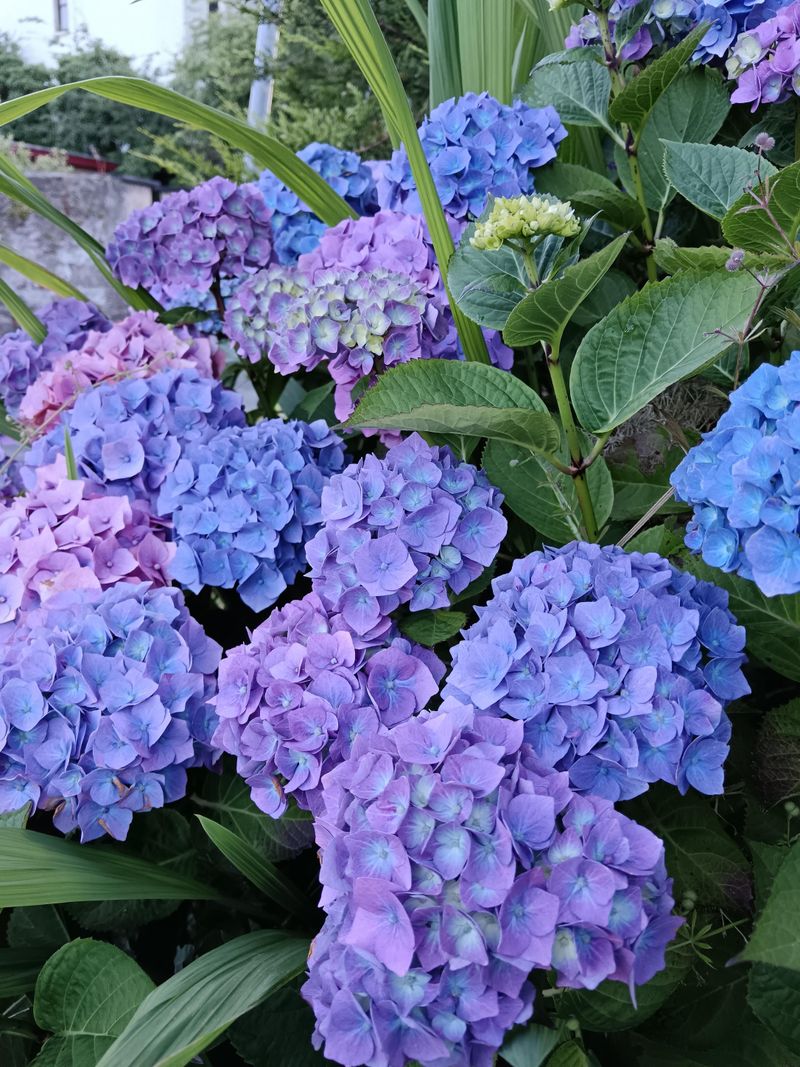
That big, bold bloom on a bigleaf hydrangea might look like it was decided at the nursery. In reality, the soil around its roots plays a huge role in what color shows up each summer.
The key ingredient is aluminum, a mineral found naturally in most garden soil.
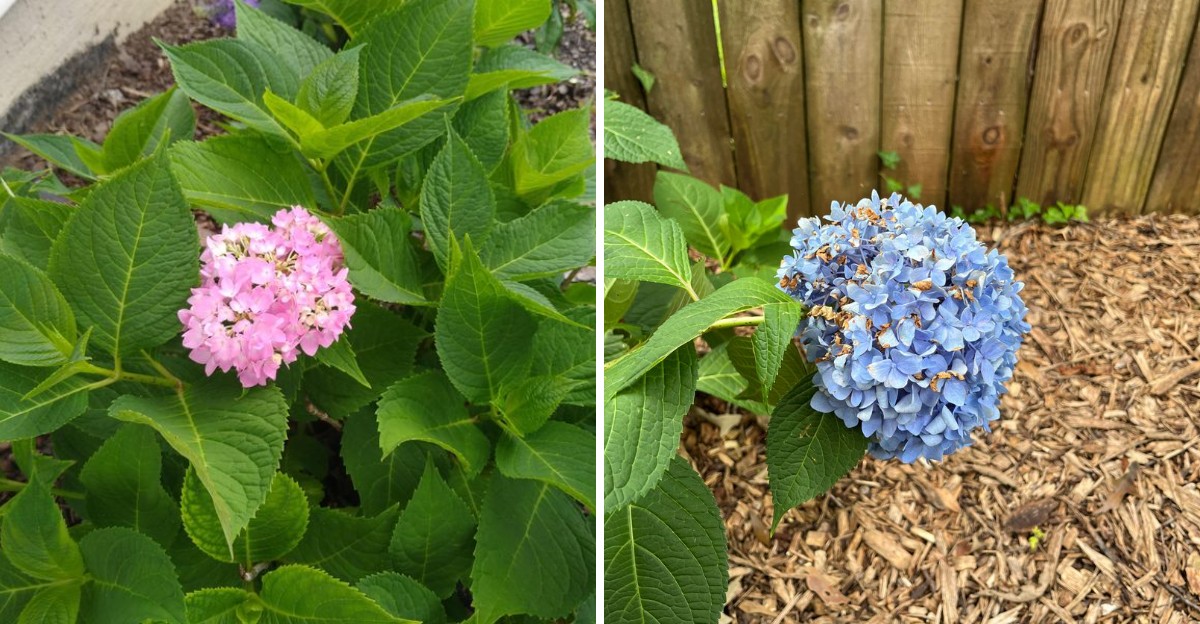
When the plant can take up plenty of aluminum, the flowers turn blue. When it can’t get much, the same plant usually blooms pink.
Purple and lavender blooms land somewhere in the middle. They often show up when the soil sits right on the line between the two conditions.
This explains why two identical shrubs planted in different spots can look completely different by June.
The same thing can even happen on a single plant. One side might bloom blue while the other turns pink, especially if part of the root system grows near a concrete walk or foundation.
Many yards in Georgia have naturally acidic red clay, which is why blue hydrangeas show up so often in older neighborhoods.
Knowing this changes how you approach the plant. Instead of guessing with home remedies, you can focus on the soil itself and make changes that actually reach the roots.
2. Aluminum Uptake Depends Largely On How Acidic The Soil Is
Having aluminum in the ground is only part of the story. Your hydrangea also needs the right soil conditions to actually pull that aluminum into its roots.
That’s where soil acidity, measured as pH, comes into the picture.
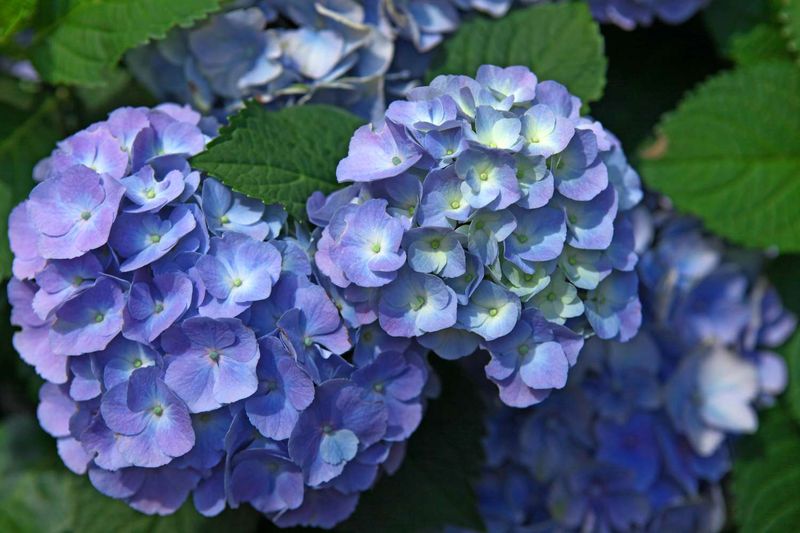
In acidic soil, usually with a pH around 5.5 or lower, aluminum breaks loose and becomes easy for roots to absorb. The flowers respond by turning a rich, clear blue.
As the pH climbs toward 6.5 and higher, aluminum gets locked up in the soil. The plant can’t reach it as easily, and the blooms gradually shift toward pink.
Gardeners who want bluer flowers often add elemental sulfur to lower the pH slowly over several months.
Aluminum sulfate works faster, but too much can burn roots, so it’s important to follow the label closely. For pinker blooms, garden lime raises the pH and slowly ties up aluminum.
Phosphorus matters too, since high amounts can block aluminum even in acidic soil. That’s why many fertilizers made for blue hydrangeas keep phosphorus low.
Your Georgia Garden Changes Every Week. Your Plan Should Too.
Gardening in Georgia changes quickly throughout the season. Every Friday you’ll receive a simple weekly plan showing exactly what to plant, prune, fertilize, harvest, and protect so you never miss the right timing.
In Georgia, soil near brick walls or concrete driveways often tests less acidic than the rest of the yard, which can quietly push blooms toward pink.
3. Brewed Coffee Grounds Sit Close To Neutral
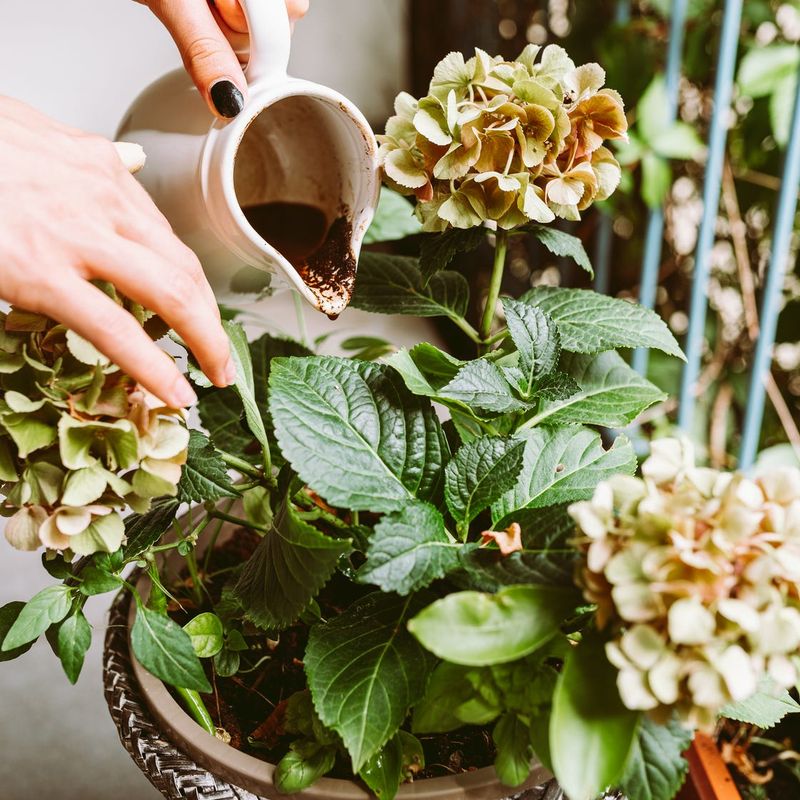
Coffee grounds have a reputation as a cheap trick for blue hydrangeas. It’s an easy idea to believe, since coffee itself tastes so acidic.
The catch is that most of that acid ends up in your cup, not in the leftover grounds.
Once coffee is brewed, the used grounds usually test close to neutral. That means they don’t do much to lower soil pH, even when you add them every morning for months.
That doesn’t make them useless in the garden. Grounds still add organic matter, and they break down slowly into the soil like other compost.
They also supply a small amount of nitrogen, which plants use to grow healthy leaves.
Piling them on too thickly can cause problems, though. Wet grounds can mat together into a crust that keeps water from soaking down to the roots.
Mixing grounds into a compost pile or spreading a thin layer under mulch works much better. This way, the soil gets the benefit without any of the crusting.
Many Georgia gardeners keep using coffee grounds for soil health, which is perfectly fine. Just don’t expect them to change your blooms from pink to blue on their own.
4. Bigleaf Types Respond, While White Varieties Stay White
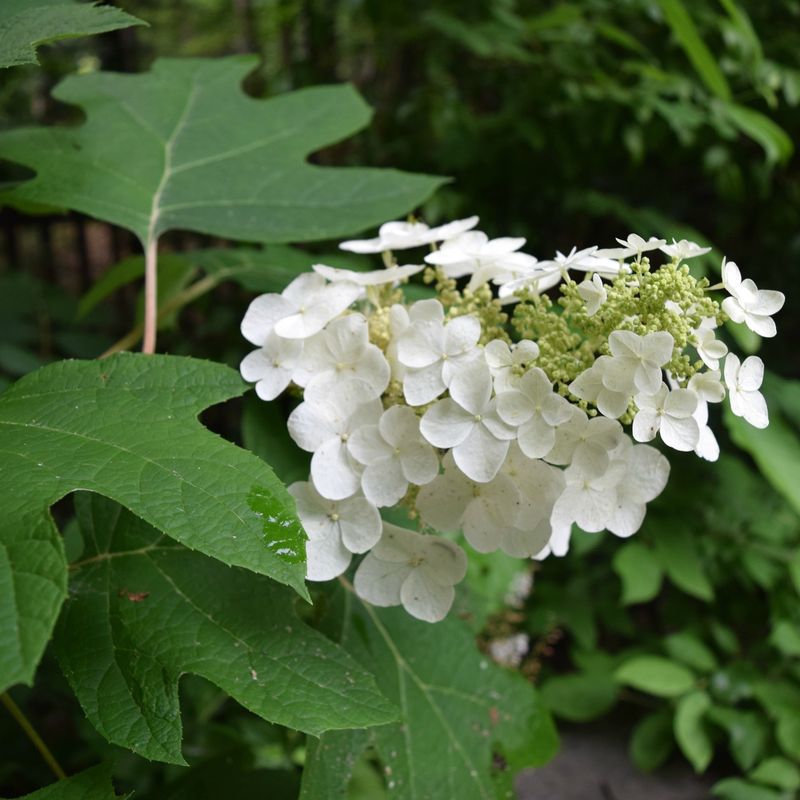
Not every hydrangea plays along with soil changes. Before adding anything to the ground, it helps to know which kind of plant you actually have.
Bigleaf hydrangeas are the classic color changers.
These shrubs have large, glossy leaves and big mophead or lacecap flowers. Mountain hydrangeas, a close cousin, also respond to soil chemistry in much the same way.
White varieties are a different story. Even if they belong to the bigleaf group, white blooms don’t have the pigments needed to turn blue or pink from soil changes.
Other popular types stay true to their own colors as well.
Oakleaf, panicle, and smooth hydrangeas like ‘Annabelle’ don’t shift based on aluminum. Some panicle types fade to pink or red as they age, but that happens no matter what the soil holds.
This matters because many Georgia yards mix several kinds of hydrangeas together in one bed. Treating all of them the same can waste time and money on plants that won’t change.
Check the plant tag if you still have it, or look closely at the leaves and flowers. Knowing the type first keeps your effort focused where it can actually make a difference.
5. A Soil Test Shows Which Direction You Can Realistically Go
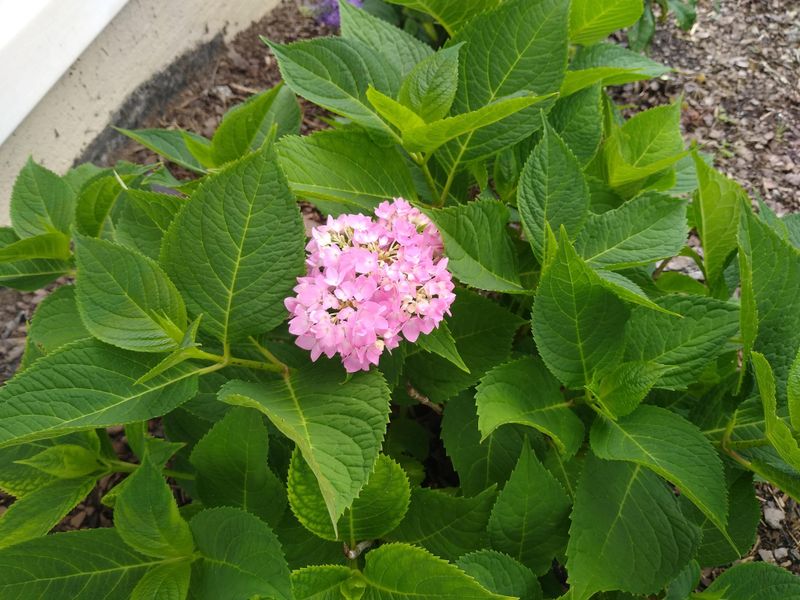
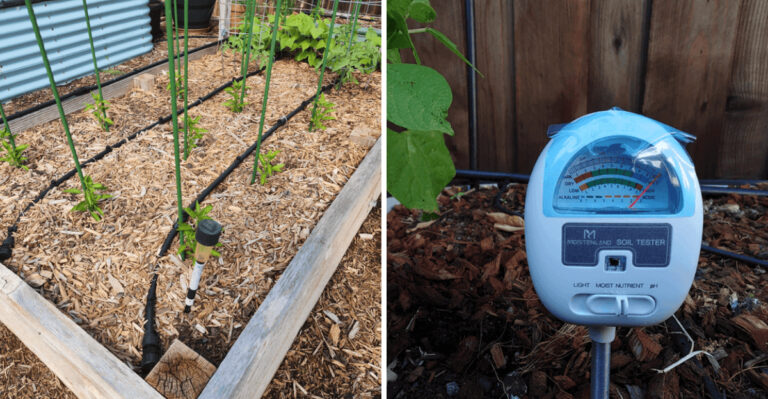
Guessing about soil can lead you in the wrong direction. A simple soil test takes away the mystery and shows exactly what you’re working with.
The results tell you the current pH and key nutrients like phosphorus and potassium.
That information helps you decide what’s realistic. If your soil is already very acidic, getting deep blue blooms may only take a small nudge.
On the other hand, soil that leans strongly alkaline is much harder to change. Pushing it toward blue can take years of steady work and may never fully stick.
In Georgia, county extension offices offer affordable soil testing through the state university lab.
Collect small samples from several spots around the hydrangea, mix them together, and send in about a pint. The report usually comes back with clear numbers and suggestions for what to add.
Fall is a great time to test your soil. Results arrive with plenty of time to make changes before new growth starts in spring.
If the test shows your soil fighting hard against the color you want, consider growing a hydrangea in a large container. Potting soil is much easier to adjust and keep at the right level.
6. Soil Changes Need Time Before Flower Color Responds
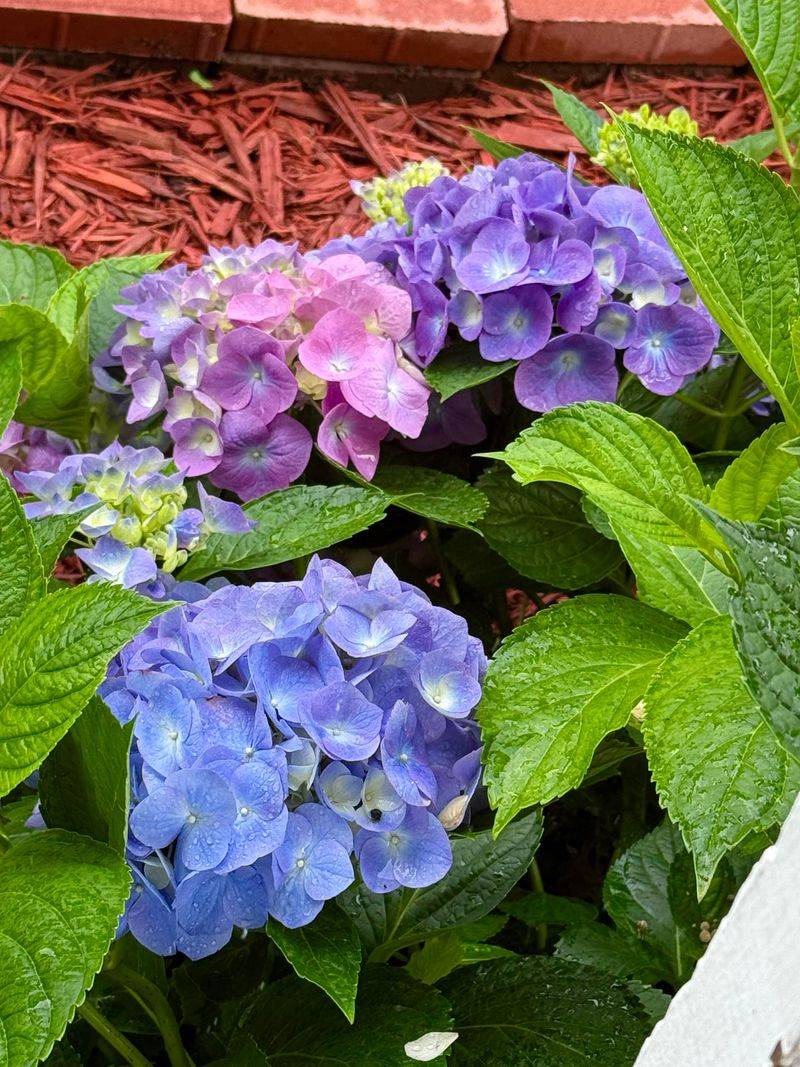
Adding sulfur or lime doesn’t work like flipping a switch. These products need time to break down and slowly change the soil around the roots.
Elemental sulfur, for example, depends on soil bacteria to turn it into an acid.
That process can take several months, and it moves even slower in cold weather. This is a big reason why fall is such a smart time to start.
Applying amendments now gives them all winter to settle in. By the time the plant wakes up in spring, the soil has had a chance to shift in the direction you want.
Bigleaf hydrangeas set their flower buds in late summer and fall.
Those buds open the following year, and the color develops as they grow in spring. Having the soil ready before that happens gives the plant its best shot at the shade you’re hoping for.
Spread amendments evenly around the drip line, where most of the feeding roots grow, instead of piling them against the stem. Water well afterward to help them soak down into the soil.
Across much of Georgia, mild winters keep soil life active longer, which helps fall applications keep working steadily until spring.
7. Color Shifts Can Take More Than One Season To Show
It’s natural to hope for a dramatic change after one fall treatment. Most hydrangeas take a little longer than that to fully switch colors.
The first summer often brings a mix of shades on the same plant.
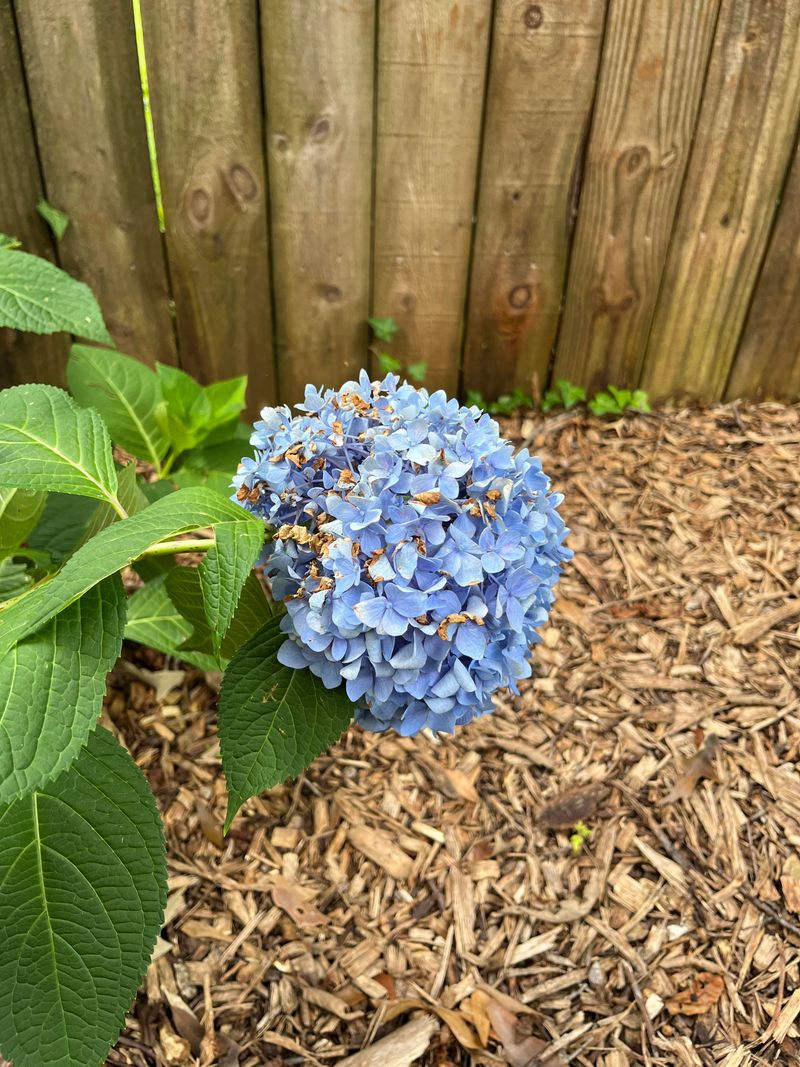
Some blooms might turn purple or lavender while others hold on to their old color. That in-between look is a really good sign that the soil is starting to change.
Older shrubs with large root systems usually shift colors more slowly. Their roots reach soil that hasn’t been treated yet, so the change spreads gradually over time.
Testing the soil again next fall shows how much real progress you’ve made.
The results help you decide whether to add more or simply hold steady. Adding too much at once can harm the roots, so small, regular steps work better than one heavy dose.
Taking a photo of the blooms each summer makes it easier to track the change. Little differences in color are easy to miss when you see the plant every day.
Plenty of patient gardeners in Georgia have turned pink hydrangeas blue over two or three seasons. Sticking with the plan is usually what makes the difference.