7 Cold Hardy Camellia Varieties That Bloom Through Winter In North Carolina Gardens
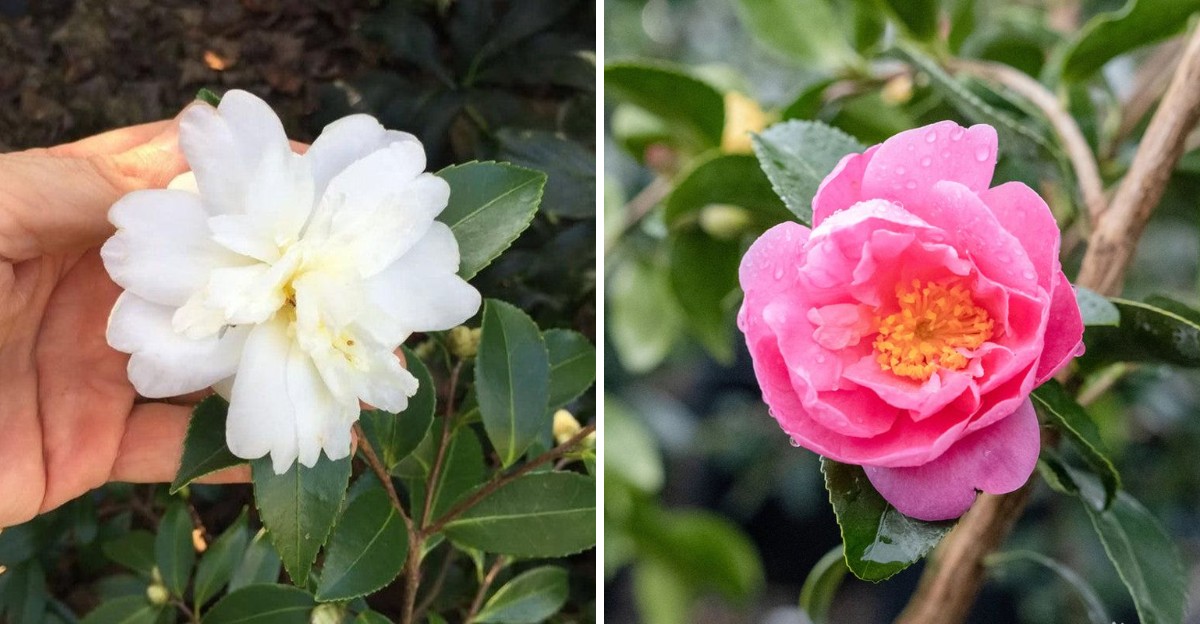
While most flowering plants go dormant as North Carolina’s cold months arrive, certain camellia varieties defy that pattern, producing vibrant blooms from late fall into early winter when almost nothing else in the garden shows any color.
These cold-hardy varieties have been specifically selected or bred to withstand temperature drops that would damage or destroy less resilient camellia types, making them a genuinely reliable choice rather than a risky gamble.
Because bloom timing varies somewhat between varieties, thoughtful selection can actually extend flowering color across several months rather than concentrating it into just a few weeks.
Beyond their cold tolerance, these camellias also tend to handle North Carolina’s humid summers well, making them practical year-round performers rather than plants suited to only one narrow season.
For gardeners craving color during winter’s bleakest stretch, these seven camellia varieties offer a genuinely unexpected solution.
1. Winter’s Star Opens The Season With Bold Pink Blooms
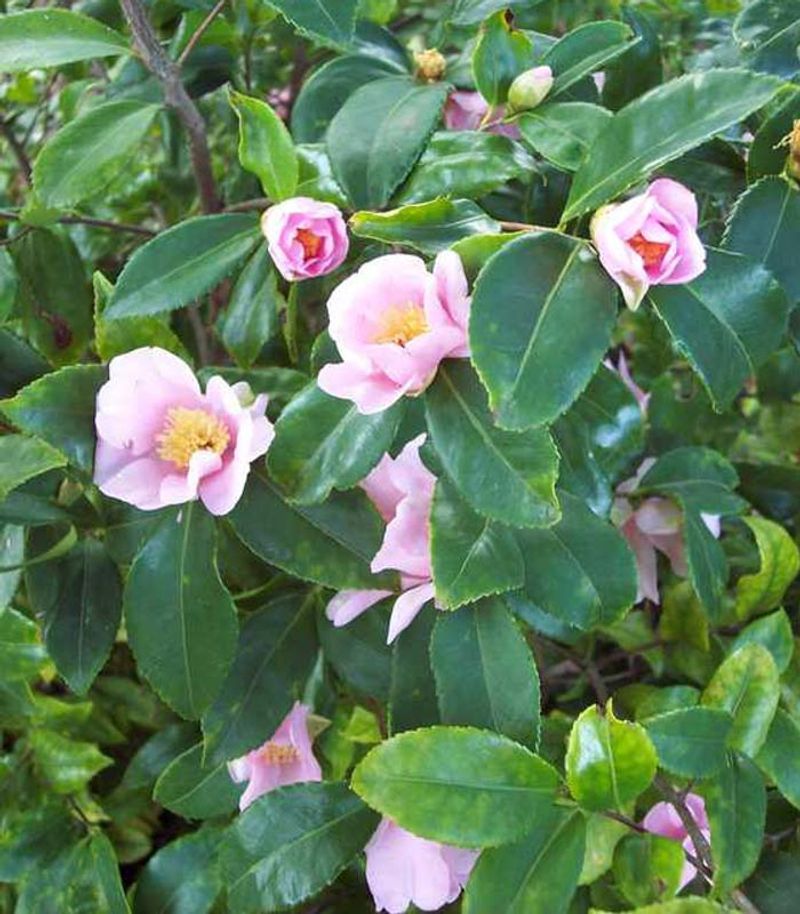
Some flowers wait for perfect weather, but Winter’s Star shows up early and ready to impress. Its large, single blooms glow violet-pink, and each one surrounds a bright burst of golden stamens that almost looks like a tiny sun.
Dr. William Ackerman bred it at the U.S. National Arboretum using Camellia oleifera, a species known for handling cold far better than most camellias.
Thanks to that tough parent, Winter’s Star can shrug off winters that would harm many common types.
It also blooms in October and November, so the flowers usually finish their show before harsh weather arrives.
Planting it well is simple. Pick a spot with part shade or morning sun and afternoon shade, since hot afternoon rays can scorch the leaves. The soil should be moist, well-drained, acidic, and rich in organic matter like compost or shredded leaves.
Next, spread 2 to 3 inches of pine bark or pine straw over the root zone. Mulch holds moisture, keeps roots cool in summer, and adds a little warmth in winter. Just keep it a few inches away from the trunk.
Pruning timing matters a lot. Trim only right after flowering ends, because camellias set next year’s buds during summer. A late cut can remove all those future flowers without you noticing.
For North Carolina yards, Winter’s Star is a smart first choice. Its compact, upright shape fits smaller spaces and narrow beds.
Better still, its cold hardiness opens the door to camellias in chillier parts of the Piedmont and even the Mountains, where gardeners once had few options.
2. Winter’s Charm Brings Peony-Style Flowers
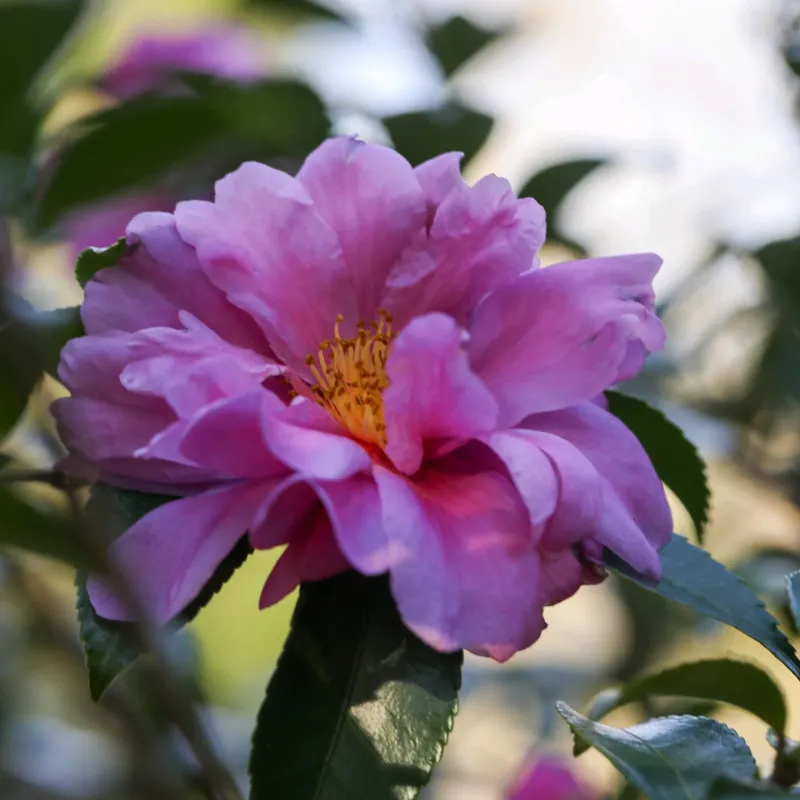
Ruffles in December? Winter’s Charm makes it happen. Its medium lavender-pink flowers open in a full, semi-double peony form, with soft petals piled up like a fancy party dress.
Plenty of camellias look pretty, but few mix beauty with real toughness quite like this Ackerman hybrid.
The blooms last about four to six weeks, running from late fall into early winter. That stretch matters, because it fills the exact time when most gardens start looking brown and tired.
Location makes a big difference with this one. Cold, dry winter winds can damage buds and open flowers, leaving petals brown and crispy at the edges. A spot near a fence, a wall, or a group of evergreens gives helpful shelter.
Watering comes next on the list. Keep the soil evenly moist, not soaked and not bone dry, because roots stay healthy with steady care. A soaker hose under the mulch works nicely during dry summer weeks.
Feeding should stay light and well timed. Give a gentle dose of fertilizer made for acid-loving plants right after flowering ends. Skip any late-season feeding, though, since it pushes soft new growth that cold weather can easily damage.
Across North Carolina, from Raleigh suburbs to Asheville hillsides, Winter’s Charm earns its keep.
Its upright growth habit makes it a great pick for screens that block a nosy view or for tall shrub borders along a property line. You get privacy all year, plus a fluffy pink show right when you need cheering up most.
3. Winter’s Snowman Offers Fragrant White Flowers
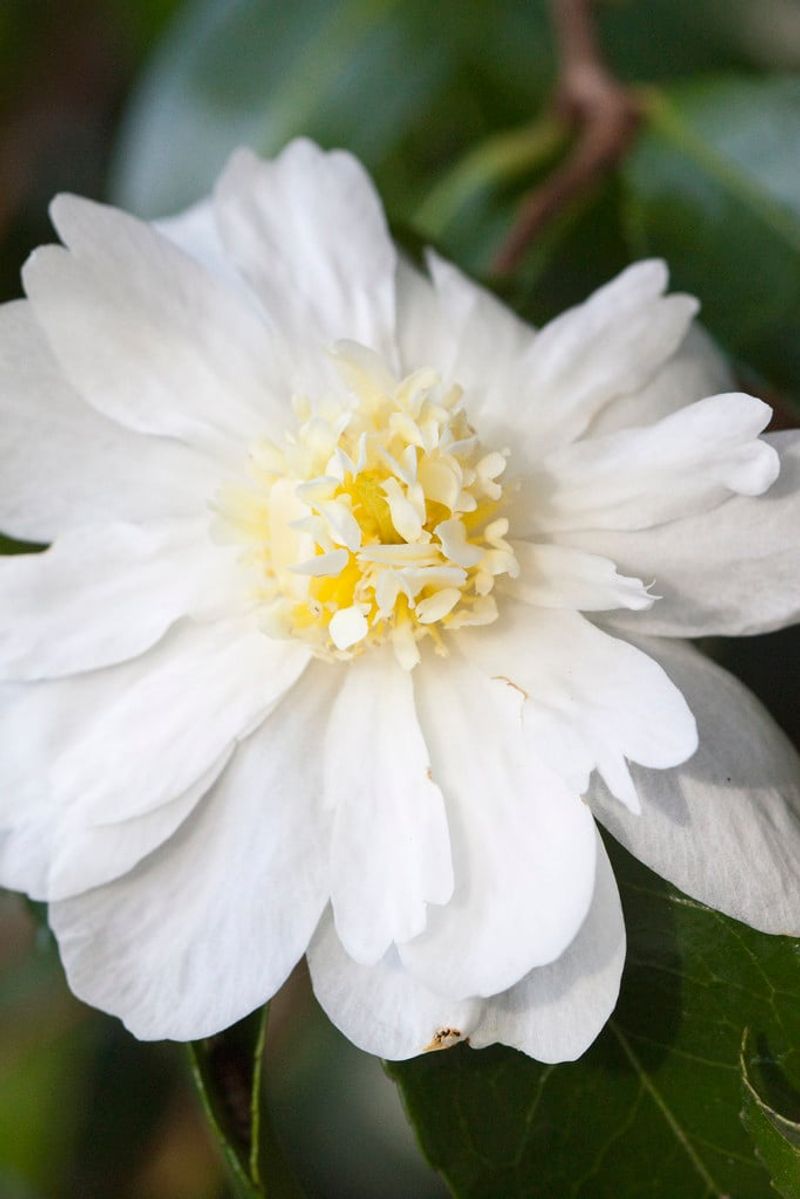
Walk past Winter’s Snowman on a cool November afternoon, and you might catch a sweet scent before you even spot the flowers. Fragrance is not common in camellias, so this Ackerman hybrid feels like a happy surprise.
The blooms are small and white, ranging from semi-double to anemone form, with a fluffy center.
Against dark green leaves, they almost sparkle, lighting up late fall beds when the days grow short. Its upright, compact habit also makes it a natural fit for an informal hedge.
Getting started is easy. Plant it in part shade in acidic, well-drained soil that has plenty of organic matter mixed in. Clay soil, which is common across much of North Carolina, benefits from added compost or pine bark fines.
During dry spells, give the plant a slow, deep drink rather than a quick splash. Young shrubs especially need steady water during their first couple of years. Also, choose a sheltered location away from drying winter winds that can brown the leaves.
Keep an eye out for scale insects, which are a common camellia pest. Flip over a few leaves now and then, and look for tiny white or brown bumps stuck to the undersides. Yellow speckles on top of the leaves are often an early clue.
Horticultural oil sprayed at the right time usually handles light problems. For gardeners in colder areas, Winter’s Snowman fills a real gap. It delivers white flowers on a plant that holds up better than standard sasanquas when temperatures drop hard.
4. Winter’s Interlude Carries Color Into Early Winter
Think of Winter’s Interlude as the bridge in a good song. It connects the late fall flowers to the colder weeks ahead, keeping the music playing in your garden a little longer.
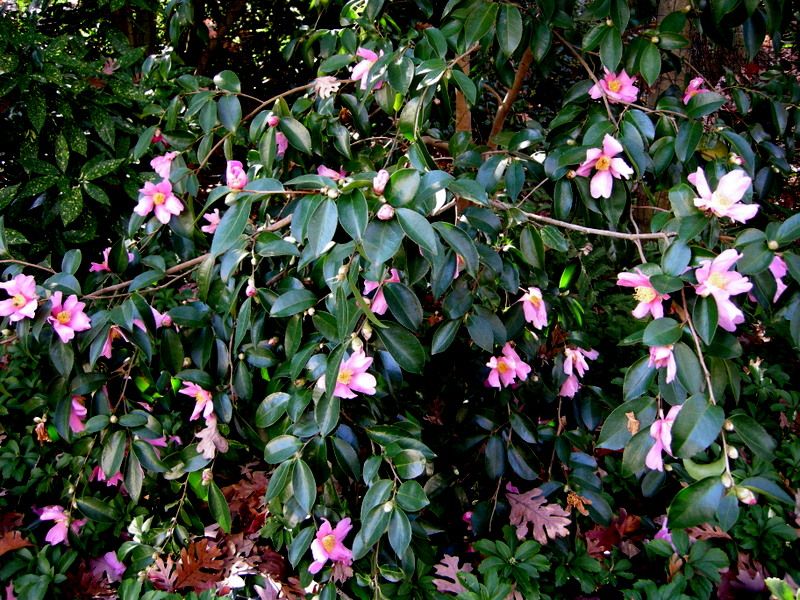
Small pink anemone-form blooms cover this dense, upright shrub, each with a puffy center ringed by outer petals.
Because it tends to peak a bit later, it pairs beautifully with earlier bloomers like Winter’s Star. Plant both, and your camellia season stretches out for weeks longer than either could manage alone.
Light is the first thing to get right. Part shade or filtered light, like the dappled shade under tall pines or oaks, suits it well. Too much hot sun can stress the leaves and fade the flowers.
Moisture comes next. Keep the soil evenly moist but never soggy, since camellia roots dislike sitting in water. A simple finger test works great: if the top inch feels dry, it is time to water.
Camellias have shallow roots, so mulch does a lot of heavy lifting. A layer of pine straw or shredded bark protects those roots from summer heat and sudden winter freezes. It also keeps weeds from competing for water.
After blooming, a light trim helps keep the plant tidy and well shaped. Remove stray branches rather than shearing the whole shrub.
North Carolina gardeners will love its dense growth, which forms a solid evergreen screen. Plus, those later flowers add welcome color after azaleas, hydrangeas, and many other shrubs have long since finished.
5. Polar Ice Spreads With Pure White Blooms
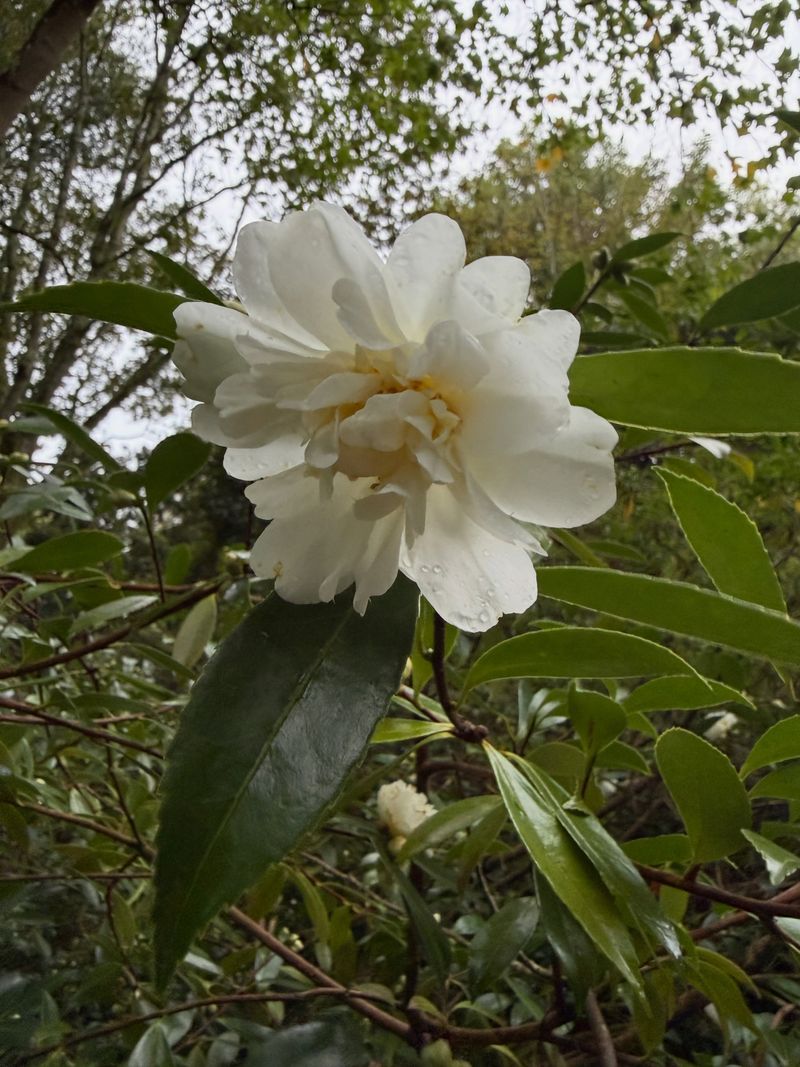
Crisp, clean, and bright as fresh snow, Polar Ice lives up to its cool name. The medium white anemone-form flowers pop against dark green, glossy leaves, creating a contrast you can spot from across the yard.
As one of the cold hardy fall bloomers from the Ackerman program, it handles chilly winters with ease. White flowers also have a neat trick. They seem to glow at dusk, so they look lovely near a patio or front walk where you pass by in the evening.
Space is the first thing to plan for. Polar Ice has a spreading growth habit, so give it room to stretch out instead of squeezing it next to a wall. Checking the plant tag for mature width before digging saves a lot of moving later.
Plant it in part shade, with protection from both afternoon sun and winter wind. The soil should stay acidic and well-drained. A simple soil test through your local N.C. Cooperative Extension office can tell you if you need to adjust the pH.
Fall watering is the secret many gardeners miss. Buds form and swell during autumn, and dry spells at that time can cause them to drop before opening. Deep, slow watering once a week during dry fall stretches keeps those buds plump and on track.
In North Carolina landscapes, the wide shape of Polar Ice works beautifully in foundation plantings, softening the corners of a house. It also blends naturally along woodland edges, where its white blooms brighten shady spaces.
6. Snow Flurry Covers Itself In Small White Flowers
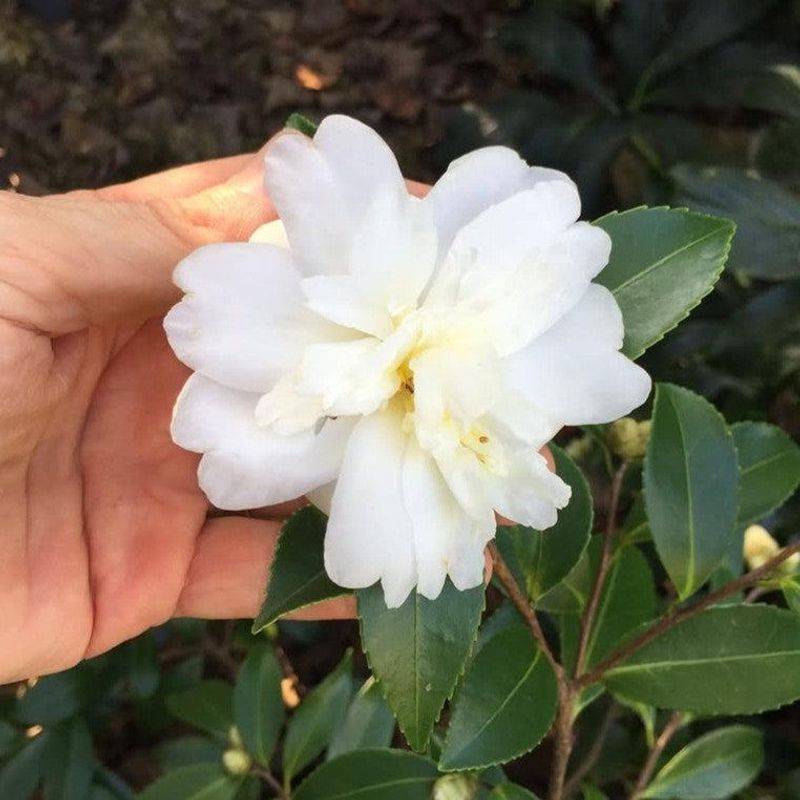
Imagine a light snow shower that never melts away. That is the look Snow Flurry brings when it reaches full bloom, with dozens of small white flowers scattered across the branches.
Each anemone-form blossom is modest on its own, but together they create a soft, airy effect that feels almost magical.
Flowering runs from late fall into early winter, so the show keeps going as temperatures slide. Like its Ackerman cousins, this spreading shrub was bred to handle colder weather than typical camellias.
Care starts with a smart planting spot. Choose part shade and soil that is moist, acidic, and well-drained. Avoid low areas in the yard where rainwater puddles, because soggy ground can cause root rot, one of the biggest camellia troubles.
Not sure about drainage? Dig a hole about a foot deep, fill it with water, and time how long it takes to empty. If water still sits there after several hours, pick another spot or build a slightly raised bed.
Once planted, spread mulch around the root zone to hold moisture and keep temperatures steady. Refresh the layer each spring as it breaks down. If the shrub needs shaping, prune right after the blooms fade so you do not remove next season’s buds.
Snow Flurry shines in North Carolina because it stays dependable. Gardeners in the colder Piedmont and Mountain regions can count on late season white flowers year after year. When most of the garden is sleeping, this cheerful shrub keeps the party going.
7. Winter’s Rose Blooms In Formal Double Pink
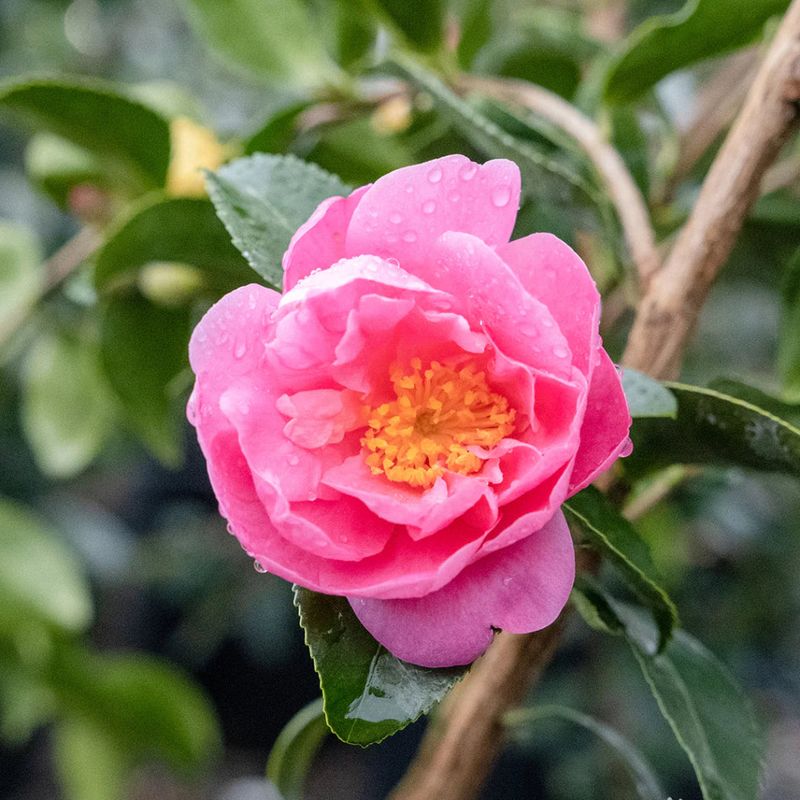
Old Southern gardens are famous for perfect, rose-like camellias, and Winter’s Rose brings that classic charm to colder yards. Its shell pink flowers open in a formal double form, with petals stacked in neat, even layers.
Most cold hardy camellias lean toward single or loose, fluffy blooms. Winter’s Rose stands apart with a polished, tailored look that feels right at home near a brick path or a front porch.
Even better, it keeps that elegance while still handling colder winters than many traditional varieties.
Where you plant it makes a big difference. A sheltered spot with morning sun and afternoon shade helps protect both leaves and flowers. East-facing beds near a house or fence often work perfectly.
Keep the soil evenly moist and acidic, adding compost or pine bark to improve texture. If leaves turn yellow with green veins, the soil pH may be too high. A soil test can confirm it, and a product for acid-loving plants usually helps.
Feeding should be light and happen right after flowering. Too much fertilizer does more harm than good, especially late in the season. Also, skip late pruning, because it removes developing buds and leaves you with fewer blooms next year.
Winter’s Rose stays on the smaller side, so it suits compact North Carolina gardens, courtyards, and even large containers on a sheltered patio.
As the growing season winds down, its soft pink flowers add a gentle, graceful finish that makes stepping outside on a chilly morning feel like a treat.