Cold Nights Ahead for Coastal North Carolina? Cover These Tender Plants Before Thanksgiving Weekend
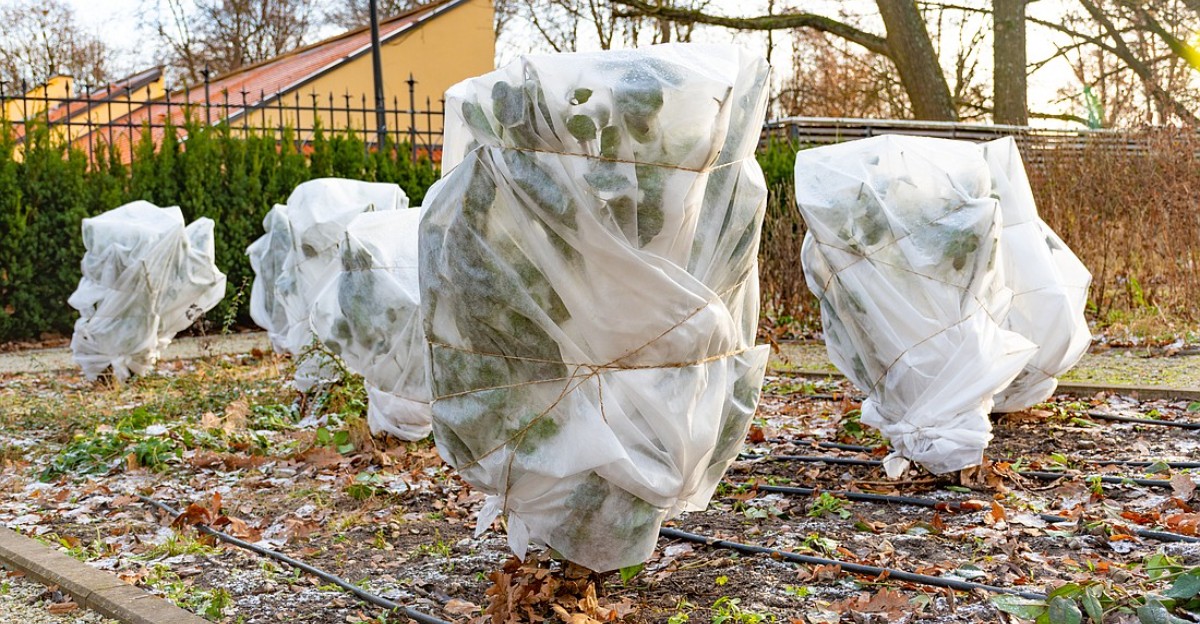
Wilmington’s average first freeze lands around November 17, just over a week before the turkey hits the table. That timing surprises plenty of beach gardeners who still have flowers blooming happily on their porches.
Frost can even form when your weather app shows 33 to 36 degrees, because plant leaves chill faster than air. Coastal North Carolina sits mostly in zone 8b, with 9a on parts of the Outer Banks, so mild winters still deliver a few sharp nights.
In my garden, the tropical stuff gets all the summer compliments and then sulks the moment a cold front arrives. I love those flashy plants, but they come from places where a chilly night means sixty degrees.
With a little planning, an old bedsheet and a free afternoon can save months of growth in North Carolina gardens. So which of your favorites deserve the first blanket before the pie comes out of the oven?
1. Bougainvillea

Those bright pink petals on bougainvillea are not petals at all, but papery bracts hugging tiny white flowers. I still remember the first time a friend pointed that out, and I felt slightly fooled by my own vine.
Bougainvillea grows as a thorny perennial in zones 9 through 11, which puts most coastal yards right on the edge. Temperatures below about 30 degrees can trigger heavy leaf drop and even harm the roots underground.
For plants in the ground, pile four to six inches of mulch around the base before the cold night arrives. Shredded leaves work beautifully here, and most of us have plenty blowing across the yard right now.
Next, drape frost cloth or burlap over the whole plant, letting the fabric reach down to the soil. Use stakes or a simple frame so the cover floats above the foliage instead of pressing against it.
Potted bougainvillea has an easier path, since you can roll it into a garage or shed overnight. A spot that stays between 40 and 50 degrees lets the plant rest quietly through the winter months.
Cut back on watering once it moves inside, and let the soil dry out between drinks. Bougainvillea actually prefers the dry side in winter, so soggy pots cause more trouble than a little thirst.
Wear gloves when you handle it, because those hidden thorns grab sleeves and fingers with surprising enthusiasm. Save any pruning of damaged branches for spring, once the last cold snap has safely passed.
2. Tropical Hibiscus
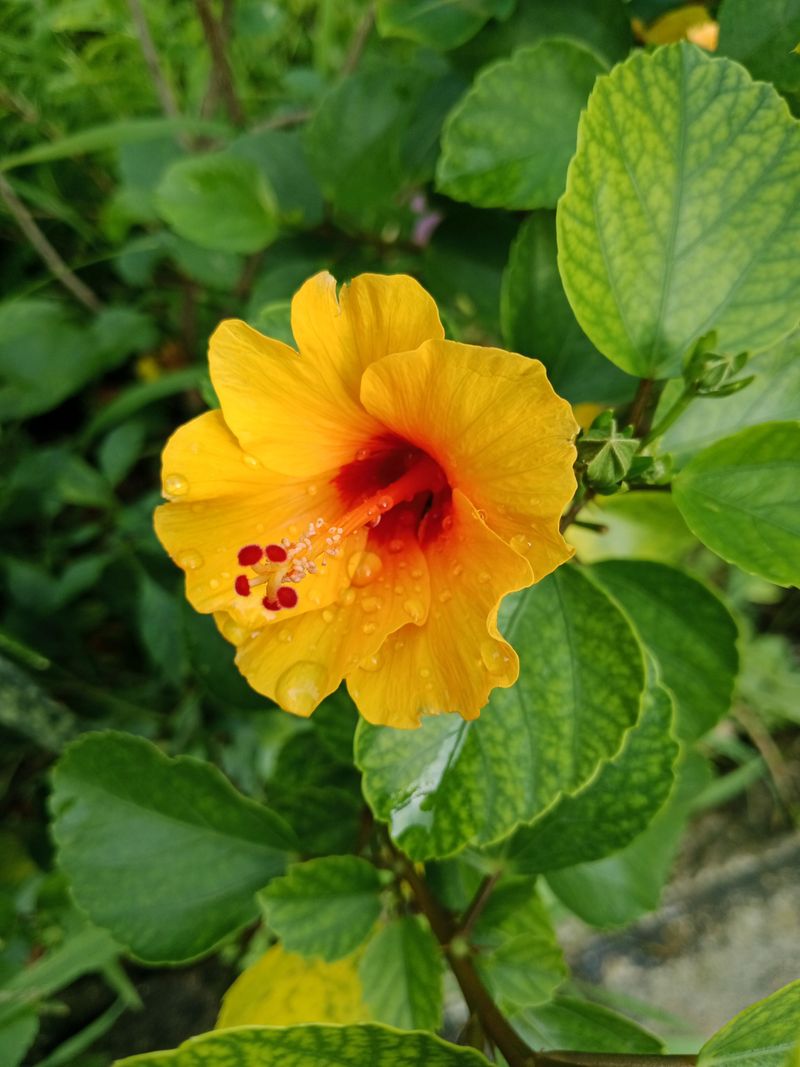
Every tropical hibiscus bloom lasts a day or two, yet the plant keeps pumping out big flowers all summer. Mine sits by the back steps, and honestly, it gets more compliments than my cooking ever does.
Hibiscus rosa-sinensis is the tender cousin, not the hardy swamp mallow or Rose of Sharon that shrug off winter. Damage often starts below 35 degrees, and long nights in the mid-20s can finish it off.
Potted plants should head indoors first, either into a bright window or a frost-free garage space. A sunny room above 55 degrees keeps it growing, while a cool 40 to 45 degrees lets it rest.
Before you carry it inside, rinse the leaves well with a hose to send hitchhiking pests packing. Whiteflies and aphids love a cozy living room, and they multiply quickly once they settle in.
In-ground shrubs need a deeper approach, starting with a generous mound of mulch around the main stem. Many growers suggest eight to twelve inches of leaves or compost to shield the crown from hard cold.
Water deeply a day or two ahead, ideally in the morning while temperatures still sit above 40. Moist soil holds warmth better than dry soil, then releases it slowly through the long night.
Finish by wrapping the shrub in heavy frost cloth, then remove it by midday once things warm up. Clear plastic alone can scorch leaves in morning sun, so keep fabric as the first layer.
3. Mandevilla
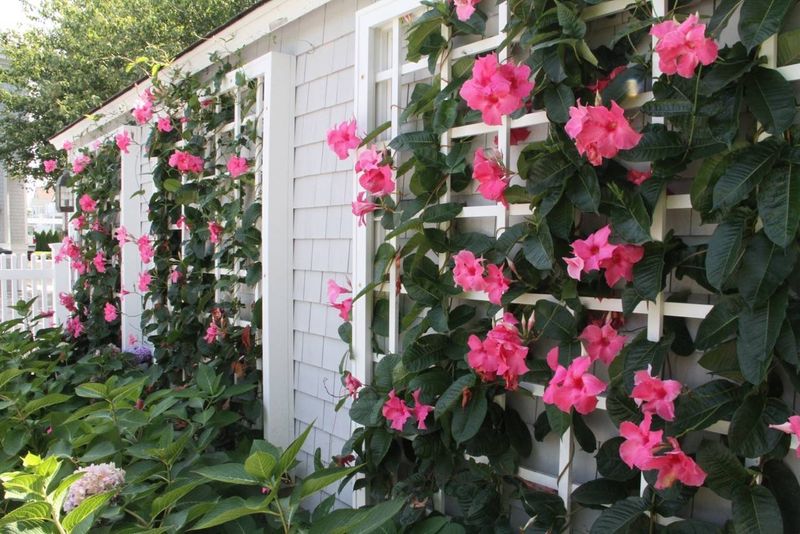
Of all my porch plants, mandevilla is the biggest drama queen when the thermometer starts sliding toward the forties. Those glossy leaves and pink trumpet flowers look tough on a trellis, but they sulk fast in a chill.
Mandevilla is a tropical vine that thrives outdoors year-round only in warm zones 10 and 11. Experts recommend moving it inside once nights drop toward 45 degrees, and definitely before they reach 40.
So if a frost is coming this weekend, your mandevilla is honestly already overdue for a ride indoors. Coastal gardeners get away with it longer than most, yet even our mild nights eventually catch up.
You have two good choices, and the first is treating it like a houseplant in your sunniest window. Water about once a week, though blooms usually pause until spring unless you add grow lights.
The second option is dormancy, which starts by trimming the vines back to about eight to twelve inches. Then tuck the pot into a cool, dark garage or basement that stays around 50 to 60 degrees.
During that rest, give just enough water to keep the soil from turning bone dry, and skip fertilizer. Feeding a sleeping plant mostly encourages weak, floppy growth that struggles once warm spring weather finally arrives.
One warning I learned the hard way is to skip wrapping mandevilla tightly in plastic for any length of time. Trapped moisture invites mold and rot, which spoils a healthy vine much faster than you might expect.
4. Coleus
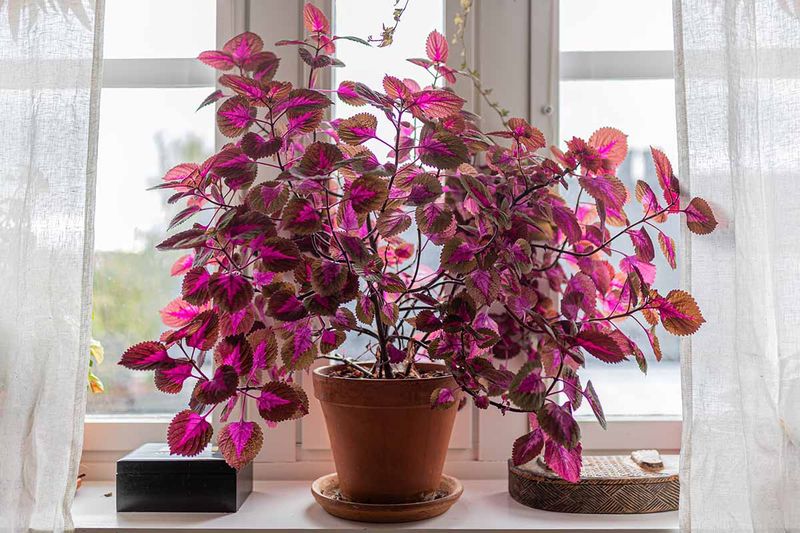
Coleus belongs to the mint family, which explains those square stems you feel when you pinch a branch. Its leaves come splashed in lime and burgundy, like somebody spilled a paint kit across the garden on purpose.
Known botanically as Coleus scutellarioides, and often still sold as Plectranthus scutellarioides, it is truly hardy outdoors only in zones 10 and 11.
Frost turns those gorgeous leaves into mush overnight, so it needs rescuing before the first cold night lands.
My favorite trick is taking cuttings, because one healthy plant can easily become a windowsill full of babies. Snip three to six inch tips, then remove the lower leaves so the bare stems can sit in water.
Roots usually form quickly at the leaf nodes, and you can pot them once they reach about an inch long. Bright, indirect light keeps the colors rich and stops the stems from stretching into lanky noodles.
Saving the whole plant works too, as long as you dig it up carefully and pot it in well-draining mix. Trimming the top growth back by about half helps the roots recover from the move without extra stress.
Indoors, coleus enjoys temperatures between 60 and 75 degrees, away from chilly drafts and blasting heat vents. Keep the soil lightly moist, and pinch new tips now and then for a fuller, bushier shape.
Pet owners should know that coleus is toxic to cats and dogs, so place pots well out of reach. Check every leaf for pests before bringing anything inside, since stowaways spread fast on cozy windowsills.
5. Tropical Salvia
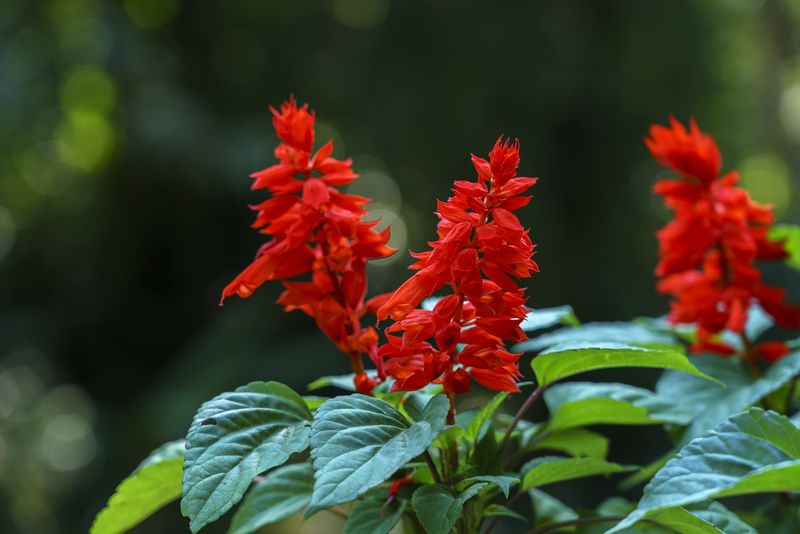
Hummingbirds treat tropical salvias like a roadside diner, and late fall is often when these plants look their very best. That makes a frost warning feel extra rude, since the blooms are still buzzing with visitors in many coastal yards.
Not every salvia needs babysitting, because hardy types and semi-hardy ones like autumn sage handle our winters well. Subtropical kinds, such as pineapple sage and Mexican bush sage, are the ones that blacken after a hard frost.
For potted plants, trim the longest branches back by half so they fit through the door more easily. Then park them in an unheated garage or cool porch where temperatures stay between 35 and 45.
In-ground salvias appreciate a loose blanket of three to four inches of mulch around the root crown. Shredded pine bark or wheat straw lets air move freely, while heavy mats can hold too much moisture.
On a frosty night, add a frost cloth over the top and anchor the edges to the ground. That simple tent traps warmth rising from the soil, which is often enough to carry blooms through.
If the leaves do turn black, resist the urge to grab your pruners right away this winter. Hollow salvia stems can fill with water when cut, which sometimes leads to rot or splitting later on.
Ragged stems also shield the crown from the next cold snap, so their scruffy look actually serves a purpose. Wait until spring warmth settles in before cutting back, and you will likely see fresh shoots soon after.
6. Plumbago
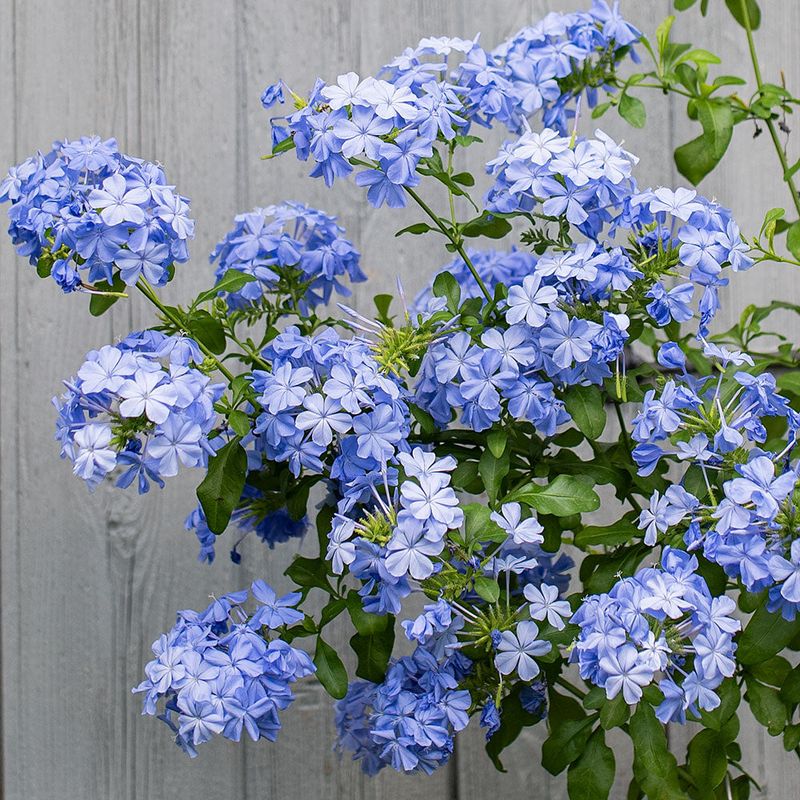
Those sky-blue flower clusters on plumbago look like a piece of clear summer sky drifted right into the flowerbed. Mine spills over a low brick wall near the driveway, and neighbors always stop to ask what keeps blooming so cheerfully into November.
Cape plumbago (Plumbago auriculata) is native to South Africa and only stays evergreen in zones 9 through 11, leaving coastal North Carolina gardens right in the danger zone.
A light frost crisps the outer leaves in a single night, while temperatures dipping into the mid-twenties can knock the whole shrub back to the ground.
If your plumbago lives in a container, haul it into a bright sunroom or a frost-free garage once nights threaten to drop below forty degrees.
For shrubs planted directly in the yard, pile four to six inches of pine straw or shredded bark over the root zone to insulate the crown.
Drape frost cloth or an old cotton sheet over the branches before sunset, anchoring the edges with bricks so coastal breezes do not blow your handiwork into the neighbor’s yard.
Hold off on pruning any frost-nipped stems until April, since that damaged top growth acts as a natural buffer against late-winter cold snaps.