Colorado’s Loudest Backyard Visitor Arrives As Rutting Season Begins
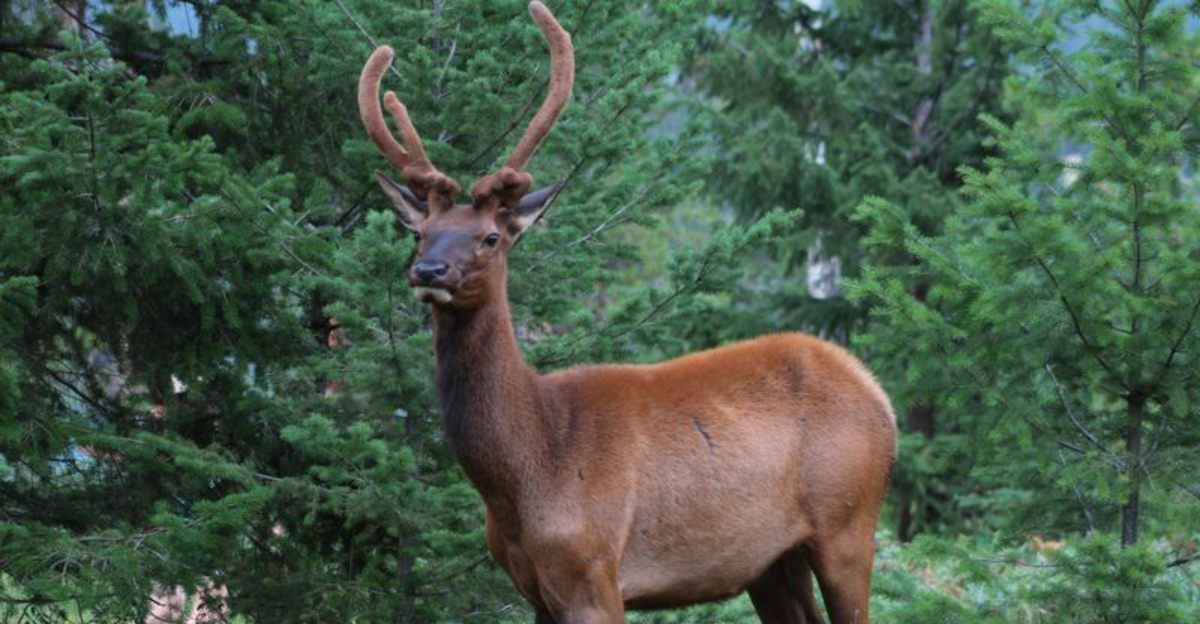
That eerie whistle at dawn is not what you think. Colorado turns strange each September, and nobody warns you. You hear it first, low and climbing fast. Bulls bigger than horses trot past your porch.
Antlers catch fences, tangle in swing sets, bend branches. Bark peels from aspens, sprinklers tilt, lawns flatten. Neighbors freeze mid step, phones raised, chasing shadows. Cameras click, but distance still matters more than footage.
Sharing sidewalks with creatures this size demands respect. Instinct tells these animals your yard poses little concern. Front Range towns become open stages overnight. Awareness now helps encounters stay calm and brief.
Excitement hides just beneath that thrilling display. Locals swap stories fast, comparing sizes and near misses. Curiosity pulls you outside despite common sense.
Windows rattle sometimes when that call hits close range. Wildlife experts in Colorado urge caution and patience. Here is exactly what you need before stepping outside.
The Bugle That Wakes The Whole Street
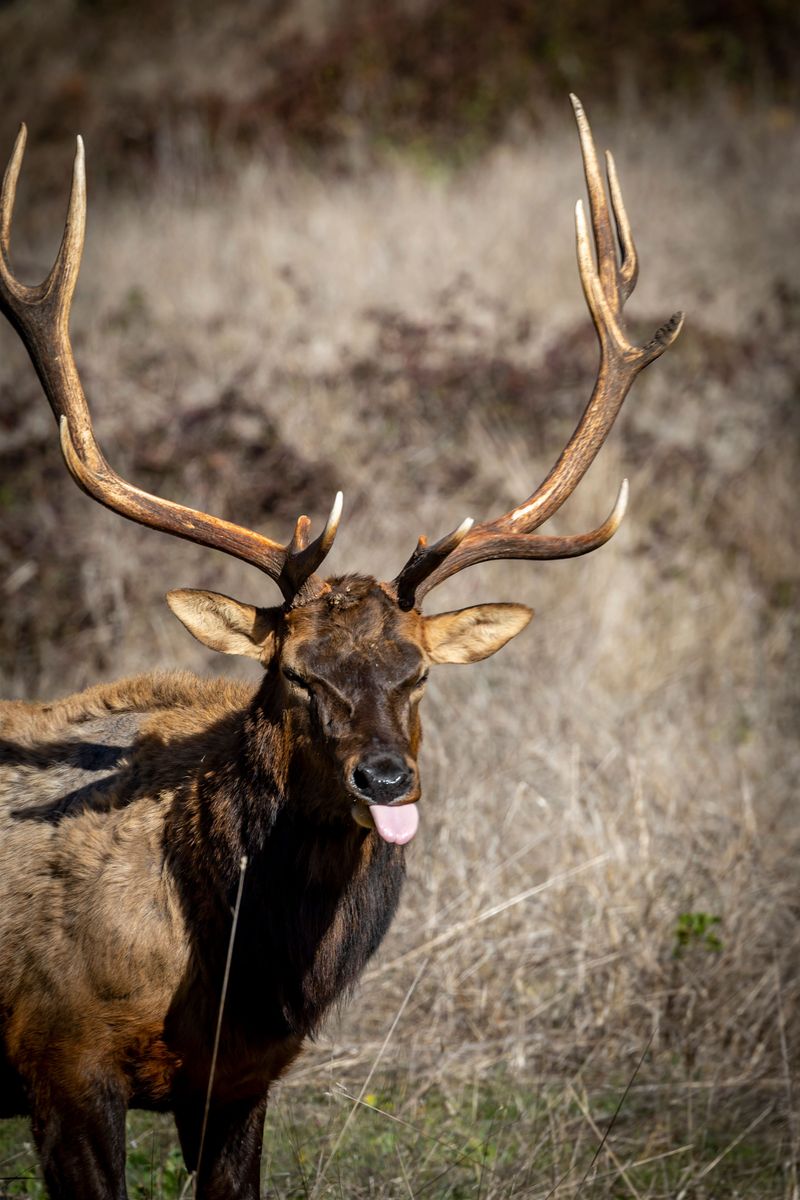
That eerie whistle rolling through the dark is not a coyote, a train brake, or a neighbor’s car alarm. It is a bull elk bugling, and September is when the volume goes up across Colorado.
The call starts as a deep grunt, slides into a high squeal, and often ends with a series of grunts that sound like someone chuckling.
Scientists think the odd pitch travels farther through timber than a low roar would, which is handy when you are advertising yourself across a whole valley.
Bulls bugle for two reasons: to gather cows into a group and to tell rival bulls to keep their distance. If two bulls answer each other back and forth, expect the sound to get closer, louder, and more frequent through the night.
Front Range towns like Estes Park, Evergreen, and Nederland get the loudest concerts, but golf courses and school fields in Boulder and Fort Collins host their share too. Residents often report the racket peaking between dusk and sunrise.
Here is the practical part. A bugle nearby means a bull is likely within a few hundred yards, so check windows before letting the dog out at 5 a.m.
Fun bit of trivia: hunters and wildlife watchers imitate the call using tubes and reeds, and a good caller can pull a bull in close. Around houses, though, calling back is a poor idea, because you may invite a very muscular animal onto your patio.
Antlers Turn Yards Into Sparring Rings
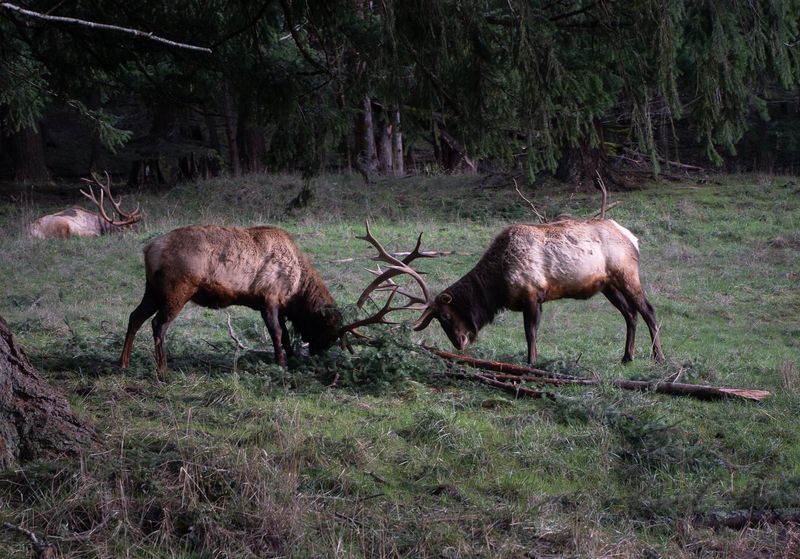
Picture two pickup trucks colliding in slow motion, except with hair and antlers. That is roughly what a shoving match between mature bulls looks like on a lawn in late September.
A big Colorado bull can weigh 700 pounds or more and carry antlers spanning four feet across. Those antlers grew from nothing since spring, fed by one of the fastest tissue growth rates of any mammal.
Most encounters end without contact. Bulls posture, tip their antlers sideways, walk stiff-legged, and thrash shrubs to look impressive. When neither one backs off, they lock up and push until somebody yields.
Your Colorado Garden Changes Every Week. Your Plan Should Too.
Gardening in Colorado changes quickly throughout the season. Every Friday you’ll receive a simple weekly plan showing exactly what to plant, prune, fertilize, harvest, and protect so you never miss the right timing.
Yards pay the price. Sod gets torn, sprinkler lines snap, small trees lose bark, and decorative fencing bends like a paperclip.
Homeowners in Estes Park have watched bulls destroy volleyball nets, swing sets, and hammocks simply because a rival appeared to be hiding in them.
Anything with loose strands can snag an antler, and an agitated bull with tangled debris on his rack can become dangerous for everyone nearby.
The fix is simple prep work. Take down hammocks, netting, holiday lights, and garden trellises before mid-September, and store loose hoses in a shed.
If two bulls square off outside, get behind something solid and film from a window. Fights shift direction fast, and being caught between them is not a position anyone wants to be in.
Injuries during rut are often linked to people stepping closer for a photo, a pattern Colorado Parks and Wildlife has flagged in past safety advisories. Twenty yards of zoom beats twenty feet of bravery.
Harems Park On Lawns And Settle In For Days
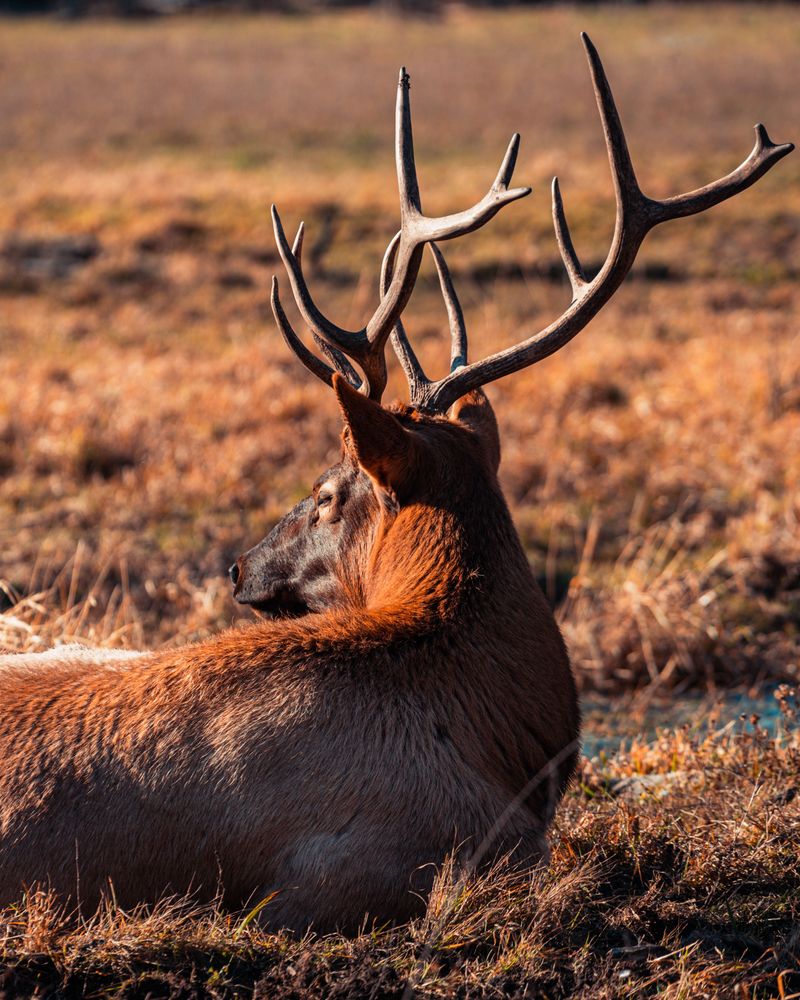
One morning your grass is fine. The next, twenty cow elk are lying on it like guests who found the comfiest room in the house.
Bulls collect groups of cows called harems, and a strong bull may hold a dozen or more of them at once, occasionally reaching into the twenties or thirties.
Irrigated lawns are the reason. By September, wild grasses have dried out and turned brown, while a sprinkler-fed yard stays tender, green, and full of moisture.
Estes Park has famously turned this into a tourism draw, with elk lounging on the school field and the golf course while visitors line the sidewalks. Other towns near Rocky Mountain National Park, Grand Lake, and Steamboat Springs see similar gatherings.
Bulls guarding cows are the touchiest animals in the state right now. A bull will charge a person, a car, or a dog he believes is crowding his group, and he can close that distance in just a few seconds.
Wildlife managers recommend staying at least 75 feet away, roughly two bus lengths, and more if the bull lifts his head or turns toward you. Keep dogs leashed and indoors when a harem is nearby.
For lawn owners, patience helps more than anything. Herds usually drift on within a day or two, and the turf bounces back with fall rain.
Motion-activated sprinklers can nudge them along, but chasing them yourself is a gamble no one should take.
Wallows, Mud Pits, And That Unmistakable Smell
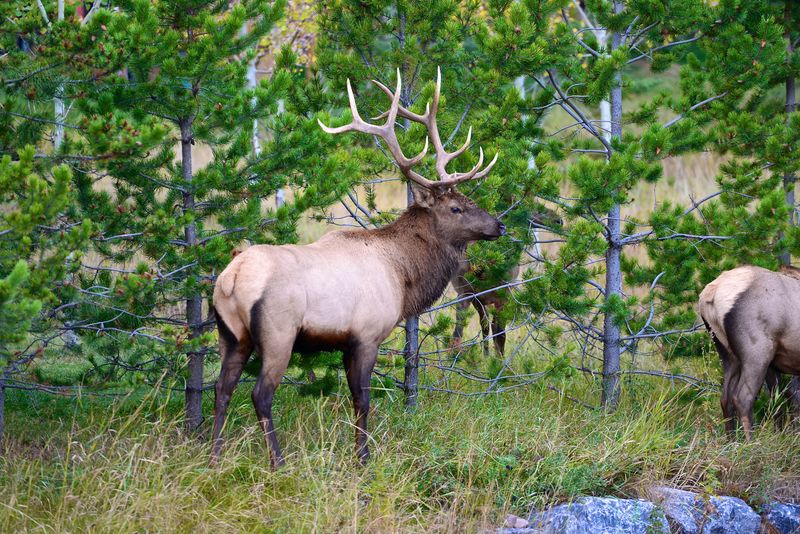
Ever walked outside and caught a scent somewhere between a barnyard, a wet dog, and old cologne? That means a rutting bull has likely used your drainage ditch as a wallow.
Bulls dig shallow pits called wallows in damp soil, then roll in them until they are coated in dark mud. They add their own scent to the mix, which broadcasts their status to cows and rivals alike.
The smell is strong enough that people notice it from a porch. It clings to grass, fences, and unfortunately to curious dogs who decide the wallow looks like a spa.
Low spots near sprinkler leaks, pond overflows, and creek edges are prime real estate. Backyard water features and boggy corners often get claimed overnight.
Beyond the odor, wallows leave real holes. A churned pit can be a foot deep and wide enough to twist an ankle in the dark, so mark or fill them once the herd moves on.
Bulls also rub their antlers on aspens, pines, and young landscape trees, stripping bark in vertical strips. Wrapping trunks with plastic mesh or corrugated sleeves before September protects your investment better than any spray.
Here is a quirky detail worth knowing. Cows appear drawn to the scent of well-used wallows, which may explain why bulls put so much effort into rolling in them. Rinse dogs promptly, because that aroma lingers for days indoors.
Traffic, Fences, And Nighttime Surprises
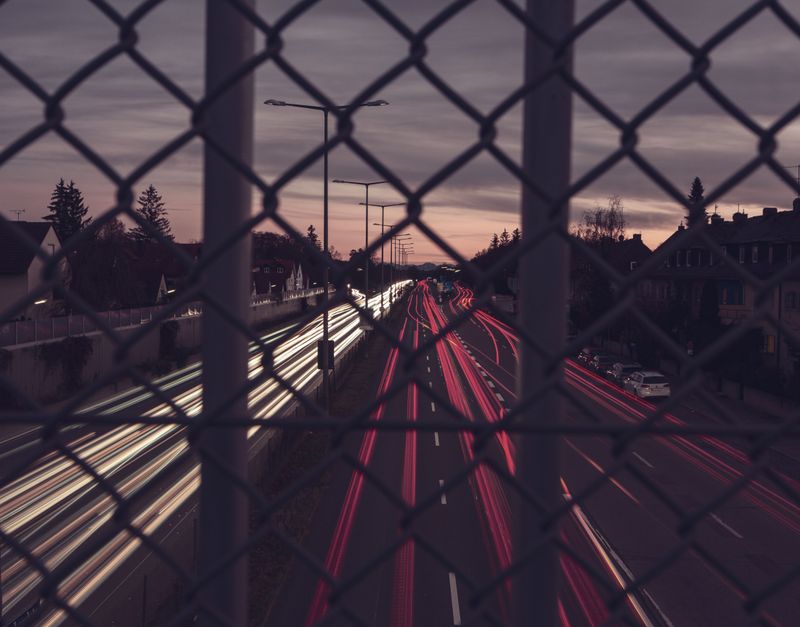
September and October tend to see more elk collisions on Colorado roads, and it is not because elk suddenly forgot how streets work. Bulls chasing cows simply stop watching for headlights.
Herds move most at dawn and dusk, exactly when commuters are on the road. Highways near Estes Park, Evergreen, Grand Lake, and Steamboat see the heaviest crossings.
An adult elk stands nearly five feet at the shoulder, so a collision hits the windshield rather than the bumper. Slowing to 45 in posted wildlife zones gives you the reaction time that matters.
Where one crosses, more follow. Cows travel in single file, and the bull often trails the group, appearing seconds after you think the road is clear.
Fences take a beating too. Elk clear a four-foot fence with room to spare, but wire strands catch legs and antlers, and repairs pile up fast for rural homeowners.
Smooth wire on the top strand and lower fence heights are generally recommended to reduce tangles, per wildlife-friendly fencing standards used across Colorado. Woven wire with small openings causes the most trouble.
Around the house, motion lights near driveways help you spot a bull before you walk into one. Many close calls happen between a car door and a garage at 10 p.m.
If you do hit an elk, stay in the vehicle and call it in. An injured bull is unpredictable, and officers are trained to handle it safely.
How To Watch The Show While Staying A Safe Spectator
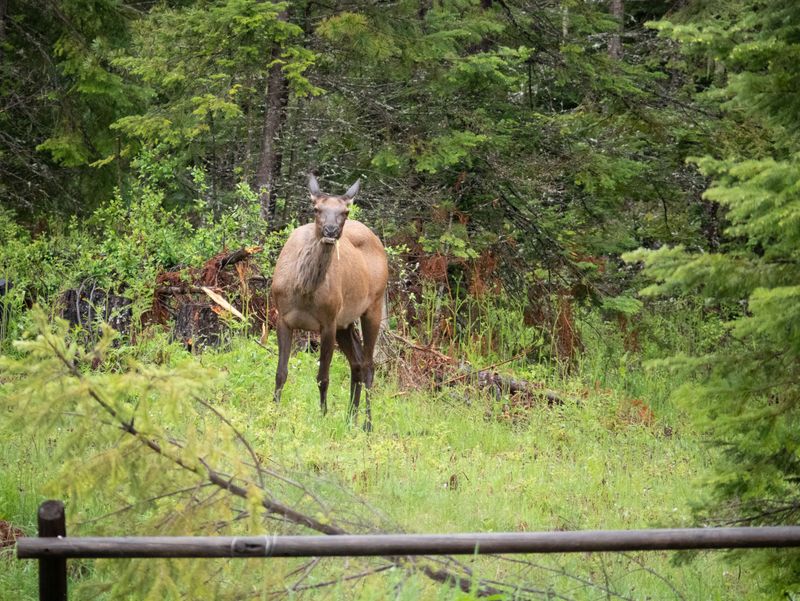
Rut is one of the most dramatic wildlife displays in North America, and Colorado has a front row seat. Watching it well comes down to distance and timing.
Aim for the first hour after sunrise or the last hour before dark, when bugling peaks and herds are on the move. Bring binoculars and a zoom lens instead of walking closer.
Seventy-five feet is the minimum recommended buffer, and a hundred yards is smarter around a bull with cows. If an animal changes behavior because of you, whether it stops eating, stares, or steps forward, you are already too close.
Watch the ears and the head. Ears pinned back, a raised nose, teeth grinding, or a stiff sideways walk are all warnings that a bull is done tolerating company.
Should one advance, put a vehicle, tree, or building between you and him rather than trying to outrun him. Elk sprint around 40 miles per hour, so cover beats speed every time.
Great viewing spots include the meadows of Rocky Mountain National Park, the Estes Park golf course perimeter, Evergreen Lake, and open space near Genesee. Rangers often host evening elk programs during peak weeks.
Leave the drones at home, since they stress herds and are banned in national parks. Keep dogs leashed, and skip any food that might teach elk to associate people with snacks. Respect the space and the memory of that bugle will outlast any photo you take.