Why Backyards Across Colorado Are Becoming A Favorite Stop As Bears Enter Their Most Active Feeding Phase
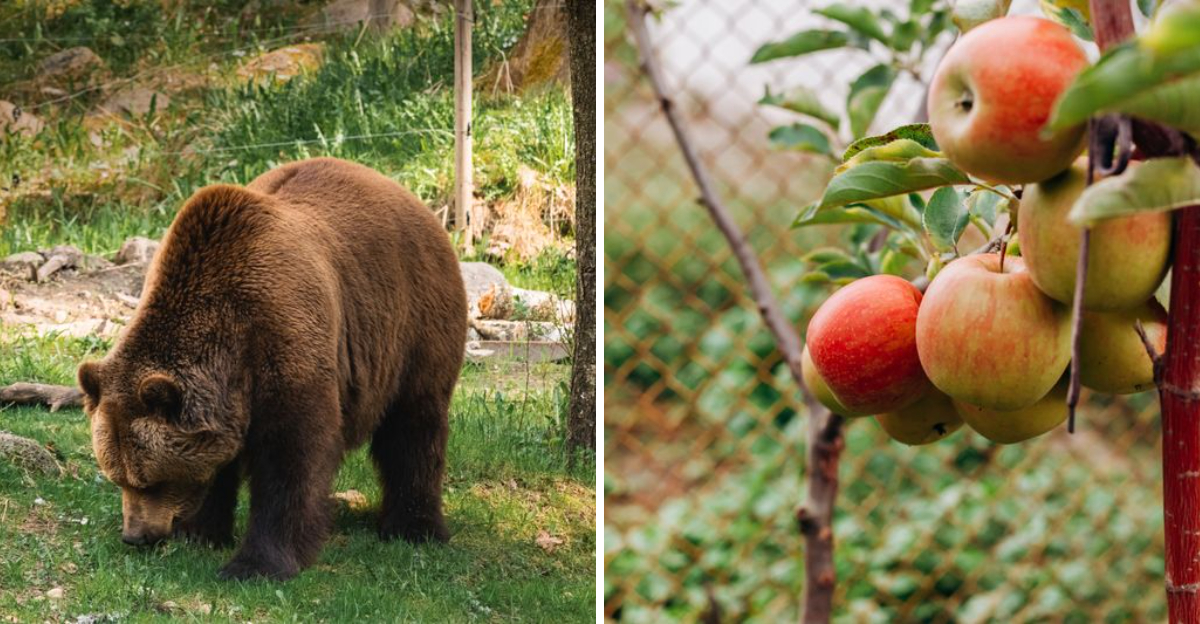
Your porch light flickers alive, and you freeze. Something heavy just flipped your trash can over. You hear birdseed disappear before you even move. Colorado nights turn wild once late summer fades.
Bears, raccoons, and foxes suddenly feel far bolder near you now. Biology drives this timing, not simple bad luck. Hormones surge inside these animals as appetites spike. That quiet yard becomes their favorite new stop.
Neighbors across Colorado now compare actual footage instead of stories. Watching those clips, you wonder why your street got picked.
Patterns exist, and once you spot them, things shift. Small shifts in your routine can end these visits. Knowing the trigger gives you real control fast.
Understanding this cycle turns you from target to observer. Ignoring the signs invites more nighttime visitors. Power over this sits with you, not chance. Discover exactly what triggers these nightly visits before your yard gets targeted again.
1. Hyperphagia Turns Appetite Into A Full-Time Job

Late summer flips a switch inside Colorado’s black bears. Biologists call it hyperphagia, and it means a bear may spend up to 20 hours a day searching for food.
During those weeks, a single bear can take in 20,000 calories daily. That is roughly the same as eating dozens of cheeseburgers before breakfast, lunch, and dinner even finish.
The goal is simple survival math. Bears need thick fat reserves to sleep through winter and, for females, to support cubs born during the coldest months.
Natural foods drive the effort first. Acorns, chokecherries, serviceberries, and clover fuel most of the season when the mountain harvest cooperates.
Trouble starts in years when late frosts or drought thin those berry crops. Hungry bears then widen their search, and human neighborhoods sit right on the edge of that expanded territory.
A backyard offers something wild slopes cannot match: dense calories in one small spot. Twenty pounds of birdseed beats hours of picking berries one at a time.
Knowing the timing helps you plan. From roughly mid-August through November, treat your property as if a hungry bear may pass through after dark.
Practical step one is a walk-around. Stroll your yard at dusk and ask what smells strongest, then remove or secure that item first.
Bears are not being bold for fun. They are working against a survival clock, and your yard just happens to be convenient.
2. Trash Cans Rank As The Number One Attractant

Ask any Colorado wildlife officer what draws bears into town, and the answer arrives fast: garbage. Reports of bear conflicts in the state consistently point to trash as the leading cause.
A bear’s nose does the heavy lifting here. Their sense of smell is estimated to be far sharper than a bloodhound’s, capable of picking up odors from a significant distance.
Standard plastic bins offer almost no resistance. A curious bear can pop a lid with one paw swipe and scatter a week of leftovers across the lawn.
Bear-resistant containers change that story. Certified models use latches and reinforced lids that frustrate a bear long enough for it to give up and wander off.
Your Colorado Garden Changes Every Week. Your Plan Should Too.
Gardening in Colorado changes quickly throughout the season. Every Friday you’ll receive a simple weekly plan showing exactly what to plant, prune, fertilize, harvest, and protect so you never miss the right timing.
Timing matters just as much as the container. Putting cans out the morning of pickup instead of the night before removes an overnight opportunity.
Storage location counts too. A garage, shed, or enclosure with a solid door keeps odors contained and puts a barrier between the bin and the street.
Some towns like Durango, Aspen, and Snowmass Village have written bear-resistant trash rules into local ordinances. Fines follow repeat violations, because loose trash creates problems for the whole block.
Small habits stack up nicely. Rinsing cans monthly with diluted bleach, double-bagging meat scraps, and freezing smelly waste until collection day all cut the scent trail.
One unsecured bin on a street can undo a whole neighborhood’s effort. Talking to neighbors often accomplishes more than any single gadget.
3. Bird Feeders Become Autumn Candy Dispensers
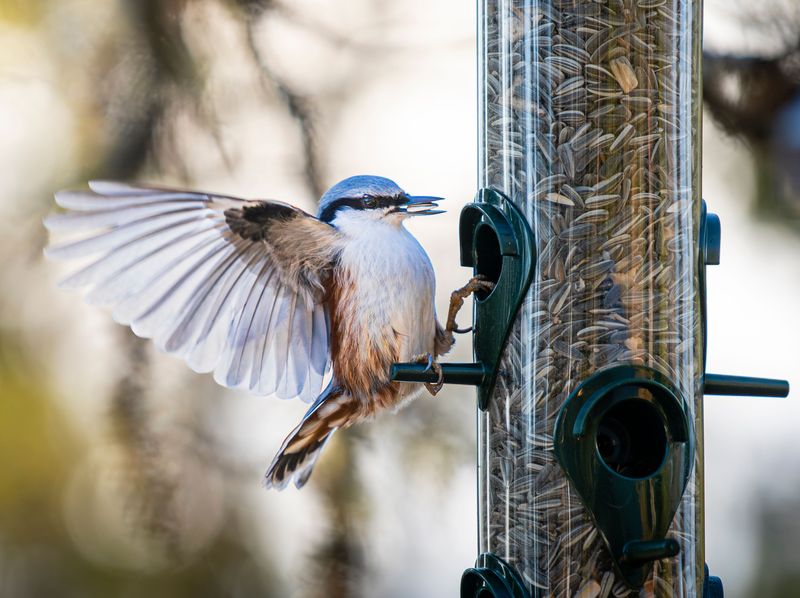
That cheerful tube of sunflower seeds looks harmless hanging from the aspen branch. To a bear packing on fat, it reads as a concentrated snack bar hung at nose height.
Black oil sunflower seed runs high in fat and protein. A single filled feeder can hold well over a thousand calories, gone in a couple of minutes.
Suet cakes rate even higher. Rendered fat is exactly what a bear craves during the fattening stretch, and the smell travels far on cool evening air.
Hummingbird feeders join the list too. Sugar water is easy calories, and bears will flatten a shepherd’s hook to reach it.
Colorado Parks and Wildlife suggests taking feeders down from roughly April through November. Songbirds find plenty of natural seed and insects during those warm months anyway.
If you cannot bear to skip the hobby, shift your approach. Plant native seed-producing flowers, add a birdbath, or set up a nesting box instead.
Spilled seed under the feeder deserves attention as well. Raking or vacuuming the ground beneath removes a lingering scent patch that keeps bears returning.
Some folks try hanging feeders ten feet up on a wire between trees. Determined bears often figure it out, and climbing cubs treat the setup like a playground.
Waiting until the first hard freeze to rehang feeders works better. By then bears have settled into dens, and your finches will still find you.
4. Grills And Smokers Hold Onto Odors For Days
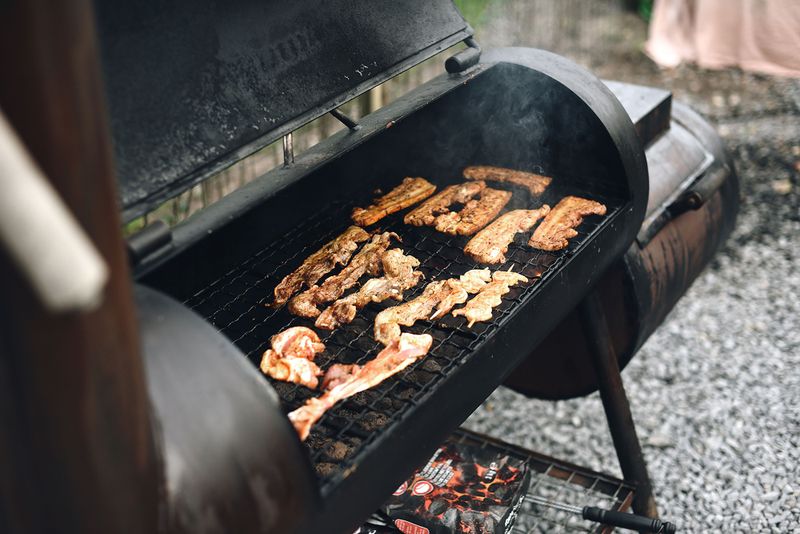
Saturday’s burgers taste great. The grease trapped in the grease tray keeps advertising them long after the plates are washed.
Grill grates hold burnt-on fat that releases scent every time the temperature climbs. A warm afternoon can reactivate an aroma from days earlier.
Burning off the grates for ten to fifteen minutes after cooking handles much of the problem. Scrubbing with a stiff brush while things are still hot finishes the job.
The grease cup is the piece people forget. Emptying it into a sealed container and storing that indoors removes one of the strongest smells in the yard.
Smokers and pellet grills need extra care because low-and-slow cooking soaks the whole unit in aroma. A tight-fitting cover helps, though it will not mask everything.
Where you park the grill matters. Rolling it into a garage or locked shed after it cools puts real distance between the odor and a wandering nose.
Outdoor kitchens built into decks present a tougher puzzle. Sealing food storage drawers and wiping surfaces with degreaser after each use keeps the area calmer.
Fire pits count too, especially if marshmallows or foil packets ended up in the ashes. Food scraps in a fire ring turn it into a snack station.
One quirky detail: bears have been known to nose open coolers left on porches overnight. A cooler with a padlock or a bear-resistant certification solves that in one purchase.
5. Backyard Fruit Trees Ring The Dinner Bell
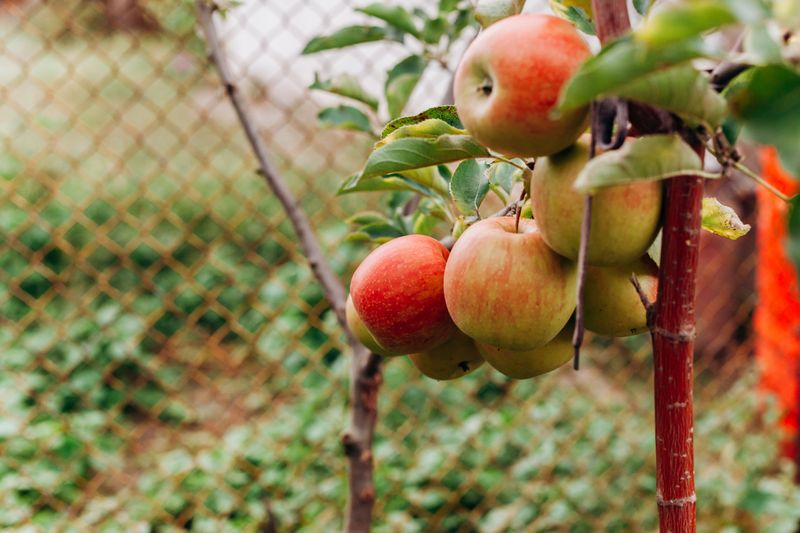
Old apple and crabapple trees are scattered across Front Range neighborhoods, many planted generations ago. Come September, they drop fruit faster than anyone can gather it.
Fermenting windfall apples smell sweet and strong. Bears track that odor from surprising distances and will return nightly until the ground is bare.
Daily pickup is the single best fix. A five-minute sweep with a bucket each evening removes the buffet before dark falls.
Harvesting early also helps. Picking fruit slightly before peak ripeness cuts the scent and still gives you plenty for pies and cider.
Communities have gotten creative about it. Fruit gleaning programs in places like Boulder and Durango send volunteers to pick unwanted harvests and donate them to food banks.
Plum, pear, and cherry trees deserve the same routine. So do grape vines and raspberry canes trained along fences.
Electric fencing offers stronger protection for small orchards. A properly grounded, multi-strand setup teaches bears to move along without harming them.
Compost piles sit in the same category. Adding fruit scraps, melon rinds, or corn cobs turns a garden helper into an attractant, so stick to yard clippings during bear season.
Chicken coops and beehives round out the list. Bears want the feed and the brood comb, and both respond well to a solid electric perimeter.
Trimming low branches also reduces climbing appeal. A bear that cannot get comfortable often decides the effort is not worth it.
6. Drought And Frost Push Bears Downhill Faster
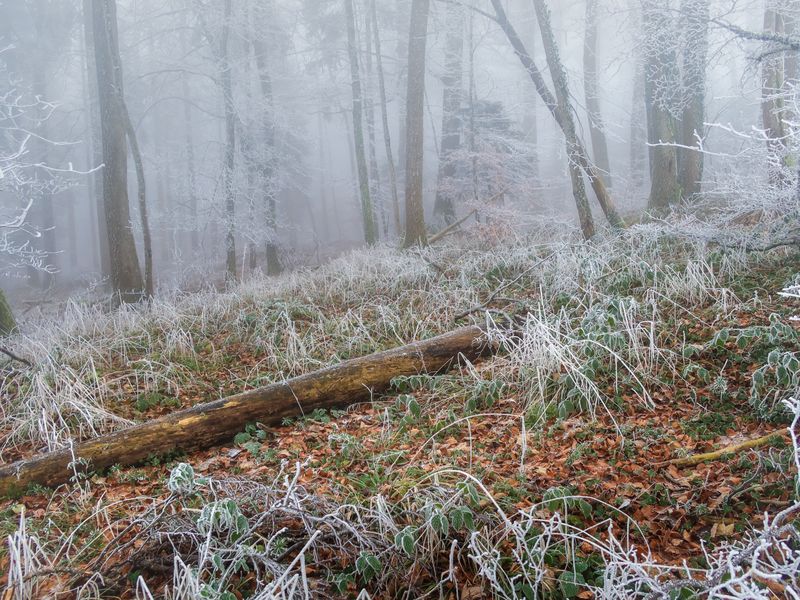
Weather in the high country writes the script for bear behavior each year. A late spring freeze can wipe out berry blossoms across whole drainages before anything ripens.
Add a dry summer and the natural pantry shrinks further. Serviceberry, chokecherry, and acorn crops all depend on well-timed moisture.
When those foods fail, bears expand their range dramatically. Wildlife tracking research has observed bears traveling notably farther in poor mast years.
Lower elevations then look appealing. Irrigated lawns, watered gardens, and shaded green corridors along creeks stay lush while the hillsides go crispy.
Colorado Parks and Wildlife often issues advisories when berry surveys come back thin. Paying attention to those seasonal reports gives you a head start on prevention.
Neighborhoods near riparian areas see the most traffic. Creek beds act as travel highways, letting bears move through town with cover and water.
Practical response means tightening up earlier than usual. In a lean year, secure attractants by early August rather than waiting for the first sighting.
Community awareness multiplies the benefit. Sharing a drought advisory on a neighborhood app can prompt a dozen households to lock their bins the same week.
Good years bring their own twist. Abundant food can support larger, healthier litters, which means more young bears exploring for territory the following season.
Reading the weather is really reading the bears. Dry, frosty springs usually forecast a busy autumn in town.
7. Unlocked Doors, Garages, And Cars Invite Trouble
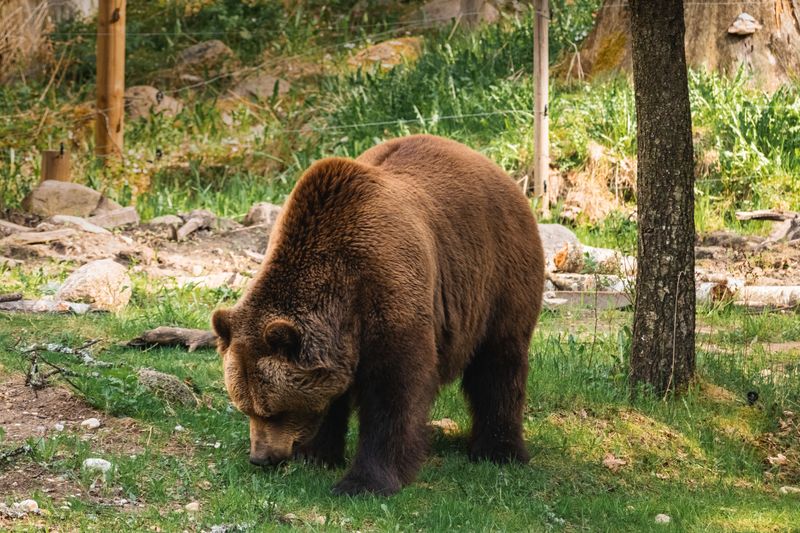
Bears in Colorado have learned to operate lever door handles. Once inside a garage or kitchen, a large, startled animal can cause serious property damage.
Vehicles get raided constantly. A forgotten granola bar wrapper or a car seat crumb pile is enough motivation to peel a door open.
Locking car doors year-round is the easiest habit on this entire list. It costs nothing and prevents a costly repair bill.
Rolling windows all the way up matters too. Even a two-inch gap lets scent escape and gives claws something to grab.
Garage doors deserve the same discipline. Storing pet food, livestock feed, coolers, and recycling behind a closed door removes most of the temptation.
Ground-floor windows and pet doors are common entry points as well. Latching screens and blocking dog doors overnight closes those routes.
Kitchens facing the yard should keep windows shut while cooking on warm evenings. Bacon smell carries beautifully through a screen.
Motion-activated lights and radios tuned to talk stations add mild discouragement. They work best as one layer among several rather than a standalone fix.
Should a bear wander inside, open an exit route and give it plenty of space. Stay back, make noise from a safe distance, and call Colorado Parks and Wildlife.
Reporting incidents helps officers track patterns. That data guides where education efforts and enforcement go next season.
8. A Fed Bear Loses Its Wild Edge
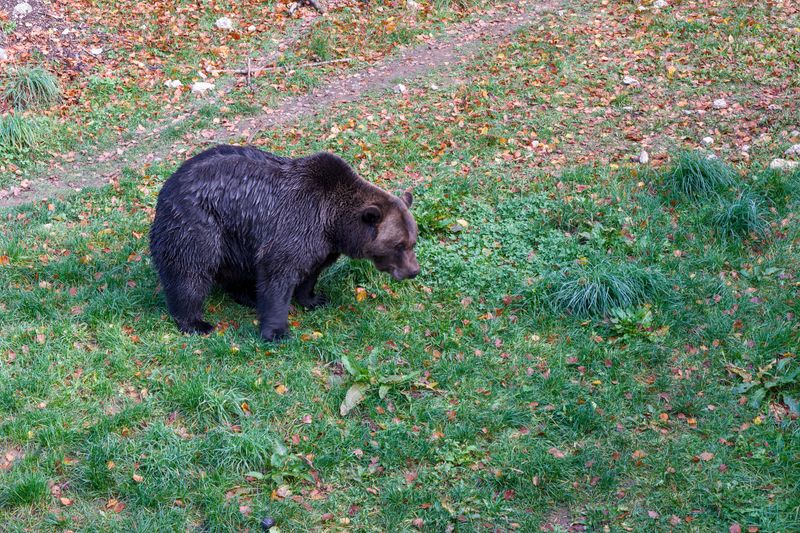
There is a well-known saying among wildlife managers: a fed bear becomes a habituated bear. Once an animal connects people with easy meals, the behavior sticks.
Food-conditioned bears grow bolder over time. They visit in daylight, approach porches, and stop responding to shouting or clapping.
That progression rarely ends well for the bear. Colorado wildlife officials generally follow a limited-tolerance relocation approach, and some relocated bears have been known to return to familiar territory.
Cubs learn the routine by watching. A mother who raids bins passes that map to the next generation, multiplying the problem across years.
Prevention beats correction by a wide margin. Removing attractants before the first visit keeps the association from forming at all.
Intentional feeding is illegal in Colorado, and for good reason. Well-meaning people who leave out scraps set up conflicts that neighbors inherit.
Hazing has a role when done properly. From inside a home or vehicle, banging pots or using an air horn reminds a bear that houses are unpleasant.
Reporting sightings early gives officers a chance to intervene with education. Waiting until property damage occurs narrows the options considerably.
Communities that commit together see real results. Snowmass Village and other mountain towns have reported fewer conflict calls after adopting strict containment rules.
Your yard is one square on a much bigger board. Keeping it boring gives bears their best chance at staying wild and staying away from human neighborhoods.