The Most Underrated North Carolina Ground Cover That Protects Soil From Heavy September Rains
September in North Carolina has a smell all its own: warm clay, wet pine straw, and the metallic hint of a storm rolling in from the coast. Then the sky opens, and your yard becomes a slow-motion mudslide.
Most folks blame the slope, the gutters, or plain bad luck. The real culprit is usually bare ground with nothing holding it together.
There is a humble, low-growing plant that quietly fixes this for pennies compared to retaining walls. It is not showy, and garden centers rarely put it up front.
Stick around, because the points below explain what it is, why Piedmont clay loves it, and how to get it rooted before the next downpour arrives.”
The Quiet Soil Anchor Hiding In Plain Sight
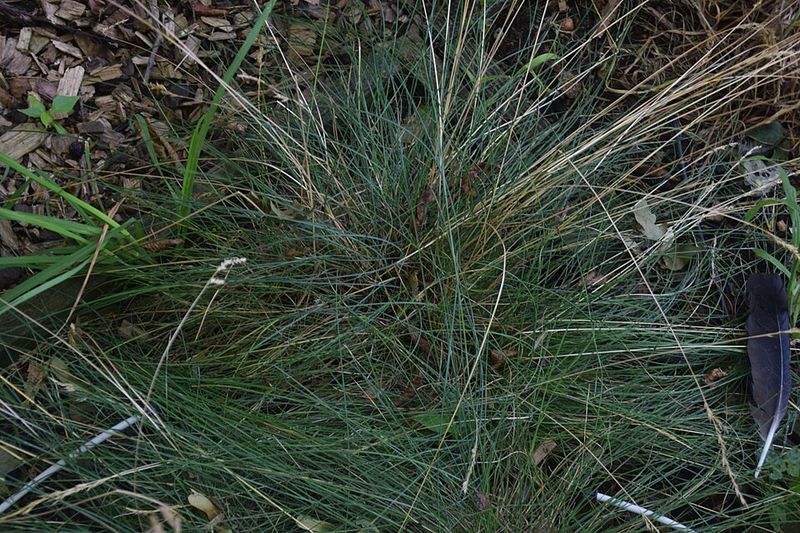
Ask ten neighbors to name a ground cover and you will hear liriope, ivy, or mondo grass. Almost nobody says creeping red fescue, and that is a shame.
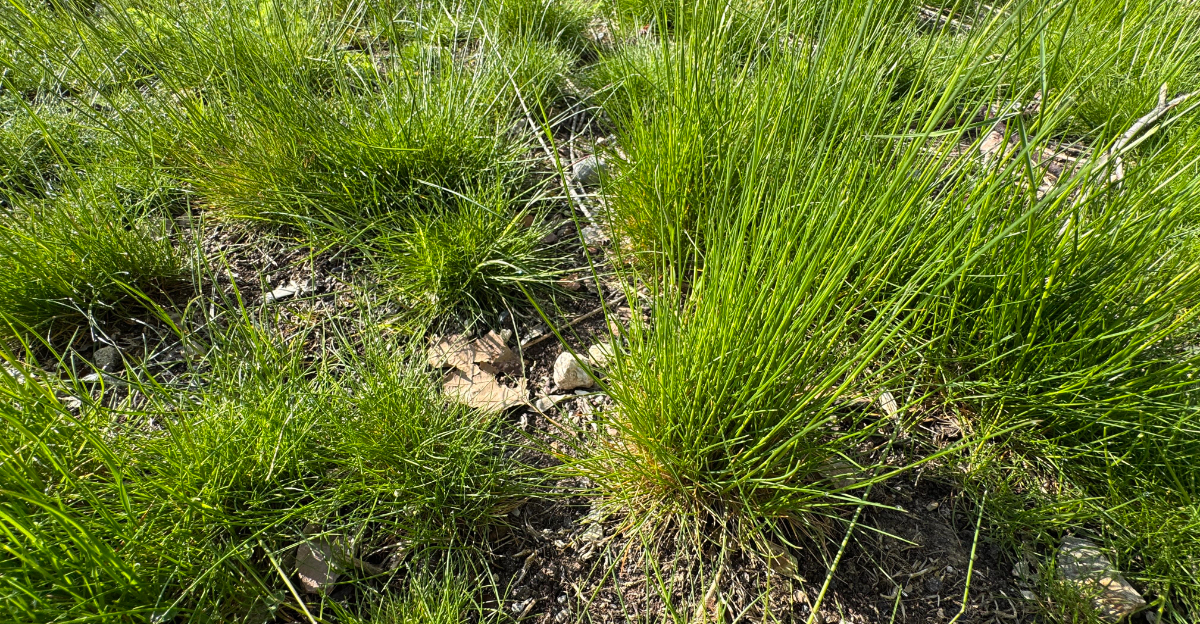
Fescue of this type spreads by short underground stems called rhizomes, weaving a dense mat just beneath the surface. That hidden web is what grips loose soil when water starts moving downhill.
The blades are fine and soft, almost hair-like, and they fold over during storms to form a living roof over the dirt. Raindrops hit leaves instead of striking bare clay, which is where most erosion begins.
North Carolina gardeners often overlook it because it does not bloom or flash color. Its job is quiet and structural, more like rebar in concrete than a decoration.
Cool weather suits it perfectly, and September happens to be when our nights start cooling off. Seed sown in early fall roots quickly while the ground is still warm from summer.
Shade tolerance is another reason it deserves more attention. Under oaks and pines where turf thins out, this fescue keeps holding on.
Fun bit of history: creeping red fescue was widely used on highway banks across the Southeast decades ago, long before it showed up in home lawns. Road crews trusted it because it stabilized cut slopes fast.
Treat it as a working plant rather than a showpiece, and it will earn its keep every rainy season without asking for much attention at all.
September Storms Hit North Carolina Yards Hard
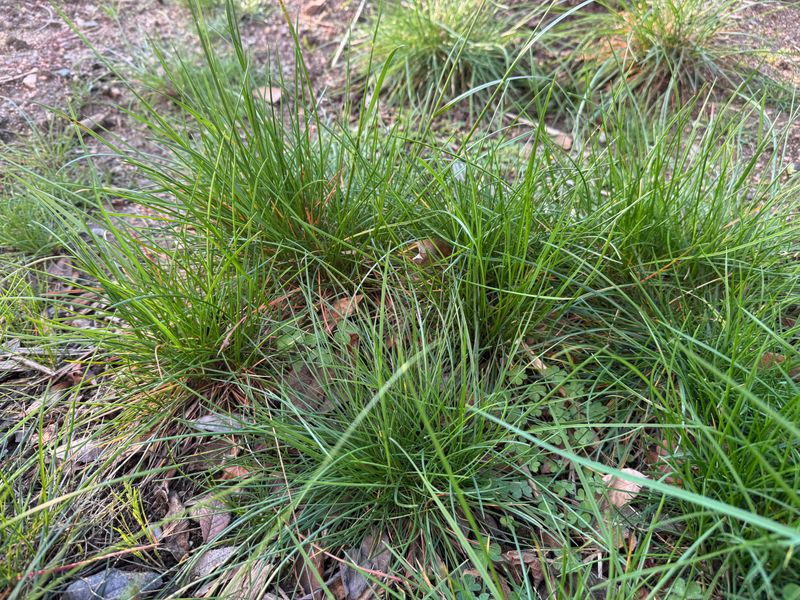
Tropical systems love our state in early fall. Remnants of Gulf and Atlantic storms drift inland and dump two or three inches of rain in a single afternoon.
Summer heat leaves soil baked and crusted by the time September arrives. Water hits that hard surface and runs off instead of soaking in.
Piedmont clay makes the situation trickier. It holds water once saturated, so the top layer turns slick and slides while everything underneath stays firm.
Mountain counties face steeper grades where runoff picks up speed fast. Coastal yards deal with sandy soil that simply washes away with nothing to hold it.
The damage is not only cosmetic. Topsoil carries nutrients, and once it reaches the storm drain, your flower beds are poorer for it.
Your North Carolina Garden Changes Every Week. Your Plan Should Too.
Gardening in North Carolina changes quickly throughout the season. Every Friday you’ll receive a simple weekly plan showing exactly what to plant, prune, fertilize, harvest, and protect so you never miss the right timing.
Sediment also clouds creeks and rivers, which is why many North Carolina counties have erosion rules for construction sites. Homeowners rarely think their small slope matters, but thousands of small slopes add up.
Timing works in your favor, though. Soil temperatures in September still hover in the sixties and seventies, ideal for cool-season roots to establish before winter.
Plant cover now and you get a head start on the wettest stretch of the year. Waiting until spring means another season of watching mud collect at the bottom of the driveway.
Understanding the pattern helps you plan. Storms are predictable enough that preparation beats repair almost every time, and roots cost far less than hauling in replacement topsoil.
Root Systems That Grab Clay And Hold On
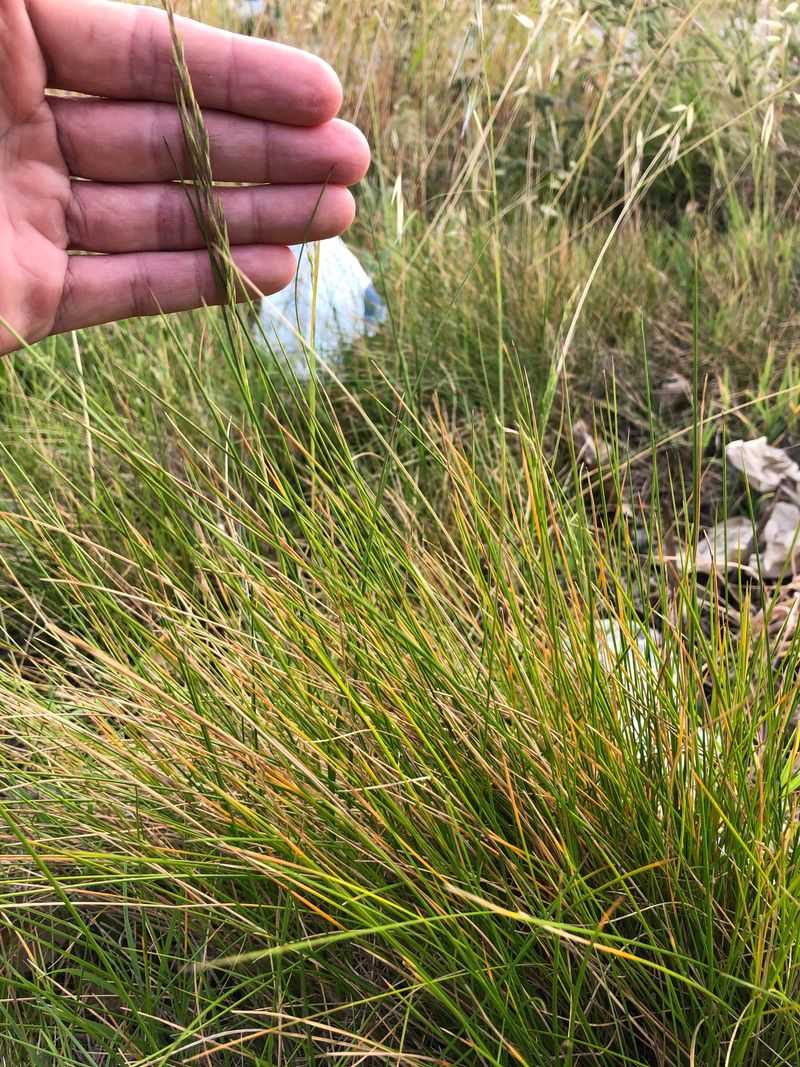
Picture a fistful of thread pushed into wet clay, then imagine thousands of those threads knitting together. That is roughly what happens below a fescue mat.
Fibrous roots branch again and again instead of driving one thick taproot downward. The result is enormous surface contact with soil particles.
Fine-rooted grasses like fescue pack an enormous amount of root length into a small patch of soil, far more than the eye would guess from the blades on top. All that thread creates friction, and friction stops soil from traveling.
Clay particles are tiny and flat, which is why they slide past each other when wet. Roots interrupt that sliding by physically binding layers together.
Rhizomes add a second level of protection. These horizontal stems run just under the surface and knit neighboring plants into one continuous sheet.
When a heavy shower saturates a slope, that sheet behaves like a mesh blanket. Water still moves, but it filters through rather than carving channels.
Depth matters too. Established fescue roots reach six to twelve inches into decent soil, past the shallow zone where most washouts start.
Over a few seasons, the added organic matter still helps loosen compacted clay, even where the fescue’s shallow root mat does more to shed water than absorb it.
Compare this with mulch alone, which floats and drifts. Wood chips help temporarily, but they have no grip once water gets underneath them.
Living roots renew themselves year after year, which is what makes them the more reliable long-term investment for any sloped North Carolina property.
Shade Under Oaks And Pines Is No Problem
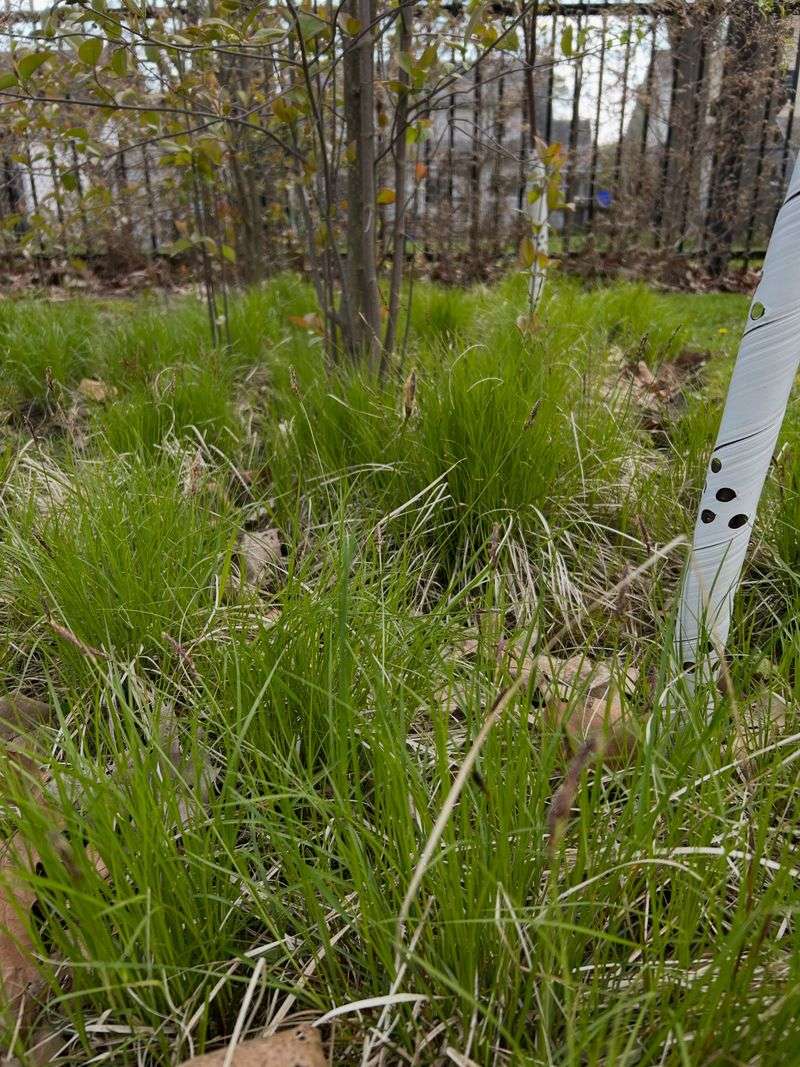
Anyone with a mature oak in the front yard knows the bald patch problem. Bermuda and zoysia sulk in shade, leaving bare dirt that turns to soup in storms.
Creeping red fescue handles filtered light better than nearly any other lawn-type grass grown here. Four hours of dappled sun is often enough.
That trait solves a specific North Carolina headache. Our wooded lots and pine stands create exactly the conditions where standard turf gives up.
Pine straw does not bother it much either, though a thick blanket should be raked thin before seeding. A light scattering actually helps hold seed in place.
Root competition from big trees is real, and fescue will grow slower there. Slower still beats nothing, and even thin coverage cuts raindrop impact dramatically.
Watering during establishment matters more in dry shade. Tree roots drink first, so plan on light daily sprinkling for the first two or three weeks.
A small trick: sow slightly heavier under trees than in open areas. Aim for about five pounds per thousand square feet instead of four.
Once established, shaded fescue needs less mowing than sunny patches. Many homeowners let it grow long and flop over naturally, which looks soft and meadow-like.
That relaxed look has become fashionable, and it doubles as erosion protection. Longer blades slow water even more effectively than clipped turf.
Between the shade tolerance and low upkeep, wooded slopes finally get a cover that sticks around instead of thinning out by midsummer.
Timing Your Seeding For Maximum Fall Growth
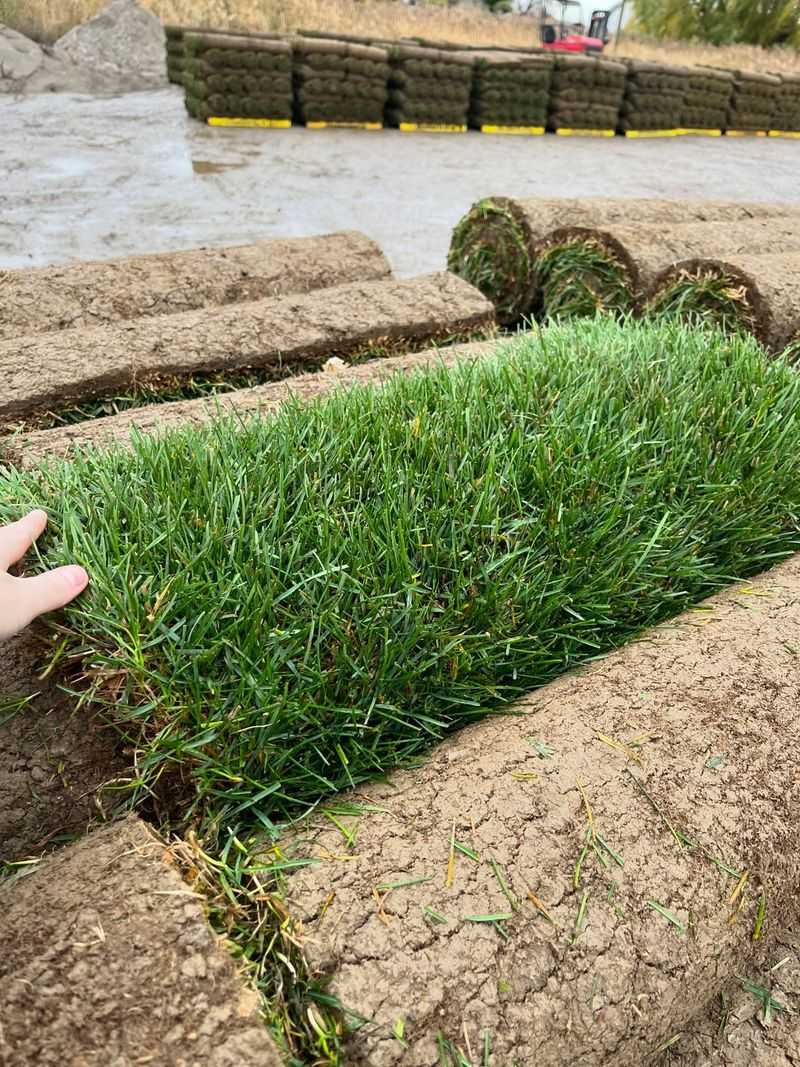
Labor Day weekend is the unofficial starting gun for cool-season seeding across the Carolinas. Extension agents have recommended that window for decades.
Soil temperature drives germination more than air temperature. Fescue seed sprouts best when the ground sits between sixty and seventy degrees.
Mid-September through mid-October hits that range in most of the state. Mountain counties can start a week or two earlier, coastal areas a bit later.
Seeding too early risks summer heat scorching young seedlings. Seeding too late means roots have not developed before the first hard frost.
Six weeks of growing weather is the general target before cold sets in. Count backward from your area’s average first frost and you will land on a good date.
Storms complicate the plan, so check the forecast. Sowing right before a gentle rain is ideal, while sowing before a downpour just sends seed to the curb.
Straw or an erosion blanket protects fresh seed on steeper spots. Both let light through while stopping the seed from floating away.
Keep the top inch damp until sprouts appear, usually seven to fourteen days. Short, frequent watering beats one long soaking during that stretch.
By Thanksgiving you should have a green fuzz that holds soil through winter rains. Growth pauses in cold weather, then resumes strongly in March.
That head start explains why fall plantings outperform spring ones nearly every season in North Carolina yards.
Preparing Compacted Clay Before You Sow
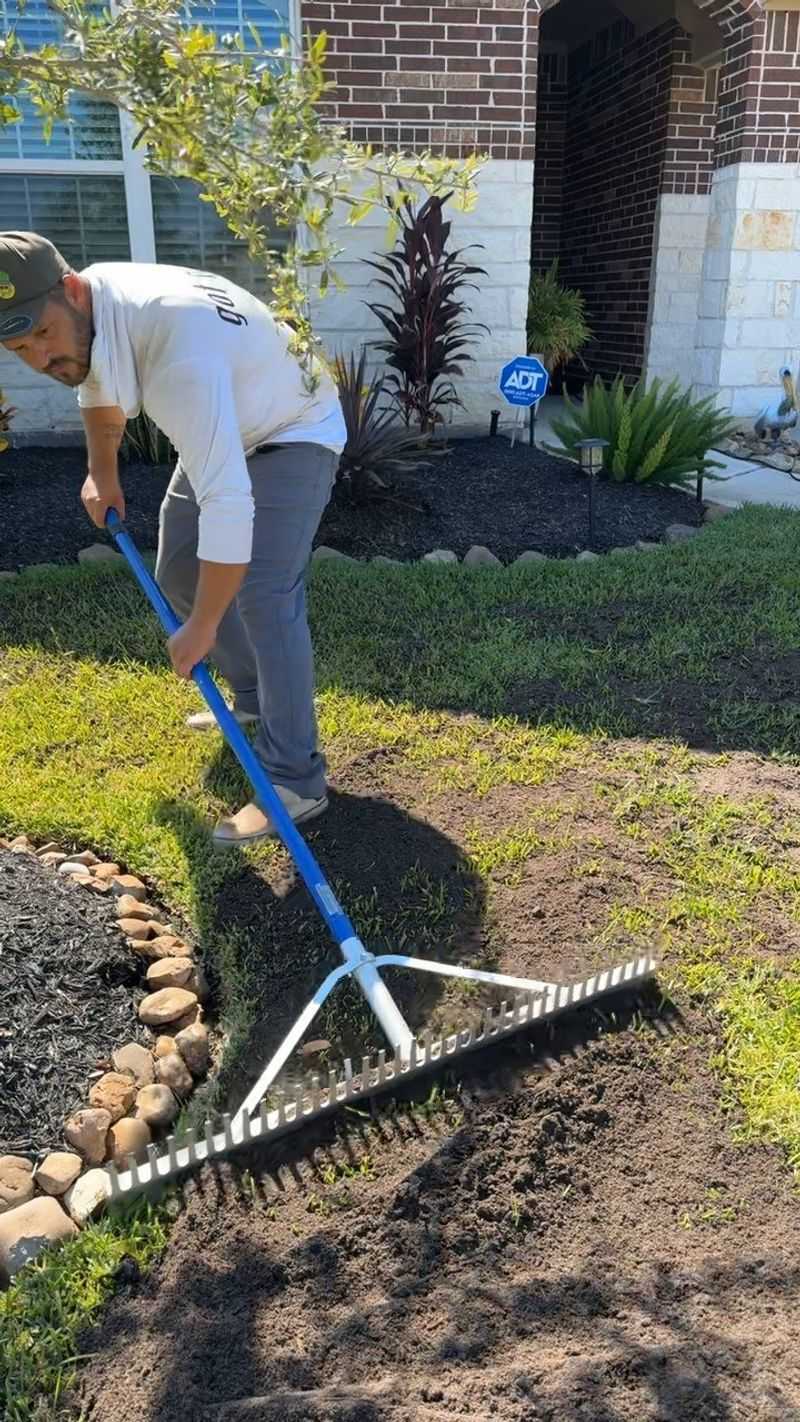
Seed tossed onto rock-hard clay is money thrown away. Roots need somewhere to go, and compacted ground offers no room.
Start by scratching the surface with a stiff rake or garden fork. You are aiming to loosen the top inch, not till the whole slope.
Deep tilling on a grade can backfire badly. Loose, fluffy soil slides downhill in the first storm before roots have a chance.
Compost is the better amendment. Spread a half-inch layer and rake it in lightly, which feeds soil life and improves structure without destabilizing anything.
A soil test through your county extension office costs very little and removes guesswork. Most Piedmont clay runs acidic and benefits from lime.
Fescue prefers a pH near six to six and a half. Correcting that single number often doubles how well seedlings establish.
Clear away thick leaf litter, old landscape fabric, and stray rocks. Seed must touch actual soil to sprout reliably.
If the slope already has gullies, fill them with soil and firm them gently before seeding. Otherwise water follows the same path and reopens the channel.
Skip heavy nitrogen fertilizer at planting. A starter blend with phosphorus supports root growth without pushing floppy top growth that cannot support itself.
Walk the finished area lightly or roll it with an empty lawn roller. Good seed-to-soil contact is worth more than any product you can buy at the store.