Skip Annual Begonias In Shady North Carolina Beds And Plant This Native Perennial Instead
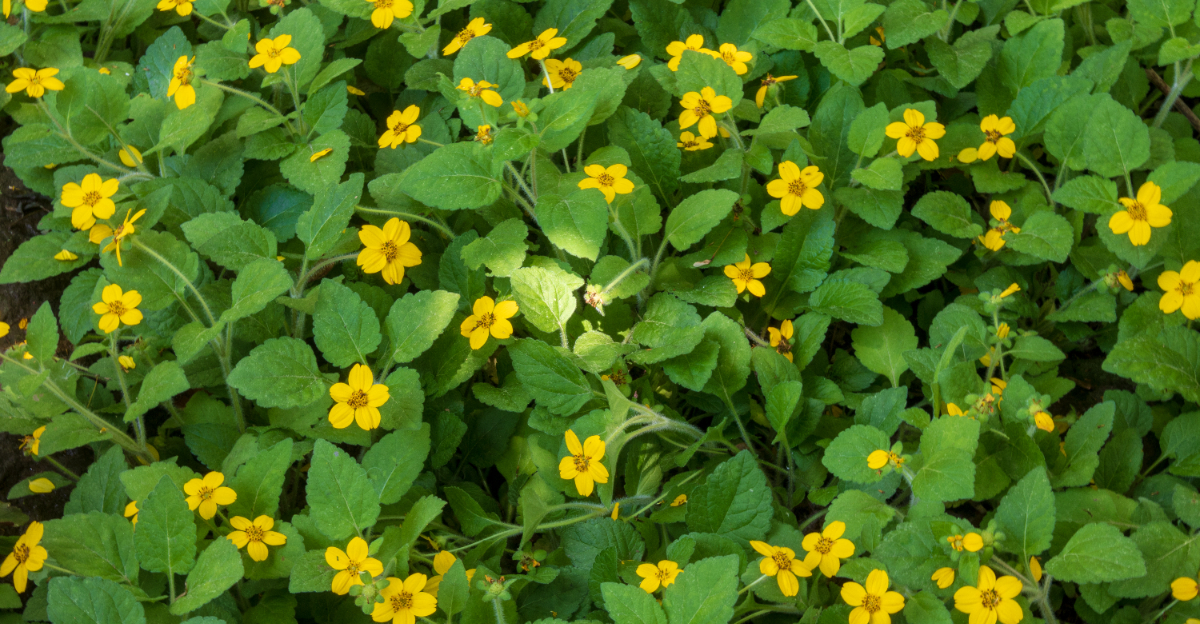
Annual begonias are a reliable choice for shady North Carolina beds in the way that a default answer is reliable.
They show up, they perform adequately, and they require replanting and repurchasing every single season for results that rarely improve on what the previous year produced. A native perennial changes that relationship entirely.
It returns every year, growing stronger and more visually interesting with each passing season. Unlike annual begonias, it also supports local pollinators and wildlife.
The initial investment in this native pays back compounding returns in a shaded bed that most North Carolina gardeners assumed could not do much more than sustain a flat of something purchased in May.
1. Green And Gold Is The Native Perennial To Plant Instead
Not every gardening habit is worth keeping, and replanting annual begonias every single season is one worth rethinking.
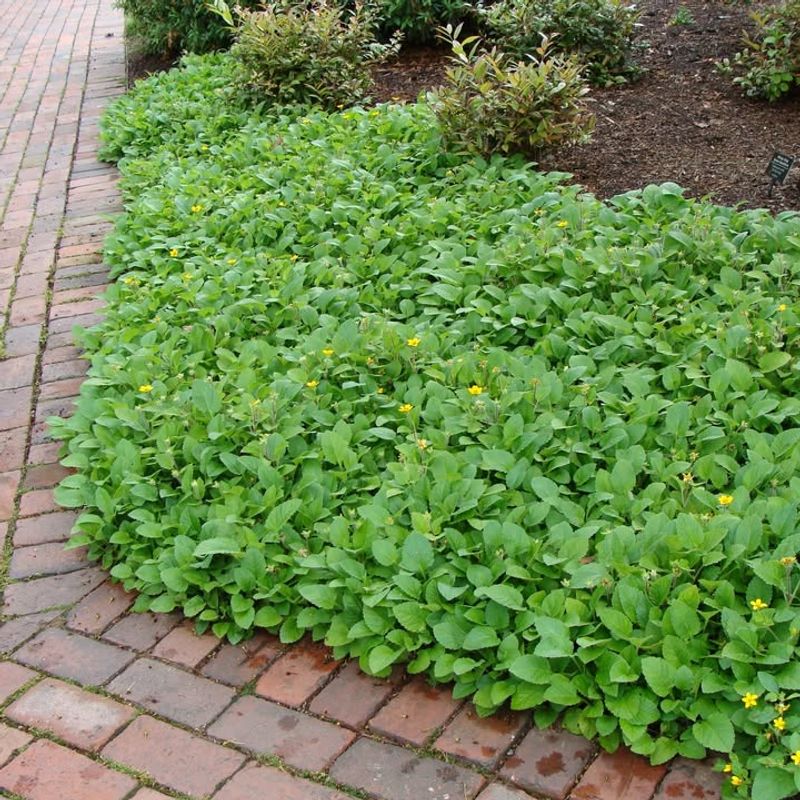
Green And Gold, known botanically as Chrysogonum virginianum, is a low-growing native perennial that naturally belongs to the woodlands of the eastern United States, including right here in North Carolina.
Unlike begonias, which are tropical plants treated as warm-season annuals in most of the country, Green And Gold comes back year after year without you lifting a finger to replant it.
Begonias are beautiful, no question about that. But they serve a single season and then they are gone, leaving you to spend money and time all over again the following spring.
Green And Gold flips that cycle on its head. It spreads slowly through runners and fills in shady spots with evergreen or semi-evergreen foliage that stays attractive even when the blooms are not present.
What makes this plant especially valuable for North Carolina gardeners is how well it suits the local growing conditions.
It thrives in the part shade to full shade environments that are so common under mature trees, along fences, and in north-facing beds.
Planting a native perennial like this is not just a gardening choice, it is a long-term investment in a healthier, lower-maintenance yard. The more established it becomes, the less work your garden actually needs from you each year.
2. It Brings Bright Yellow Flowers To Shady Beds
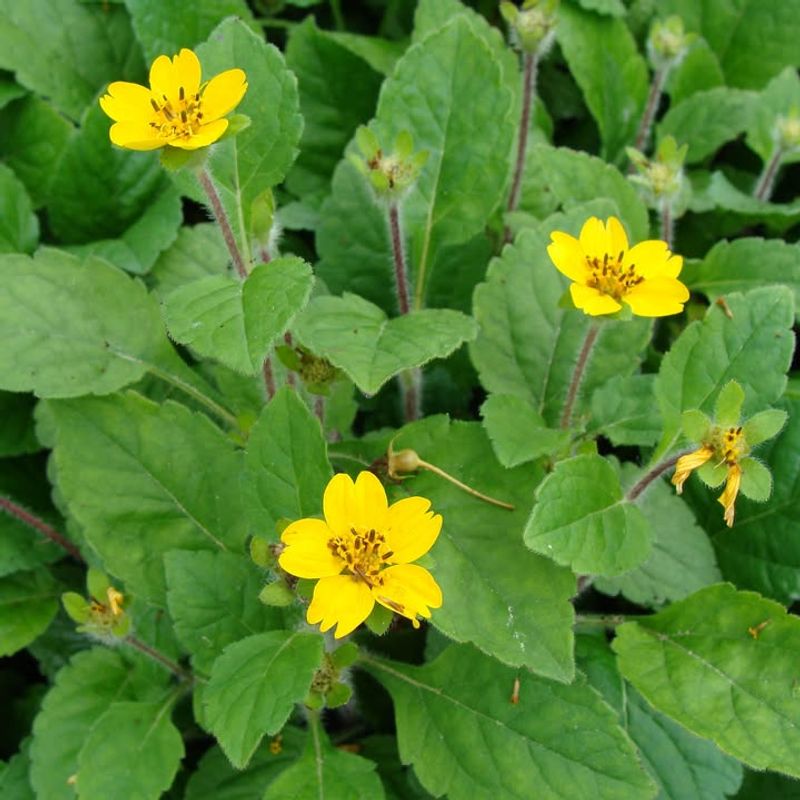
Picture a shady corner of your yard suddenly lit up with small, sunny yellow flowers popping through a carpet of dark green leaves.
That is exactly what Green And Gold delivers, and it does it starting in early spring when most shade gardens still look bare and sleepy.
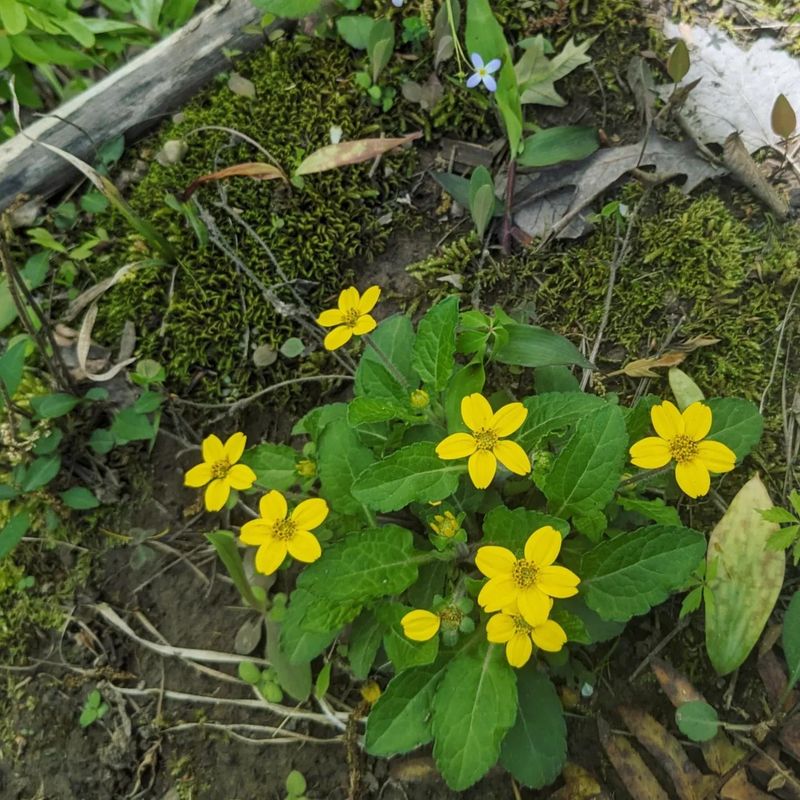
The blooms are star-shaped with five petals and a warm golden center, giving the plant a soft, natural look that feels right at home in a woodland-style North Carolina garden.
Compared to begonias, the flowers are smaller and more delicate. But that is actually part of the appeal.
Begonias tend to look formal and a little stiff, like something you would see in a hotel planter. Green And Gold has a more relaxed, wildflower quality that blends beautifully into naturalistic plantings, shaded borders, and native garden designs.
It does not shout for attention; it invites you to look closer. Another thing worth knowing is that Green And Gold often blooms in waves rather than all at once.
Your North Carolina Garden Changes Every Week. Your Plan Should Too.
Gardening in North Carolina changes quickly throughout the season. Every Friday you’ll receive a simple weekly plan showing exactly what to plant, prune, fertilize, harvest, and protect so you never miss the right timing.
You may see a strong flush in spring, a lighter show through summer, and sometimes another round in early fall depending on your location and conditions.
That kind of extended, on-and-off blooming season adds real value compared to annual bedding plants that push hard for one stretch and then fade out entirely.
The yellow color also pairs wonderfully with the green and brown tones of shaded beds, creating contrast without feeling out of place.
3. It Works Best In Moist Rich Shade
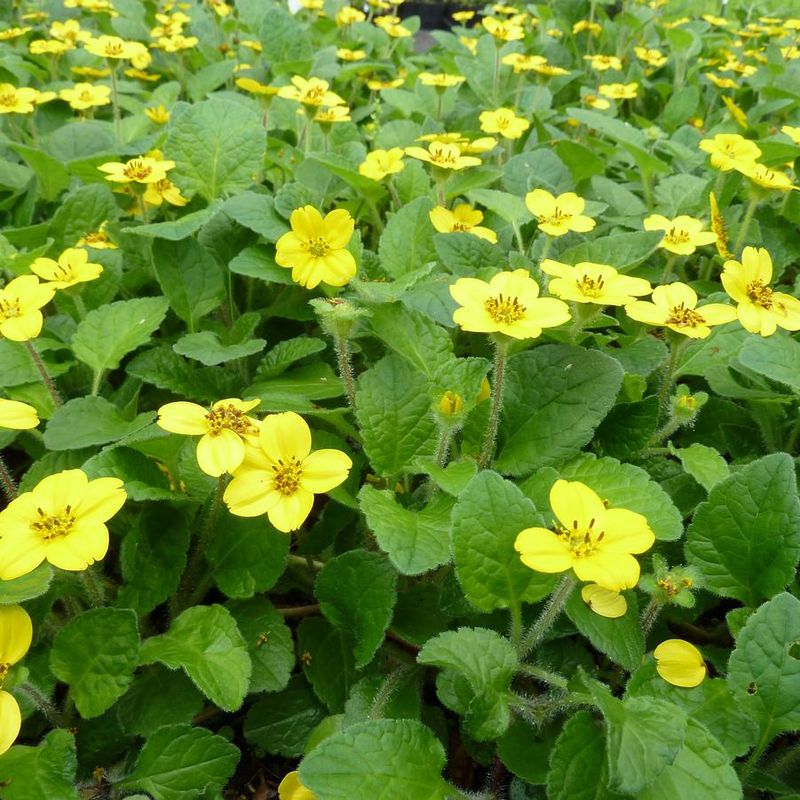
Choosing the right plant for the right spot makes all the difference, and Green And Gold has some clear preferences that are worth understanding before you plant.
It performs best in moist, humus-rich, well-drained soil with a slightly acidic pH, which is exactly the kind of soil found naturally in many North Carolina woodland gardens and shaded backyard beds.
If your soil is dark, crumbly, and rich from years of leaf litter breaking down, Green And Gold will feel right at home.
Sun exposure matters too. This plant handles part shade and full shade well, though it tends to bloom most freely with a little dappled light filtering through the tree canopy.
A spot that gets morning light and afternoon shade is often ideal. Full deep shade under dense evergreens can work, but flowering may be reduced in those conditions.
Now for the honest part. Green And Gold is not a drought-tough plant, and it will struggle in hot, dry shade, which is one of the trickiest growing environments in the garden.
If your shady bed sits under a shallow-rooted tree that pulls moisture from the soil, or if you have sandy soil that drains too fast, you will need to water consistently to keep this plant happy.
Mulching generously around the plants helps hold moisture and keeps the root zone cooler during North Carolina summers.
With the right site and steady moisture, it rewards you with vigorous spreading and reliable seasonal color year after year.
4. It Can Fill Space Better Than Seasonal Bedding Plants
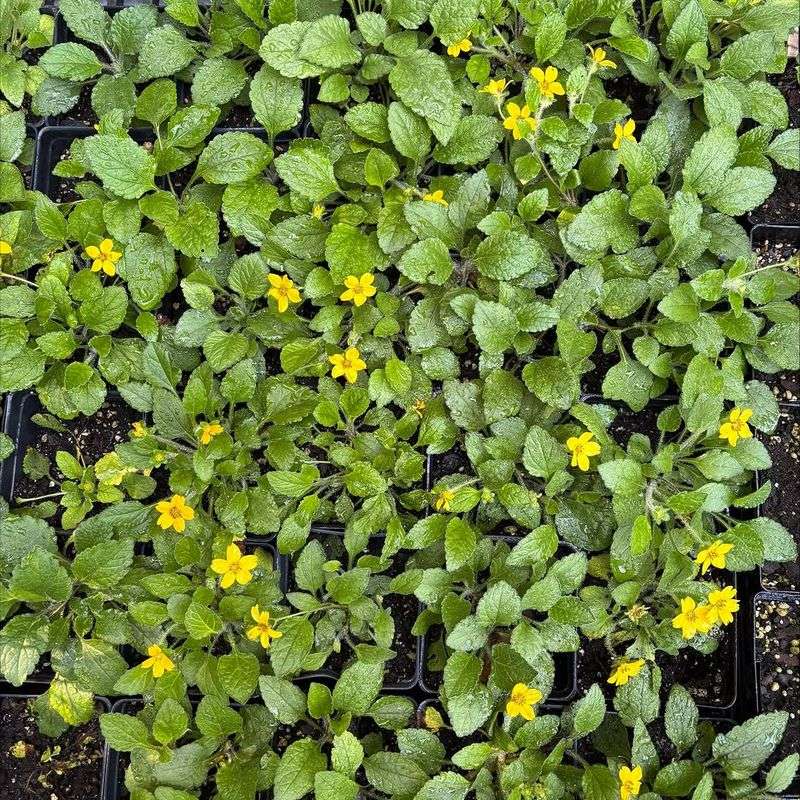
One of the most frustrating things about annual bedding plants is how they leave you with empty, bare soil every single winter.
You plant begonias in spring, enjoy them through summer, watch them fade with the first cool snap, and then stare at bare dirt until you start the whole process over again. Green And Gold solves that problem in a way annuals simply cannot.
As a spreading ground cover, Green And Gold fills in open soil gradually through low runners and offsets.
Its growth rate is considered moderate to fairly quick once established, and over two or three seasons it can knit together into a solid mat of foliage.
That kind of coverage is incredibly useful in shaded beds that often struggle with bare patches, erosion on slopes, or weedy areas under shrubs and trees.
Think about all the spots in a typical North Carolina yard where begonias get planted every year out of habit rather than out of logic. Shady woodland edges, the strip of soil under a line of azaleas, the path border beneath a large oak, the shaded side of a fence.
All of those are exactly the kind of spots where Green And Gold can step in and do a better, longer-lasting job. It does not need to be dug up at the end of the season.
It does not leave bare soil behind. Instead, it quietly spreads and builds, turning problem areas into tidy, attractive native plantings that get better with every passing year.
5. It Helps Create A More Permanent Shade Garden
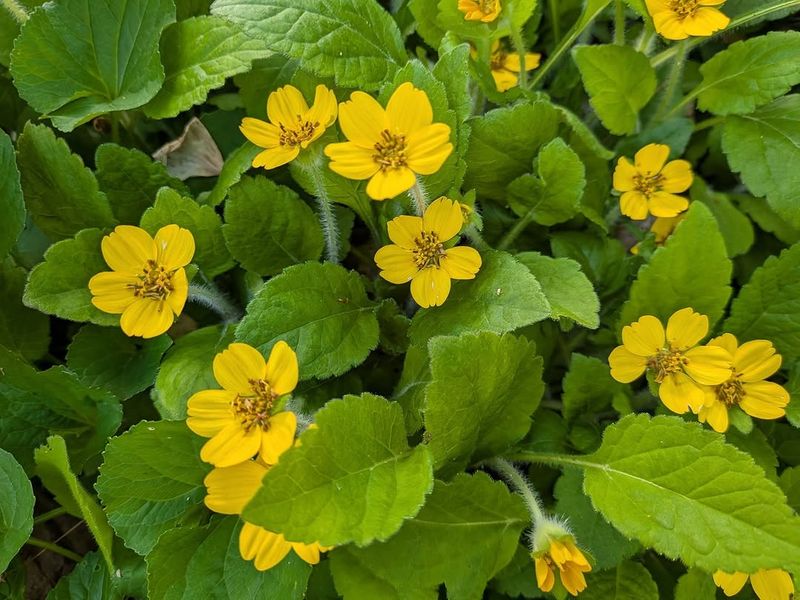
Gardeners who have been replanting begonias for years often describe a quiet sense of frustration with the cycle. You spend money on plants, you spend time putting them in, and by October they are finished and you are back at square one.
Switching to a native perennial like Green And Gold is one of the best ways to break that loop and start building something that actually grows and improves over time.
A well-placed patch of Green And Gold does not just survive from year to year; it expands. Each season it sends out new runners, fills in a little more ground, and becomes a more established part of your garden.
Over three to five years, a small planting can grow into a lush, low carpet that requires almost no intervention to maintain. That kind of garden builds itself, which is a completely different experience from the annual bedding plant routine.
For North Carolina gardeners who want a shade garden that feels finished and full rather than constantly starting over, native perennials are the answer.
Green And Gold works especially well as a foundation plant in shaded beds because its spreading habit fills space, its semi-evergreen foliage provides year-round interest, and its spring flowers add seasonal color without any extra effort.
Pair it with other long-lived native shade plants and you end up with a garden that rewards patience. The longer it grows, the better it looks, and the less you have to do to keep it that way.
6. It Fits Pollinator Friendly Native Beds
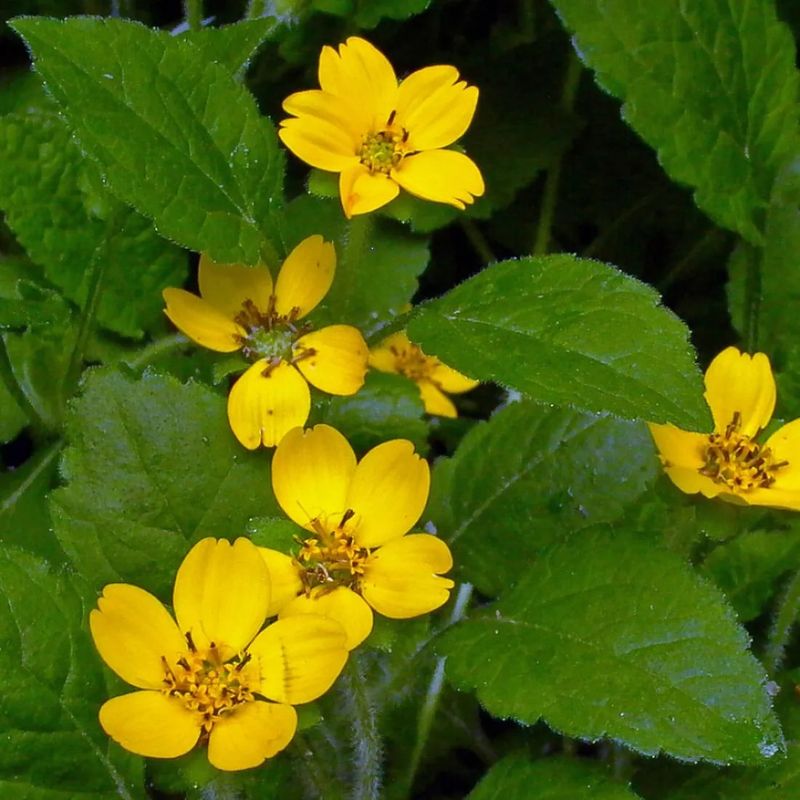
Gardeners across North Carolina are paying more attention to pollinators these days, and for good reason. Native bees, butterflies, and other beneficial insects depend on plants that evolved alongside them over thousands of years.
Green And Gold is one of those plants, and its early-season yellow flowers offer a welcome food source for small native bees when not much else is blooming yet in shaded garden spaces.
What makes this plant even more exciting from a design standpoint is how naturally it pairs with other native shade plants.
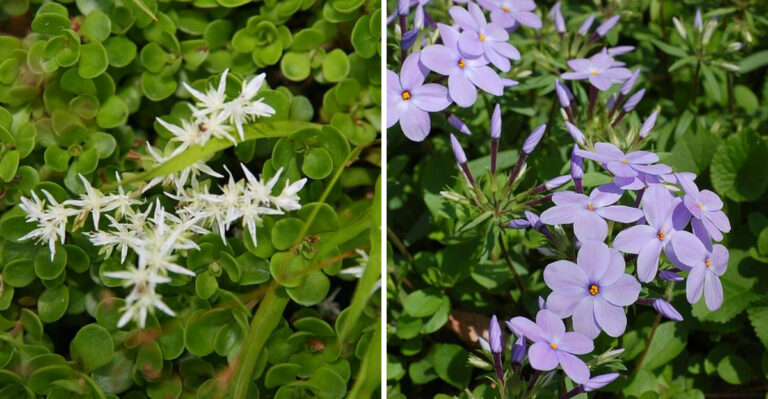
Foamflower is a classic companion, offering white or pink flower spikes that rise above the low carpet of Green And Gold in spring.
Wild ginger works beautifully as a neighboring ground cover with its bold, glossy leaves. Coral bells add colorful foliage contrast, while native ferns bring texture and height.
Woodland phlox is another wonderful pairing that layers in soft lavender blooms at the same time Green And Gold is putting on its yellow show.
Building a shade garden around native plants like these creates something far more ecologically valuable than a bed of annual begonias ever could. Begonias offer almost nothing to local wildlife.
A native bed with Green And Gold at its base supports the insects that feed the birds, and the birds that bring life and movement to your garden all season long.
North Carolina has a rich native plant tradition, and planting Green And Gold in your shaded beds is one simple, beautiful way to honor and support that living ecosystem right in your own backyard.
7. It Looks Best When Used As A Living Carpet
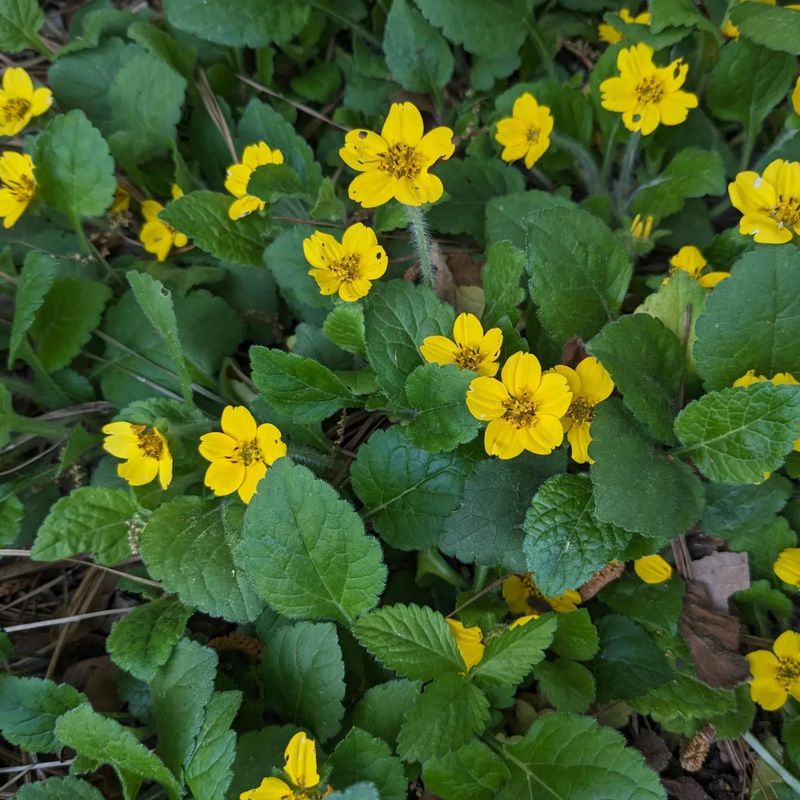
Some plants look good as single specimens, and some plants are meant to be seen in mass. Green And Gold falls firmly into the second category.
When planted in groups rather than scattered individually, it creates a flowing, seamless carpet of green foliage dotted with yellow flowers that feels like something straight out of a natural woodland scene.
That visual effect is one of the things that sets it apart from begonias, which tend to look best in tidy, formal rows.
From a design perspective, Green And Gold shines when placed along shaded walkways where its low foliage softens the edge between path and planting bed.
Under open, airy shrubs like native azaleas or viburnums, it fills the bare soil beneath without competing for attention.
Near woodland edges, it creates a natural transition from lawn to garden that looks intentional rather than overgrown.
Placing it in front of taller native perennials is another smart design move. Because Green And Gold stays low, usually around six to nine inches tall, it acts as a tidy foreground plant that shows off the stems and foliage of whatever grows behind it.
Think of it as living mulch with personality. It covers bare soil, suppresses weeds, and adds real visual interest all at once.
For North Carolina gardeners who want their shaded beds to look polished and intentional without a lot of fussing, this is the kind of plant that does the heavy lifting quietly and beautifully all on its own.
8. It Needs Different Expectations Than Begonias
Switching from annual begonias to Green And Gold is a genuinely good move for most North Carolina shade gardeners, but it helps to go in with honest expectations. These two plants are not trying to do the same job.
Begonias are bred for one thing: maximum flower color over a long season. They bloom heavily from late spring all the way through fall, giving you a reliable, colorful display that is hard to beat in terms of sheer visual punch.
Green And Gold plays a different role altogether. Its main flowering period is spring, with lighter rebloom possible through summer and into fall depending on conditions.
The flowers are smaller and more natural-looking, not the bold, waxy blooms begonias are known for.
Green and Gold offers semi-evergreen foliage that stays attractive through most of the year and spreads to cover bare soil. This plant provides a genuine connection to North Carolina’s native plant community that begonias simply cannot match.
The trade-off is worth making for gardeners who are ready to think about their shade beds as long-term living spaces rather than seasonal displays.
You give up some flower power and gain a plant that builds, spreads, and becomes more valuable every single year it grows.
Pair it with other native perennials that offer summer and fall interest, and your shaded bed can stay engaging across multiple seasons without the annual replanting routine.
Green And Gold is not a replacement for begonias in every sense; it is simply a smarter, more lasting choice for the right North Carolina shade garden.